Bagging and Flexible Packaging Sealing Equipment
Powder/Granule VFFS Packaging Machine
The powder/granule VFFS packaging machine starts from roll film bag making, then uses auger, weighing or other dosing methods to complete filling, sealing and cutting. Powder dust, fragile granules, static electricity, bag mouth residue and feeding stability affect the solution. Dosing, dust removal, gas flushing, coding and downstream finishing are optional per project.
Technical parameters
- Capacity and Speed
- Confirmed based on material dosing response, filling settling, bag length, bag mouth residue, cross seal dwell time and feeding continuity; no fixed values published without pro...
- Automation Scope
- Automatic roll film bag making, dosing interface and sealing/cutting; feeding, dust removal, gas flushing, coding, inspection and conveying are optional per project
- Applicable Container or Packaging
- Pillow bags or similar bag types made online from roll film; bag width, bag length, gusset and sealing form confirmed per finished product
- Applicable Materials
- Powder, fine granules or granular products; flowability, dust, static, moisture absorption, fragility and particle size must be specified
- Packaging Materials and Consumables
- Composite roll film suitable for vertical bag making and heat sealing; film width, thickness, friction, heat seal layer and print registration confirmed per sample
- Basic Process
- Roll film unwinding, bag forming, longitudinal sealing, optional auger or weighing dosing, filling, cross sealing/cutting and bag discharge
- Tooling and Changeover
- Adjust or replace dosing parts, hopper, filling tube, bag former, film path and sealing/cutting position per material and bag type
- Power Supply, Air Supply and Layout
- Confirm equipment dimensions, power supply, air supply, maintenance space and upstream/downstream interfaces based on dosing feeding, film drive, heat sealing/cutting, dust remo...
Selection guide
- Powder and granules are matched with auger, weighing or other suitable dosing methods respectively
- Filling tube, dust prevention and bag mouth cleaning are tested with actual materials
- Feeding, dust removal, gas flushing, coding and inspection are optional modules
- Dosing accuracy, bag length, sealing and actual speed are confirmed per material and film
Applications
- Small bag packaging of seasoning powder, powder raw materials or fine granules
- Weighing and bag packaging of nuts, grains, granules or regular small items
- Projects requiring special evaluation for dusty, moisture-absorbing, static-prone or fragile materials
- VFFS production line with optional feeding, dust removal, gas flushing or inspection
Frequently Asked Questions
- Can powder and granules share one dosing system? In most cases, the dosing principle and filling structure differ. The main machine interface can be shared, but the dosing system must be selected or changed per material.
- Will dust enter the cross seal and affect sealing? It is possible. Control through filling rhythm, settling, dust extraction and bag mouth cleaning; related modules are decided based on material testing.
Send samples and capacity requirements for a clearer solution
- Powder or granule samples, particle size, flowability, dust, static and moisture absorption data
- Target weight per bag, allowable tolerance, granule integrity and feeding method
- Roll film and finished bag samples, bag width and length, heat seal layer and print registration
- Dust cleaning, target speed, power supply, air supply and downstream conveying requirements
Related products
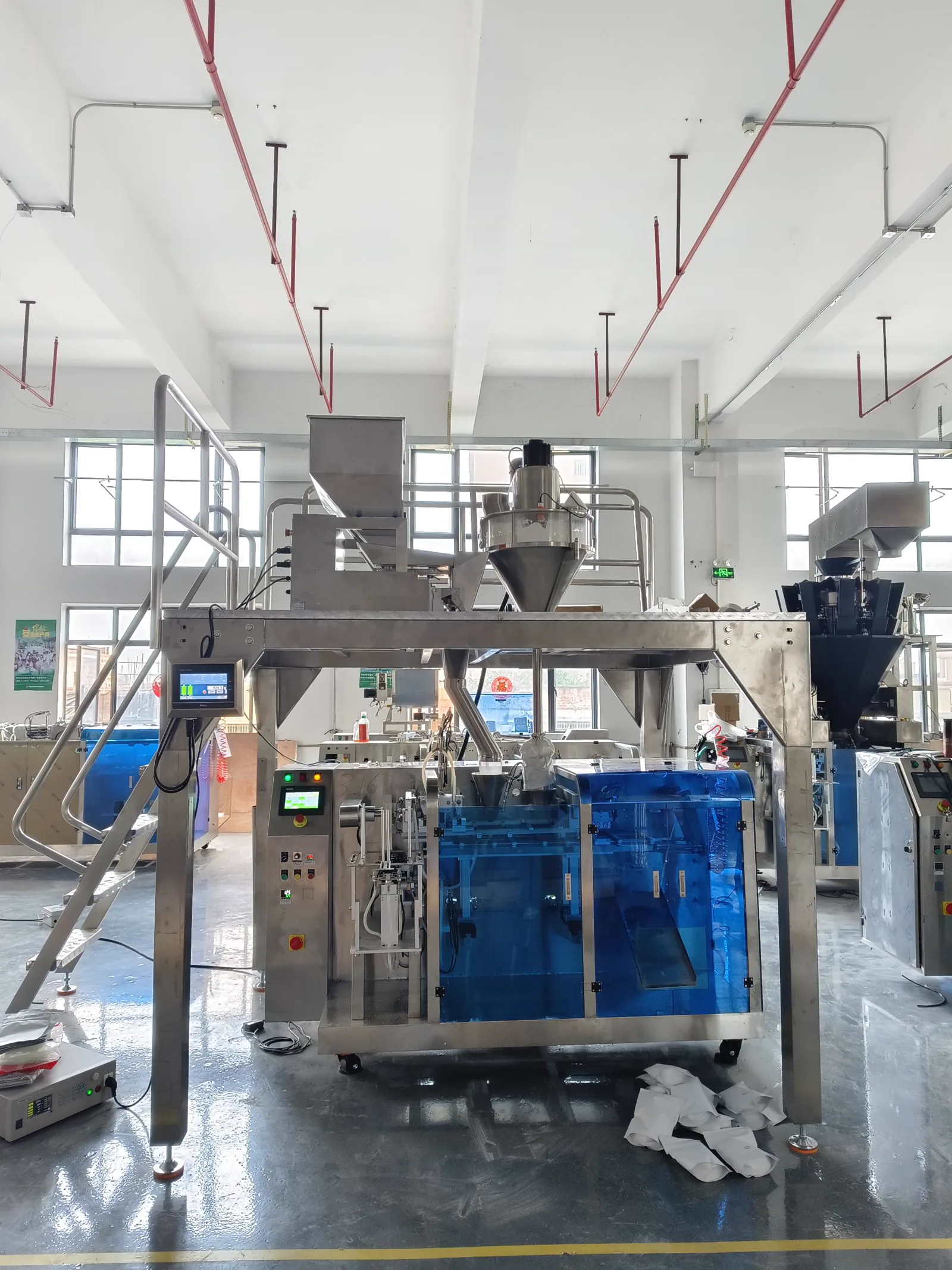
Powder/Granule Dual Metering Horizontal Pre-made Bag Packaging Machine
The machine connects a horizontal pre-made bag feeder with powder and granule metering systems, suitable for projects...
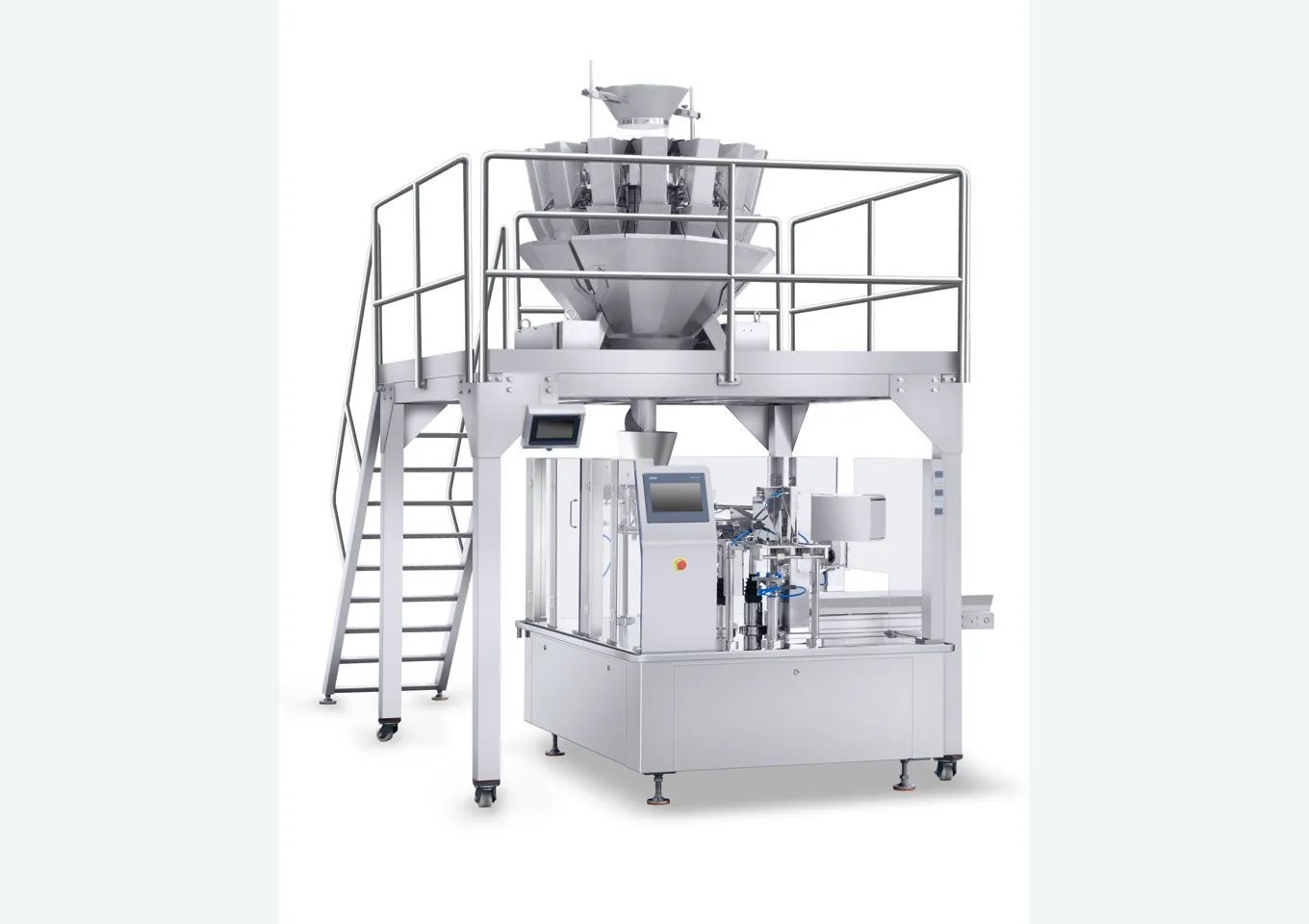
Automatic Rotary Premade Pouch Packaging Machine
The automatic rotary premade pouch packaging machine distributes bag picking, opening, filling, shaping, and sealing...
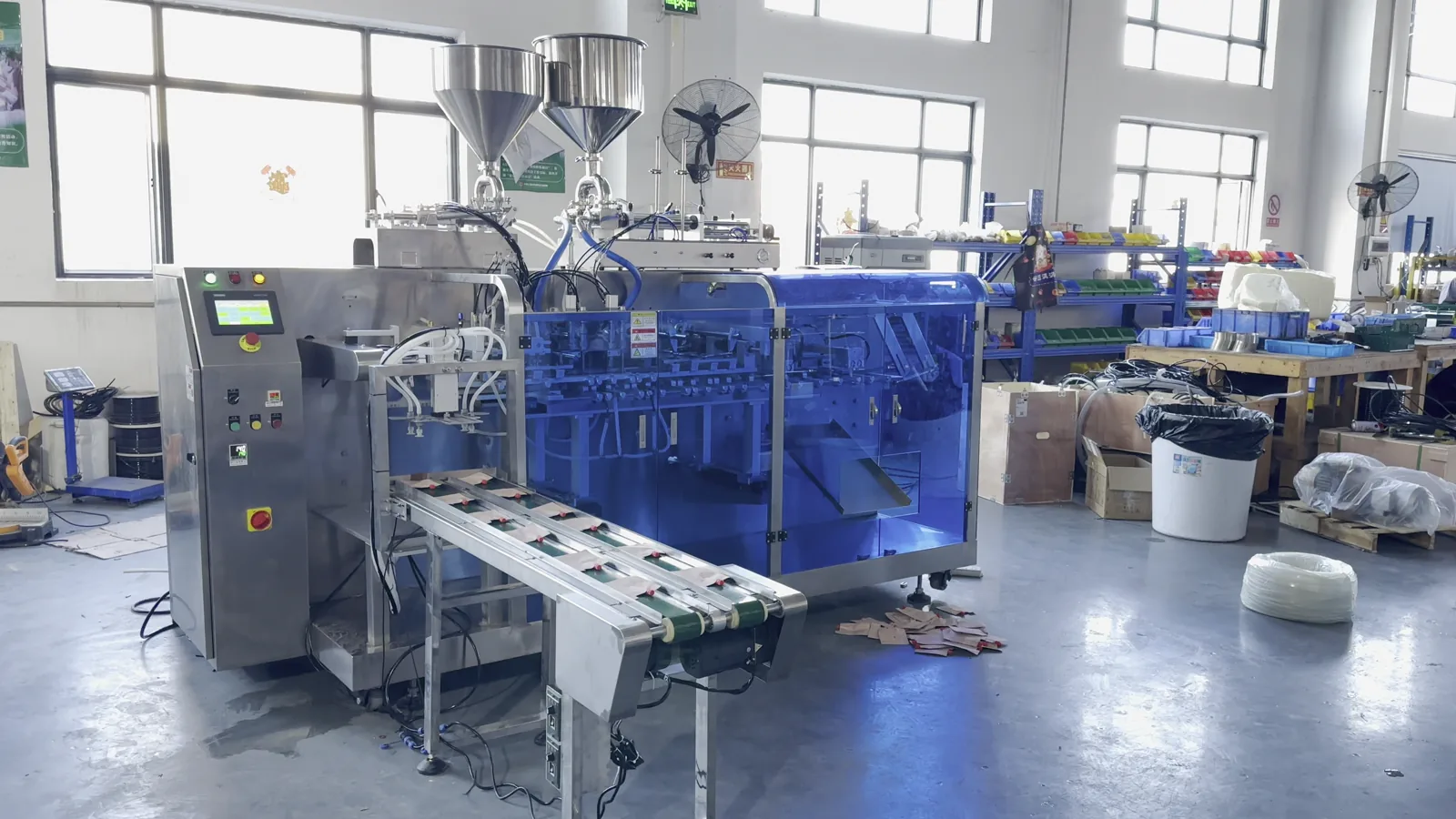
Dual-Lane Horizontal Pouch Packaging Machine
The dual-lane horizontal pouch packaging machine organizes bag picking, opening, filling, mouth finishing and heat se...
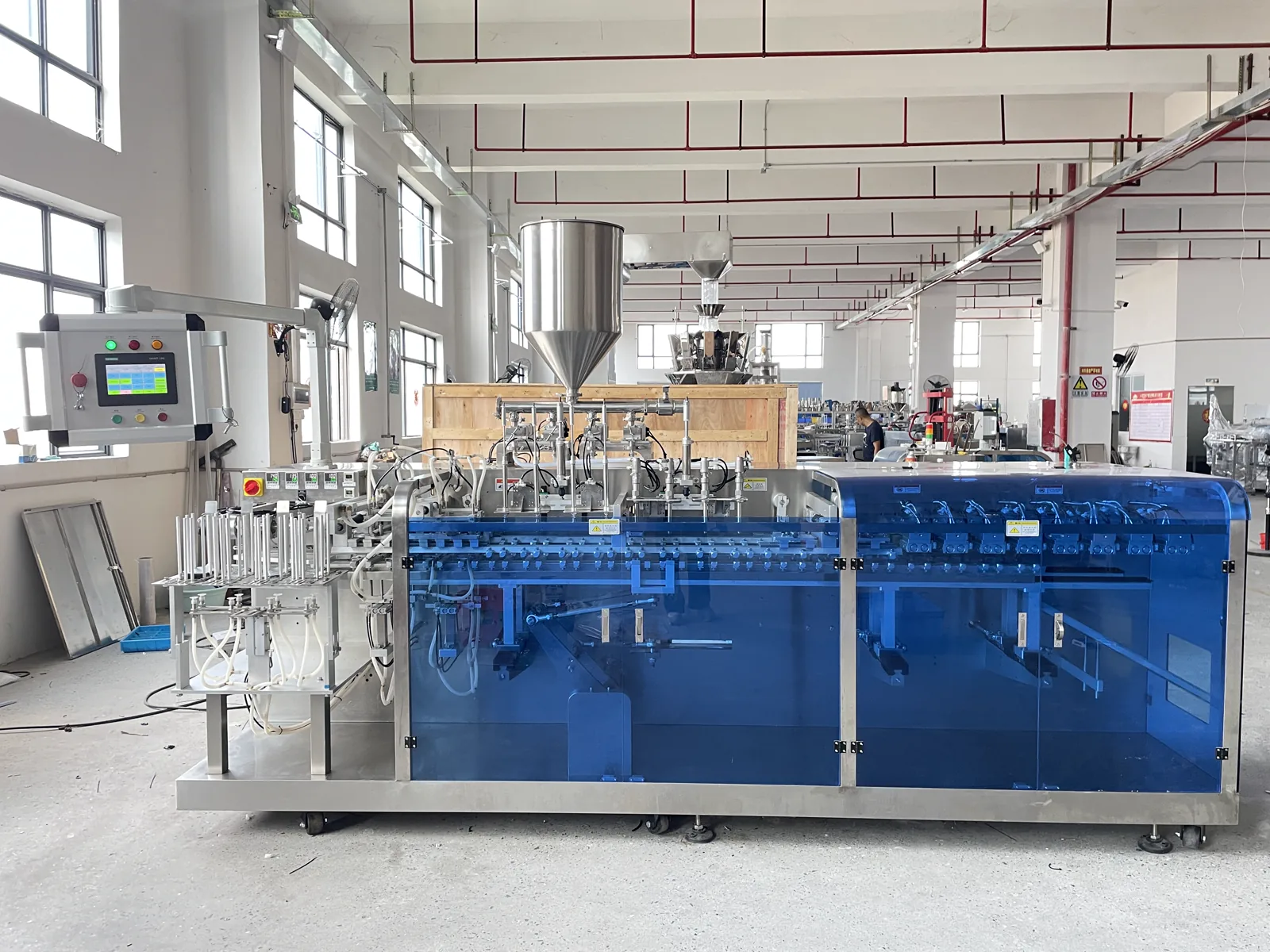
Four-Lane High-Speed Horizontal Pouch Packaging Machine
The four-lane horizontal pouch packaging machine uses multiple bag magazines and gripping mechanisms to perform bag p...
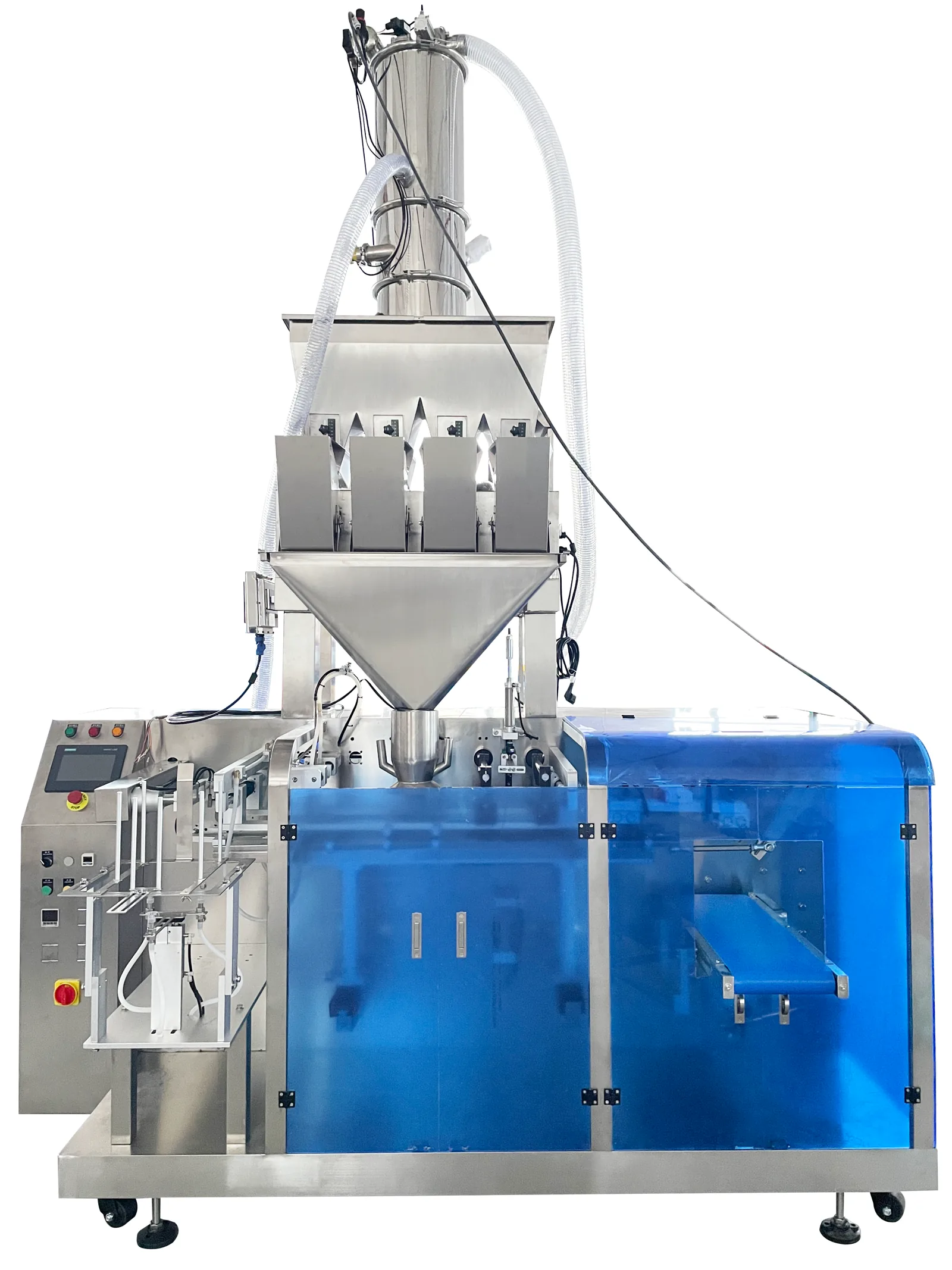
Vacuum Horizontal Pouch Packaging Machine
The vacuum horizontal pouch packaging machine is designed for vacuumizable pre-made pouches. After bag picking, openi...
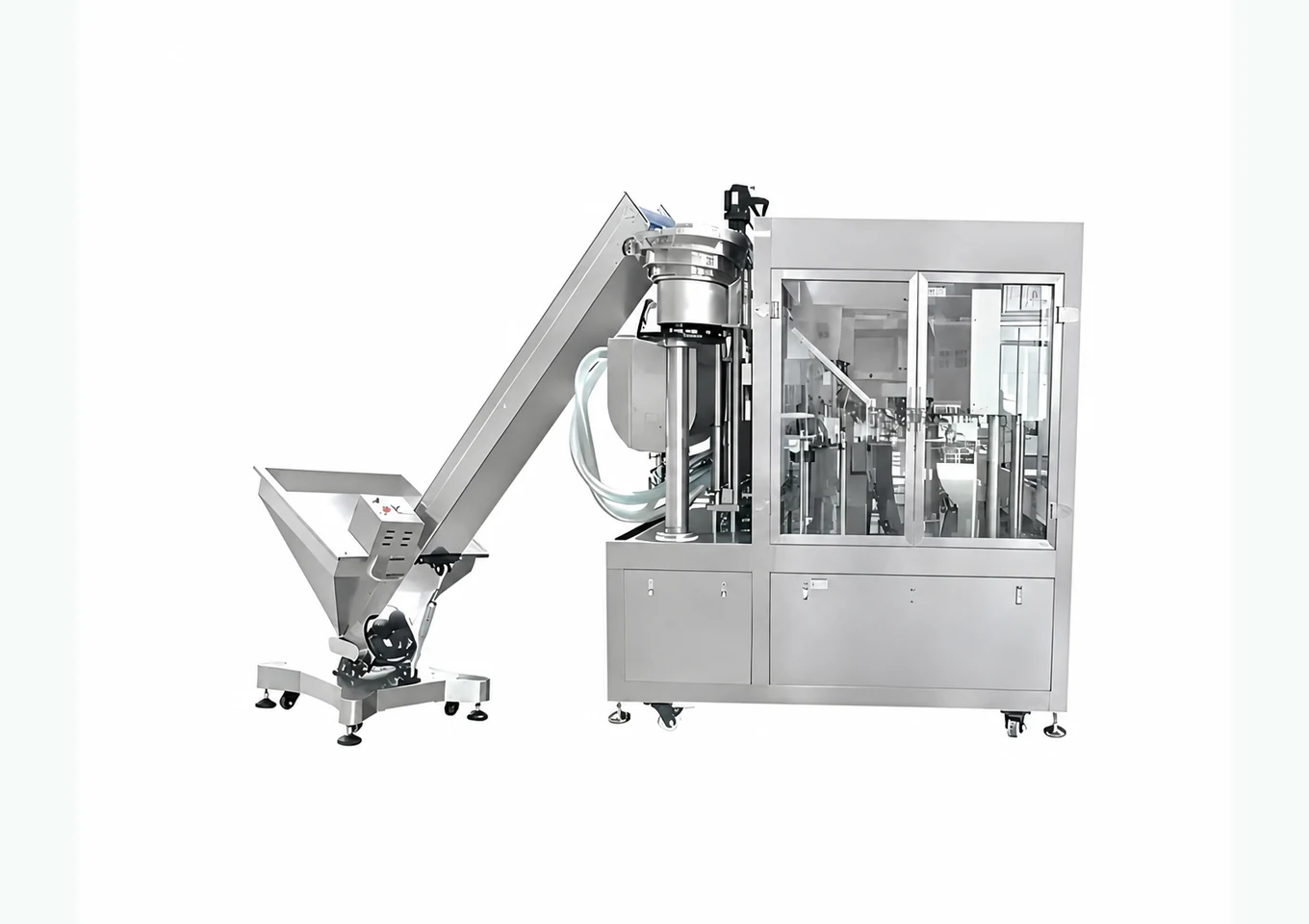
Stand-up Spout Pouch Filling and Screw Capping Machine
The stand-up spout pouch filling and screw capping machine organizes a continuous process around spout positioning, l...