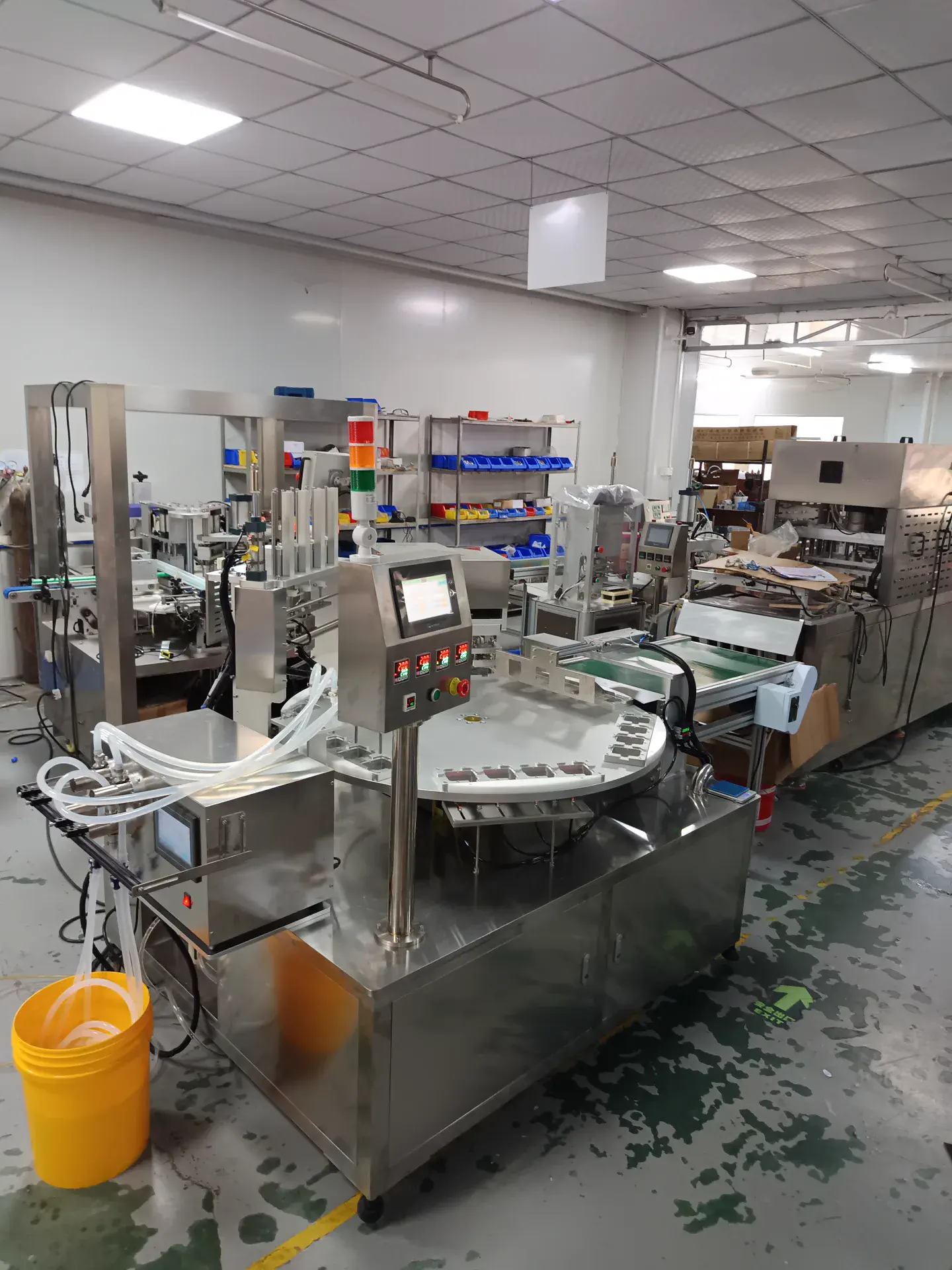
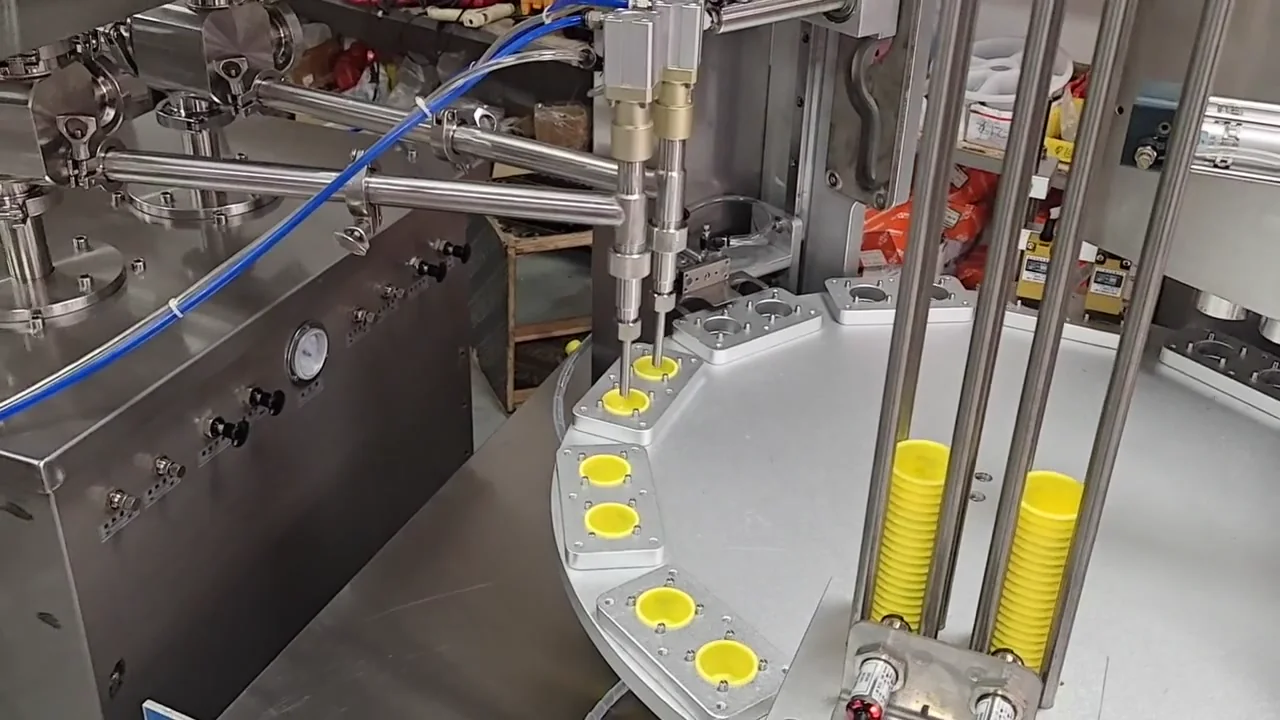
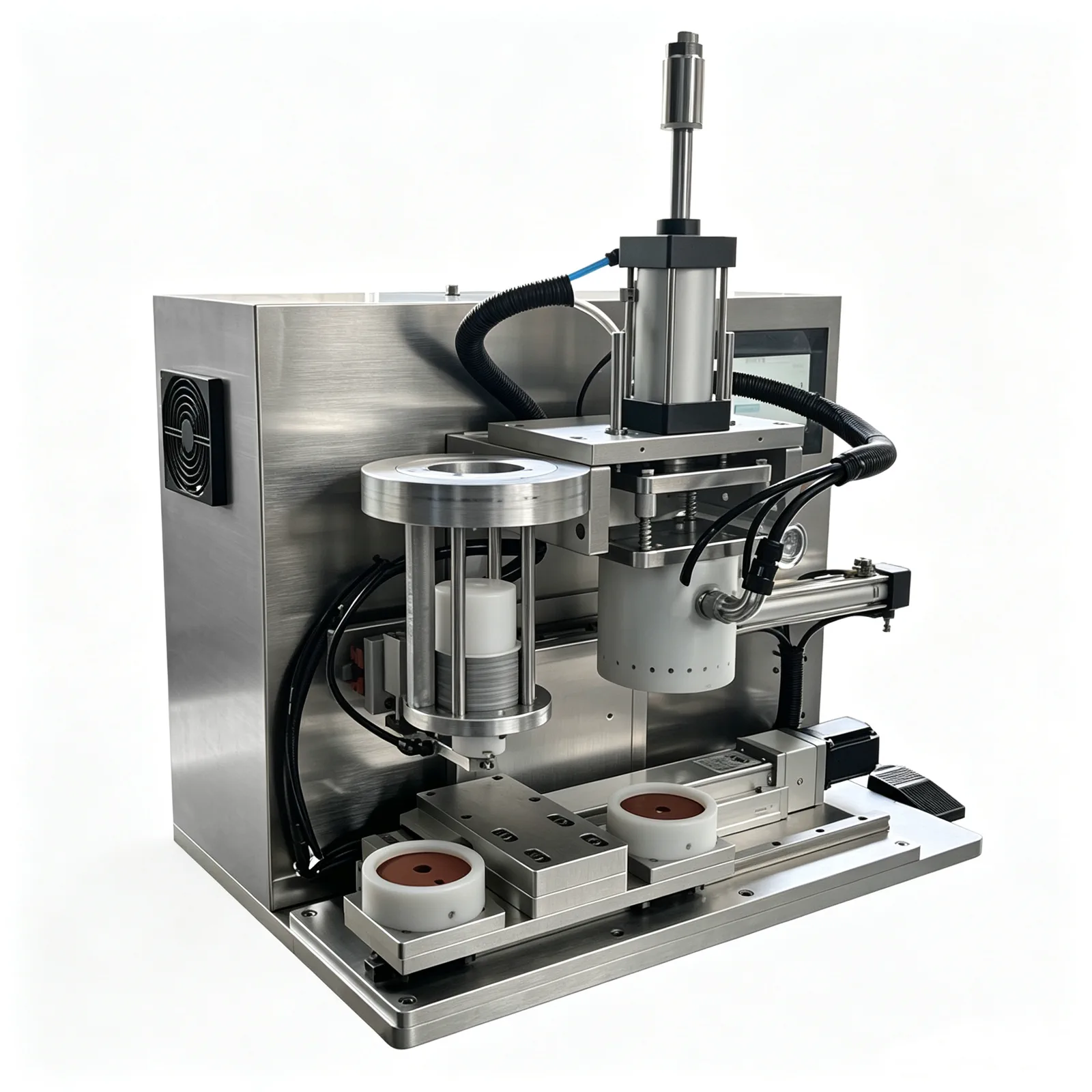
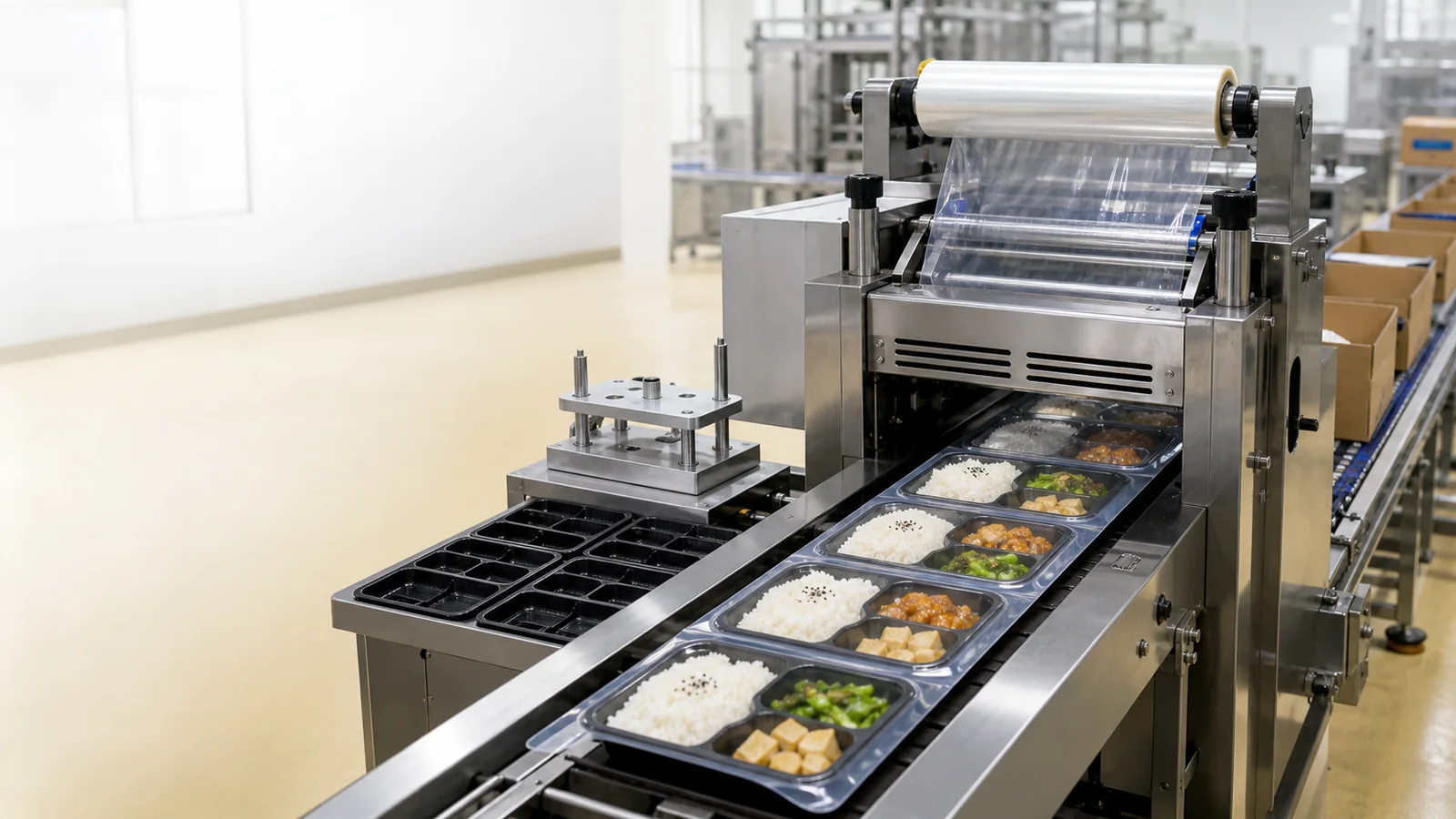
Select Packaging Equipment by Product, Container, Material & Capacity
Browse packaging equipment solutions by product, container, material, capacity, and downstream needs. Details on machines, consumables, and pre-quote info.
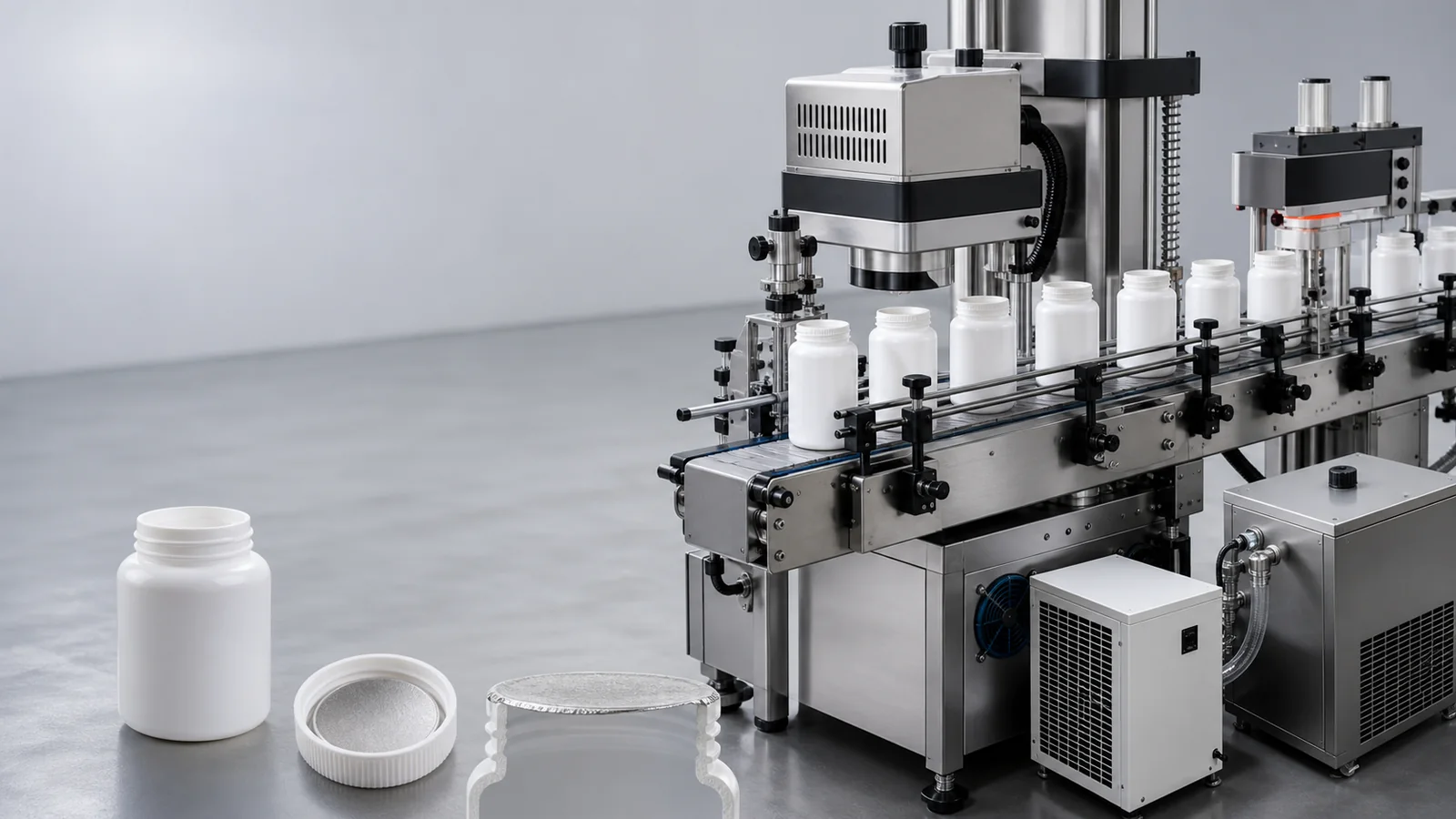
A compatible lidding film is placed over the bottle or wide-mouth jar rim and heat-sealed. Confirm film feeding, rim geometry and sealant-layer compatibility with production samples.
Need to film-seal containers for fluorescence or antigen test reagents, extraction solutions or buffers? Assess the fixture and sealing station around reagent bottles, cups, strips or cartridges.
Compare two-up and four-up rotary fixtures for boxed mask filling and sealing. Confirm box, product, pre-cut film, loading and downstream interfaces; do not infer output from po...
Compare tabletop and 1–8-head inline options for capless foil sealing. Test container, liner, seal and cap fit with samples; size the head count to the actual line rate.
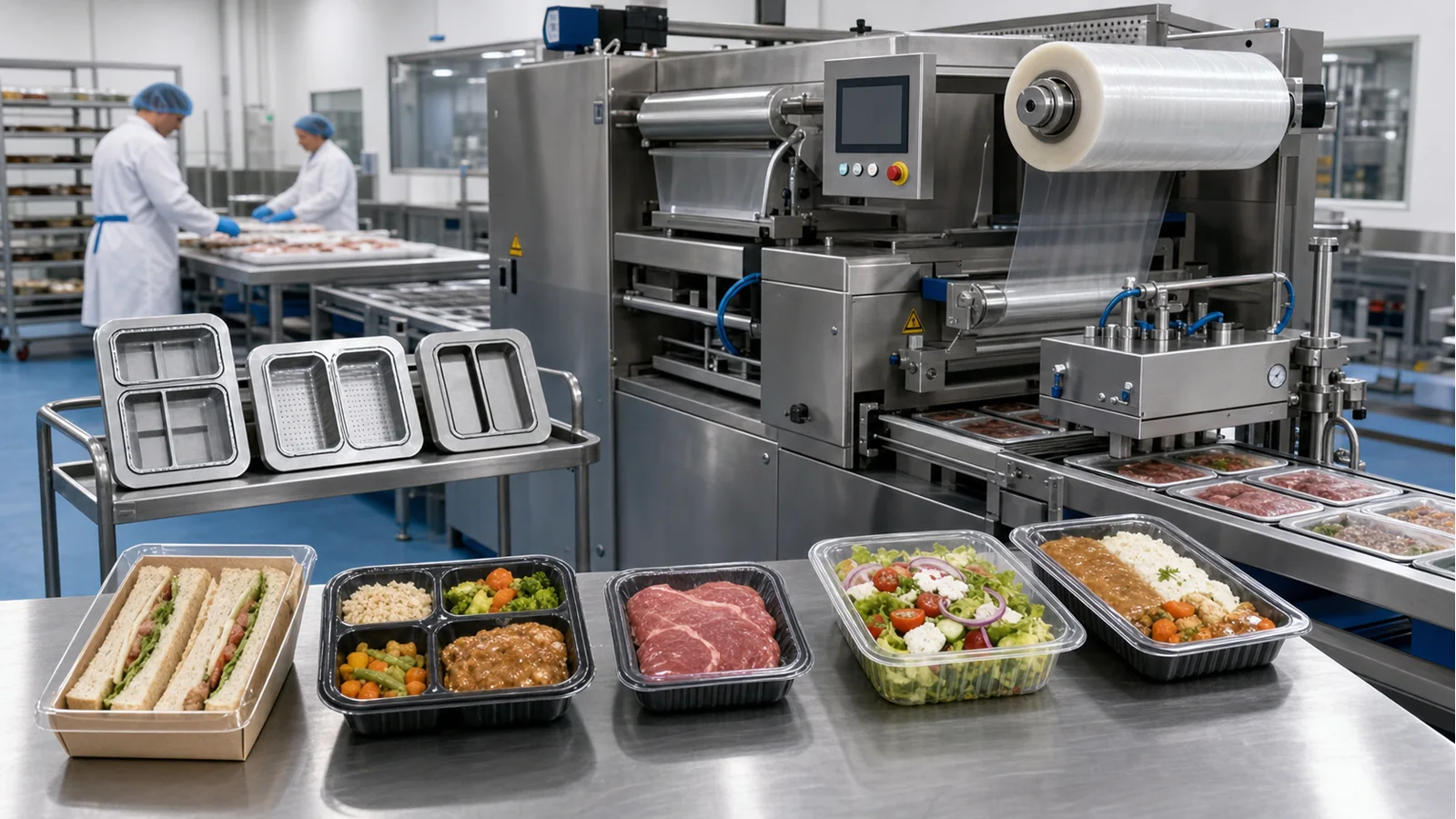
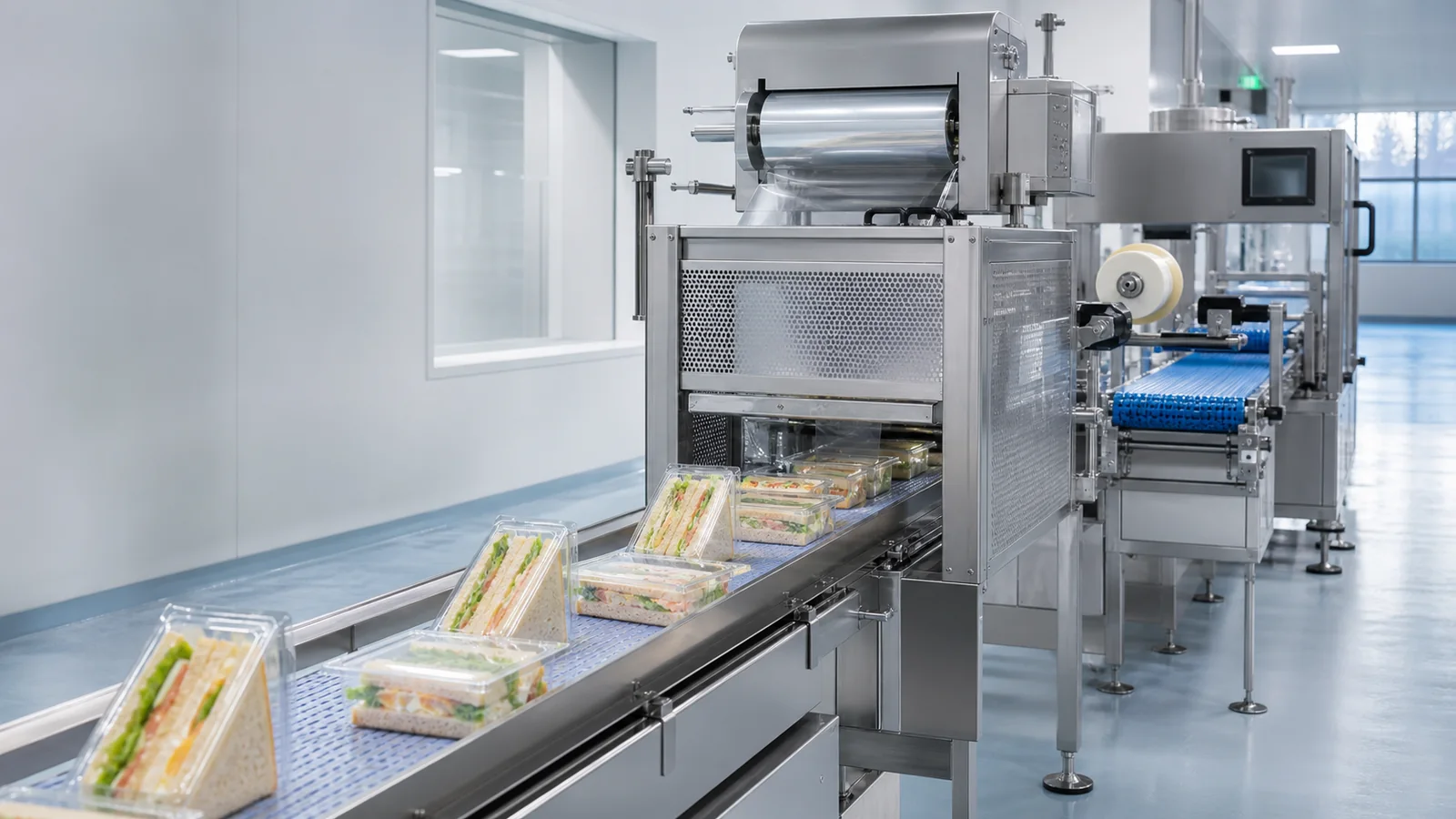
Build a meal tray line around one route: standard heat sealing or MAP. Trial tray, film, product and acceptance method, then add loading, coding, labeling and checkweighing.
Separate direct lid-film heat sealing, on-machine die-cut placement, capped induction foil liners and screw capping by rim and closure, then validate contamination, materials, i...
For squeeze bottles, wide-mouth jars, and food pails, this outlines the process from heated tank to piston or multi-head filling equipment, then to screw capping, induction foil...
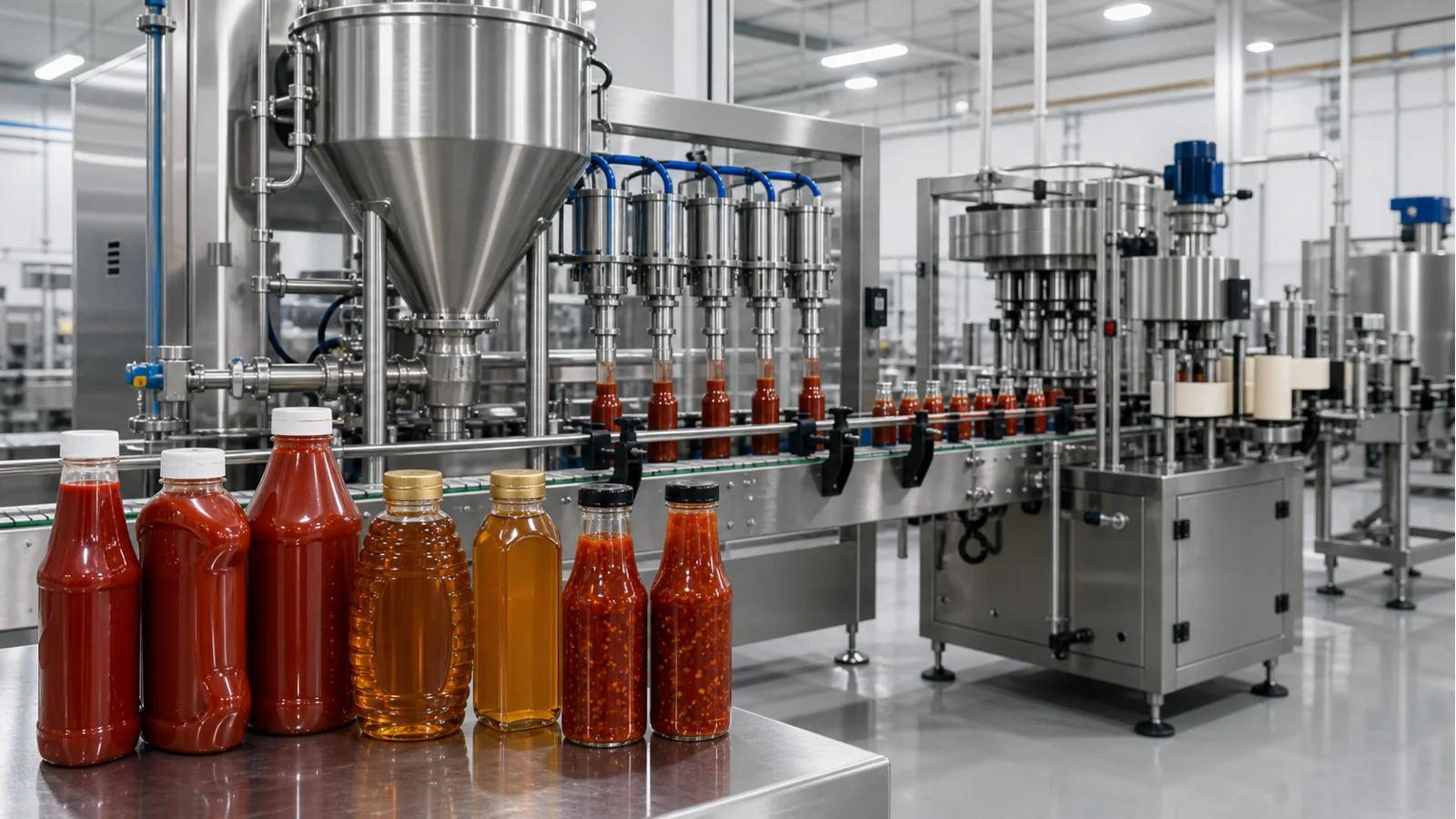
When squeeze bottles and wide-mouth bottles enter the mayonnaise and salad dressing packaging line, first compare piston single machines with multi-head lines, then arrange scre...
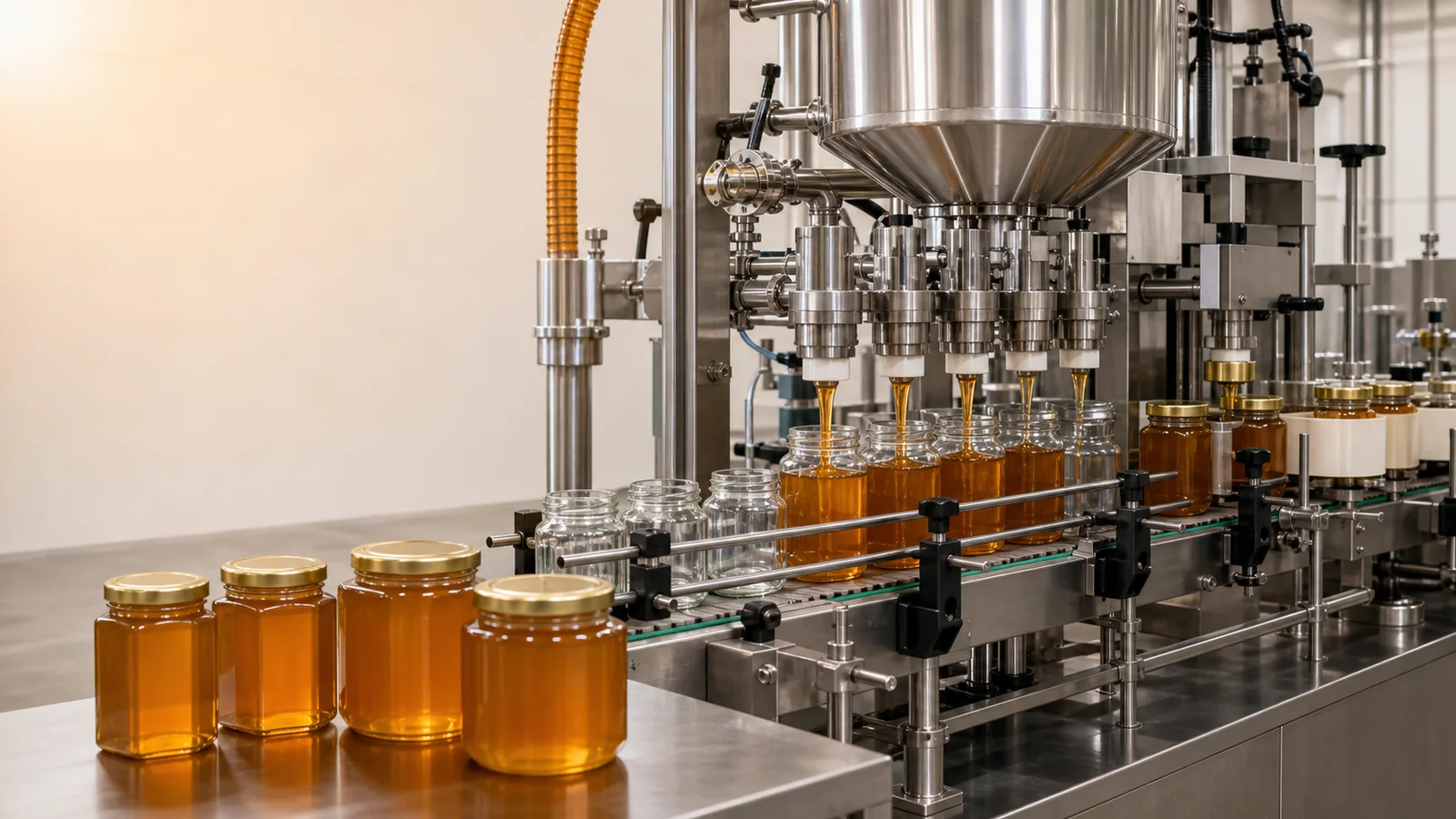
Honey is first kept in a heated hopper in a fillable state, then filled by the piston main machine and capped. When the cap has a matching liner, it proceeds to the induction fo...
Compare manual, semi-automatic multi-station, continuous filling-sealing and MAP routes by rim, roll or pre-cut lidding, product, tooling changeover, operator cycle and line needs.
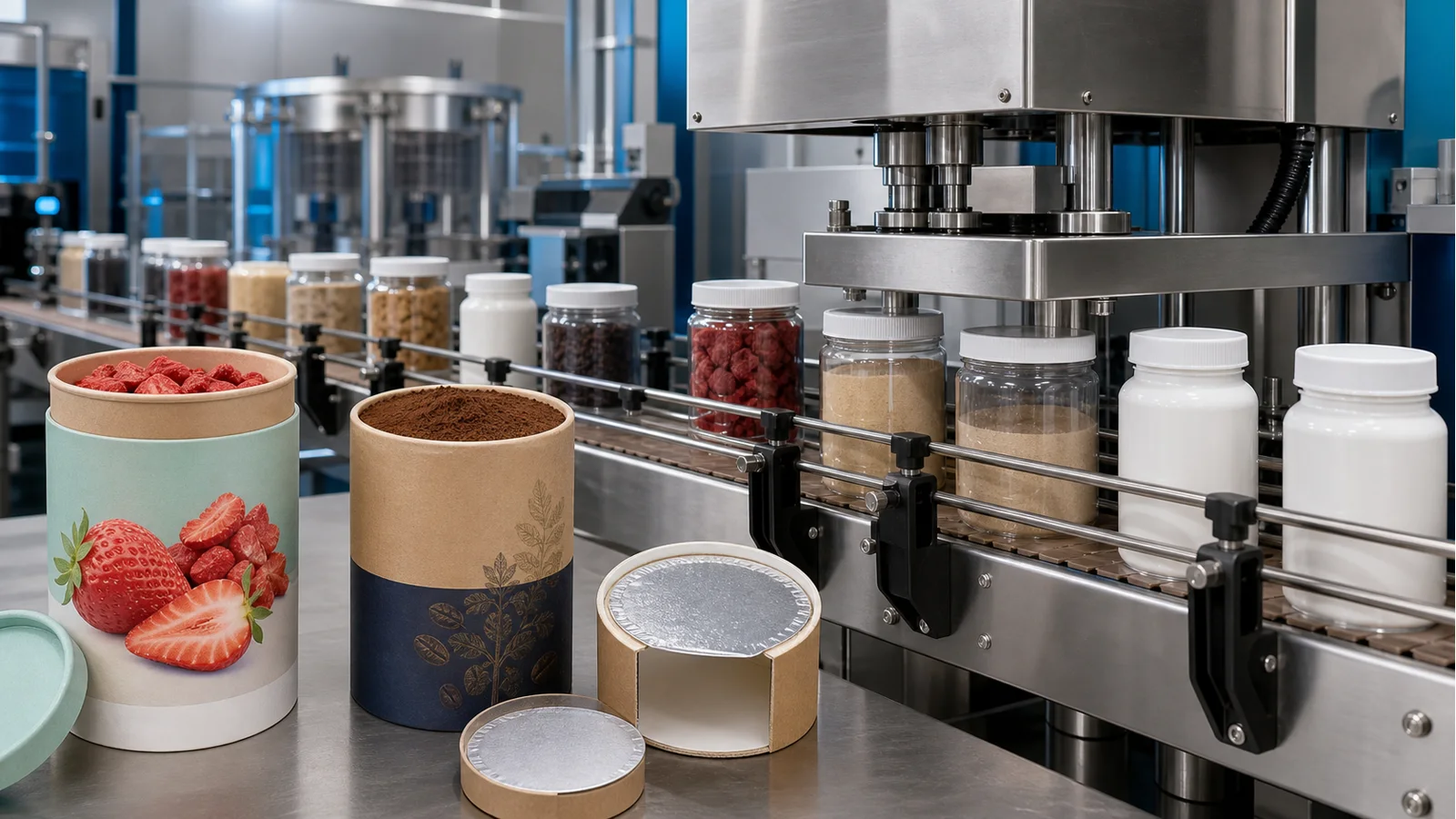
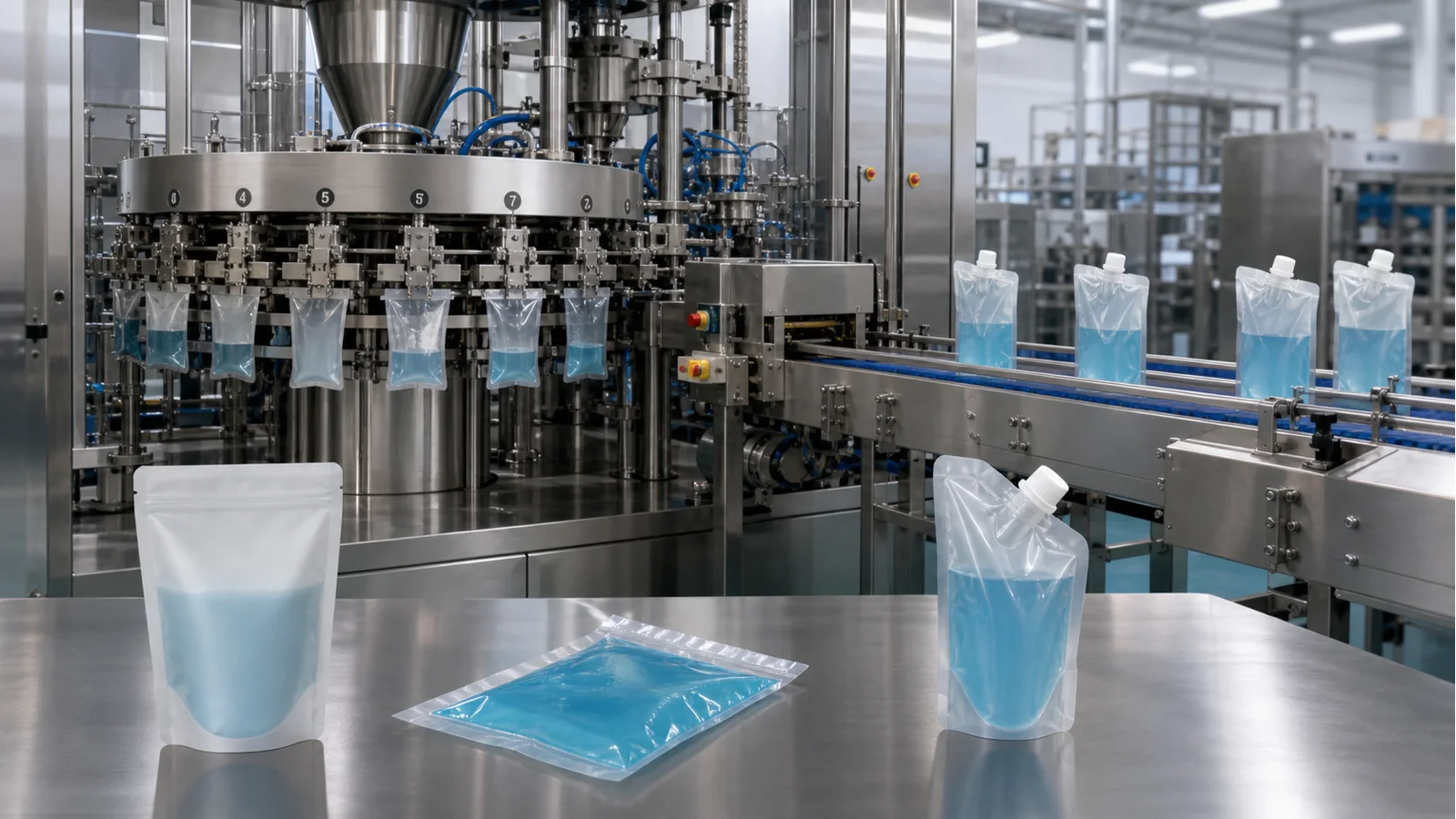
For powders and granules, first determine the metering method based on flow characteristics. Ordinary pre-made bags enter the bag opening and filling and sealing main machine, w...
Ordinary food trays can be edge-sealed on a multi-compartment tabletop machine. When gas replacement inside the tray is needed, use a tray MAP solution; pre-cut film trays are h...
Explains the applicable differences among tabletop multi-compartment meal box sealing machines, tray MAP sealing machines, and automatic pre-cut film equipment for salad boxes,...
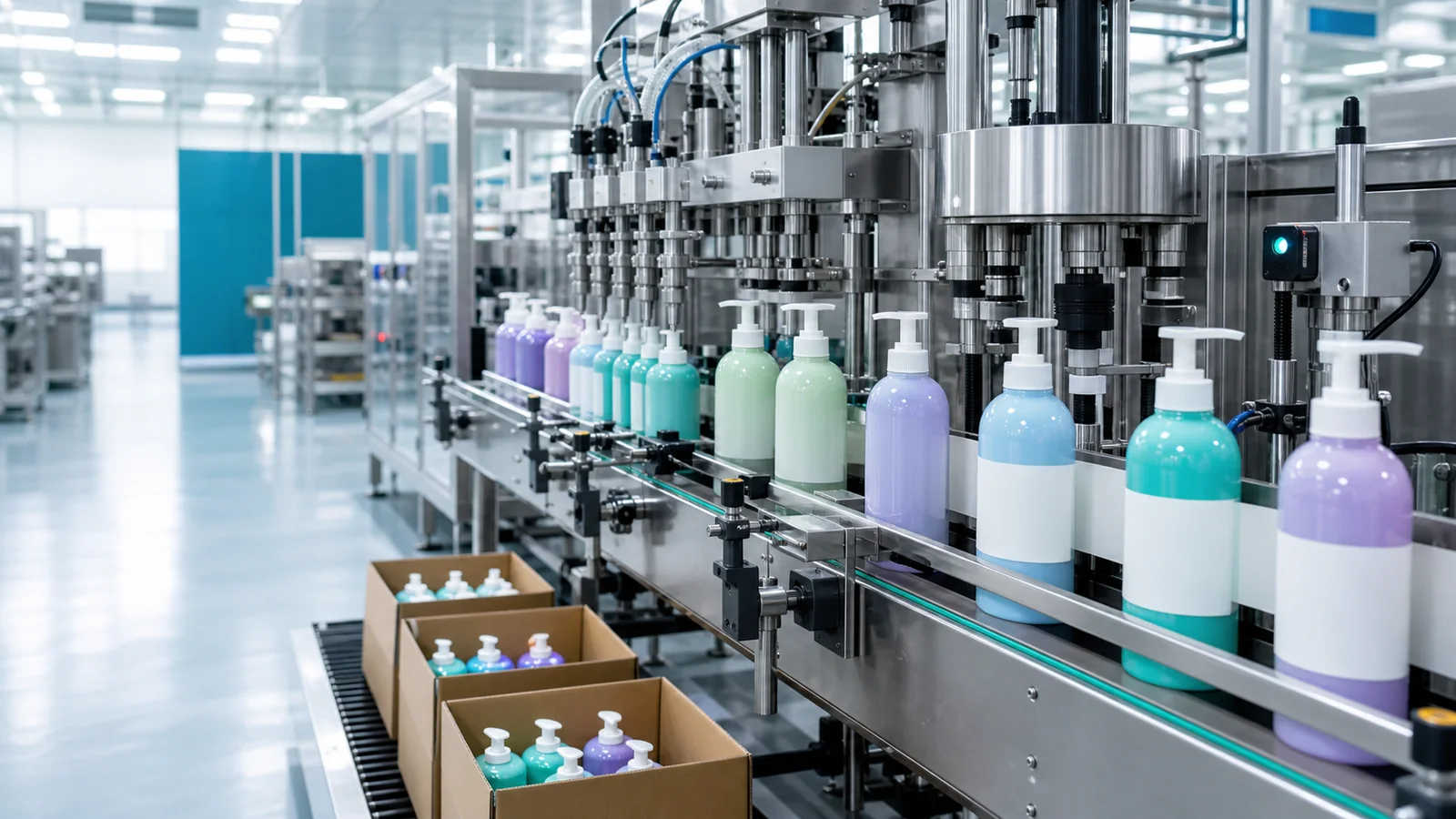
Plastic bottle samples are first used to confirm the shampoo filling and anti-foaming action, followed by closing with pump heads or threaded caps. If a matching liner is presen...
Focus on PET, HDPE, glass, and pump-head bottles for shower gel. Describe the station sequence of liquid filling machines, automatic screw capping machines, online induction foi...
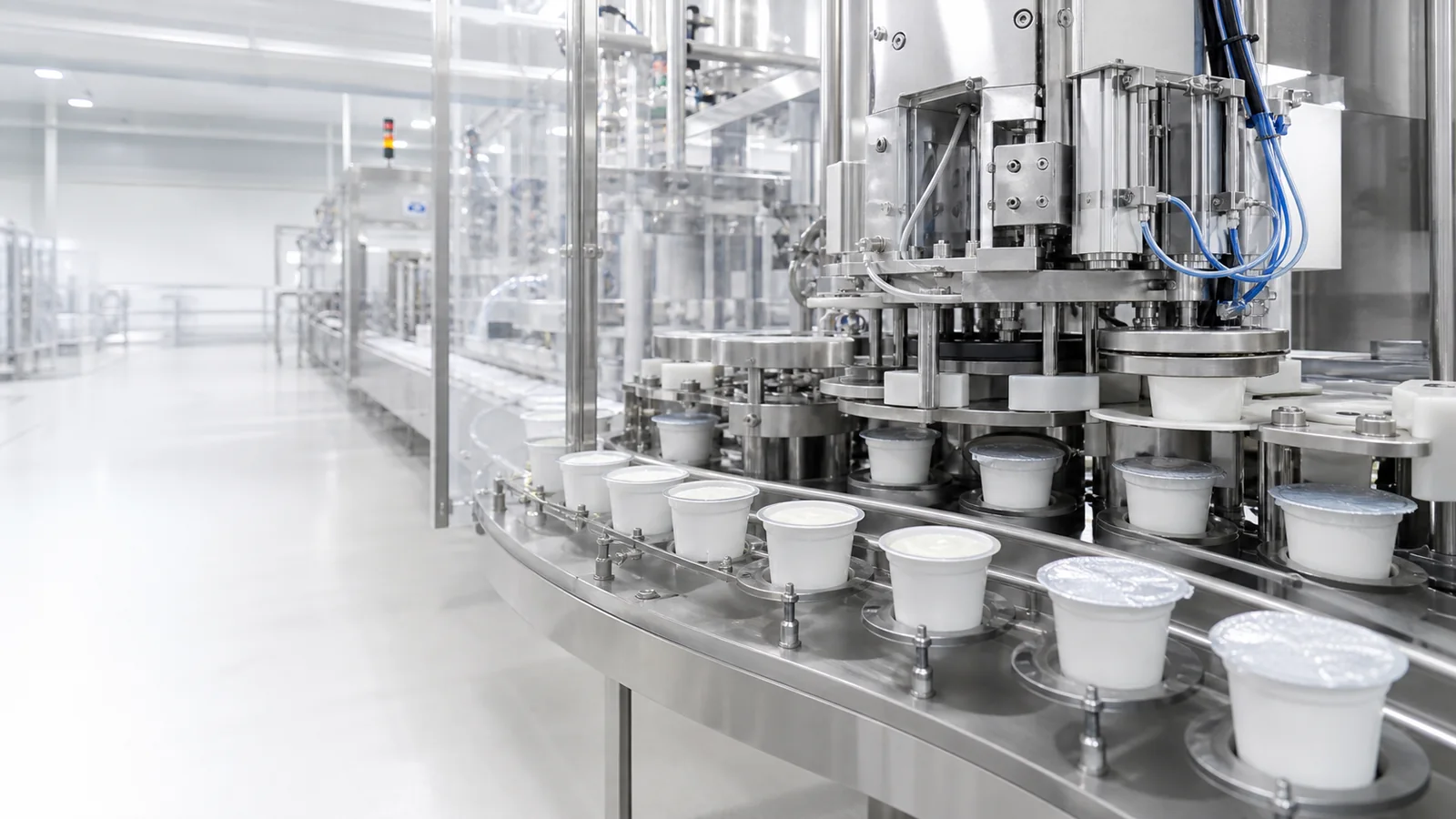
Configure cup feeding, yogurt filling, lid sealing, optional overcaps and coding, inline checkweighing and case packing from actual cups, lidstock, product and acceptance criteria.
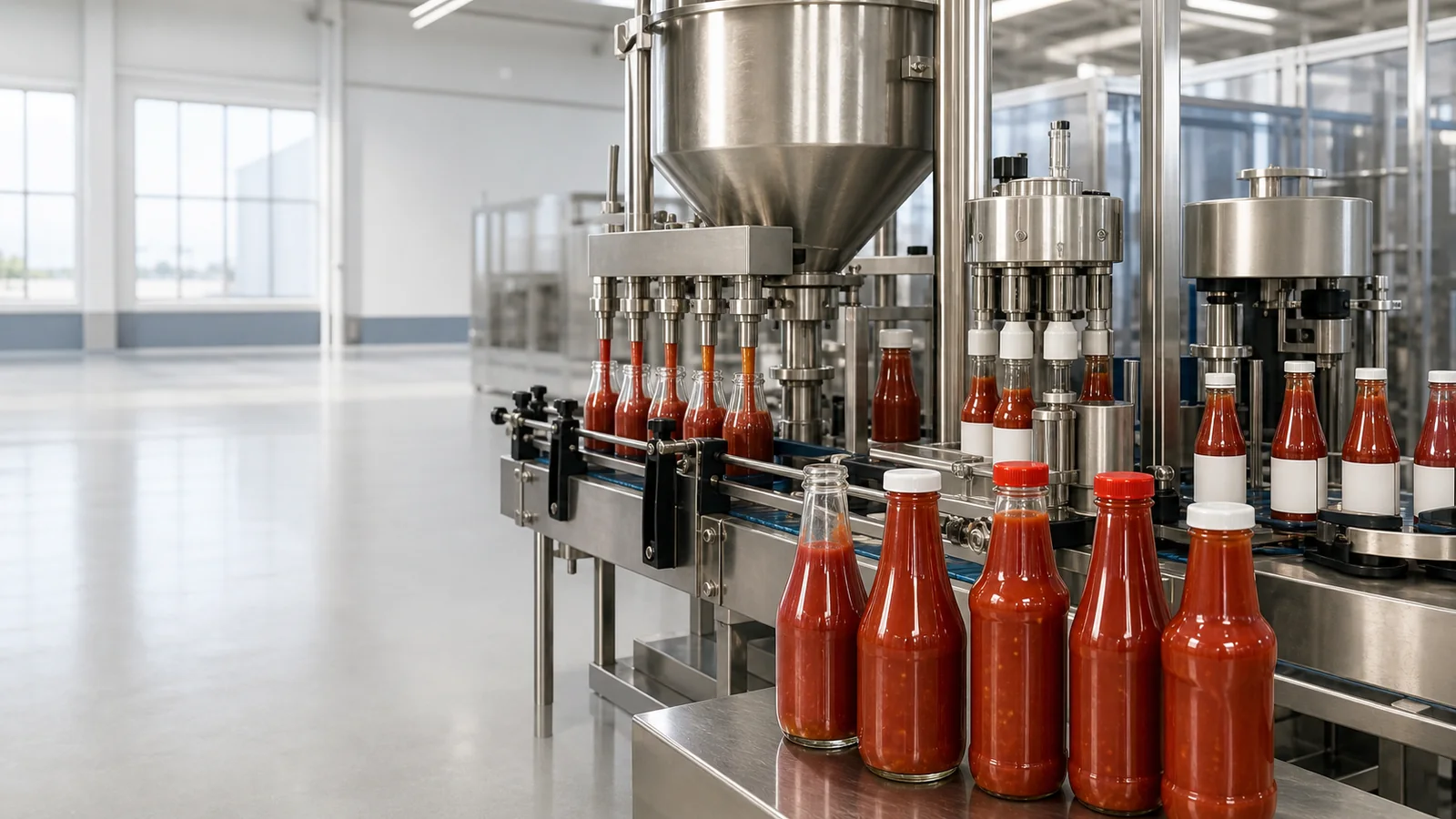
Chili sauce is fed from a heated hopper into the piston machine; the presence of seeds and particles determines the valve route trial. After cap closure, if an aluminum foil lin...
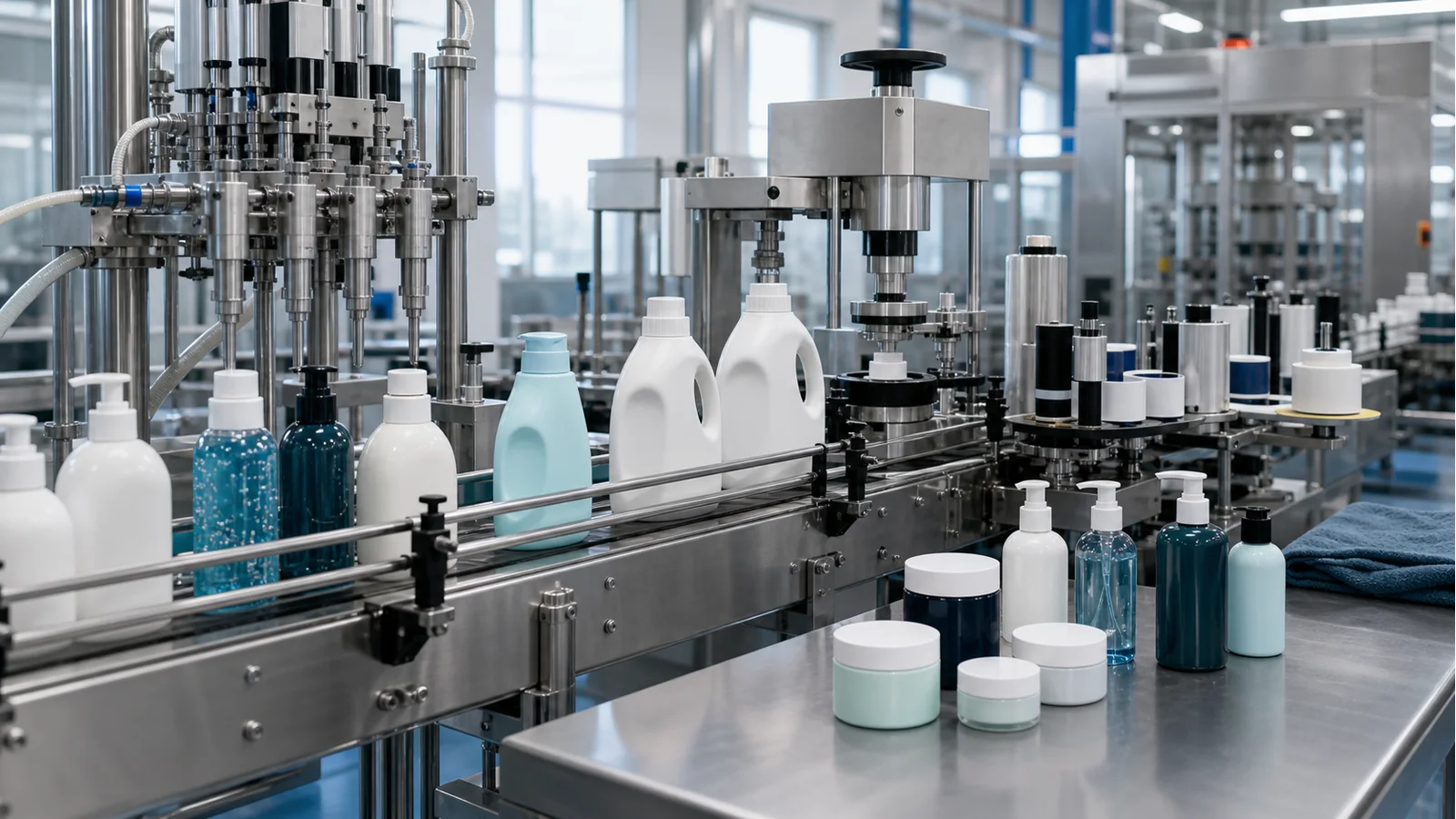
Laundry detergent is first filled into bottles at the quantitative station, and after the pump head or threaded cap is closed, determine whether liner inner sealing is needed. B...
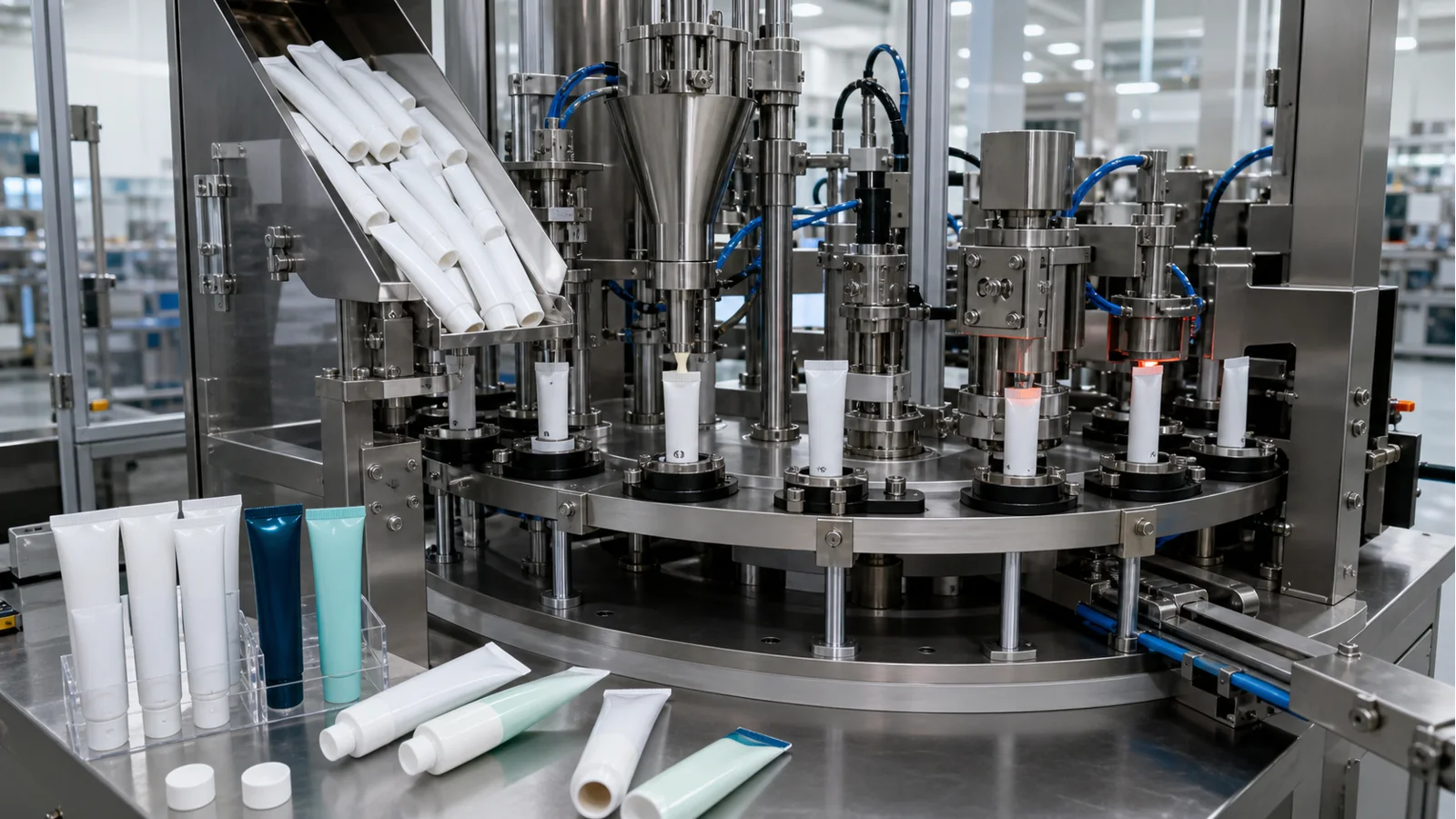
Explains the combination logic of fully automatic tube filling and tail sealing, special cap tube sealing, tail coding, and online checkweighing/vision verification. Tube materi...
For PP and PET trays and cold-chain display trays, compare tray MAP sealing machines, automatic pre-cut film tray sealing machines, roll film tray sealing machines, and finished...
Place hand-press or tabletop heat sealing, automatic pre-cut film sealing, and tray-type gas flushing packaging in the same decision framework, and explain the connection points...
Configure tanks or hoppers, filling and anti-drip nozzles by viscosity, particles, temperature and dose, then add capping, inner sealing, labelling, checkweighing or packing by...
Choose standalone tail sealing or integrated filling and sealing by empty versus filled tube, tube material, product, dosing and anti-drip, tail process, coding, trimming and cl...
Separate direct heat-seal lids, induction foil liners inside caps and press-fit outer caps by rim, closure and opening method, then add lid feeding, coding, labelling and inspec...
Solutions169
Packaging Solution Flow
This flow organizes real packaging questions so you can judge the direction first, then see what sample details and equipment may be needed.
Enter or select the product first, then narrow down containers, materials, and processes step by step20 categories332 products44 container types
01Product to package
02Container / packaging format
03Core processes
04Auxiliary processes / line integration
05Speed / capacity
06Packaging materials and consumables / Key considerations
07Suggested result
Product to package
Enter a product, such as ketchup, honey, milk tea, ready meals or shampoo. You can also describe its physical state or samples.
332
Product category
No exact match? Continue with your entry. We will review your samples and process before confirming a suitable machine.
If no product matches exactly, enter its name, sample condition or special requirements and continue with your entry.
Information to prepare
Packaging materials and consumables
Key considerations
How do we confirm the process and equipment?
The tool outlines equipment options from your product, container, material state and target speed. Final selection requires sample dimensions, film, closures and site layout.
What should I prepare for a quotation?
Sample photos, key dimensions, packaging samples, target capacity and intended market help us assess the machine, tooling, line integration and quotation range.
How can the machines form a production line?
Choose containers and packaging materials first, then the main process. Finally, coordinate feeding, discharge, coding, labeling and inspection so the complete line stays balanced.
We only load non-essential third-party content and analytics services after obtaining your consent, to protect privacy and optimize browsing experience.