Solution topic
How to choose ointment tube filling, sealing, and batch coding? First, consider the tube material, diameter, and tail sealing method.
For ointment, gel, and cosmetic tube projects, don't just look at 'sealing machines'. First confirm the tube material, diameter, tail shape, whether already filled, cap type, and batch code position, then decide between an integrated filling-sealing machine, a standalone sealing-coding machine, or downstream inline integration.
- For ointment, gel, and cosmetic tube projects, don't just look at 'sealing machines'. First confirm the tube material, diameter, tail shape, whether already filled, cap type, and batch code position, then decide between an integrated filling-sealing machine, a standalone sealing-coding machine, or downstream inline integration.
- How to choose ointment tube filling, sealing, and batch coding?
Real customer questions
We produce ointments and need a machine that can fill, seal, and print batch codes. How should we choose?
First determine the packaging route
For ointment, gel, and cosmetic tube projects, don't just look at 'sealing machines'. First confirm the tube material, diameter, tail shape, whether already filled, cap type, and batch code position, then decide between an integrated filling-sealing machine, a standalone sealing-coding machine, or downstream inline integration.
Integrated filling and sealing route
Suitable for: Ointment and cosmetic tube projects that require feeding empty tubes, filling paste, sealing the tail, and trimming edges in one process, especially for continuous production with stable output and reduced intermediate handling. Advantages: Filling and sealing are completed on the same machine, reducing semi-finished product handling and secondary positioning, with higher sealing accuracy and consistency, suitable for medium to high-speed continuous production. Limitations: The tube material (plastic or aluminum-plastic composite), diameter range, fill volume, paste viscosity, and whether it contains particles must be confirmed, as these affect the filling nozzle, sealing temperature, and trimming structure. Not recommended: If the customer has already filled the tubes and only needs sealing and coding, an integrated filling-sealing machine is not recommended as it waste...
Standalone sealing and coding route
Suitable for: Projects with already filled tubes that only need tail sealing, batch coding, and edge trimming, such as contract packers sealing tubes after filling, or small-batch multi-variety production. Advantages: Simpler machine structure, flexible changeover suitable for multiple tube specifications, lower investment cost than integrated machines, and independent adjustment of sealing and coding positions. Limitations: Need to confirm whether there is paste residue at the tail that could contaminate the sealing area, and whether the coding method (hot stamping, inkjet, or thermal transfer) is compatible with the tube material. Not recommended: If the customer needs fully automatic production from empty tubes with high output, a standalone sealing-coding machine is not recommended as the lack of filling would cause process disconnection. Equipment direction: We can provide a tube...
Special-shaped cap or special tube mouth route
Suitable for: Projects with tubes having special-shaped caps, pumps, or unique sealing structures, such as cosmetic tubes with flip caps, nozzle caps, or caps with inner plugs, requiring separate cap type matching. Advantages: Customized cap sorting and capping solutions for special cap types ensure tight cap-tube fit, preventing cap detachment or leakage during transport. Limitations: Need to provide cap samples and tube mouth dimensions, confirm whether the cap type is suitable for automatic sorting and capping, and whether pre-screwing or torque control is required. Not recommended: If the tube has a standard threaded cap with no special requirements, the special-shaped cap route is unnecessary; a standard capping solution is more economical. Equipment direction: We can provide a special-shaped cap tube sealing solution, customizing cap sorting, placement, and capping modules accor...
Recommended equipment route: Sample and container confirmation
Tube material (plastic or aluminum-plastic composite) affects sealing temperature and trimming method; tube diameter determines mold and fixture size; tail shape affects sealing positioning.
Recommended equipment route: Filling and sealing (if integrated needed)
From empty tube feeding to filling, sealing, and edge trimming in one process, suitable for continuous production of ointment and cosmetic tubes.
Recommended equipment route: Sealing and coding (if already filled)
Tail sealing and batch coding for already filled tubes, supporting hot stamping or inkjet coding, suitable for downstream centralized processing.
Recommended equipment route: Downstream inspection and output
Inkjet coding for batch or QR code traceability; conveyor linking upstream and downstream processes; checkweighing to ensure fill volume accuracy.
Route comparison
- Suitable for ointment and cosmetic tube projects that require feeding empty tubes, filling paste, sealing the tail, and trimming edges in one process, especially for continuous production with stable output and reduce...
- Filling and sealing are completed on the same machine, reducing semi-finished product handling and secondary positioning, with higher sealing accuracy and consistency, suitable for medium to high-speed continuous production.
- Need to confirm tube material (plastic or aluminum-plastic composite), diameter range, fill volume, paste viscosity, and whether it contains particles. These affect the filling nozzle, sealing temperature, and trimming structure.
- If the customer has already filled the tubes and only needs sealing and coding, an integrated filling-sealing machine is not recommended as it wastes functionality and increases cost.
- We can provide a tube filling and sealing machine that supports empty tube feeding, paste filling, tail heat sealing, and edge trimming, with downstream options for coding or inspection.
- Suitable for projects with already filled tubes that only need tail sealing, batch coding, and edge trimming, such as contract packers sealing tubes after filling, or small-batch multi-variety production.
- Simpler machine structure, flexible changeover suitable for multiple tube specifications, lower investment cost than integrated machines, and independent adjustment of sealing and coding positions.
- Need to confirm whether there is paste residue at the tail that could contaminate the sealing area, and whether the coding method (hot stamping, inkjet, or thermal transfer) is compatible with the tube material.
- If the customer needs fully automatic production from empty tubes with high output, a standalone sealing-coding machine is not recommended as the lack of filling would cause process disconnection.
- We can provide a tube sealing and coding machine that supports semi-automatic or automatic tube feeding, sealing, coding, and edge trimming, suitable for post-filling tube processing.
- Suitable for projects with tubes having special-shaped caps, pumps, or unique sealing structures, such as cosmetic tubes with flip caps, nozzle caps, or caps with inner plugs, requiring separate cap type matching.
- Customized cap sorting and capping solutions for special cap types ensure tight cap-tube fit, preventing cap detachment or leakage during transport.
- Need to provide cap samples and tube mouth dimensions, confirm whether the cap type is suitable for automatic sorting and capping, and whether pre-screwing or torque control is required.
- If the tube has a standard threaded cap with no special requirements, the special-shaped cap route is unnecessary; a standard capping solution is more economical.
- We can provide a special-shaped cap tube sealing solution, customizing cap sorting, placement, and capping modules according to the cap type, which can be integrated with the sealing machine.
Core process
Tube material (plastic or aluminum-plastic composite) affects sealing temperature and trimming method; tube diameter determines mold and fixture size; tail shape affects sealing positioning.
From empty tube feeding to filling, sealing, and edge trimming in one process, suitable for continuous production of ointment and cosmetic tubes.
Tail sealing and batch coding for already filled tubes, supporting hot stamping or inkjet coding, suitable for downstream centralized processing.
Inkjet coding for batch or QR code traceability; conveyor linking upstream and downstream processes; checkweighing to ensure fill volume accuracy.
Associated Equipment / Consumables
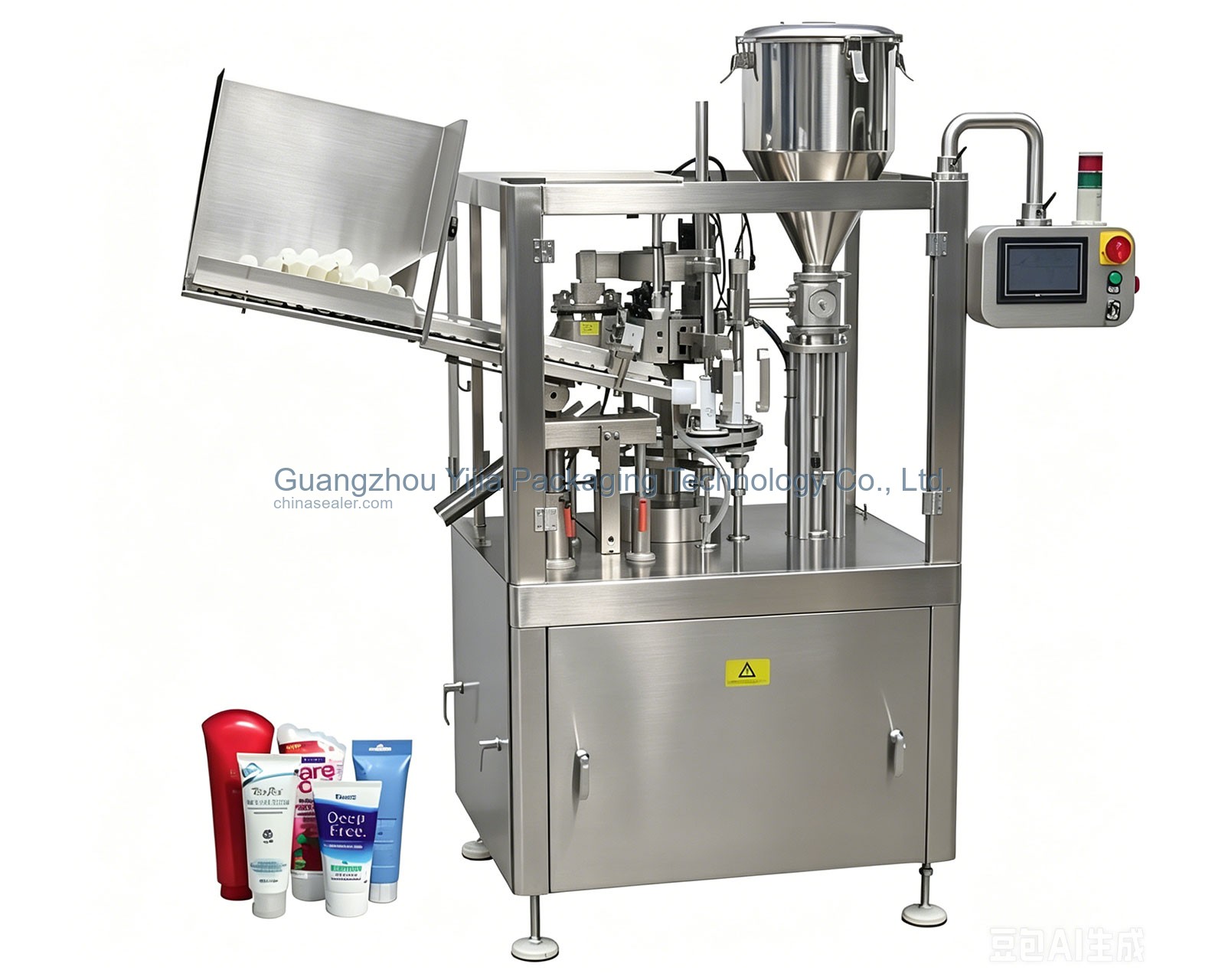 Tube Filling and Sealing Machine
Filling and sealing (if integrated needed); From empty tube feeding to filling, sealing, and edge trimming in one process, suitable for continuous production of ointment and cosmetic...
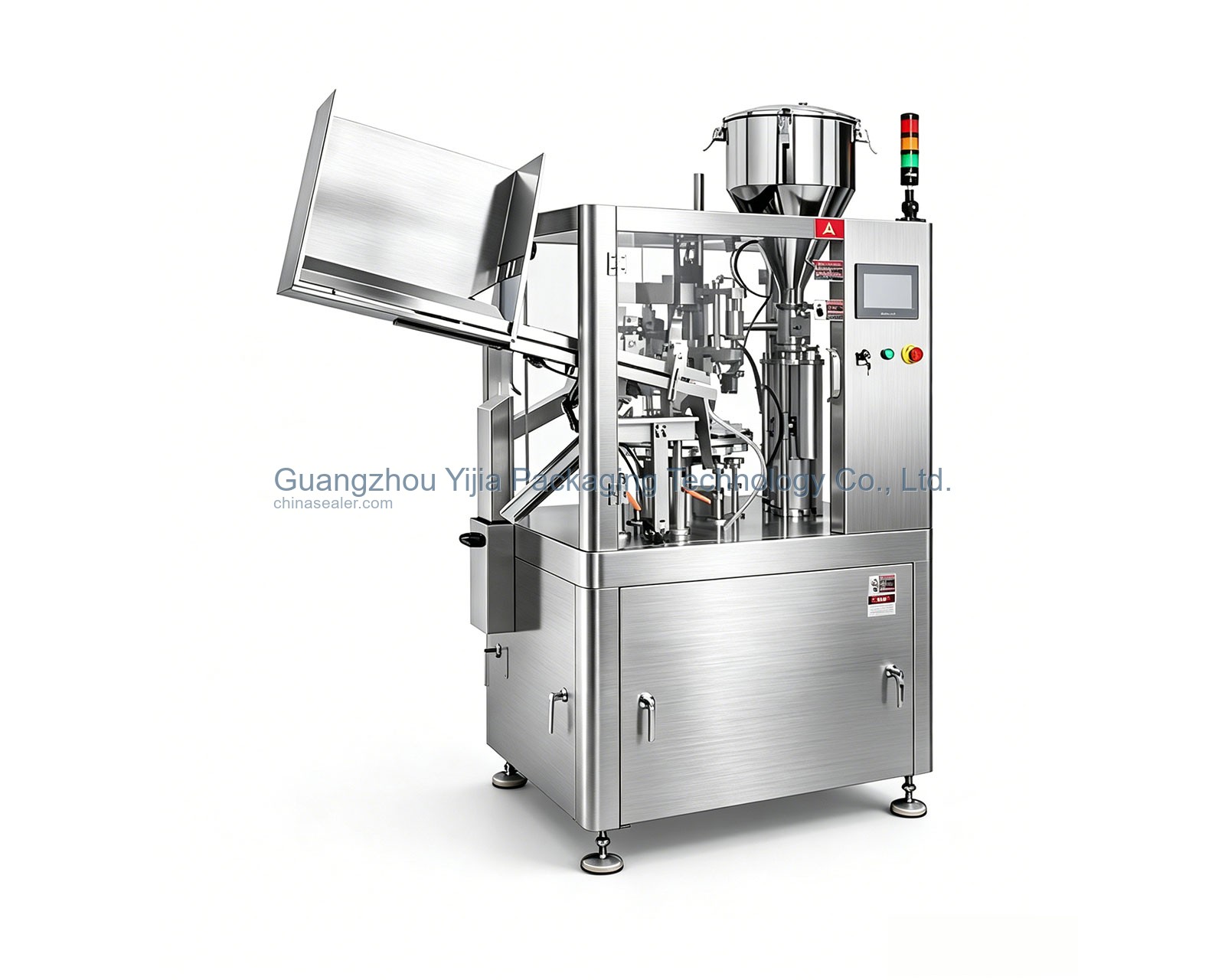
 Tube End Sealer Coder
Sealing and coding (if already filled); Tail sealing and batch coding for already filled tubes, supporting hot stamping or inkjet coding, suitable for downstream centralized processing; Tube sea...
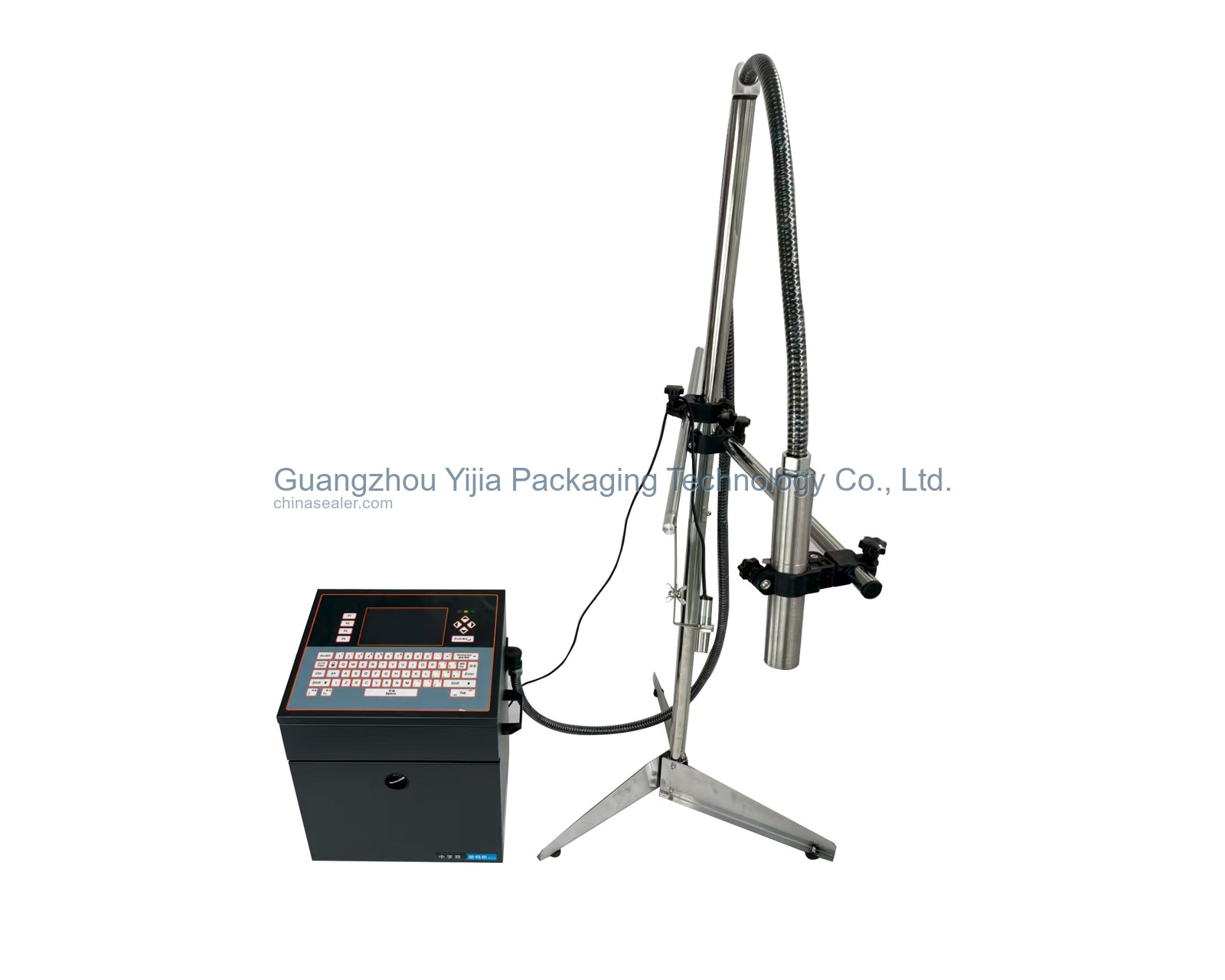
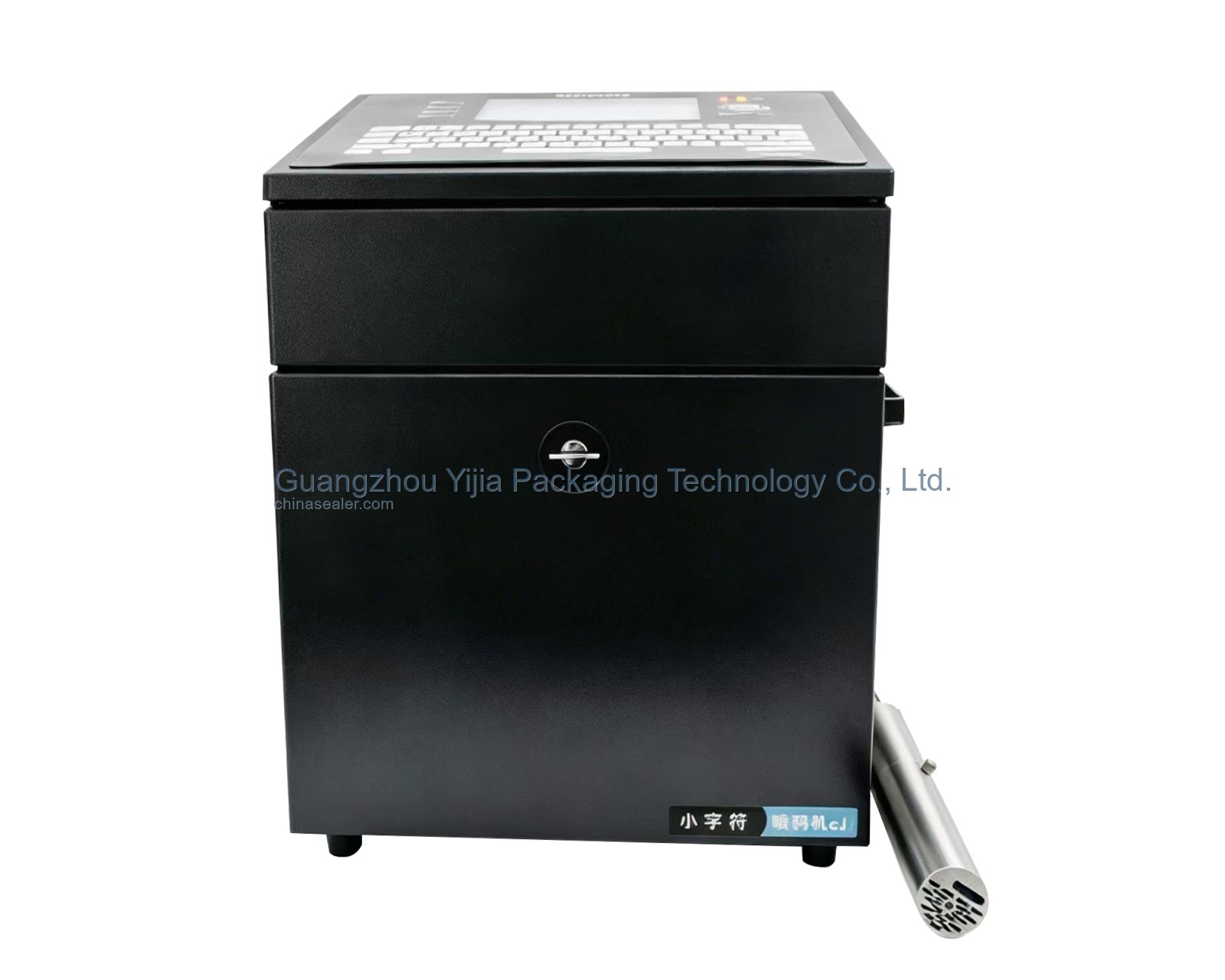 Date & Batch Inkjet Printer
Sealing and coding (if already filled); Tail sealing and batch coding for already filled tubes, supporting hot stamping or inkjet coding, suitable for downstream centralized processing; Tu...
 Special-shaped Cap Tube Sealing Solution
Container and Packaging Material Confirmation; Confirm the rim, film, cap, label and sealing contact surface according to ointment tubes (plastic tubes and aluminum-plastic la...
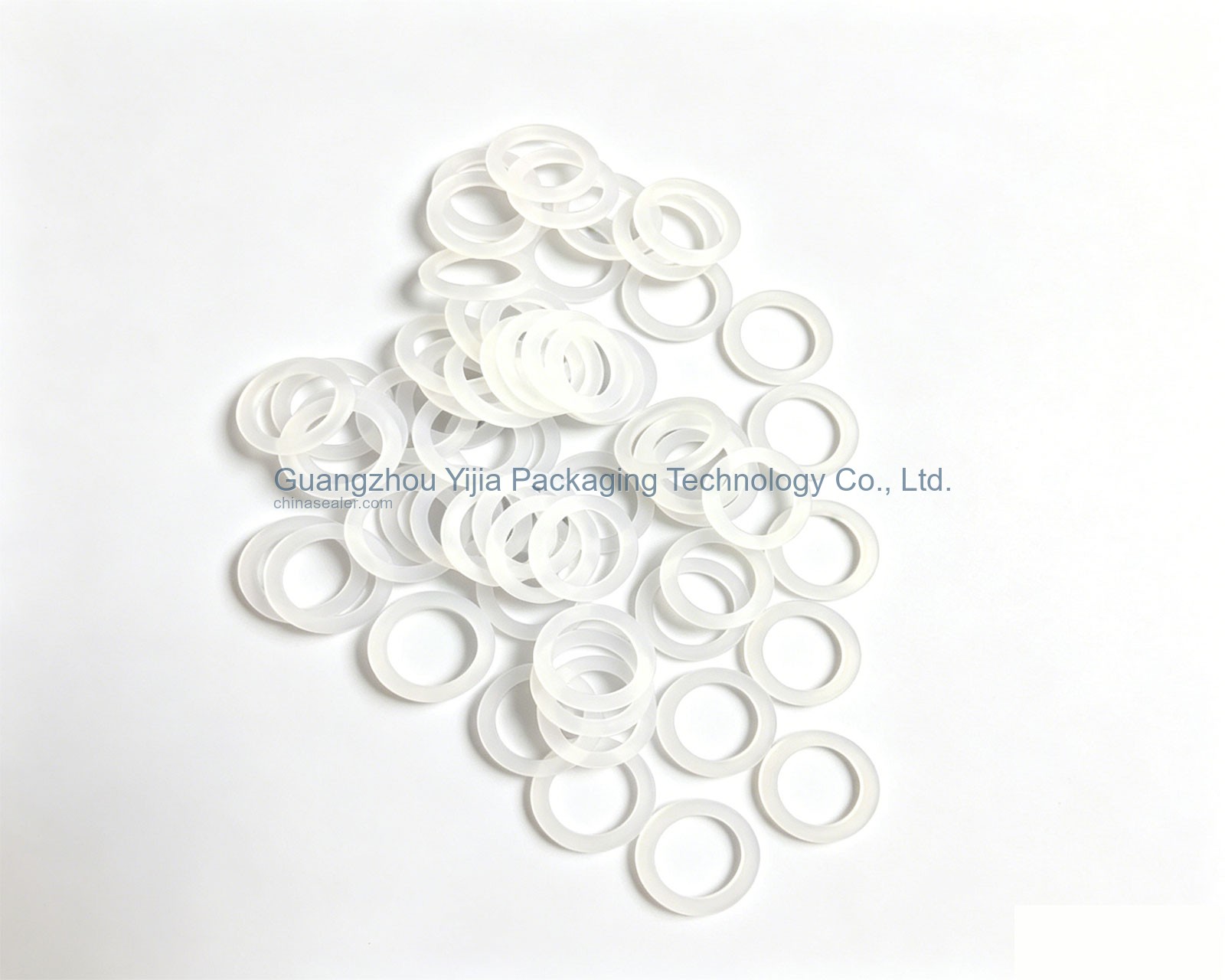 Food-Grade Seals, Cleaning Consumables, and Changeover Parts
Container and Packaging Material Confirmation; Confirm the rim, film, cap, label and sealing contact surface according to ointment tubes (plastic tubes and...
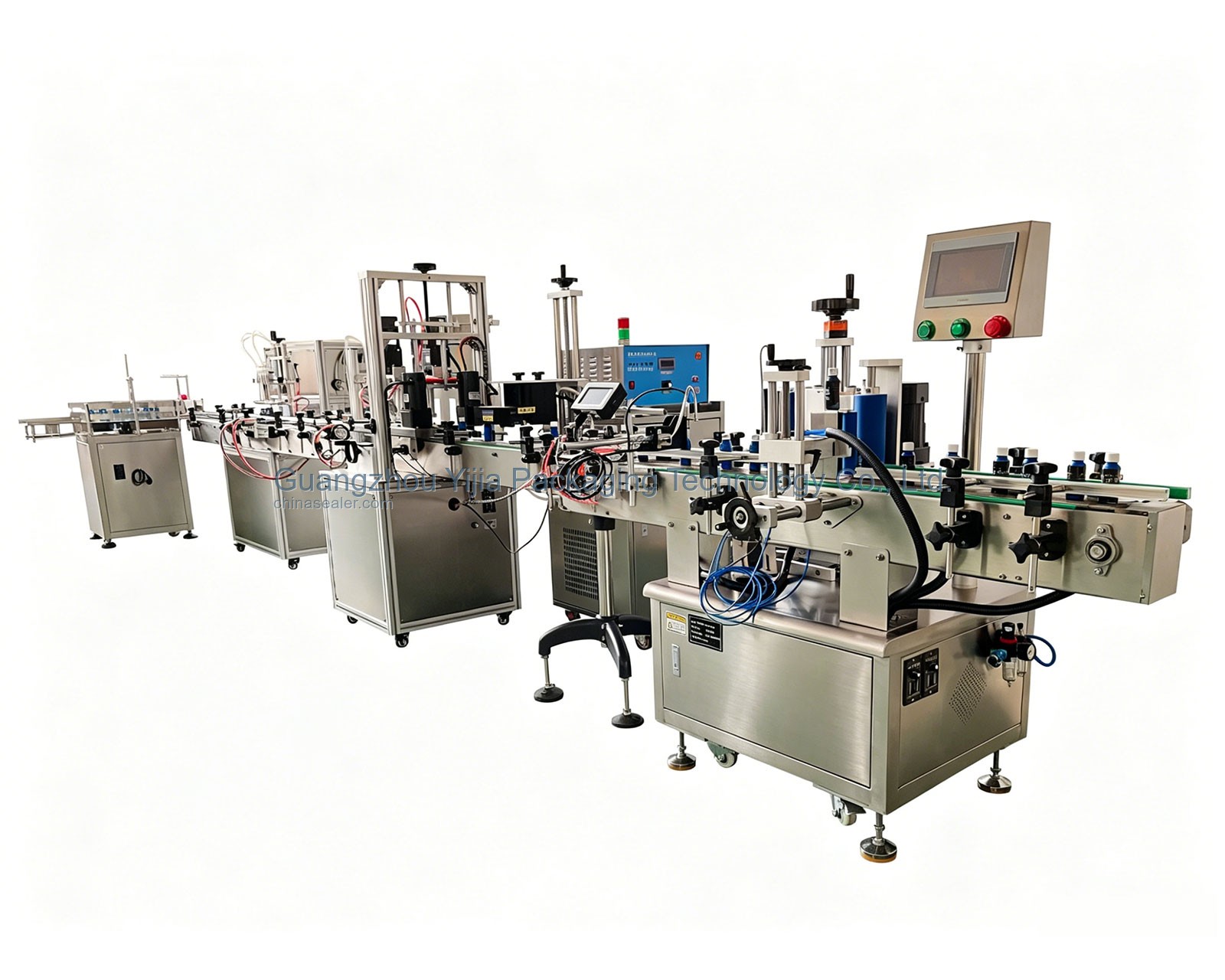 Automatic Feeding Conveying Sealing Line
Sealing and coding (if already filled); Tail sealing and batch coding for already filled tubes, supporting hot stamping or inkjet coding, suitable for downstream centralized p...
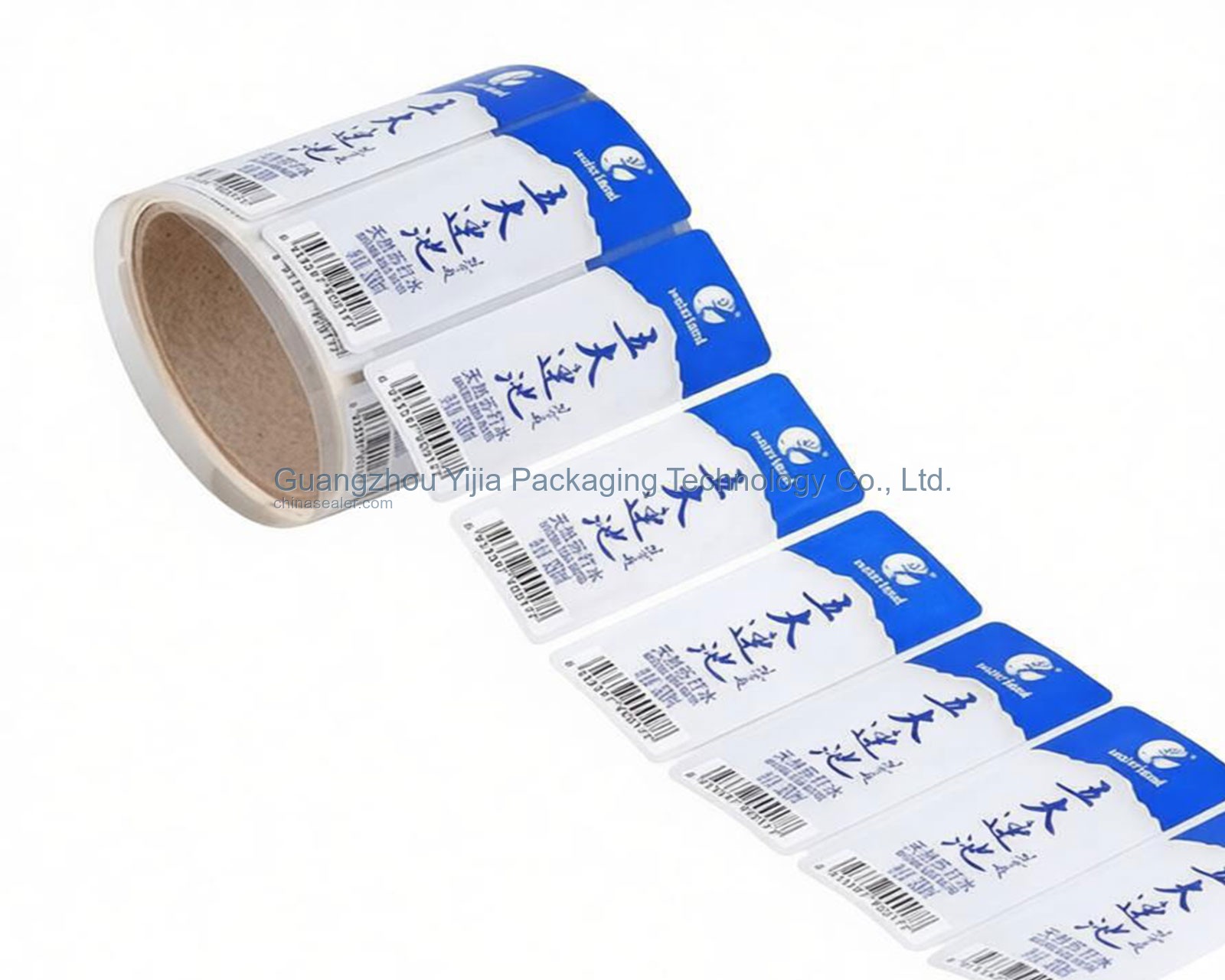 Labels, Inkjet Inks, and Thermal Transfer Ribbons
Sealing and coding (if already filled); Tail sealing and batch coding for already filled tubes, supporting hot stamping or inkjet coding, suitable for downstream cent...
Sample details
Photos and dimensions can first determine container positioning, mold direction, and whether sample testing is needed.
Please provide tube samples or photos, including tube material type (plastic/aluminum-plastic composite), diameter, length, and tail shape. This directly affects mold design and sealing parameters.Product state affects the filling method, contact materials, anti-drip measures, and safety configuration.
Please describe the product state (paste, gel, whether it contains particles) and fill volume range. This determines the filling nozzle structure and metering method.Inline requirements affect equipment sequence, cycle matching, and downstream inspection methods.
Please confirm whether batch coding is required, as well as the coding content (date, batch number, QR code) and position (tail or tube body). This affects inkjet coder selection and inline position.Output target determines standalone, semi-automatic, or continuous inline configuration, and also affects the price range.
Please provide the target output (units per hour or per day) and whether inline production is needed. This determines whether the equipment is standalone or requires conveyors and inspection.Photos and dimensions can first determine container positioning, mold direction, and whether sample testing is needed.
Even with incomplete information, you can send existing photos and dimensions. We will first determine the route, then supplement the items to be confirmed.Common selection mistakes
Many customers directly ask for the price of a sealing machine without specifying whether the tube is already filled. If already filled, only a sealing and coding machine is needed; if not, an integrated filling and sealing machine is required. Confusing the two leads to completely wrong solutions.
Plastic tubes and aluminum-plastic composite tubes have very different sealing temperature requirements. Aluminum-plastic tubes need higher temperature and longer sealing time. Selecting a model without confirming the tube material may result in poor sealing or burn-through.
Is the batch code printed on the tail or the tube body? Using inkjet or hot stamping? Different methods affect equipment configuration and consumables. If the position is changed later, adding or moving the coding module may be necessary.
Tube sealing machines typically require molds and fixtures configured for the tube diameter. A wide diameter range leads to frequent changeovers or inaccurate positioning. It is recommended to determine the primary specifications first, then evaluate the changeover plan.
If there is paste residue at the tube mouth or tail after filling, it may contaminate the sealing area and cause poor sealing. Anti-drip measures during filling and cleaning before sealing should be evaluated.
Common questions
The price depends on the tube diameter range, filling volume, tail sealing method, coding requirements, and whether inline integration is needed. We recommend providing samples and target output first, then we will quote based on the actual configuration.
Yes, a tube filling and sealing machine typically integrates filling, tail sealing, and edge trimming. Coding can be added downstream with an inkjet coder or hot stamping machine for inline production.
You can first provide the tube material type, diameter, length, and a photo of the tail for a preliminary assessment. However, for a formal proposal, we recommend testing the sealing effect with actual samples.
If the product requires leak-proofing, we recommend adding seal inspection or checkweighing. We can provide online checkweighing or vision inspection solutions.
The principle is the same, but aluminum-plastic composite tubes require higher sealing temperature and pressure. The mold and temperature control system need corresponding adjustments, so the tube material must be specified during selection.
For small batches, you can start with a semi-automatic tail sealing and coding machine with manual tube loading and unloading. It has low investment and flexible changeover. Once orders stabilize, you can upgrade to an automatic filling and sealing line.