Applicable Containers
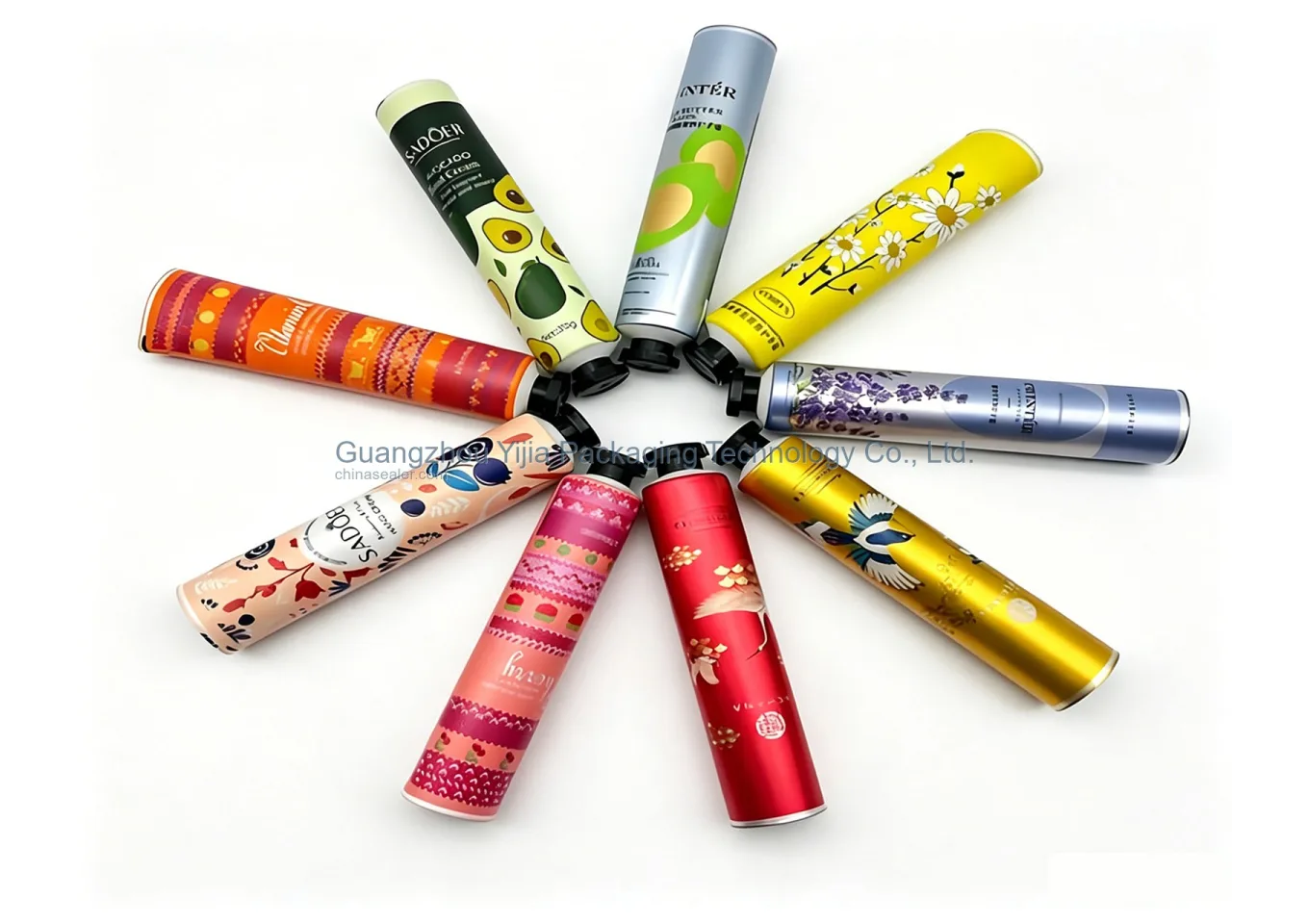
Plastic tubes, aluminum-plastic composite tubes, cosmetic tubes, ointment tubes
Tube Tail Sealing Equipment
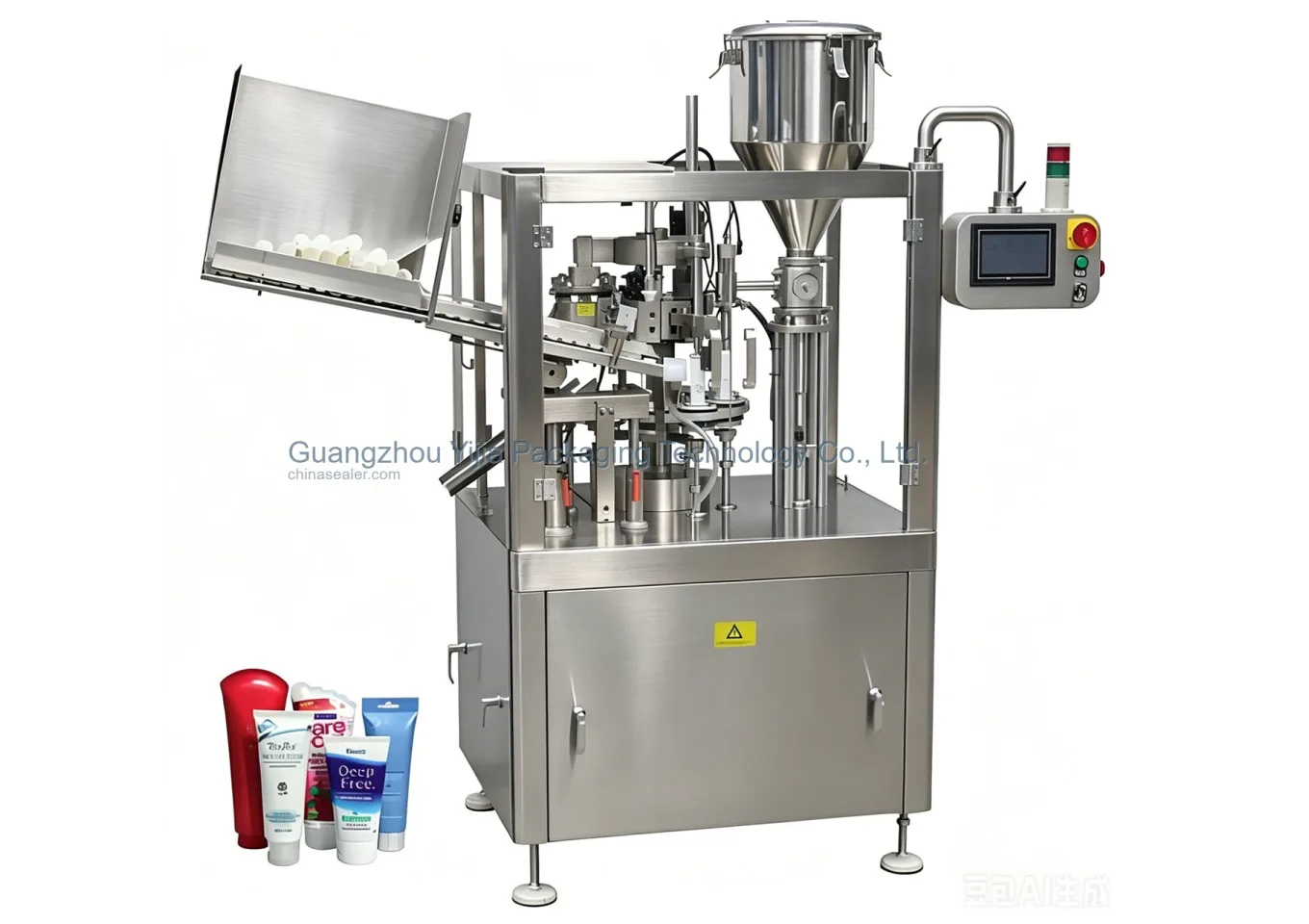
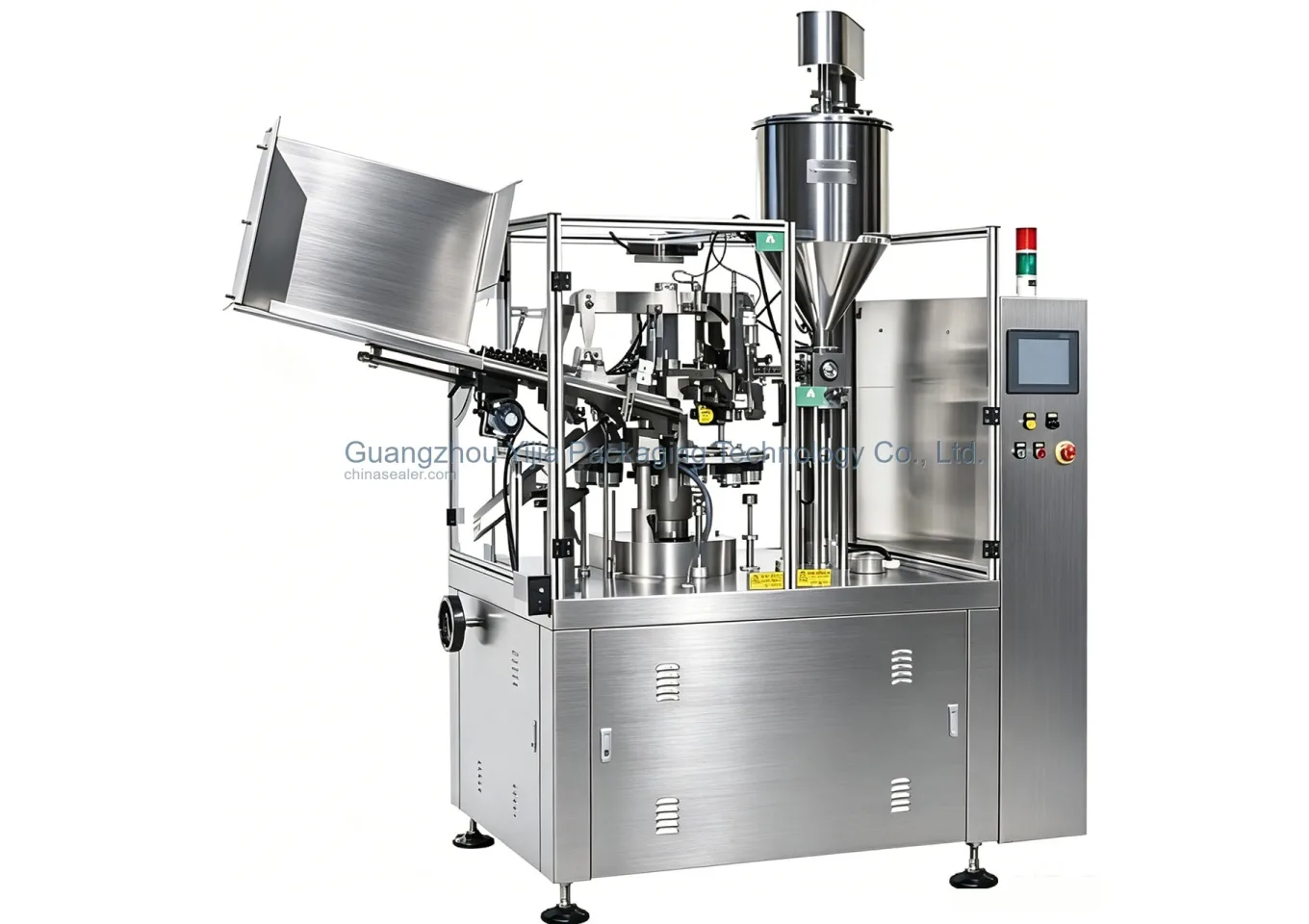
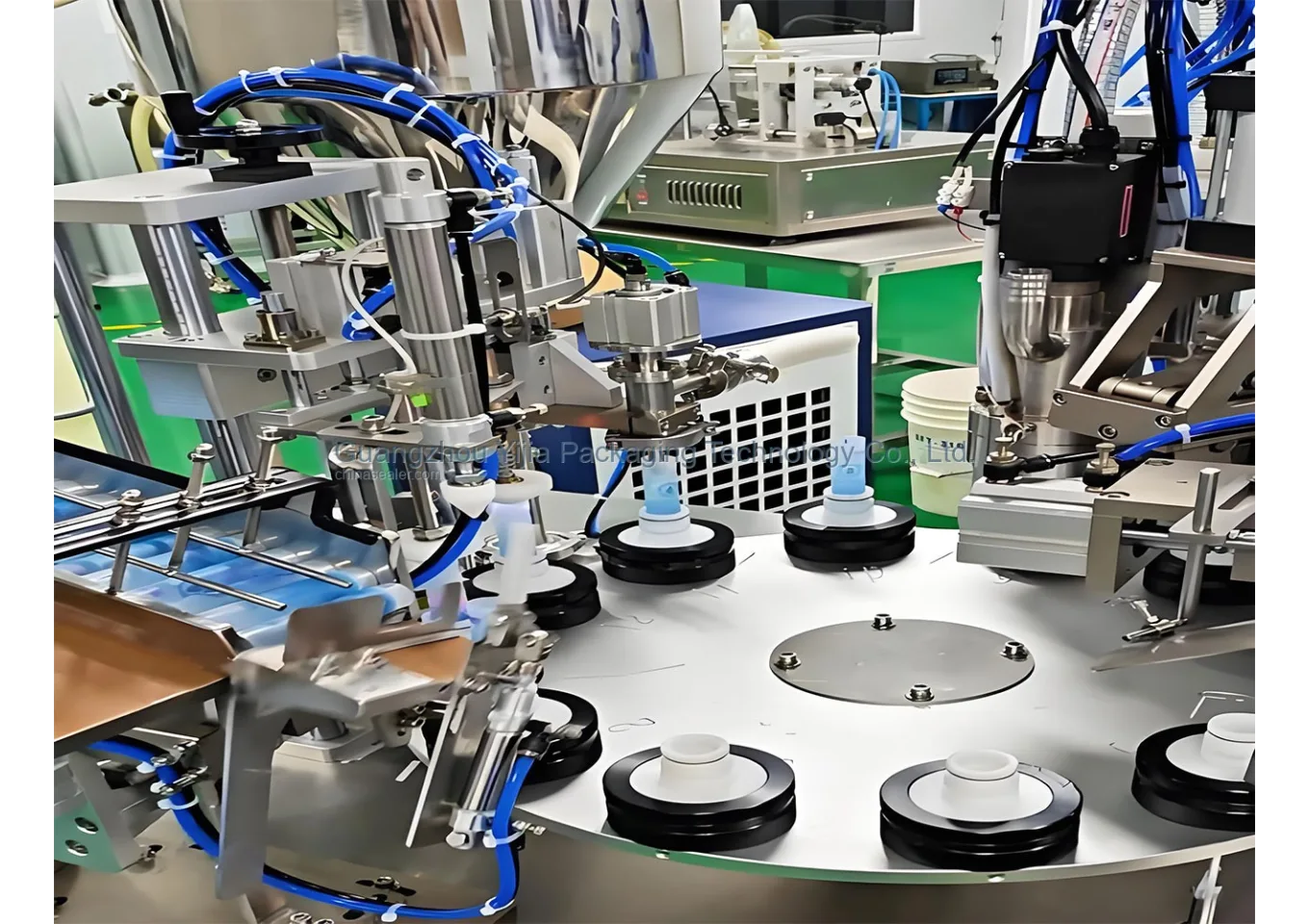
The machine closes the tail of prefilled plastic or laminated tubes and can connect to a filling station. Confirm tube material, diameter, length, cap geometry, product condition, seal pattern, code position and trim requirement before selecting semi-automatic sealing, automatic tube loading or an integrated filling-and-sealing line.
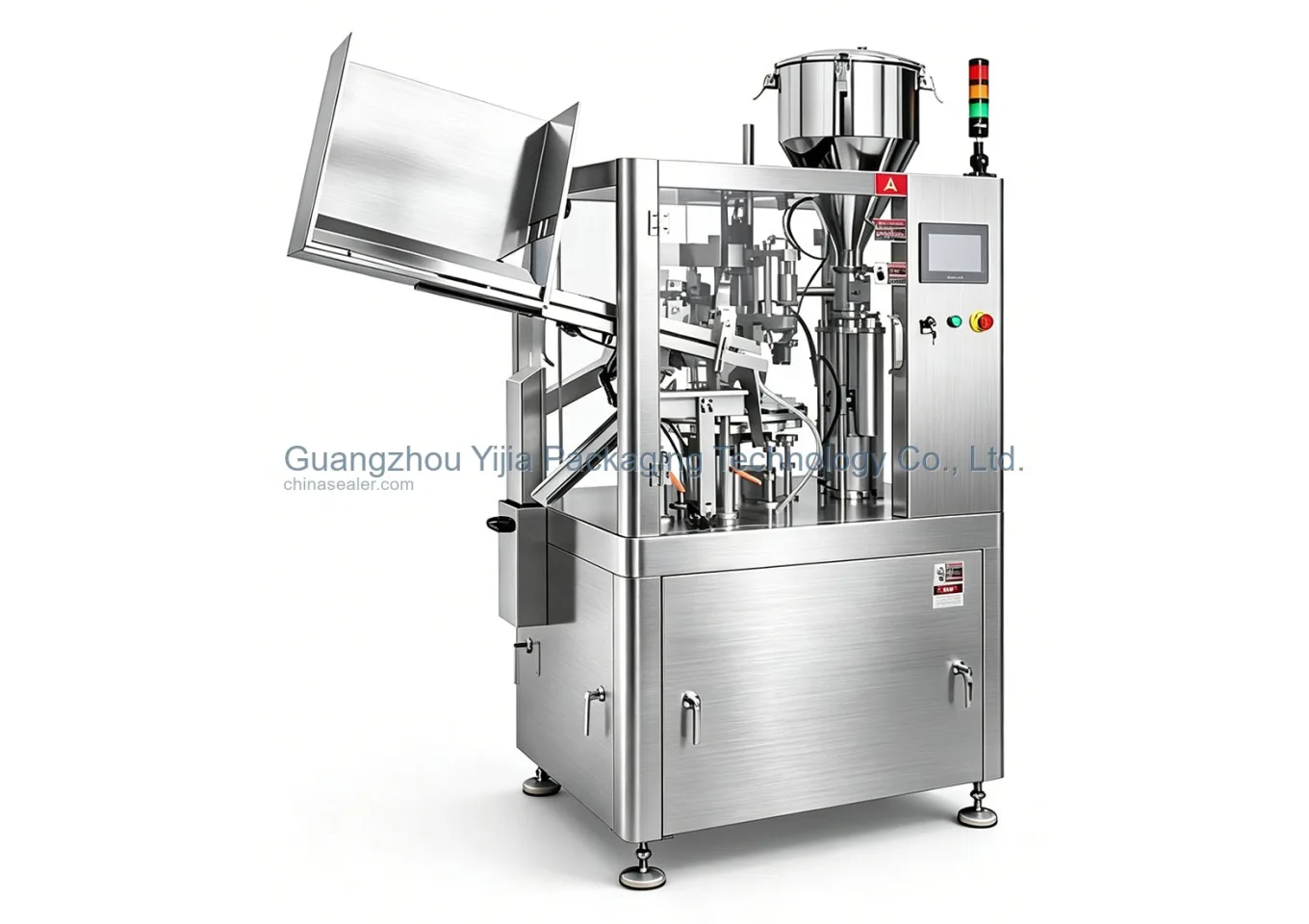
These are factory photos of the actual machine only. Packaging format, materials and final configuration are confirmed with trial samples and the agreed list.
Selection points
These details decide machine structure, changeover method and quotation accuracy.
Plastic tubes, aluminum-plastic composite tubes, cosmetic tubes, ointment tubes
Tube, tail seal, batch coding, edge trimming structure
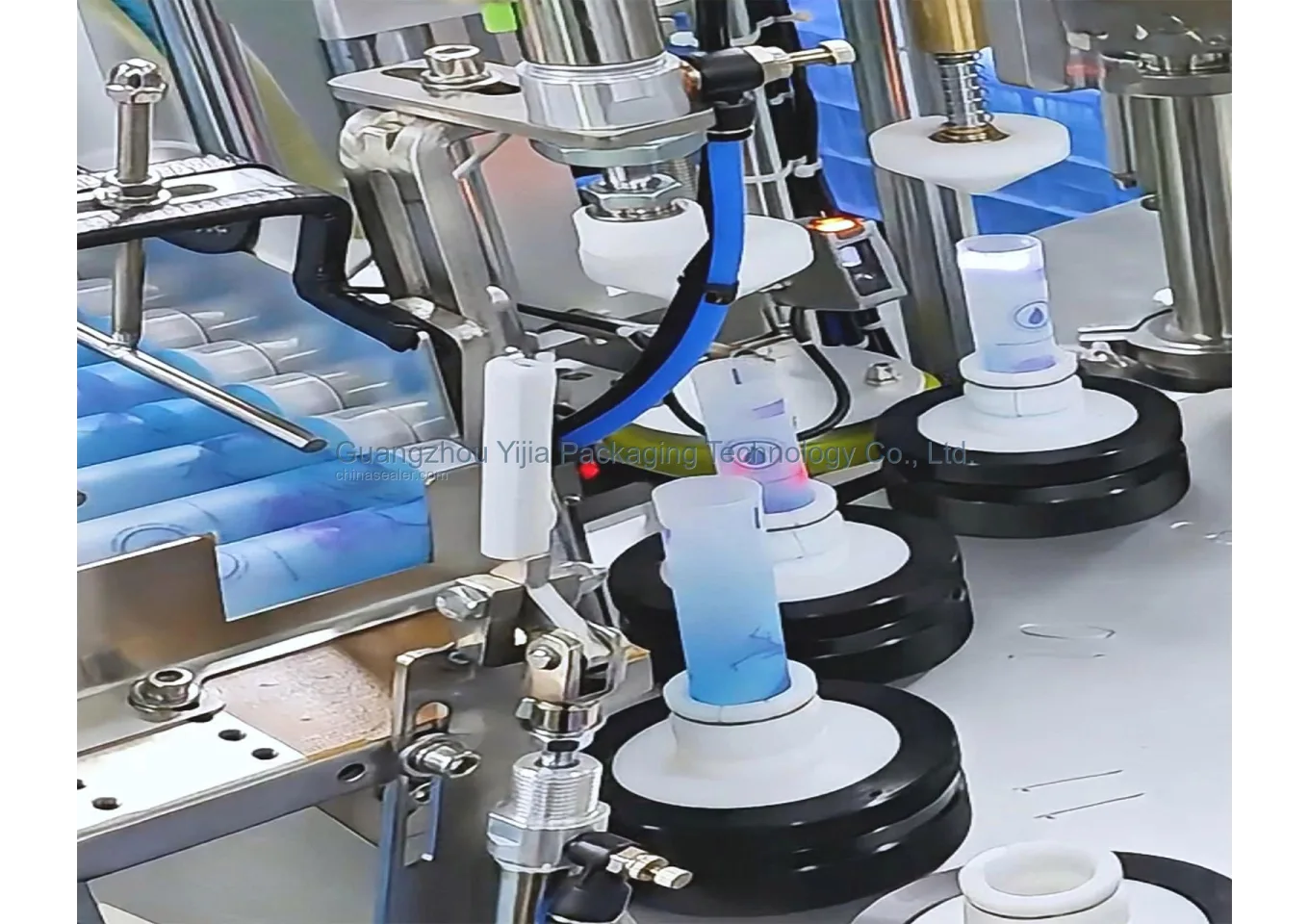
Tube positioning, tail sealing, coding, and edge trimming
Confirm based on tube diameter, tube feeding method, tail sealing process, and whether filling is included; can be semi-automatic tail sealing, automatic tube feeding, or integrated filling and tail sealing
Selection points
Photos, key dimensions, and packaging material details are enough to start; if details are incomplete, we will review the direction first.
Selection points
These details decide machine structure, changeover method and quotation accuracy.
YJ-FW-ZD310
Confirm based on tube diameter, tube feeding method, tail sealing process, and whether filling is included; can be semi-automatic tail sealing, automatic tube feeding, or integrated filling and tail sealing
Can be connected to tube filling, sealing, coding, inspection, conveying, collecting and cartoning per project.
Bottles, pails, cups, boxes, tubes, and bag containers
Confirmed based on sample dimensions, diameter, height, and sealing edge width.
Food, sauces, daily chemicals, cosmetics, medical consumables, and chemical packaging
Consumables and accessories are confirmed based on samples and final process.
Filling, sealing, capping, labeling, coding, conveying, or inspection.
Configuration selection
Photos, key dimensions, and packaging material details are enough to start; if details are incomplete, we will review the direction first.
Send product, container, material, dimensions and target output.
Confirm configuration by process, changeover, cycle time and line needs.
Test sealing, filling, labeling or inspection results when needed.
Quote after confirming power, layout, lead time and spare parts.
Configuration selection
Semi-automatic sealing, automatic tube loading and integrated filling/sealing differ in handling and line balance; the special cap changes orientation and tooling, not the seal process itself.
Tube Tail Sealing Equipment
Semi-automatic sealing, automatic tube loading and integrated filling/sealing differ in handling and line balance; the special cap changes orientation and tooling, not the seal process itself.
Selection points
These details decide machine structure, changeover method and quotation accuracy.
It can be initially assessed based on standard structure, but not just by name. Need to confirm tube diameter and length, tail material, tail seal shape, coding position, and then confirm whether tube diameter, tube feeding method, tail sealing process, and whether filling is included are suitable for the on-site cycle time.
Tube positioning, tail sealing, coding, and edge trimming are affected by the dimensions of plastic tubes, aluminum-plastic composite tubes, cosmetic tubes, and the structure of tube, tail seal, batch coding, and the state of paste, cream, gel. The clearer the sample, the easier to determine mold, temperature, pressure, torque, or inspection method.
It can be semi-automatic tail sealing, automatic tube feeding, or integrated filling and tail sealing. If there are upstream/downstream equipment, need to simultaneously confirm conveying height, direction, speed, and signal interface.
It is recommended to review sample test results, key dimensions, consumable specifications, power and air supply, cleaning and maintenance methods, and spare parts list to avoid modifying molds or adjusting stations on-site.
Send Sample Information
Send tube and cap samples, tube material, diameter and length, product condition, seal pattern, code position, trim appearance, target cycle and whether filling integration is required.