Solution topic
Cream Tube Packaging: Boundary Between Integrated Filling and Tail Sealing Line and Standalone Tail Sealing
For cream, lotion, and other paste tubes, choose integrated filling and tail sealing, standalone tail sealing and coding, or special-shaped cap solutions based on incoming material
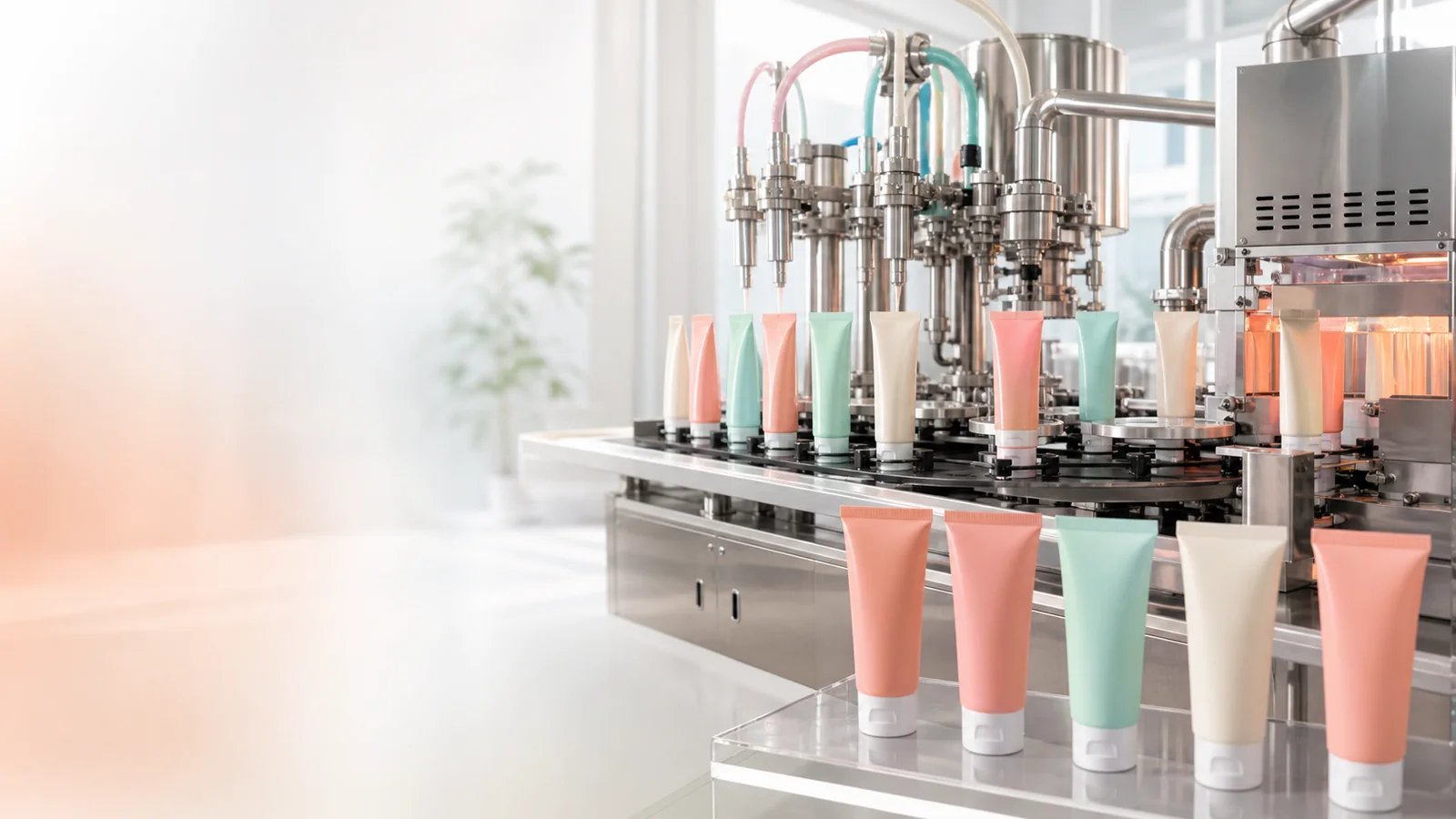
- For empty tube feeding, evaluate integrated filling and tail sealing; for pre-filled tubes, only tail sealing and coding are needed; special-shaped cap tubes require separate structural confirmation. Provide cream, tube, and cap samples, tube material and diameter, tail seal style, batch number position, and capacity.
Solution summary prepared for you
- For cream tube equipment, first divide by incoming state: empty tube feeding can use a fully automatic tube filling and tail sealing machine, while pre-filled tubes use a tail sealing and coding machine for the downstream process.
- Tube material, diameter, tail seal style, and product state need to be verified together with actual samples, because filling performance and tail sealing affect each other.
- Special cap types such as flip caps, pump heads, or nozzle tips should be sent with the tube mouth for separate confirmation of fixtures, positioning, and processable range.
Route comparison
- Suitable for production projects where empty tubes enter the equipment and continuous product filling, tail sealing, and finished product output are desired.
- The fully automatic tube filling and tail sealing machine integrates positioning, filling, and tail sealing into one process, reducing transfer between processes.
- Need to confirm tube material and diameter, product behavior, fill volume, tail seal shape, and batch code position at the same time.
- When the incoming tubes are already filled and only tail treatment remains, there is no need to configure the filling process of the integrated machine.
- Use a fully automatic tube filling and tail sealing machine for empty tubes. Sample trial should cover tube feeding, filling, tail sealing, and edge trimming.
- Suitable for tube incoming material that has already been filled by an external process and only needs tail sealing, date/batch coding, and edge trimming.
- The tube tail sealing and coding machine focuses on downstream processing, avoiding duplicate investment in the already-completed filling step.
- Still need to verify the tube body weight after filling, clampable area, tail allowance, tube material, and printing surface.
- When continuous filling from empty tubes is required, switch to an integrated filling and tail sealing process or set up a separate product filling station.
- Use a tube tail sealing and coding machine to receive pre-filled incoming material, and verify clamping and tail sealing with actual filled tubes.
- Suitable for tubes with flip caps, pump heads, pointed nozzles, or other special shapes that require separate confirmation of positioning and fixtures.
- The sealing solution for tubes with special caps can be evaluated around the actual head structure, avoiding misconfiguring actions based on standard threaded tube mouths.
- Caps, tube mouths, and tube bodies must be sent as a set. The processable boundary must be determined after clamping and positioning verification.
- When using standard tubes and only handling tail sealing, prioritize the corresponding integrated machine or standalone tail sealing machine.
- First verify the actual special-cap tube, then determine the dedicated fixture and sealing action. Standalone product filling can be tested separately according to production division.
Associated Equipment / Consumables
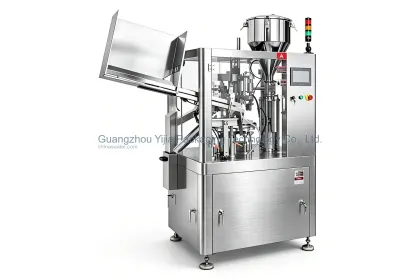 Special-Cap Tube Tail Sealing and Coding Machine
The machine closes the tail of prefilled plastic or laminated tubes and can connect to a filling station. Confirm tube material, diameter, length, cap geometry, product condition, seal pattern, code position and trim...
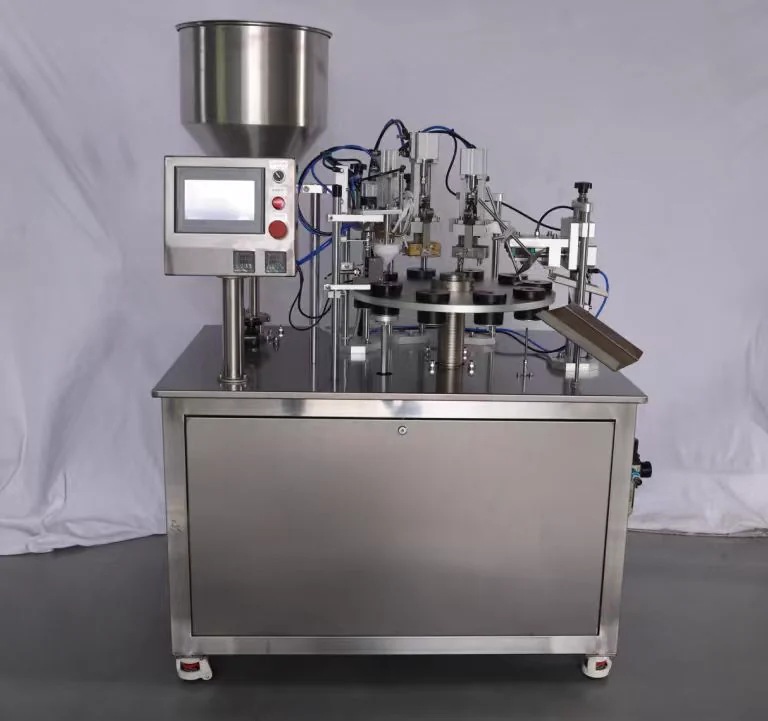 Automatic Tube Filling and Sealing Machine
Continuous stations for empty-tube loading, orientation or eye-mark positioning, dosing, filling, tail sealing, optional trimming or embossing and discharge.
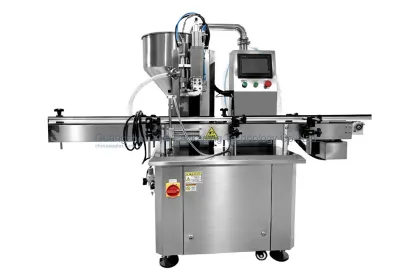 Paste Filling Machine
Quantitative filling for Bottles, pails, cans, flexible pouches
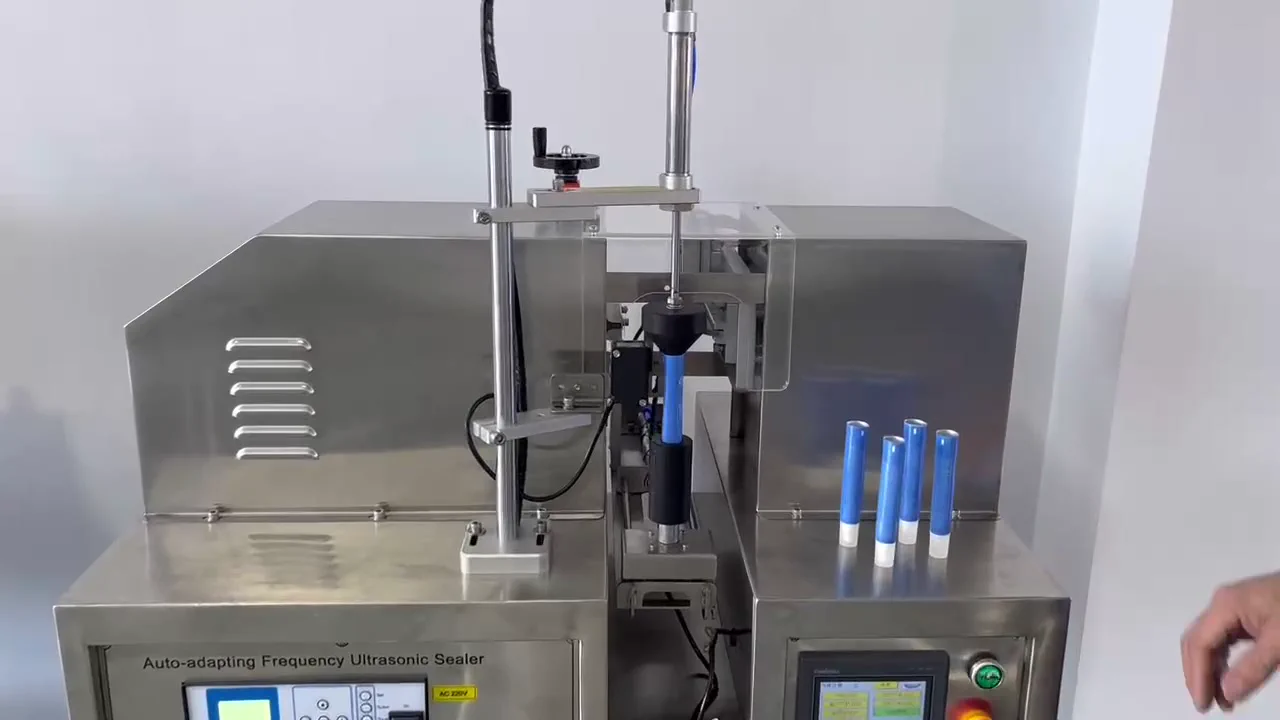 Ultrasonic Tube Sealing Machine
Ultrasonic end sealing for filled plastic or laminate tubes, with optional registration, batch coding and trimming.
Core process
First distinguish whether the incoming material is empty tubes or pre-filled tubes, and use actual tubes, product, and caps to confirm tube diameter, material, tail allowance, and tube mouth shape.
When empty tubes are fed and continuous filling and tail sealing is desired, the fully automatic tube filling and tail sealing machine handles the core process.
When the incoming tubes are already filled with product, the tube tail sealing and coding machine can complete tail sealing, batch coding, and edge trimming without duplicating the filling station.
Flip caps, pump heads, nozzle tips, or other special structures should be confirmed for clamping, positioning, and processable boundaries based on the actual tube head sample.
If the project separates filling and tail sealing, first use the product filling machine to verify material suitability, then send the filled tubes to the tail sealing equipment.
After tail sealing, print the date or batch code in the agreed position, and arrange conveying and finished product collection according to the on-site layout.
Sample details
This step is used to divide integrated filling and tail sealing from separate tail sealing. Tube diameter, material, and tail allowance are also verified here.
Provide actual tubes and caps of each specification, and state whether the incoming material is empty tubes, pre-filled tubes, or segmented production.Material samples are used to observe the discharge and closing, and the state of the tube after filling, to determine whether the filling nozzle and segmented process are suitable.
Submit creams, lotions, or other actual materials, and state viscosity, stringiness, particles, and planned filling volume.Tail requirements will enter the mold and coding position confirmation. They must be considered together with the tube diameter and available tail length.
State the expected sealing pattern, trimming shape, and batch code position. If there is a reference finished product, provide it with the sample tubes.This information helps arrange the pace of tube feeding, filling, tail sealing, and collection, avoiding missing multi-specification changeovers.
List the production schedule, target capacity, shifts, and changeover frequency for each tube specification, and note the main specification.On-site information determines how the standalone equipment is placed, and is also used to verify whether coding and conveying can connect smoothly.
Provide available space, power, compressed air, and existing filling equipment, conveying direction, and downstream collection method.Common selection mistakes
When submitting requirements, clearly state the state of the tube before entering the equipment, and provide samples in that state to verify feeding and clamping.
Each tube material should be sent with samples. Observe the sealing pattern, tube body stress, and appearance after edge trimming separately.
When the filling process is included, use the actual product for trial filling, and check whether the tube body and tail area are clean before tail sealing.
Special cap types should be measured and trial-assembled with the tube as a set, then confirm the fixture and the range of actions the equipment can handle.
Before arranging the downstream section, determine the printing content, position, and tube body orientation, and use actual tubes for readability checks.
View detailed technical notes
First Answer the State of the Tube Before Entering the Equipment
The first decision point for cream tube selection is the incoming material state. Empty tubes require filling and tail sealing, while pre-filled tubes only need tail processing. The corresponding equipment processes differ, so clarify this first when submitting requirements.
Tube Material, Cream, and Tail Seal Must Be Validated Together
Plastic tubes or aluminum-plastic composite tubes, actual cream viscosity, tube diameter, and tail allowance all affect the result. Sample trials should cover the clean state after filling, seal pattern, edge trimming, and batch number position.
Empty Tubes Use an Integrated Filling and Tail Sealing Process
A fully automatic tube filling and tail sealing machine is suitable for continuous production starting from empty tubes. During commissioning, check both whether the cream flows smoothly into the tube and the tube body positioning and tail sealing; do not only accept individual actions.
Pre-Filled Tubes Focus on Tail Sealing and Coding
A tube tail sealing and coding machine receives pre-filled tubes and completes tail sealing, batch coding, and edge trimming. Use filled sample tubes to test clamping to avoid inconsistency between empty tube tests and actual incoming material state.
Special-Shaped Caps Are Handled Separately Based on the Physical Head
Special cap types may change the tube mouth profile, stress points, and clampable area. Only after providing the cap and tube as a set can the special-shaped cap tube sealing solution and corresponding fixtures be evaluated.
Segmented Production Can Configure Independent Cream Filling
If the factory needs to separate filling and tail sealing, a cream filling machine can first confirm dispensing suitability with a cream sample, then transfer the filled tubes to the tail sealing station and plan intermediate storage.
Tail Seal Styles Are Checked Item by Item According to Specifications
Different tube diameters, materials, and tail shapes should be checked separately for seal pattern and edge trimming. For multi-specification projects, also specify changeover frequency to arrange molds and tube positioning parts.
Coding and Conveying Are Placed After the Main Process
After the filling and tail sealing process is stable, use a date batch inkjet coder to test print on actual tubes, and connect automatic feeding, conveying, sealing line, or finished product collection according to the on-site direction.
Common questions
Do empty tubes and already-filled tubes use the same solution?
No. Empty tubes can be evaluated for a fully automatic tube filling and tail sealing machine. If the incoming material already contains product, the tube tail sealing and coding machine only handles tail sealing, batch coding, and edge trimming.
If we don't have a complete sample yet, can we still determine the equipment direction?
You can first send multi-angle photos of the tubes, tube diameter, material, incoming state, and a description of the product. We will first divide the process steps, then list the tube and material samples that must be sent.
Why does the product also need to be tested with the tube?
When filling is included, the viscosity, stringiness, and particles of the material affect the discharge and cleanliness of the tube mouth. Only with the actual product can we observe whether it interferes with tail sealing after filling.
Can plastic tubes and aluminum-plastic composite tubes share the same settings?
It cannot be assumed to be the same in advance. The sealing performance of the tube material and the tail structure need to be tested separately. Mold contact, sealing patterns, and edge trimming must also be checked against specifications.
Why do special cap types need separate samples?
Special-shaped caps change the tube mouth appearance and clamping position. The standard tube positioning method may not apply. The cap and tube must be confirmed as a set.
When should we consider connecting coding and conveying?
First stabilize the main filling or tail sealing process, then decide whether to connect conveying based on batch code position, tube orientation, on-site space, and production pace.