Filling / Dosing Equipment
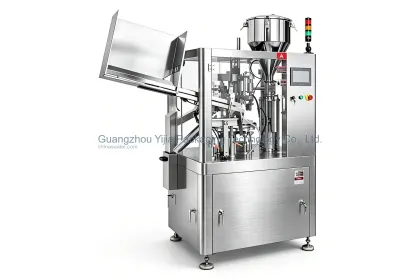
Automatic Tube Filling and Sealing Machine
The automatic tube filling and sealing machine organizes tube feeding, color mark or orientation positioning, metered filling, tail sealing, edge trimming or embossing, and tube discharge into continuous stations. The tube material determines the heat sealing, ultrasonic, or other tail sealing method; the product determines metering, drip prevention, and cleaning; coding, trimming, and inspection are optional per...
Technical parameters
- Capacity and speed
- Confirmed based on tube feeding positioning, filling time, anti-drip, tail sealing cooling, edge trimming, and discharge; fixed values not published without project verification
- Automation scope
- Automatic tube feeding, positioning, filling, and tail sealing; tube unscrambling, coding, edge trimming, inspection, and cartoning interface are optional per project
- Applicable containers or packaging
- Plastic tubes, laminated tubes, or other sealable tube materials; tube diameter, length, tail structure, and color mark confirmed per actual samples
- Applicable products
- Pastes, lotions, gels, or products suitable for tube filling; viscosity, temperature, stringiness, particles, and cleaning conditions must be specified
- Packaging materials and consumables
- Tubes, caps, and tail material structure must be compatible; tail sealing, edge trimming, embossing, and printing requirements confirmed per finished product
- Basic process
- Automatic tube feeding, orientation or color mark positioning, metered filling, tail sealing, optional edge trimming and embossing, inspection, and tube discharge
- Tooling and changeover
- Change tube holders, filling nozzles, tail sealing tools, edge trimming, and program according to tube diameter, length, material, and filling range
- Power, air supply, and layout
- Equipment dimensions, power, air supply, maintenance space, and upstream/downstream interfaces confirmed based on tube feeding positioning, metered filling, tail sealing energy,...
Automatic tube filling and sealing machine operation video
Local actual machine video using unlabeled white tubes, showing machine startup, tube entry into turret carriers, continuous station indexing, tail sealing, and finished product discharge inspection. Inclusion and speed of filling, mark detection, coding, e...
Selection guide
- Tube material structure determines heat sealing, ultrasonic, or other tail sealing methods; actual sample verification is required
- Filling metering, anti-drip, and cleaning are confirmed based on product viscosity, stringiness, and particles
- Tube feeding, color mark, edge trimming, embossing, coding, and inspection are optional modules
- Tail sealing appearance, speed, power, and compatibility range are confirmed per project configuration
Applications
- Tube packaging for toothpaste, ointment, lotion, gel, or daily chemical pastes
- Projects requiring automatic tube feeding, positioning, filling, tail sealing, and discharge in a continuous process
- Projects needing comparison of heat sealing, ultrasonic, or other tail sealing methods for different tube materials
- Production lines planning to add optional color mark, edge trimming, embossing, coding, or inspection
Frequently Asked Questions
- Can plastic tubes and laminated tubes share the same tail sealing station? Tube laminate structure and sealing process need comparison; may require changing sealing tools or using different energy methods; not interch...
- Can paste with particles be filled? It can be evaluated, but particle size, concentration, and integrity affect pump, valve, filling nozzle, and cleaning; actual product testing is required.
Send samples and capacity requirements for a clearer solution
- Actual tubes and caps, tube diameter and length, tube laminate structure, and color mark
- Product viscosity, temperature, stringiness, particles, fill volume, and cleaning data
- Tail sealing, edge trimming, embossing, printing, and finished product appearance standards
- Target speed, tube feeding method, site space, and downstream cartoning interface
For ointment, gel, cream, and similar tube products, do not inquire only by tube filling and sealing machine name. First confirm tube material type, tube diameter, tail shape, c...
For tube projects, first judge whether empty tubes need filling and tail sealing, or filled tubes only need tail sealing and coding. Tube material, diameter, tail shape, and con...
Tube tail sealing is not only about machine name. First confirm tube material, diameter, tail shape, content viscosity, and whether the tube is already filled, then judge separa...
Tube tail sealing is not only about machine name. First confirm tube material, diameter, tail shape, content viscosity, and whether the tube is already filled, then judge separa...
Automatic Tube Filling and Sealing Machine: Sample and container confirmation; First confirm tube material, tube diameter, tail shape, and cap structure before matching tooling...
Automatic Tube Filling and Sealing Machine: Sample and container confirmation; These parameters determine the filling nozzle, tail-sealing tooling, coding position, and cartonin...
Automatic Tube Filling and Sealing Machine: Sample and container confirmation; Use physical samples to confirm tube material, tube diameter, cap type, and content viscosity, the...
Automatic Tube Filling and Sealing Machine: Filling and Sealing; Select one core machine based on capacity and tube type; Tube Filling and Sealing Machine; Tube End Sealer and C...
Related products
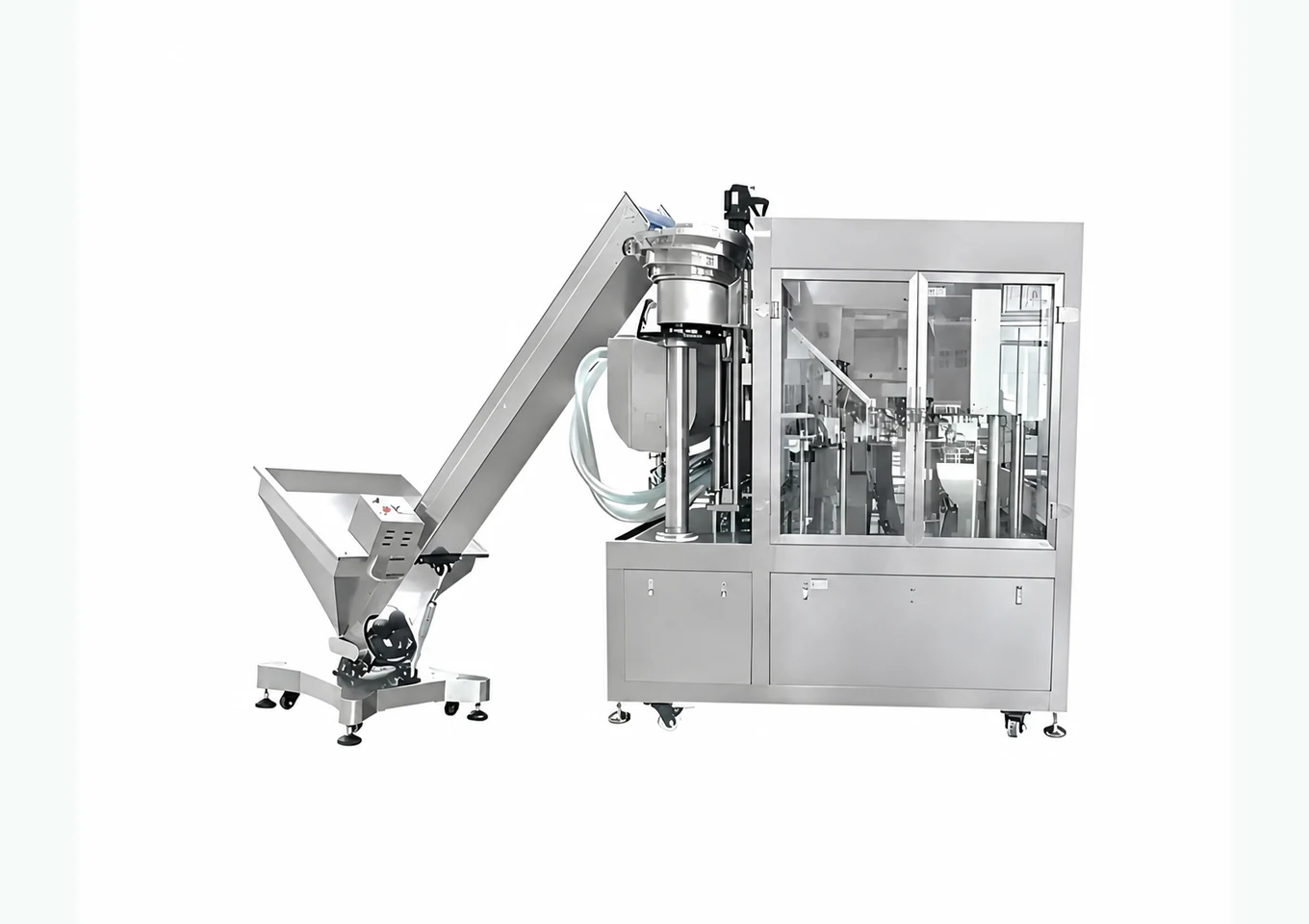
Stand-up Spout Pouch Filling and Screw Capping Machine
The stand-up spout pouch filling and screw capping machine organizes a continuous process around spout positioning, l...
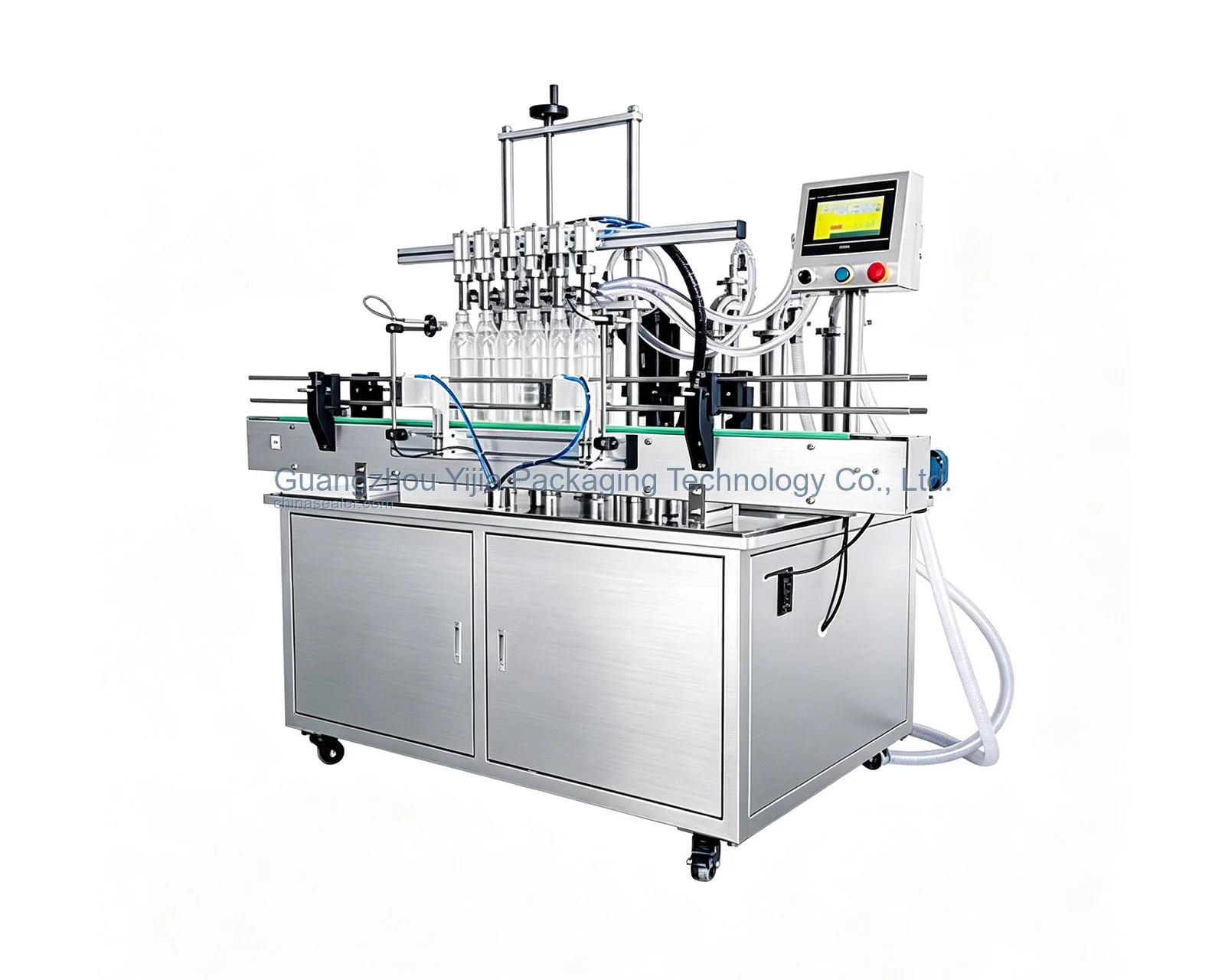
Multi-head servo liquid filling line
The multi-head servo liquid filling line coordinates container positioning, filling, anti-drip, and bottle discharge...
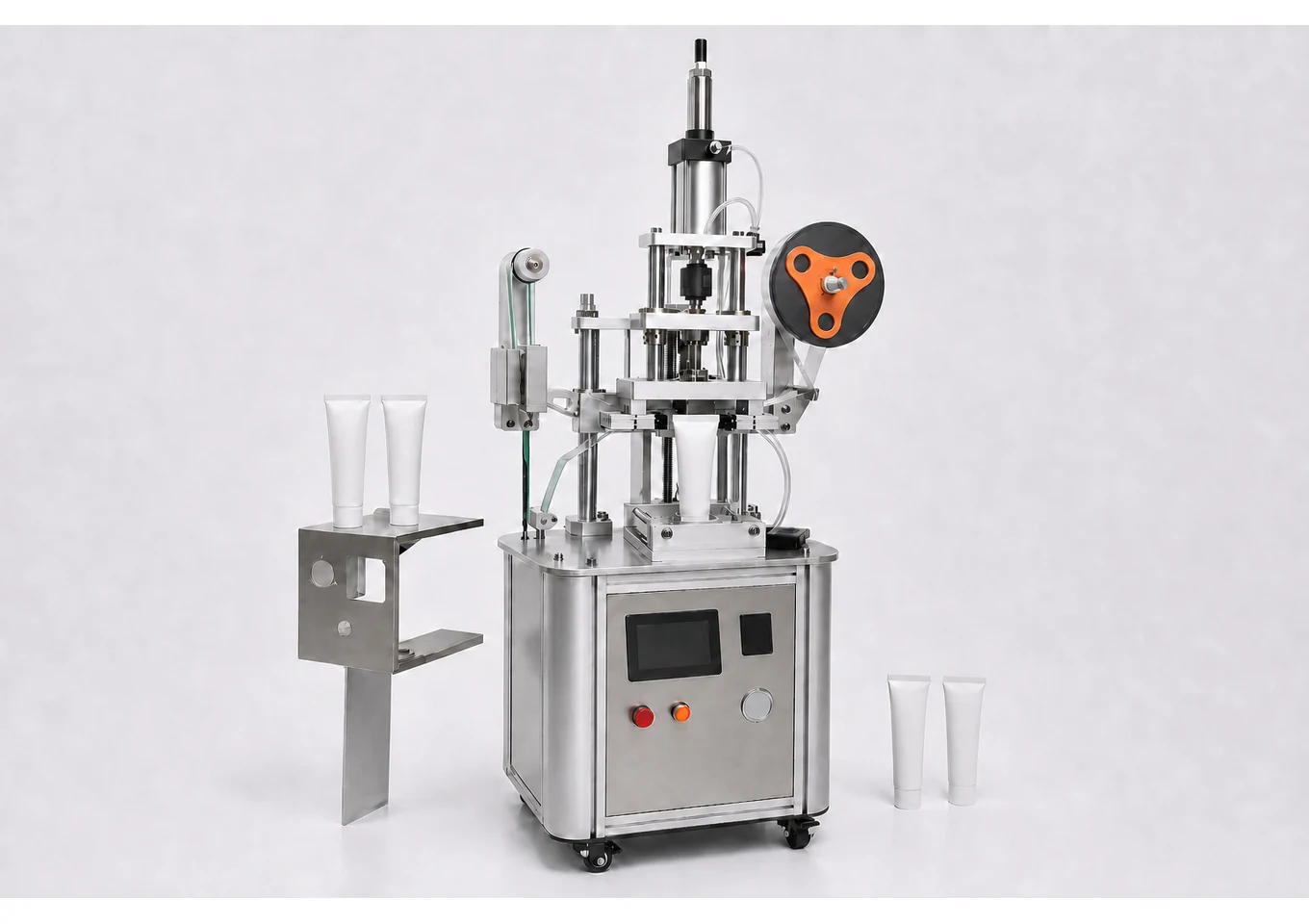
Semi-Automatic Tube Filling and Sealing Machine
For manual tube loading, metered filling, and tail sealing of plastic and laminate tubes. Filling method, sealing pro...
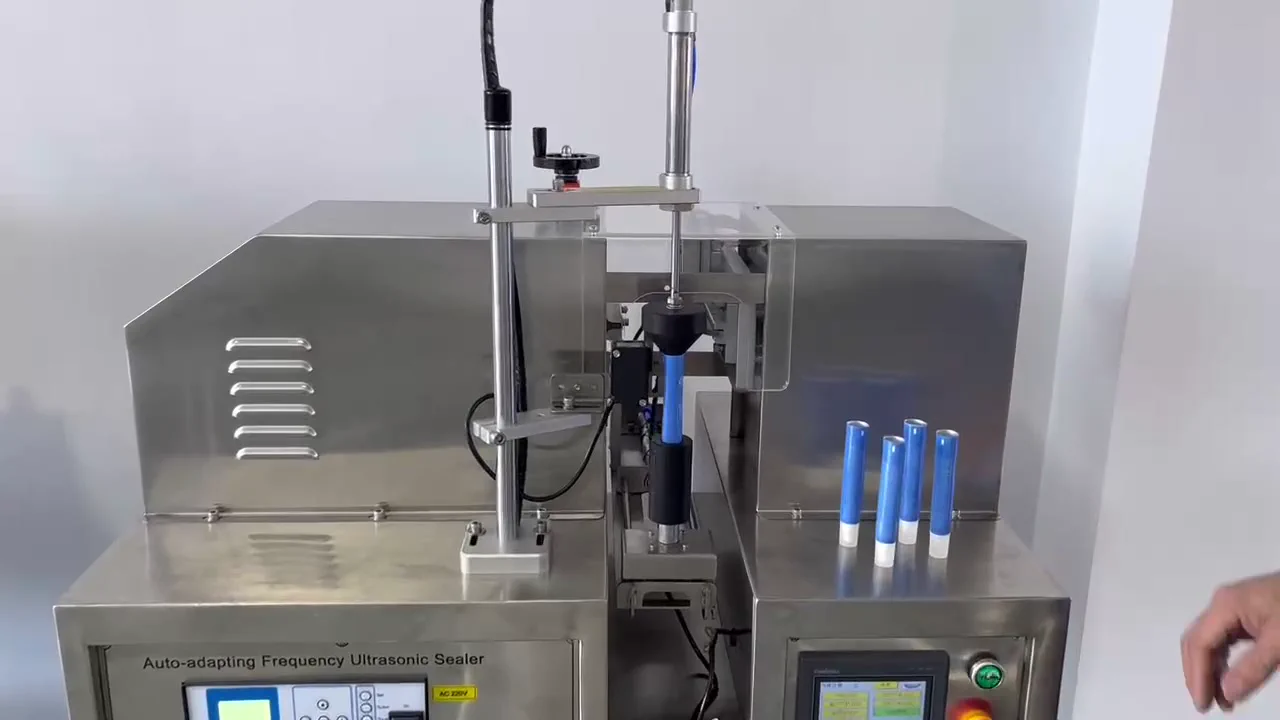
Tube End Sealer Coder
Tube End Sealer Coder is configured for Tube positioning, sealing, coding, and edge trimming on Plastic tubes, alumin...
Special-shaped Cap Tube Sealing Solution
Special-shaped Cap Tube Sealing Solution is configured for Tube positioning, tail sealing, coding, and edge trimming...
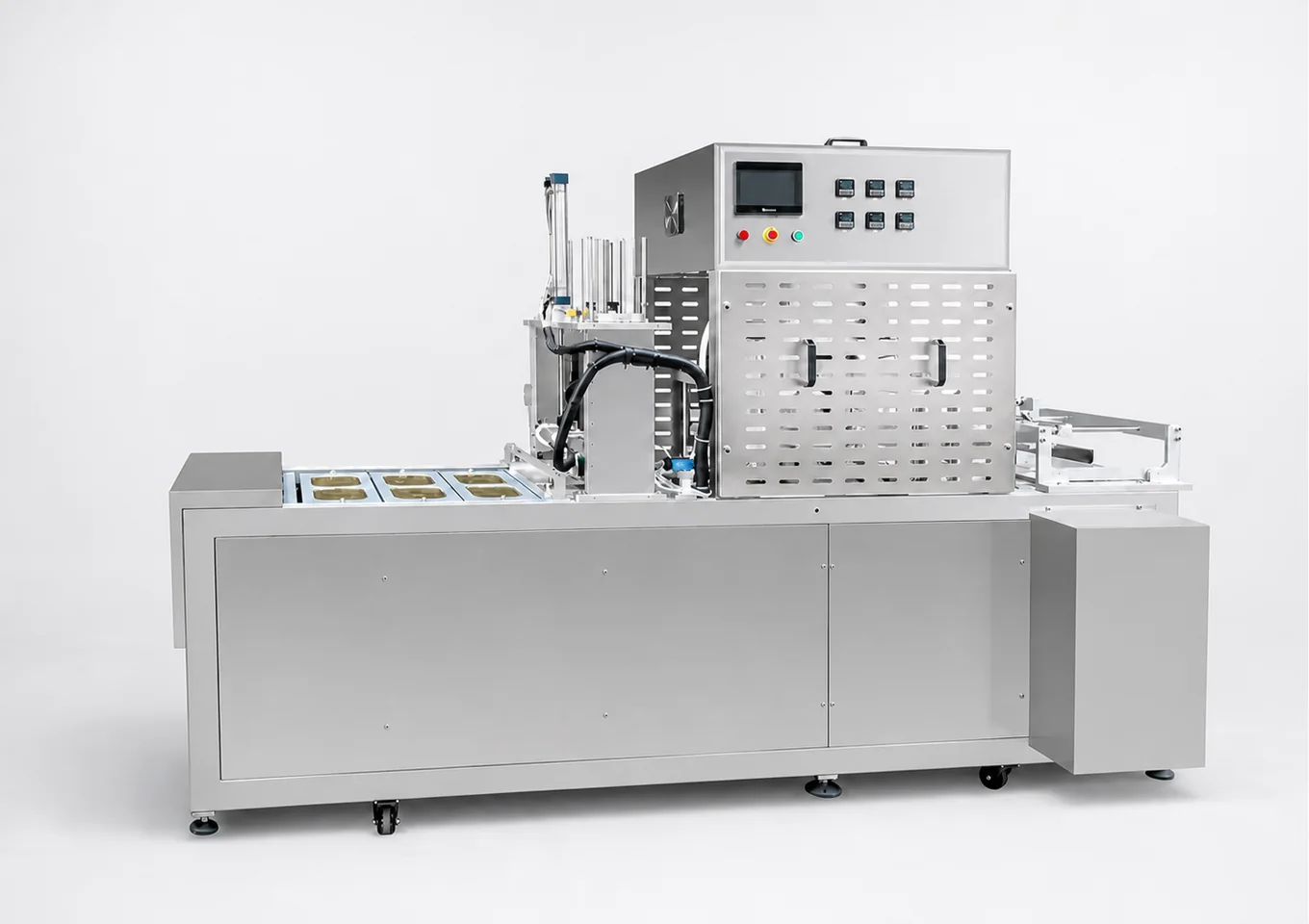
Chain Conveyor Cup/Tray Continuous Sealing Line (Optional Filling)
Suitable for continuous positioning conveying and heat sealing of preformed cups, boxes, and trays. The gallery inclu...