Solution topic
How to Choose Ointment Tube Filling, Tail Sealing and Cartoning? Start With Tube Material
Ointment tube packaging is not only about buying one tube sealer. First confirm tube material, tube diameter, product condition, tail-seal shape, batch-number position, and whether cartoning is needed; then decide the filling and sealing, tail sealing and coding, downstream inspection, and cartoning route.
- Ointment tube packaging is not only about buying one tube sealer. First confirm tube material, tube diameter, product condition, tail-seal shape, batch-number position, and whether cartoning is needed; then decide the filling and sealing, tail sealing and coding, downstream inspection, and cartoning route.
- How to Choose Ointment Tube Filling, Tail Sealing, Coding and Outer Box Packing
Start With the Current Production Conditions
We produce ointment. After tube filling, the tube needs tail sealing, batch coding, and cartoning. How should the equipment be configured?
First determine the packaging route
Ointment tube packaging is not only about buying one tube sealer. First confirm tube material, tube diameter, product condition, tail-seal shape, batch-number position, and whether cartoning is needed; then decide the filling and sealing, tail sealing and coding, downstream inspection, and cartoning route.
Integrated filling and sealing route
Suitable for: ointment and cosmetic tube projects where filling, tail sealing, and coding are completed continuously from empty tubes to finished products, and tube diameter and product condition are relatively stable. Advantages: filling and tail sealing are completed on the same machine, reducing intermediate transfer and improving consistency of tail-seal position and batch coding. Limitations: tube material, such as plastic or aluminum-plastic laminate, tube diameter, filling volume, tail-seal shape such as flat seal or folded tail, and batch-number position must be confirmed first. Different tube diameters require tooling change. Not recommended when: the customer has already finished filling and only needs tail sealing and coding; an integrated filling and sealing machine would add unused functions and cost. Equipment direction: a tube filling and sealing machine can handle inte...
Standalone Tail Sealing and Coding Route
Suitable for: already filled tubes that only need tail sealing, coding, and trimming, such as contract manufacturers or customers who already have filling equipment. Advantages: the equipment focuses on tail sealing and coding, with faster changeover. It is suitable for multi-specification small-batch production. Limitations: tube-tail residue, tube diameter, and tail-seal width must be confirmed because they affect sealing performance. Batch-number position and content should also be confirmed in advance. Not recommended when: the customer needs to fill from empty tubes; a tail sealing and coding machine alone would miss the filling process. Equipment direction: a tube end sealer and coder can handle tail sealing, coding, and trimming for plastic tubes and aluminum-plastic laminated tubes. Tube diameter and tail-seal shape should be confirmed from samples.
Filling and Tail-Sealing Line with Downstream Cartoning
Suitable for: higher-output projects that need to automatically collect, convey, and pack finished tubes into outer cartons, such as pharmaceutical or cosmetics factory lines. Advantages: the process from filling to cartoning can run continuously, reducing manual handling and making it suitable for GMP or high-hygiene applications. Limitations: tube size, cartoning method such as vertical or horizontal cartoning, carton size, and coding position must be confirmed. Line takt must match upstream and downstream equipment, and site space should be planned in advance. Not recommended when: initial output is small or the cartoning method is not fixed; start with standalone tail sealing and coding, then upgrade later. Equipment direction: tube filling and sealing machines and tube tail sealing and coding machines can work with conveyors, case sealing, and carton labeling lines to realize aut...
Recommended equipment route: Sample and container confirmation
Tube material and diameter determine tail-sealing tooling and temperature parameters. Tail-seal shape affects sealing performance, and batch-number position affects coding module installation.
Recommended equipment route: filling and tail sealing, if filling is required
Suitable for completing the process from empty tube to tail sealing in one machine. Filling volume and tail-sealing parameters should be confirmed by sample testing.
Recommended equipment route: Sealing and coding (if already filled)
Suitable for tail sealing, coding, and trimming of already filled tubes. Tube diameter and tail-seal shape should be confirmed from samples for tooling.
Recommended equipment route: downstream coding and cartoning
After tail sealing, tubes need batch number and expiry date coding, then move by conveyor into cartoning or case-packing processes.
Route comparison
- Suitable for ointment and cosmetic tube projects where filling, tail sealing, and coding are completed continuously from empty tubes to finished products, and tube diameter and product condition are relatively stable.
- Filling and tail sealing are completed on the same machine, reducing intermediate transfer and improving consistency of tail-seal position and batch coding.
- Tube material, such as plastic or aluminum-plastic laminate, tube diameter, filling volume, tail-seal shape such as flat seal or folded tail, and batch-number position must be confirmed first. Different tube diameters require tooling cha...
- If the customer has already finished filling and only needs tail sealing and coding, an integrated filling and sealing machine is not recommended because it adds unused functions and cost.
- Equipment direction: a tube filling and sealing machine can handle integrated filling and tail sealing for plastic tubes and aluminum-plastic laminated tubes. Tube diameter and tail-seal shape should be confirmed from samples for tooling.
- Suitable for already filled tubes that only need tail sealing, coding, and trimming, such as contract manufacturers or customers who already have filling equipment.
- The equipment focuses on tail sealing and coding, with faster changeover. It is suitable for multi-specification small-batch production.
- Tube-tail residue, tube diameter, and tail-seal width must be confirmed because they affect sealing performance. Batch-number position and content should also be confirmed in advance.
- If the customer needs to fill from empty tubes, a tail sealing and coding machine alone is not recommended because the filling process would be missing.
- Equipment direction: a tube end sealer and coder can handle tail sealing, coding, and trimming for plastic tubes and aluminum-plastic laminated tubes. Tube diameter and tail-seal shape should be confirmed from samples.
- Suitable for higher-output projects that need to automatically collect, convey, and pack finished tubes into outer cartons, such as pharmaceutical or cosmetics factory lines.
- The process from filling to cartoning can run continuously, reducing manual handling and making it suitable for GMP or high-hygiene applications.
- Tube size, cartoning method such as vertical or horizontal cartoning, carton size, and coding position must be confirmed. Line takt must match upstream and downstream equipment, and site space should be planned in advance.
- If initial output is small or the cartoning method is not fixed, a full line is not recommended at the beginning. Start with standalone tail sealing and coding, then upgrade later.
- Equipment direction: tube filling and sealing machines and tube tail sealing and coding machines can work with conveyors, case sealing, and carton labeling lines to realize automatic conveying, coding, and cartoning after filling and tai...
Core process
Associated Equipment / Consumables
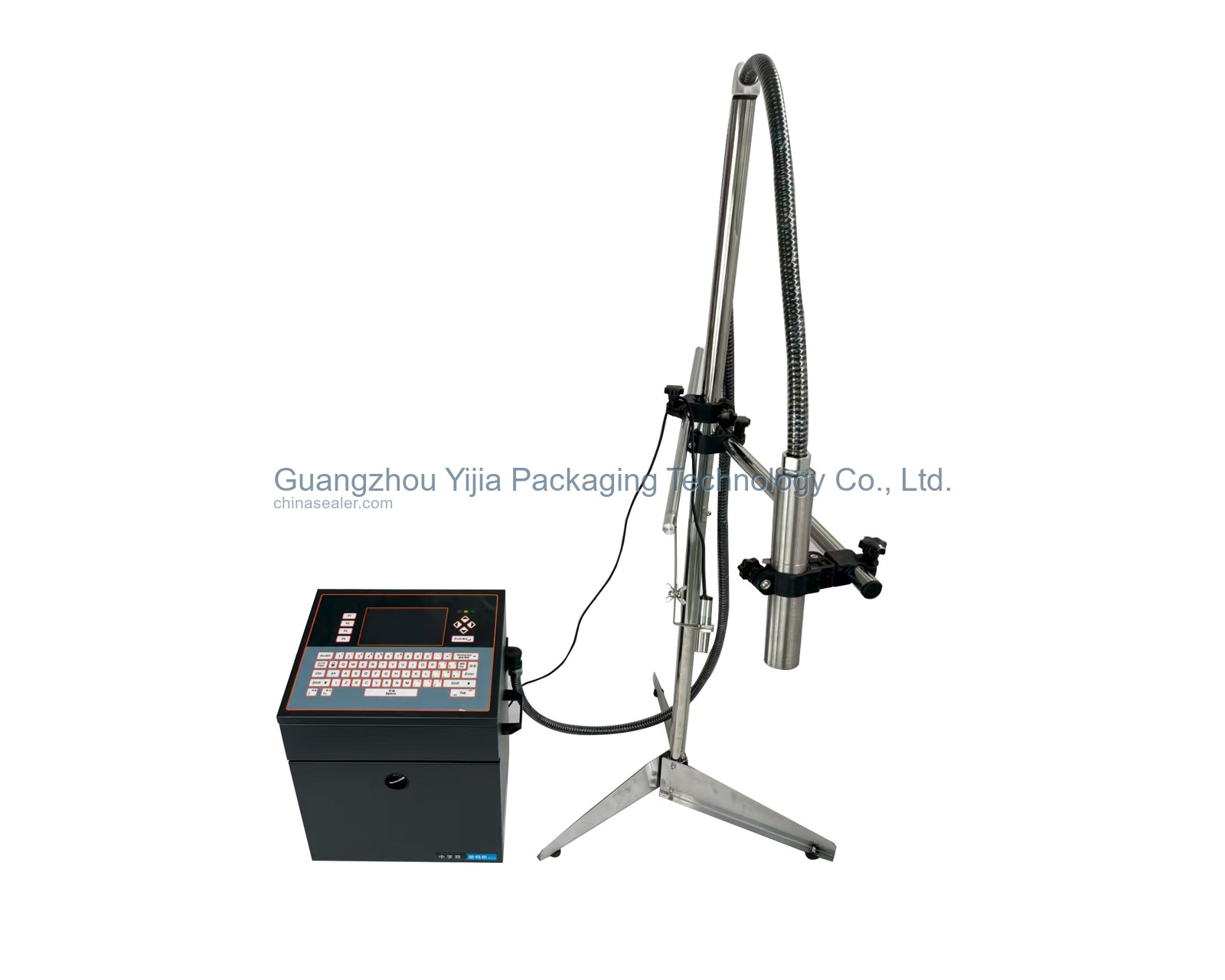 Tube End Sealer Coder
Sample and container confirmation; Tube material and diameter determine tail-sealing tooling and temperature parameters. Tail-seal shape affects sealing performance, and batch-number position af...
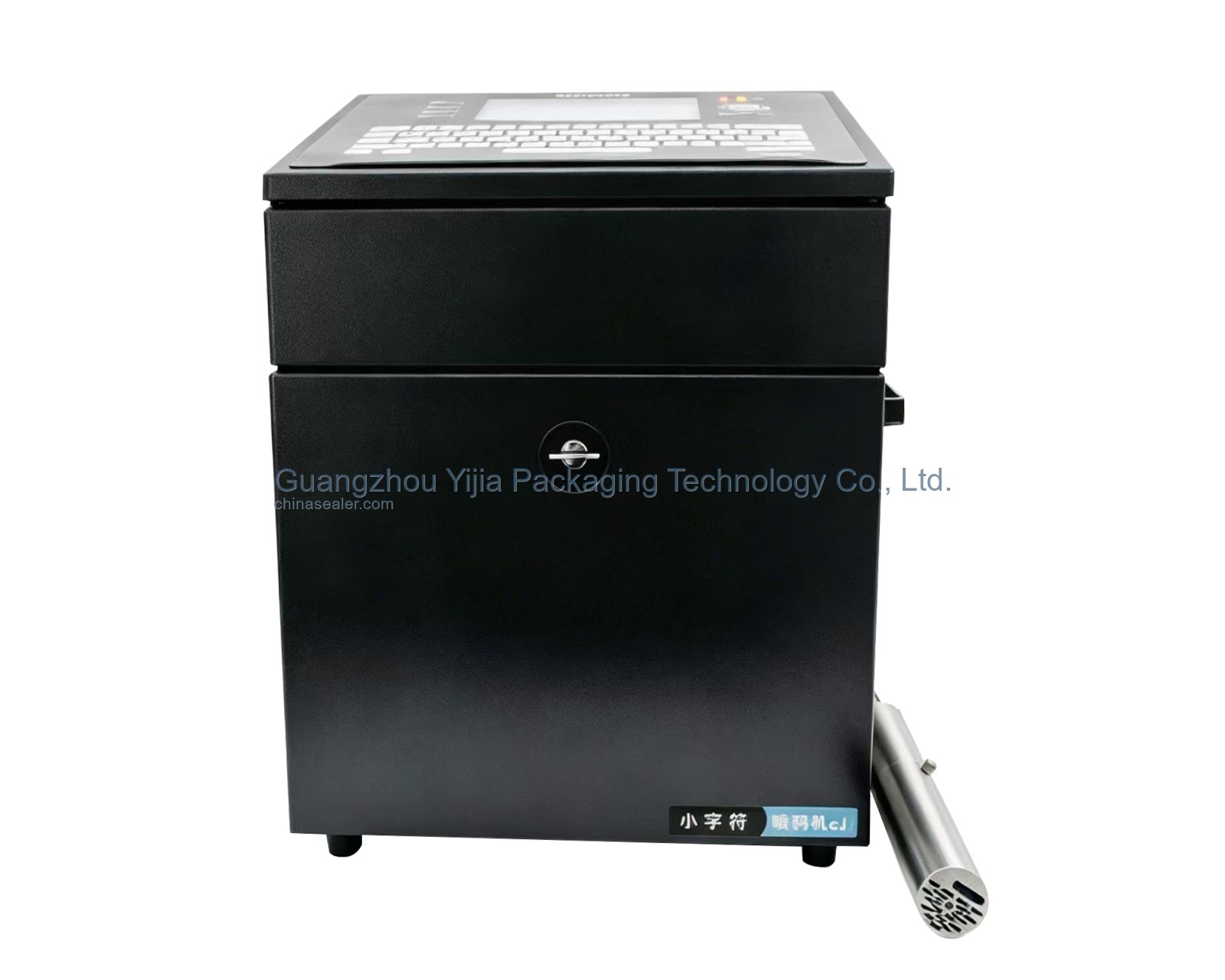 Date & Batch Inkjet Printer
Sample and container confirmation; Tube material and diameter determine tail-sealing tooling and temperature parameters. Tail-seal shape affects sealing performance, and batch-number posit...
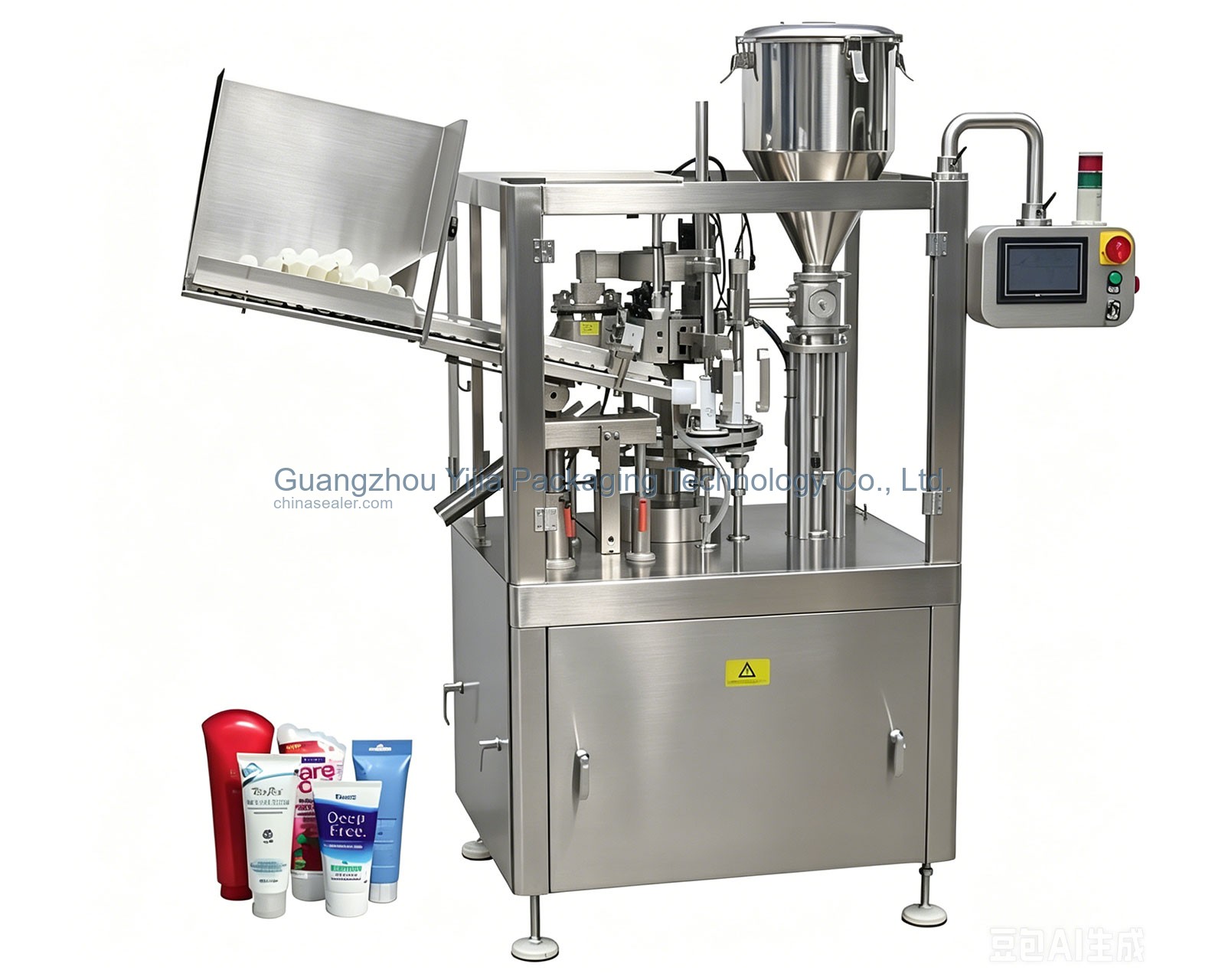 Tube Filling and Sealing Machine
Filling and tail sealing, if filling is required; Suitable for completing the process from empty tube to tail sealing in one machine. Filling volume and tail-sealing parameters should...
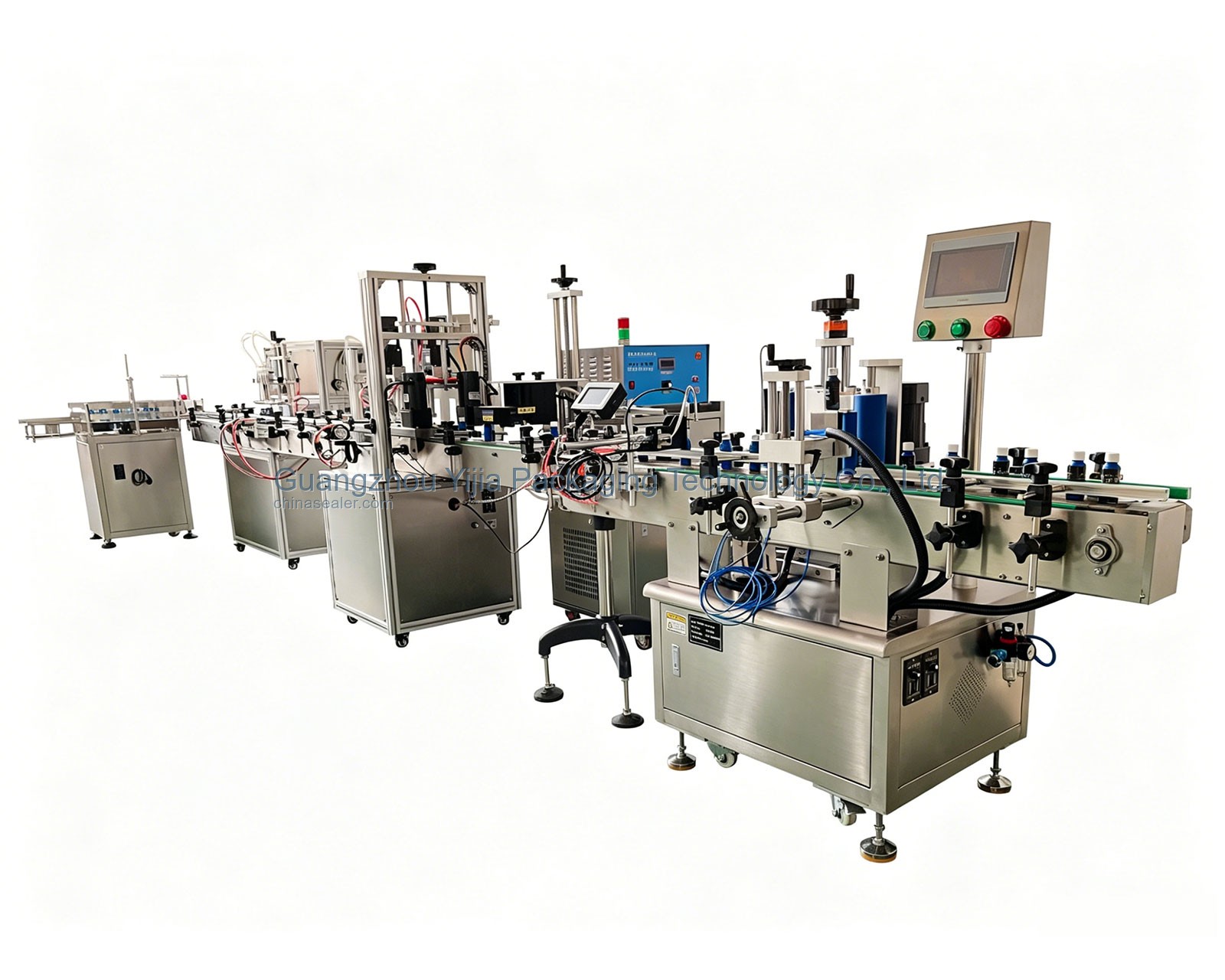 Automatic Feeding Conveying Sealing Line
Downstream coding and cartoning; After tail sealing, tubes need batch number and expiry date coding, then move by conveyor into cartoning or case-packing processes; Date and b...
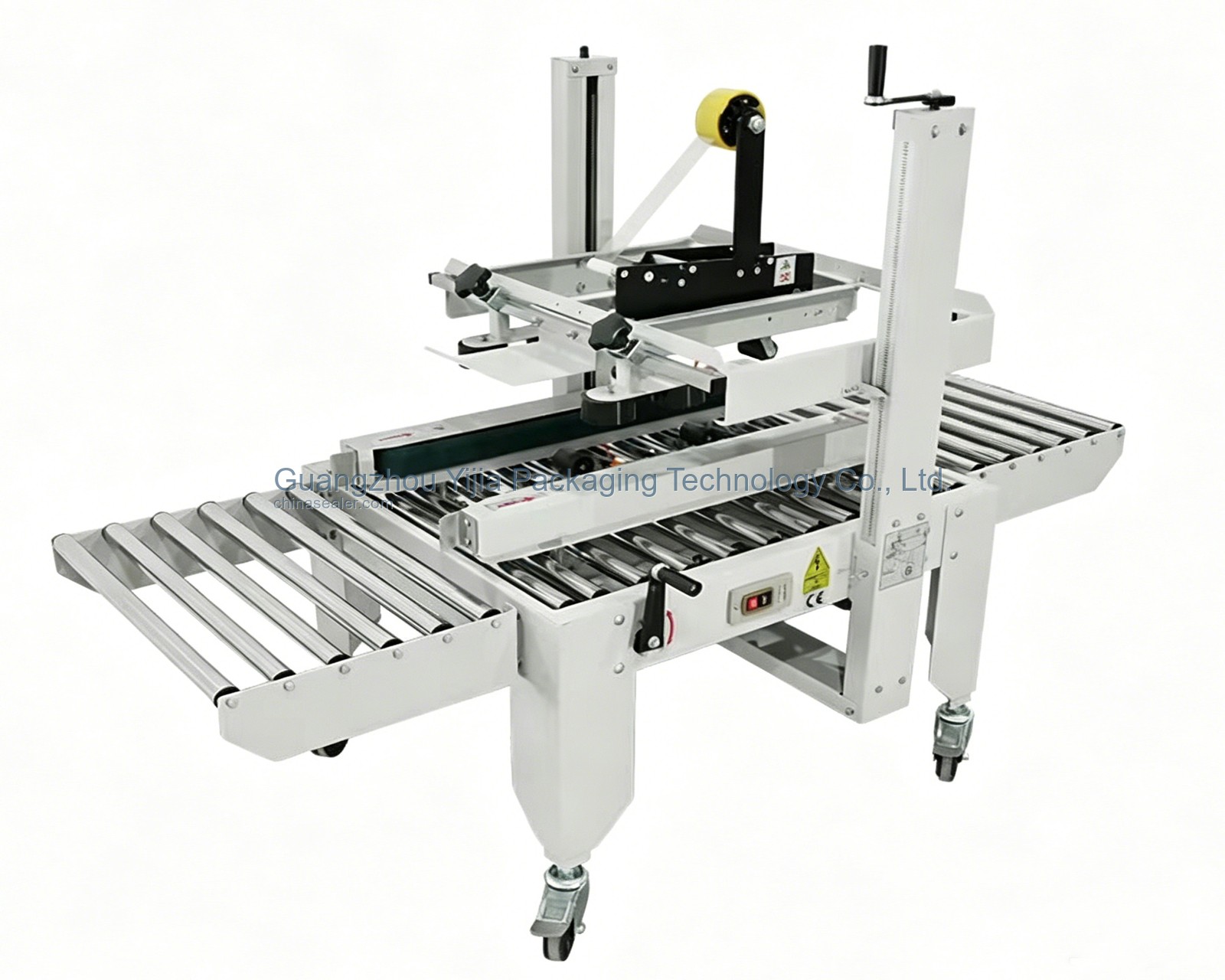 Carton Sealing and Outer Case Labeling Line
Downstream coding and cartoning; After tail sealing, tubes need batch number and expiry date coding, then move by conveyor into cartoning or case-packing processes; Date an...
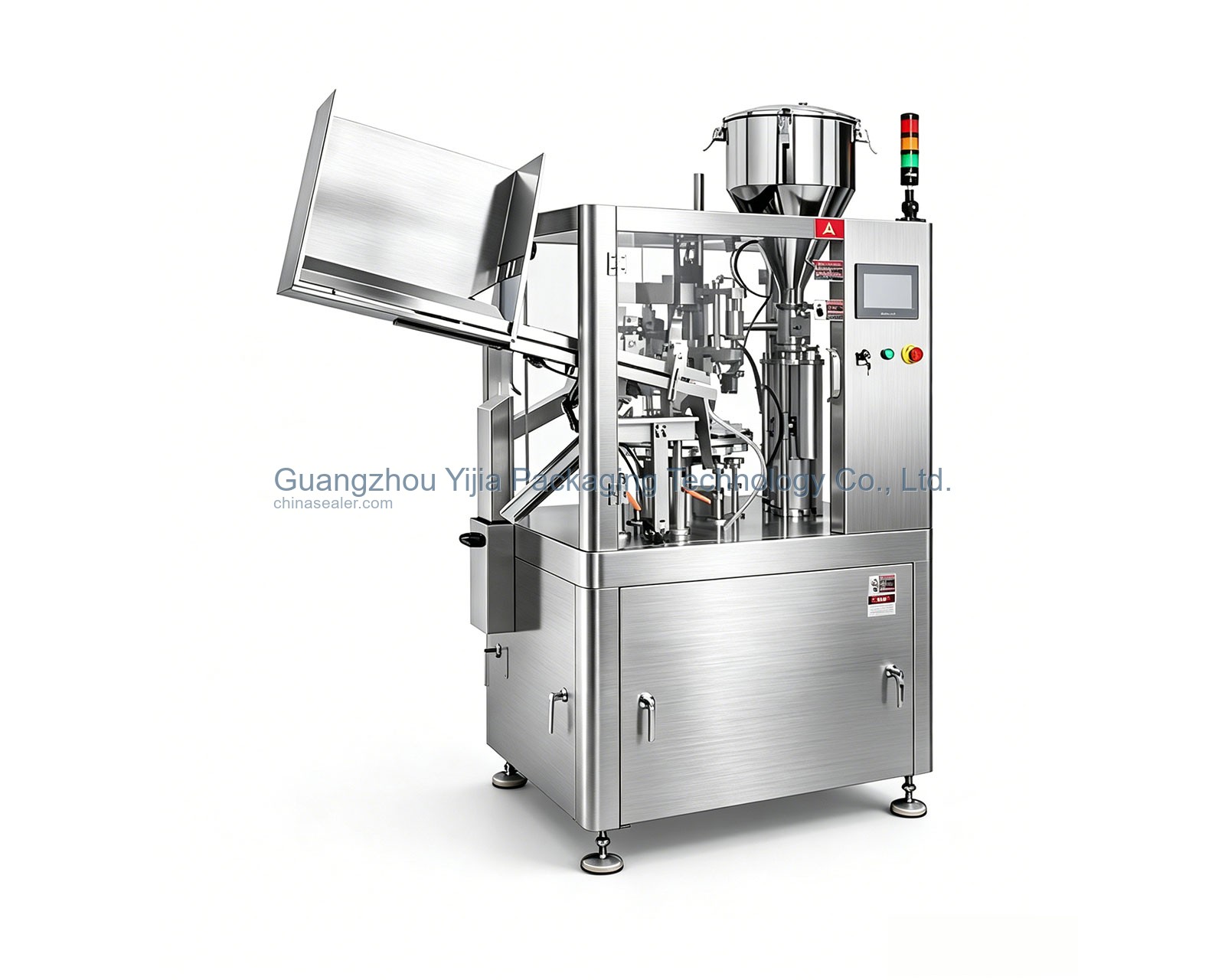 Special-shaped Cap Tube Sealing Solution
Container and Packaging Material Confirmation; Based on ointment tubes, plastic tubes, aluminum-plastic laminated tubes, cosmetic tubes for cream or gel, toothpaste tubes, and...
Sample details
Photos and dimensions can first determine container positioning, mold direction, and whether sample testing is needed.
Tube samples or photos: used to confirm tube material, tube diameter, tail-seal shape, and batch-number position. These affect tooling and tail-sealing parameters.The state of the contents affects the filling method, contact materials, anti-drip, and safety configuration.
Filling volume or product sample: if filling is required, product viscosity and whether particles are present must be confirmed. These affect filling valve and hopper selection.Capacity target determines single machine, semi-automatic, or continuous inline configuration, and also affects the quotation range.
Target output, such as hourly or daily production: this determines whether to use a standalone machine, semi-automatic equipment, or a connected line.Inline requirements affect equipment sequence, cycle time matching, and downstream inspection methods.
Downstream cartoning method: vertical or horizontal cartoning and carton size affect conveying and carton-packing design.Capacity target determines single machine, semi-automatic, or continuous inline configuration, and also affects the quotation range.
If the information is not complete, send available photos, tube diameter, and target output first. We will judge the route first and then provide a confirmation checklist.Common selection mistakes
Common questions
The price depends on tube diameter, filling volume, tail-sealing method, output, and whether line integration is needed. It must be confirmed from samples and configuration, so a reliable price range cannot be given from the name alone. Send samples and target output first, and we will prepare the solution before quoting.
Yes, but different tube diameters require tooling change and parameter adjustment. It is better to confirm the main specification first and then evaluate the changeover plan.
Batch-number adhesion depends on tube material and ink or ribbon. Tube samples are recommended for testing so suitable coding consumables can be selected.
Yes, but a conveyor connection is needed, and tube arrangement plus carton size must be confirmed. A connected line can be provided, but site space and takt matching are required.
Common causes include product residue at the tube tail or unsuitable sealing temperature and pressure. First check anti-drip filling; if needed, adjust tail-sealing parameters or add a cleaning step.
For small batches, use standalone tail sealing and coding first and carton manually. After orders become stable, the line can be upgraded.