Solution topic
How to Choose Tube Packaging for Toothpaste, Ointment, and Cosmetics? Filling & Tail Sealing, Tail Coding, and Special Cap Solutions
Compare filling & tail sealing, tail coding, trimming, and special cap solutions for toothpaste, ointment, cosmetic, and reagent tubes. Explains how tube diameter, material, product consistency, and output affect equipment selection.
- For tube projects, first determine whether you need empty tube filling & tail sealing, or pre-filled tubes requiring only tail sealing, coding, or trimming. Tube material, diameter, tail shape, cap type, and product consistency determine the equipment route.
- Tube Filling & Tail Sealing and Tail Coding
First Distinguish Between 'Filling & Tail Sealing' and 'Tail Sealing Only'
The most common mistake in tube projects is mixing these two requirements. Empty tube feeding requires filling, tail sealing, coding, and trimming; pre-filled tubes may only need tail sealing and batch coding.
Tube Material Determines Sealing Method
Heat sealing parameters differ for plastic tubes, aluminum-plastic composite tubes, and special composite tubes. Tube material, thickness, and tail allowance affect seal strength and appearance.
Product Consistency Determines Filling Structure
The viscosity, stringiness, and presence of particles in toothpaste, ointment, cream, and gel affect the filling valve and hopper design.
Coding Position Must Be Confirmed Early
Tail coding, tube body inkjet coding, and label positions differ, requiring different positioning and conveying methods. Export orders also need to confirm date format and batch number rules.
Do Not Directly Apply Standard Machines for Special Caps
Special caps or unusual tails require sample review first. We will determine whether non-standard fixtures are needed for positioning, clamping, sealing, and coding.
Clearly Explain Advantages and Limitations
The advantage of integrated filling & tail sealing is a complete process; the limitation is that tube material and product consistency must be clearly defined. The advantage of separate tail sealing & coding is lower investment; the limitation is that it cannot handle upstream metering.
How Our Existing Equipment Can Handle This
Our existing equipment can cover tube filling & tail sealing, separate tail sealing & coding, tail trimming, and downstream inkjet coding and inspection. Special cap types can be evaluated with sample positioning before deciding on custom fixtures.
Sending Photos Can Also Provide a Preliminary Assessment
Without complete drawings, sending photos of the tube front/back, tail, cap, and product can help us determine whether the route is filling & tail sealing or tail sealing & coding.
Route comparison
- Suitable for projects that need empty tube feeding, product filling, heat tail sealing, coding, and trimming in one process.
- The process is complete and suitable for stable production of toothpaste, ointments, cosmetics, and paste products.
- Tube diameter, tube length, tube material, filling volume, paste condition, and cleaning requirements must be confirmed.
- If filling is already completed and only tail sealing is needed, a full tube filling and sealing machine may not be necessary.
- Start with a tube filling and sealing machine.
- Suitable when filling is already handled and only tail sealing, batch coding, and trimming are needed.
- The equipment is lighter and suits adding a tail-sealing step or handling small-batch production.
- Tail allowance, sealing width, coding content, and tube material need to be confirmed.
- If the product has not been filled yet, a standalone tail sealer cannot complete the upstream dosing step.
- Start with a tube tail sealing and coding machine.
- Suitable for tubes with special caps, pump heads, brush heads, or non-standard tail structures.
- Fixtures, positioning, and tail-sealing method can be evaluated according to the tube and cap structure.
- The non-standard level is high, so samples and motion confirmation are required; lead time and cost depend on custom parts.
- Without samples or structural drawings, it is not advisable to quote a full automation solution directly.
- First confirm sample positioning and fixture requirements, then decide the main machine and auxiliary steps.
Core process
Determines whether standard fixtures or custom sealing molds are needed.
Empty tube projects configure filling; pre-filled projects can do only tail sealing & coding.
Confirm tail shape, seal width, and appearance requirements.
Batch number, date, and traceability code determine the coding method.
For mass production, missing tube, weight, and appearance inspection can be added.
Decide whether to connect downstream packaging based on order stage.
Associated Equipment / Consumables
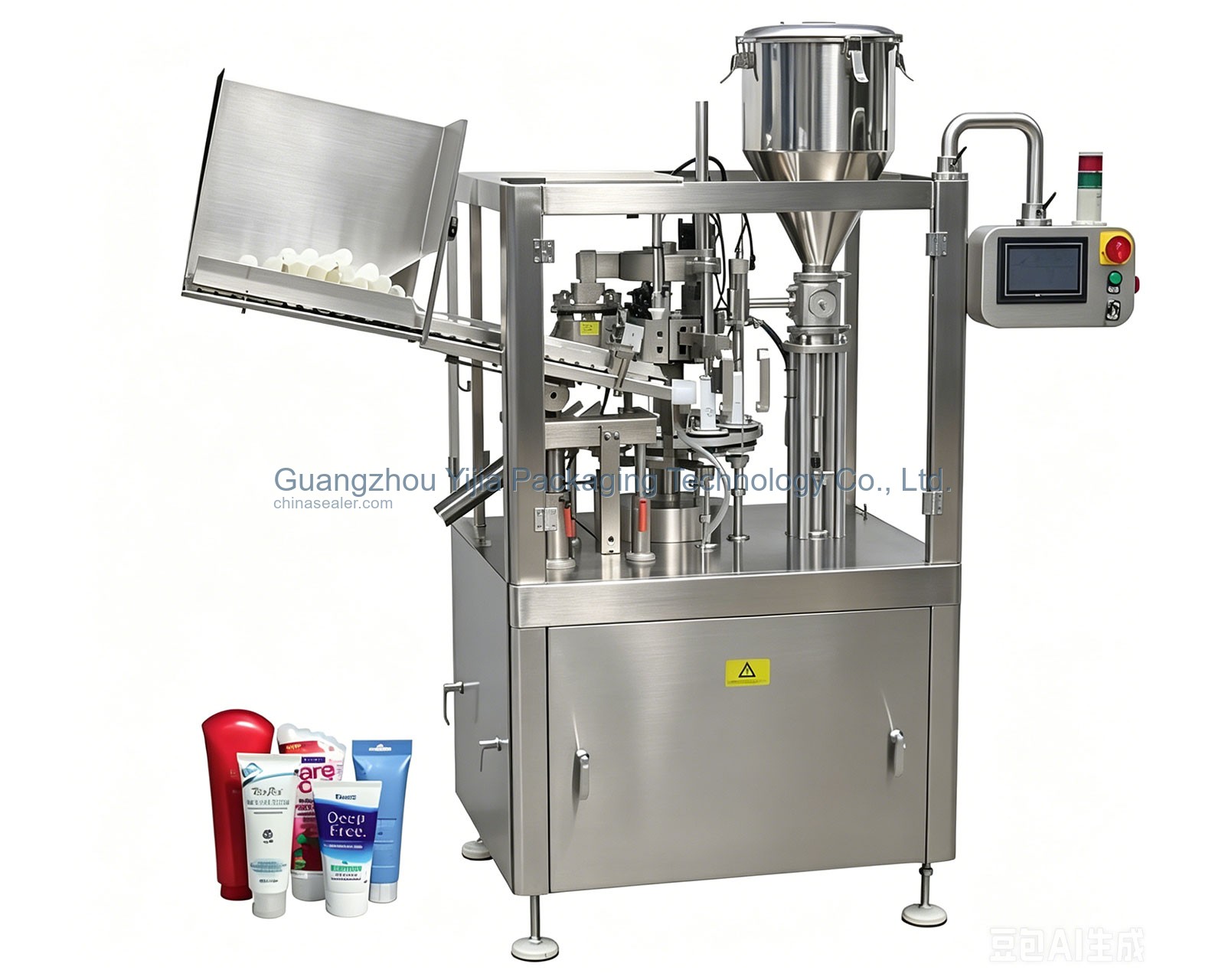 Tube Filling and Sealing Machine
Filling or Skip Filling; Empty tube projects configure filling; pre-filled projects can do only tail sealing & coding; Filling Valve; Hopper
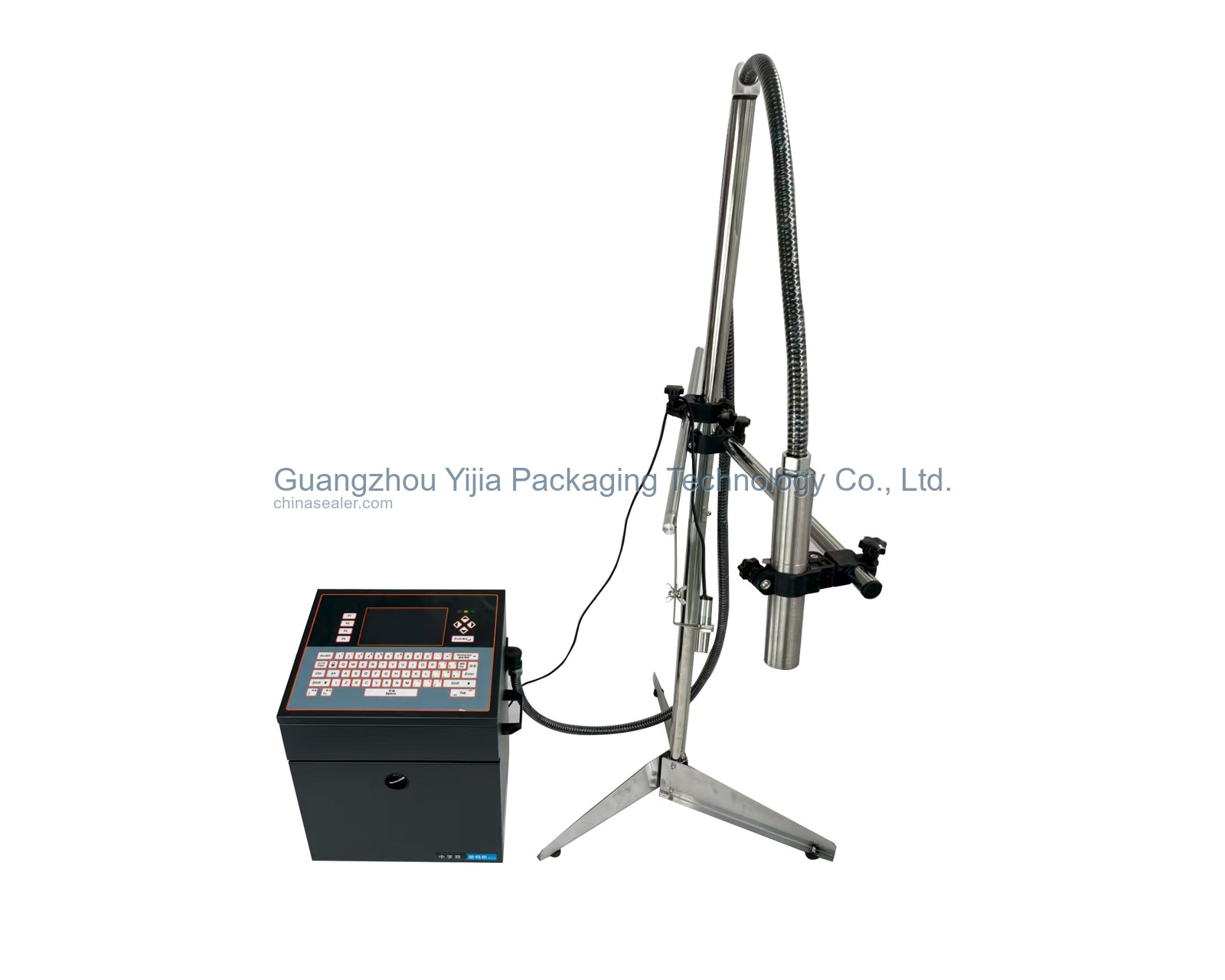 Tube End Sealer Coder
Filling or Skip Filling; Empty tube projects configure filling; pre-filled projects can do only tail sealing & coding; Filling Valve; Hopper
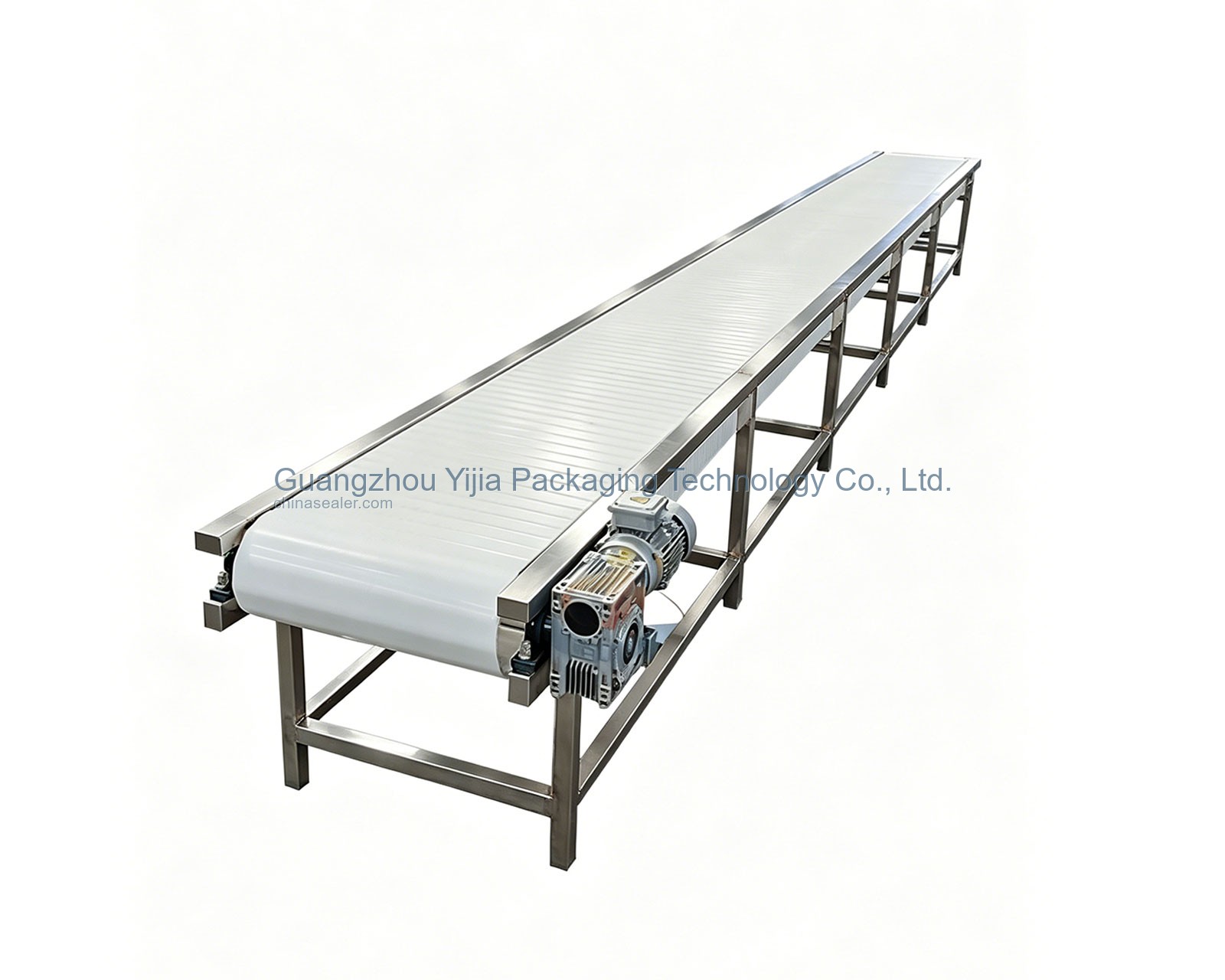 Food-grade conveyor line
Inspection and Conveying; For mass production, missing tube, weight, and appearance inspection can be added; Checkweighing; Vision Inspection
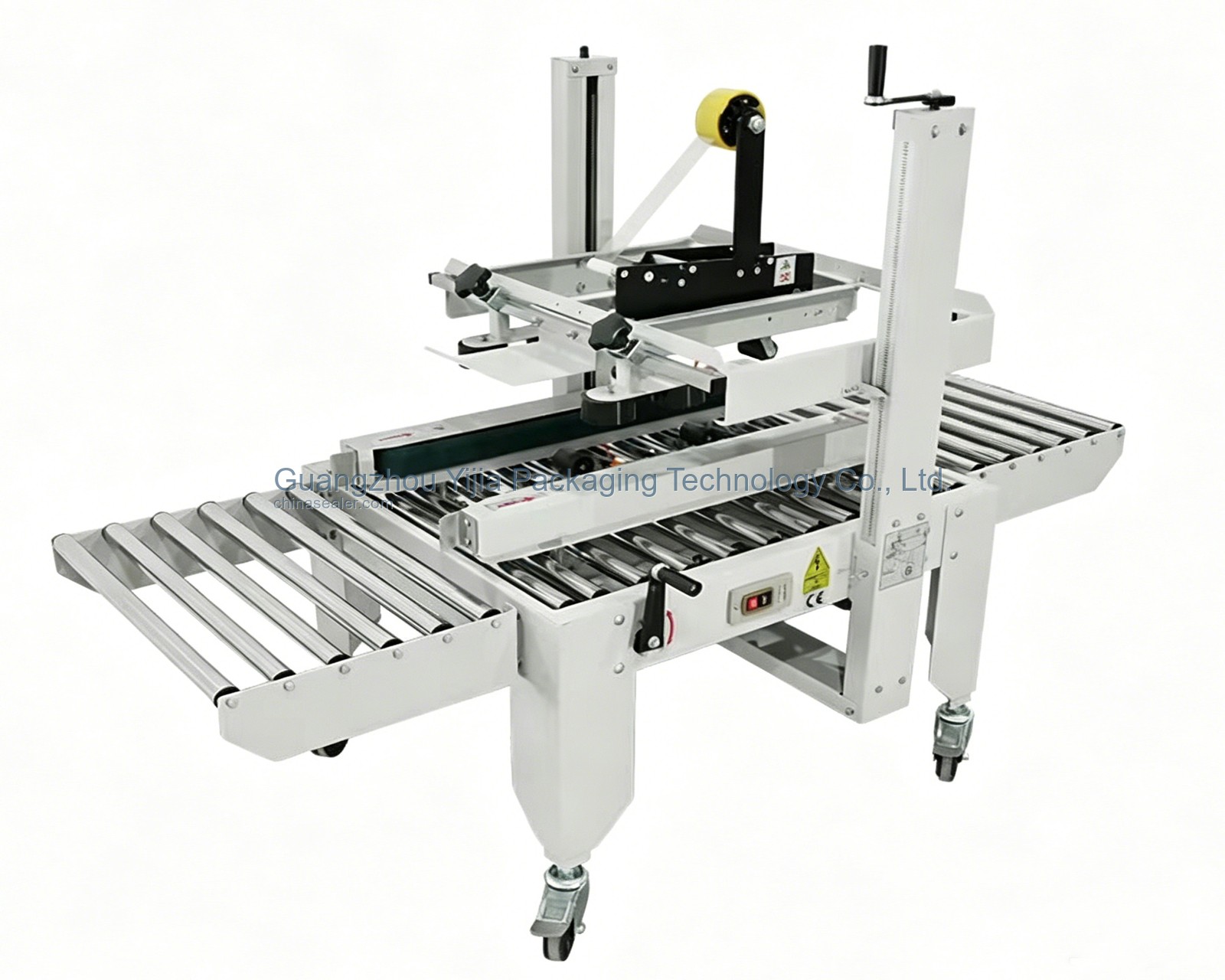 Carton Sealing and Outer Case Labeling Line
Inspection and Conveying; For mass production, missing tube, weight, and appearance inspection can be added; Checkweighing; Vision Inspection
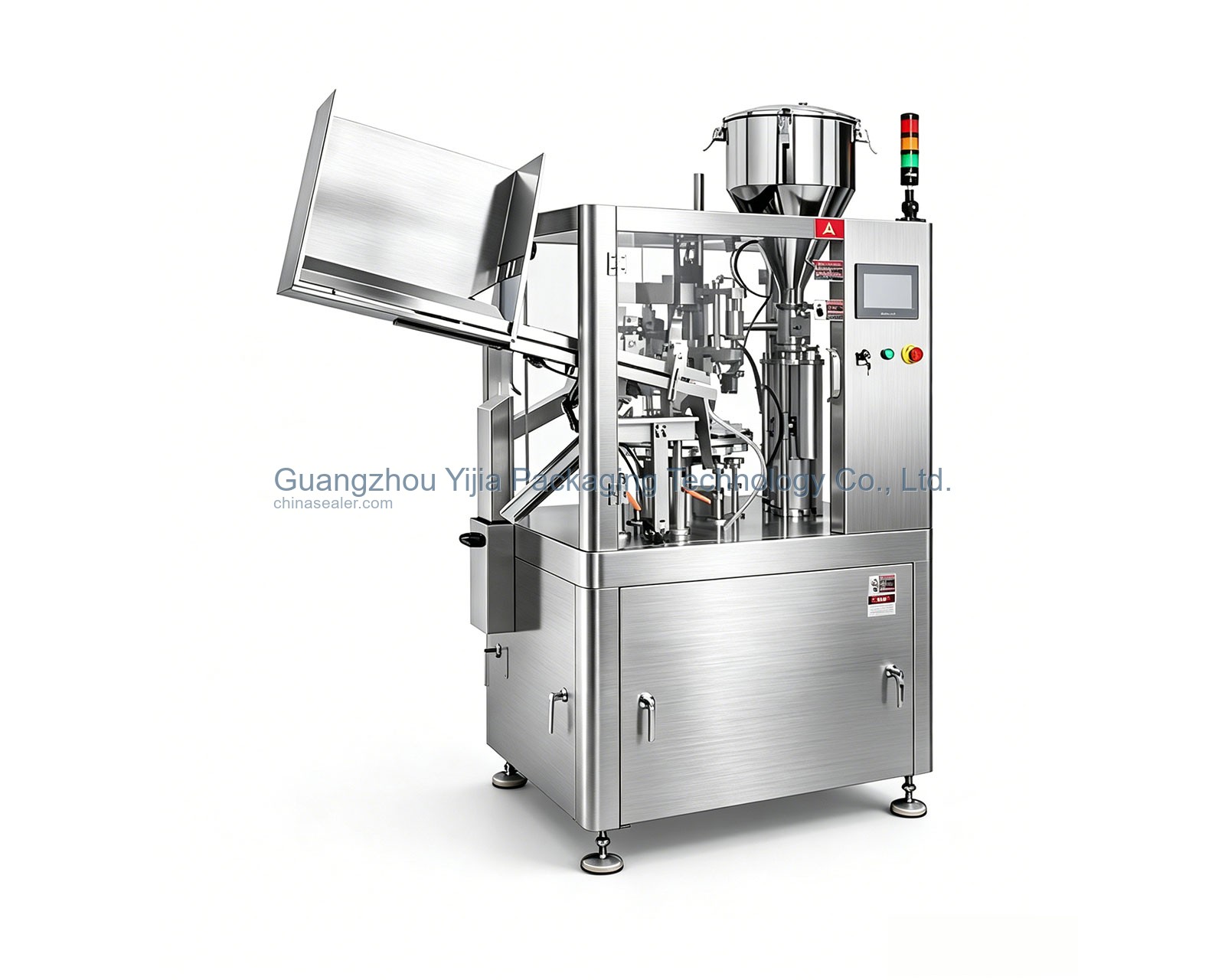 Special-shaped Cap Tube Sealing Solution
Filling or Skip Filling; Empty tube projects configure filling; pre-filled projects can do only tail sealing & coding; Filling Valve; Hopper
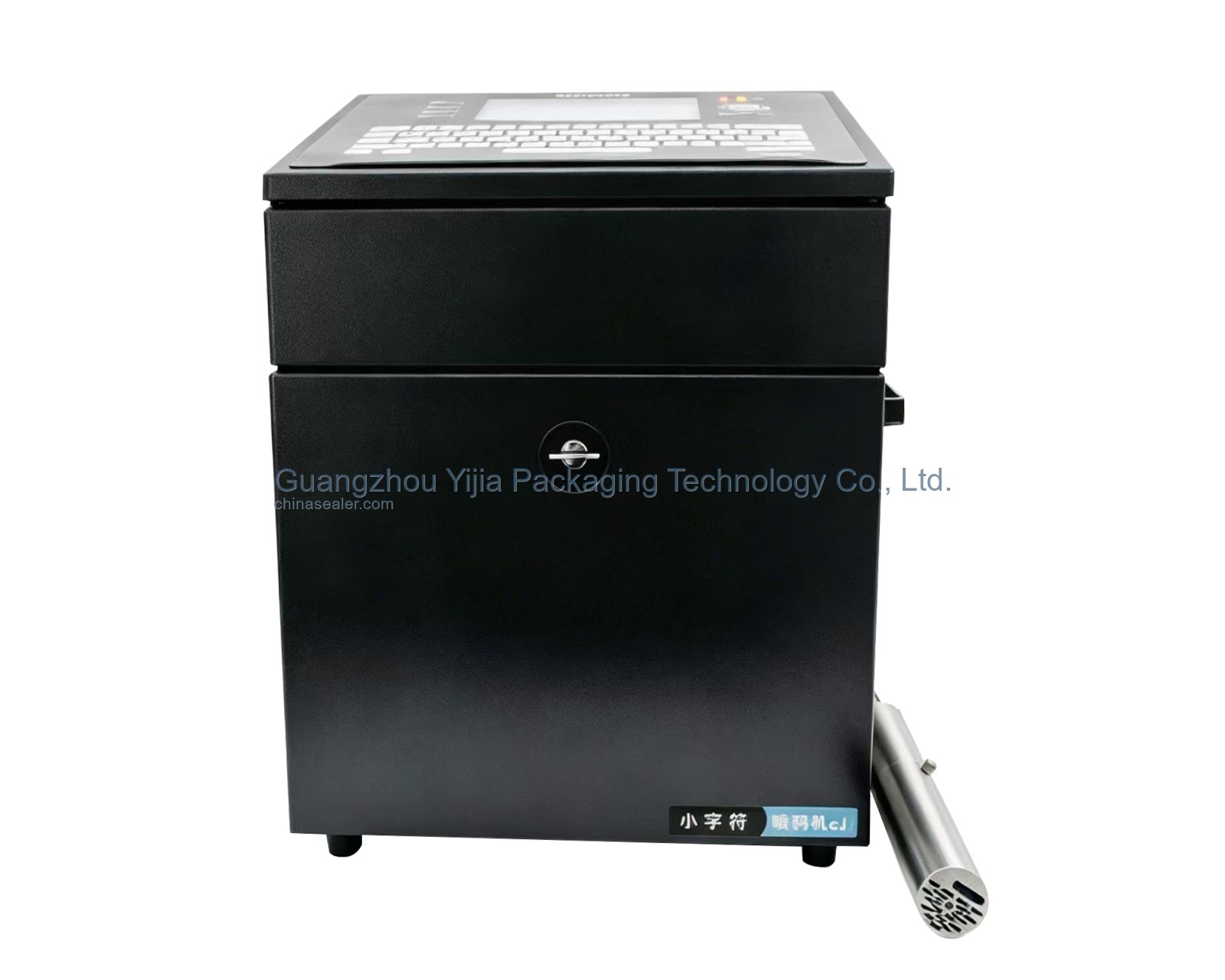 Date & Batch Inkjet Printer
Filling or Skip Filling; Empty tube projects configure filling; pre-filled projects can do only tail sealing & coding; Filling Valve; Hopper
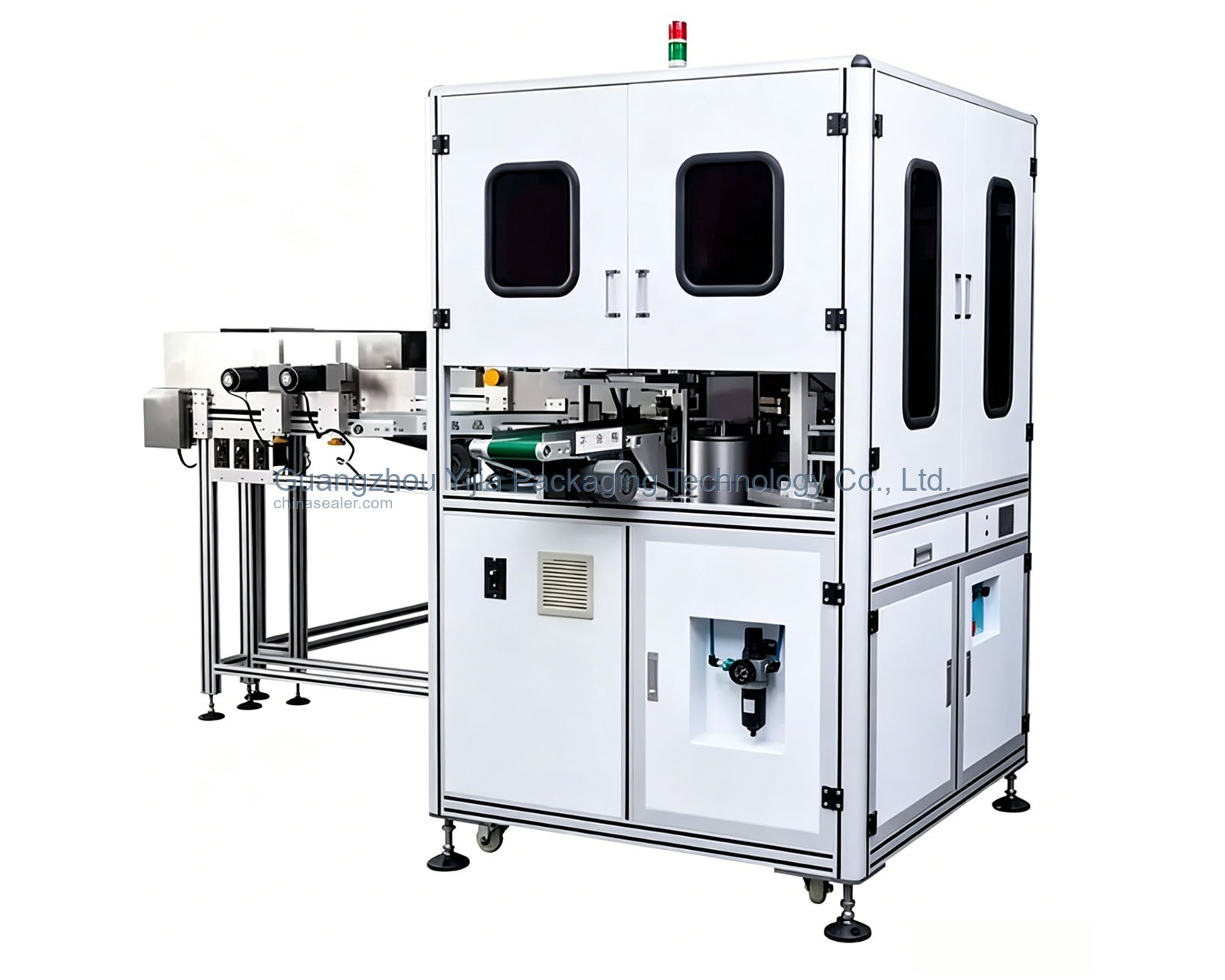 Online Checkweigher and Vision Inspection System
Filling or Skip Filling; Empty tube projects configure filling; pre-filled projects can do only tail sealing & coding; Filling Valve; Hopper
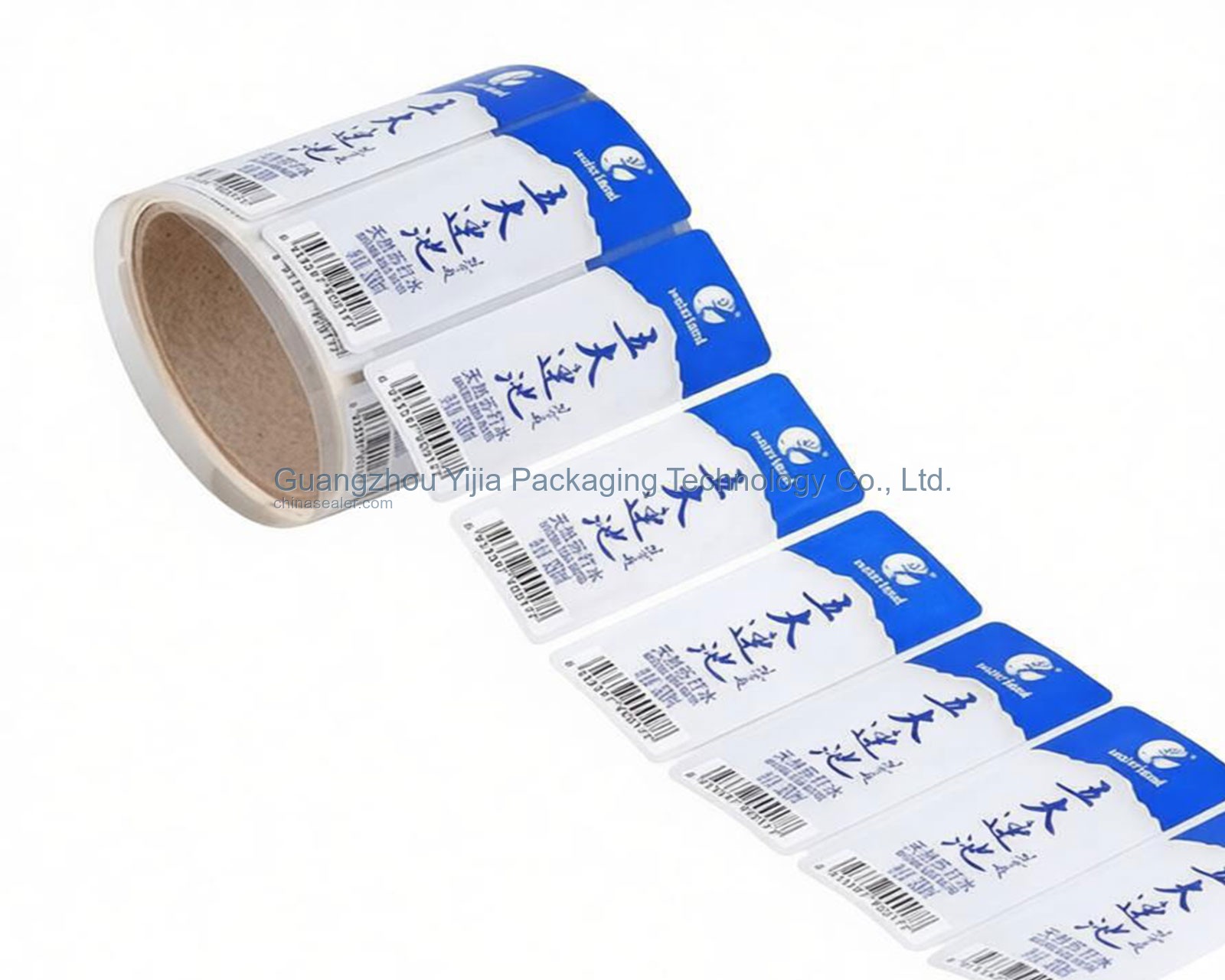 Labels, Inkjet Inks, and Thermal Transfer Ribbons
Filling or Skip Filling; Empty tube projects configure filling; pre-filled projects can do only tail sealing & coding; Filling Valve; Hopper
Sample details
First confirm whether it is an empty tube, pre-filled tube, or only needs tail sealing and coding.
Tube photos, whether pre-filled, product consistency.Tube diameter, length, tail allowance, and material determine fixtures and heat sealing parameters.
Tube diameter, length, material, tail photos, cap photos.Paste viscosity and fill volume determine filling valve and hopper.
Capacity, viscosity, stringiness, presence of particles, sample.Tail batch number, date format, embossing, and trimming shape affect configuration.
Coding content, font orientation, sealing style, appearance sample.Output determines single machine, rotary table, or inline solution.
Tubes per minute, manual or automatic, whether checkweighing, cartoning, or case packing is needed.Common selection mistakes
Common questions
Yes. Pre-filled tubes typically require tail sealing, coding, and trimming equipment, not necessarily a complete filling & sealing machine.
It depends on the specific material structure and thickness. Parameters need to be confirmed after sample testing.
Usually yes, by changing molds, but it depends on the diameter range, tube length, and output requirements.
A sample or structural drawing is needed to first evaluate the positioning fixture and action sequence.
Yes, it affects the filling valve, hopper, and anti-drip configuration. A sample or video is recommended.
Yes, for batch orders, downstream inspection can be configured according to quality requirements.