Model / Identity
YJ-FS310
Externally sourced custom solution | Sample-confirmed
The machine packs honey or syrup in single-serve spoon containers. Confirm spoon dimensions and nesting, product temperature and viscosity, dose tolerance, drip/string control, clean rims, lid orientation and sealant layer, peel and leak criteria through continuous trials with the actual spoon, lid and product.
View operating media
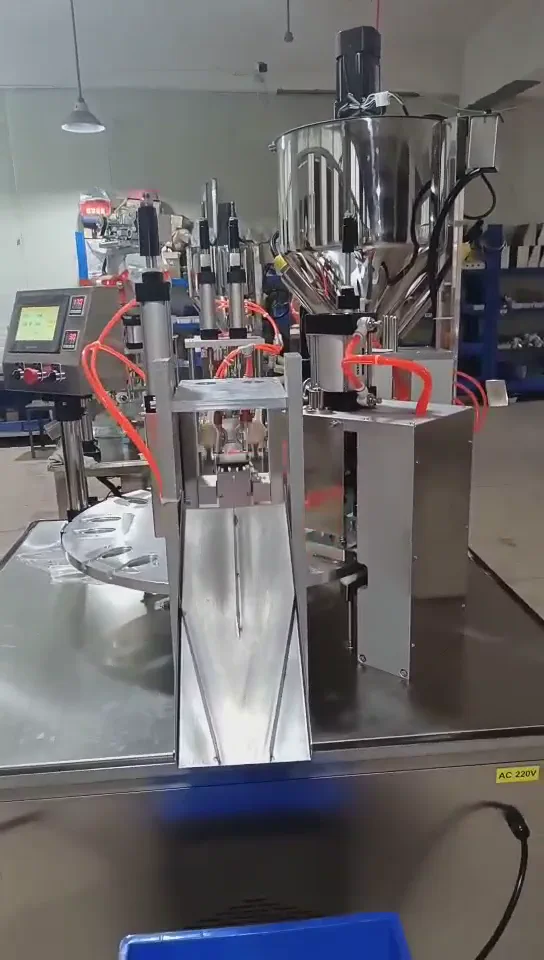
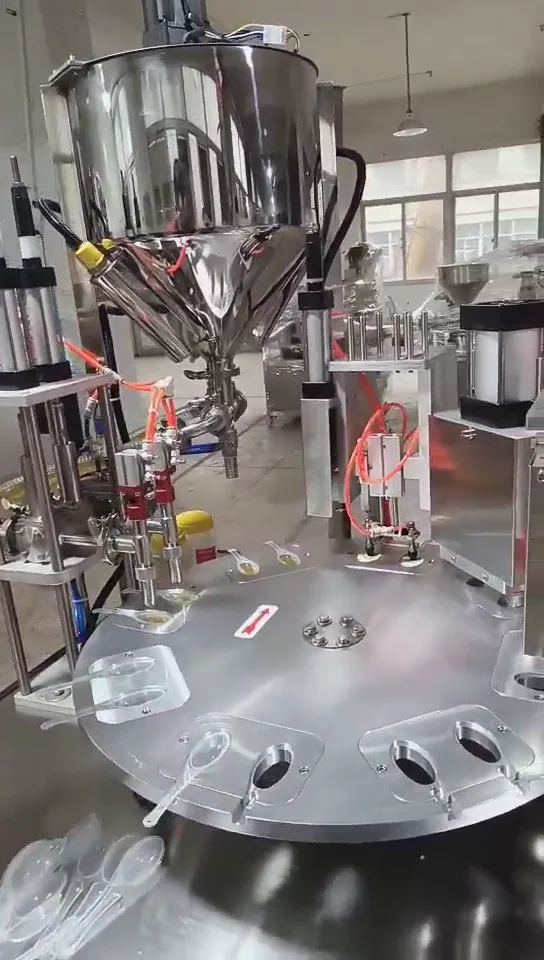
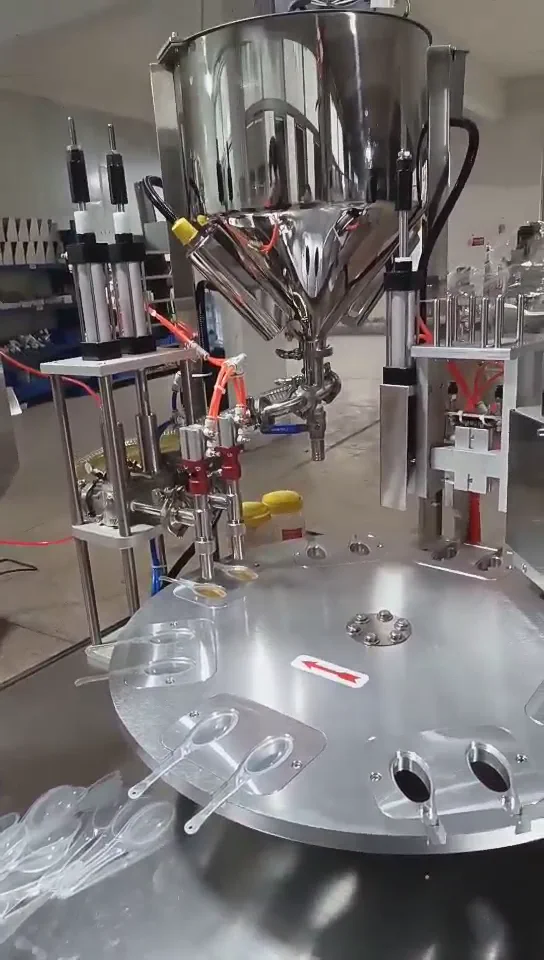
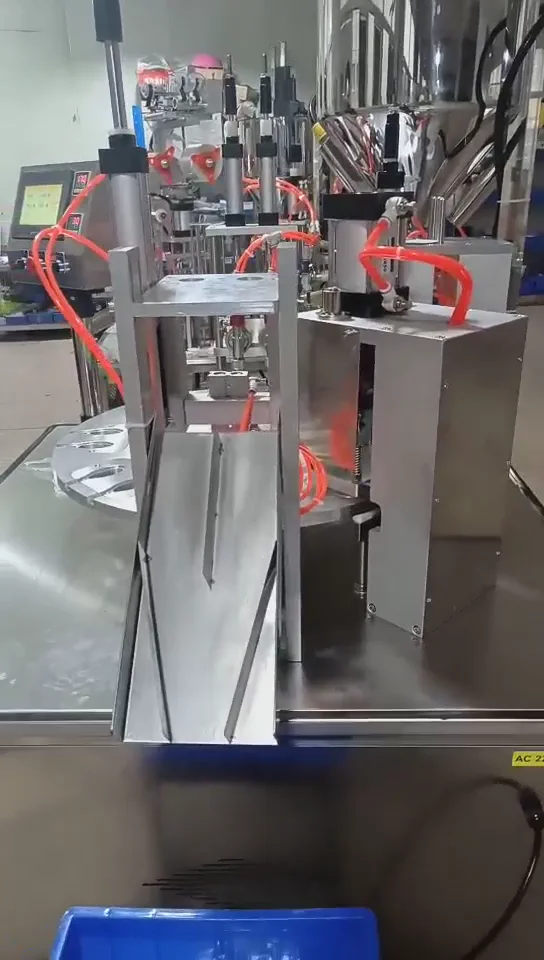
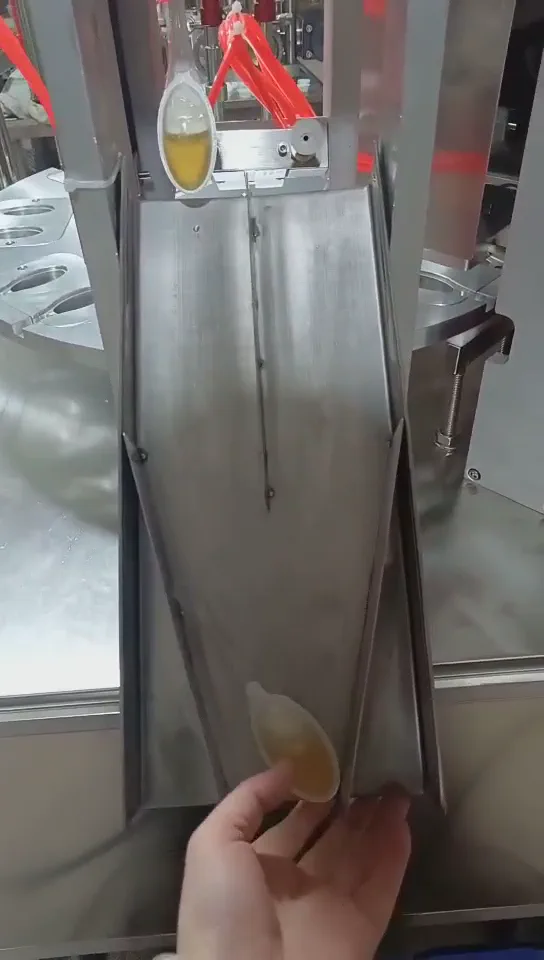
Real operating video shows the rotary spoon fixture, filling assembly, control interface and discharge section. The sealing process, operating settings and pack results require sample trials and project confirmation.
Actual equipment and operating steps are shown here. Final suitability depends on the agreed samples and equipment scope.
Evidence boundary
Content follows the available evidence and visible structure. Unverified figures are not presented as commitments.
YJ-FS310
Externally sourced custom machine, sold independently and confirmed from spoon, product and foil samples.
To be confirmed by testing spoon feeding, dosing time, foil handling and the sealing cycle.
Rotary multi-station layout; manual or automatic spoon feeding is project-dependent.
Evidence boundary
Provide the spoon, foil, target dose, product viscosity and temperature, seal acceptance method and required output. These inputs determine feeding, dosing, tooling and heat-sealing settings.
Evidence boundary
Content follows the available evidence and visible structure. Unverified figures are not presented as commitments.
YJ-FS310
Externally sourced custom machine, sold independently and confirmed from spoon, product and foil samples.
To be confirmed by testing spoon feeding, dosing time, foil handling and the sealing cycle.
Rotary multi-station layout; manual or automatic spoon feeding is project-dependent.
Honey spoons and similar spoon-shaped containers; material, dimensions, strength and consistency to be confirmed.
To be confirmed from physical spoons and drawings.
Honey, syrup or similar flowable products; viscosity, temperature and particles to be reviewed.
Pre-cut foil matched to the spoon rim; material, thickness, sealant layer and feeding method to be confirmed.
Configuration choice
Provide the spoon, foil, target dose, product viscosity and temperature, seal acceptance method and required output. These inputs determine feeding, dosing, tooling and heat-sealing settings.
Provide physical samples, dimensions and target requirements.
Confirm the process, locating, changeover and integration boundary.
Use representative samples to verify the result and complete cycle.
Approve the technical agreement, supply scope and quotation.
Configuration choice
Rotary indexing organises stations but does not guarantee automatic spoon feeding. Pre-cut lids also require direction, static, pick-and-place and seal-layer checks.
Externally sourced custom solution | Sample-confirmed
Rotary indexing organises stations but does not guarantee automatic spoon feeding. Pre-cut lids also require direction, static, pick-and-place and seal-layer checks.
Evidence boundary
Content follows the available evidence and visible structure. Unverified figures are not presented as commitments.
Automatic feeding can be assessed according to spoon consistency and budget; manual loading is also possible. Physical spoon trials are required.
No. The result depends on viscosity, temperature, dose, metering method and complete machine cycle, so it must be established by testing.
They are confirmed after the feeding, metering, sealing, actuator and site configuration have been approved.
Provide physical spoons, foil and representative honey together with the target dose, acceptance criteria, output and site conditions.
Send sample details
Send spoon and lid samples or drawings, honey sample and working temperature, target dose and tolerance, peel/leak criteria, feeding route, coding, cleaning/changeover and target cycle.