Solution topic
How to Configure a Tube Filling and Tail-Sealing Line
Starting from three incoming conditions—empty tubes, pre-filled tubes, and special caps—this guide explains the configuration boundaries for fully automatic filling and tail sealin
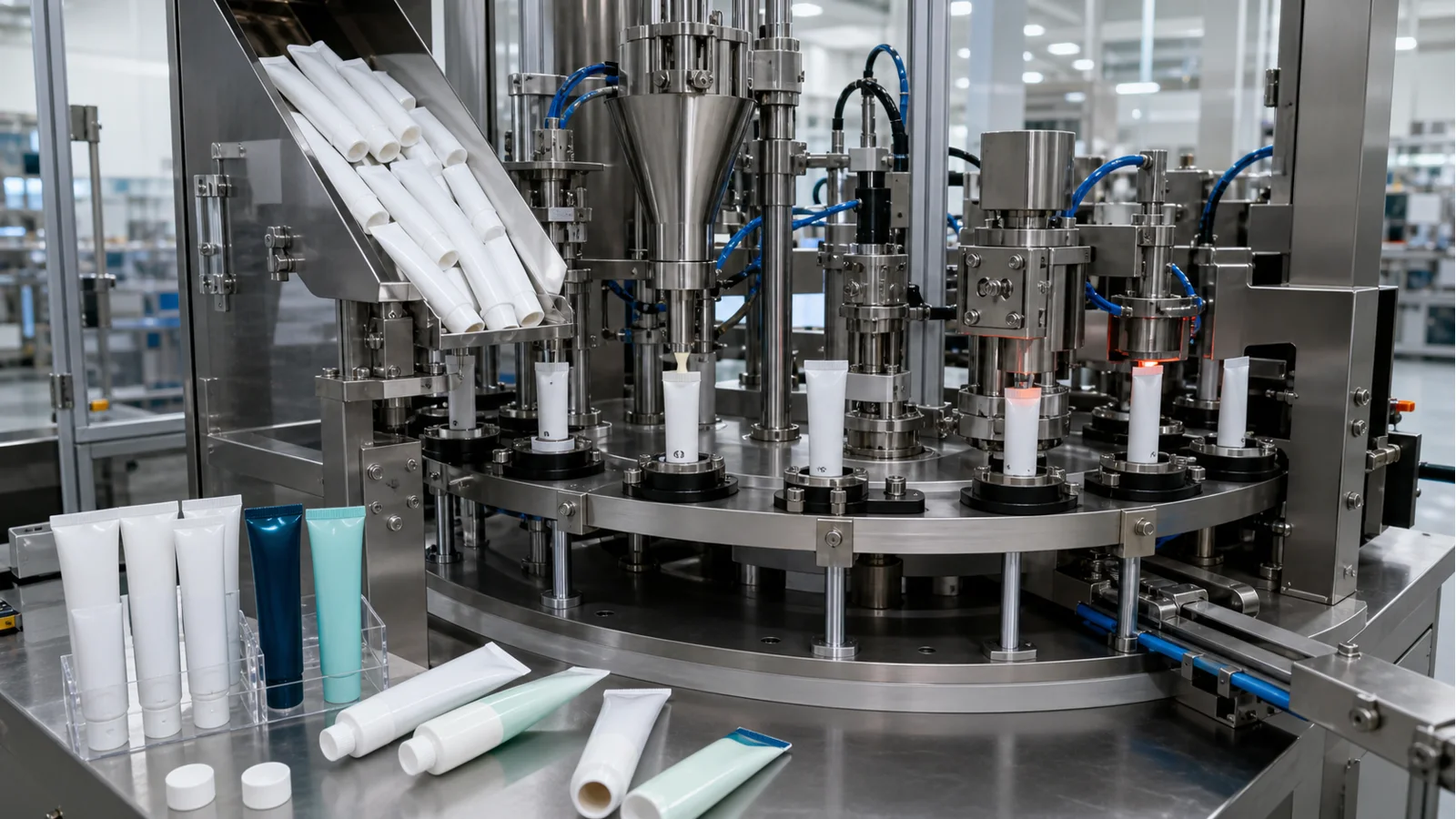
- Combine filling, tail sealing and coding from tube material, cap orientation, product, seal pattern, batch code and trimming needs.
Solution summary prepared for you
- Tube main machines are first divided by incoming material. Empty tubes go to the integrated filling and tail sealing machine; pre-filled open-tail tubes use the tail sealing and coding machine.
- Special-shaped caps or special tube bodies require independent tube holder and clamping verification. Conventional tube tail sealing configurations cannot be directly applied to special structures.
- Date coding is used to supplement readable batch numbers; in-line checkweighing only screens according to weight rules. Neither replaces tail seal sample acceptance.
Route comparison
- Incoming material is empty tubes, requiring continuous production of positioning, content metering, tail sealing, and tube discharge.
- Tube loading, positioning, filling, and tail sealing are connected in the same main machine, facilitating joint commissioning with empty tubes and contents.
- Filling nozzle, tube holder, tail sealing tooling, and optional trimming and coding all require actual sample confirmation; re-verify after changing tube material.
- When the customer's front section has already filled and only needs tail processing, use a separate tail sealing machine.
- Use a fully automatic tube filling and tail sealing machine, and configure corresponding stations according to tube material, material, and finished tail seal requirements.
- Projects that already have a filling process and only need tube tail sealing, trimming, or batch number marking.
- Retain the actions needed for tail sealing, trimming, and batch number, avoiding duplication of filling steps already completed by the front section.
- Fill volume, tail cleanliness, and content position must be controlled before entering the machine; the single machine is not responsible for front-end filling deviations.
- If the incoming material is still empty tubes and the equipment needs to complete metered filling, choose a filling and tail sealing main machine.
- Use a tube tail sealing and coding machine, and connect a date batch inkjet coder if additional batch number positions are needed.
- When the cap, tube body, or tail structure deviates from standard tubes, dedicated clamping and separate changeover packaging are required.
- Dedicated tube holders and positioning parts can be rearranged around special cap types and tube bodies, and quality stations can be expanded after the main machine is stable.
- Each special tube cap requires clamping and tail sealing sampling, and the labeling machine must also verify the labeling surface and conveying orientation.
- When standard straight tubes can be handled stably with standard tube holders, no special clamping structure is needed.
- Use the special-shaped cap tube sealing solution, and evaluate in-line checkweighing machines and labeling methods that can handle such tubes according to rules.
Associated Equipment / Consumables
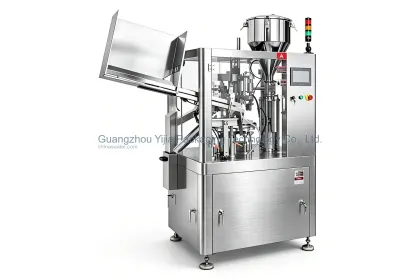 Special-Cap Tube Tail Sealing and Coding Machine
The machine closes the tail of prefilled plastic or laminated tubes and can connect to a filling station. Confirm tube material, diameter, length, cap geometry, product condition, seal pattern, code position and trim...
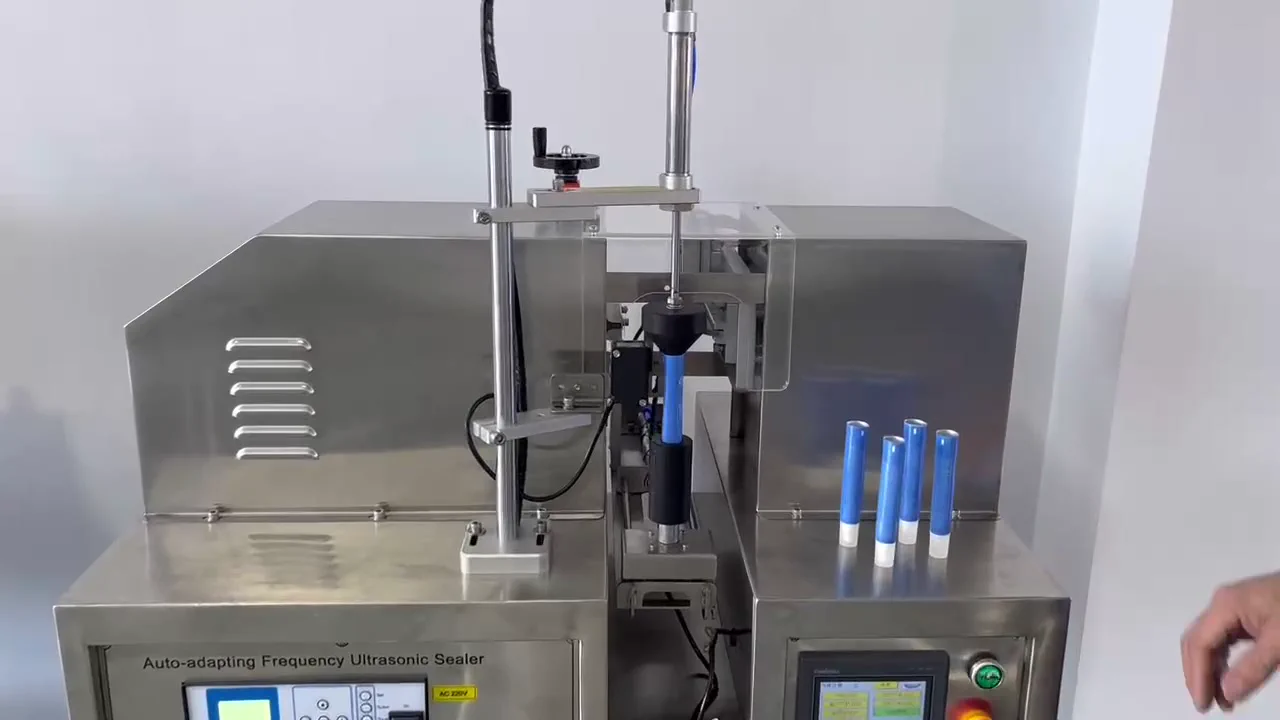 Ultrasonic Tube Sealing Machine
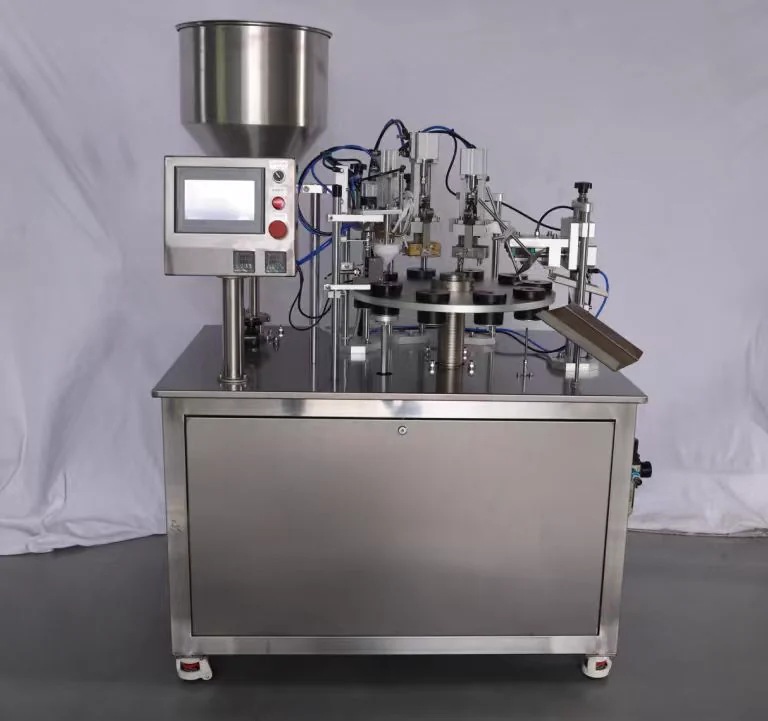 Automatic Tube Filling and Sealing Machine
 Labels, Inkjet Inks, and Thermal Transfer Ribbons
Core process
First distinguish empty tubes, pre-filled open-tail tubes, and tubes with special-shaped caps, then verify tube material, orientation, tail requirements, and content status.
When starting production from empty tubes, the fully automatic tube filling and tail sealing machine completes tube loading and positioning, metered filling, tail sealing, and optional trimming and coding as per project.
When the front section has already completed filling, the tube tail sealing and coding machine handles tail sealing and in-machine marking, and the date batch inkjet coder can add marking at another specified position.
Special-shaped caps, eccentric structures, or special tube bodies use the special-shaped cap tube sealing solution, designing tube holders, clamping, and tail sealing components based on actual tube and cap samples.
After the main tail sealing is stable, the in-line checkweighing machine can screen according to agreed weight rules. The labeling machine is only evaluated with actual samples when the tube posture and labeling surface can be handled stably.
The automatic feeding conveying sealing line is integrated after tube posture, main machine cycle, and transfer direction are stable, and marking consumables are commissioned together with the batch number process.
Sample details
Empty tubes, pre-filled open-tail tubes, and finished tubes correspond to different equipment responsibilities; incoming photos should show the tube mouth, tail, and cap components.
Submit actual samples of various incoming materials and specify which section completes the fillingTube material structure, diameter, length, tail width, wall thickness, and color mark position are used to configure the tube holder and tail sealing components.
Provide production tube specifications, material description, color mark orientation, and tail seal finished product requirementsMaterial flow, stringing, particles, temperature, and cleaning method affect the supply, filling nozzle, and closing status.
Provide actual contents, target fill volume range, and production temperature statusBatch number content, printing surface, orientation, and consumables determine the installation position of in-machine coding or standalone inkjet coding.
Submit batch number layout, planned position, readability requirements, and matching marking consumablesSpecial-shaped caps, eccentric tube bodies, and special tails require independent recording of clamping surfaces, clearance space, and changeover actions.
Provide actual samples of tubes with special-shaped caps and photos from all directions, and specify the appearance areas to be preservedCheckweighing, labeling, and conveying are only integrated after inspection rules, tube posture, and defect handling are clarified.
Explain weight rules, label samples, production schedule, discharge direction, and handling of defective productsCommon selection mistakes
If a filling station is configured again for tubes that already contain contents, it will duplicate the customer's front-end process and blur equipment responsibility.
Plastic tubes and laminated tubes have different tail structures; even with the same outer diameter, they may require different tail sealing processes and tooling.
In-machine coding, standalone inkjet coding, and labels correspond to different surfaces and orientations; the batch number placement should be determined before arranging equipment.
Special-shaped caps change tube positioning and clamping space; universal tube holders should not be applied directly without sample testing.
Checkweighing can only handle defined weight anomalies; it cannot indicate tail seal patterns, trimming, or material bonding status.
View detailed technical notes
Incoming Material Condition Determines Automation Configuration
When evaluating a tube production line, first determine whether the machine receives empty tubes or pre-filled open-tail tubes. Empty tubes require an integrated filling and tail sealing unit, while pre-filled tubes only need tail sealing and coding. Special tube caps should be sampled separately.
Tube and Product Content Trial Runs
For mass production of tubes, you must provide the tube structure, diameter, length, color mark, tail width, and finished tail sealing requirements. The product contents are used to confirm filling, drip prevention, and cleaning conditions.
Empty Tubes Enter the Filling and Tail Sealing Main Machine
The fully automatic tube filling and tail sealing machine handles positioning, metered filling, and tail sealing of empty tubes. Tube unscrambling, embossing, trimming, coding, and inspection are optional based on project requirements.
Pre-filled Tubes Only Require Tail Sealing
When tubes are already filled, the tube tail sealing and coding machine receives tubes with prepared tails. If a separate date or batch code is needed, an inkjet coding station is set up according to the tube orientation.
Special Caps and Tubes Require Custom Fixtures
Special-shaped caps and tube bodies require dedicated tube holders, clamping, and tail sealing components. Sampling must consider cap obstruction, tube body stress, tail space, and loading/unloading direction. Different specifications should be retained for verification.
Coding Surface Fixed Before Line Integration
The batch code position should avoid trimmed, embossed, and easily bent areas. Coding consumables should be tested on production tubes for adhesion and readability before deciding between in-machine coding or separate inkjet coding.
Checkweighing and Labeling Have Their Own Boundaries
An inline checkweigher screens finished products according to agreed weight rules. A round/square bottle labeling machine is only evaluated with real samples when tubes can be stably oriented and the labeling surface is suitable.
Connect Conveying After Main Process Is Stable
The automatic conveying line starts from the main tail sealing discharge end, verifying tube orientation, buffering, and collection. Defective product handling and manual inspection positions should be determined together with the site layout.
Common questions
How to choose the main machine for empty tubes and pre-filled tubes?
When empty tubes need filling, use a fully automatic tube filling and tail sealing machine. If the front section has already filled the contents, you can choose a tube tail sealing and coding machine to complete the tail seal.
Which tube features should be verified during tail seal sampling?
First check the tube material layer structure, tail width, color mark orientation, tail seal appearance, and trimming requirements, then establish sealing conditions using production tubes.
Is date coding needed in addition to the tail sealing machine?
In-machine embossing or coding can be completed with the tail seal if it meets position and content requirements. If a readable batch number is needed elsewhere, configure a date batch inkjet coder.
Can conventional fixtures be used for tubes with special-shaped caps?
For tubes with special-shaped caps, submit complete tube and cap samples, first verify the tube holder, clamping, orientation, and tail space, then determine the dedicated sealing structure.
Can in-line checkweighing judge the quality of tube tail seals?
In-line checkweighing works according to agreed weight rules; tail seal patterns, trimming, and sealing status are still inspected using corresponding samples and packaging methods.
When should downstream conveying and labeling be integrated?
After the main machine, tube orientation, and discharge status are stable, continuous conveying can be evaluated. Labeling also requires confirming that the tube surface and posture are suitable for the corresponding labeling method.