Inspection, Weighing and Traceability Equipment

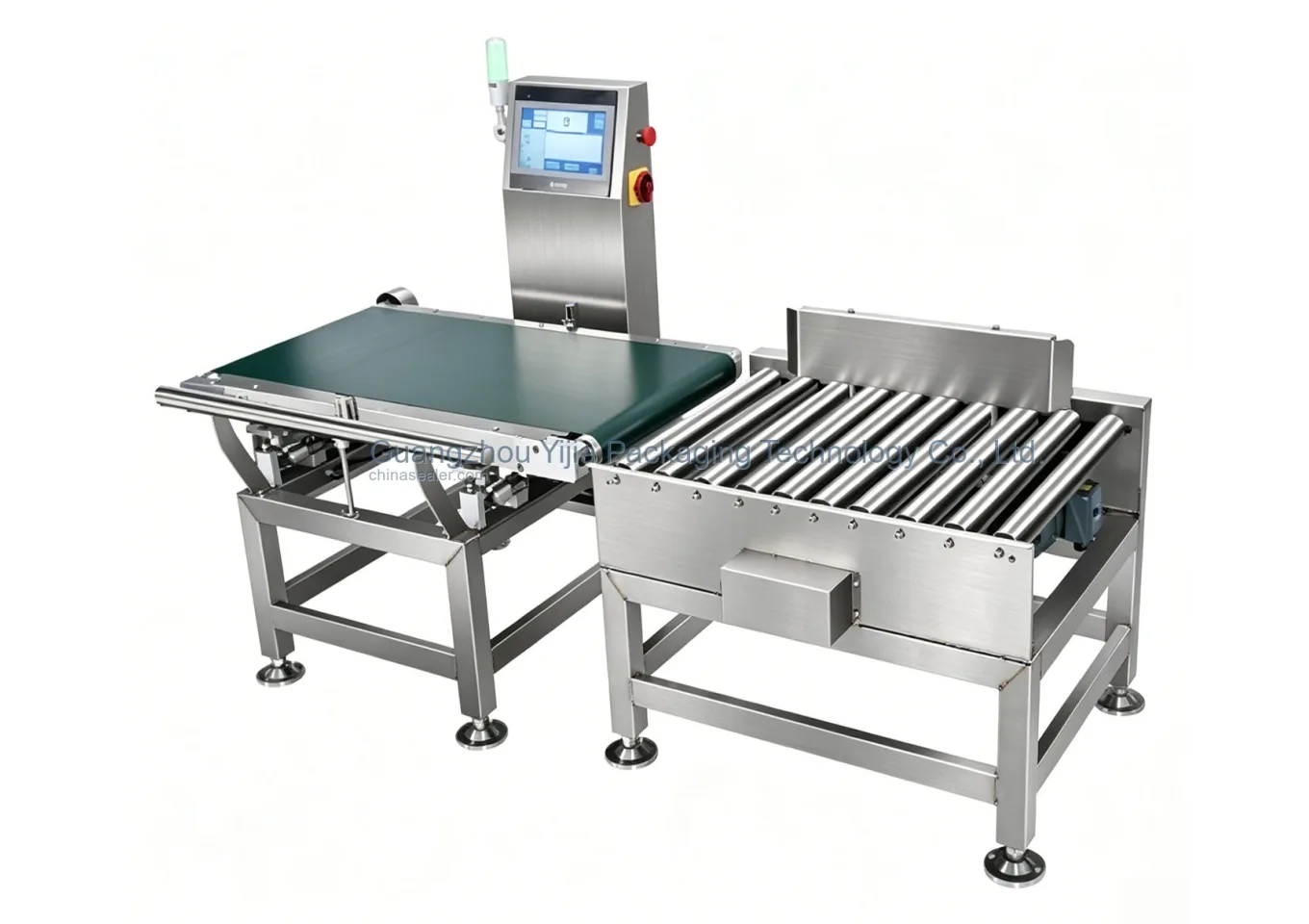
Inline Checkweigher

Use accepted, underweight and overweight boundary samples to establish the decision window, then verify dynamic weighing, rejection and data capture instead of selecting from a headline accuracy alone.

Selection with samplesParameters confirmed per project
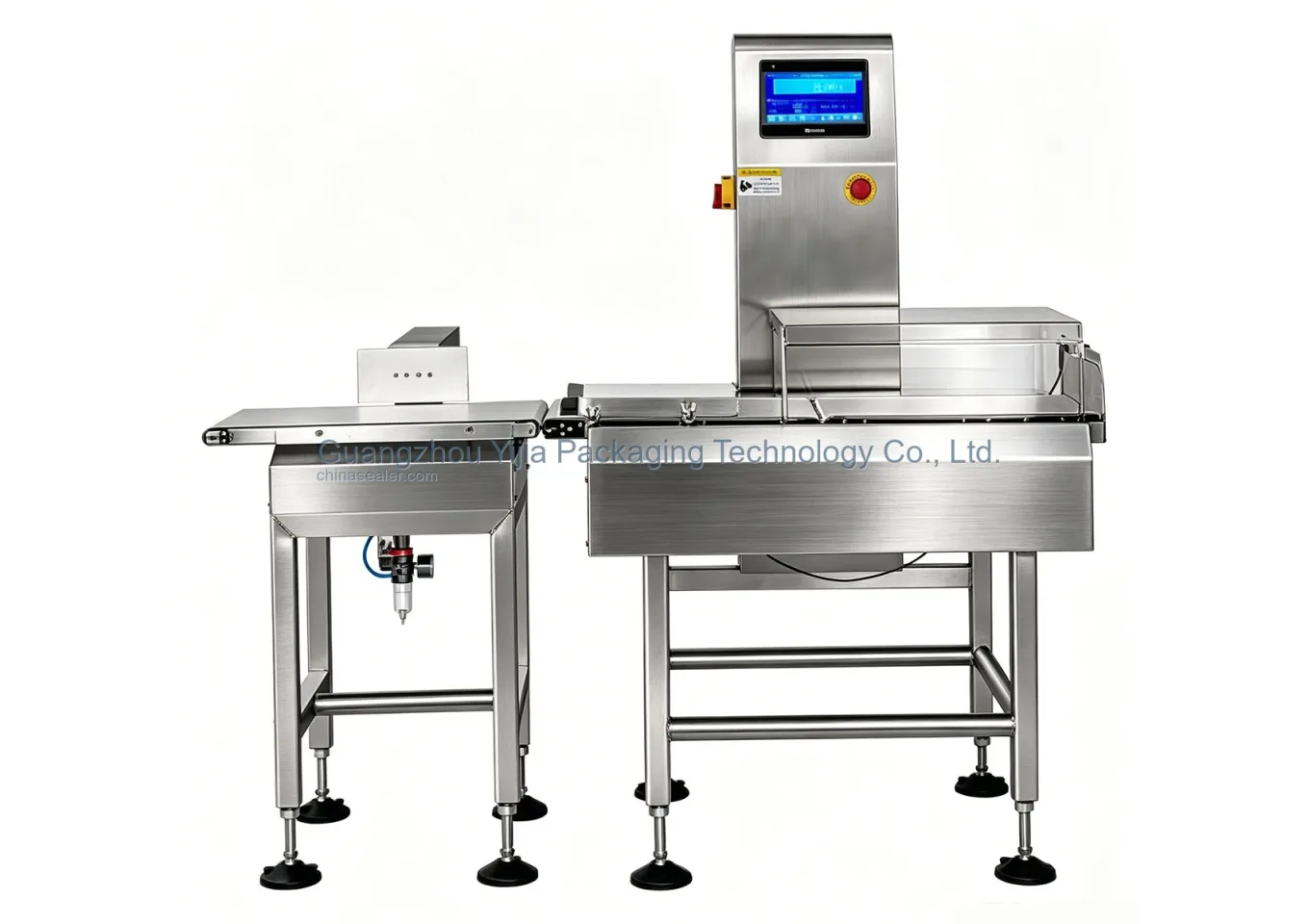
Inline Checkweigher Sample

Factory equipment photos

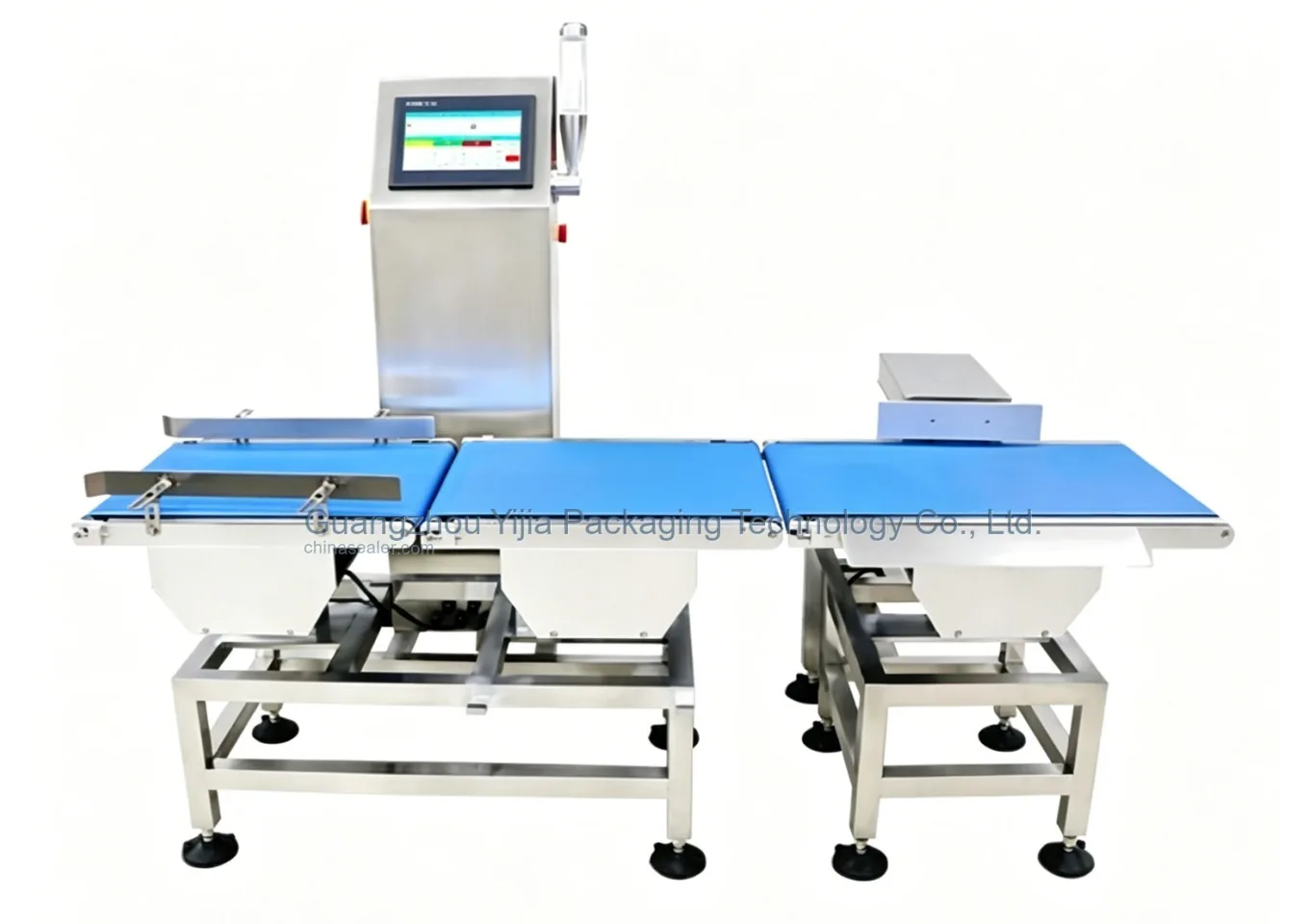
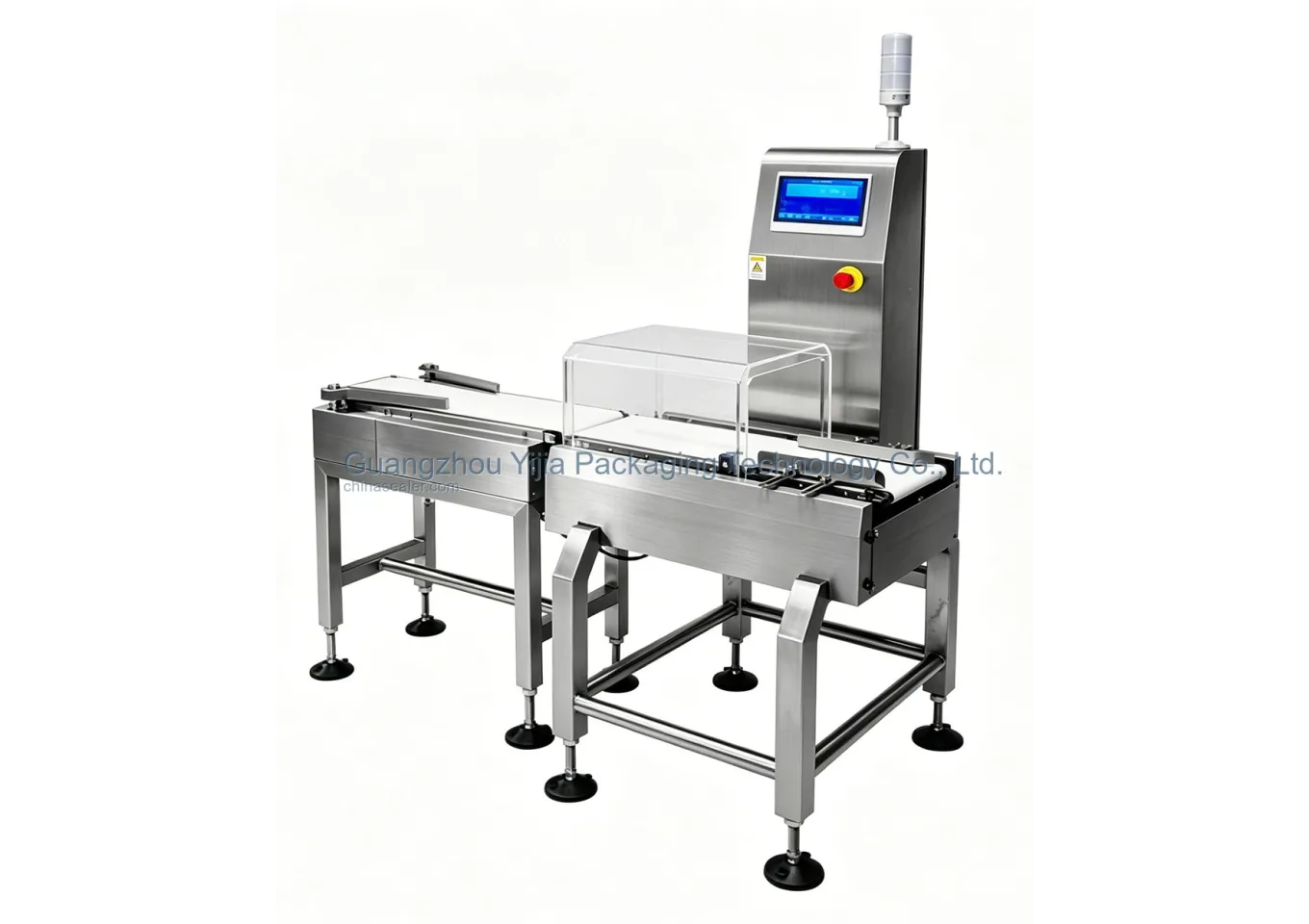
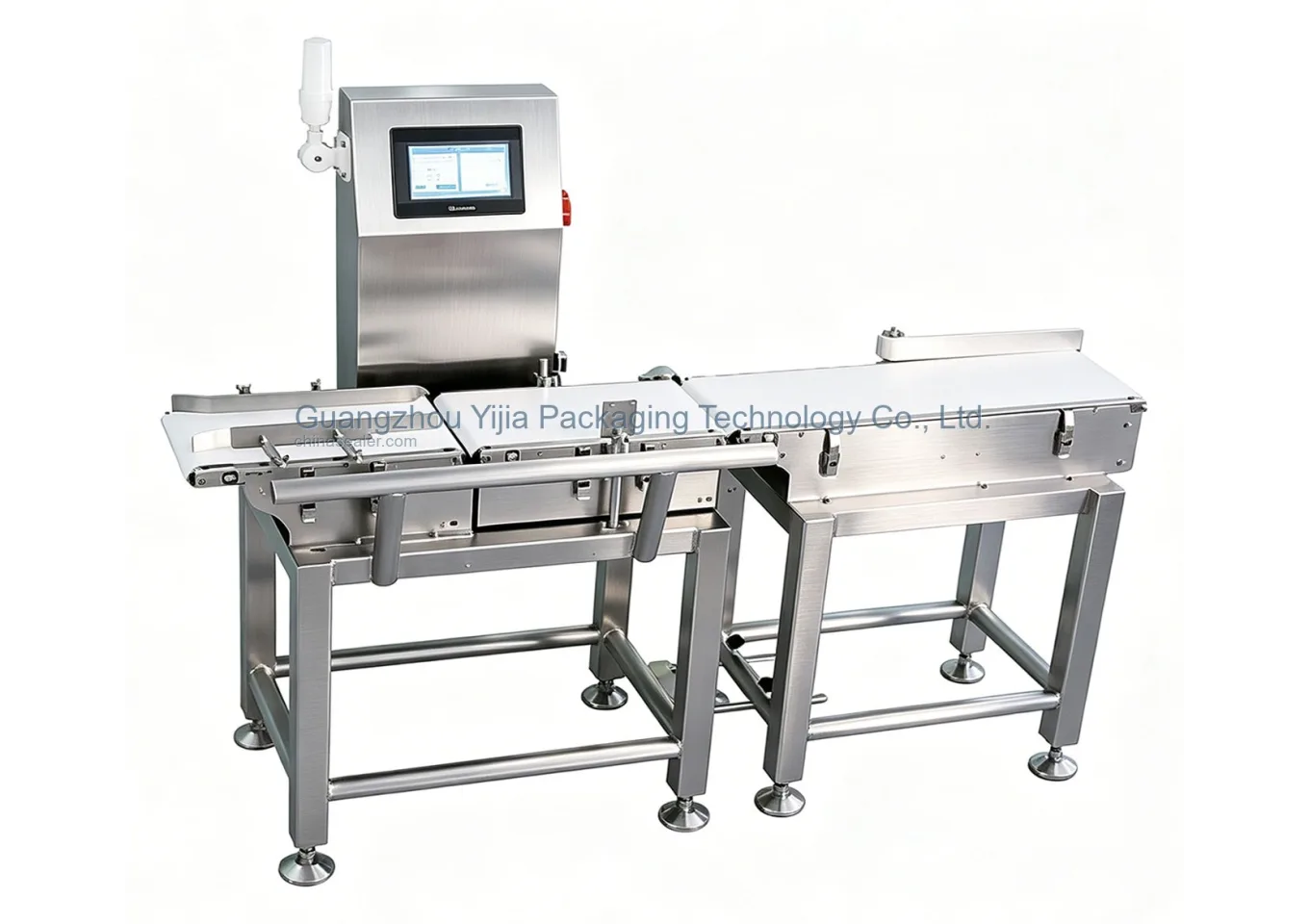
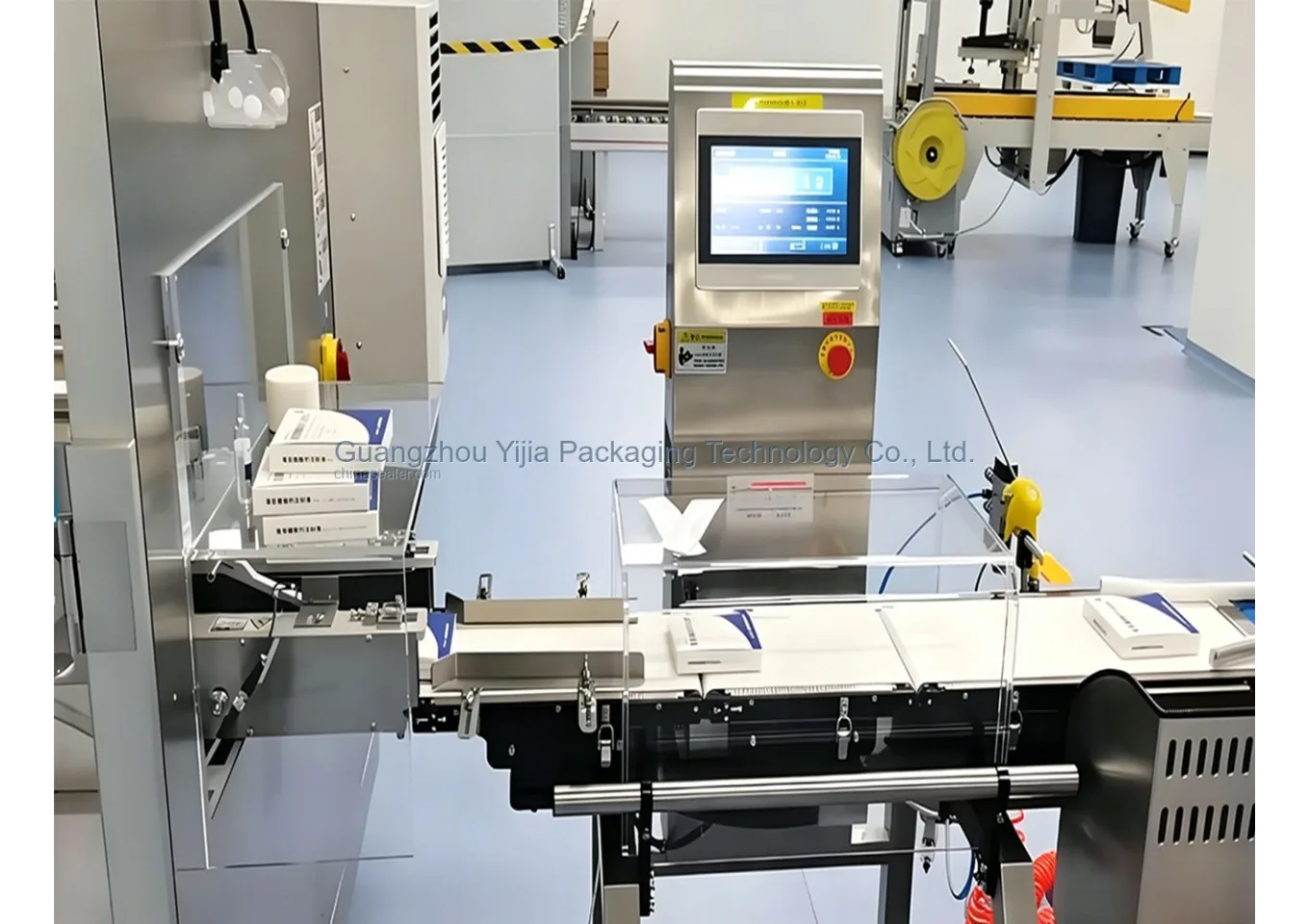
Actual equipment photos from the factory. Confirm the final configuration with the containers, product, sample trials and agreed equipment scope.

Inline Checkweigher Sample
Inline Checkweigher SampleUsed to check equipment structure, samples and configuration; final details are subject to project confirmation.
Inline Checkweigher Sample
Inline Checkweigher SampleUsed to check equipment structure, samples and configuration; final details are subject to project confirmation.
Inline Checkweigher Sample
Inline Checkweigher SampleUsed to check equipment structure, samples and configuration; final details are subject to project confirmation.
Inline Checkweigher Sample
Inline Checkweigher SampleUsed to check equipment structure, samples and configuration; final details are subject to project confirmation.
Inline Checkweigher - Selection Reference
Inline Checkweigher - Selection ReferenceThis reference helps confirm sample dimensions, consumables, tooling, and operating cycle time. Final configuration is subject to sample testing and quotation proposal.

Selection points

Confirm samples, material and cycle time first

These details decide machine structure, changeover method and quotation accuracy.

01

Check applicable objects first

Installed after filling, sealing or cartoning, the checkweigher weighs each moving pack and triggers an alarm or rejection against the project-defined limits. Product weight and dimensions, spacing, pack stability, tolerance, reject method and data requirements must be validated with real samples. It verifies finished packs and does not replace filling-metering control.

02

Selection points

Inline checkweigher for dynamic weight verification of pouches, cartons, bottles and cases. Select by weight, dimensions, line speed, spacing, tolerance, reject method, data and real-sample trials.

03

Recommended information before quotation

Send accepted and boundary samples, unit weight and tolerance, dimensions, speed and spacing, conveyor height, reject method, alarms, records, recipes and communication requirements.

04

How are compatibility and operating conditions confirmed?

Provide details of the existing equipment or line, installation position, target cycle and site conditions. Compatibility, change parts and integration requirements can then be confirmed; associated equipment and functions must be listed separately.

Selection points

Send these materials for a faster reply

Photos, key dimensions, and packaging material details are enough to start; if details are incomplete, we will review the direction first.

Configuration reference

  • Installed after filling, sealing or cartoning, the checkweigher weighs each moving pack and triggers an alarm or rejection against the project-defined limits.
  • Send accepted and boundary samples, unit weight and tolerance, dimensions, speed and spacing, conveyor height, reject method, alarms, records, recipes and communication requirements.
  • Provide details of the existing equipment or line, installation position, target cycle and site conditions. Compatibility, change parts and integration requirements can then be confirmed; associated equipment and functions must be listed separately.

Prepare for selection

  • Send accepted and boundary samples, unit weight and tolerance, dimensions, speed and spacing, conveyor height, reject method, alarms, records, recipes and communication requirements.

Selection points

Key Parameters

01

Model

YJ-JC-ZX500

02

Standard Output / Capacity

Confirmed based on samples, action cycle time, process time, upstream/downstream speeds, and final configuration.

03

Check applicable objects first

Installed after filling, sealing or cartoning, the checkweigher weighs each moving pack and triggers an alarm or rejection against the project-defined limits.

04

Application Areas

Food, sauces, daily chemicals, cosmetics, medical consumables, and chemical packaging

05

Core Process

Installed after filling, sealing or cartoning, the checkweigher weighs each moving pack and triggers an alarm or rejection against the project-defined limits.

Confirmation process

01Provide sample details

Send product, container, material, dimensions and target output.

02Check machine structure

Confirm configuration by process, changeover, cycle time and line needs.

03Confirm test points

Test sealing, filling, labeling or inspection results when needed.

04Output quotation plan

Quote after confirming power, layout, lead time and spare parts.

Configuration selection

Choose configuration by production method

Standalone checkweighing, line-integrated checkweighing and combined weight, vision or metal inspection solve different tasks. Define each acceptance rule separately.

01

Sampling / small batch

Confirm sample compatibility, effect and basic parameters first.

02

Stable batch production

Focus on station count, operating rhythm and changeover method.

03

Line integration required

Evaluate feeding, discharge, coding, inspection and floor space separately.

Inspection, Weighing and Traceability Equipment

Selection points

Frequently Asked Questions

What information is needed before solution confirmation?

Send accepted and boundary samples, unit weight and tolerance, dimensions, speed and spacing, conveyor height, reject method, alarms, records, recipes and communication requirements.

Why is it necessary to see samples and packaging materials first?

Installed after filling, sealing or cartoning, the checkweigher weighs each moving pack and triggers an alarm or rejection against the project-defined limits. Product weight and dimensions, spacing, pack stability, tolerance, reject method and data requirements must be validated with real samples. It verifies finished packs and does not replace filling-metering control.

How are compatibility and operating conditions confirmed?

Provide details of the existing equipment or line, installation position, target cycle and site conditions. Compatibility, change parts and integration requirements can then be confirmed; associated equipment and functions must be listed separately.

What should be reviewed before delivery?

It is recommended to review sample test results, key dimensions, consumable specifications, power and air supply, cleaning and maintenance methods, and spare parts list to avoid modifying tooling or adjusting stations on-site.

Send Sample Information

Have samples ready?

Send accepted and boundary samples, unit weight and tolerance, dimensions, speed and spacing, conveyor height, reject method, alarms, records, recipes and communication requirements.

Send accepted and boundary samples, unit weight and tolerance, dimensions, speed and spacing, conveyor height, reject method, alarms, records, recipes and communication requirements.

Inquiry

Online Inquiry Form

Please specify container type, sealing material, speed target, sample status, and target market.

* Enter at least an email address or phone / WhatsApp number so we can reply.

Complete the security check before submitting your inquiry.
Discuss Selection & Get a QuoteWhatsApp