Solution topic
Pet wet food can filling, metal can seaming, and can body labeling processes
For pet wet food metal cans, plastic cans, or paper cans, arrange piston filling for sauces, inline automatic can seaming or automatic screw capping, followed by round/square bottl
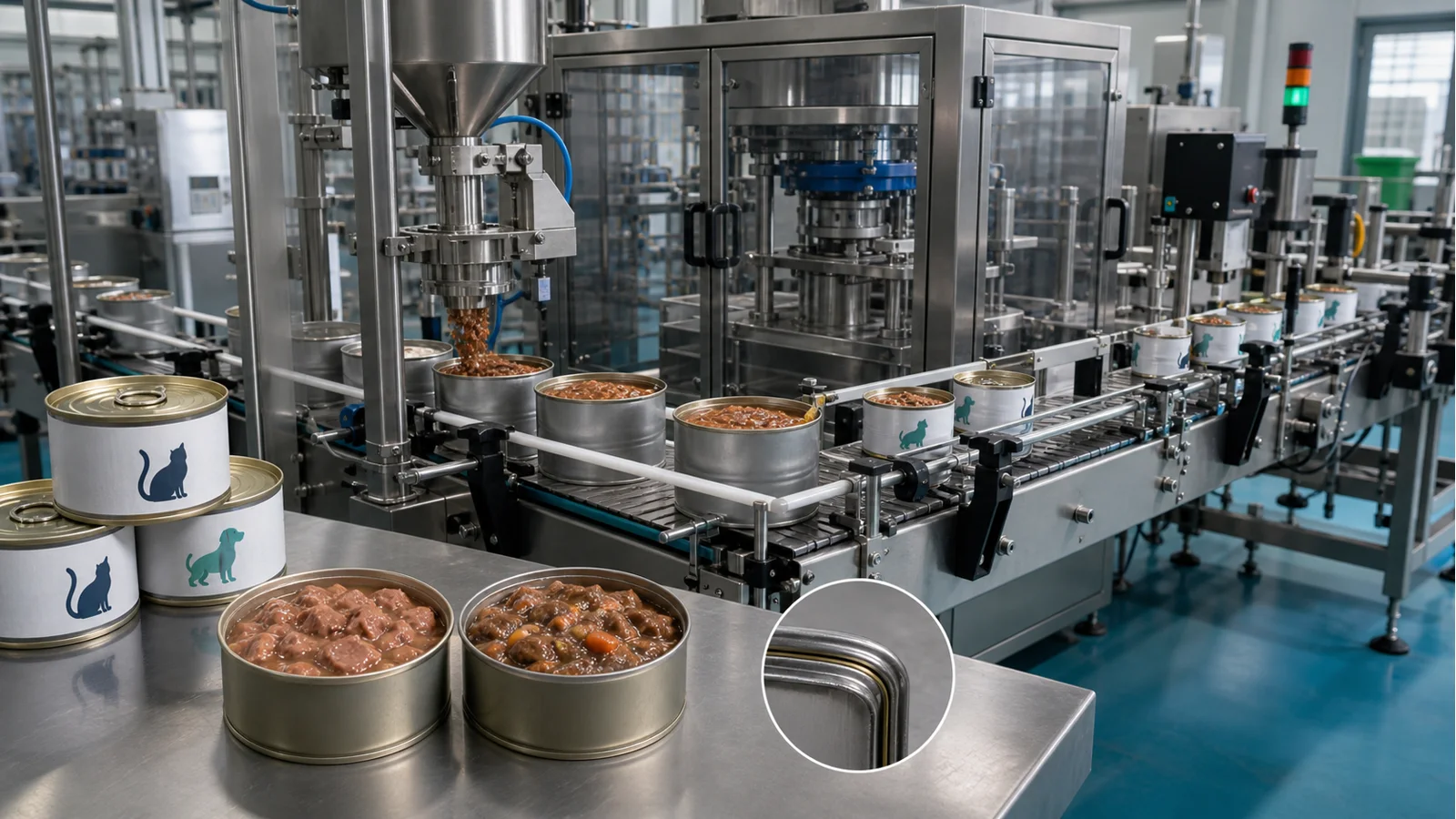
- The flow and particles of meat paste, meat sauce, or broth affect the filling method; metal can seaming and plastic/paper can capping are also different downstream processes. The packaging format must be determined before combining equipment.
Solution summary prepared for you
- For wet pet food, first use a sauce piston filling machine for actual product filling tests, then branch into metal can double seaming or plastic/paper can screw/press capping.
- Metal cans are verified with official can lids and then use an inline automatic can seamer; screw caps go to an automatic screw capper, and press-on lids are handled by an automatic screw/press capper.
- After the can body is closed, use a round/square bottle labeling machine, collaborative date/batch coder, and inline checkweigher for downstream processing.
Route comparison
- Suitable for wet pet food products with matching can bodies and lids, closed with metal seaming structure.
- The sauce piston filling machine and inline automatic can seamer can separately verify wet food filling and metal lid double seaming.
- Content particles, can mouth residue, can body roundness, and lid dimensions must all be included in the complete trial.
- When the packaging actually uses screw caps or press-on lids, or when official can bodies and lids are not yet determined, do not enter the seaming route.
- The sauce piston filling machine is trial-filled with actual product, and the inline automatic can seamer is then evaluated with matching metal can bodies and lids and project conditions.
- Suitable for non-metal seamed containers where the lid is clearly screw-on or press-on for pet food packaging.
- The automatic screw capper and automatic screw/press capper correspond to two closure actions, making it easy to configure according to the actual lid type.
- Thread, press depth, inner plug, gasket, and can body support change the closure result, so a complete sample set is needed.
- If the lid type and action are still unclear, or the container and lid are not matched, complete the structure confirmation first.
- Screw caps use an automatic screw capper, and snap-on or press-on lids use an automatic screw/press capper; both are trial-produced with complete can and lid sets.
- Suitable for products that have completed seaming or capping and require can body labeling, date/batch coding, and finished product weight verification.
- Closed finished products can be labeled, collaboratively coded, and checkweighed in sequence along a stable can body orientation.
- Can body curved surfaces, label seams, character areas, and weight rules are confirmed separately; checkweighing cannot determine the closure structure.
- If the label layout, batch code content, or finished product weight method is not yet established, reserve the downstream interface.
- The round/square bottle labeling machine is trial-applied with finished cans, the collaborative date/batch coder is trial-printed, and then the inline checkweigher performs the agreed weight check.
Associated Equipment / Consumables
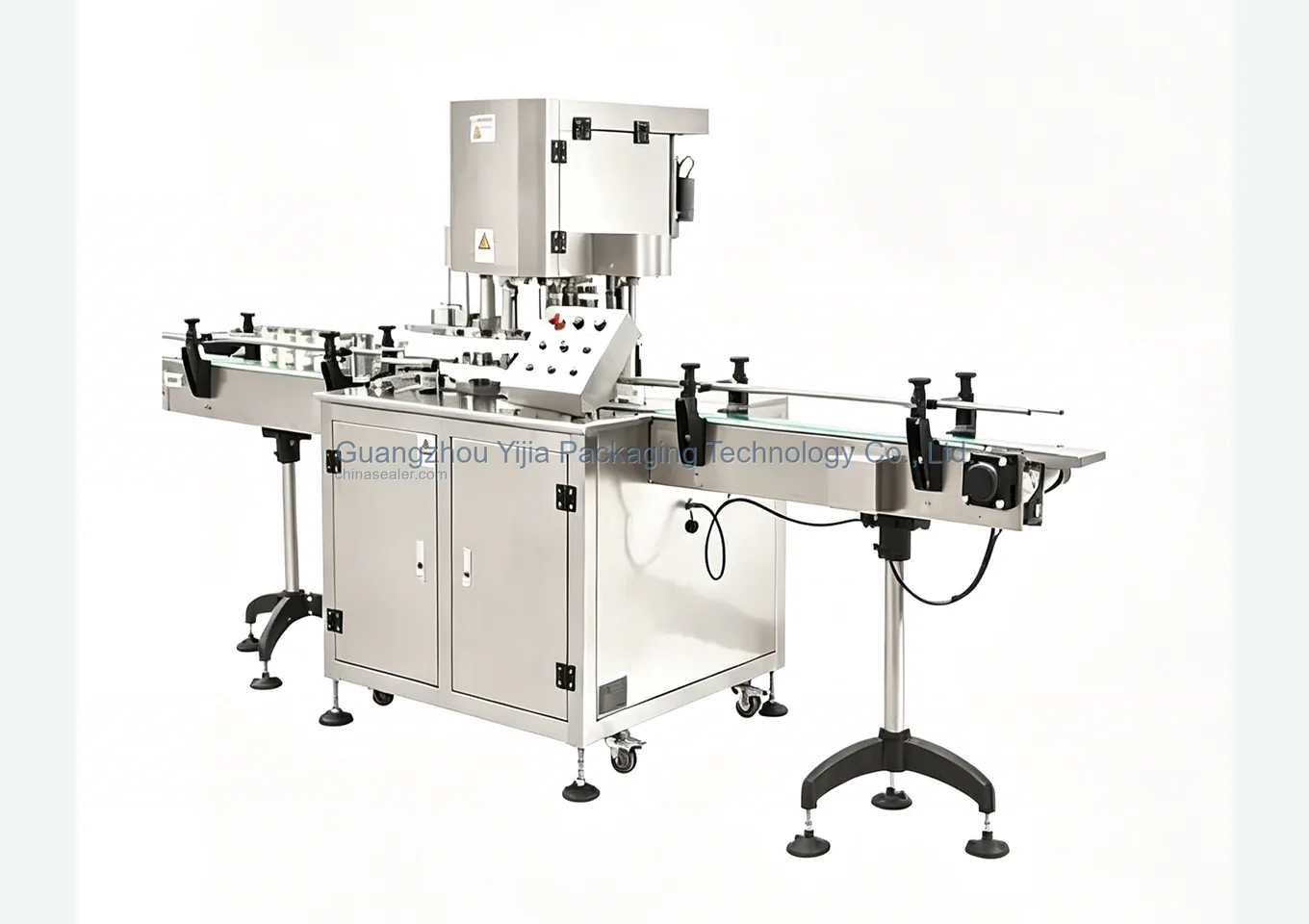 Inline Automatic Can Seaming Machine
For metal cans and matching lids, the machine positions each can, supports manual or optional automatic lid placement, presses and positions the lid, seams and discharges in continuous conveying. Can and lid dimension...
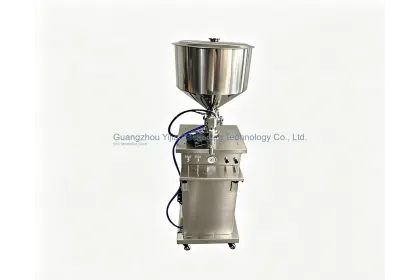 Piston Sauce Filling Machine
Metering wet pet food into cans; The sauce piston filling machine is tested with the target can body and representative material, and can mouth residue and contact part cleaning are recor...
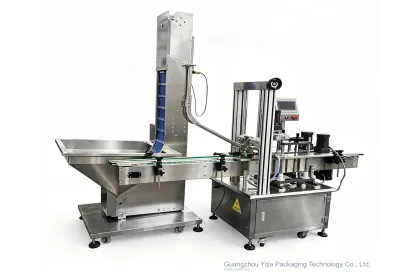 Automatic Screw Capping Machine
Metal or non-metal can branching; The inline automatic can seamer is evaluated with official can bodies and lids; the screw/press capping branch also needs trial production with matchi...
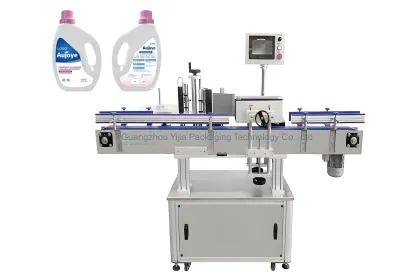 Round-Bottle and Front/Back Labelling Machine
Labeling the can body after closure; The round/square bottle labeling machine is trial-applied with actual finished cans and label rolls; irregular surfaces require separ...
Core process
For meat paste, sauce, or broth-containing materials, first observe flow, particle passage, stringiness, and filling tail-off with actual product, then determine the filling configuration.
Matching metal can lids use double seaming, while plastic or paper cans use screw capping or press capping depending on screw caps or press-on lids.
After the can body is closed and remains in a stable orientation, arrange labeling according to the can body seams, curved surfaces, and label layout.
The same set of can bodies, lids, and materials runs through filling, closure, and labeling tests to avoid mismatched individual samples.
Labels and batch codes determine usable areas on closed finished products, while weight checks are established based on finished product specifications and exception handling methods.
First complete wet food filling and rim treatment, then proceed to seaming or lidding according to the container, and finally arrange can body marking and weight verification.
Sample details
Content flow and particles will change the filling configuration, while the can mouth and body affect positioning, tail-off, and downstream closure.
Please provide representative meat paste, sauce, or broth materials, along with metal cans, plastic cans, or paper cans of each specification.Actual product testing must simultaneously observe material passage, fill volume, tail-off, and can mouth cleanliness; it cannot be judged by empty operation only.
Please describe particles, fiber, stringiness, temperature, feeding method, and allowable can mouth residue after filling.Metal double seaming, screw capping, and press capping use different main machines; the lid matching relationship determines the downstream branch.
Please provide metal can lids, screw caps, press-on lids, inner plugs, and gaskets, and indicate the corresponding can body for each.Production arrangements involve filling stations, can body buffers, closure machines, and changeover parts, so they should be prioritized by main specifications.
Please provide target fill volume, judgment method, planned speed, shifts, and changeover frequency for each can type.Labeling, collaborative coding, and inline checkweighing use closed finished product trials; positions and interfaces are determined by the can body orientation.
Please prepare label rolls, layouts, can body label positions, batch code content, weight rules, and exception handling methods.Common selection mistakes
Filling tests should also record stringiness, tail-off, and can mouth residue, so that downstream closure uses real finished product conditions.
Each can-lid-material combination must be independently trial-produced, and the machine head and finished product judgment follow the corresponding process configuration.
Label rolls and layouts should be trial-applied on closed finished cans, and then the actual scope of the round/square bottle labeling machine is determined.
During actual product testing, the filling nozzle, can mouth cleanliness, and acceptable finished product state should be checked simultaneously.
Inline checkweighing, label/batch coding, and closure inspection each retain their own rules and cannot replace each other.
View detailed technical notes
Pet wet food line: first look at the product and lid combination
Meat paste, meat sauce, or broth determines the filling trial; metal can lids, screw caps, or press-on lids determine downstream closure. Both judgments must be completed on the same set of samples.
Protect the can mouth as soon as filling is complete
The piston filling machine for sauces is evaluated with representative products for particle passage, stringing, and cutoff. The can mouth condition after filling will enter the seaming or capping trial and cannot be cleaned up later.
Metal cans use a dedicated seaming route
The inline automatic can seamer handles the matching metal can body and lid. Can body roundness, lid dimensions, and finished seam structure are verified with dedicated sample methods.
Plastic and paper cans: choose screw-on or press-in based on lid type
Screw caps use an automatic screw capping machine; snap-on caps or inner/outer caps use an automatic screw capping and press capping machine. Non-metal closures cannot reuse metal can seaming components.
Can, material, lid, and sample share one set of numbers
For each main specification, assign a matching number to the contents, can body, lid, and sealed finished product. Filling, seaming or capping, and downstream marking all follow this set of references.
Labeling position is determined on the sealed finished product
The round/square bottle labeling machine is trial-applied based on the can body seam, curved surface, and label layout. Whether an irregular surface is suitable must be confirmed by the finished can's support and labeling results.
Date and batch are trial-printed through collaborative equipment
The collaborative date/batch inkjet coder adds characters in the available area of the can body, avoiding label seams, closure areas, and high-friction surfaces.
Weight and closure quality are checked separately
The inline checkweigher works according to finished product weight rules, while metal seaming, screw tightening, and press-in positions each use their own dedicated methods. Downstream checks cannot replace each other.
Common questions
What material information is needed before filling wet pet food?
Please describe the state of the meat paste, sauce, or broth, as well as the particle, fiber, stringiness, and temperature behavior, and provide representative actual product for testing.
Can metal and plastic cans share capping equipment?
They cannot be shared based on the container name. Metal can lids use double seaming, while plastic can screw caps or press-on lids are applied by screw capping or press capping respectively.
Can we discuss the solution without official cans and lids?
You can initially divide the route based on can type, lid photos, and dimensions, but the filling nozzle, seaming components, and screw/press capping configurations still need to be finalized with complete physical samples.
How do you confirm filling suitability when the meat paste contains particles?
Use the main production batch of actual product to observe particle passage, clogging, stringiness, and tail-off, then check whether the can mouth is easy to close after filling.
When should labeling and date/batch coding be handled?
After the can body is seamed or lidded and remains stable, arrange labeling and coding. Use finished cans for trial labeling and printing on the layout, seams, and character areas.
Can inline checkweighing determine the quality of can lid closure?
The inline checkweigher only checks according to the agreed weight rules. The results of double seaming, screw capping, or press capping still need their own finished samples and specific methods for verification.