Bottle / Pail / Can Sealing Equipment
In-line automatic can seaming machine
The in-line automatic can seaming machine is designed for metal cans and matching can lids. It performs can positioning, lid placement (automatic or manual), seaming and discharge in continuous conveying. The seaming head and seaming rolls are determined by can diameter, can height, lid specifications and seaming standards. Lid feeding, inspection, rejection and control interface with the filling line are configur...
Technical parameters
- Capacity and speed
- Confirmed based on can spacing, lid placement stability, seaming action, inspection, and upstream/downstream conveying speed; no fixed values published without project validation
- Automation scope
- Inline automatic positioning and seaming; lid sorting and placement, seaming inspection, rejection, buffering, and filling line interface are optional per project
- Applicable containers or packaging
- Metal cans and matching lids that can be stably conveyed and seamed; can diameter, height, body rigidity, and seam are confirmed with actual samples
- Applicable products
- Powders, granules, solids, or liquid-containing products after filling; dust, spillage, and can mouth cleanliness must be specified
- Packaging materials and consumables
- Can lids and seaming structure matching the can body; sealing compound, lid orientation, and seaming standards are confirmed with samples
- Basic process
- Can conveying and positioning, manual or optional automatic lid placement, lid pressing and positioning, seaming, optional inspection, and discharge
- Tooling and changeover
- Replace or adjust guides, platforms, base plates, seaming rolls, lid feeder, and program according to can diameter, height, and lid type
- Power, air supply, and layout
- Determine equipment dimensions, power, air supply, maintenance space, and upstream/downstream interfaces based on conveying positioning, seaming drive, optional lid sorting and...
Selection guide
- Seaming rolls, base plate, and can positioning are jointly confirmed based on can lid and seaming standards
- Inline conveying, lid placement, and seaming speed are coordinated with upstream/downstream can supply
- Lid sorting, missing lid detection, seaming inspection, rejection, and buffering are optional modules
- Seaming parameters, capacity, power, and compatibility range are confirmed per project configuration
Applications
- Projects requiring inline automatic seaming for food cans, powder cans, or other metal cans
- Existing filling lines needing additional can positioning, lid placement, and seaming stations
- Projects with multiple can heights or diameters requiring evaluation of changeover tooling and adjustment range
- Production lines planning to add optional lid feeding, seaming inspection, rejection, or buffering
Frequently Asked Questions
- Can the same seamer handle different can diameters? It can be evaluated, but usually requires changing base plates, seaming rolls, or platforms and adjusting guides; different seam structures also need re-validation.
- Is automatic lid sorting and placement standard? Not by default. Lid orientation, stacking, feeding method, missing lid detection, and buffering must be designed according to the actual can lid.
Send samples and capacity requirements for a clearer solution
- Actual can body and lid, can diameter and height, and seaming drawings
- Acceptance standards for seaming, sealing, leakage, or cut-can inspection
- Dust, spillage, and container temperature at can mouth after filling
- Lid feeding method, target speed, conveying height, and signal interfaces with upstream/downstream equipment
In-line automatic can seaming machine: Sealing / Can Seaming; Choose by can body material: metal cans use a can seamer, while plastic or paper cans use a foil film sealing and c...
In-line automatic can seaming machine: Filling (wet food/sauce); Pet wet food contains meat chunks or particles; piston or rotor pumps can gently convey without damaging the con...
In-line automatic can seaming machine: Container Confirmation and Sample Testing; Can type, can-mouth size, film material, and lid structure determine the sealing method and too...
In-line automatic can seaming machine: Filling; Wet pet food is mostly meat paste or sauce. Piston filling provides accurate dosing and is suitable for high-viscosity materials;...
In-line automatic can seaming machine: Sample and container confirmation; Use samples to confirm can-mouth size, flatness, film compatibility, and the sealing-parameter range; c...
In-line automatic can seaming machine: Sample and container confirmation; Sealing tooling, capping heads, and label positioning all need to be customized according to actual dim...
In-line automatic can seaming machine: Filling; Suitable for wet pet food, meat paste, and other viscous products. It supports accurate dosing and can be equipped with anti-drip...
In-line automatic can seaming machine: Main sealing equipment; Choose can seaming or heat-press sealing plus capping according to can material and lid structure; tooling or seam...
Related products
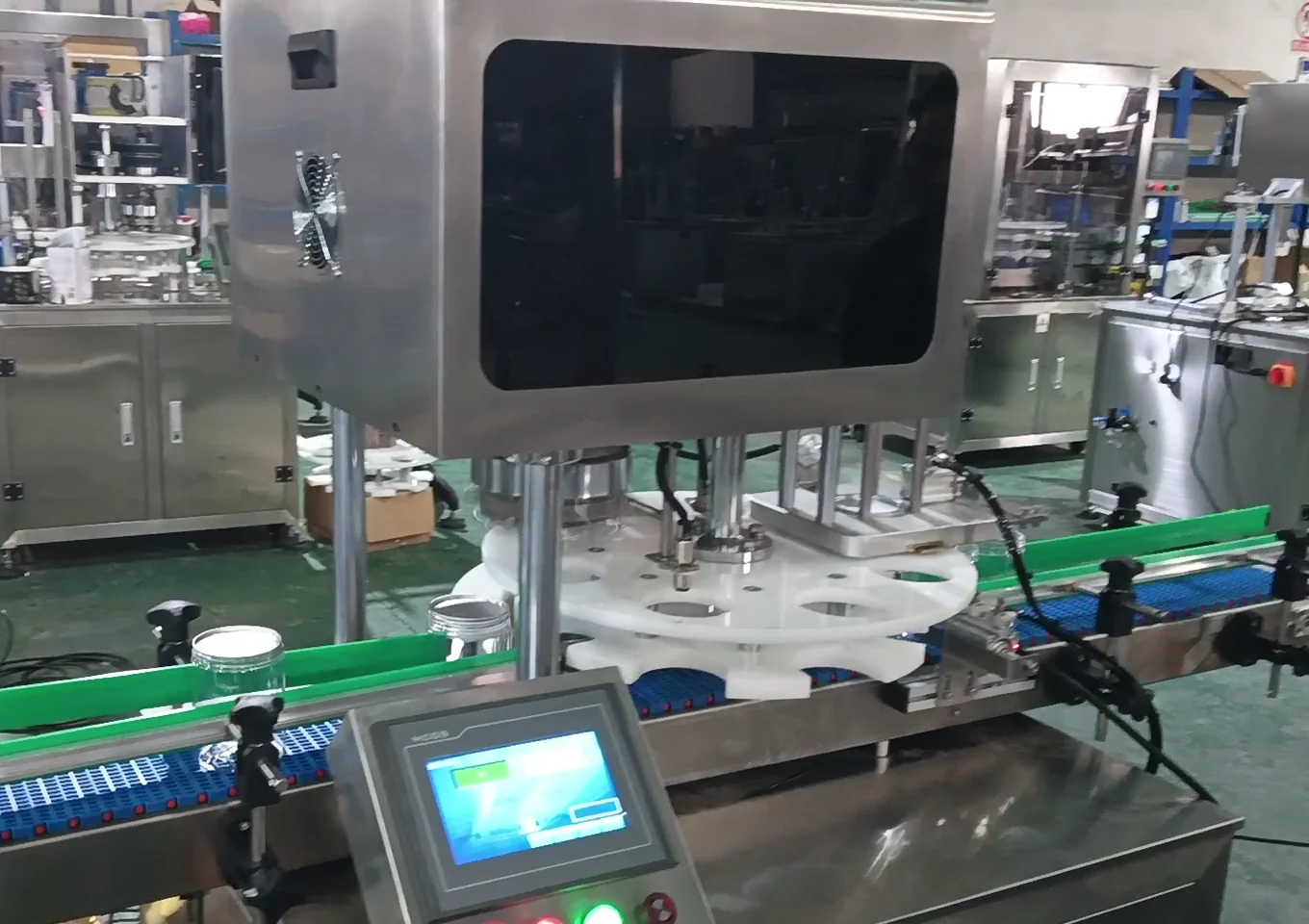
Multi-Station Rotary Can Seaming Line
The multi-station rotary can seaming line revolves around the process flow of can feeding, lid placement, rotary inde...
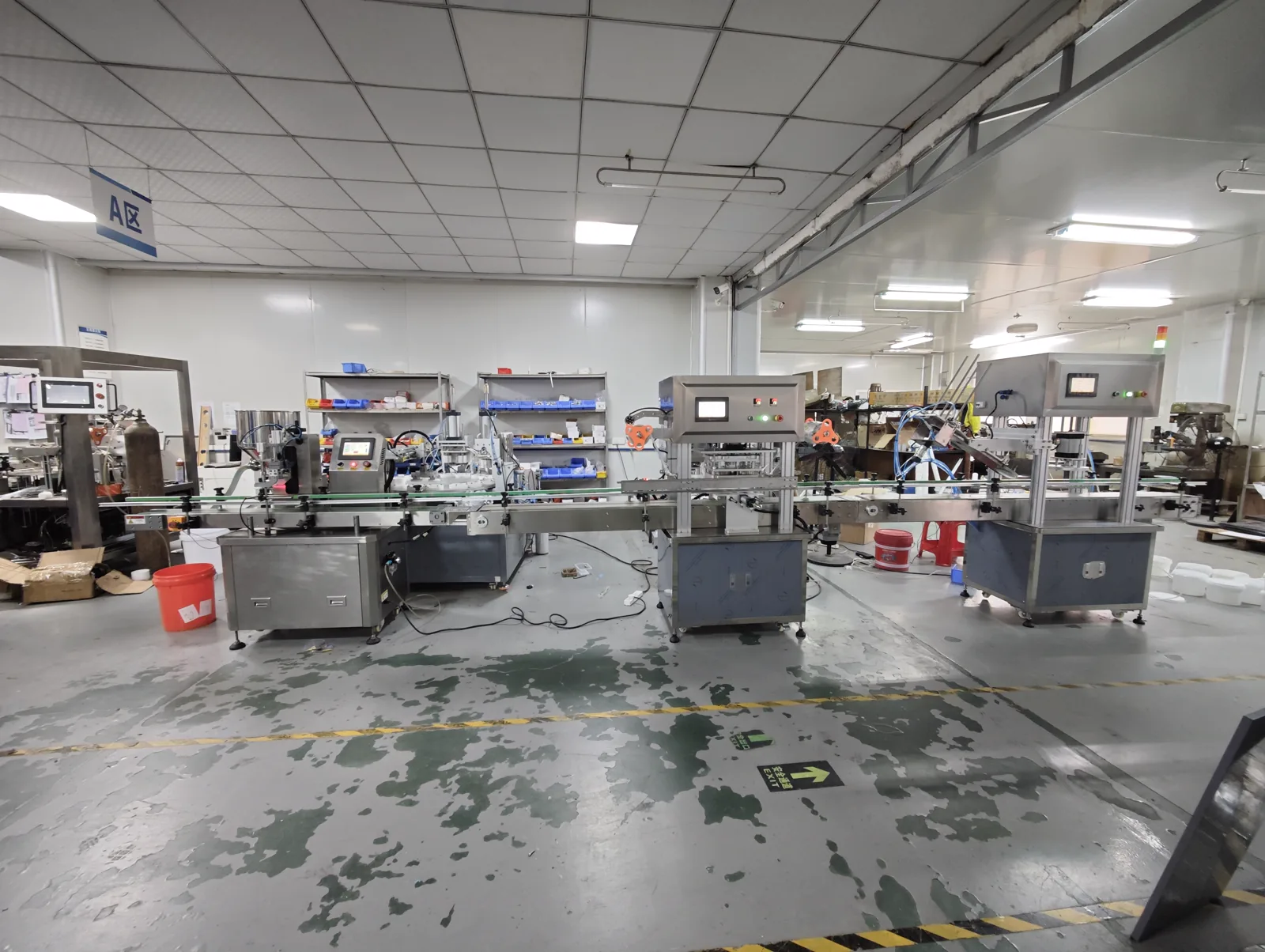
Filling, Press Capping / Screw Capping, Sealing Complete Line
This complete line integrates bottle feeding, filling, cap sorting, press or screw capping, sealing, inspection, and...
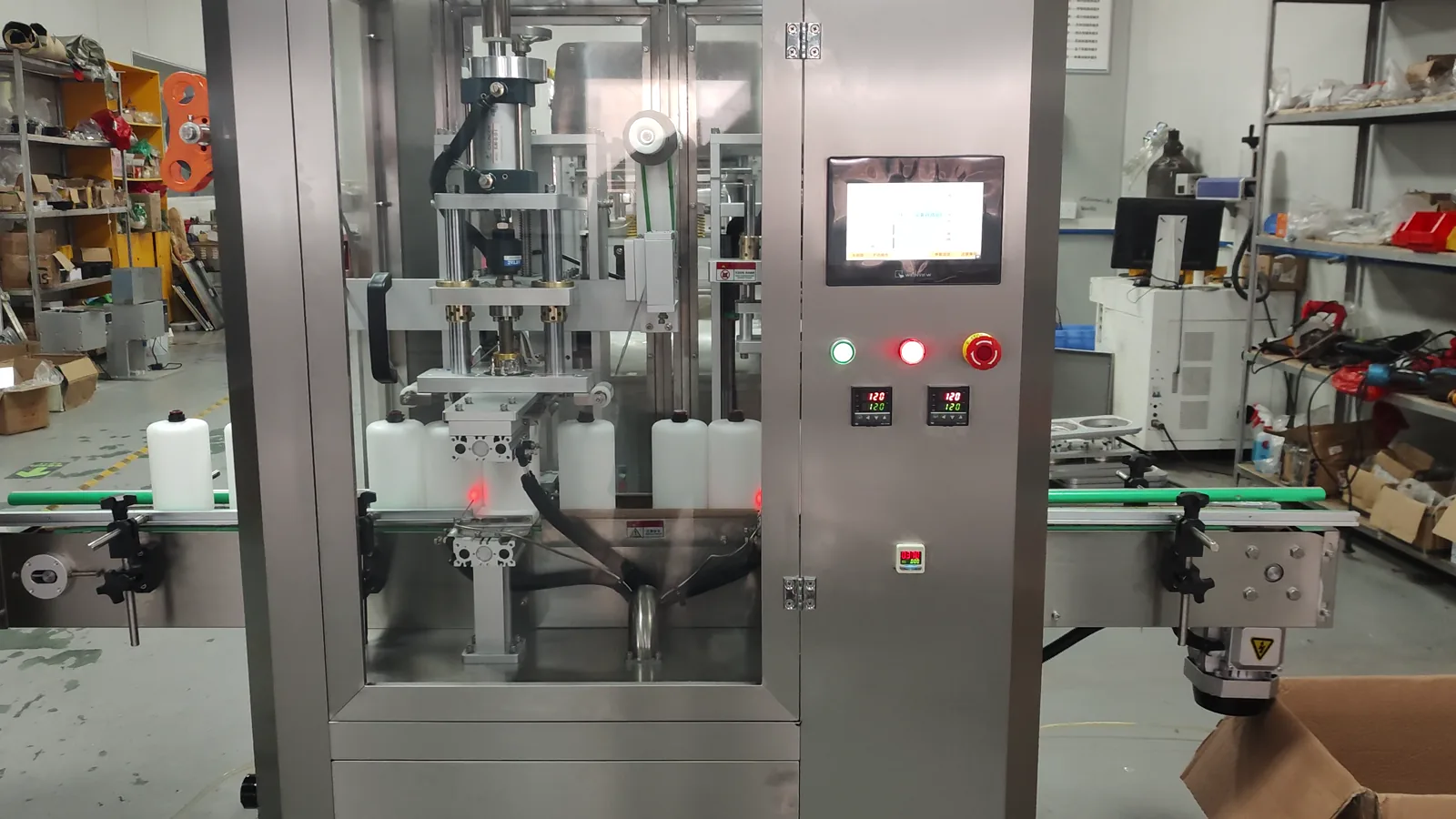
Automatic Die-Cut Film Inline Bottle & Jar Sealer
The equipment identifies and positions bottles/jars on the conveyor line, completes die-cutting of lid film, film pic...
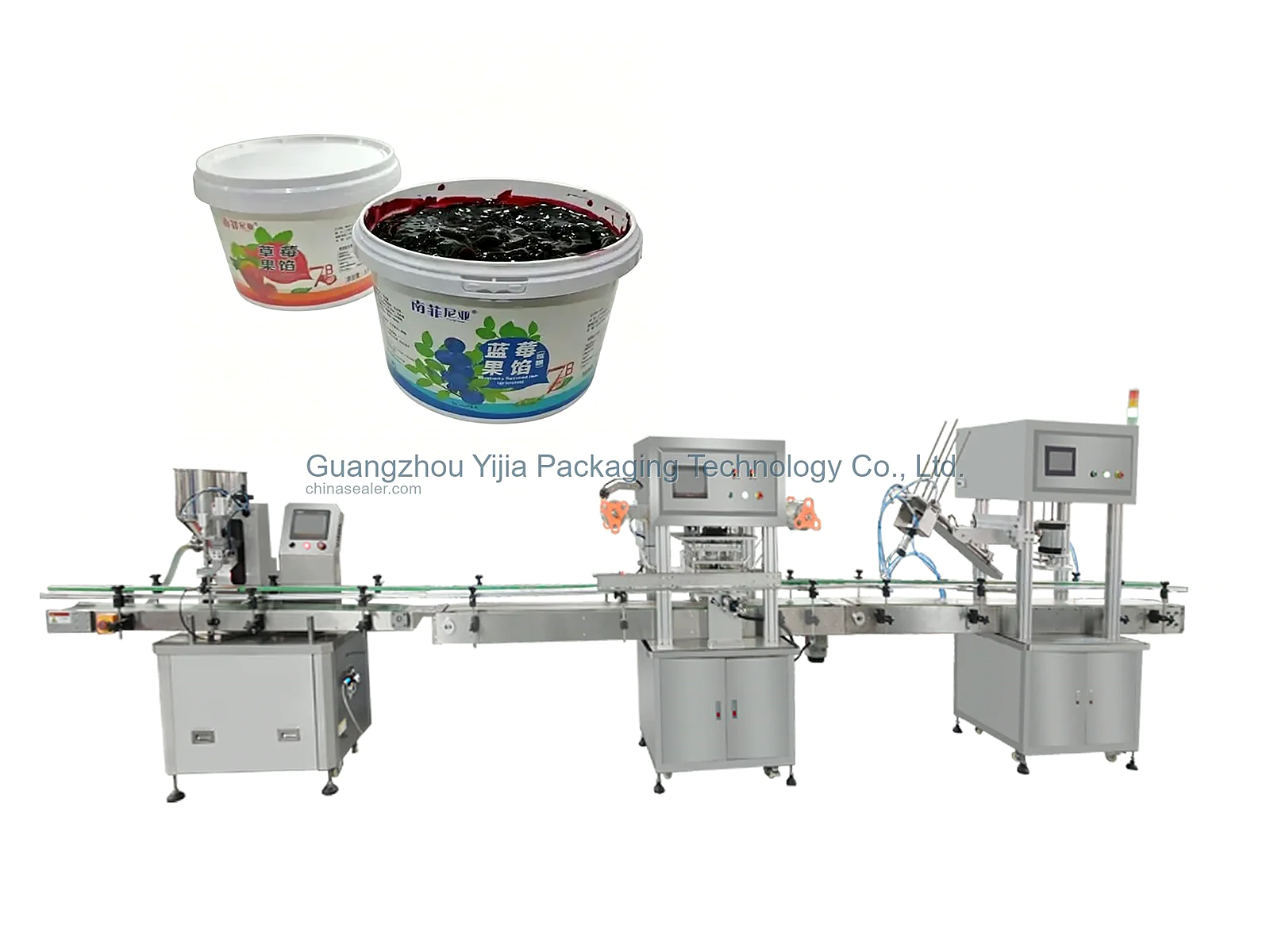
Paper Can / Plastic Pail Aluminum Foil Sealing and Capping Machine
Paper Can / Plastic Pail Aluminum Foil Sealing and Capping Machine is configured for Diameter, Rim, Foil Material, an...
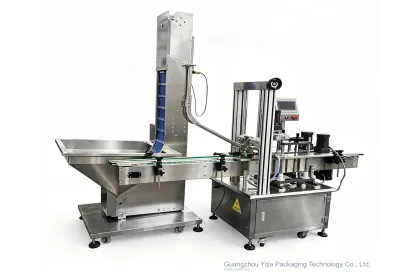
Automatic Screw Capping Machine
Automatic Screw Capping Machine is configured for Screw capping, press capping, or can sealing on Round bottles, squa...
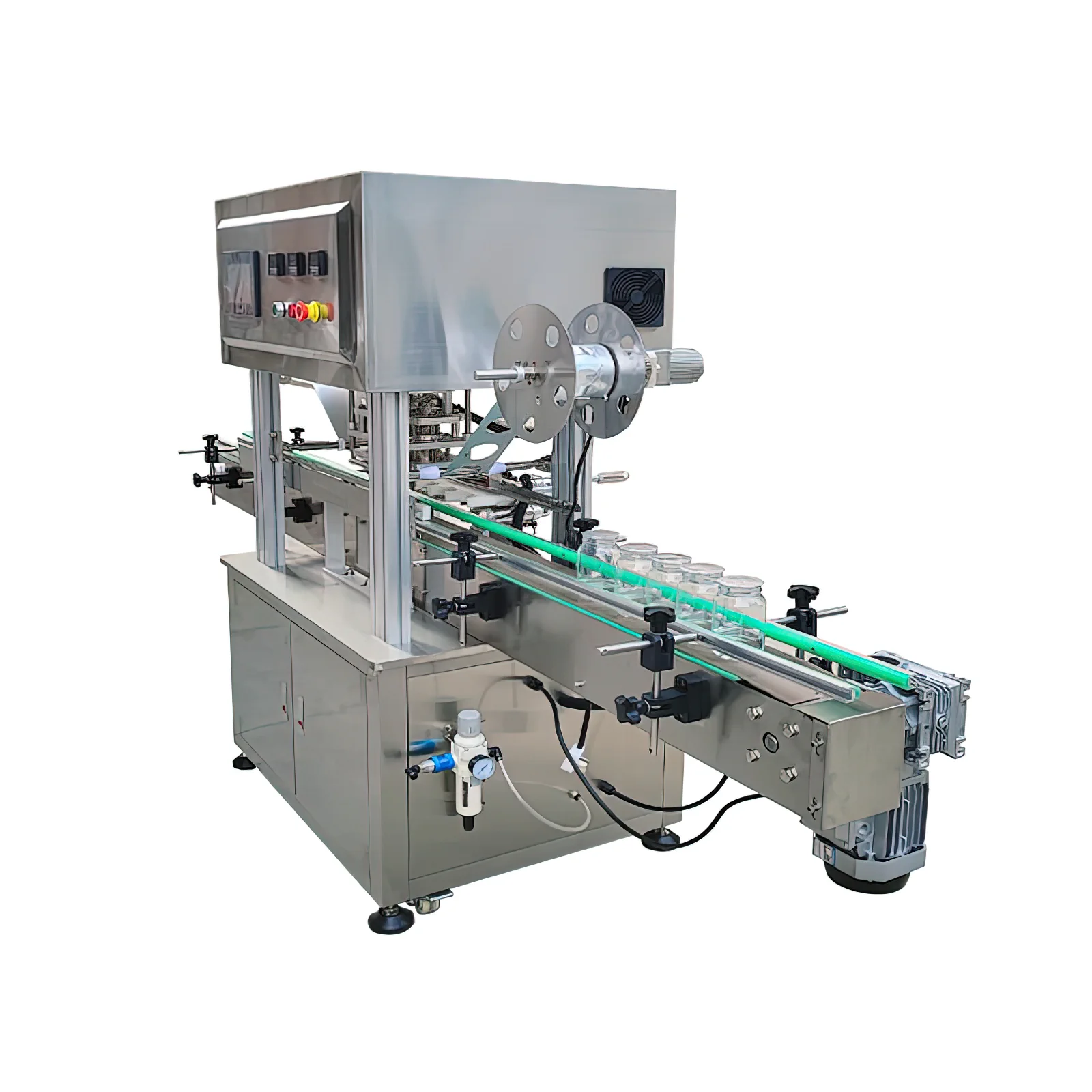
Bottle Inline Heat Press Sealer
Bottle Inline Heat Press Sealer is configured for Heat Press Sealing on PP bottles, PET bottles, PE bottles, HDPE bot...