Solution topic
How to Close Pet-Food Cans: Metal Seaming, Heat-Sealed Lids or Induction Inner Seals
Select pet-food can closing by metal seam, heat-sealed lid or induction foil under a cap, then confirm post-fill rim, materials, leak checks, labelling and real-sample trials.
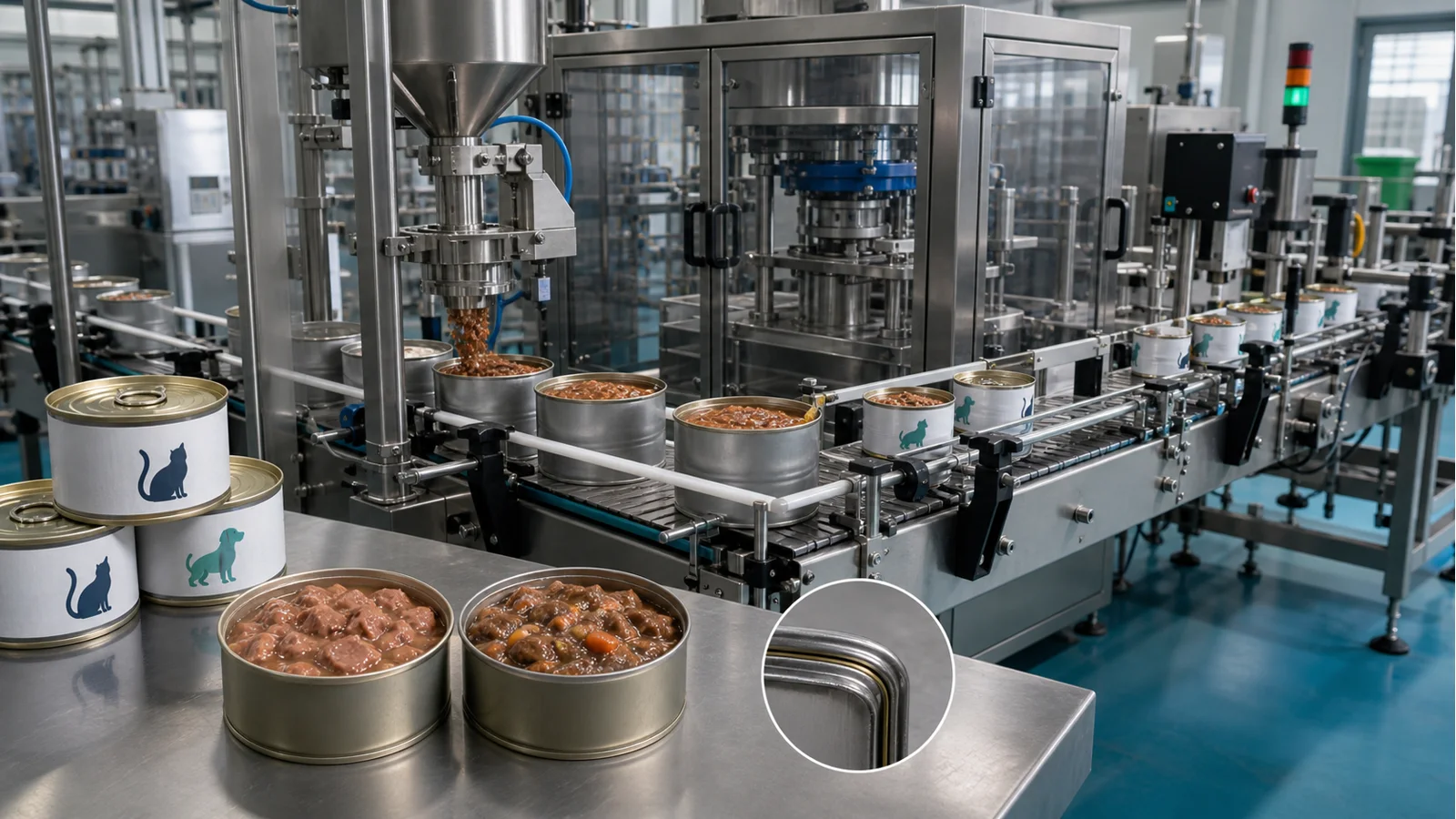
- Identify the can and closure structure first; metal seaming, cup/can heat sealing and induction foil under a screw cap are not interchangeable routes.
Solution summary prepared for you
- For pet food cans, first look at the can mouth structure before selecting equipment. Metal can lids use seaming, paper-plastic cans are directly film sealed then press-capped, and cans with threaded lids and aluminum foil gaskets are scr...
- In-line automatic can seamer only corresponds to metal can seaming. Paper can plastic pail aluminum foil film sealing and press capping machine handles direct film and outer lid combination, while automatic screw capper plus in-line indu...
- Labeling equipment selection starts from can body shape, label size, and display surface. Before using a round/square bottle labeling machine, verify conveying posture and application position with can body and label samples.
Route comparison
- Pet food cans that use matching metal lids after filling and require seaming to form the can mouth joint.
- Seaming process directly corresponds to metal can body and metal lid; dedicated debugging and inspection methods can be established around the lid combination.
- Can body, lid, and seaming components need to match; after changing can type, retest cans.
- When packaging is paper cans, plastic cans, or lid inner induction gasket structure, do not use metal can seaming equipment.
- Use in-line automatic can seamer, and confirm seaming components and can holding position with actual can body and lid.
- Paper or plastic cans that first heat seal aluminum foil film on the rim, then assemble outer lid after filling.
- The equipment processes in the order of directly placing aluminum foil film and then pressing outer lid, with clear process boundaries.
- Can mouth flatness, film positioning, heat seal layer compatibility, and outer lid fit all need actual testing.
- When metal cans require seaming, or threaded lids already have induction gaskets, choose other corresponding routes.
- Use paper can plastic pail aluminum foil film sealing and press capping machine, and submit can, film, and outer lid for combined trials.
- Cans with threaded lids, with aluminum foil composite gasket inside the lid, and inner sealing after screw capping.
- Screw capping first makes the lid inner gasket contact the can mouth, then aluminum foil induction inner sealing can be completed in-line.
- The lid must have an aluminum foil composite gasket compatible with the can material; screw capping condition and rim cleanliness must also be stable.
- When the outer lid has no matching gasket, or the can mouth uses direct film heat sealing structure, do not configure induction inner sealing.
- Automatic screw capper connected to in-line induction foil sealing machine; can, lid, and gasket are debugged as one set of samples.
Associated Equipment / Consumables
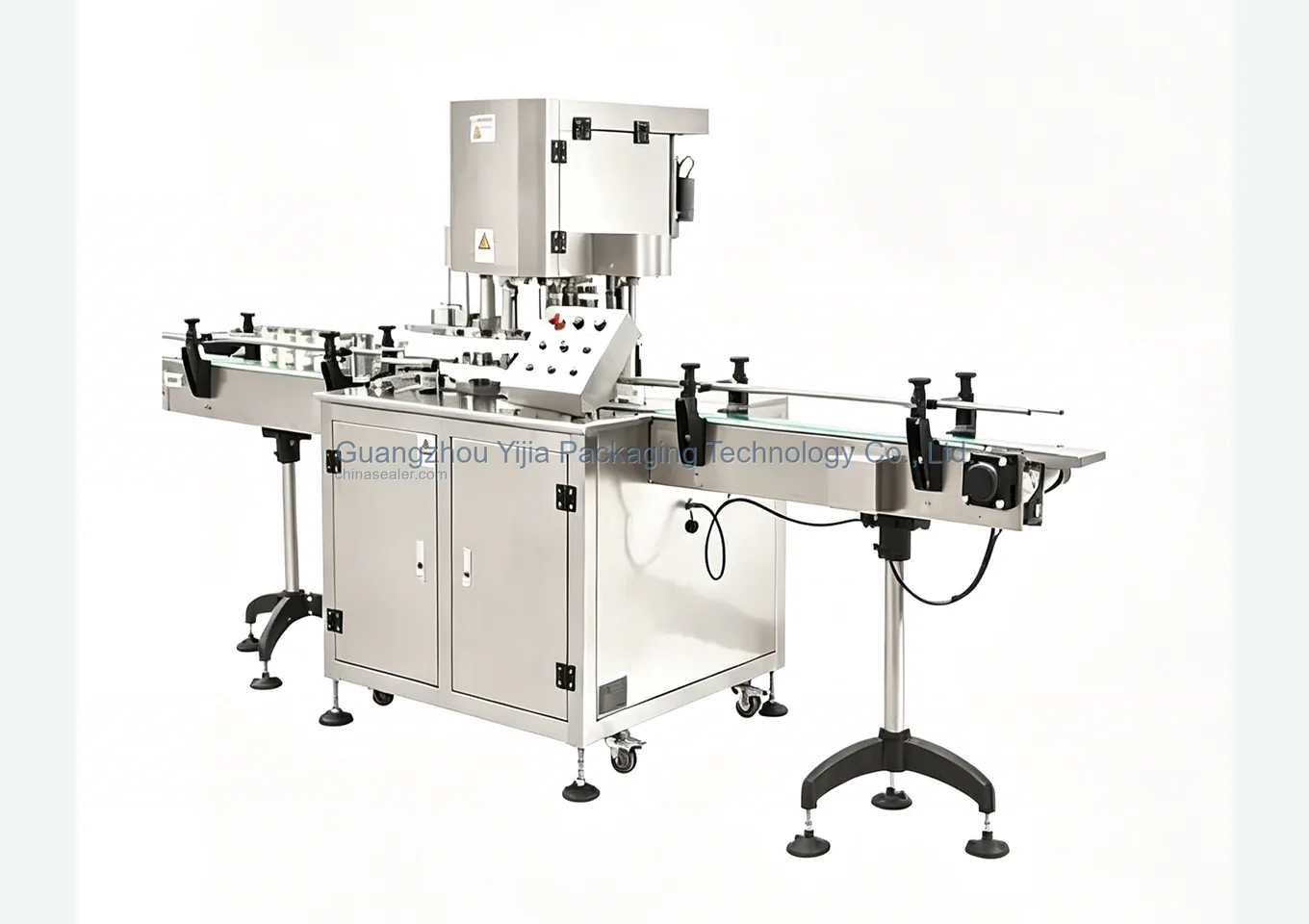 Inline Automatic Can Seaming Machine
For metal cans and matching lids, the machine positions each can, supports manual or optional automatic lid placement, presses and positions the lid, seams and discharges in continuous conveying. Can and lid dimension...
 Round-Bottle and Front/Back Labelling Machine
Can body label application; For multi-can-type projects, check circumferential or flat labeling positions separately, and confirm labels do not cross the can mouth or bat...
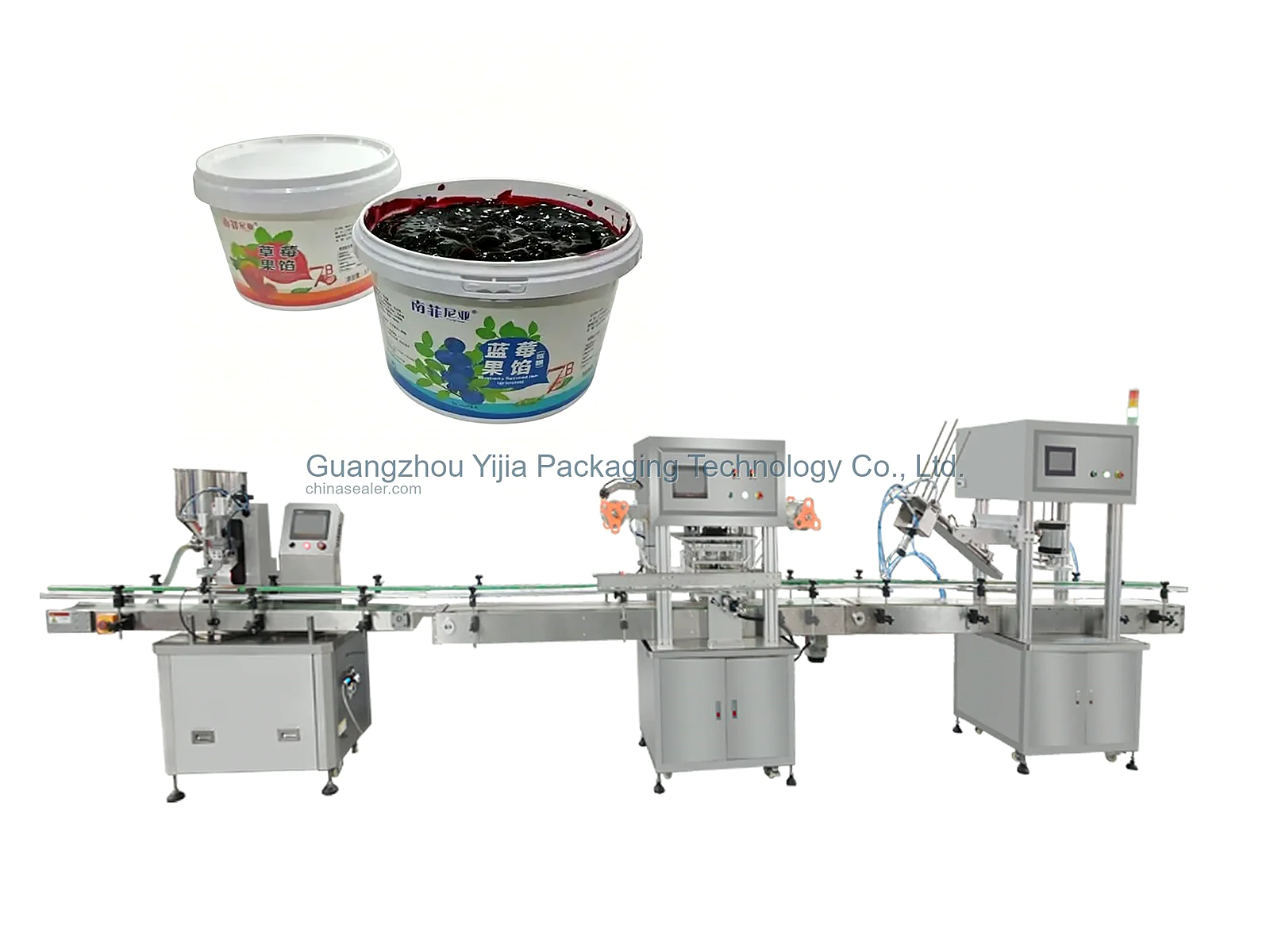 Paper Can and Plastic Pail Foil Heat Sealing and Capping Machine
Date and batch marking; Coding position should avoid sealing operation surface, label covering area, and conveying clamping position; Date batch coding...
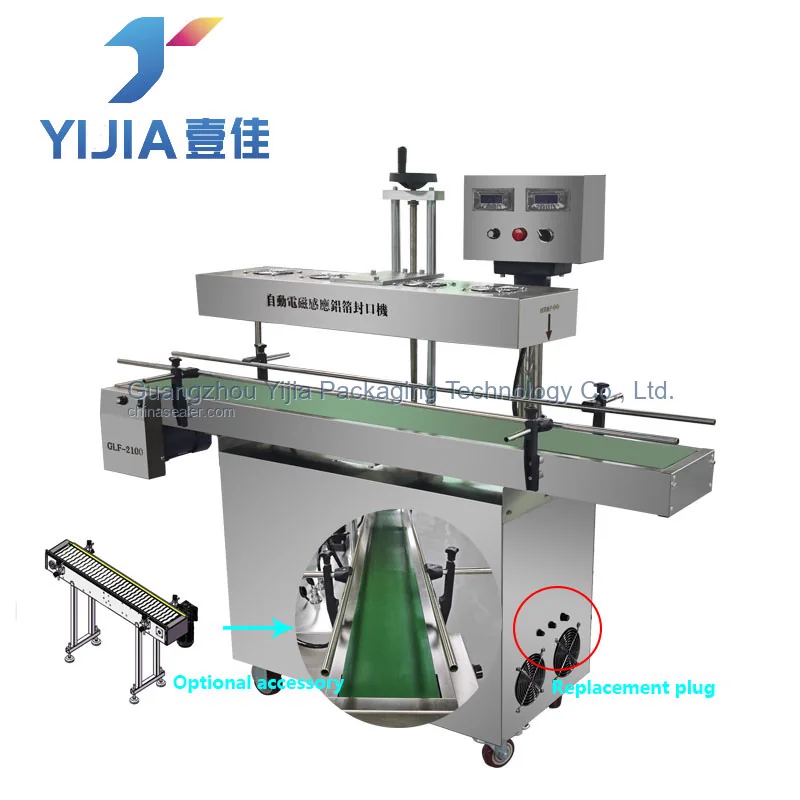 Inline Induction Foil Sealer
Can body main sealing; The three routes have different sealing components and actions; test cans separately and develop inspection items according to product packaging requirements; In-li...
Core process
First identify metal can seaming mouth, paper-plastic can direct film mouth, or threaded lid mouth, then submit corresponding can, lid, film, and label samples.
Metal cans use in-line automatic can seamer, paper-plastic cans can use aluminum foil film sealing and press capping machine, and threaded cans are screw-capped by automatic screw capper connected to in-line induction foil sealing machine.
After the can body display surface and conveying posture are clear, use a round/square bottle labeling machine to test label peeling, positioning, and application condition.
Date batch coding machine sets content and direction according to packaging readable area; during trial run, check code condition after can body passes.
Food-grade conveying line is used to connect verified sealing, press capping, screw capping, induction, labeling, and coding stations.
Residue at can mouth after filling, can body contamination, and lid incoming condition affect sealing and labeling; use actual cans close to production state for trials.
Sample details
Can body material and can mouth structure are used to distinguish three processes: seaming, direct heat sealing film, and screw capping induction.
Provide empty cans and actual cans close to production state, and mark can mouth, can height, and key can body dimensionsMetal can lids, directly placed film, and lid inner gaskets cannot share the same sealing judgment.
Submit matching metal lids, aluminum foil film, or threaded lids with gaskets along with the can bodyThe threads, press-in method, and lid feeding posture of the outer lid relate to screw capping, press capping, and lid placing mechanisms.
Explain outer lid assembly sequence, incoming direction, and whether automatic lid feeding is neededLabel shape, size, and display surface relate to label peeling, positioning, and can body conveying posture.
Provide production labels and label placement diagram, and state whether coding is on the same display surfaceSealing, labeling, and coding need to be connected according to planned production rhythm; can changeover frequency also changes line arrangement.
List production rhythm for each can type, changeover frequency, and planned downstream stationsOn-site layout and conveying height are used to check single machine placement, transfer, and future expansion space.
Submit site dimensions, can inlet/outlet direction, and handover conditions after upstream fillingCommon selection mistakes
Metal can seaming, paper-plastic can heat sealing film, and threaded lid induction inner sealing use different sealing parts and actions; similar equipment names cannot be interchanged.
The direct heat sealing route requires a flat rim and matching film, while the seaming route requires checking the metal can body and lid fit.
Threaded lids are assembled by screw capping mechanism, while press-on outer lids are completed by corresponding press capping action; lid feeding and positioning methods also differ.
The curved or flat surface of the can body, label material, and display position all change the labeling pass method, and should be planned together with the coding area.
After changing can diameter, height, or lid components, seaming, can holding, screw capping, press capping, and labeling parts may all need adjustment.
View detailed technical notes
Can Material Is Not the Only Criterion
Equipment selection for pet food cans starts at the can mouth after filling. Metal cans, paper-plastic cans, and cans with threaded caps may use double seaming, direct heat sealing of film followed by press capping, or screw capping followed by induction inner sealing. Labeling and inkjet coding are separate stations after the primary seal.
Determine the Primary Seal Based on the Can-Lid-Film Combination
Observe the can mouth and sealing components to establish the route. For metal can bodies with metal lids, evaluate double seaming. For paper or plastic cans where film is placed directly and an outer lid is added, evaluate film sealing and press capping. For threaded caps with a compatible liner inside, first screw cap and then perform online induction sealing.
Metal Cans Use a Dedicated Double Seaming Route
An automatic online can seamer is used for double seaming metal cans. The can body, lid, and seaming-related parts must be matched. For multiple can types, each should be tested individually. Post-seaming packaging conditions and product storage requirements are not inferred from the equipment name; they must be confirmed according to food processing and packaging tests.
Paper-Plastic Cans: Heat Seal Film First, Then Assemble Outer Lid
For paper or plastic cans where an aluminum foil membrane is placed directly on the rim and then an outer lid is pressed, a paper can/plastic pail foil membrane sealing and press capping machine can be configured. Key test points are rim flatness, membrane positioning, heat seal layer bonding, and outer lid assembly condition.
Caps with Liners: Screw Capping Followed by Induction Sealing
For threaded caps with an aluminum foil composite liner inside, first use an automatic screw capping machine to make the liner evenly contact the can mouth, then connect an online induction foil sealing machine. Caps without a compatible liner cannot directly use this process.
Real Can Samples Cover the Post-Filling Condition
Equipment confirmation requires complete sets of cans, lids, films, or liners. Tests should also reproduce the rim and can body condition after filling to check the sealing contact surface, can holding and positioning, and subsequent labeling conditions.
Sealing Equipment and Sealing Components Correspond One by One
Online can seamers handle metal can lids, film sealing and press capping machines handle direct film placement, and screw capping and induction equipment handle cap liners.
Labeling Starts with Actual Can Body and Label Samples
After the primary seal passes sample testing, the round/square bottle labeling machine is adjusted according to the can body display surface and label samples. Can body shape, conveying posture, and label edge position should be specified in the changeover checklist.
Batch Coding Station Set According to Readable Area
The date/batch inkjet coding machine is used for product date, batch, or agreed traceability content. The printing direction and position must avoid the sealing surface, label overlap, and conveying clamping areas, and readability should be checked through actual can operation.
Food-Grade Conveying Line Connects Stable Stations
A food-grade conveying line can connect the verified sealing, labeling, and coding machines. Before line integration, first check the can inlet/outlet height, can stability, buffer positions, and control interfaces, then conduct full-line start-stop and changeover tests.
Common questions
How to distinguish the three sealing structures of pet food cans?
First, separate by can mouth structure. Metal can lids enter seaming, paper-plastic cans can be directly film sealed with heat sealing film and then press-capped, and threaded lids with inner gaskets are usually screw-capped followed by induction inner sealing.
Can the sealing and labeling stations form an automatic line?
It can be evaluated. The premise is that the can type, lid components, and process are stable, and single-machine trials have been completed. Then check the common rhythm of sealing, labeling, coding, and conveying.
Can the equipment be locked without physical can lid samples?
Photos can be used for preliminary identification of can type, but seaming components, film heat sealing, press capping, or gasket induction all require complete physical sample verification.
Can direct sealing film and lid inner gasket be interchanged?
They cannot be treated as common parts. The structure, heat seal layer, and placement method of direct heat-sealed film and lid inner gasket are different, and both need to be tested with the can mouth.
How to accept sealing results for different can mouths?
Metal cans are inspected according to seaming requirements, and film-sealed cans are inspected according to seal edge and opening status. Specific packaging test items and acceptance conditions should be determined by product requirements.
Can downstream sections be added later after using a sealing single machine first?
You can first configure the main sealing single machine, while reserving stable can inlet/outlet heights and control interfaces. When adding labeling, coding, and food-grade conveying lines later, full line commissioning is still required.