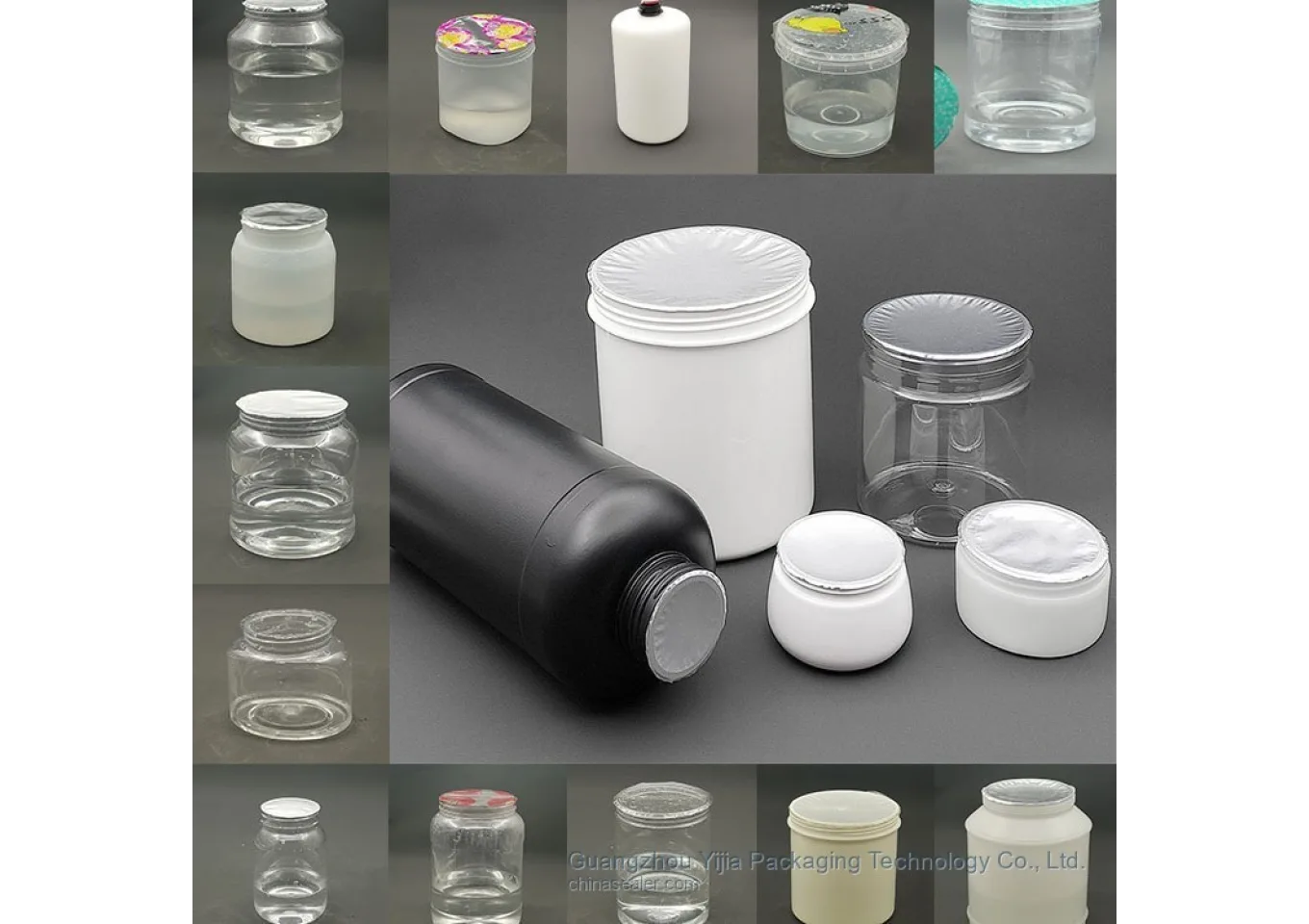
Applicable Containers
Heat-seal foil or composite lidding directly to bottle and jar rims, with integration into an existing filling line configured per project.
Bottle / Pail / Can Sealing Equipment
Heat-seal foil or composite lidding directly to bottle and jar rims, with integration into an existing filling line configured per project. Test the container and seal layer before selecting positioning, film feed, sealing and discharge. This is not through-cap induction sealing of a cap liner.
View Product Video
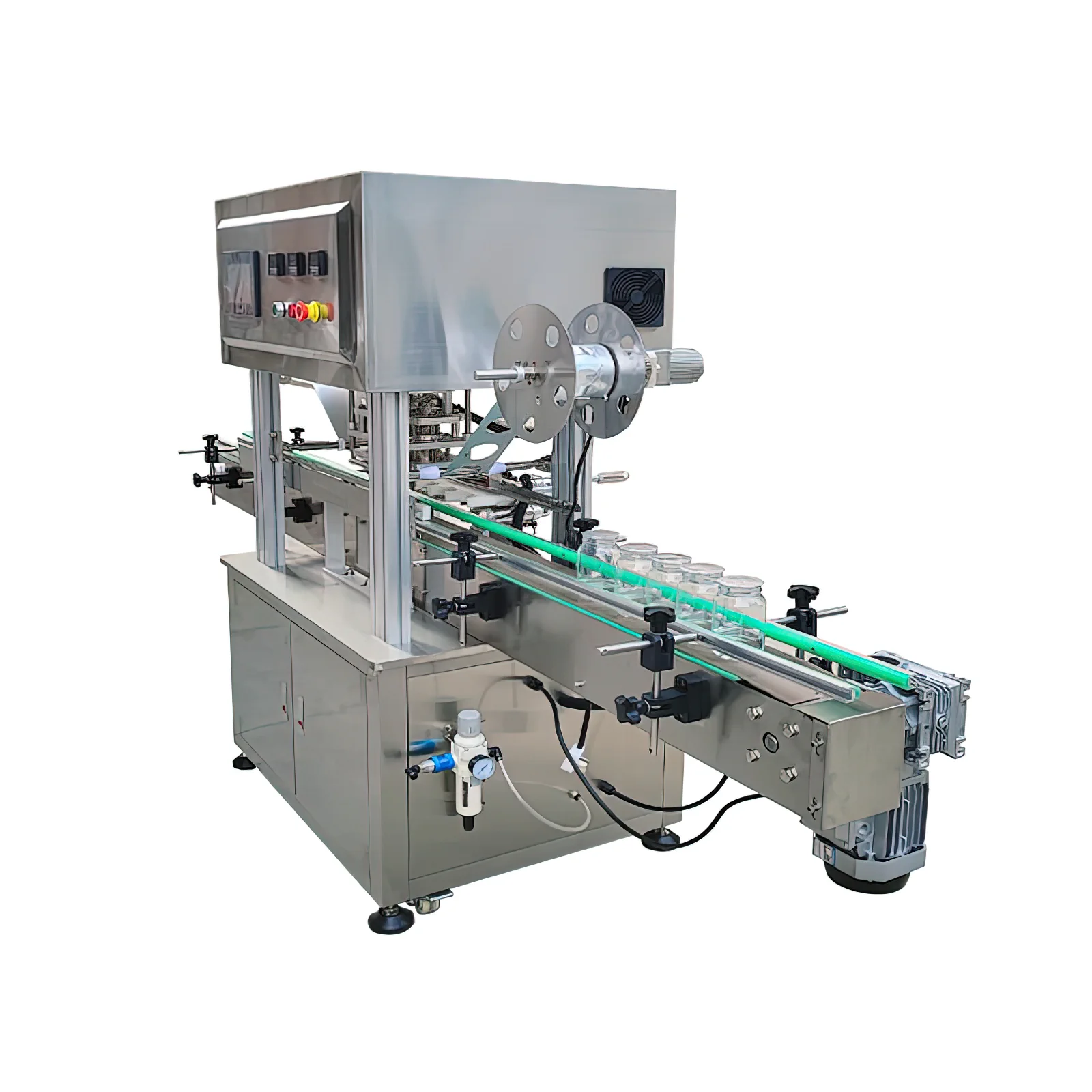
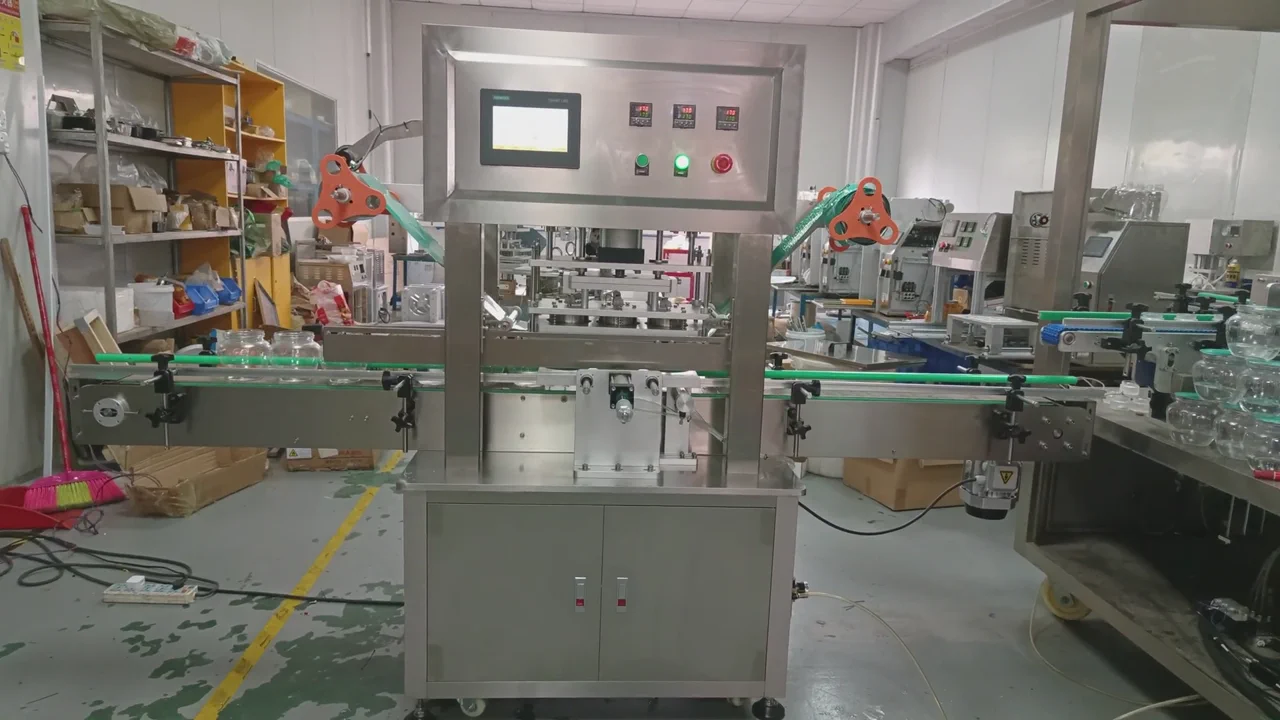
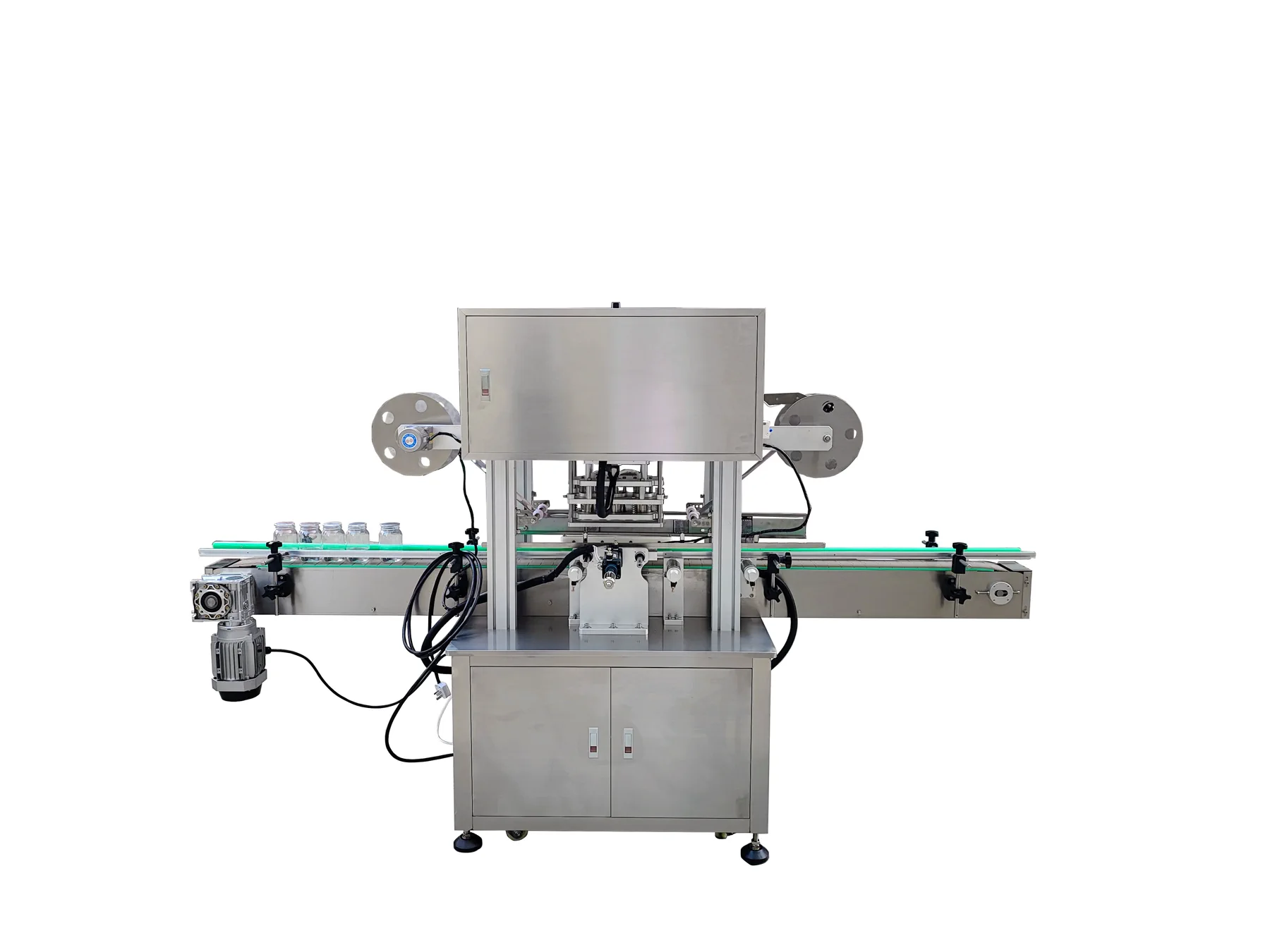
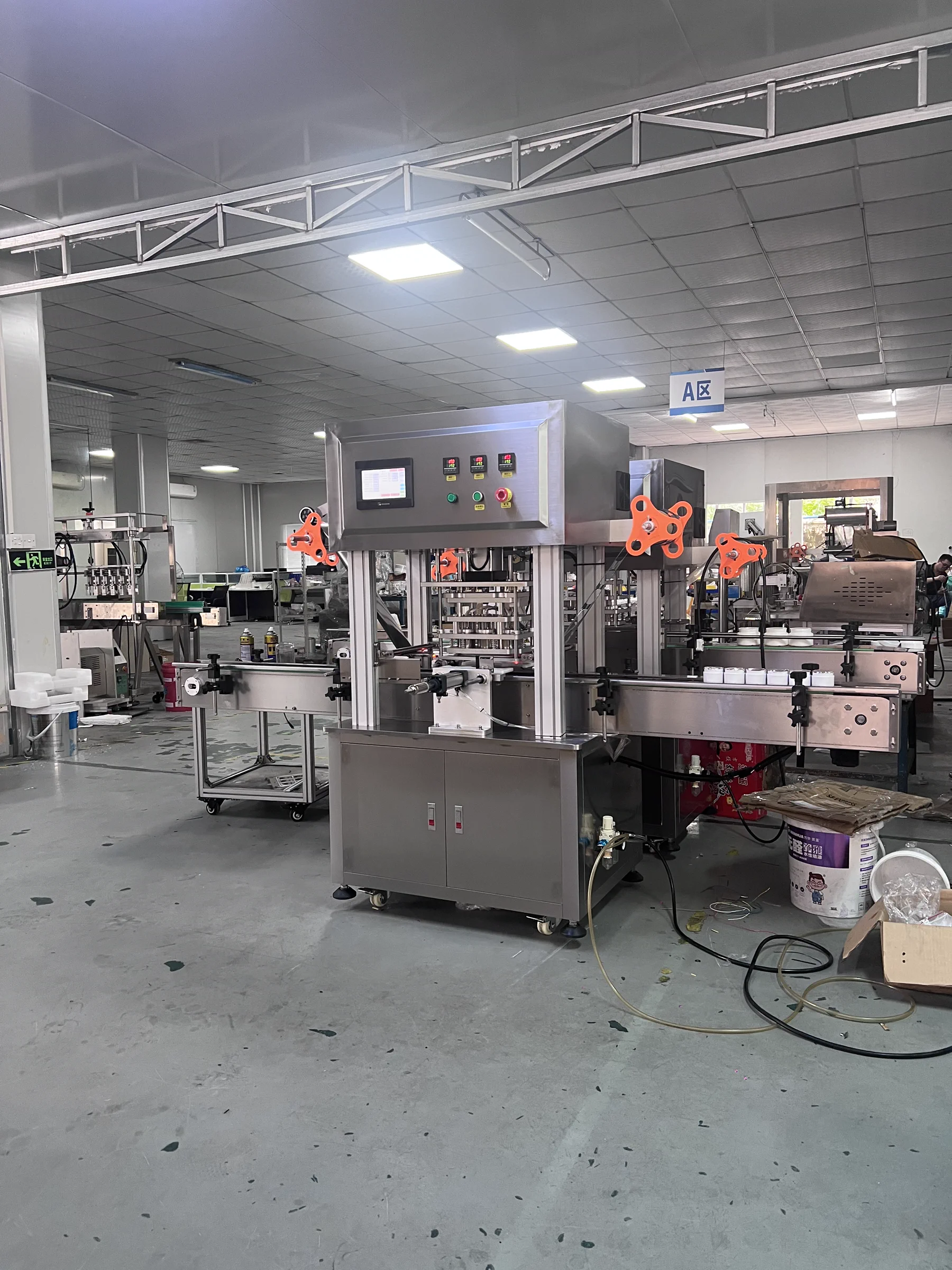
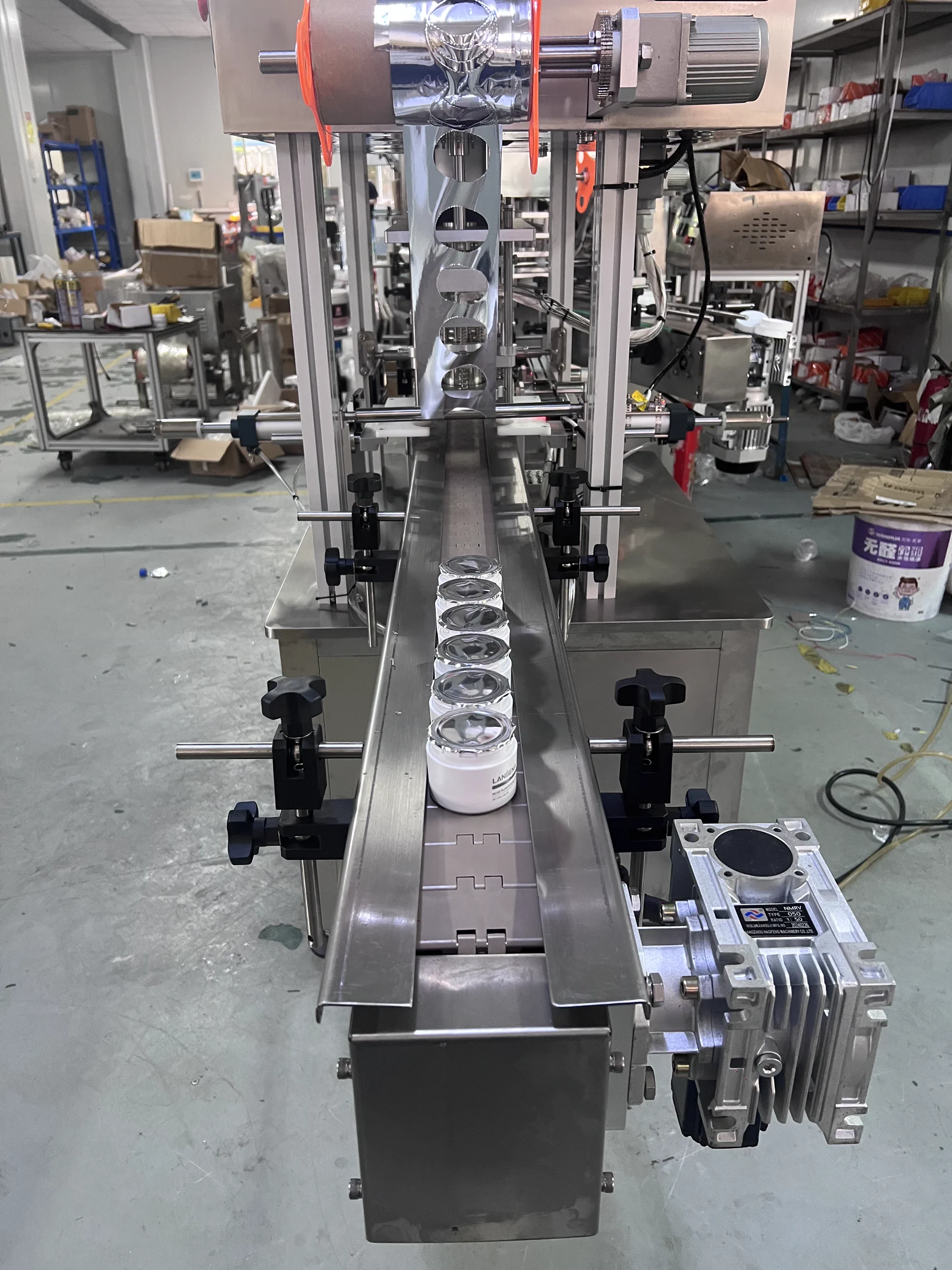
Bottle and Jar Inline Heat Press Sealer · Operating video. This real view shows the inline heat-press sealer handling bottles or jars. Use it to check the machine layout, container path and sealing station before sample testing.
Actual equipment and operating steps are shown here. Final suitability depends on the agreed samples and equipment scope.
Selection points
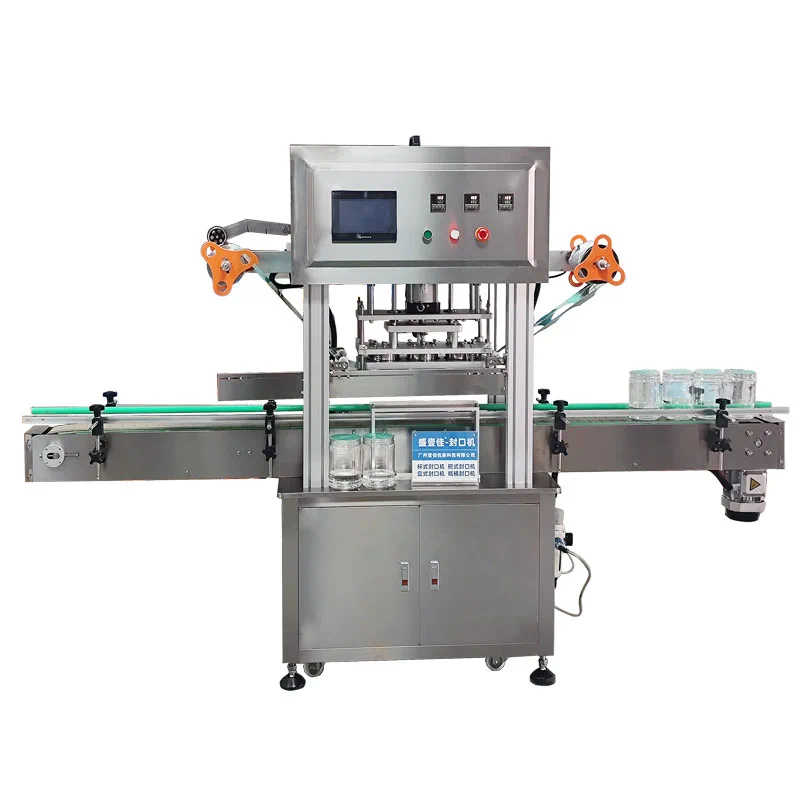
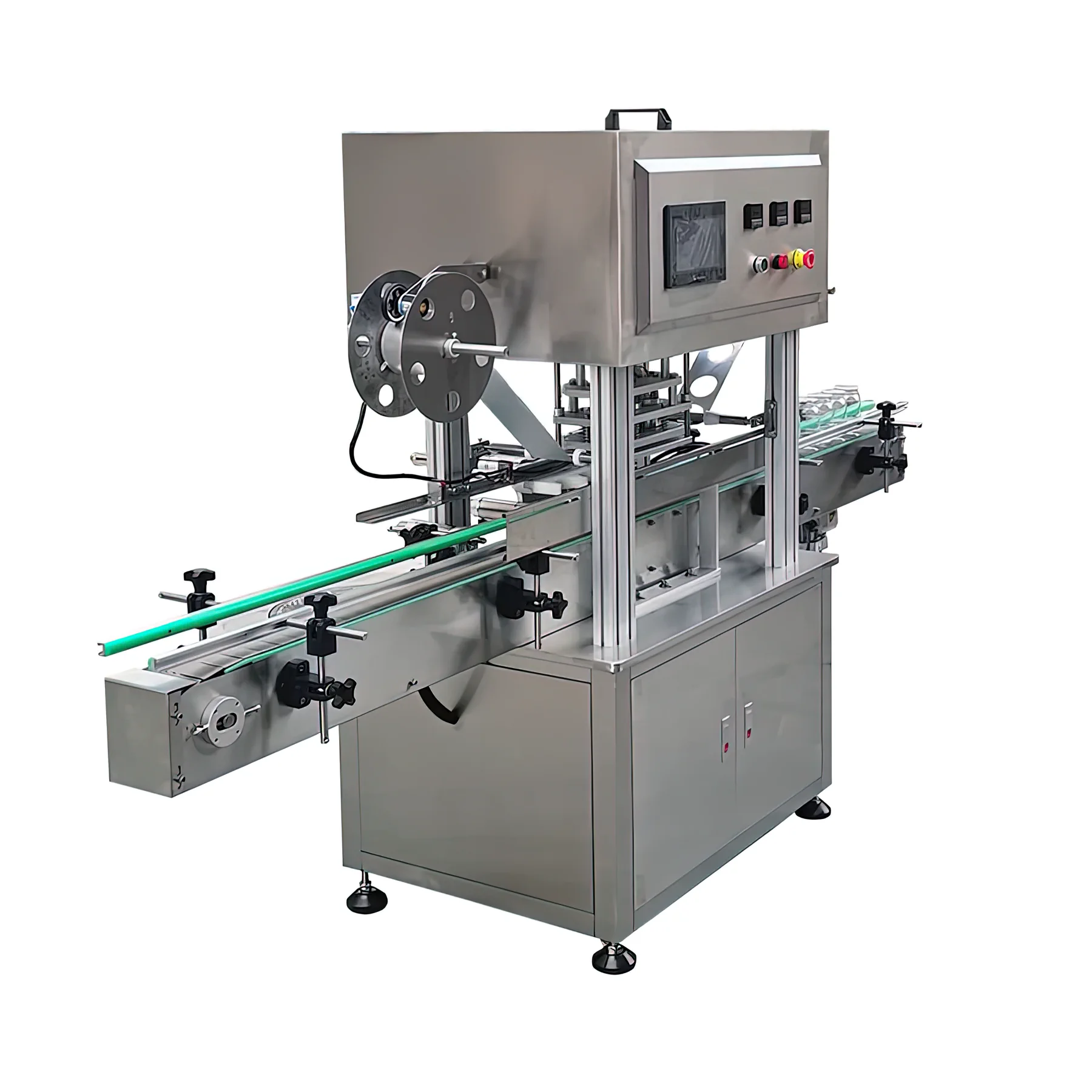
Confirm output through continuous trials with the actual container, film, product and complete cycle. Filling, loading, inspection and downstream integration are configured per project.
Heat-seal foil or composite lidding directly to bottle and jar rims, with integration into an existing filling line configured per project.
Aluminum foil film, composite film, PE film, PP film, PET film, easy-tear film, heat seal film
Heat Press Sealing
Confirm output through continuous trials with the actual container, film, product and complete cycle. Filling, loading, inspection and downstream integration are configured per project.
Selection points
Start with container photos, the intended lidding material and approximate output. You can enquire before drawings or full material specifications are ready; we will review the process and identify the samples needed.
Selection points
Confirm output through continuous trials with the actual container, film, product and complete cycle. Filling, loading, inspection and downstream integration are configured per project.
YJ-FK-ZX500
Confirmed by trials using mouth size, film, station count, heat-press dwell, container pitch, and upstream/downstream cycle
Inline conveying, locating stations, and upstream/downstream interfaces are configured by sample and project; final automation scope follows the agreed line
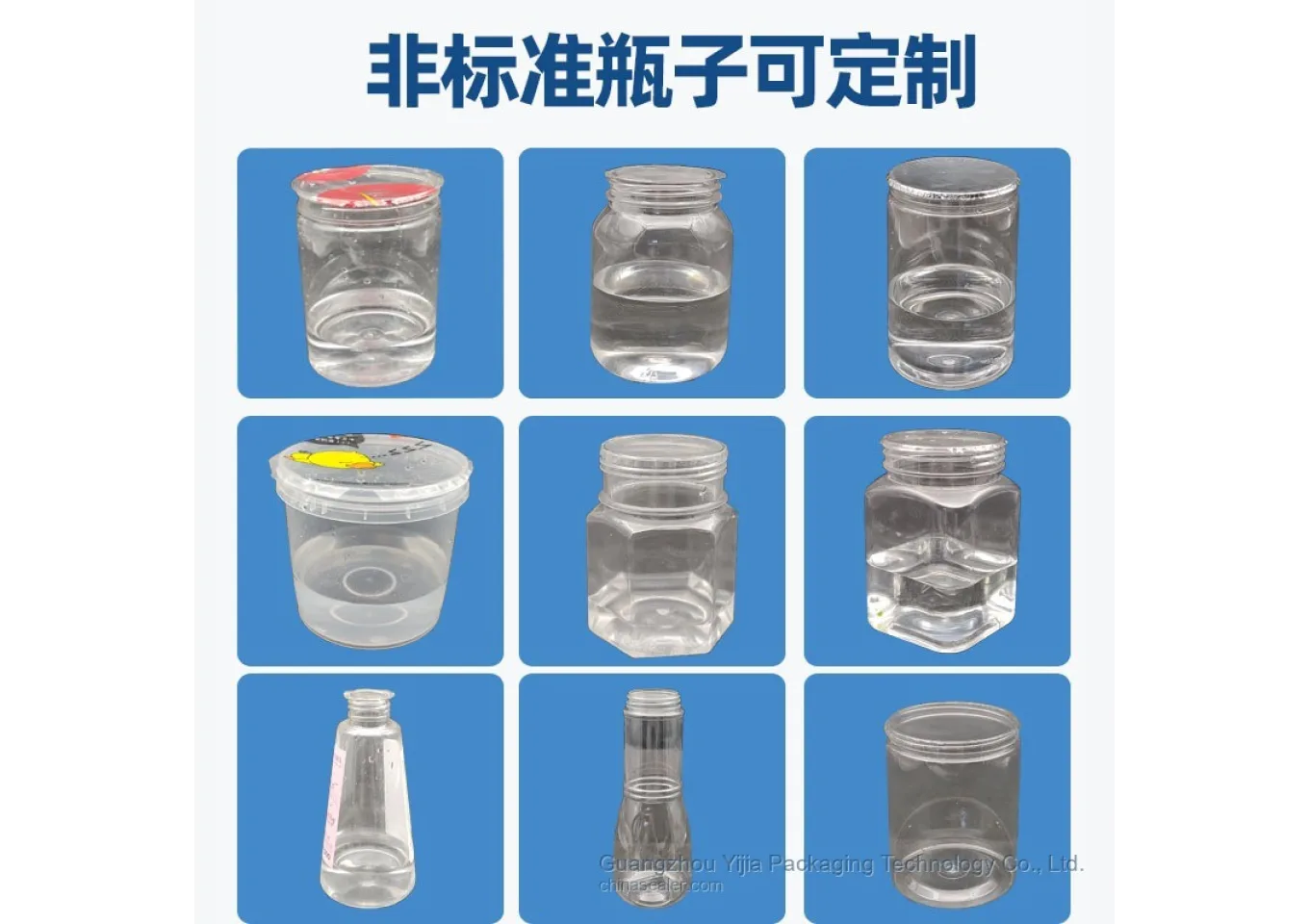
Plastic or glass bottles and wide-mouth jars with a stable, flat sealing rim; confirm with real samples
Confirmed based on sample dimensions, mouth diameter, height, and sealing edge width.
Food, sauces, daily chemicals, cosmetics, medical consumables, and chemical packaging
Pre-cut aluminum or composite heat-seal film; structure, thickness, and sealant-layer direction must match the container-rim sample
Film pick and positioning, direct placement on the mouth, heat-press dwell, discharge, and post-seal inspection
Configuration selection
Start with container photos, the intended lidding material and approximate output. You can enquire before drawings or full material specifications are ready; we will review the process and identify the samples needed.
Send product, container, material, dimensions and target output.
Confirm configuration by process, changeover, cycle time and line needs.
Test sealing, filling, labeling or inspection results when needed.
Quote after confirming power, layout, lead time and spare parts.
Configuration selection
First decide whether it is trial work, small batches or stable production, then confirm tooling, pump heads, sealing heads and optional functions.
Bottle / Pail / Can Sealing Equipment
First decide whether it is trial work, small batches or stable production, then confirm tooling, pump heads, sealing heads and optional functions.
Selection points
Confirm output through continuous trials with the actual container, film, product and complete cycle. Filling, loading, inspection and downstream integration are configured per project.
This machine places pre-cut film directly on the mouth and heat-press seals it. An induction sealer normally works after a cap has pressed its liner onto the mouth. The packaging materials, equipment, and process order are different.
Photos can guide the first review but cannot replace sealing trials. Final configuration requires rim dimensions and flatness, container material, film structure, sealant-layer direction, and real samples.
The material name alone is not enough. Rim design and flatness must match the film sealant layer; surface treatment and tolerances may require a new trial even for the same nominal material.
Record the complete film pick, positioning, heat-press dwell, and discharge cycle with target samples, then confirm conveyor height/direction, pitch, buffering, and signal interfaces.
Send photos for machine selection
Start with container photos, the intended lidding material and approximate output. You can enquire before drawings or full material specifications are ready; we will review the process and identify the samples needed.