Bottle / Pail / Can Sealing Equipment
Automatic Screw Capping Machine
Automatic Screw Capping Machine is configured for Screw capping, press capping, or can sealing on Round bottles, square bottles, wide-mouth bottles, metal cans.
Technical parameters
- Model
- YJ-XG-ZD300
- Standard Output / Capacity
- Confirmed based on container dimensions, material state, process, number of stations, and target speed. 600–1800 pcs/hr
- Machine Structure / Automation
- Can be configured as benchtop, semi-automatic, fully automatic, or inline according to the project.
- Applicable Containers / Packaging Format
- Bottles, pails, cups, boxes, tubes, and bag containers
- Applicable Size Range
- Confirmed based on sample dimensions, diameter, height, and sealing edge width.
- Applicable Products / Contents
- Food, sauces, daily chemicals, cosmetics, medical consumables, and chemical packaging
- Packaging Materials / Consumables
- Consumables and accessories are confirmed based on samples and final process.
- Core Process
- Filling, sealing, capping, labeling, coding, conveying, or inspection.
- Tooling / Changeover
- Configure molds, fixtures, or changeover parts according to sample dimensions and changeover requirements.
Selection guide
- Confirm configuration based on cap type dimensions, torque range, bottle positioning, and cap feeding method
- Screw caps, press caps, and can lids require sample testing or specification verification first
- Suitable for packaging forms such as round bottles, square bottles, and wide-mouth bottles
- Confirm based on cap type, number of heads, bottle stability, and conveying speed; subject to sample testing
- Can be used as a standalone capping machine, automatic cap sorting and placing, or inline after filling; adjust according to on-site cycle time
- Can reserve interfaces for upstream/downstream conveying, inspection, or downstream packaging
Applications
- Screw capping, press capping, or can sealing processes in beverage, condiment, and daily chemical liquid projects
- Switching between prototyping, small batch, and mass production for round bottles, square bottles, and wide-mouth bottles
- Compatibility testing and sealing sample confirmation for screw caps, press caps, and can lids
- Adding new stations or retrofitting downstream sections in existing packaging lines
- Export projects require prior confirmation of voltage, language, spare parts, and packaging method
- Complete line solution configuration related to screw capping, press capping, and container sealing equipment
Frequently Asked Questions
- Can this automatic screw capping machine be quoted directly as a standard machine? It can be initially judged based on standard structure, but not just by name. Need to confirm cap type dimensions, torque range, bottl...
- Why is it necessary to check samples and packaging materials first? Screw capping, press capping, or can sealing is affected by round bottle, square bottle, wide-mouth bottle dimensions, screw cap, press cap, can lid...
- Is this machine suitable for standalone or line integration? It can be used as standalone capping, automatic cap sorting and placing, or inline after filling. If there are upstream/downstream equipment, the conveying...
- What should be reviewed before delivery? It is recommended to review sample test results, key dimensions, consumable specifications, power and air supply, cleaning and maintenance methods, and spare parts list to avoi...
Send samples and capacity requirements for a clearer solution
- Bottle sample, cap sample, and target torque or can sealing requirements
- Key dimensions or on-site photos of round bottles, square bottles, and wide-mouth bottles
- Material, thickness, or specifications of screw caps, press caps, and can lids
- State, weight, or filling volume of beverages, condiments, and daily chemical liquids
- Target capacity, shifts, and whether integration into existing production line is needed
- Power supply, air supply, on-site space, and discharge direction
Automatic Screw Capping Machine: sample and container confirmation; Bottle-mouth size, cap structure, and liner type affect the matching between induction sealing and screw capp...
Automatic Screw Capping Machine: Sample and container confirmation; Paste viscosity, particles, bottle-mouth diameter, and cap structure affect filling nozzles, sealing method,...
Automatic Screw Capping Machine: Sample and container confirmation; First confirm container-mouth size, height, bottle shape, cap structure, sealing film material, and label siz...
Automatic Screw Capping Machine: Sample and container confirmation; Use actual samples to confirm bottle mouth, cap type, label position, and the compatibility limits of the sea...
Automatic Screw Capping Machine: Sample and container confirmation; Bottle neck diameter, cap type, label size and gasket material directly affect filling nozzle, capping head,...
Automatic Screw Capping Machine: Sample and container confirmation; First confirm bottle type, bottle mouth, cap structure, label size, and whether aluminum foil sealing is need...
Automatic Screw Capping Machine: Bottle shape, cap type, label, and product confirmation; All equipment configuration is based on container dimensions, cap type, label position,...
Automatic Screw Capping Machine: Sample and container confirmation; Use physical samples to confirm bottle mouth, bottle body, cap type, and label size before matching filling n...
Related products
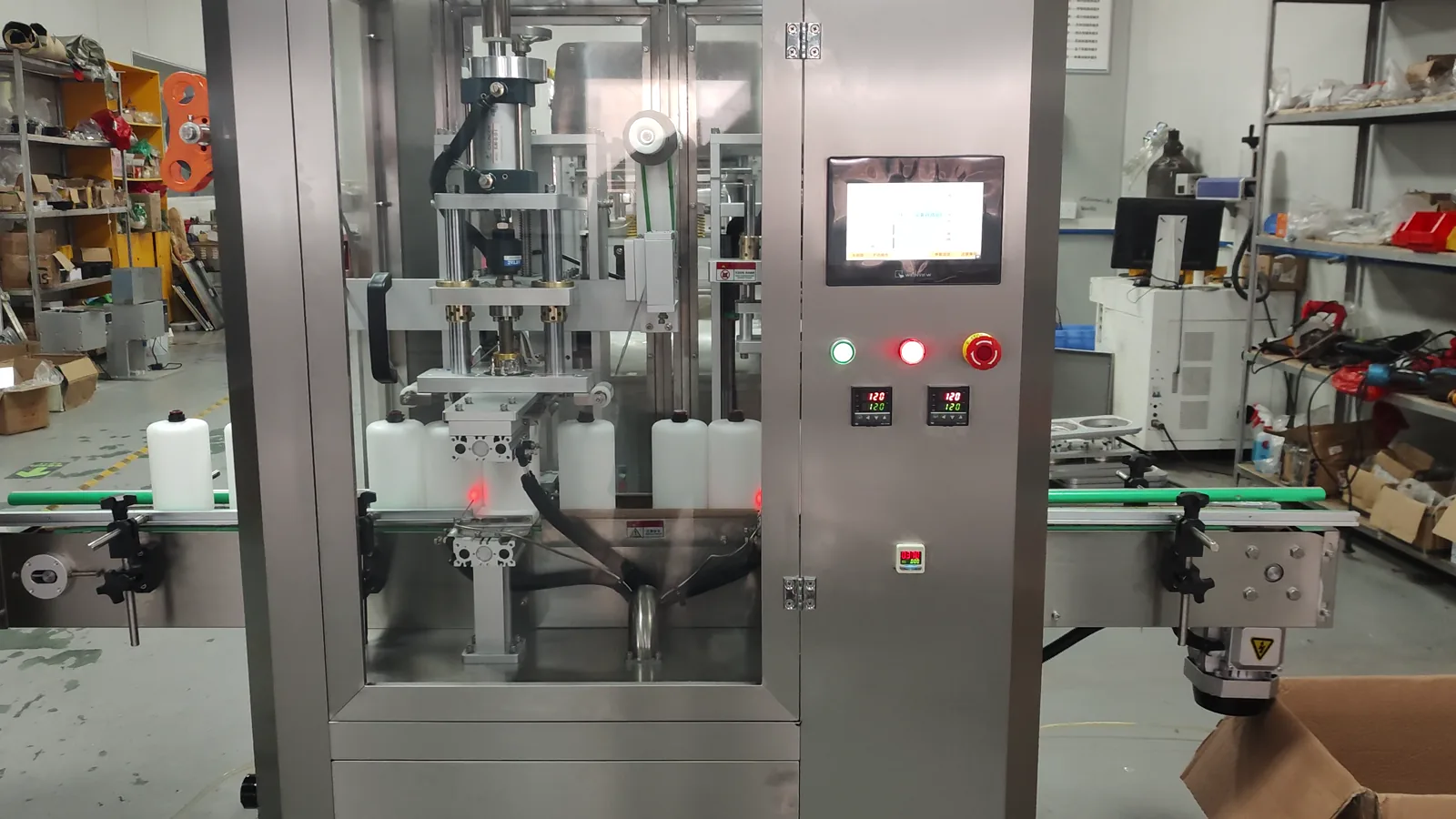
Automatic Die-Cut Film Inline Bottle & Jar Sealer
The equipment identifies and positions bottles/jars on the conveyor line, completes die-cutting of lid film, film pic...
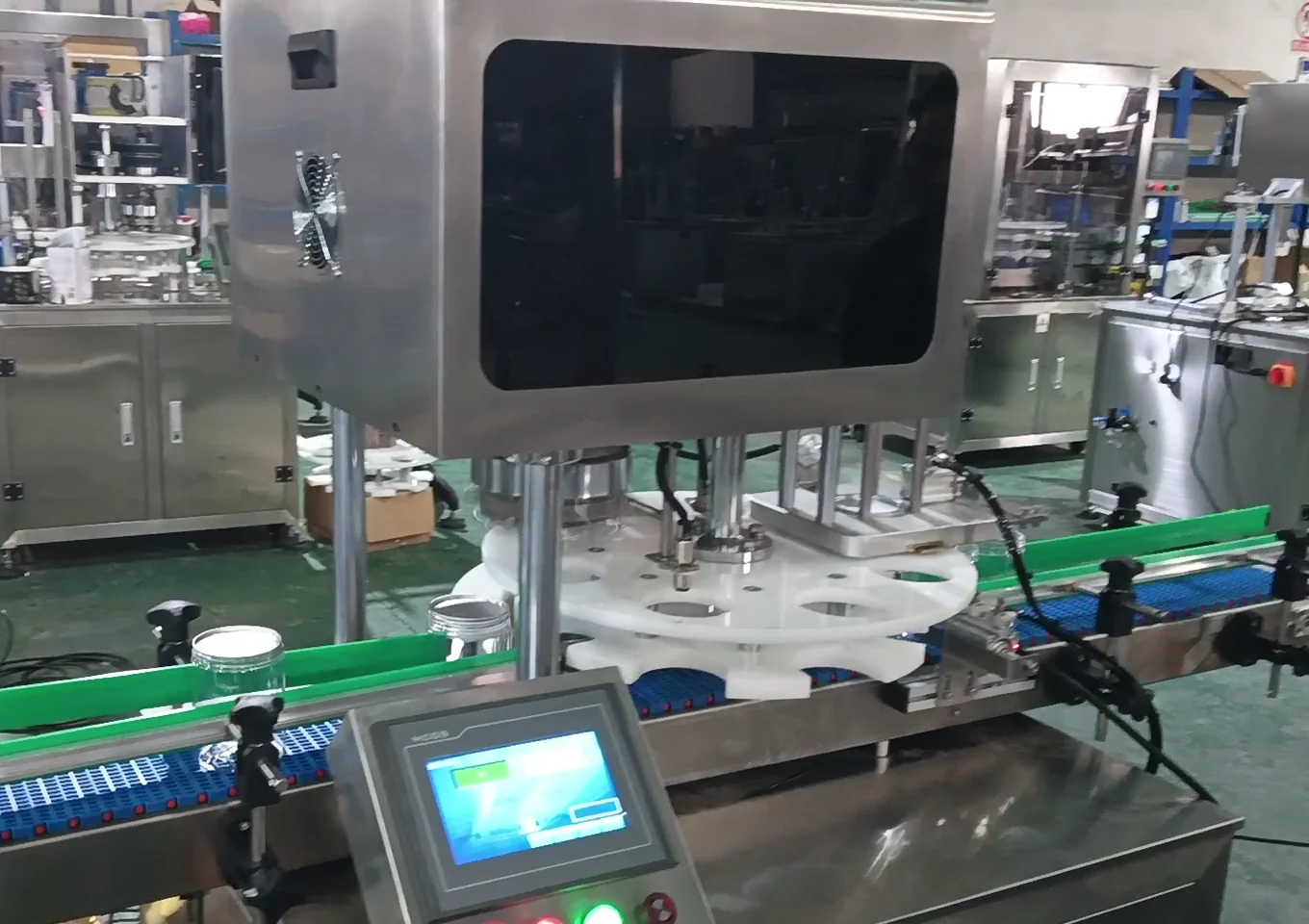
Multi-Station Rotary Can Seaming Line
The multi-station rotary can seaming line revolves around the process flow of can feeding, lid placement, rotary inde...
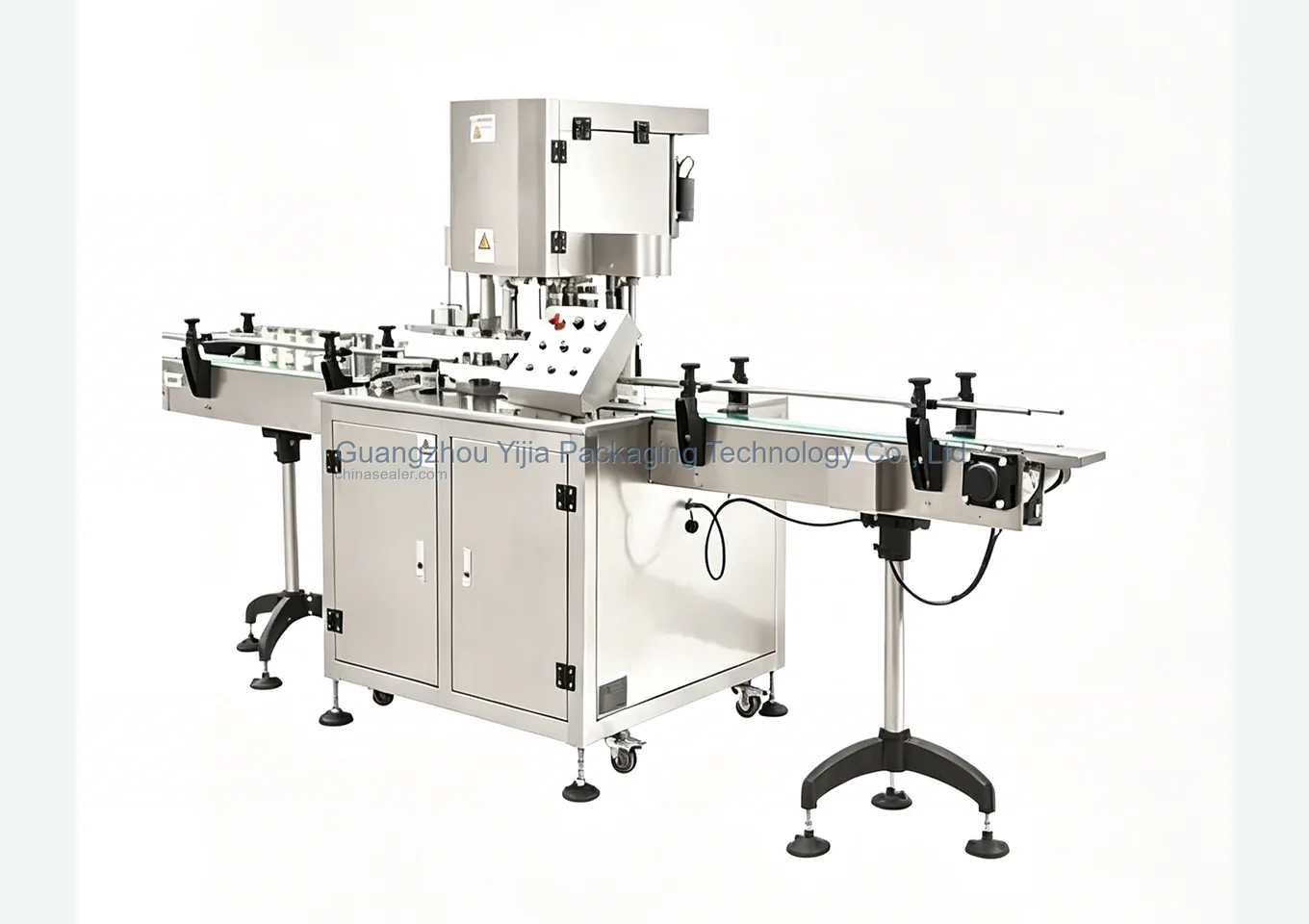
In-line automatic can seaming machine
The in-line automatic can seaming machine is designed for metal cans and matching can lids. It performs can positioni...
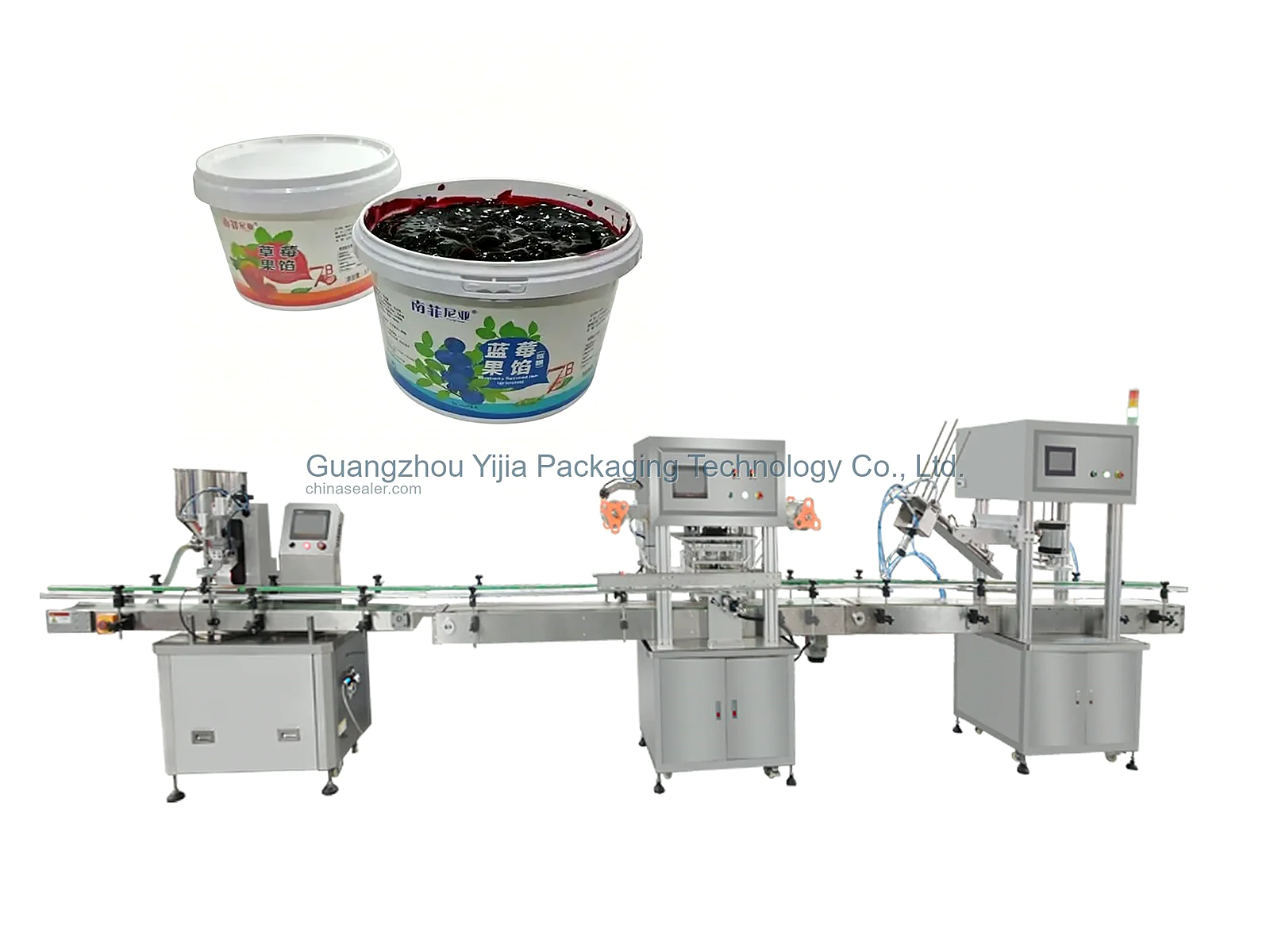
Paper Can / Plastic Pail Aluminum Foil Sealing and Capping Machine
Paper Can / Plastic Pail Aluminum Foil Sealing and Capping Machine is configured for Diameter, Rim, Foil Material, an...
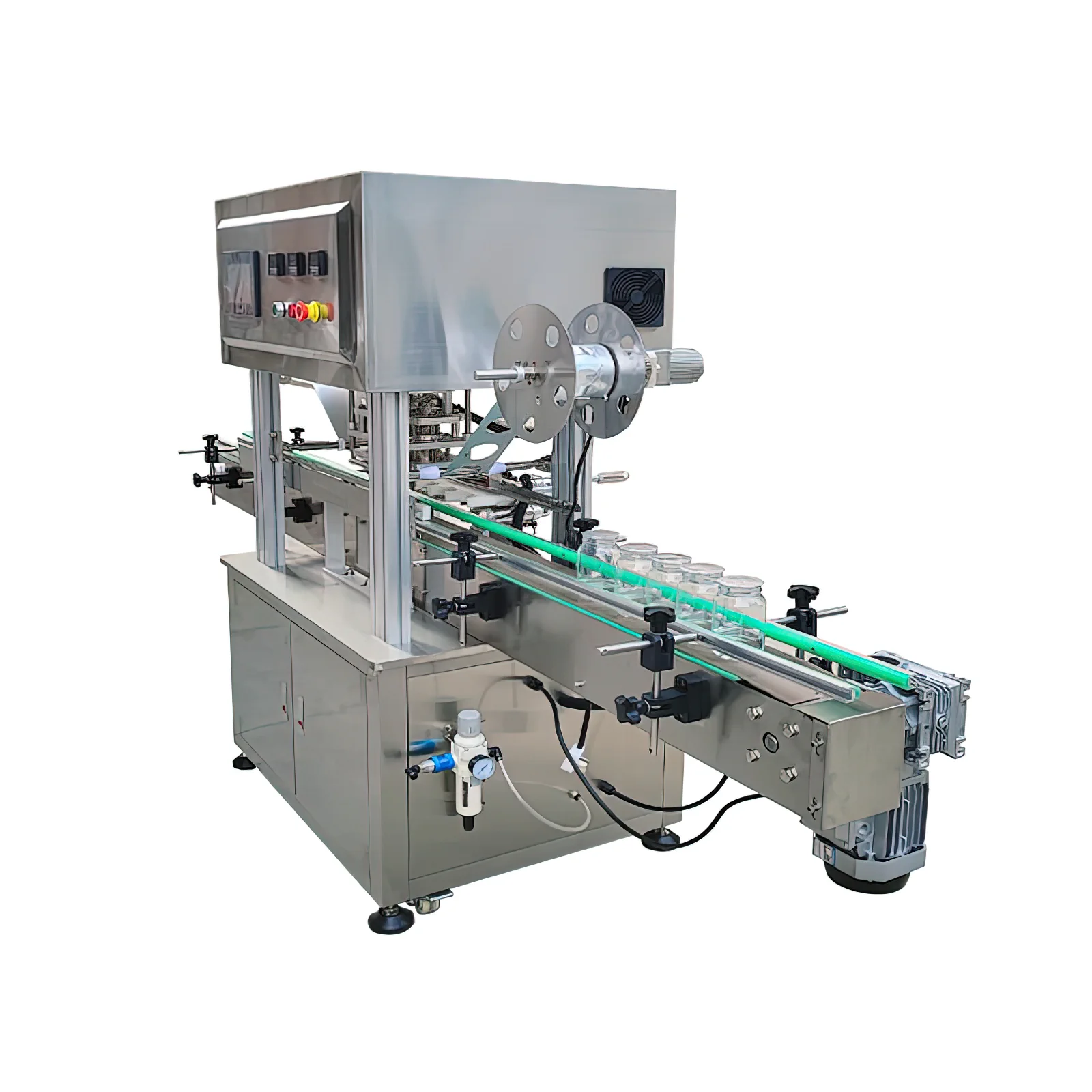
Bottle Inline Heat Press Sealer
Bottle Inline Heat Press Sealer is configured for Heat Press Sealing on PP bottles, PET bottles, PE bottles, HDPE bot...
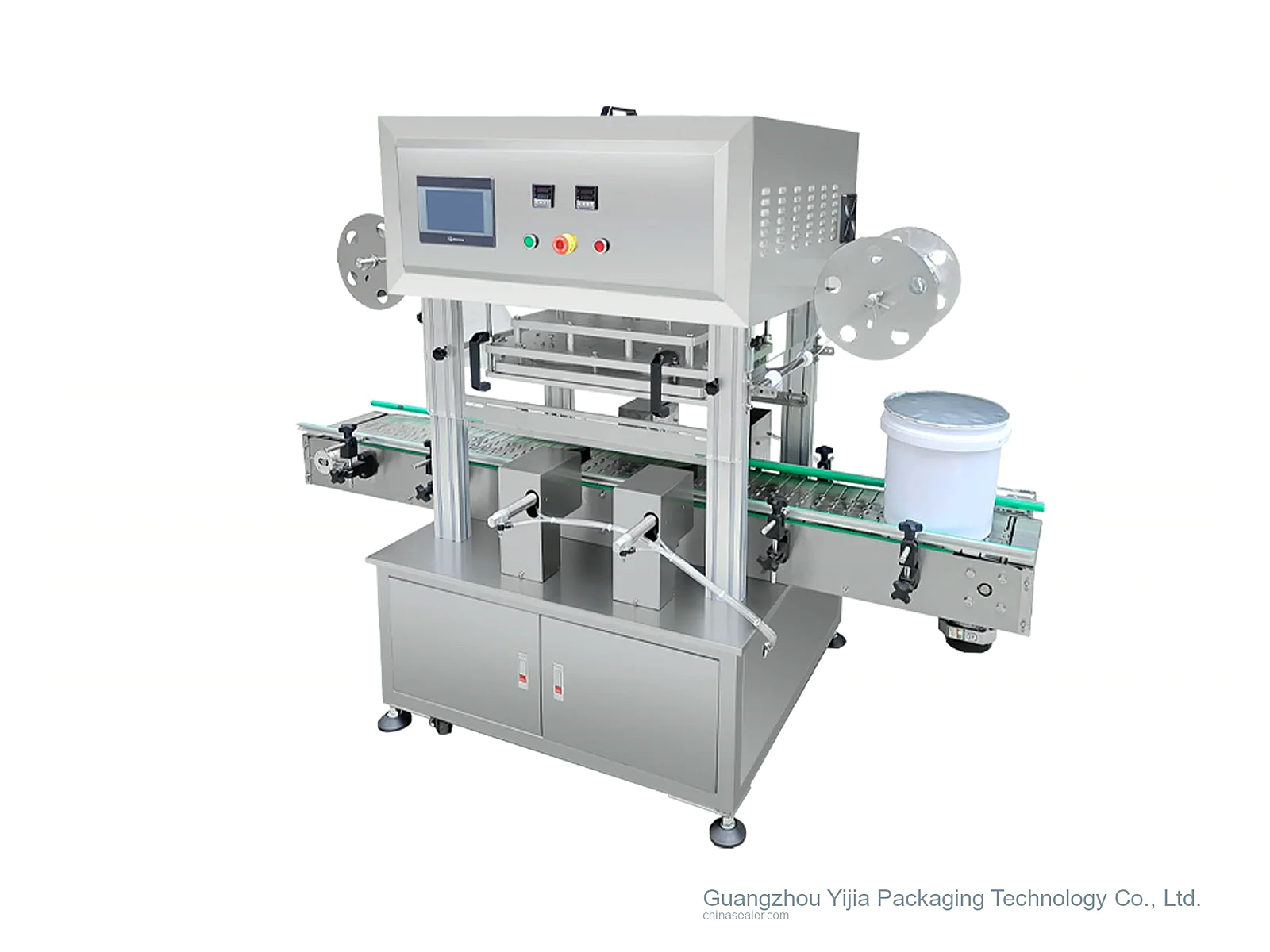
Large-Diameter Pail Heat Seal Sealer
Large-Diameter Pail Heat Seal Sealer is configured for Sealing of bottle, pail, and can mouths on Plastic pails, wide...