Solution topic
Honey Bottle Filling, Capping and Labeling Solution: Start With Viscosity, Bottle Mouth, Cap Type and Label Position
For honey bottle filling, capping, and labeling solutions: first check viscosity, bottle neck, cap type, and label. First confirm container, product, film, lid type, capacity, and on-site line integration requirements. The equipment route includes sample and container confirmation, filling, and capping. Submitting sample photos, dimensions, and target capacity facilitates equipment matching and quotation.
- Honey filling, capping, and labeling should not be selected by machine name alone. First confirm honey condition, bottle mouth, cap type, label position, and target output, then judge filling method, capping torque, label position, and whether foil sealing is needed.
- How to choose honey filling, capping, and labeling
First Break the Requirement Into Key Points
How should I choose filling, capping, and labeling equipment for bottled honey?
First determine the packaging route
Honey filling, capping, and labeling should not be selected by machine name alone. First confirm honey condition, bottle mouth, cap type, label position, and target output, then judge filling method, capping torque, label position, and whether foil sealing is needed.
Piston Filling + Capping + Labeling Route
Suitable for: Honey with high viscosity, stable fill volume, and glass or PET bottles with screw caps. Advantages: Piston filling provides stable dosing for high-viscosity liquids; capping and labeling can be in-line, suitable for medium-to-low speed continuous production. Limitations: Requires confirmation of whether honey needs heating to reduce viscosity, and anti-drip nozzle configuration. Not recommended: If honey contains large particles or crystals, evaluate a rotor pump or change nozzle design first. Equipment direction: Servo piston liquid filler, automatic capper, and round/square bottle labeler configured in a line.
Rotor Pump Filling + Capping + Labeling Route
Suitable for: honey with small crystals or particles, requiring gentle conveying, and projects with a wide filling volume range. Advantages: The rotor pump has low shear on the material, suitable for materials containing particles or easily damaged. Limitations: Filling consistency of the rotor pump is affected by material temperature; insulated hopper and drip-proof filling nozzles are needed. Not recommended: For very small filling volumes (e.g., below 10ml) or extremely high precision requirements, consider piston filling. Equipment direction: Rotor pump sauce filling machine, automatic capping machine, round/square bottle labeling machine in-line configuration.
Weighing Filling + Cap Pressing + Labeling Route
Suitable for: large honey pails (e.g., above 1kg), projects requiring weight-based sales, and pail openings with press-on or snap-on caps. Advantages: Weigh filling directly quantifies by weight, unaffected by viscosity, suitable for large packages. Limitations: Need to confirm pail opening flatness and cap structure; whether aluminum foil sealing is needed after pressing. Not recommended: For threaded bottle caps requiring torque control, consider capping route instead. Equipment direction: Weigh filling pail machine, automatic capping/pressing machine, round/square bottle labeling machine in-line configuration.
Recommended equipment route: Sample and container confirmation
Use actual samples to confirm bottle mouth, cap type, label size, and filling-nozzle compatibility.
Recommended equipment route: Filling
Piston filling adapts well to honey viscosity and provides stable dosing; a heated hopper and anti-drip nozzle can be added.
Recommended equipment route: Capping
Configure the capping head by cap type. Torque is adjustable and suitable for threaded caps.
Recommended equipment route: Labeling
Configure the labeling head according to bottle shape and label position; it can be connected after capping.
Recommended Equipment Route: Downstream Inspection and Marking
The coding machine prints production date and batch number, while the checkweigher confirms weight; both can be configured in line or as standalone equipment.
Route comparison
- Suitable for honey in glass or PET bottles with threaded caps, where viscosity is high and filling volume is stable.
- Piston filling gives stable dosing for high-viscosity liquid, and capping and labeling can be connected for medium- to low-speed continuous production.
- Confirm whether honey needs heating to reduce viscosity and what anti-drip filling nozzle configuration is required.
- If honey contains large particles or crystallized blocks, evaluate a rotor pump or a different filling-nozzle structure first.
- A servo piston liquid filling machine, automatic capper, and round or square bottle labeling machine can be configured as one line.
- Suitable for honey projects with slight crystallization or particles, gentle conveying needs, or a wide filling-volume range.
- Rotor pumps apply low shear to materials, suitable for products with particles or fragile texture.
- Rotor pump filling consistency is affected by material temperature, so a heated hopper and anti-drip nozzle should be confirmed.
- For very small filling volumes, such as below 10 ml, or very high accuracy requirements, evaluate piston filling.
- Rotor-pump sauce filling machine, automatic capping machine, and round / square bottle labeling machine line configuration.
- Suitable for large honey pails, such as above 1 kg, sold by weight, with press-on or snap-on pail lids.
- Weighing filling doses directly by weight, is not affected by viscosity, and suits large packages.
- Confirm bucket rim flatness and cap structure, and whether aluminum foil sealing is needed after cap pressing.
- If the bottle mouth uses a threaded cap and torque control is required, a capping route is recommended.
- A weight-based pail filling machine, automatic capping and pressing machine, and round or square bottle labeling machine can be connected as one line.
Core process
Associated Equipment / Consumables
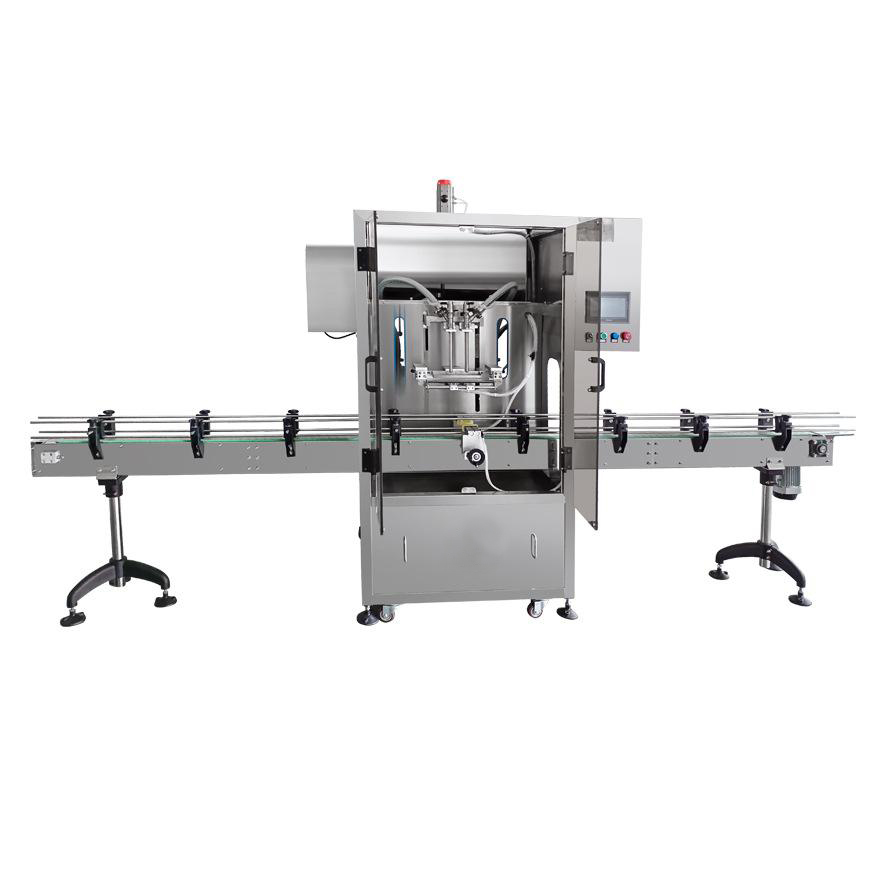 Servo Piston Liquid Filling Machine
Sample and container confirmation; Use actual samples to confirm bottle mouth, cap type, label size, and filling-nozzle compatibility; honey bottle samples, cap samples and label s...
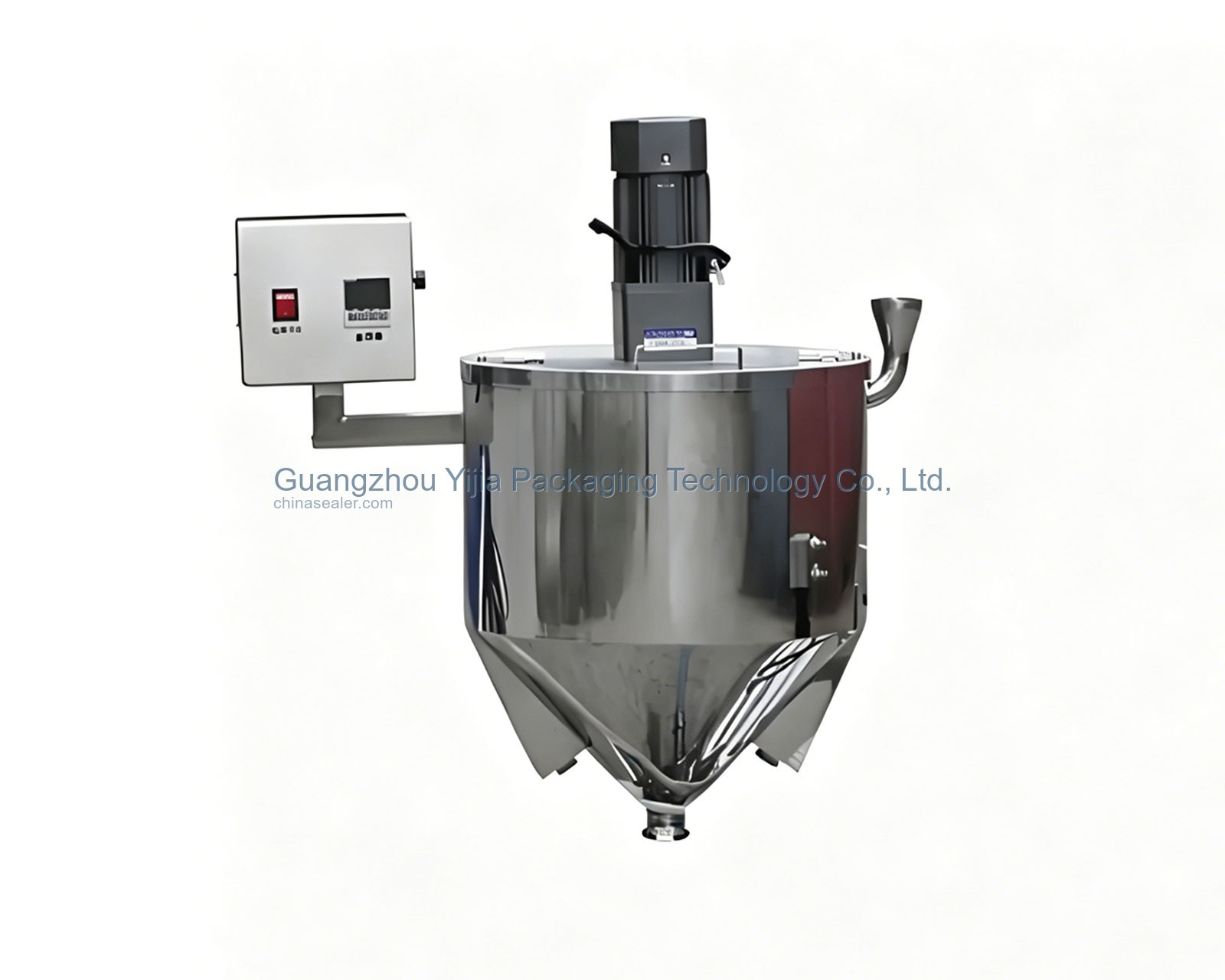 Heated Hopper and Jacketed Tank
Sample and container confirmation; Use actual samples to confirm bottle mouth, cap type, label size, and filling-nozzle compatibility; honey bottle samples, cap samples and label samples
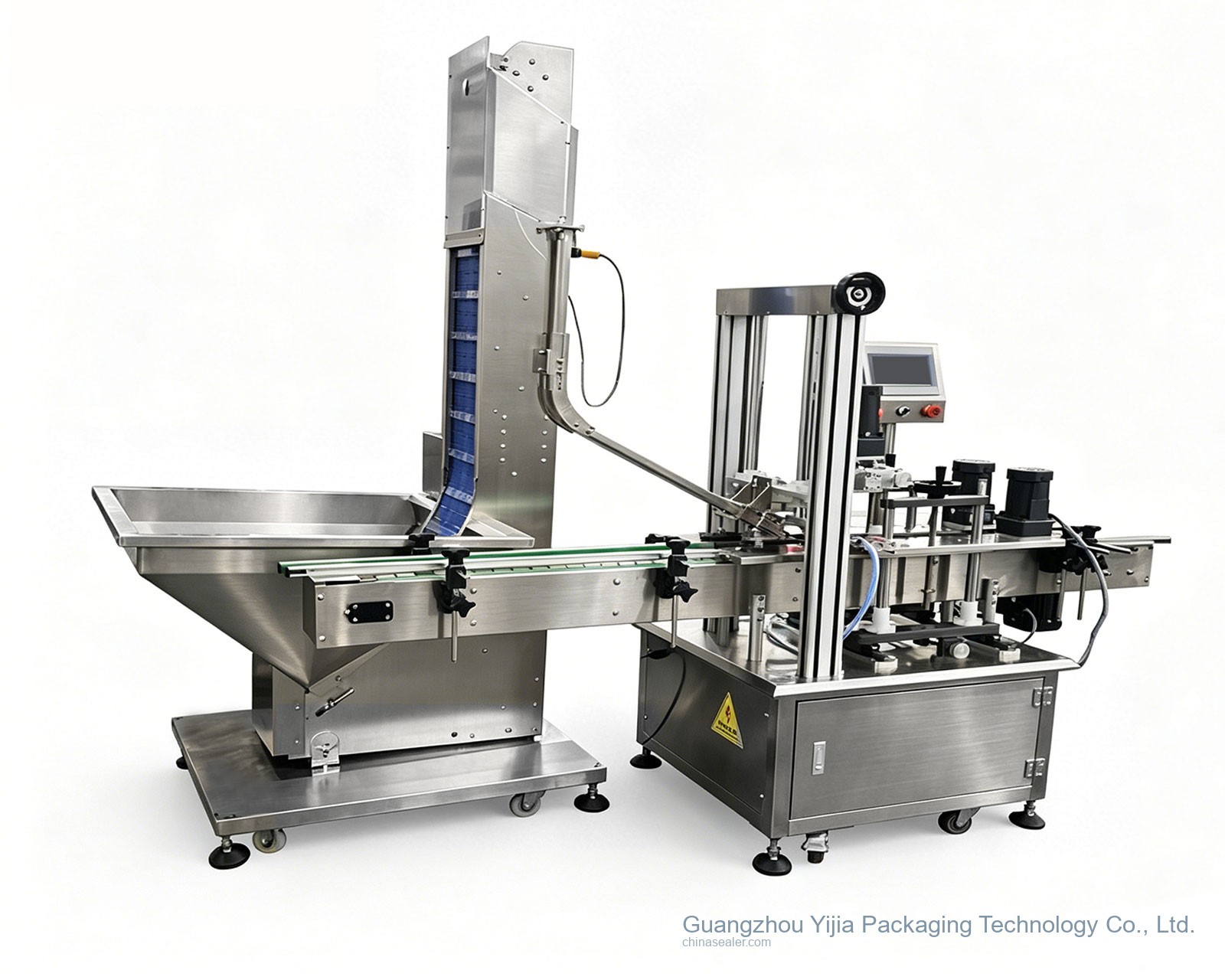 Automatic Screw Capping Machine
Capping; Configure the capping head by cap type. Torque is adjustable and suitable for threaded caps; Automatic screw capper
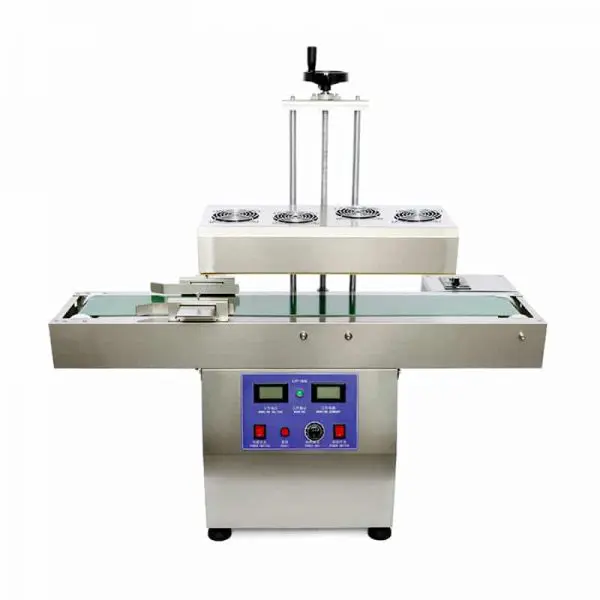 Inline Induction Foil Sealer
Capping; Configure the capping head by cap type. Torque is adjustable and suitable for threaded caps; Automatic screw capper
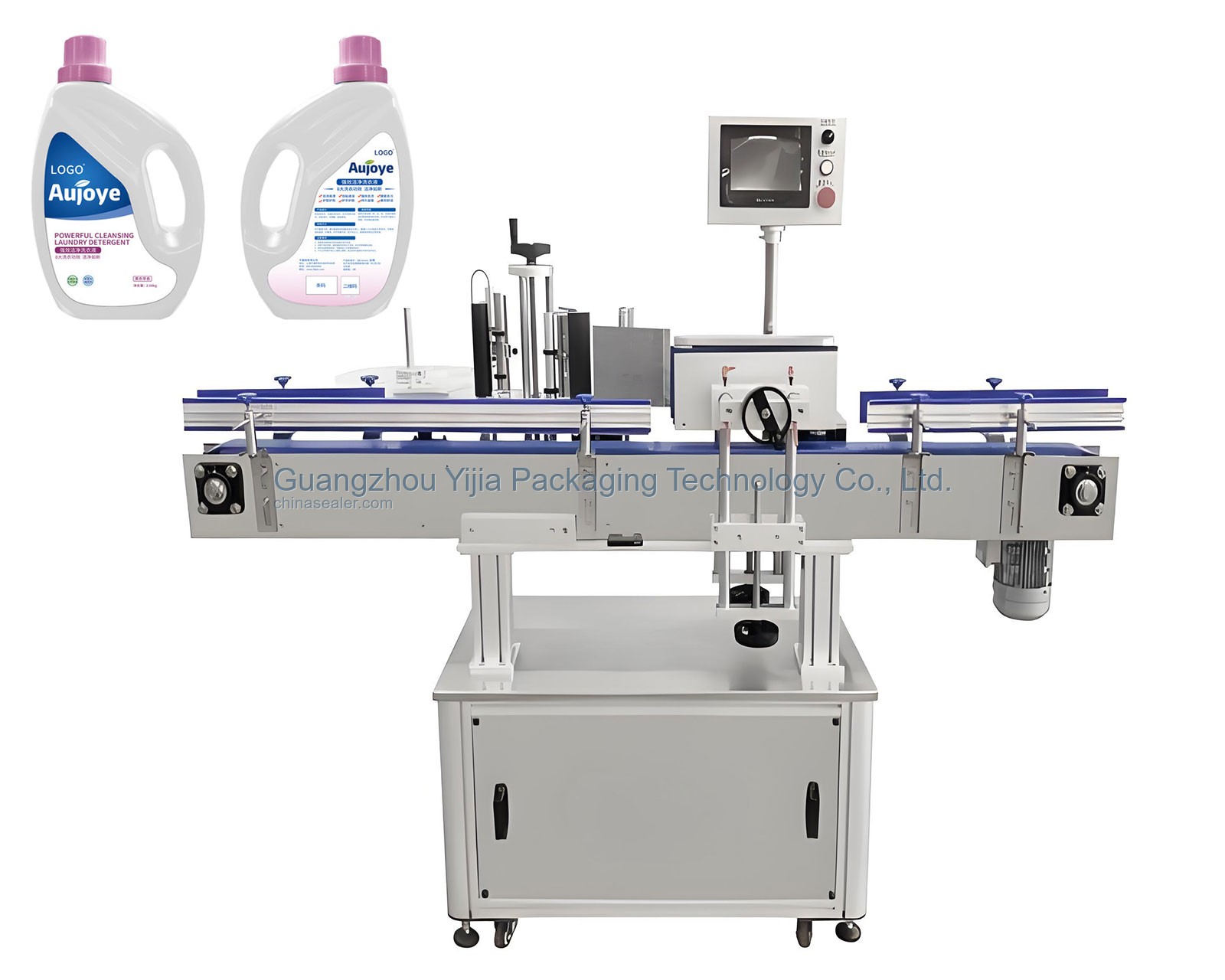 Round & Square Bottle Labeling Machine
Labeling; Configure the labeling head according to bottle shape and label position; it can be connected after capping; Round and Square Bottle Labeling Machine
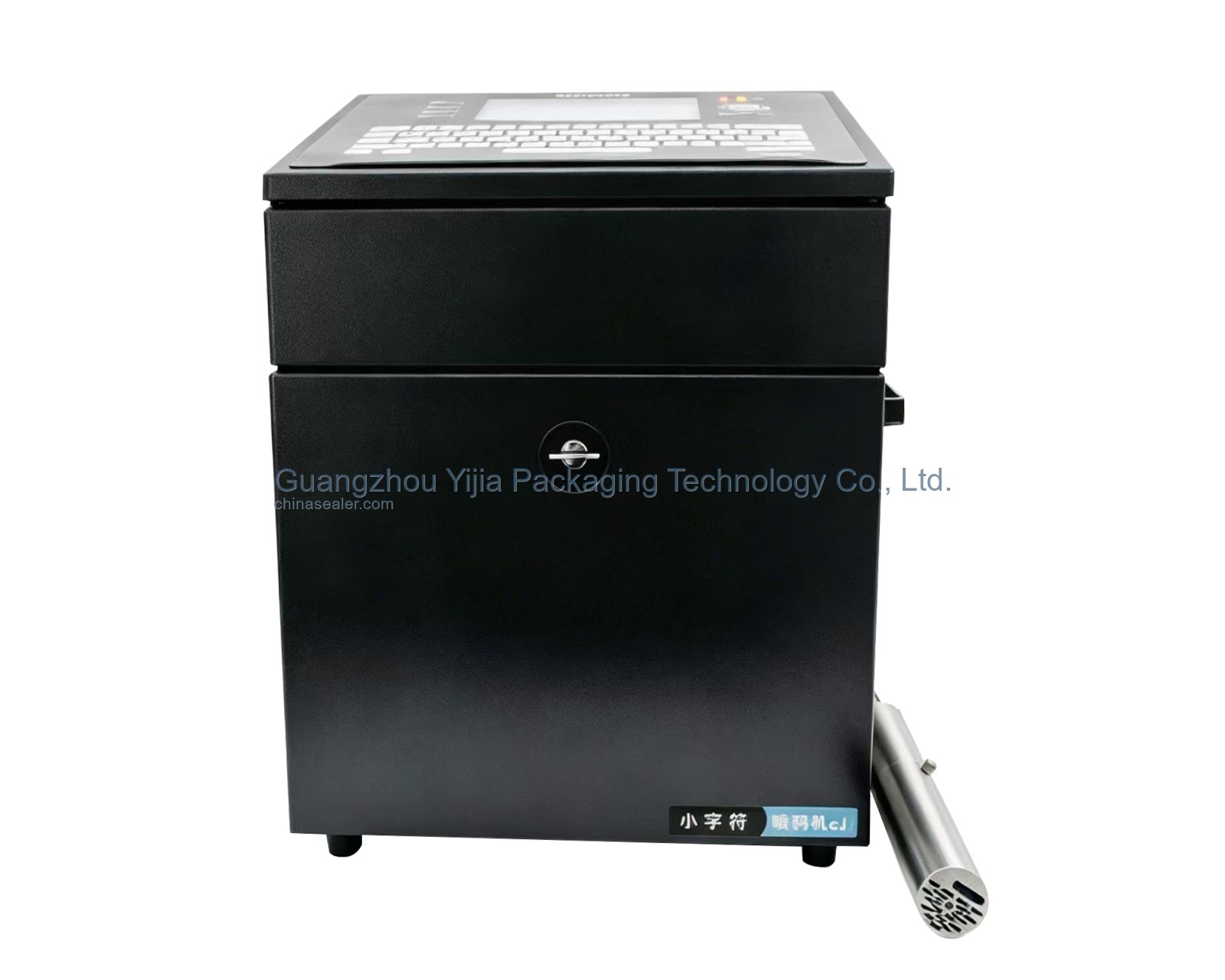 Date & Batch Inkjet Printer
Labeling; Configure the labeling head according to bottle shape and label position; it can be connected after capping; Round and Square Bottle Labeling Machine
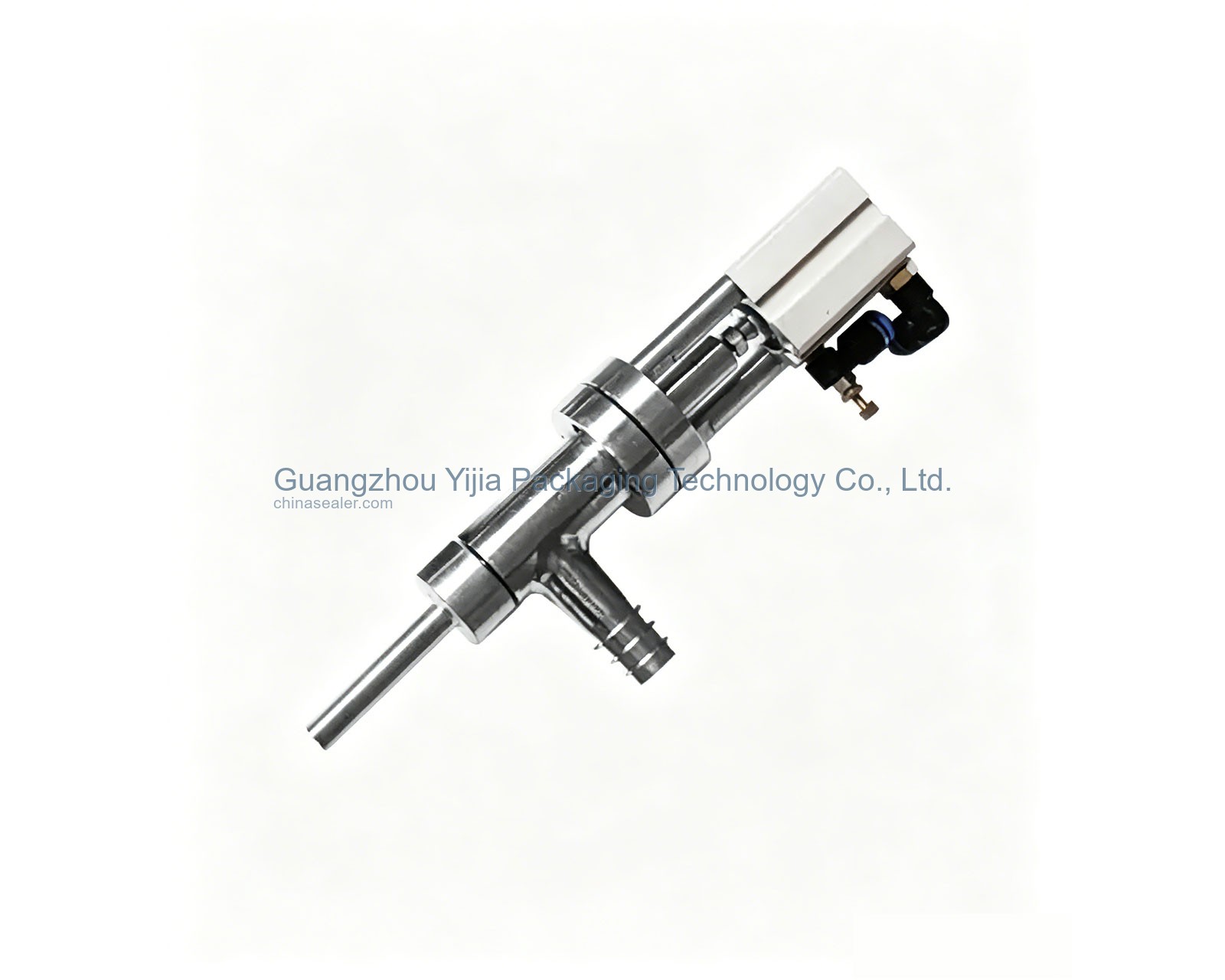 Anti-Drip Anti-Stringing Filling Nozzle Assembly
Sample and container confirmation; Use actual samples to confirm bottle mouth, cap type, label size, and filling-nozzle compatibility; honey bottle samples, cap sample...
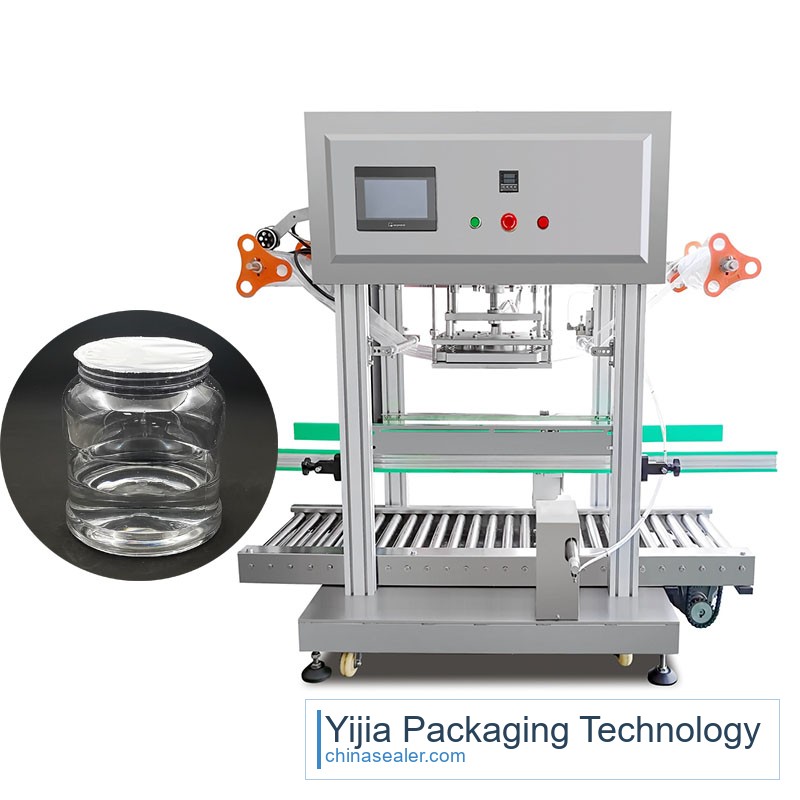 Bottle Inline Heat Press Sealer
Sample and container confirmation; Use actual samples to confirm bottle mouth, cap type, label size, and filling-nozzle compatibility; honey bottle samples, cap samples and label samples
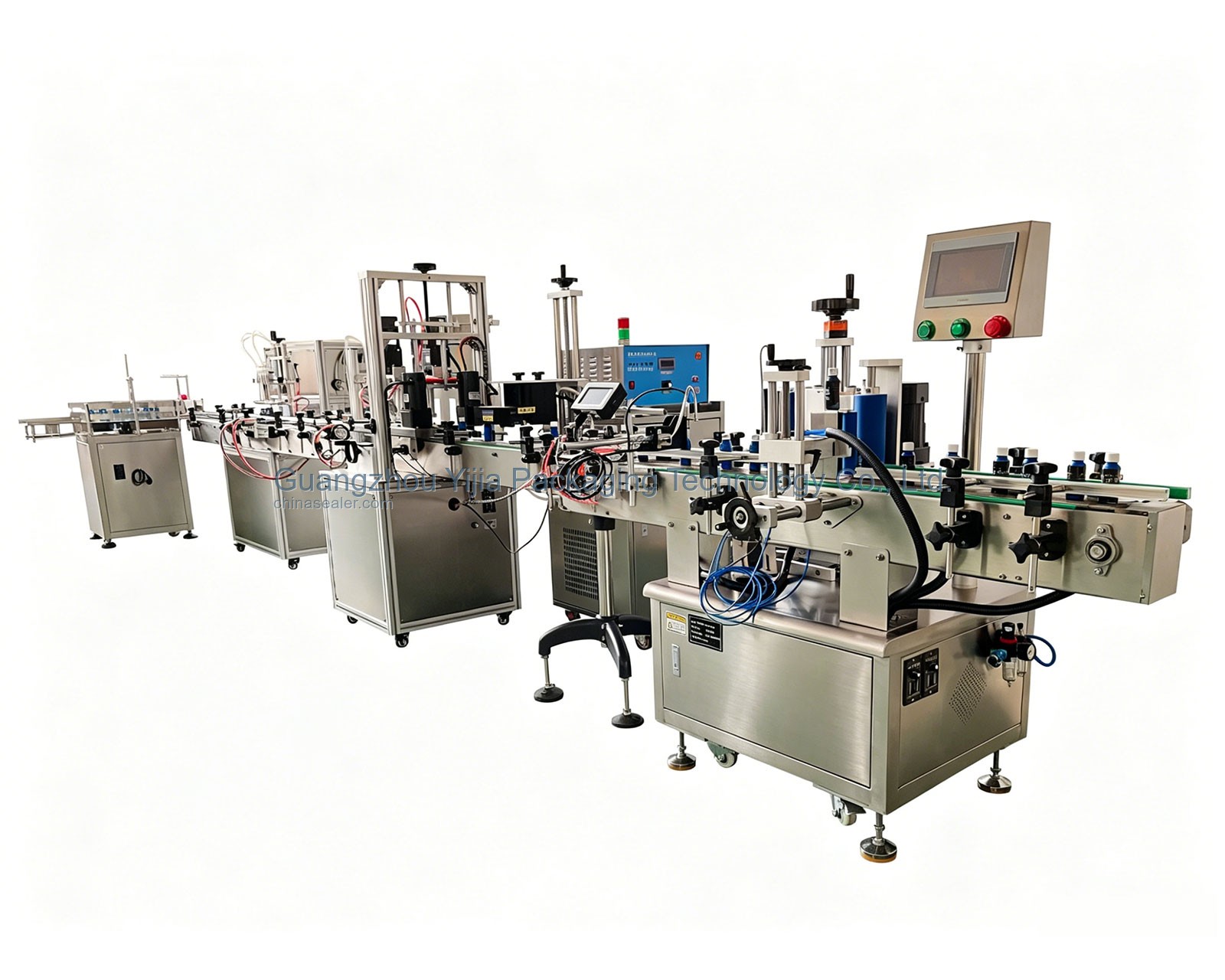 Automatic Feeding Conveying Sealing Line
Capping; Configure the capping head by cap type. Torque is adjustable and suitable for threaded caps; Automatic screw capper
Sample details
The state of the contents affects the filling method, contact materials, anti-drip, and safety configuration.
Honey samples or photos are used to confirm viscosity, color, crystallization, or particles, which affect filling nozzle and pump selection.Inline requirements affect equipment sequence, cycle time matching, and downstream inspection methods.
Bottle samples or dimensions, including mouth, body, height, and material, affect filling nozzles, capping heads, and labeling fixtures.The lid structure determines the capping method (press, screw, or place) and whether inline integration is needed.
Cap samples, such as screw caps, press caps, or inner plugs, affect capping or cap-pressing machine configuration.Inline requirements affect equipment sequence, cycle time matching, and downstream inspection methods.
Label sample or dimensions: label position, material, and labeling method affect labeling machine model.Capacity target determines single machine, semi-automatic, or continuous inline configuration, and also affects the quotation range.
Target output, such as hourly or daily volume, affects station count and line connection method.Site conditions affect electrical control, pneumatics, conveyor length, and safety protection configuration.
Site layout or photos, including space, power supply, and infeed and outfeed direction, affect equipment arrangement and conveyor design.Capacity target determines single machine, semi-automatic, or continuous inline configuration, and also affects the quotation range.
Even if the information is incomplete, you can first send available photos, dimensions, and target output. We will judge the route first and then list what still needs to be provided.Common selection mistakes
Common questions
Yes. Send honey photos, bottle dimensions, cap type photos, and target capacity first. We will determine the approach, then list the required supplementary information.
Honey sample or photo, bottle sample or dimensions, cap sample, label sample or dimensions, target capacity, and site layout are needed. Incomplete data is also acceptable; send what you have.
Target capacity determines the number of filling heads, capping stations, labeling speed, and whether inline integration is needed. Low speed can use standalone machines; high speed requires inline integration.
Honey has high viscosity. The anti-drip filling nozzle and heated hopper must be tested with the actual product, otherwise filling consistency and cleanliness may be affected.
Sealing effectiveness needs to be verified through sample, cap, and capping torque testing. If aluminum foil induction sealing is required, liner and induction parameters also need testing.
When capacity targets are high, manual handling needs to be reduced, or upstream/downstream equipment cycle times need to match, inline integration evaluation is recommended. Standalone configuration with inline interface provision is acceptable initially.