Applicable Containers
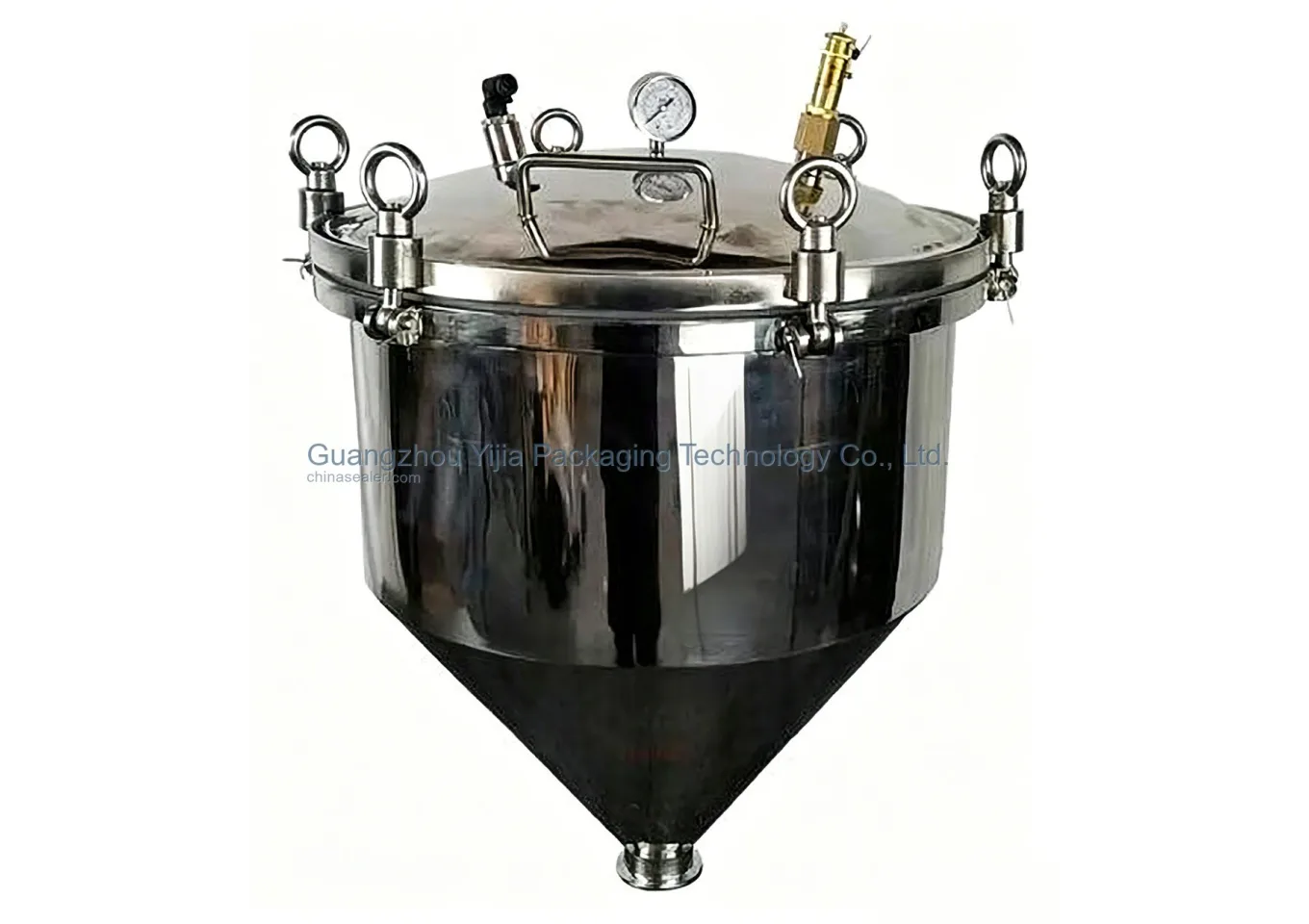
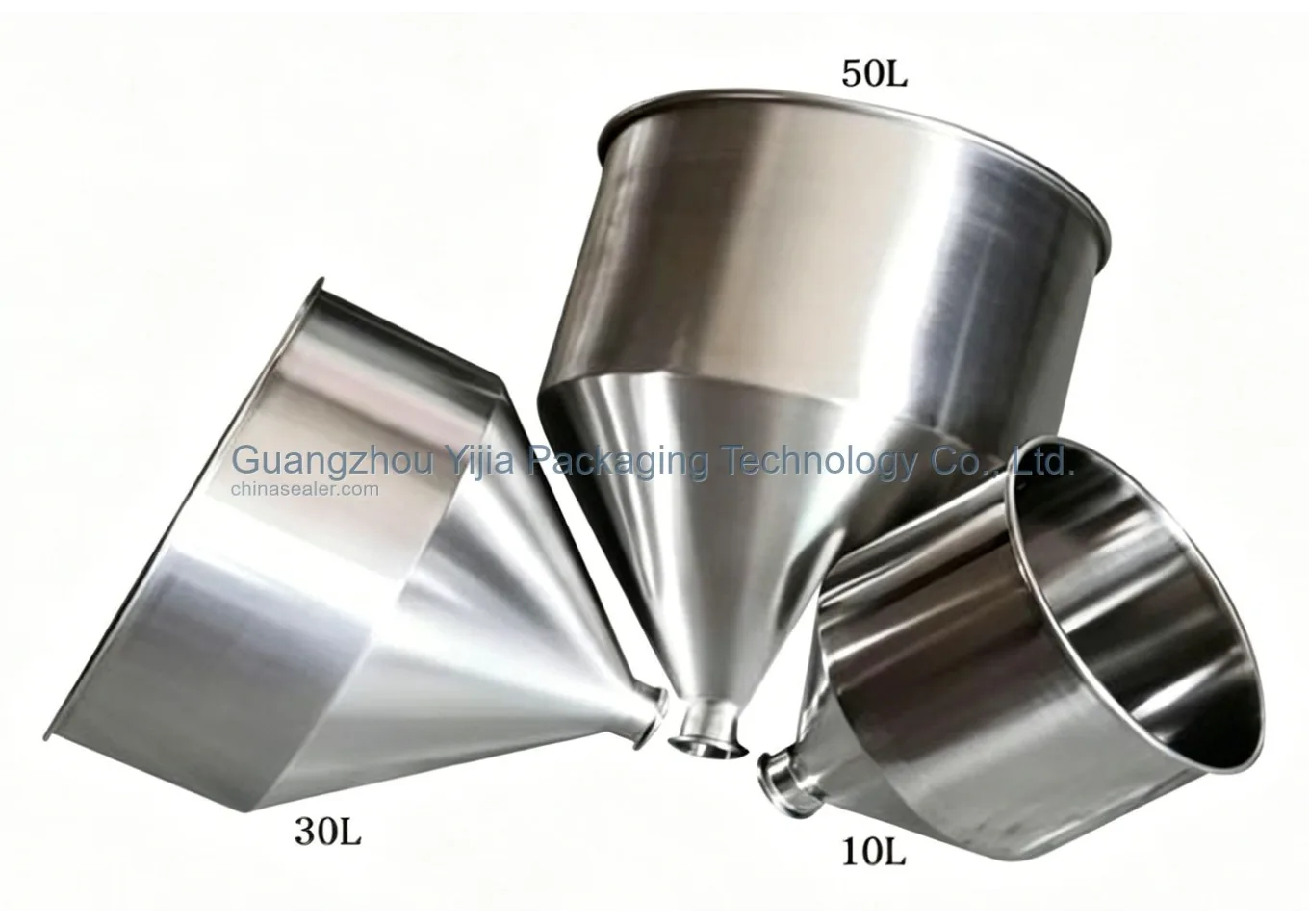
Hopper, jacketed tank, filling machine supply end
Filling / Dosing Equipment
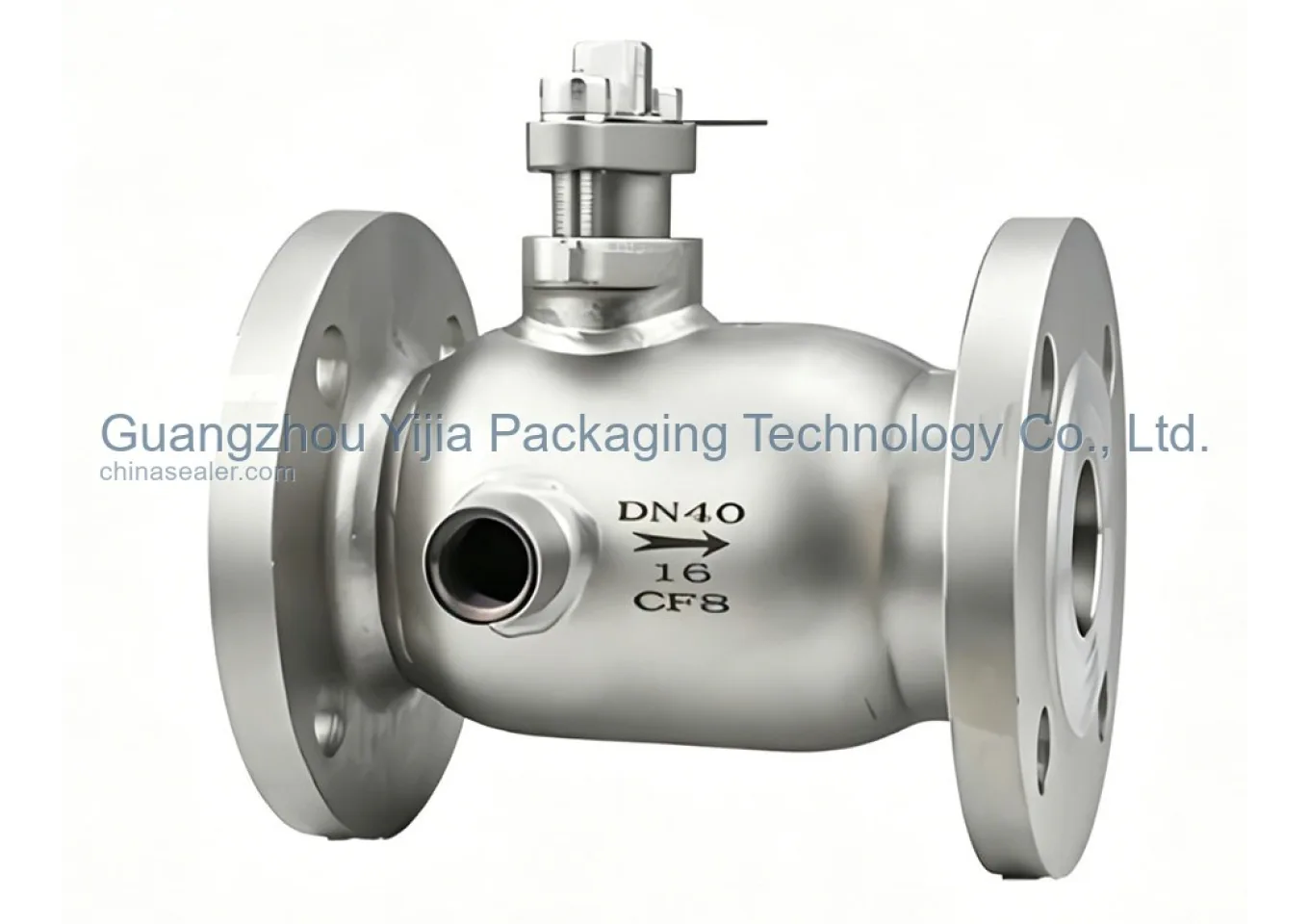
For projects needing temperature control, temporary storage or steady feed before filling, select the hopper or jacketed tank around the product, then pair it with a metering filler. Specify temperature, viscosity, particles, shear sensitivity, residence, settling and batch cleaning. Check heating medium, level, outlet and return, contact materials and drainage; trial the real product for temperature uniformity, feed stability and wall residue.


Selection points
These details decide machine structure, changeover method and quotation accuracy.
Hopper, jacketed tank, filling machine supply end
Insulation, agitation, level control, filling interface
Material heating, temporary storage, and stable supply
Confirm tank capacity and connections against product temperature, viscosity, feed flow and cleaning requirements.
Selection points
Photos, key dimensions, and packaging material details are enough to start; if details are incomplete, we will review the direction first.
Selection points
YJ-GZ-ZD370
Confirm based on container dimensions, material state, process, number of stations, and target speed.
Bottles, pails, cans, and small containers
Food, sauces, daily chemicals, cosmetics, medical consumables, and chemical packaging
Product temperature holding, temporary storage and feeding; heating medium and agitation are configured by project.
Send product, container, material, dimensions and target output.
Confirm configuration by process, changeover, cycle time and line needs.
Test sealing, filling, labeling or inspection results when needed.
Quote after confirming power, layout, lead time and spare parts.
Configuration selection
The heated hopper or jacketed tank controls temperature, holds product and feeds the filler; a piston or pump filler meters the dose. Use product temperature, viscosity and particle information to check feed connections, continuous feed and cleaning requirements before selecting the combination.
Confirm sample compatibility, effect and basic parameters first.
Focus on station count, operating rhythm and changeover method.
Evaluate feeding, discharge, coding, inspection and floor space separately.
Filling / Dosing Equipment
Selection points
It can be initially assessed based on standard structure, but not just by name. Need to confirm target temperature, viscosity change, cleaning method, interface dimensions, and then check whether it suits the on-site cycle time based on fill volume, material state, number of heads, and loading/unloading method.
Material heating, temporary storage, and stable supply are affected by the dimensions of the hopper, jacketed tank, filling machine supply end, insulation, agitation, level control structure, and the state of honey, sauce, and paste. The clearer the samples, the easier to determine the mold, temperature, pressure, torque, or inspection method.
Confirm as the supply and temperature control module of the filling machine. If there is existing upstream/downstream equipment, synchronously confirm conveying height, direction, speed, and signal interface.
It is recommended to review sample test results, key dimensions, consumable specifications, power and air supply, cleaning and maintenance methods, and spare parts list to avoid modifying molds or adjusting stations on-site.
Send Sample Information
Send a sample or temperature-viscosity data, particles, temperature window, batch and residence, agitation need, feed height and flow, contact material, cleaning and drainage.