Solution topic
Bottle Cap Sealing Configurations: Screw Capping Without Liners, Induction Inner Sealing, and Post-Sealing Inspection
Distinguish screw capping without liners, induction aluminum foil inner sealing after screw capping, and direct heat sealing of film, and explain the configuration boundaries for c
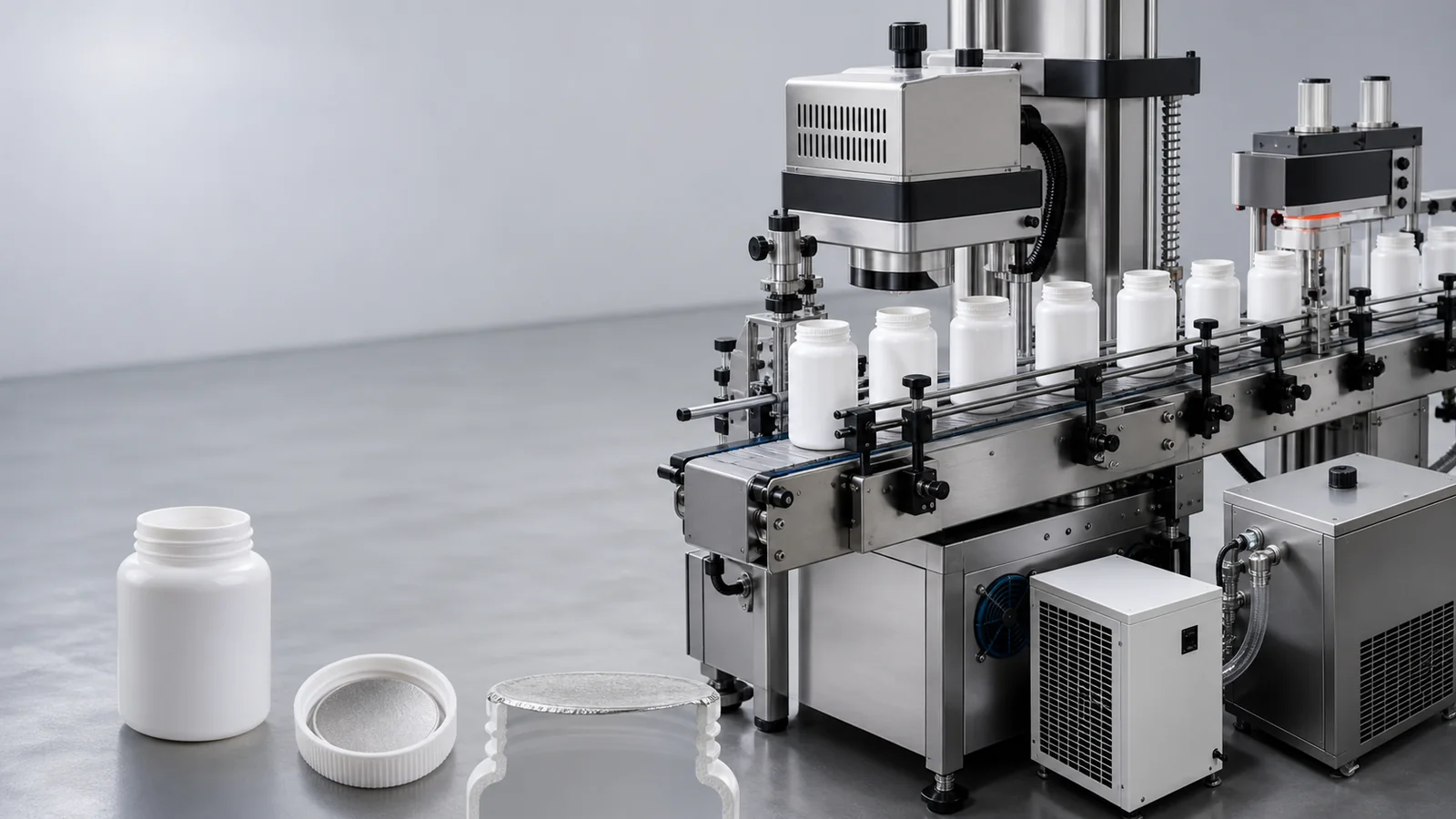
- Bottle caps without aluminum foil liners are only screw capped; when a compatible liner is present, the cap is usually screwed on and pressed first, then induction sealed; direct film placement and heat sealing is another structure. Liquid level, cap tilt, and missing cap inspections need to be configured separately based on identifiable defects.
Solution summary prepared for you
- When the cap has no aluminum foil liner, only capping and screw capping are performed. When the cap has a compatible liner, usually screw capping presses it first, then induction inner sealing is performed.
- Direct film placement on the bottle mouth should use an inline heat sealing machine; this is a different packaging structure from cap liner induction and cannot share process conditions.
- Liquid level and skewed/missing cap equipment inspect according to defined abnormalities. They do not replace the process acceptance of tightening, induction inner sealing, or heat sealing film.
Route comparison
- Projects where the cap has no aluminum foil liner and only stable cap supply and screw tightening or corresponding cap assembly are required.
- Cap supply, capping, and tightening processes are clear, suitable for packaging where the cap itself has no aluminum foil liner.
- Cap type, threads, bottle body clamping, and opening requirements all need actual sample debugging; this route does not produce aluminum foil inner sealing.
- When a compatible aluminum foil composite liner is configured inside the cap and inner sealing is required, an induction station must be added.
- Use the cap feeding and capping system and automatic screw capper; when the cap type is press-on, evaluate the screw capping and press capping equipment with samples.
- Packaging where the cap has a compatible aluminum foil composite liner and the liner can contact the bottle mouth flatly after capping.
- The cap component first makes the liner contact the bottle mouth, then induction inner sealing is performed, suitable for continuous bottle filling processes or independent sample verification.
- Liner heat seal layer, bottle mouth material, cap pressing, and bottle body passing state are all indispensable; equipment type is determined by testing.
- When there is no induction liner inside the cap, or the sealing component is a separate membrane placed directly on the bottle mouth, this process is not used.
- After capping, choose among inline, water-cooled, or benchtop air-cooled induction foil sealing machines, and test with the cap-liner combination sample.
- Packaging structure where the sealing film is placed directly on the bottle mouth and the bottle body can be stably positioned and supported.
- A separate membrane can be positioned and heat sealed directly on the flat bottle mouth, and the outer cap is assembled as needed after sealing.
- Film heat seal layer, bottle mouth flatness, film placement direction, and heat deformation must all be verified with complete samples.
- When the packaging uses a cap liner, return to the post-capping induction process and do not replace it with separate membrane heat sealing.
- Use an inline heat sealing machine for bottles, and configure support and positioning according to the bottle mouth, film, and post-filling residue.
Associated Equipment / Consumables
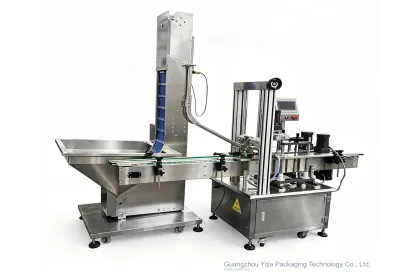 Automatic Screw Capping Machine
The machine feeds, picks or places, pre-engages and tightens screw caps. Screw capping, press-on capping, crimping and metal-can seaming are different closing processes. Bottle stability, cap orientation, thread engag...
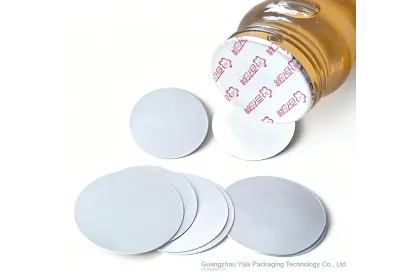 Leak-proof Bottle Cap, Inner Plug and Gasket Set
Packaging structure identification; Merely stating aluminum foil sealing cannot determine the process sequence; cap liner induction and bottle mouth film heat sealing...
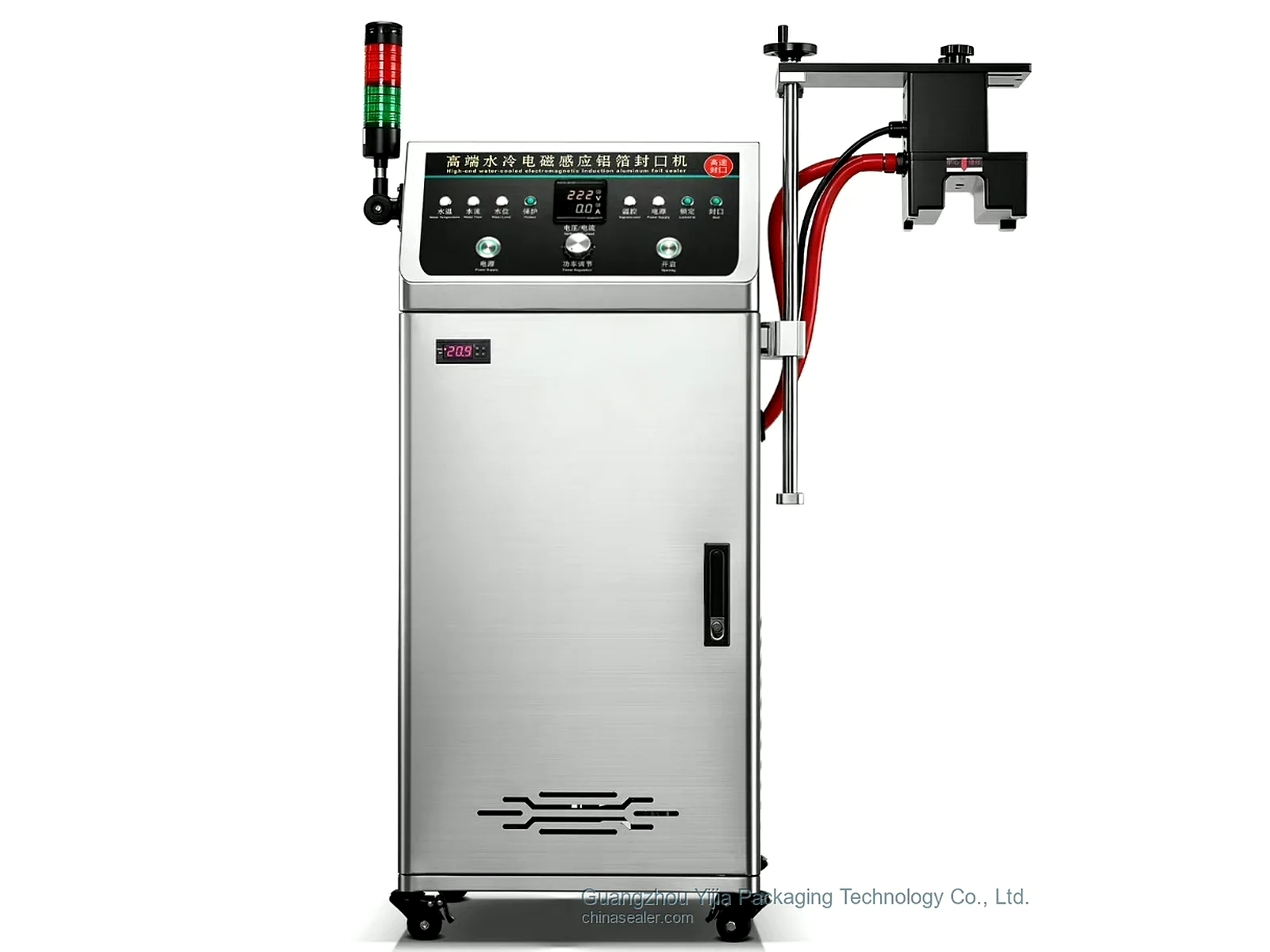 Inline Induction Foil Sealing Machine
Core process
First disassemble the bottle body, bottle mouth, cap type, inner plug, liner, or separate membrane to determine whether the sealing component is inside the cap or directly on the bottle mouth.
Threaded caps without aluminum foil liner are stably supplied by the cap feeding and capping system, and the automatic screw capper is debugged for capping, bottle holding, and tightening according to the cap combination.
When the cap has a compatible aluminum foil liner, first let the cap component press the liner stably, then choose inline, water-cooled, or benchtop air-cooled induction equipment according to the operation mode.
When a separate membrane is placed directly on the flat bottle mouth, the inline heat sealing machine completes positioning and heat sealing, then the outer cap is assembled according to the packaging structure.
After the main sealing process passes sample testing, the liquid level inspection and rejection machine and the cap skewed/missing cap inspection machine are arranged downstream according to defined abnormalities.
Sample acceptance is recorded separately for screw capping, induction, or heat sealing, and then inspection rejection and manual review are connected to the same abnormality handling process.
Sample details
Bottle mouth material, outer diameter, flatness, and bottle body passing posture are used to determine cap assembly, induction, or heat sealing conditions.
Submit production bottle samples, bottle mouth close-up photos, key dimensions, and bottle body state after fillingThe cap type determines the tightening or pressing action, and the liner position determines whether to enter induction equipment after capping.
Provide complete cap components, inner plugs, aluminum foil liners, and assembled opening samplesThe separate membrane route requires checking dimensions, heat seal layer, film placement direction, and bottle mouth support, and reproducing filling residue.
If the bottle mouth is directly filmed, submit the film, film placement method, and bottle mouth samples after production fillingContinuous operation arrangement, bottle pitch, direction, and on-site interfaces are used to select the induction equipment type and downstream inspection position.
Explain production arrangement, upstream and downstream stations, conveying direction, on-site space, and abnormal bottle exit positionInspection rules require repeatable qualified and abnormal samples, and clarify alarm, rejection, and manual review actions.
Submit normal liquid level, abnormal liquid level, missing cap, skewed cap samples, and corresponding acceptance methodsCommon selection mistakes
Without an aluminum foil composite liner, induction energy lacks the corresponding sealing component, and the equipment cannot replace normal screw capping action.
The liner needs to be pressed flat against the bottle mouth by the cap component; the induction station is usually located after stable capping.
A separate membrane relies on direct heat sealing and bottle mouth support, while a cap liner relies on induction heating after the cap component presses it.
Missing/skewed cap detection observes defined cap features and cannot indicate whether the liner is bonded or whether the cap torque is qualified.
Liquid level inspection depends on the product, container transparency, and abnormal samples; the functional scope must be defined in actual bottle testing.
View detailed technical notes
First Identify the Actual Sealing Component
Bottle cap sealing configurations are determined starting from the location of the sealing component. Without a liner, only cap assembly is performed; when a liner is inside the cap, induction sealing is applied after screw capping; when a separate membrane is placed on the bottle mouth, heat sealing is used.
Cap Liners Are Evaluated with Combined Samples
The sample set should include bottles, complete cap assemblies, inner plugs, liners, or separate membranes, and reproduce the bottle mouth after filling. This is necessary to determine the cap action and sealing process.
The No-Liner Route Ends with Cap Assembly
When the cap has no aluminum foil liner, the cap feeding and tightening are completed by the cap unscrambling and feeding system and the automatic screw capping machine. For press-on caps, the assembly action is verified with actual samples, and the finished product is also checked for cap height, opening, and bottle clamping status.
Liner Induction Sealing Is Arranged After Screw Capping
When the cap has a compatible aluminum foil liner, first complete the cap feeding and tightening so that the liner lies flat against the bottle mouth, then choose an online, water-cooled, or benchtop air-cooled induction sealing system, and retain liner positioning and opening samples.
Direct Film Sealing Uses Online Heat Sealing
When a separate membrane is placed directly on the bottle mouth, use an online heat sealing machine for bottles. Bottle mouth support, membrane positioning, heat seal layer, and filling residue all participate in the trial.
Induction Sealing Equipment Type Is Selected Based on Operating Conditions
Online induction sealing is suitable for integration with conveying; water-cooled or benchtop air-cooled forms are evaluated based on operating conditions and bottle samples. The selection result comes from liner and bottle mouth testing.
Liquid Level and Cap Abnormalities Are Inspected Separately
The online liquid level inspection and rejection machine operates according to the agreed liquid level abnormalities, and the cap tilt/missing cap inspection machine judges defined cap characteristics; both are set up with separate samples.
Post-Sealing Inspection Does Not Replace the Main Process
Inspection equipment cannot explain the results of tightening, liner bonding, or heat sealing. Main process samples and downstream abnormal samples should use their respective inspection methods.
Record Sealing and Inspection Results Station by Station
Line acceptance is recorded station by station for cap feeding, cap application, induction or heat sealing, liquid level inspection, cap inspection, and rejection. Anomalous products should also have a manual re-inspection path reserved.
Common questions
Do caps without an aluminum foil liner need induction sealing?
When the cap has no aluminum foil liner, it is sufficient to complete cap feeding, capping, and tightening. Induction equipment requires a compatible aluminum foil composite liner inside the cap.
What is the process sequence for caps with liners?
First, the cap component presses the liner flat against the bottle mouth, then induction inner sealing is performed. The bottle, cap, liner, and capping state should be treated as a combined sample.
How to distinguish induction inner sealing from direct heat sealing?
When a separate membrane is placed directly on the bottle mouth, choose heat sealing. When the cap has a built-in aluminum foil liner, choose induction after capping; the sealing component positions differ.
How to choose among the three induction equipment types?
Evaluate among inline, water-cooled, or benchtop air-cooled equipment based on the bottle mouth and liner, bottle body clearance conditions, continuous operation arrangement, and sample testing.
Can skewed/missing cap detection determine the inner seal status?
It can check for missing caps, skewed caps, or agreed cap appearance according to samples. The liner bonding and tightening results still need to be reviewed by the corresponding process method.
What needs to be prepared for post-sealing inspection configuration?
First provide qualified and defective bottle samples, and clarify identifiable liquid level boundaries, cap abnormalities, rejection actions, and manual review procedures.