Applicable Containers
Plastic pails, wide-mouth pails, food pails, paint pails, chemical pails
Bottle / Pail / Can Sealing Equipment
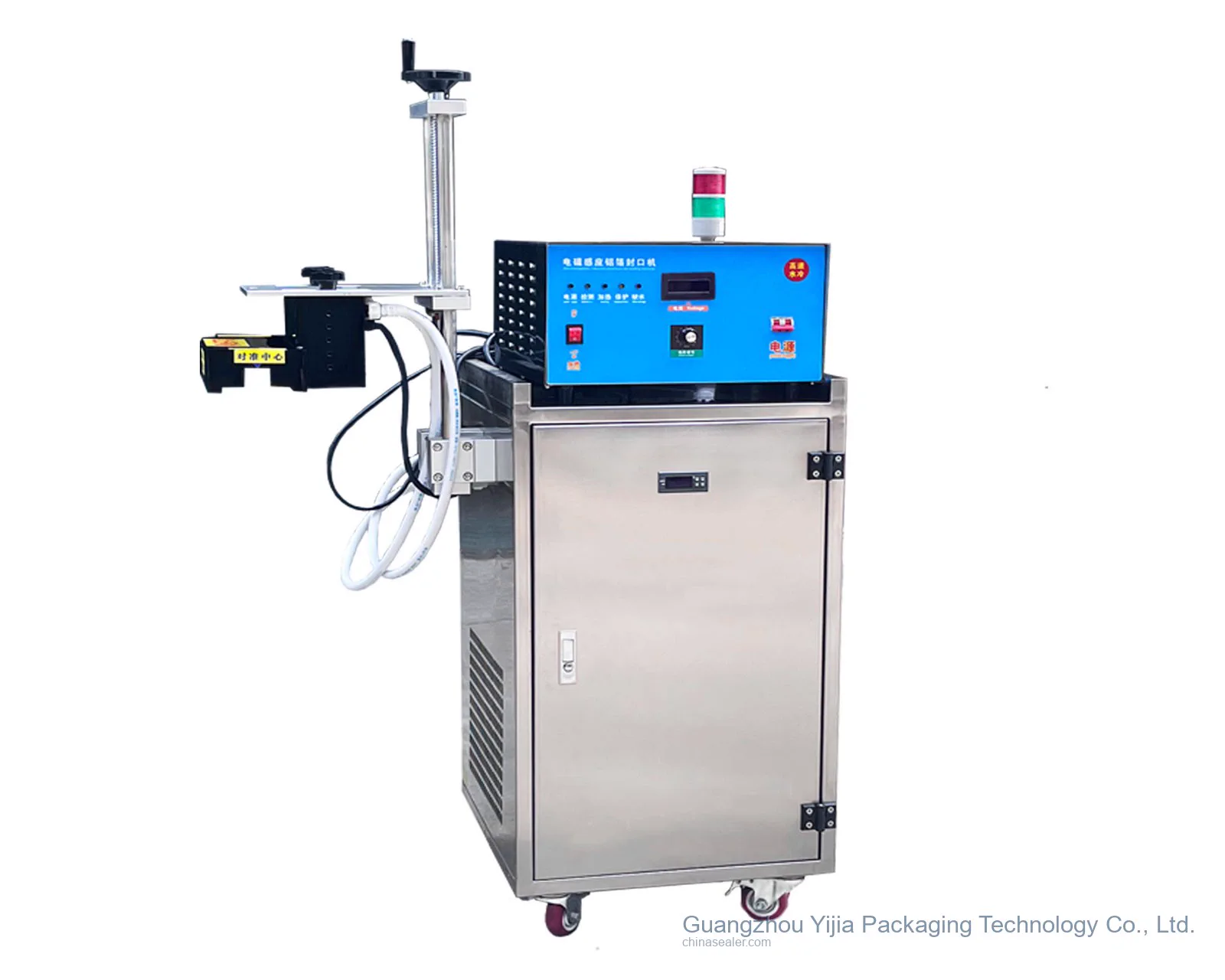
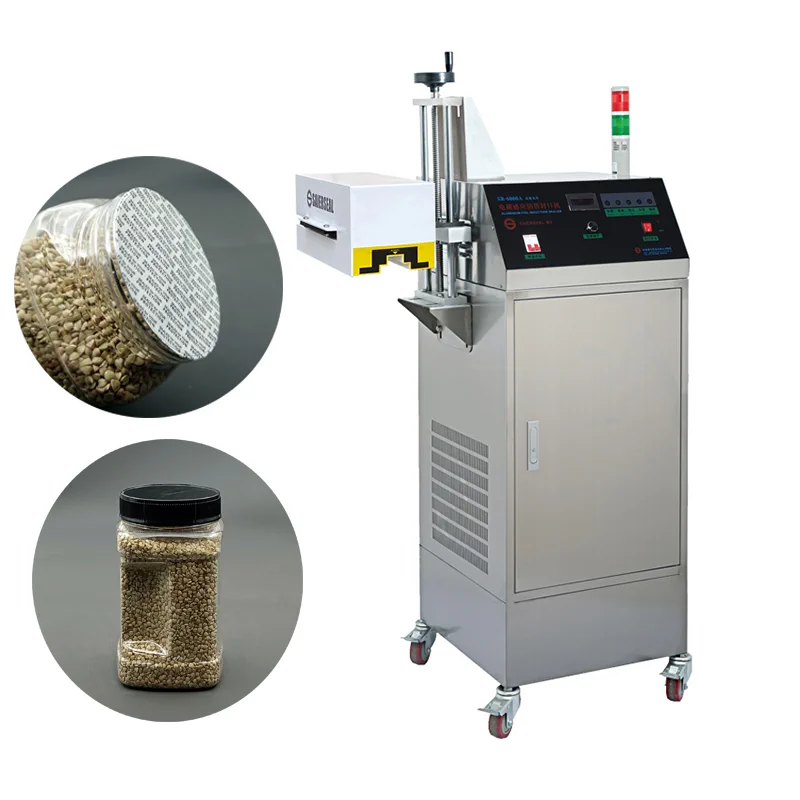
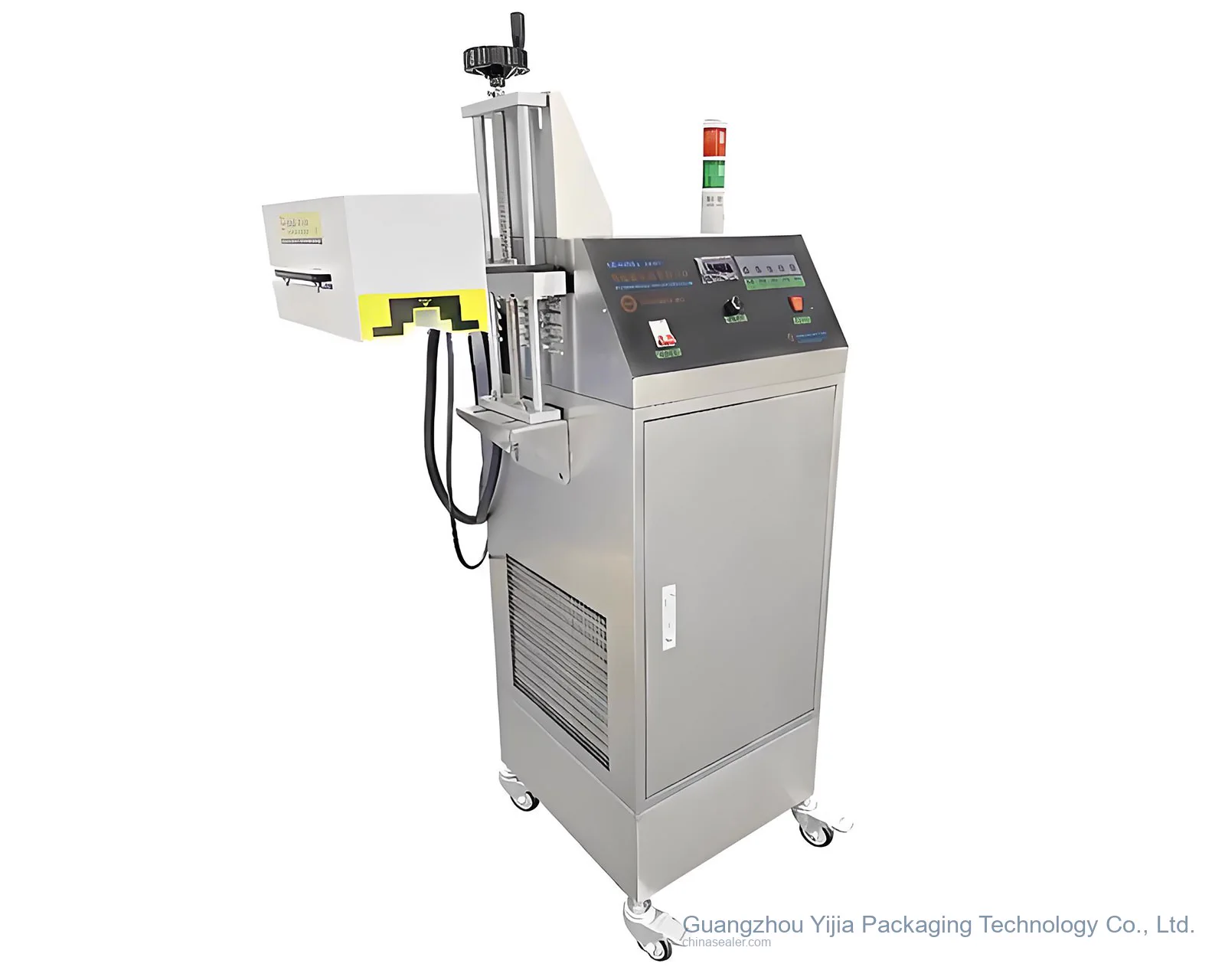
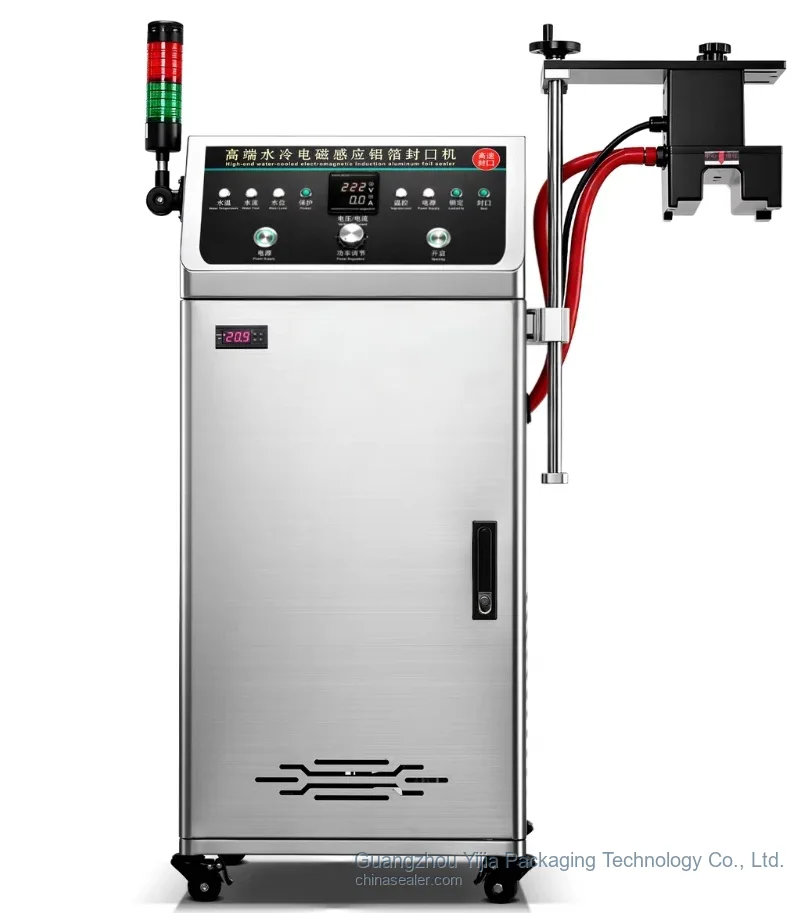
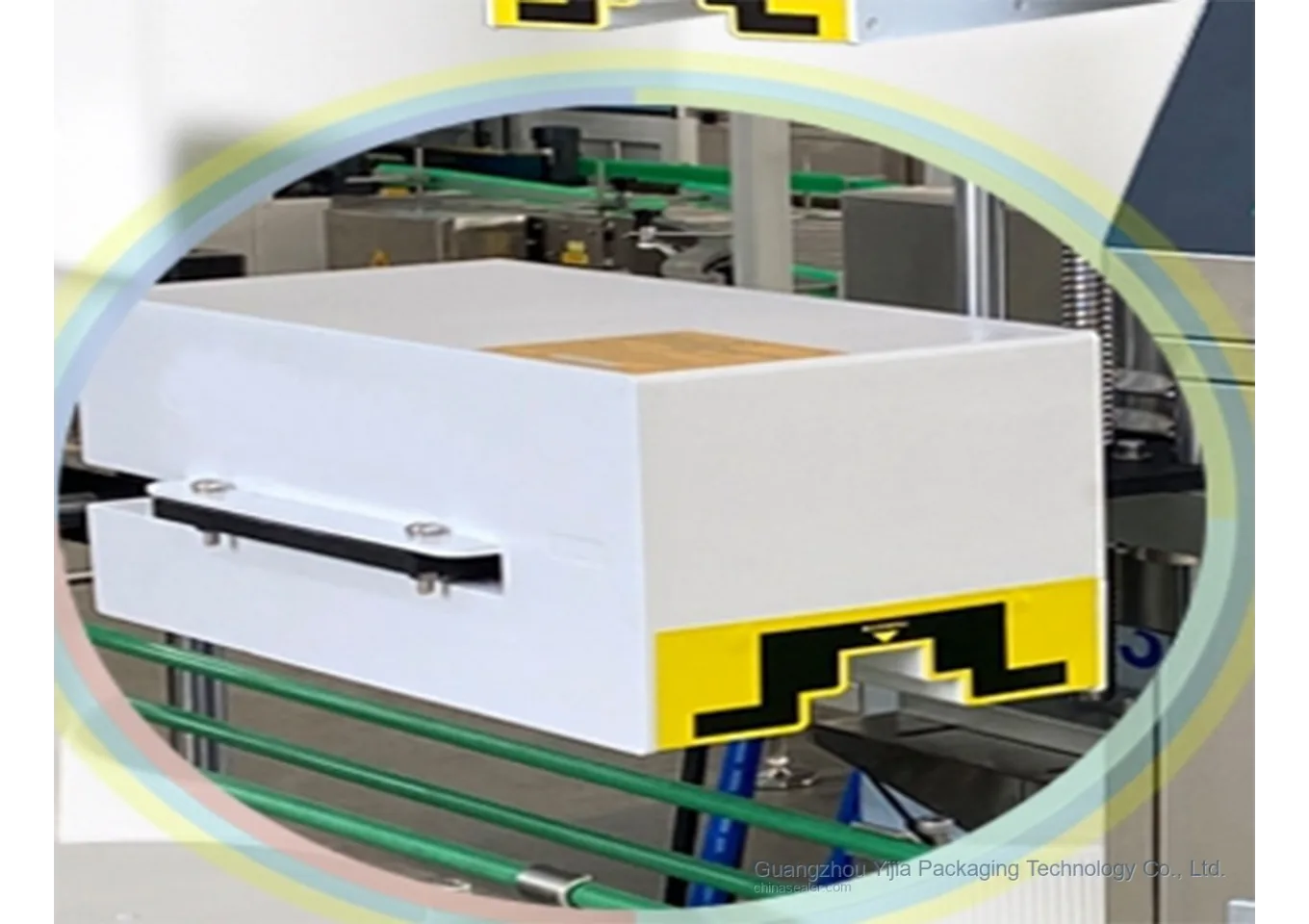
This water-cooled inline induction cap sealer combines a separate power/cooling cabinet with an adjustable induction head over a conveyor. It normally runs after capping and before labeling or coding, heating an induction foil liner inside the closure so its sealant layer bonds to a compatible non-metal container rim. Diameter alone cannot define the machine: send capped containers, liner construction, bottle height, conveyor pitch, target duty, and layout for sample trials and continuous-run verification.
View Product Video
Video confirms inline transport and head structure; it does not establish speed or seal acceptance.
Actual equipment and operating steps are shown here. Final suitability depends on the agreed samples and equipment scope.
Selection points
These details decide machine structure, changeover method and quotation accuracy.
Plastic pails, wide-mouth pails, food pails, paint pails, chemical pails
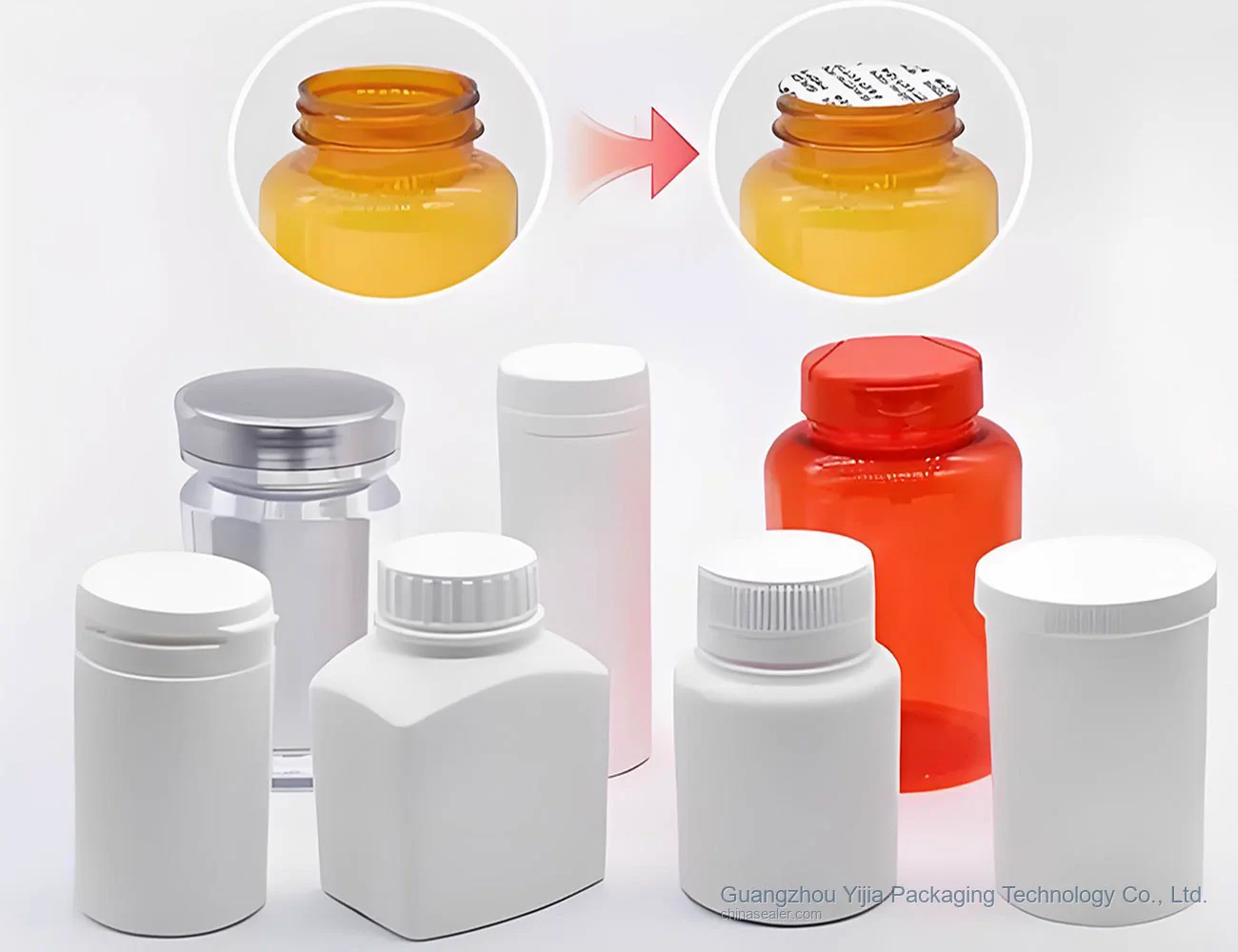
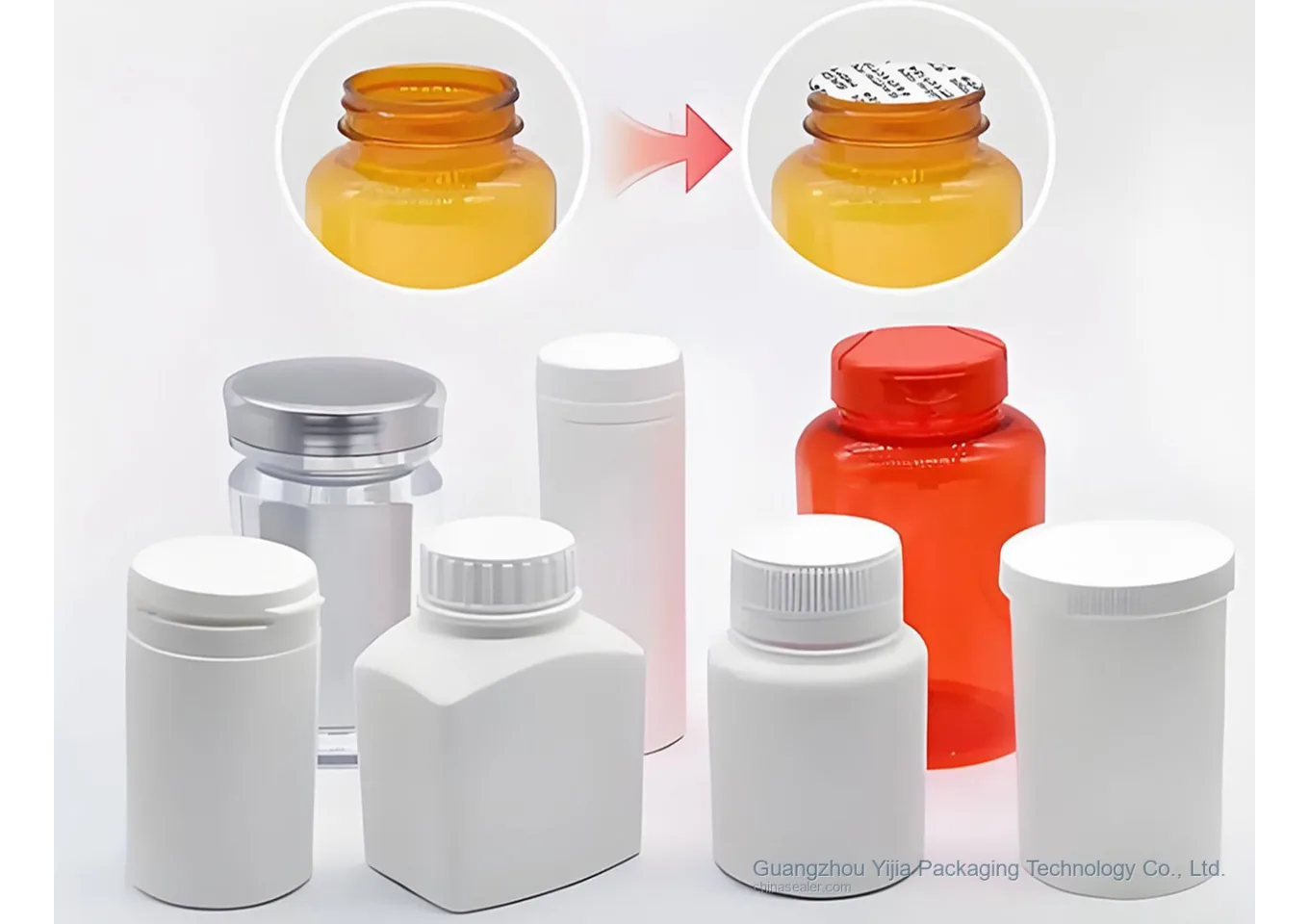
Aluminum foil liners, composite liners, bottle caps, cap liners
Non-contact induction aluminum foil sealing
Confirmed based on diameter, number of stations, sealing method, and conveying speed; can be benchtop, semi-automatic, or in-line conveying configuration
Selection points
Photos, key dimensions, and packaging material details are enough to start; if details are incomplete, we will review the direction first.
Selection points
These details decide machine structure, changeover method and quotation accuracy.
YJ-LBFK-ZD300
No fixed speed is stated before trials; confirm with capped production containers, induction liners, pitch, seal results, and continuous thermal duty.
Separate water-cooled power/cooling cabinet and adjustable induction head installed over a continuous conveyor; not a benchtop or handheld unit.
Capped non-metal bottles, jars, and pails fitted with a matched induction foil liner; trial any influence from metal components.
Confirmed based on sample dimensions, diameter, height, and sealing edge width.
Food, sauces, daily chemicals, cosmetics, medical consumables, and chemical packaging
One-piece or two-piece induction foil liners; trial the sealant layer, rim material, cap pressure, and opening result as one system.
Continuous inline induction foil inner sealing after capping; post-seal screening and rejection are a separately defined inspection scope.
Configuration selection
Photos, key dimensions, and packaging material details are enough to start; if details are incomplete, we will review the direction first.
Send product, container, material, dimensions and target output.
Confirm configuration by process, changeover, cycle time and line needs.
Test sealing, filling, labeling or inspection results when needed.
Quote after confirming power, layout, lead time and spare parts.
Configuration selection
First decide whether it is trial work, small batches or stable production, then confirm tooling, pump heads, sealing heads and optional functions.
Bottle / Pail / Can Sealing Equipment
First decide whether it is trial work, small batches or stable production, then confirm tooling, pump heads, sealing heads and optional functions.
Selection points
These details decide machine structure, changeover method and quotation accuracy.
No. Output depends on the actual model, head, neck, liner, pitch, power configuration, and continuous thermal load. Verify it with production samples and the intended shift.
No. Use an induction liner matched to the container rim and closure, then confirm sealant orientation, cap pressure, rim flatness, and opening requirement.
A conventional in-cap liner route normally caps first so the liner contacts the rim. Capless induction is a different machine route and must not be assumed interchangeable.
Define sampling, appearance, peel or destructive opening, skips, overheating, rim deformation, and continuous-run records. Thermal screening or automatic rejection needs a separate acceptance boundary.
Send Sample Information
Send photos, dimensions, material and output target so we can judge whether this model fits.