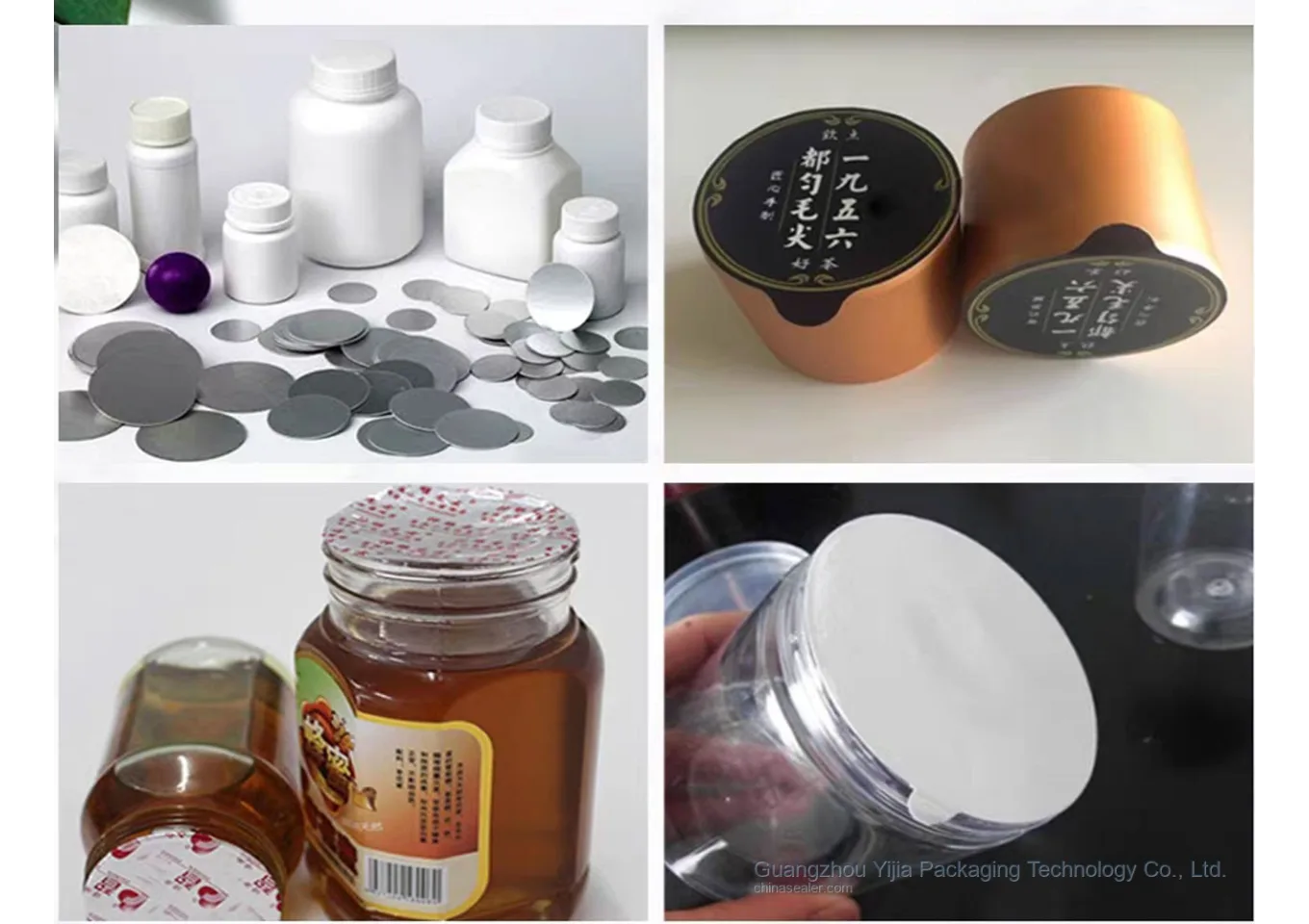
Bottle / Pail / Can Sealing Equipment

Benchtop Air-Cooled Induction Foil Sealer

Confirm that the foil liner matches the container rim and is consistently compressed by the cap before discussing power, speed or whether air cooling is sufficient.

Selection with samplesParameters confirmed per project
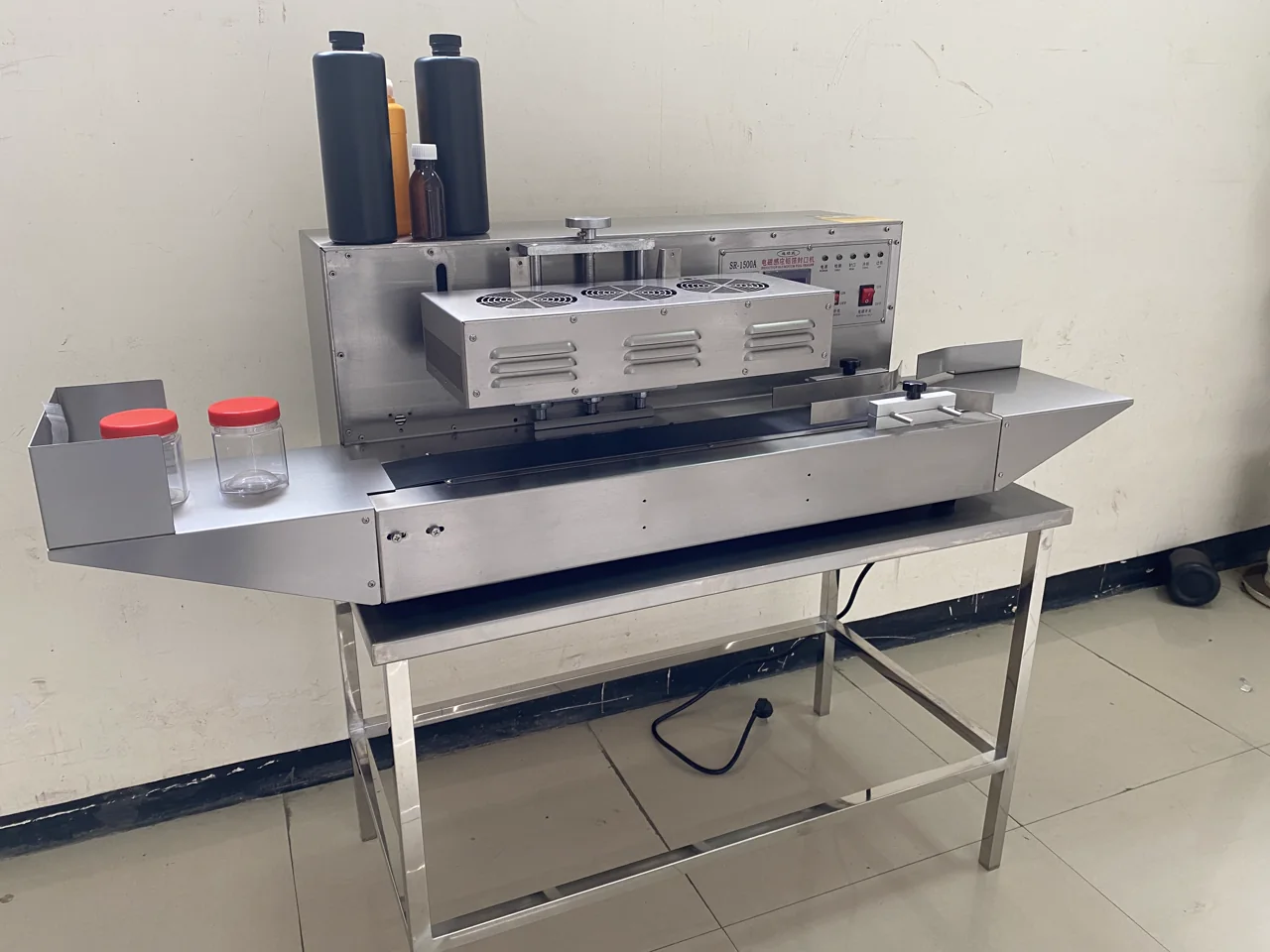
Air-Cooled Induction Foil Sealing Machine Sample

Factory equipment photos

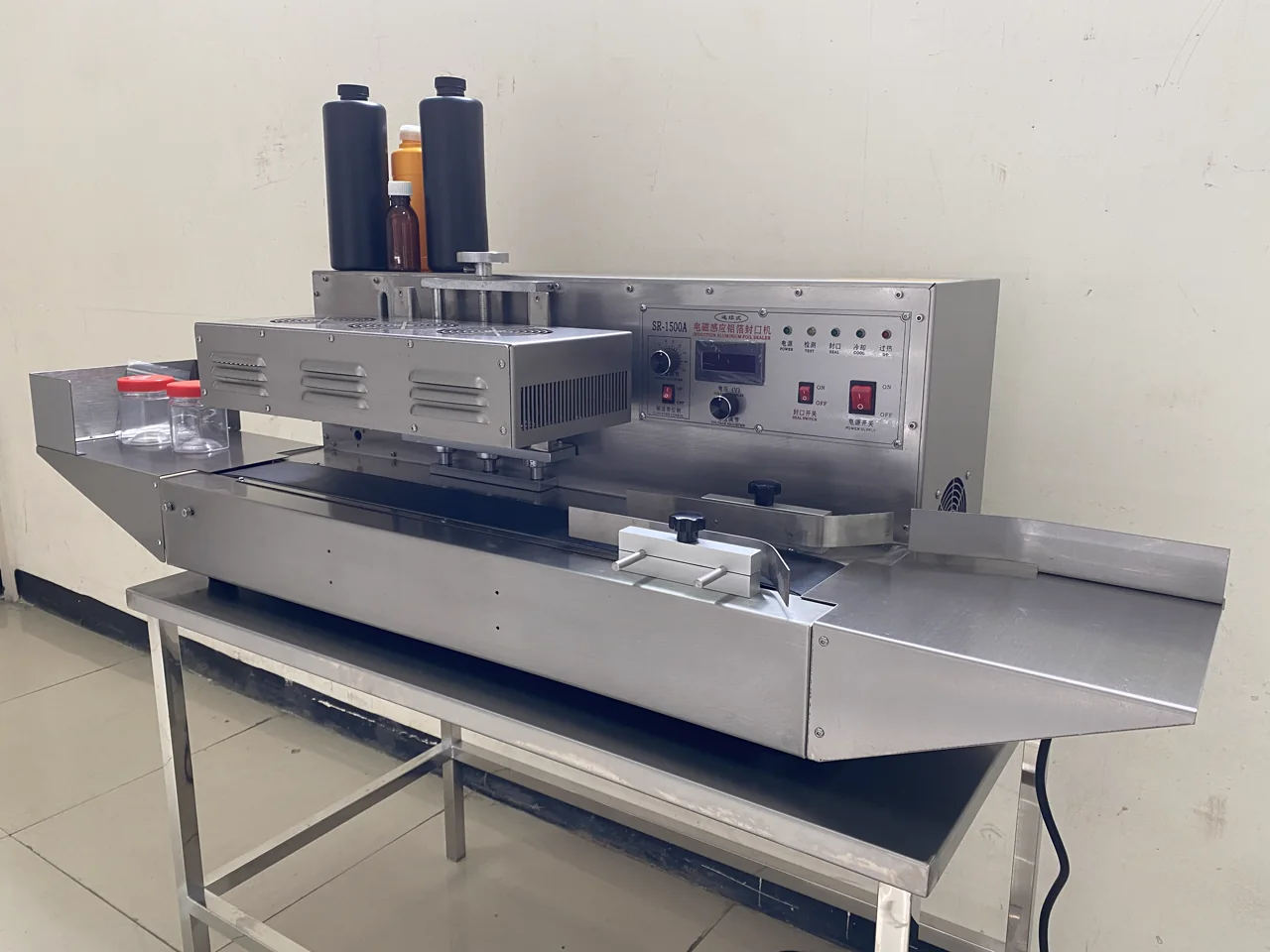
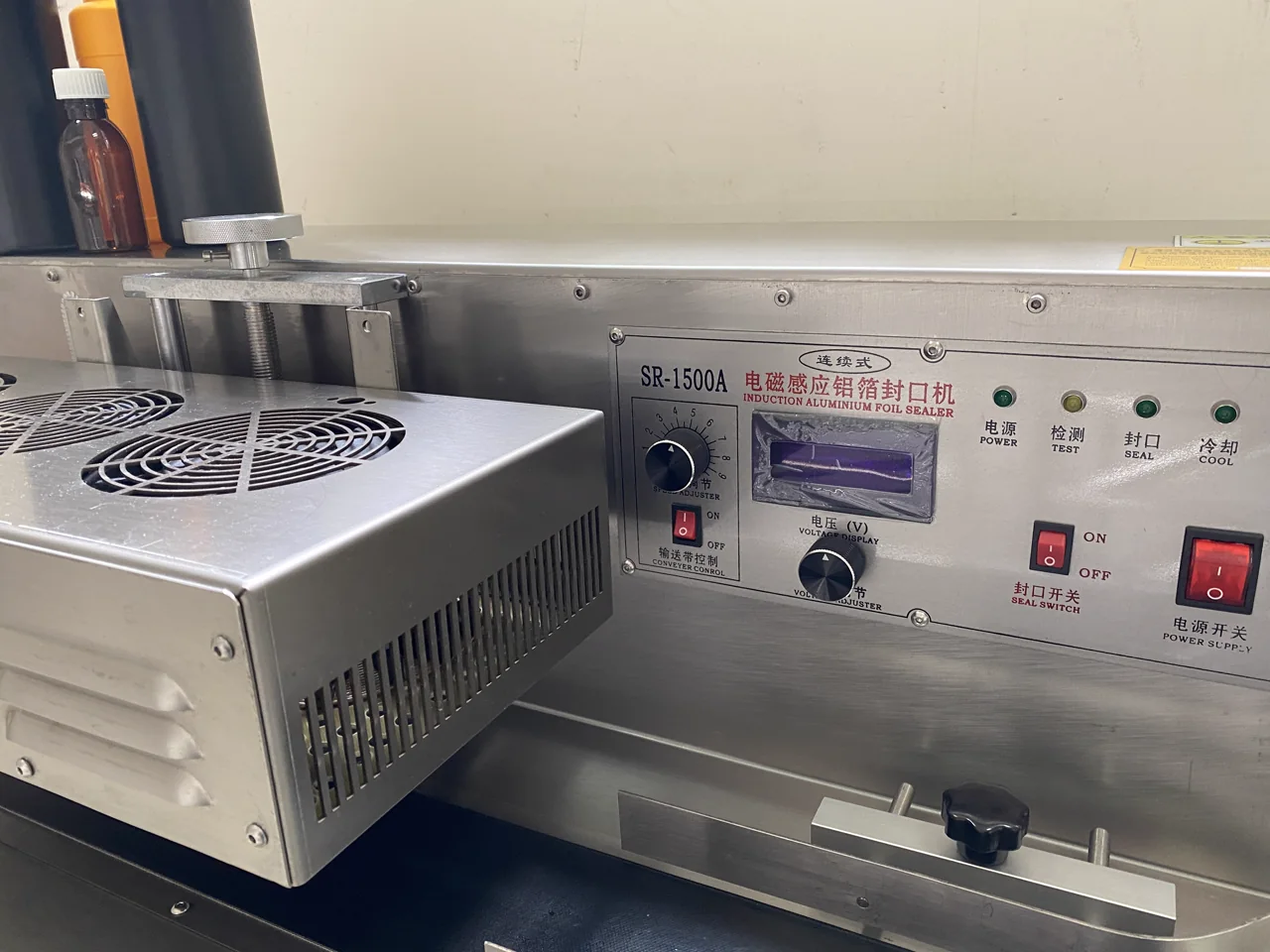
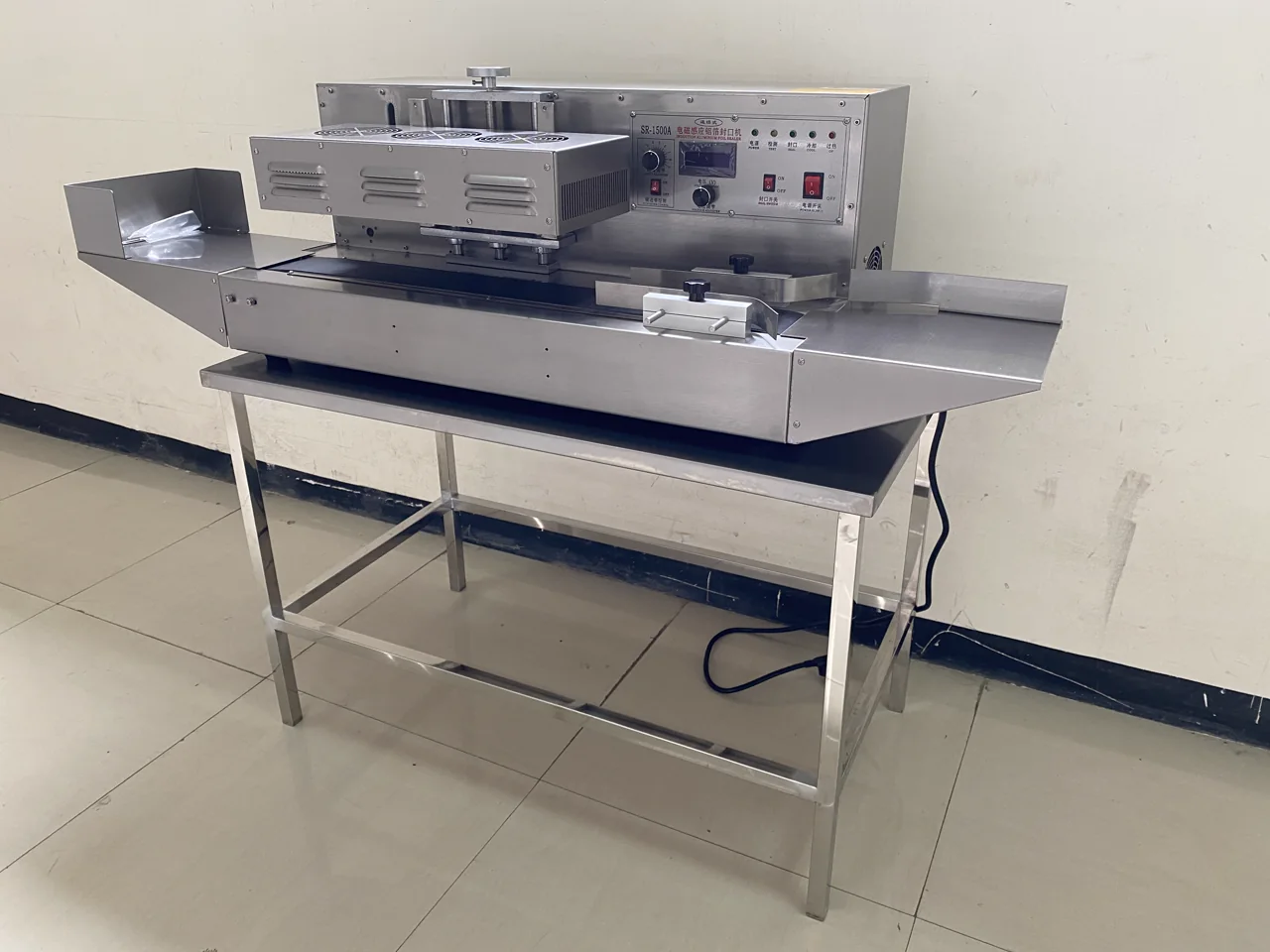
Actual equipment photos from the factory. Confirm the final configuration with the containers, product, sample trials and agreed equipment scope.

Air-Cooled Induction Foil Sealing Machine Sample
Air-Cooled Induction Foil Sealing Machine SampleUsed to check equipment structure, samples and configuration; final details are subject to project confirmation.
Air-Cooled Induction Foil Sealing Machine Sample
Air-Cooled Induction Foil Sealing Machine SampleUsed to check equipment structure, samples and configuration; final details are subject to project confirmation.
Air-Cooled Induction Foil Sealing Machine Sample
Air-Cooled Induction Foil Sealing Machine SampleUsed to check equipment structure, samples and configuration; final details are subject to project confirmation.
Benchtop Air-Cooled Induction Aluminum Foil Sealer - Selection Reference
Benchtop Air-Cooled Induction Aluminum Foil Sealer - Selection ReferenceThis reference helps confirm sample dimensions, consumables, tooling, and operating cycle. Final configuration subject to sample testing and quotation proposal.

Selection points

Confirm samples, material and cycle time first

These details decide machine structure, changeover method and quotation accuracy.

01

Check applicable objects first

This benchtop unit creates an induction inner seal after a cap correctly compresses a compatible foil liner. It is not a capless direct-lidding heat sealer and cannot seal ordinary foil without the required induction and sealant structure. Check the container, rim, cap and liner, diameter, cap compression, batch size, continuous run time and ambient conditions, then trial the complete combination. Compare water-cooled or inline equipment when load or cycle demands exceed the proven air-cooled boundary.

02

Selection points

Select a benchtop air-cooled induction foil sealer by container rim, cap and liner sealant, diameter, compression, batch size, continuous run and ambient conditions, then compare air-cooled, water-cooled and inline routes.

03

Recommended information before quotation

Send bottle, cap and foil-liner samples and material data, diameter and rim, capping condition, batch quantity, continuous run time, ambient temperature, power supply and peel or leak criteria.

04

How are compatibility and operating conditions confirmed?

Provide details of the existing equipment or line, installation position, target cycle and site conditions. Compatibility, change parts and integration requirements can then be confirmed; associated equipment and functions must be listed separately.

Selection points

Send these materials for a faster reply

Photos, key dimensions, and packaging material details are enough to start; if details are incomplete, we will review the direction first.

Configuration reference

  • This benchtop unit creates an induction inner seal after a cap correctly compresses a compatible foil liner.
  • Send bottle, cap and foil-liner samples and material data, diameter and rim, capping condition, batch quantity, continuous run time, ambient temperature, power supply and peel or leak criteria.
  • Provide details of the existing equipment or line, installation position, target cycle and site conditions. Compatibility, change parts and integration requirements can then be confirmed; associated equipment and functions must be listed separately.

Prepare for selection

  • Send bottle, cap and foil-liner samples and material data, diameter and rim, capping condition, batch quantity, continuous run time, ambient temperature, power supply and peel or leak criteria.

Selection points

Key Parameters

01

Model

YJ-LBFK-TS100

02

Standard Output / Capacity

Confirmed based on samples, action cycle time, process time, upstream/downstream speeds, and final configuration.

03

Applicable Containers / Packaging Format

Bottles, jars, pails, and paper cans

04

Application Areas

Food, sauces, daily chemicals, cosmetics, pharmaceutical consumables, and chemical packaging

05

Core Process

Inner aluminum foil sealing and leak prevention.

Confirmation process

01Provide sample details

Send product, container, material, dimensions and target output.

02Check machine structure

Confirm configuration by process, changeover, cycle time and line needs.

03Confirm test points

Test sealing, filling, labeling or inspection results when needed.

04Output quotation plan

Quote after confirming power, layout, lead time and spare parts.

Configuration selection

Choose configuration by production method

This unit creates an induction inner seal after capping. Assess trials, small batches and intermittent duty first; compare water-cooled or inline configurations for higher continuous loads. Capless sealing needs a separate choice between dedicated induction and direct heat sealing, based on the container and foil.

01

Sampling / small batch

Confirm sample compatibility, effect and basic parameters first.

02

Stable batch production

Focus on station count, operating rhythm and changeover method.

03

Line integration required

Evaluate feeding, discharge, coding, inspection and floor space separately.

Bottle / Pail / Can Sealing Equipment

Selection points

Frequently Asked Questions

What information is needed before solution confirmation?

Send bottle, cap and foil-liner samples and material data, diameter and rim, capping condition, batch quantity, continuous run time, ambient temperature, power supply and peel or leak criteria.

Why check samples and packaging materials first?

This benchtop unit creates an induction inner seal after a cap correctly compresses a compatible foil liner. It is not a capless direct-lidding heat sealer and cannot seal ordinary foil without the required induction and sealant structure. Check the container, rim, cap and liner, diameter, cap compression, batch size, continuous run time and ambient conditions, then trial the complete combination. Compare water-cooled or inline equipment when load or cycle demands exceed the proven air-cooled boundary.

How are compatibility and operating conditions confirmed?

Provide details of the existing equipment or line, installation position, target cycle and site conditions. Compatibility, change parts and integration requirements can then be confirmed; associated equipment and functions must be listed separately.

What should be reviewed before delivery?

It is recommended to review sample test results, key dimensions, consumable specifications, power/air supply, cleaning and maintenance methods, and spare parts list to avoid modifying tooling or adjusting stations on site.

Send Sample Information

Have samples ready?

Send bottle, cap and foil-liner samples and material data, diameter and rim, capping condition, batch quantity, continuous run time, ambient temperature, power supply and peel or leak criteria.

Send bottle, cap and foil-liner samples and material data, diameter and rim, capping condition, batch quantity, continuous run time, ambient temperature, power supply and peel or leak criteria.

Inquiry

Online Inquiry Form

Please specify container type, sealing material, speed target, sample status, and target market.

* Enter at least an email address or phone / WhatsApp number so we can reply.

Complete the security check before submitting your inquiry.
Discuss Selection & Get a QuoteWhatsApp