Solution topic
How to Choose Can Filling, Sealing and Labeling for Seasoning Powder? Start With Can Type, Powder State and Sealing Method
For seasoning powder can filling, sealing, and labeling, first confirm container, material, film, cap type, capacity, and on-site line integration needs. The equipment route includes sample and container confirmation, powder filling, sealing (heat press or induction). Submit sample photos, dimensions, and target capacity to facilitate equipment matching and quotation.
- Seasoning powder canning should not be selected by filling machine name alone. First confirm can type, mouth diameter, powder flowability, particles, sealing film, lid structure, and label position before judging the filling, sealing, and labeling route.
- How to Choose Can Filling, Sealing and Labeling for Seasoning Powder
Real customer problem
We want to package seasoning powder in plastic or paper cans, requiring filling, sealing, and labeling, but we don't know which equipment to choose first and how to configure the line.
First determine the packaging route
Seasoning powder canning should not be selected by filling machine name alone. First confirm can type, mouth diameter, powder flowability, particles, sealing film, lid structure, and label position before judging the filling, sealing, and labeling route.
Plastic Jars Filling + Heat-press Aluminum Foil Sealing + Labeling
Suitable for: Seasoning powder in plastic jars (PET/PP/HDPE) with flat rims, using aluminum foil heat seal plus outer cap. Advantages: Seal integrity easily verified by sample testing, suitable for moisture-sensitive powders. Limitations: Rim flatness and film compatibility require sample testing; different diameters need mold changes. Not recommended: For irregular rims or induction foil liner sealing, evaluate induction sealing first. Equipment direction: Powder/granule filler fills, inline heat sealing machine seals, round/square bottle labeler labels.
Paper-can Aluminum Foil Film Sealing + Cap Pressing + Labeling
Suitable for: Seasoning powder in composite paper cans with round openings, sealed with aluminum foil film followed by an outer cap (plastic or metal). Advantages: Paper can offers good appearance; aluminum foil sealing plus cap reduces film damage during transport. Limitations: Paper can rim flatness and film matching require sample testing; cap pressing force needs adjustment based on cap structure. Not recommended: If paper can material is soft or rim deformed, consider plastic can route or reinforce rim support. Equipment direction: Powder/granule filling machine for filling, paper can/plastic pail aluminum foil film sealing and capping machine for sealing and capping, and round/square bottle labeling machine for labeling.
Plastic Jars Filling + Induction Aluminum Foil Sealing + Capping + Labeling
Suitable for: Plastic cans for seasoning powders, with caps containing aluminum foil liners, requiring induction sealing followed by screw capping. Advantages: Non-contact induction sealing suitable for high-speed line integration; subsequent capping provides secondary protection. Limitations: Aluminum foil liners and cap structure need advance sample testing; induction power must be adjusted based on diameter and material. Not recommended: For irregular can mouths or caps without aluminum foil liners, consider hot press sealing instead. Equipment direction: Powder and granule filling machine for filling, induction aluminum foil sealing machine for sealing, automatic capping machine for capping, and round/square bottle labeling machine for labeling.
Recommended equipment route: Sample and container confirmation
Use actual samples to confirm can-mouth size, film compatibility, and filling-nozzle limits.
Recommended equipment route: powder filling
Seasoning powder is a powder material and requires auger or measuring-cup dosing; this equipment supports quantitative filling.
Recommended Equipment Route: Sealing (Heat Press or Induction)
Choose heat-press or induction sealing according to can type and film material; parameters must be confirmed through sample testing.
Recommended Equipment Route: Cap Pressing or Capping
Adding an outer cap after sealing can protect the film, and press capping or screw capping depends on cap structure.
Recommended equipment route: labeling and coding
Can-body labeling and production-date or batch coding should be configured according to label size and position.
Route comparison
- Seasoning powder in plastic jars (PET/PP/HDPE) with a flat mouth, sealed with aluminum foil heat sealing and then an outer cap.
- After aluminum foil film heat sealing, the sealed condition is easy to verify by sample testing, making it suitable for seasoning powder requiring moisture protection.
- Can rim flatness and film compatibility need sample testing; different diameters require tooling changes.
- If the can mouth is irregular or requires foil-liner induction sealing, evaluate an induction sealing route first.
- The powder and granule filling machine fills, the in-line bottle heat sealer seals, and the round or square bottle labeler applies labels.
- Seasoning powder in paper cans (composite paper cans) with a round mouth, heat-sealed with aluminum foil and then pressed with an outer cap (plastic or metal cap).
- Paper cans have a premium appearance, and pressing an outer lid after foil sealing can reduce film damage during transportation.
- Paper-can mouth flatness and film compatibility should be tested with samples, and pressing force should be adjusted by cap structure.
- If the paper can material is soft or the can mouth deforms, evaluate a plastic can route or strengthen the can mouth first.
- Powder/granule filling machine fills, paper can/plastic bucket aluminum foil film sealing and capping machine seals and caps, round/square bottle labeling machine labels.
- Seasoning powder in plastic cans with foil-lined caps usually needs induction sealing followed by capping.
- Induction sealing is non-contact and suitable for high-speed lines; capping after sealing adds secondary protection.
- Foil liner and cap structure should be sent for testing in advance, and induction power should be adjusted according to mouth diameter and material.
- If the can mouth is irregular or the cap has no aluminum foil liner, a heat-sealing route is recommended.
- Powder/granule filling machine for filling, induction aluminum foil sealer for sealing, automatic capping machine for capping, and round/square bottle labeling machine for labeling.
Core process
Associated Equipment / Consumables
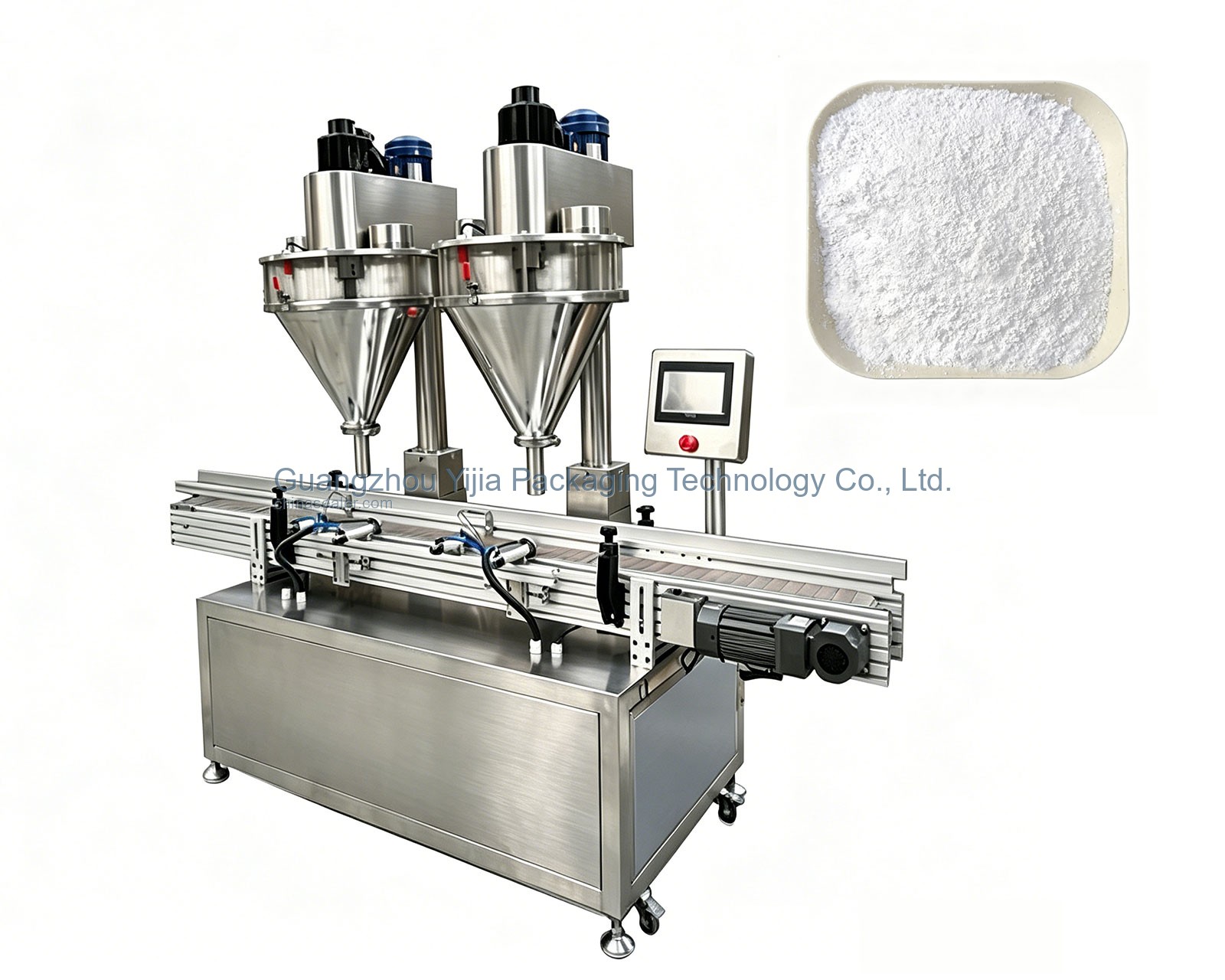 Powder & Granule Filling Machine
Sample and container confirmation; Use actual samples to confirm can-mouth size, film compatibility, and filling-nozzle limits; can samples, powder samples, sealing film and cap samples
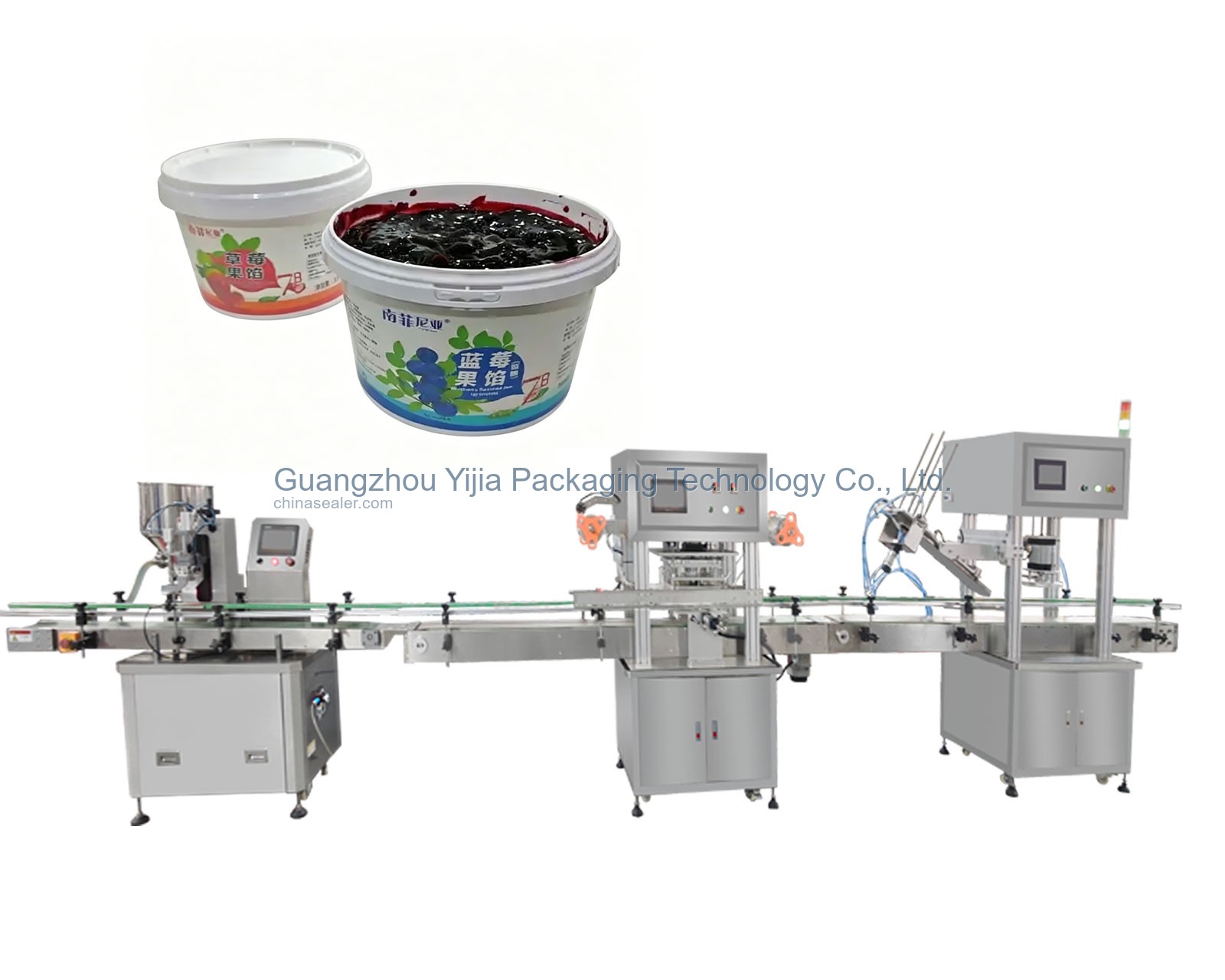 Paper Can / Plastic Pail Aluminum Foil Sealing and Capping Machine
Sample and container confirmation; Use actual samples to confirm can-mouth size, film compatibility, and filling-nozzle limits; can samples, powder s...
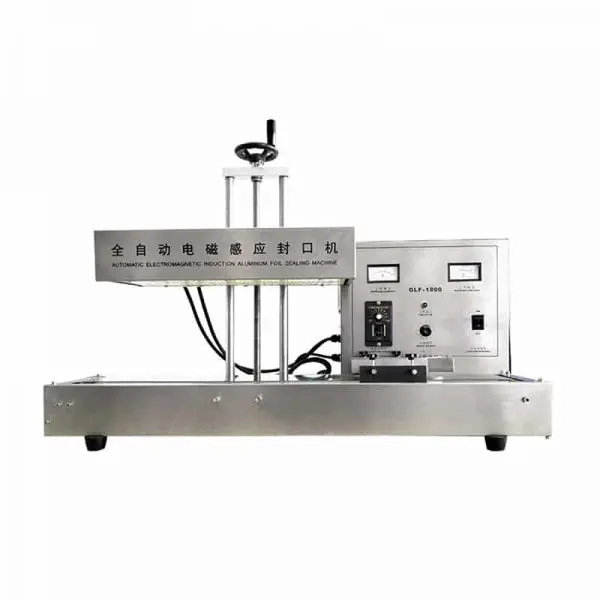 Benchtop Air-Cooled Induction Aluminum Foil Sealer
Sealing (Heat Press or Induction); Choose heat-press or induction sealing according to can type and film material; parameters must be confirmed through sample testin...
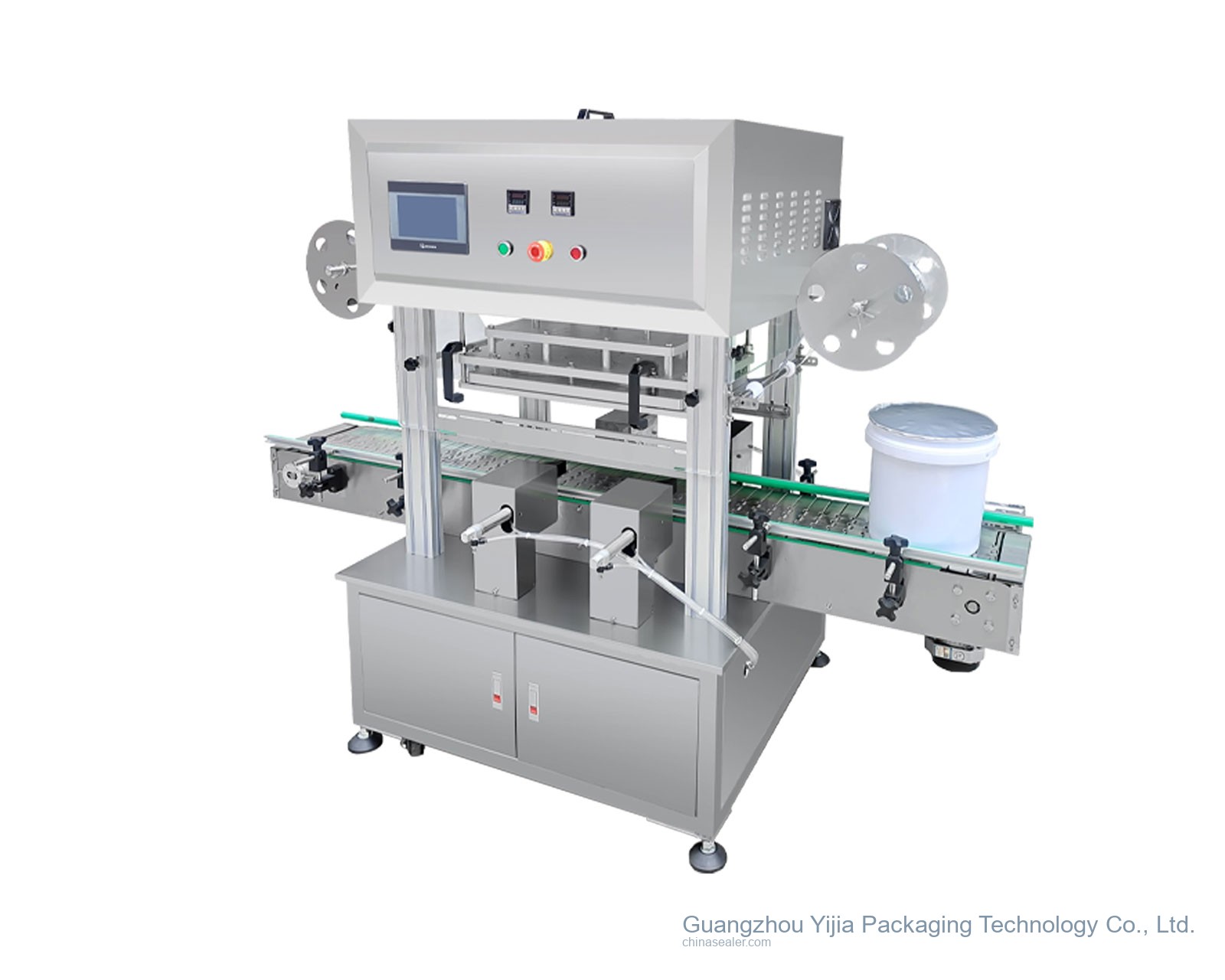 Large-Diameter Pail Heat Seal Sealer
Sealing (Heat Press or Induction); Choose heat-press or induction sealing according to can type and film material; parameters must be confirmed through sample testing; inline bott...
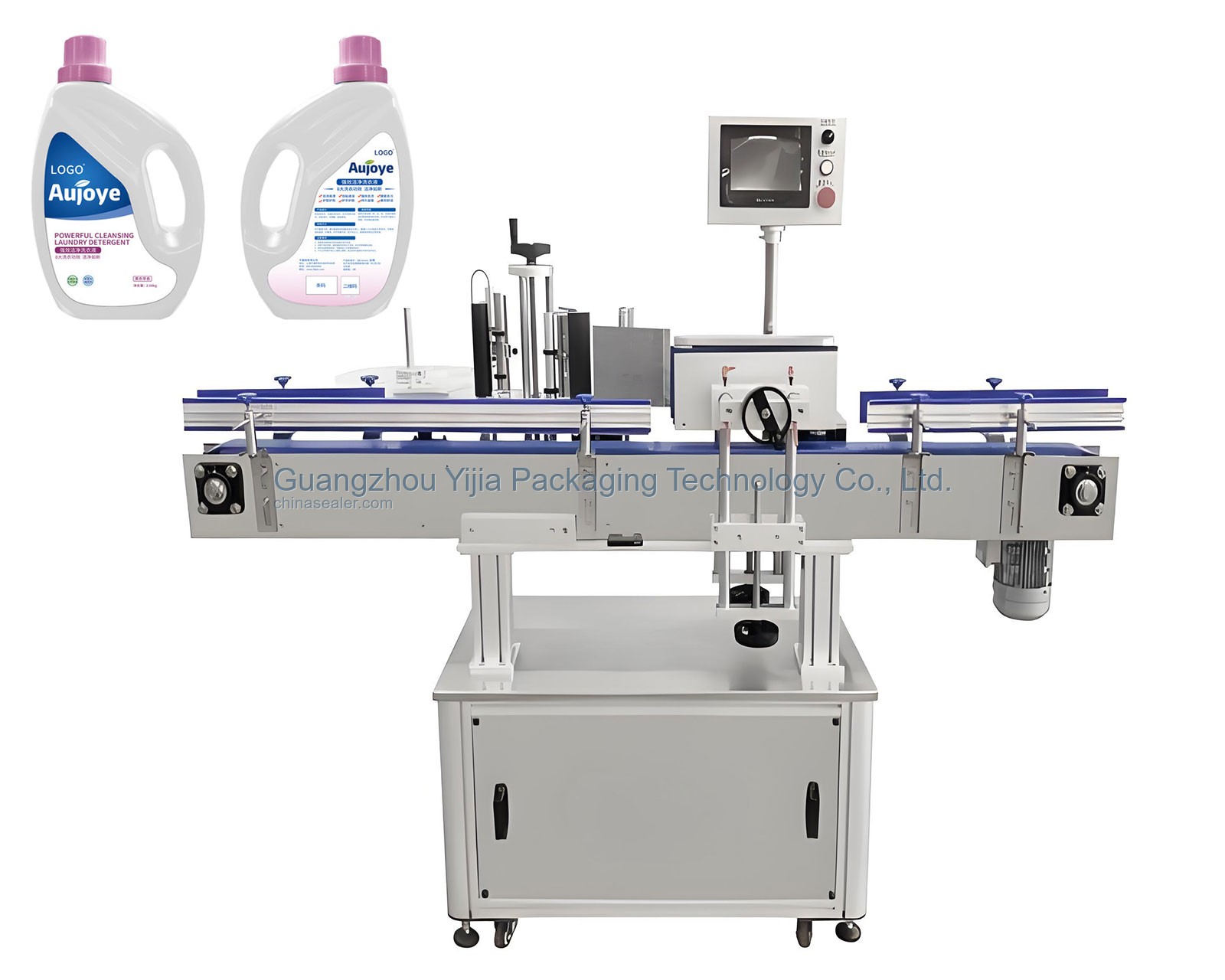 Round & Square Bottle Labeling Machine
Labeling and coding; Can-body labeling and production-date or batch coding should be configured according to label size and position; Round/Square Bottle Labeling Machine and Da...
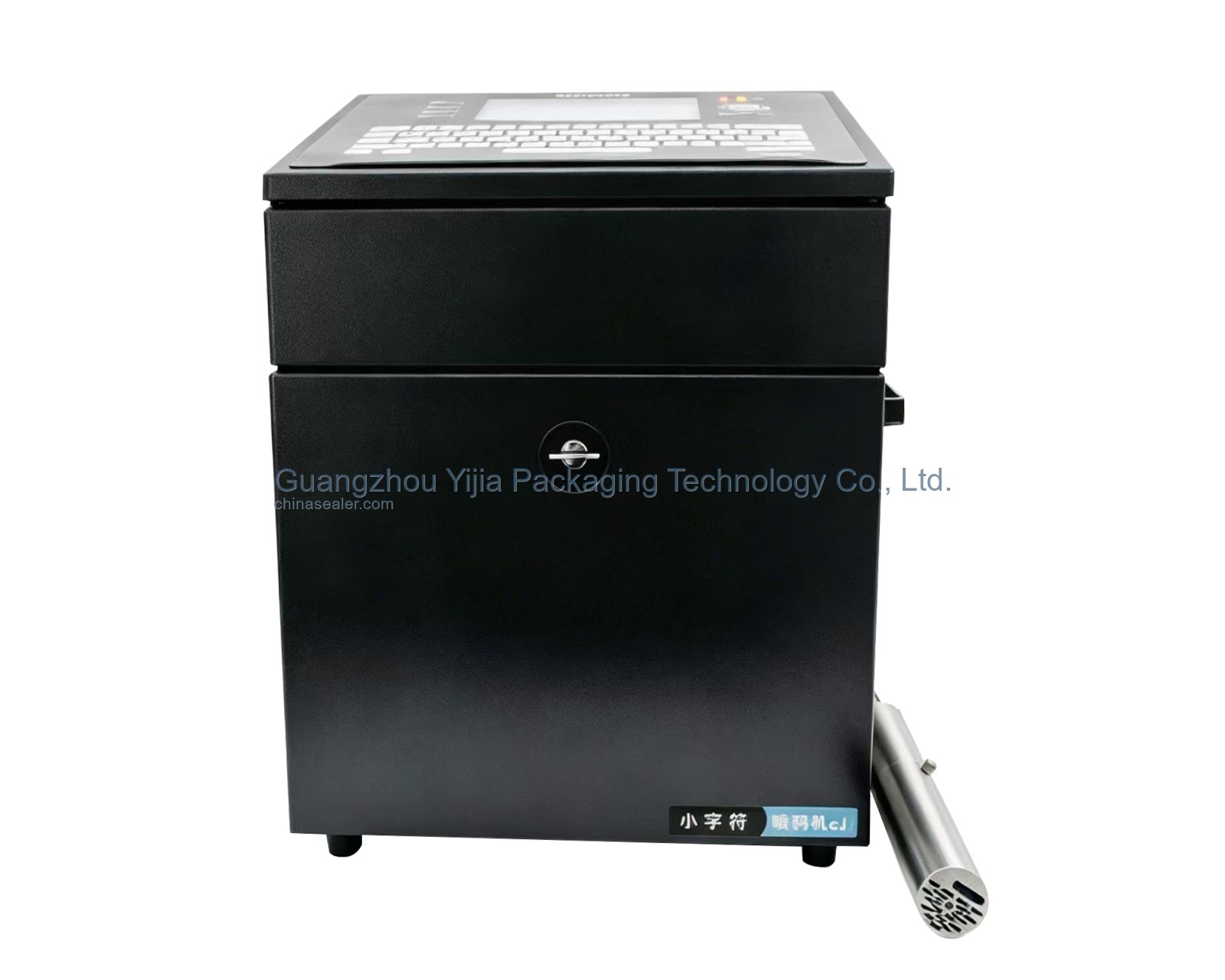 Date & Batch Inkjet Printer
Labeling and coding; Can-body labeling and production-date or batch coding should be configured according to label size and position; Round/Square Bottle Labeling Machine and Date/Batch Co...
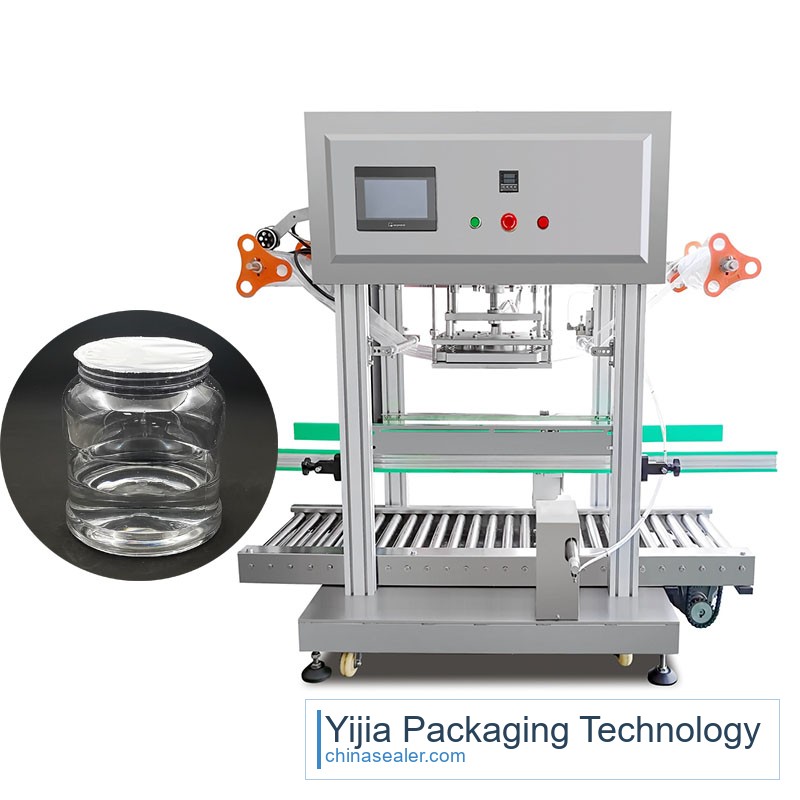 Bottle Inline Heat Press Sealer
Sample and container confirmation; Use actual samples to confirm can-mouth size, film compatibility, and filling-nozzle limits; can samples, powder samples, sealing film and cap samples
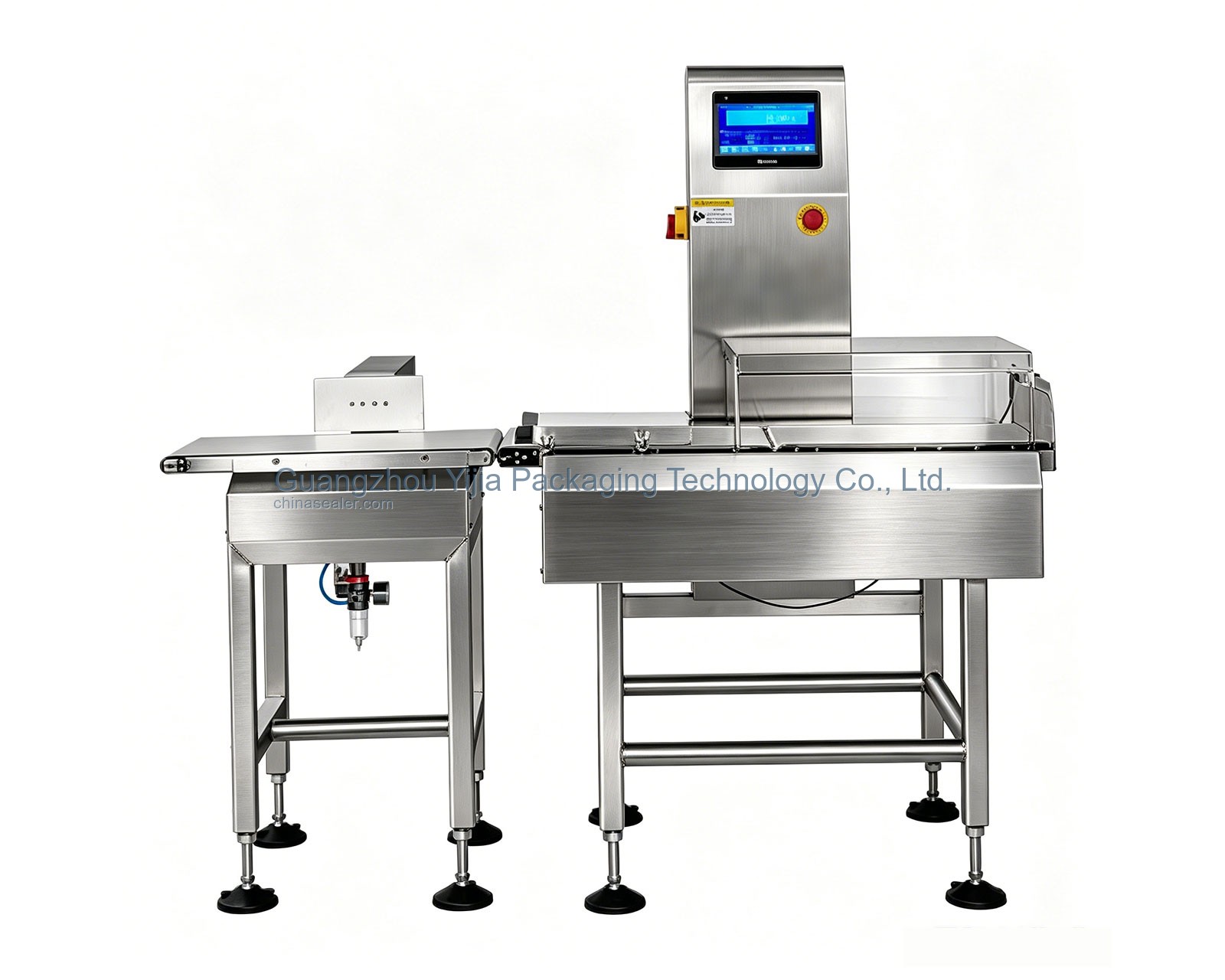 Inline Checkweigher
Labeling and coding; Can-body labeling and production-date or batch coding should be configured according to label size and position; Round/Square Bottle Labeling Machine and Date/Batch Coding Mac...
Sample details
Photos and dimensions can first determine container positioning, mold direction, and whether sample testing is needed.
Physical can photos or videos, plus inner diameter, outer diameter, and height of the mouth, are needed to judge tooling and sealing method.Photos and dimensions can first determine container positioning, mold direction, and whether sample testing is needed.
Seasoning powder sample, about 500 g, for testing filling consistency and flowability.Film material and liner affect sealing temperature, pressure, dwell time, and feeding method.
Sealing film or aluminum foil liner samples are used for sealing parameter tests.The lid structure determines the capping method (press, screw, or place) and whether inline integration is needed.
Cap samples, if available, are used to confirm cap pressing or capping configuration.Capacity target determines single machine, semi-automatic, or continuous inline configuration, and also affects the quotation range.
Target output, such as cans per hour, and whether connected production is needed determine station count and conveying method.Photos and dimensions can first determine container positioning, mold direction, and whether sample testing is needed.
Even if the information is incomplete, you can first send available photos and dimensions. We will judge the route first and then list what still needs to be provided.Common selection mistakes
Common questions
Yes. First send photos of the can, approximate dimensions, powder photos, and target capacity. We will determine the approach and then list the additional samples needed.
We need can samples or dimensions, powder samples, sealing film or gasket, lid samples, target capacity, and whether it is inline. Incomplete information is also acceptable; send what you have first.
The target capacity will change the number of filling heads, sealing stations, and whether to integrate a line; the equipment structure must be confirmed based on target capacity.
Different film materials have different sealing temperatures, pressures, and times. Sample testing is needed to determine the appropriate parameters to avoid poor sealing during mass production.
Sealing performance must be confirmed through samples, film, and parameter tests. Sample testing is recommended for seal strength and leakage risk.
When capacity is high, manual handling needs reduction, or downstream requires inspection and traceability, evaluate line integration. Start with standalone configuration and reserve line interface.