Solution topic
Chili Powder and Cumin Powder Can Filling: Flowability and Inner Rim Sealing Verified Together
Seasoning powders such as chili powder and cumin powder require filling, sealing, and labeling configured according to flowability, plastic can rim, aluminum foil film or liner, an
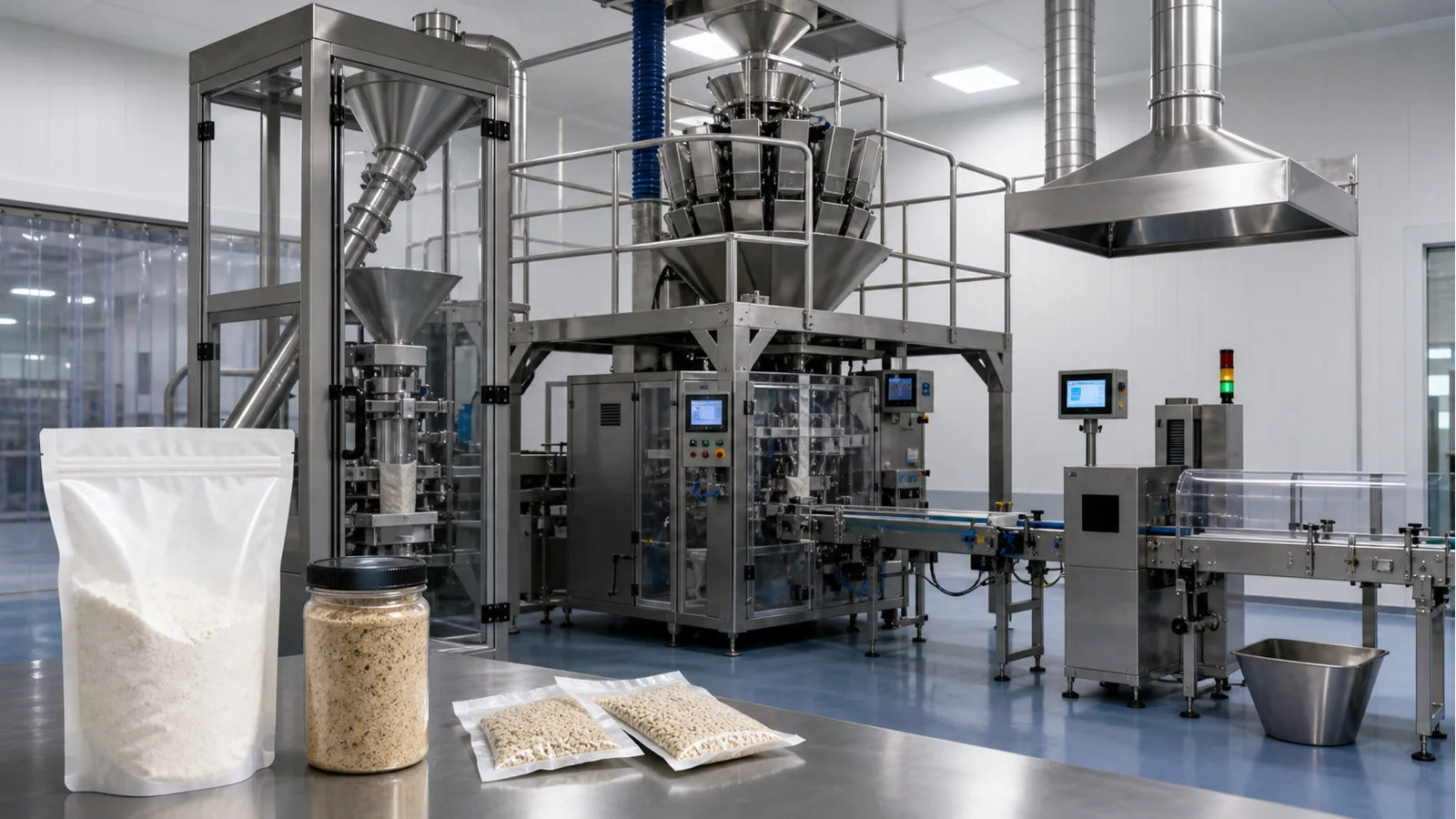
- Different seasoning powders have flowability and dust that affect screw dosing, and wide-mouth or narrow-mouth plastic cans may use direct heat-sealed film or screw-cap liners. Please provide powder, can lid film, label samples, fill volume, cleaning requirements, target capacity, and on-site space.
Solution summary prepared for you
- Seasoning powders such as chili powder and cumin powder are first verified with a powder granule filling machine for flow, caking, dust, and fill weight, then the jar mouth inner sealing is determined.
- When film is placed directly on the exposed rim of a plastic jar, use an inline heat sealing machine; residual powder on the rim after filling and film contact layer should be tested together.
- When a matching aluminum foil liner is already inside the screw cap, a benchtop air-cooled induction foil sealing machine can be evaluated; screw cap pressing and container material are necessary conditions.
Route comparison
- Suitable for production where seasoning powder is filled into plastic jars and film is placed directly on the exposed rim for heat sealing.
- Powder granule filling machine and inline heat sealing machine can continuously observe fill weight, rim residual powder, and film contact.
- Powder flow and dust, jar mouth material, film contact layer, and pre-sealing cleaning all require sample testing.
- When the film is inside the screw cap, or the cap structure requires pressing the liner first, switch to induction inner sealing.
- Use a powder granule filling machine with an inline heat sealing machine; finished jars then go to labeling.
- Suitable for seasoning powder packaging where a matching aluminum foil liner is already inside the plastic jar screw cap and a stable pressing condition can be formed.
- Benchtop air-cooled induction foil sealing machine specifically handles cap liners and can be tested separately with existing capping conditions.
- Liner, cap, jar mouth contact layer, and container material must be matched as a set, and screw cap pressing must be repeatable.
- When plastic jars use direct film on the exposed rim, or there is no matching liner in the screw cap, induction equipment is not used.
- After filling, press the cap according to existing capping conditions, then use a benchtop air-cooled induction foil sealing machine.
- Suitable for projects where filling and inner sealing processes are already stable and labels need to be applied to round cans, square cans, or other positionable can bodies.
- Round and square bottle labeling machine can switch positioning based on actual jar body and label surface, keeping labeling clearly separated from the front-end inner sealing.
- The rigidity, curved surface, corners, label wrap direction, and application reference of the filled finished can must be dynamically verified.
- When the can body cannot be conveyed stably, or the label position conflicts with the clamping area, the packaging and positioning conditions should be adjusted first.
- After inner sealing passes the sample test, use a round and square bottle labeling machine for jar body labels, and arrange conveying according to the site production rate.
Associated Equipment / Consumables
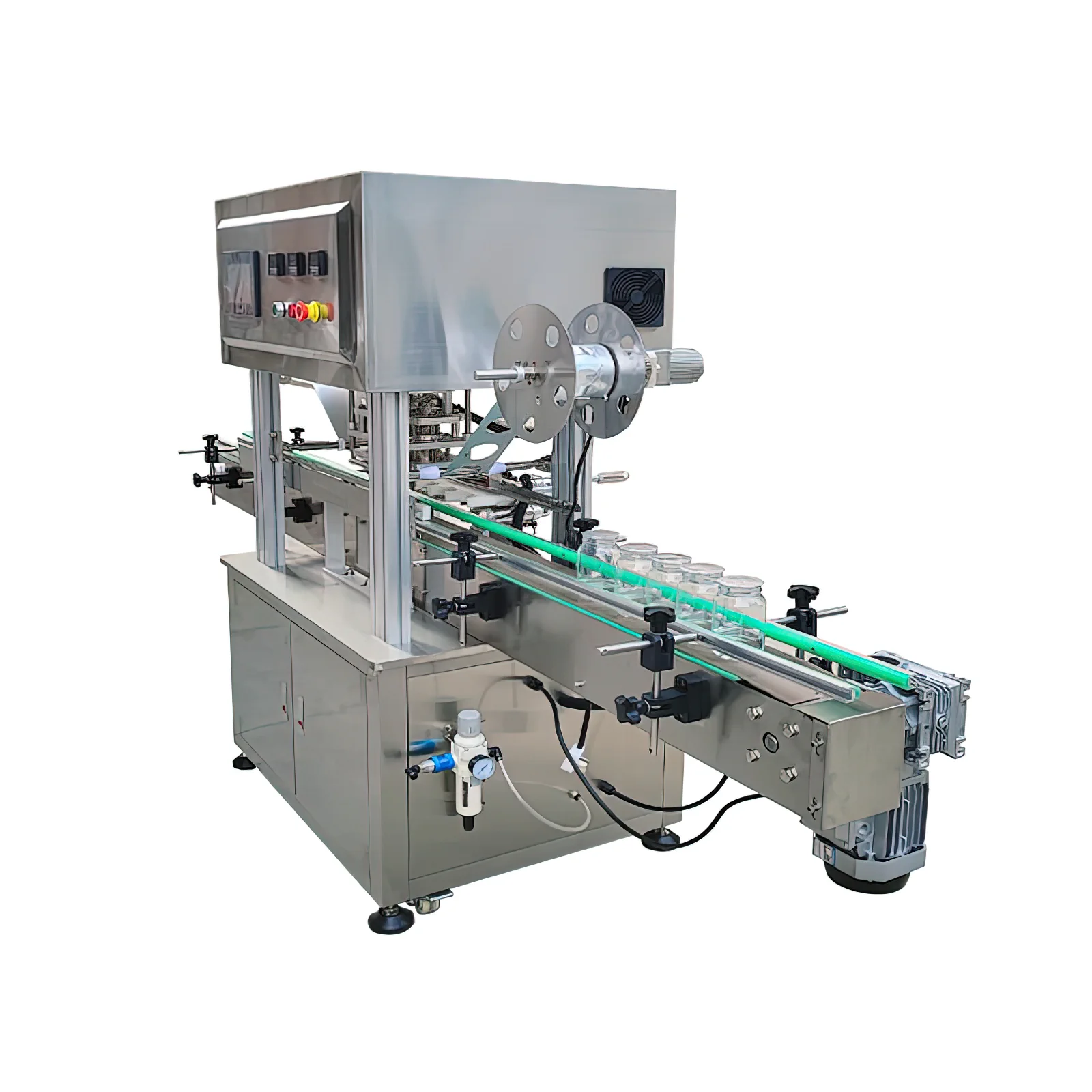 Inline Heat-Press Bottle Sealing Machine
Heat-seal foil or composite lidding directly to bottle and jar rims, with integration into an existing filling line configured per project. Test the container and seal layer before selecting positioning, film feed, se...
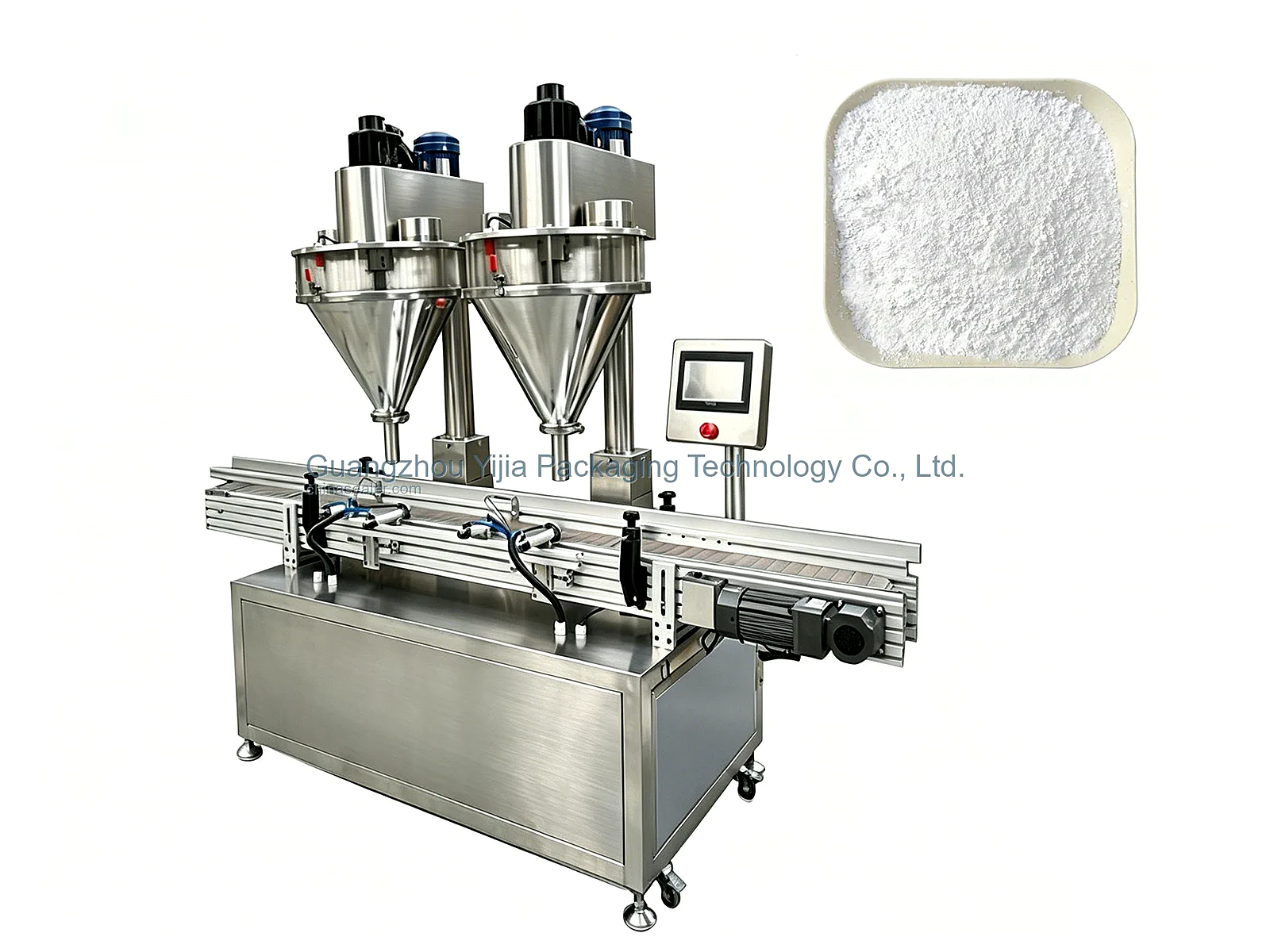 Powder and Granule Dosing Filling Machine
Seasoning powder quantitative filling; Trial should cover continuous dispensing, stop-restart, caking, and dust; fill weight results recorded according to the judgment method...
 Round-Bottle and Front/Back Labelling Machine
Jar body labeling; Label roll direction, application reference, and conveying posture at the inner sealing station must be consistent; recheck centering and dispensing wh...
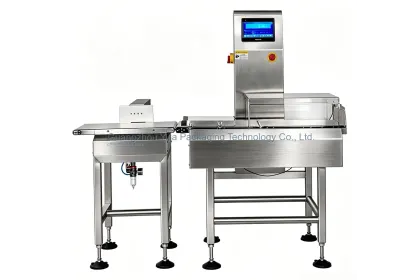 Inline Checkweigher
Jar body labeling; Label roll direction, application reference, and conveying posture at the inner sealing station must be consistent; recheck centering and dispensing when changing jar type; Roun...
Core process
Use official materials such as chili powder or cumin powder with wide-mouth or narrow-mouth plastic jars to check metering, dust, rim residual powder, and inner seal structure.
Powder granule filling machine determines metering method and dispensing action based on powder samples, and observes drop point and fill weight on actual jar mouth.
When wide-mouth or smaller plastic jars have film placed directly on the exposed rim, the inline heat sealing machine is trial-sealed according to jar material, film material, and rim.
Round and square bottle labeling machine sets positioning based on jar body curved surface, square corners, and label size, and uses filled finished jars for dynamic trial labeling.
First select metering test based on powder condition, then distinguish direct heat sealing or cap liner induction according to plastic jar material and rim.
Clarify whether the film is on the exposed rim or inside the screw cap, and submit label artwork, to divide heat sealing, benchtop induction, and labeling processes.
Sample details
Powder samples are used to adjust metering and dispensing, and to observe stop-restart, drop point, and rim residual powder.
Provide actual samples of chili powder, cumin powder, or other formulas, and state caking, dust, and fill weightJar material and rim are used to distinguish direct heat sealing and liner in screw cap, and also determine filling positioning and labeling centering.
Submit PP, PET, or HDPE jar samples, and indicate mouth diameter, jar height, body shape, and threadsFilm position determines whether to use an inline heat sealing machine or a benchtop air-cooled induction foil sealing machine.
Submit direct film for exposed rim, or aluminum foil liner assembly inside screw capLabel information is used to determine dispensing direction, positioning reference, and jar changeover operation, and to avoid jar body seams or grip areas.
Provide label roll, size, material, roll direction, and application position drawing on round or square jarsThese conditions affect filling machine changeover, pre-sealing rim treatment, and production organization between equipment.
Provide product changeover sequence, contact part cleaning method, and dust control requirementsAfter main filling and sealing samples pass, arrange labeling station, conveying direction, and benchtop induction equipment usage accordingly.
State shift output, manual or continuous jar feeding method, available space, and existing capping conditionsCommon selection mistakes
Run continuous trial filling with the planned formula, record fill weight, drop point, and stop-restart performance, then finalize the dosing parameters.
Connect the powder granule filling machine with the sealing sample to observe residual powder control and film contact.
First confirm the film position, then prepare either a cap-liner assembly sample or direct heat-seal film.
Use finished jars after filling and inner sealing for dynamic trial labeling, and check positioning repeatability according to the label roll direction.
Write the powder change sequence and cleaning method into the production process, then evaluate equipment layout and stop operations.
View detailed technical notes
Seasoning Powder Line Starts with Real Powder Trial Filling
Chili powder and cumin powder differ in flowability, caking, oil content, and dust generation. The powder granule filling machine must use the planned formula to verify dosing and discharge.
Rim Residual Powder Connects Filling and Sealing
Unstable powder drop can carry residual powder to the rim, so empty-can film sealing results alone cannot be used as the basis; filling and sealing should be observed continuously.
Exposed Film Uses Inline Heat Sealing
When aluminum foil film is placed directly on plastic can rims, the inline heat sealing machine for bottles performs trial sealing based on can material, film layer, and rim positioning; residual powder on the rim after filling is also included in the inspection record.
Liner Inside Cap Uses Benchtop Induction Sealing
After the screw cap with a matching aluminum foil liner is installed and pressed, a benchtop air-cooled induction foil sealing machine can be used to verify the inner seal; the cap condition is recorded with the sample.
Film Position Determines Equipment, Not Can Mouth Size
Wide-mouth or narrow-mouth only indicates the size range; what truly distinguishes heat sealing from induction sealing is whether the film is on the exposed rim or inside the screw cap. Can material and film layer still require complete testing.
Plastic Can Material and Contact Layer Tested Together
The combination of PP, PET, and HDPE can rims with the film contact layer needs separate sampling; results from one can material cannot be directly applied to another.
Labels Positioned on Filled Finished Cans
The round/square bottle labeling machine should use filled and inner-sealed cans for trial labeling, checking curved surfaces, corners, wrap direction, and label reference.
Powder Changeover Cleaning Enters Production Scheduling
When switching between multiple formulas, time is needed for screw and hopper cleaning, residual powder handling, and first-batch fill volume recheck; these should be evaluated together with the machine cycle time.
Organize Conveying After Main Process Is Stable
After powder dosing, inner sealing, and labeling are each verified through samples, the workstation sequence is determined based on shift arrangements and on-site space.
Common questions
Can the filling method be determined from photos of the seasoning powder alone?
Photos can show color and general condition, but screw metering also depends on actual flow, caking, and dust. Please send powder and planned fill weight for a trial filling.
What samples are needed to confirm the sealing route?
Please provide the seasoning powder, plastic jars, direct heat-seal film or screw caps with liner, labels, fill weight requirements, cleaning method, and planned production rate.
How to choose between direct heat sealing and induction inner sealing?
Choose heat sealing when the film is placed directly on the exposed jar mouth; evaluate induction equipment only when an aluminum foil liner is already inside the screw cap and pressed tightly.
Why should residual powder on the jar rim be included in the trial?
Seasoning powder may dust or fall onto the rim during filling, changing the sealing contact surface. Trial filling and sealing should be done continuously.
Can the same labeling setup be used for round and square jars?
Shared settings cannot be assumed. Curved surfaces, corners, jar rigidity, and label positions differ; verify centering and label dispensing with filled finished jars separately.
Which jars are suitable for a benchtop induction sealing machine?
Suitable for plastic jars with a matching aluminum foil liner inside the screw cap, where the container material, cap contact layer, and pressing condition meet the sample requirements.