Solution topic
How to choose paper can aluminum foil sealing, press capping, and labeling packaging? First check the can mouth, film material, cap structure, and...
For paper can, composite can, and plastic pail projects, do not just look at the machine name. First confirm the can mouth flatness, film material type, inner or outer cap structure, label position, and production capacity, then determine whether it is heat sealing aluminum foil film, induction foil sealing, press capping, or a sealing-capping-labeling inline line.
- For paper can, composite can, and plastic pail projects, do not just look at the machine name. First confirm the can mouth flatness, film material type, inner or outer cap structure, label position, and production capacity, then determine whether it is heat sealing aluminum foil film, induction foil sealing, press capping, or a sealing-capping-labeling in...
- How to choose paper can aluminum foil sealing, press capping, and labeling packaging?
Real customer question
My product is packed in paper cans and needs aluminum foil sealing, press capping, and labeling. How should I choose equipment?
First determine the packaging route
For paper can, composite can, and plastic pail projects, do not just look at the machine name. First confirm the can mouth flatness, film material type, inner or outer cap structure, label position, and production capacity, then determine whether it is heat sealing aluminum foil film, induction foil sealing, press capping, or a sealing-capping-labeling inline line.
Heat sealing aluminum foil film + press capping route
Suitable for: Wide-mouth containers such as paper cans, composite cans, plastic pails with flat can mouths, using aluminum foil film or composite film directly heat-sealed onto the rim, then pressing an inner or outer cap. Advantages: Good sealing, moisture-proof and leak-proof, low film material cost, suitable for powders, granules, dried fruits, etc. Limitations: Can mouth flatness and film material matching directly affect sealing effect; production capacity is limited by single machine cycle time; continuous production requires inline evaluation. Not recommended: If the can mouth is uneven or the film material does not match the can mouth material, heat sealing may leak; sample testing is recommended first. Equipment direction: Paper can/plastic pail aluminum foil sealing and press capping machine (paper-can-foil-sealing-and-capping-machine) can complete film sealing and press cap...
Induction foil sealing + screw capping route
Suitable for: Plastic pails or paper cans with an aluminum foil liner inside the cap; after screw capping, induction heating seals the liner onto the can mouth. Advantages: Non-contact sealing, suitable for already capped containers, good tamper-evident effect, suitable for liquid or paste products. Limitations: Paper can material may affect the induction effect and requires testing to confirm; the cap must press the aluminum foil liner tightly, and torque must be stable. Not recommended: If the paper can contains a metal layer or the cap is non-conductive, induction foil sealing may not work properly; sample testing is recommended first. Equipment direction: Water-cooling induction foil sealing machine (water-cooling-induction) or benchtop air-cooling induction foil sealing machine (air-cooling-induction) can be evaluated, but can body material and liner need to be confirmed.
Sealing-capping-labeling inline route
Suitable for: High-capacity paper can or plastic pail projects requiring continuous production, where sealing, capping, and labeling are completed on the same conveying line. Advantages: Reduces manual handling, improves efficiency, suitable for mass production. Limitations: Requires site space and matching of upstream/downstream cycle times; tooling and conveying parameters need adjustment during changeover. Not recommended: If there are many product specifications and frequent changeovers, inline may increase commissioning time; evaluate single machine combination first. Equipment direction: Paper can/plastic pail aluminum foil sealing and press capping machine (paper-can-foil-sealing-and-capping-machine) can be inline with round/square bottle labeling machine (labeling-machine) and conveyor line (conveyor-line).
Recommended equipment route: Container confirmation and tooling preparation
Customize tooling according to can mouth dimensions, film material, and cap structure to ensure sealing and capping effect.
Recommended equipment route: Aluminum foil film heat sealing
Heat sealing seals the aluminum foil film onto the can mouth, moisture-proof and leak-proof.
Recommended equipment route: Press capping
Press the inner or outer cap immediately after sealing to prevent film material displacement.
Recommended equipment route: Labeling
Label on the can body, can be used inline or as a stand-alone machine.
Recommended equipment route: Coding (optional)
Print production date and batch number on the can bottom or lid.
Route comparison
- Wide-mouth containers such as paper cans, composite cans, plastic pails with flat can mouths, using aluminum foil film or composite film directly heat-sealed onto the rim, then pressing an inner or outer cap.
- Good sealing, moisture-proof and leak-proof, low film material cost, suitable for powders, granules, dried fruits, etc.
- Can mouth flatness and film material matching directly affect sealing effect; production capacity is limited by single machine cycle time; continuous production requires inline evaluation.
- If the can mouth is uneven or the film material does not match the can mouth material, heat sealing may leak; sample testing is recommended first.
- Paper can/plastic pail aluminum foil sealing and press capping machine (paper-can-foil-sealing-and-capping-machine) can complete film sealing and press capping, supporting inline conveying.
- Plastic pails or paper cans with an aluminum foil liner inside the cap; after screw capping, induction heating seals the liner onto the can mouth.
- Non-contact sealing, suitable for already capped containers, good tamper-evident effect, suitable for liquid or paste products.
- Paper can material may affect the induction effect and requires testing to confirm; the cap must press the aluminum foil liner tightly, and torque must be stable.
- If the paper can contains a metal layer or the cap is non-conductive, induction foil sealing may not work properly; sample testing is recommended first.
- Water-cooling induction foil sealing machine (water-cooling-induction) or benchtop air-cooling induction foil sealing machine (air-cooling-induction) can be evaluated, but can body material and liner need to be confirmed.
- High-capacity paper can or plastic pail projects requiring continuous production, where sealing, capping, and labeling are completed on the same conveying line.
- Reduces manual handling, improves efficiency, suitable for mass production.
- Requires site space and matching of upstream/downstream cycle times; tooling and conveying parameters need adjustment during changeover.
- If there are many product specifications and frequent changeovers, inline may increase commissioning time; evaluate single machine combination first.
- Paper can/plastic pail aluminum foil sealing and press capping machine (paper-can-foil-sealing-and-capping-machine) can be inline with round/square bottle labeling machine (labeling-machine) and conveyor line (conveyor-line).
Core process
Customize tooling according to can mouth dimensions, film material, and cap structure to ensure sealing and capping effect.
Heat sealing seals the aluminum foil film onto the can mouth, moisture-proof and leak-proof.
Press the inner or outer cap immediately after sealing to prevent film material displacement.
Label on the can body, can be used inline or as a stand-alone machine.
Print production date and batch number on the can bottom or lid.
Inline conveying and checkweighing to ensure finished products are qualified.
Associated Equipment / Consumables
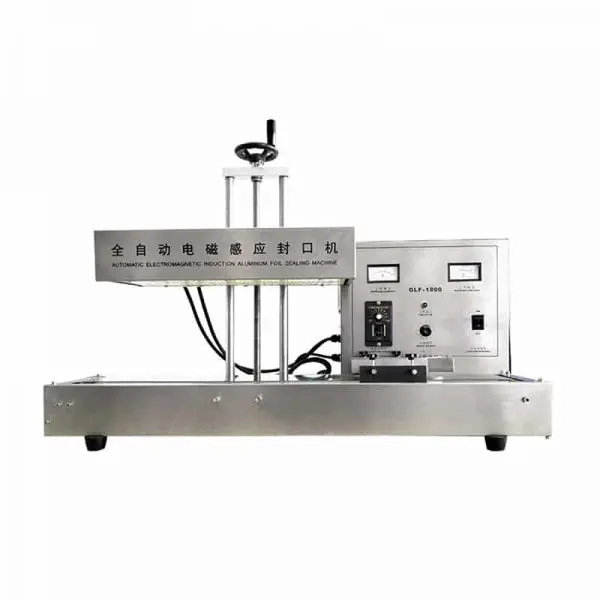 Benchtop Air-Cooled Induction Aluminum Foil Sealer
Container confirmation and tooling preparation; Customize tooling according to can mouth dimensions, film material, and cap structure to ensure sealing and capping e...
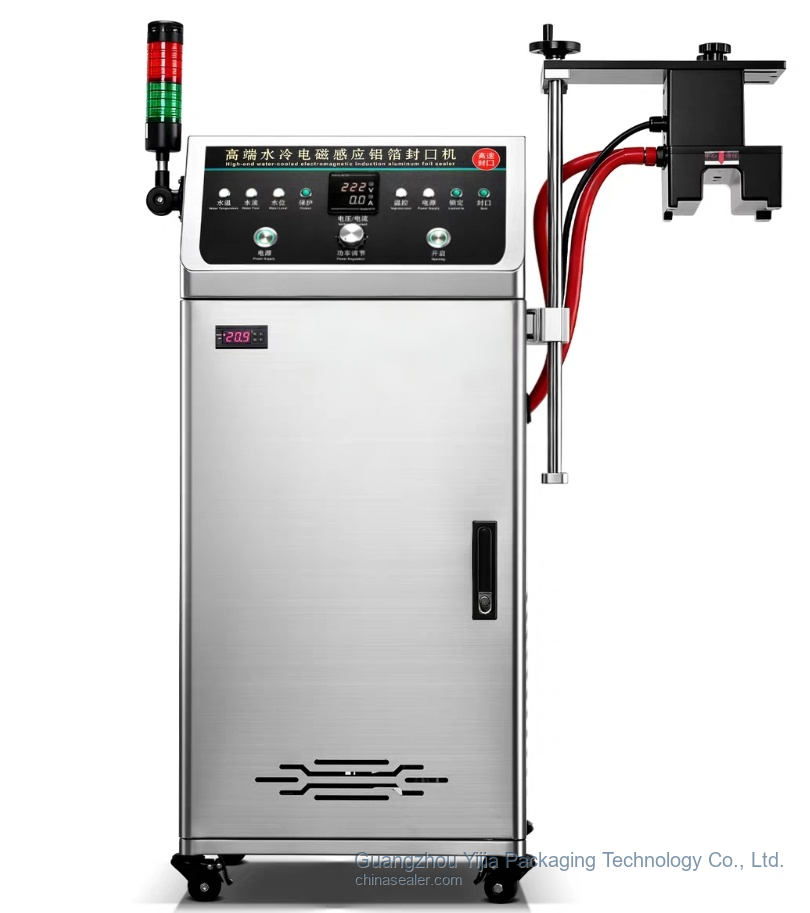 Induction Aluminum Foil Sealing Machine
Container confirmation and tooling preparation; Customize tooling according to can mouth dimensions, film material, and cap structure to ensure sealing and capping effect; Pape...
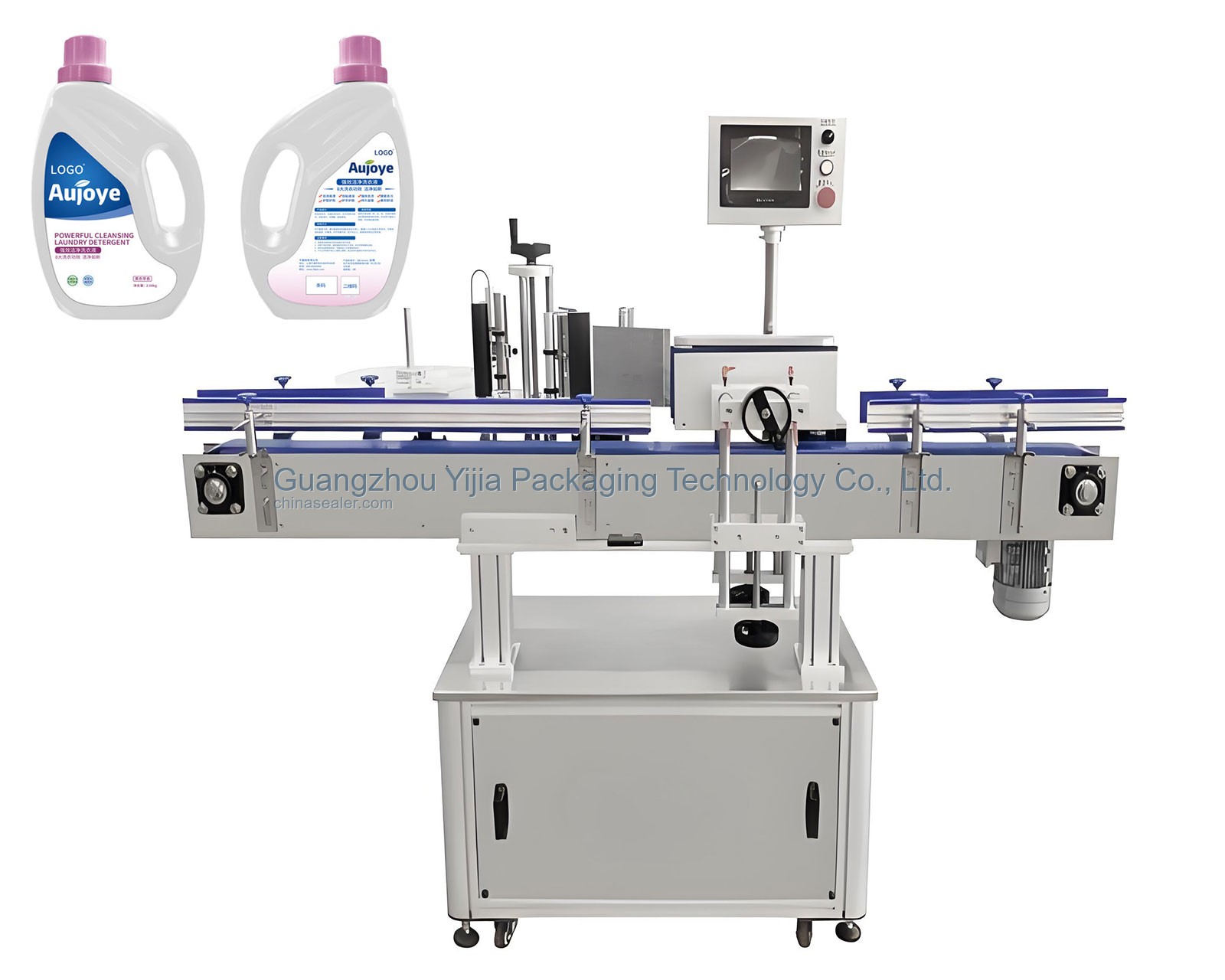 Round & Square Bottle Labeling Machine
Labeling; Label on the can body, can be used inline or as a stand-alone machine; Round/square bottle labeling machine
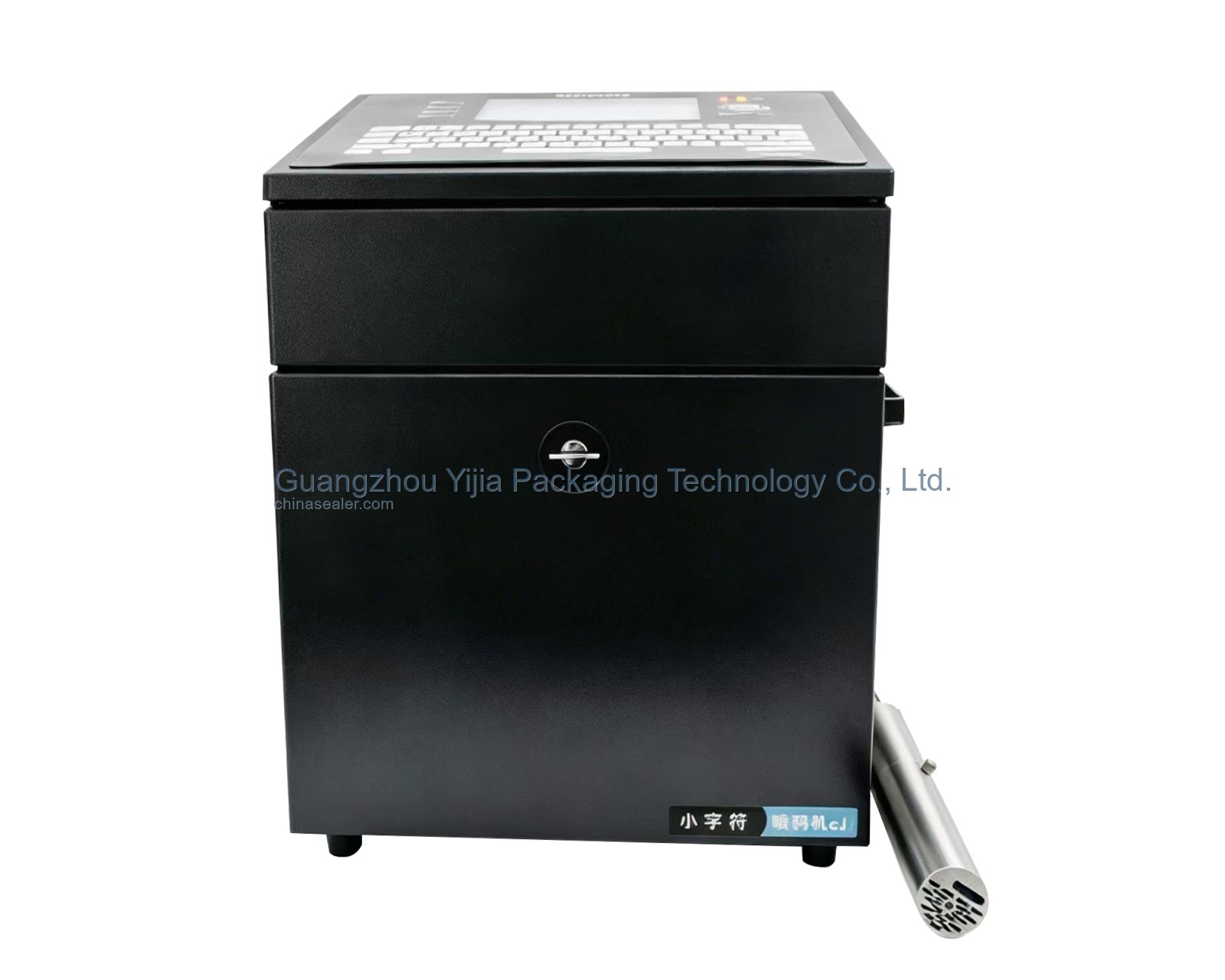 Date & Batch Inkjet Printer
Labeling; Label on the can body, can be used inline or as a stand-alone machine; Round/square bottle labeling machine
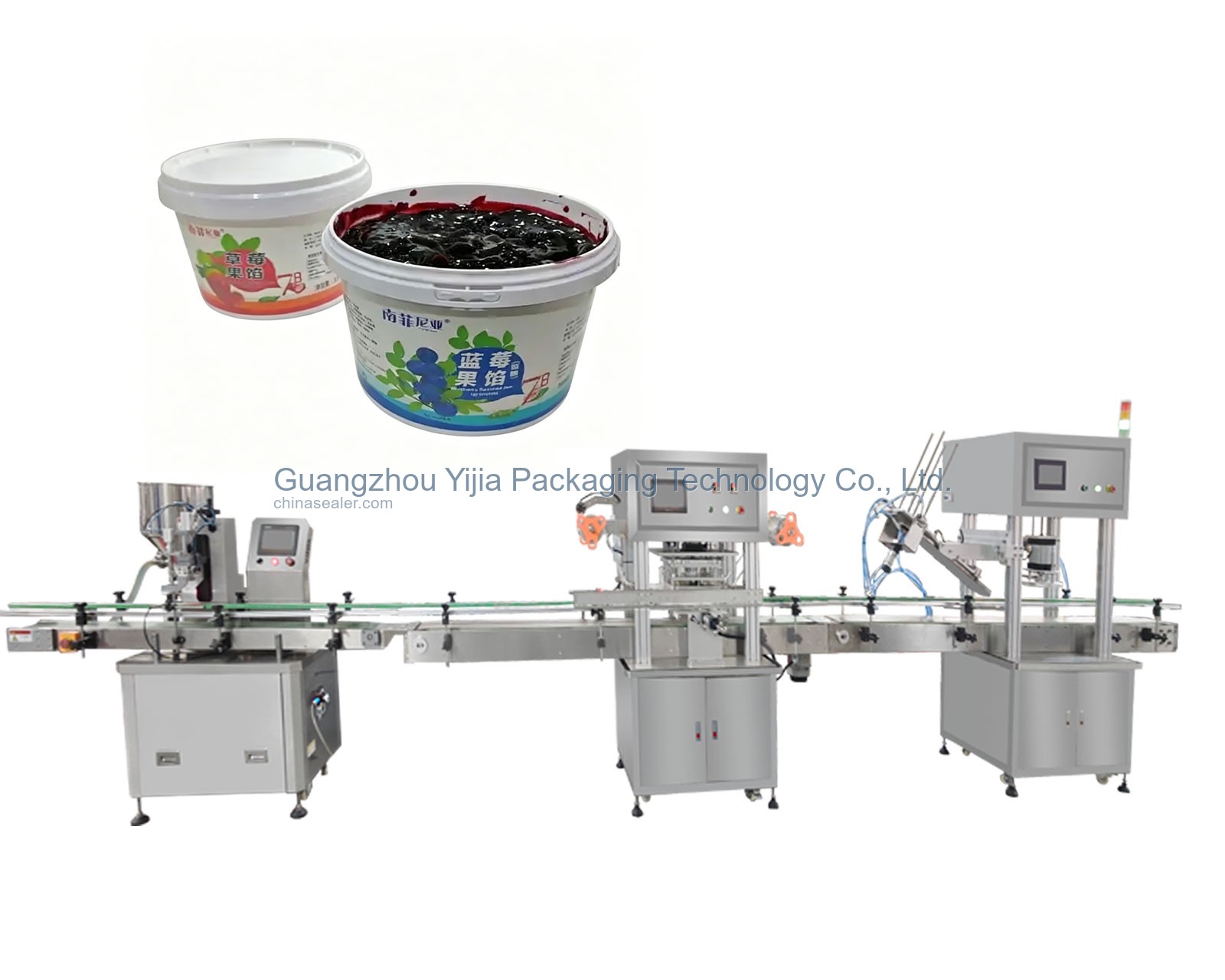 Paper Can / Plastic Pail Aluminum Foil Sealing and Capping Machine
Conveying and inspection (optional); Inline conveying and checkweighing to ensure finished products are qualified; Food-grade conveyor line, inline c...
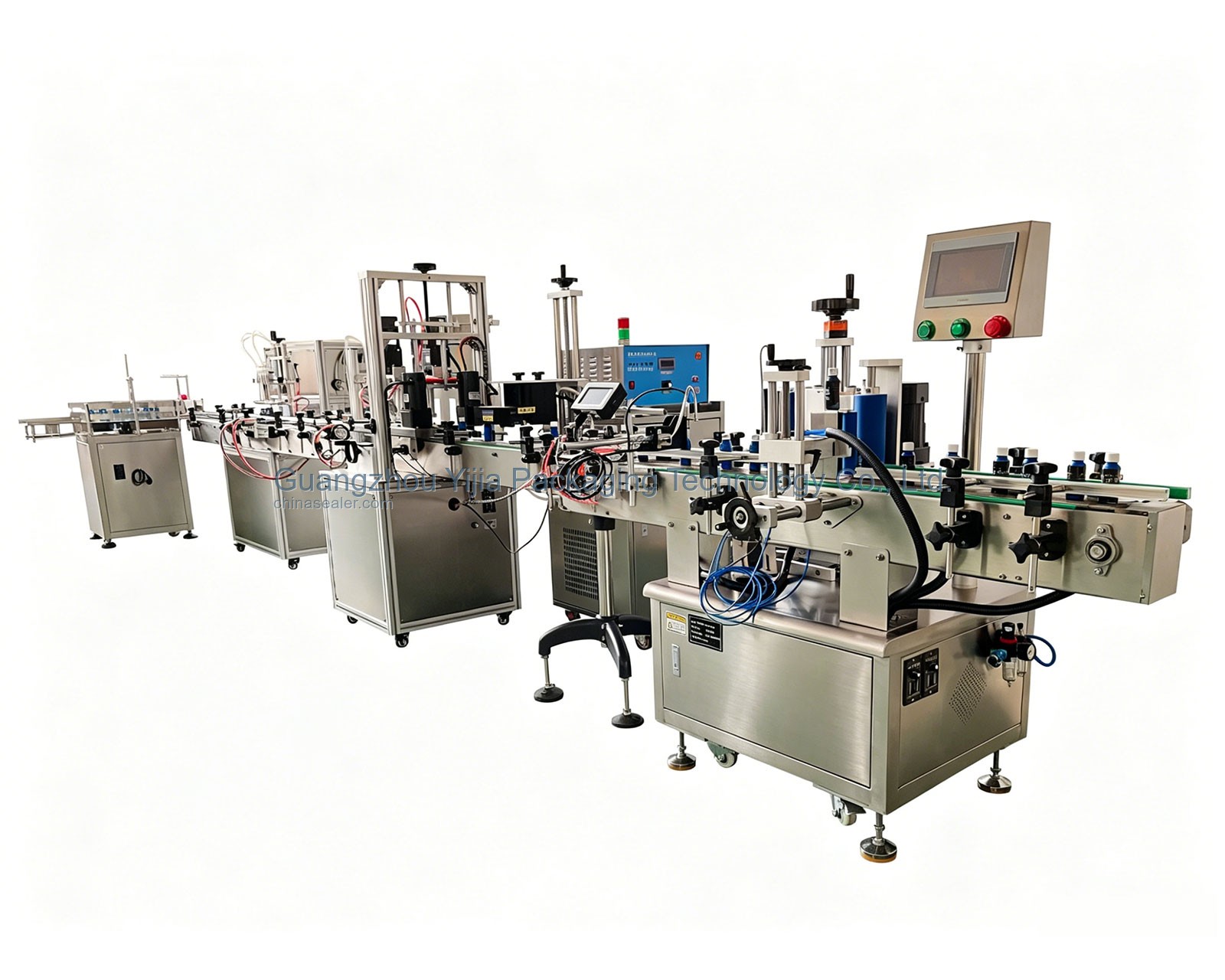 Automatic Feeding Conveying Sealing Line
Conveying and inspection (optional); Inline conveying and checkweighing to ensure finished products are qualified; Food-grade conveyor line, inline checkweigher
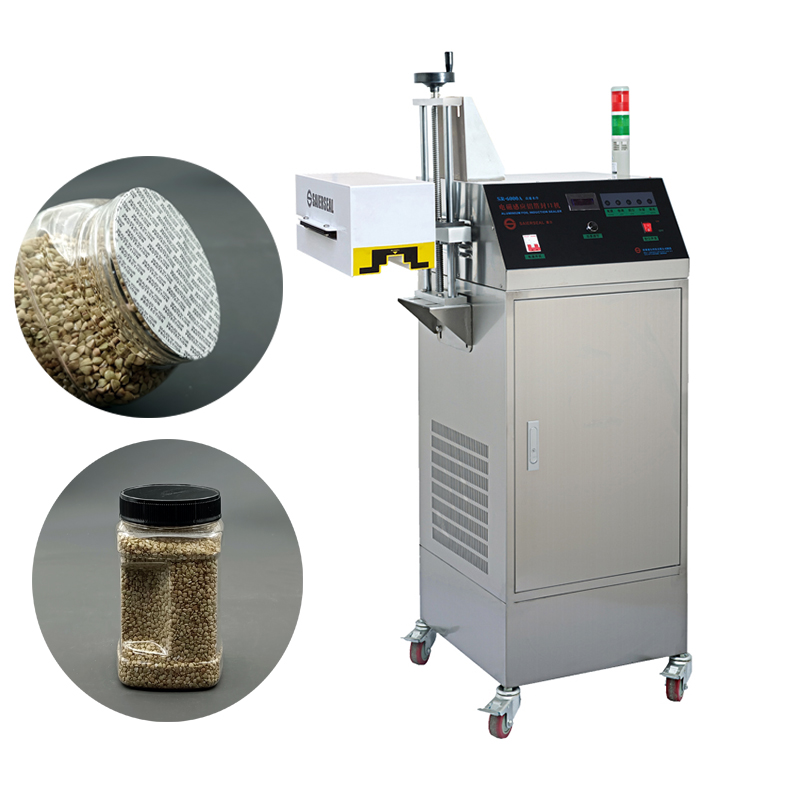 Water-Cooled Induction Aluminum Foil Sealing Machine
Container confirmation and tooling preparation; Customize tooling according to can mouth dimensions, film material, and cap structure to ensure sealing and capping...
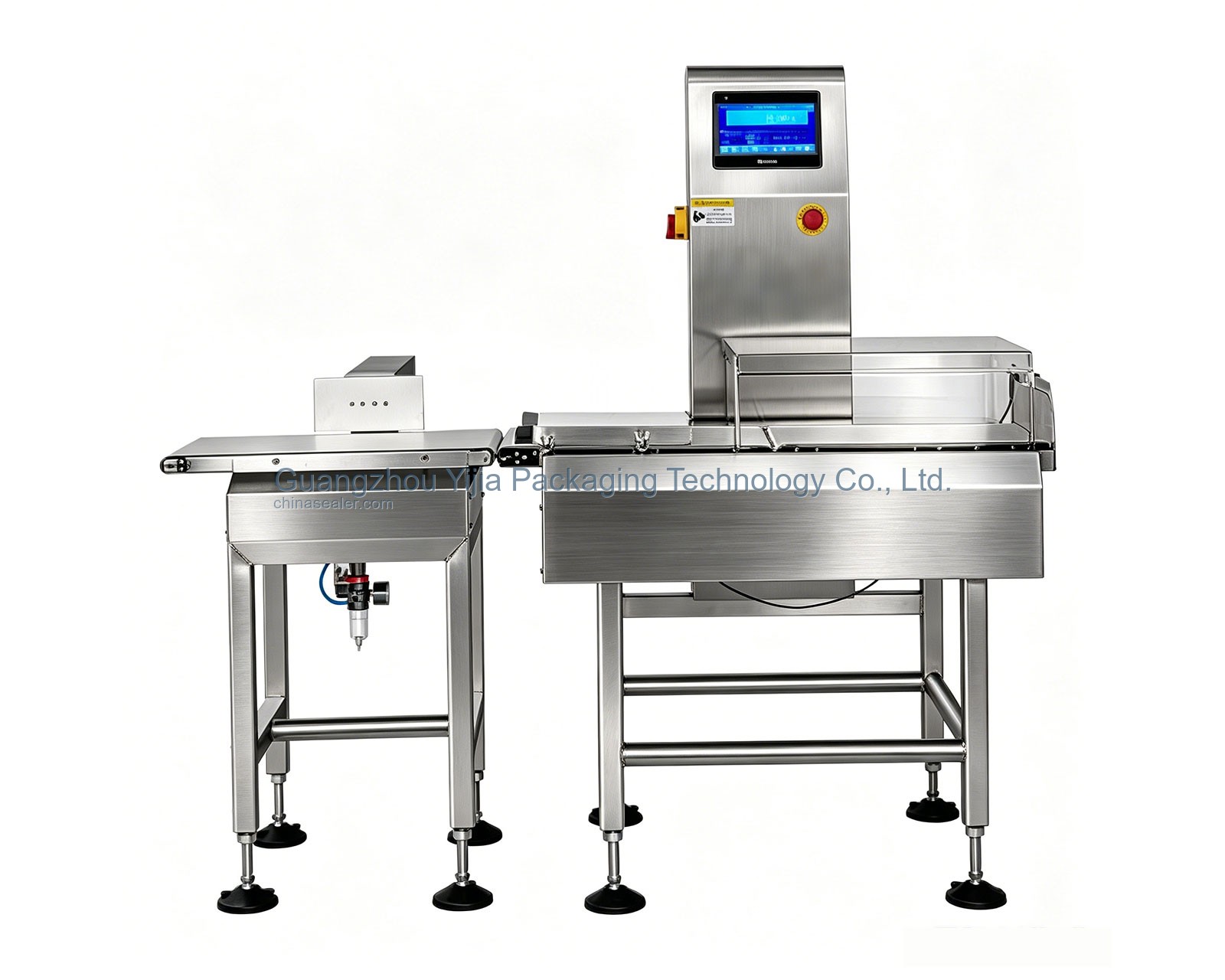 Inline Checkweigher
Labeling; Label on the can body, can be used inline or as a stand-alone machine; Round/square bottle labeling machine
Sample details
Photos and dimensions can preliminarily determine container positioning, tooling direction, and whether sample testing is needed.
Actual photos or samples of the paper can or plastic pail to confirm can mouth dimensions, material, and structurePhotos and dimensions can preliminarily determine container positioning, tooling direction, and whether sample testing is needed.
Can mouth inner diameter, outer diameter, and height dimensions, affecting tooling and sealing parametersFilm material and liner affect sealing temperature, pressure, dwell time, and feeding method.
Samples or specifications of the aluminum foil film or composite film for sealing effect testingCap structure determines the method of press capping, screw capping, cap feeding, and whether inline is needed.
Cap samples (inner cap, outer cap, or snap-on cap) to confirm press capping toolingCapacity target determines single machine, semi-automatic, or continuous inline configuration, and also affects the quotation range.
Target production capacity (cans per hour or per day), determines single machine or inline configurationInline requirements affect equipment sequence, cycle time matching, and downstream inspection methods.
Label samples or dimensions for labeling machine selectionPhotos and dimensions can preliminarily determine container positioning, tooling direction, and whether sample testing is needed.
If information is incomplete, you can still send existing photos and dimensions first; we will determine the route and then supplement the checklistCommon selection mistakes
The key to paper can sealing is the flatness of the can mouth and the matching of the film material; it is difficult to determine tooling and parameters without samples.
The press capping method differs for inner caps, outer caps, or snap-on caps, requiring different tooling and pressure settings.
Heat sealing directly heats the film material, while induction foil sealing heats through the aluminum foil liner; the paper can material may affect the induction effect.
The labeling method differs for round and shaped cans; the labeling machine should be selected based on can body shape and label position.
Different diameters or cap types require changing tooling and adjusting parameters; changeover plans should be planned in advance for multi-specification production.
Sealing, capping, labeling and other equipment need proper layout, otherwise smooth inline connection may not be possible.
Common questions
Not necessarily. If the cap already has an aluminum foil liner, induction foil sealing may be considered, but the paper can material may affect the induction effect and requires testing to confirm.
Yes. The paper can/plastic pail aluminum foil sealing and press capping machine can complete film sealing and press capping on one machine, and also supports step-by-step configuration.
Usually it can be achieved by changing tooling, but if the differences are too large, separate tooling is needed. It is recommended to determine the main specification first, then evaluate the changeover plan.
Can body dimensions, label dimensions, and material information are needed. The labeling machine configuration differs for round and shaped cans; sample testing is recommended.
Yes. But conveying interfaces and space should be reserved in advance for future upgrades.
The route can be preliminarily determined, but accurate configuration requires can samples, film material, and caps. It is recommended to send photos and approximate dimensions first.