Conveying, Feeding and Packaging Line Auxiliary Equipment
Automatic Foil Sheet Feeder
Used for automatic feeding of aluminum foil liners or composite lid sheets. Sheet thickness, static, curl, surface treatment and stack consistency directly affect feeding. Press capping, screw capping, induction foil sealing or heat sealing main machines are not within the default scope of this module.
Technical parameters
- Automation type
- Automatic sheet feeding; missing sheet detection, double sheet detection, vision and multi-magazine configured per project
- Applicable container or packaging
- Serves sheet placement and sealing process for bottles, cans, pails, cups or boxes
- Applicable material or product
- Pre-cut aluminum foil sheets, composite liners or verifiable similar sheets
- Packaging materials and consumables
- Sheet dimensions, thickness, heat seal layer and surface condition need actual sample confirmation
- Basic process
- Sheet storage, separation, suction or gripping, positioning and placement
- Speed and capacity
- Confirmed based on samples, motion cycle, process time, upstream/downstream speed and final configuration.
- Changeover method
- When sheet diameter, shape or material changes, the magazine, suction tooling and positioning parts need adjustment or replacement.
- Optional modules
- Static elimination, double sheet detection, vision positioning, dual magazine and reject of defective sheets are optional functions.
- Power supply, air supply and equipment dimensions
- Confirmed based on export region, drive structure, site layout and final configuration.
- Upstream/downstream line integration
- Cycle and signal integration with container conveying, sealing, press capping or screw capping equipment.
- Testing and acceptance
- Please provide actual foil sheet samples, dimensional tolerances, stack condition, heat seal layer direction, target cycle time and host interface.
Selection guide
- Equipment scope confirmed based on actual samples, packaging process and site interface, not based on general parameters in drafts.
- Core processes: sheet storage, separation, suction or gripping, positioning and placement; optional modules stated separately, not included in standard configuration by default.
- When sheet diameter, shape or material changes, the magazine, suction tooling and positioning parts need adjustment or replacement.
- Please provide actual foil sheet samples, dimensional tolerances, stack condition, heat seal layer direction, target cycle time and host interface.
Applications
- Automatic placement of pre-cut foil sheets or liners is needed before sealing bottles or cans.
- Manual sheet placement becomes a bottleneck in cycle time or consistency, requiring an automatic sheet feeding module.
- Projects requiring cycle and signal integration with existing sealing machines, filling machines, conveyors or downstream equipment.
- Non-standard projects requiring sample testing first, then confirming structure, tooling, speed and acceptance criteria.
Frequently Asked Questions
- What information is needed before solution confirmation? Please provide actual foil sheet samples, dimensional tolerances, stack condition, heat seal layer direction, target cycle time and host interface.
- Are the optional modules on the page part of the standard configuration? No. Static elimination, double sheet detection, vision positioning, dual magazine and reject of defective sheets are optional functions. All nee...
- Can you directly commit to a fixed speed or compatibility range? Cannot commit without actual samples and line conditions. Speed, compatibility range, tooling quantity and acceptance criteria are based on sample testi...
Send samples and capacity requirements for a clearer solution
- Actual container, packaging or product samples
- Key dimension drawing and allowable tolerances
- Packaging material, lid film, label or consumable samples
- Target process, shift output requirement and acceptance criteria
- Upstream/downstream equipment speed, conveying direction and interface
- Power supply, air supply, site dimensions and export region
Automatic Foil Sheet Feeder: Aluminum foil film heat sealing; Heat sealing seals the aluminum foil film onto the can mouth, moisture-proof and leak-proof.
Automatic Foil Sheet Feeder: Main Filling and Sealing Machine; The integrated machine completes cup dropping, quantitative filling, film placing, and heat sealing, suitable for...
Automatic Foil Sheet Feeder: Choose the Main Sealing Machine; Select roll-film or pre-cut-film equipment according to container type and daily output. Cups and regular box shape...
Automatic Foil Sheet Feeder: Sealing and Closure; Leak testing is more important than just checking sealing appearance.
Related products
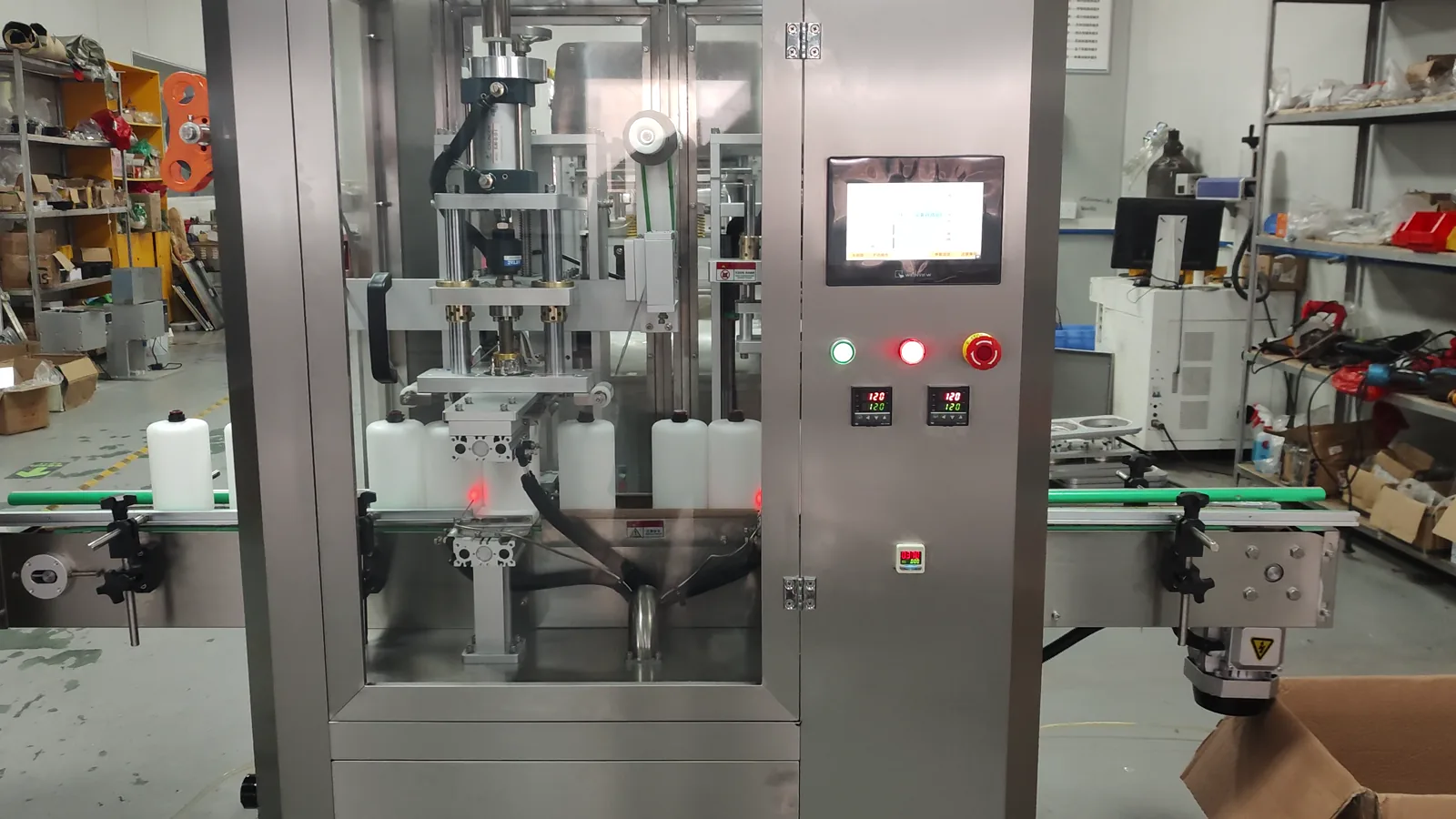
Automatic Die-Cut Film Inline Bottle & Jar Sealer
The equipment identifies and positions bottles/jars on the conveyor line, completes die-cutting of lid film, film pic...
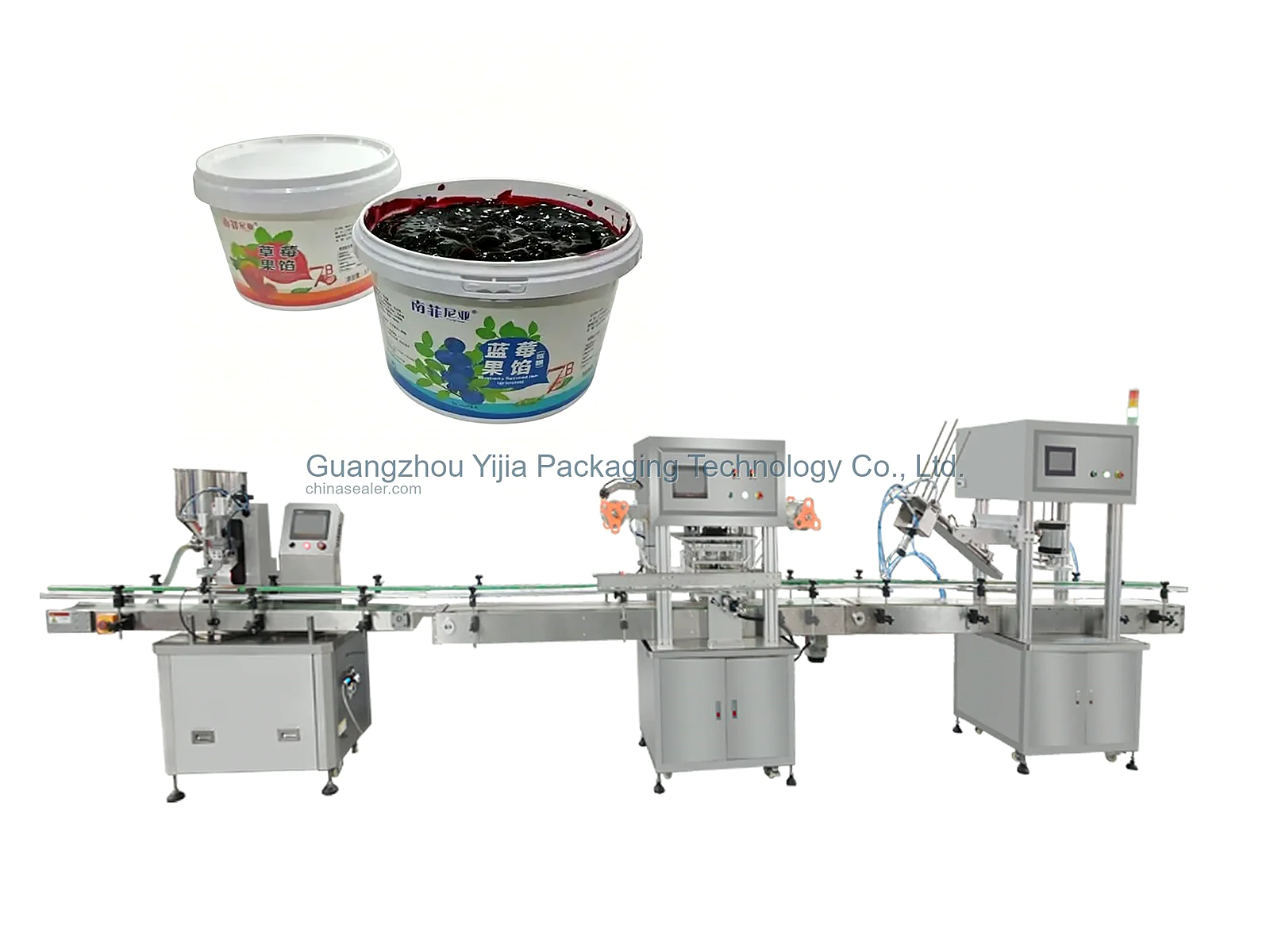
Paper Can / Plastic Pail Aluminum Foil Sealing and Capping Machine
Paper Can / Plastic Pail Aluminum Foil Sealing and Capping Machine is configured for Diameter, Rim, Foil Material, an...
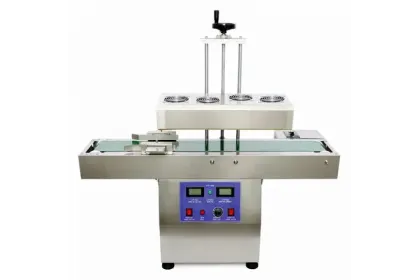
Inline Induction Foil Sealer
Inline Induction Foil Sealer is configured for Non-contact induction foil sealing on Creams / Lotions / Ointments.
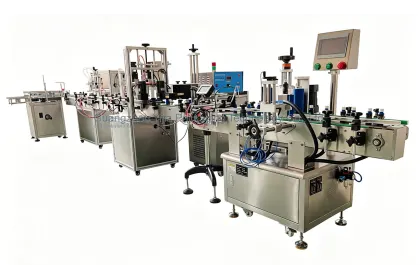
Automatic Feeding Conveying Sealing Line
Automatic Feeding Conveying Sealing Line is configured for Feeding, sorting, cleaning, or conveying interface on Bott...
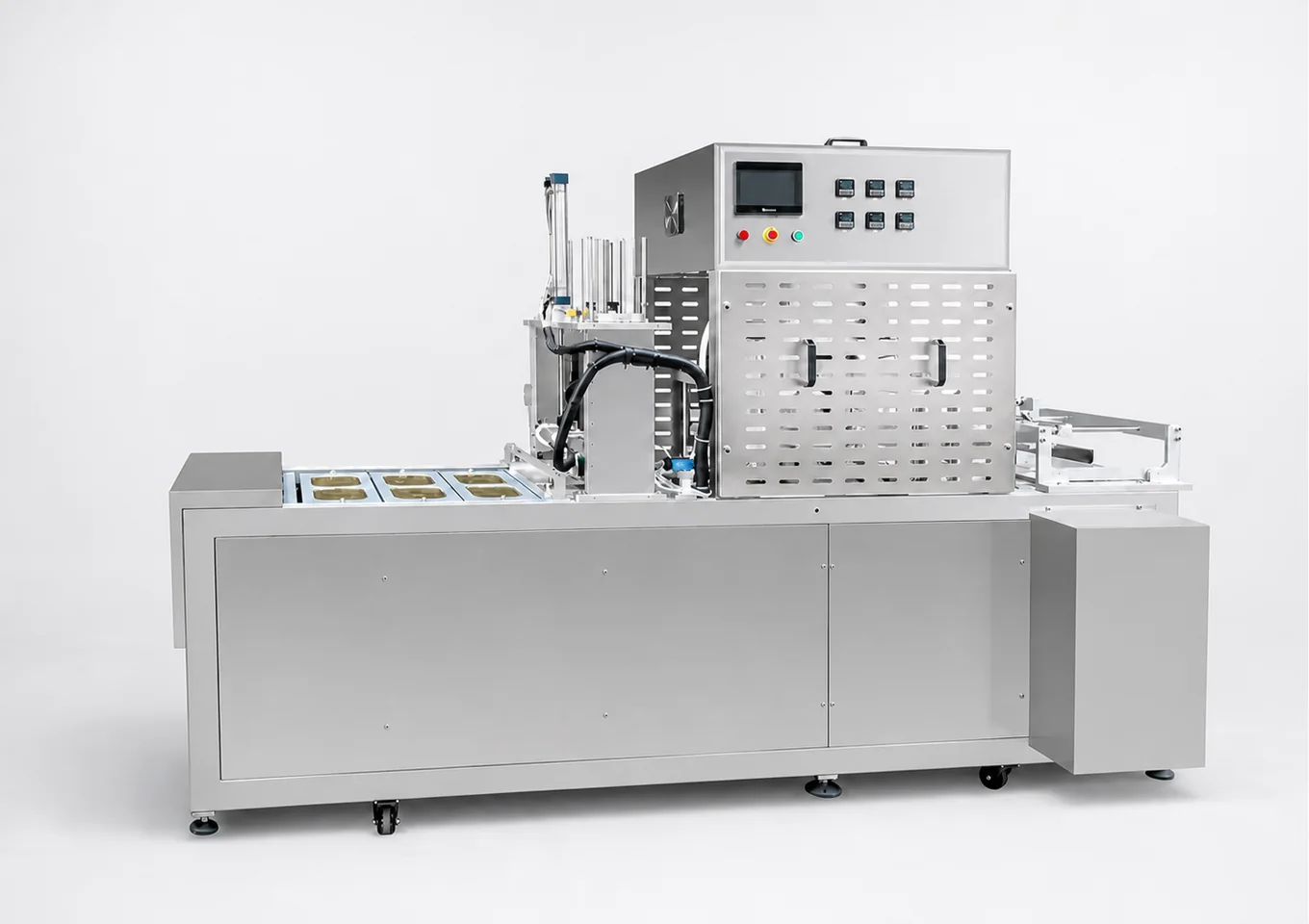
Chain Conveyor Cup/Tray Continuous Sealing Line (Optional Filling)
Suitable for continuous positioning conveying and heat sealing of preformed cups, boxes, and trays. The gallery inclu...
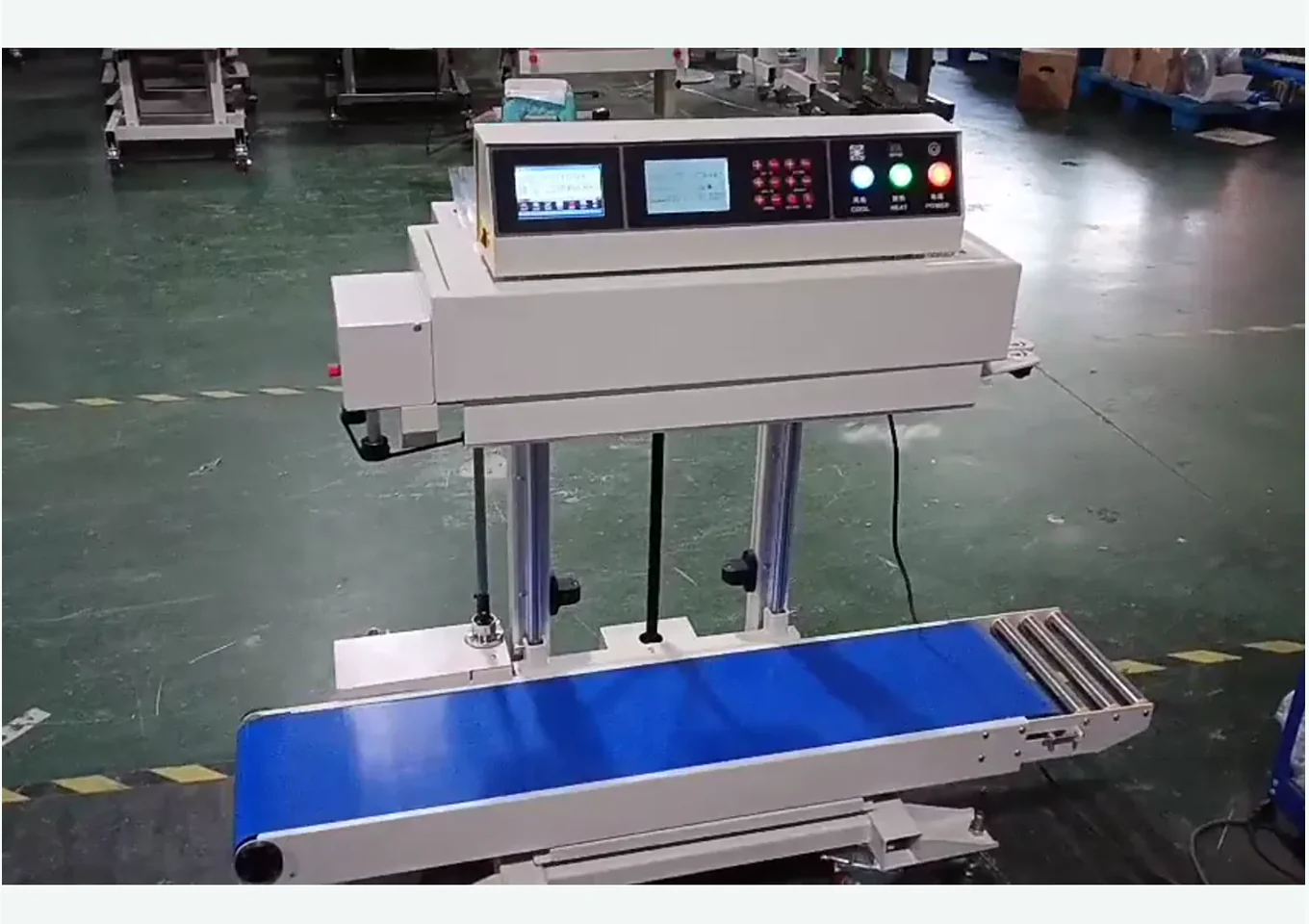
25kg Heavy Bag Continuous Sealer
The 25kg heavy bag continuous sealer handles heavier bagged products through load-bearing conveying, bag mouth guidin...