Solution topic
Coffee capsule filling and sealing: capsule shells, powder and aluminum foil lidding are the core
Coffee capsules require filling, sealing and lidding feeding configured according to the shell, powder and pre-cut aluminum foil. If there is a nitrogen flushing target, the gas re
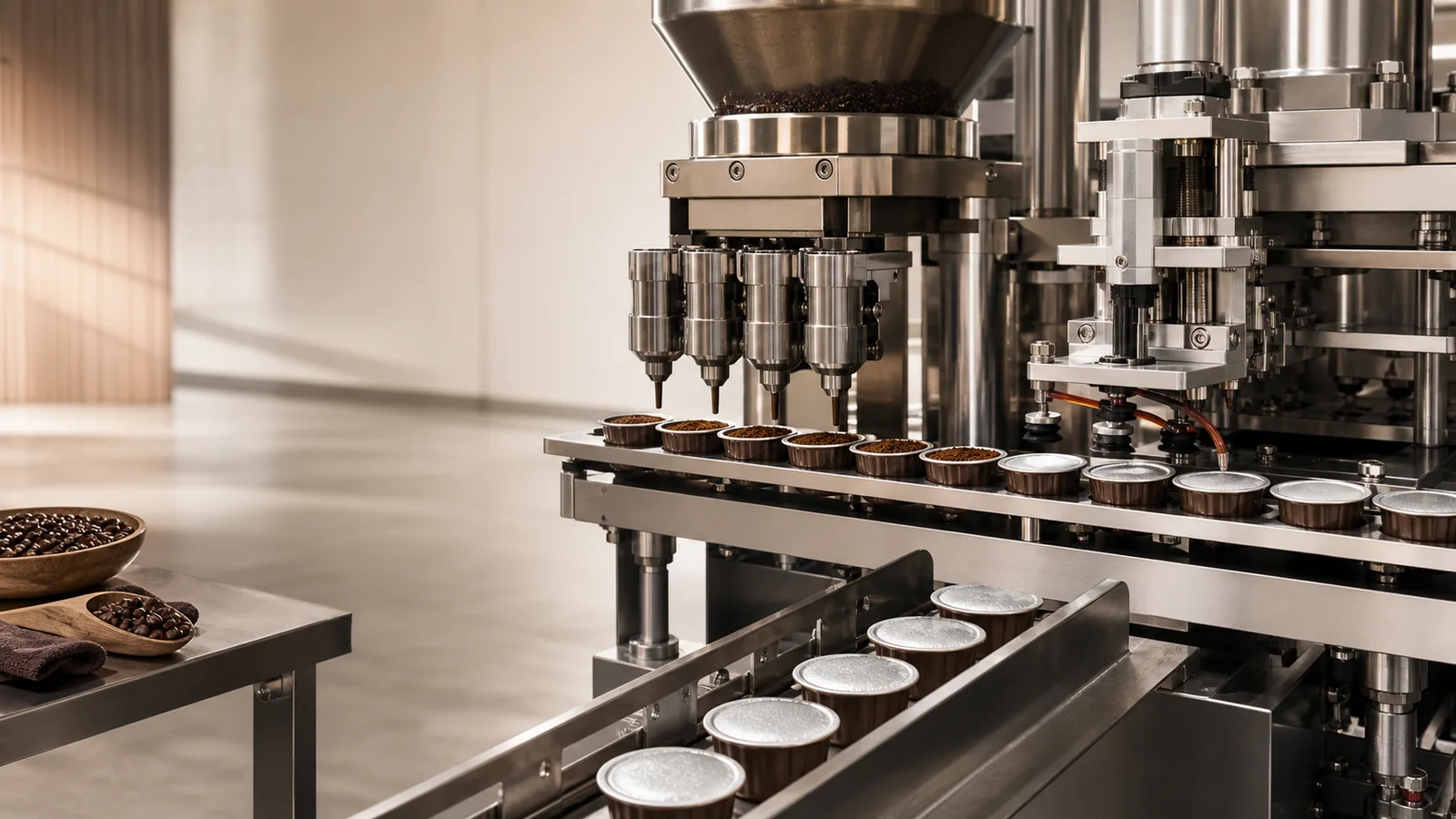
- The rim of aluminum or plastic shells, coffee powder flowability, metering method and pre-cut aluminum foil lidding feeding together determine the dedicated machine configuration, and nitrogen flushing also needs separate confirmation. Please provide capsule shell, powder and film samples, fill volume, gas target, changeover specifications and capacity.
Solution summary prepared for you
- The dedicated production equipment for coffee capsules is the coffee capsule filling and sealing machine; the shell, powder, and lid film samples together determine the tooling, dosing, and heat sealing process.
- When using pre-cut aluminum foil, the automatic aluminum foil feeder must verify separation, orientation, and film placement positioning; static trial sealing alone is not sufficient.
- For new capsule specifications, the small-diameter cup sealing machine SGP-03 can be used first to check rim and film heat sealing matching, but formal production still requires the dedicated machine for filling and sealing.
Route comparison
- Suitable for production where capsule shells, powder, and lid film are confirmed, and automatic shell feeding, dosing, film placement, heat sealing, and discharge are required.
- The coffee capsule filling and sealing machine organizes stations around the dedicated shell, allowing continuous observation of powder drop point, rim cleanliness, and finished film sealing.
- Shell specifications, powder condition, fill weight, and lid film type all require trial runs; multi-specification changeover also requires changing tooling and filling components.
- When the rim and lid film of a new specification have not been verified, or only a small amount of material is available for heat sealing assessment, small-diameter trial sealing can be done first.
- The main machine is the coffee capsule filling and sealing machine; for pre-cut film, an automatic aluminum foil feeder is added.
- Suitable for processes where capsules use pre-cut aluminum foil and require automatic sheet separation, picking, and positioning.
- The automatic aluminum foil feeder separates sheet handling from manual actions and can be verified in sync with the dedicated machine mold holes and sealing cycle.
- Sheet size, static, sticking, warping, and orientation can all affect feeding performance; use a formal batch for continuous testing.
- When the lid film type is not yet determined, or the sheet stacking cannot be separated stably, address the consumable conditions first rather than forcing a line connection.
- Use the automatic aluminum foil feeder with the coffee capsule filling and sealing machine; separation and film placement positions are debugged together.
- Suitable for projects where a new capsule specification needs small-diameter heat sealing verification first, or where there are clear traceability and fill volume inspection tasks after the dedicated machine discharge.
- The SGP-03 can first screen the cup-film heat sealing relationship, while coding and checkweighing handle downstream tasks separately after production standards are clear.
- Trial sealing does not cover powder dosing and automatic feeding; checkweighing also requires fill weight criteria and rejection rules; the three purposes must not be confused.
- When capsules are already in stable dedicated machine production and there is no additional traceability or fill volume review requirement, adding a downstream section without a task is unnecessary.
- Trial sealing uses the small-diameter cup sealing machine SGP-03; downstream uses the date coding machine and online checkweigher as needed.
Associated Equipment / Consumables
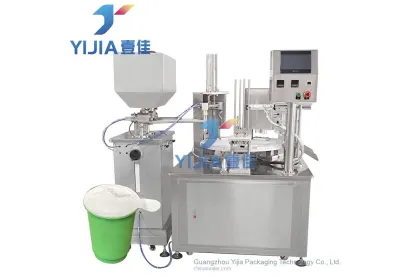 Coffee Capsule Filling and Sealing Machine
Main capsule filling and sealing machine; The trial run should continuously observe shell positioning, powder drop point, residual powder on the rim, film position, and spec...
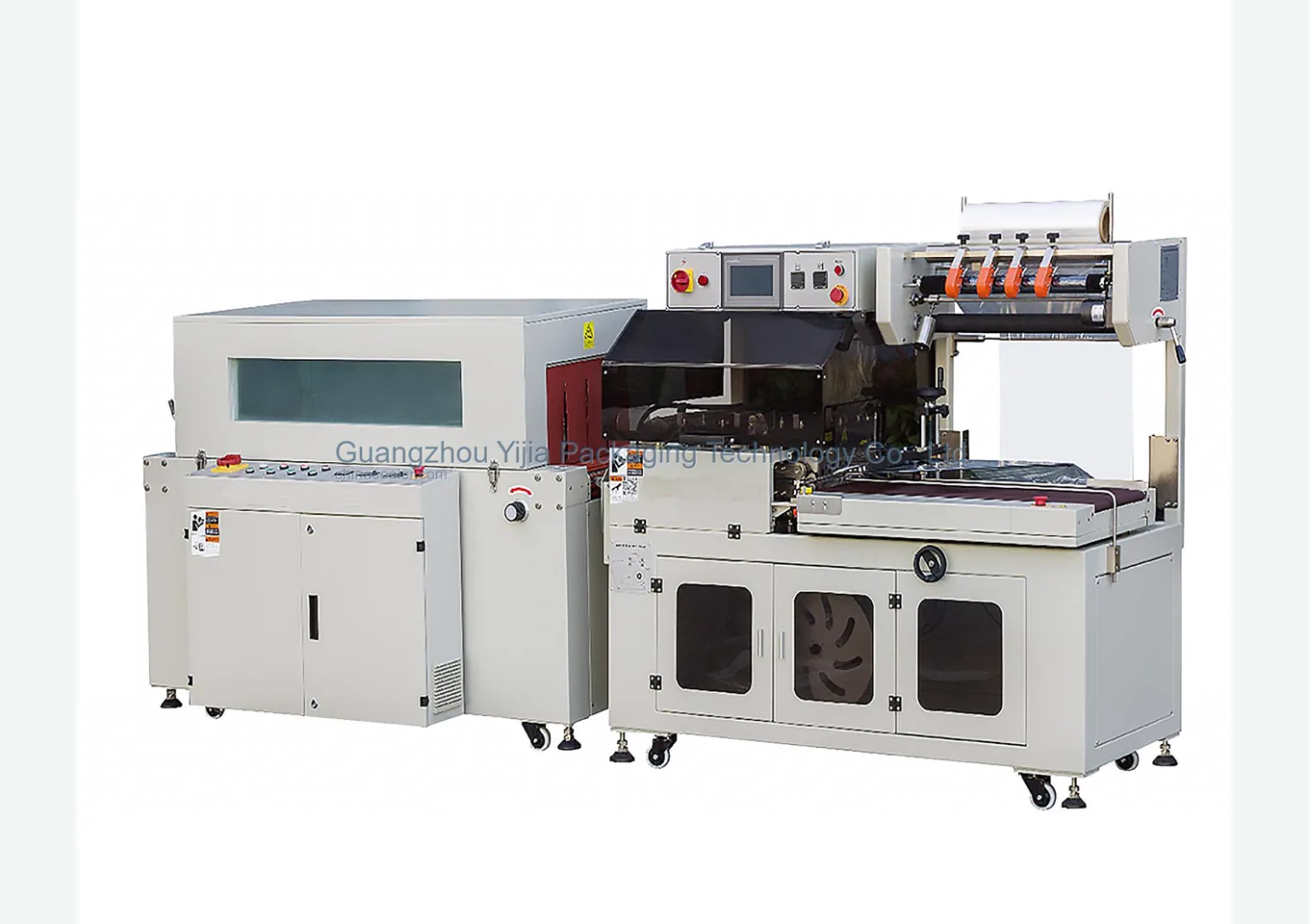 L-Sealer Shrink Wrapping Line
Shell, powder, and film samples; Different capsule specifications should be marked with diameter, depth, and rim separately; powder oil content and dust conditions should also be observe...
Core process
Pair aluminum or plastic shells with the corresponding lid film, and use actual coffee or tea powder to check filling, dosing, rim cleanliness, and heat sealing.
The coffee capsule filling and sealing machine performs shell feeding, powder dosing, film placement, heat sealing, and discharge according to the dedicated shell; tooling is determined by the combined sample.
When using pre-cut aluminum foil, the automatic aluminum foil feeder handles separation and film placement; sheet size and stacking condition should be verified with the actual consumable.
First confirm the capsule shell and powder process, then describe the nitrogen flushing position, gas control, and detection method as a separate task outside the dedicated machine.
After the lid film type is determined, specify the batch code position and fill weight verification method to define the role of the date coding machine and online checkweigher.
Dedicated production uses the capsule filling and sealing machine and film feeder; for new specifications, the SGP-03 can be used first to check heat sealing, and downstream equipment is added after traceability and fill weight standards are clear.
Sample details
Shell dimensions are used to prepare tooling, shell feeding, and positioning; the material and rim contact layer must also match the corresponding lid film.
Provide aluminum or plastic shells, and specify diameter, depth, rim width, and number of changeoversThe actual powder is used to evaluate dosing, drop point, dust, and residual powder on the rim; another dry powder cannot be substituted.
Provide coffee powder, coffee granules, or tea powder, and specify fineness, flowability, oil content, and fill weightThe lid film sample is used for both heat sealing and automatic separation tests; the sheet shape must correspond to the capsule rim and tooling positioning.
Submit pre-cut aluminum foil or easy-tear film, and specify material, size, stacking, and orientationThis information is used to determine whether coding and checkweighing have clear tasks and how the equipment is arranged after discharge.
Provide the date code sample, printing position, fill weight criteria, and reject handling methodThe gas connection must be verified separately; cycle rate and changeover information are used to compare dedicated machine stations, film feeding, and downstream integration.
Specify nitrogen flushing target, detection method, planned cycle rate, changeover schedule, and available floor spaceCommon selection mistakes
Submit the complete shell and dimension drawings, and check shell feeding, positioning, powder filling, and film contact separately.
Use the actual material for continuous dosing, observe drop point, residual powder, and cleaning during changeover, then adjust the filling components.
Test the automatic aluminum foil feeder with the full batch of actual film, recording separation, orientation, and film drop position.
For new specifications, first conduct trial sealing; the production plan is then determined by actual tests with the coffee capsule filling and sealing machine and film feeder.
First provide the code sample, fill weight criteria, and reject flow, then configure the date coding machine and online checkweigher.
View detailed technical notes
Coffee capsules start with the shell and powder
The rim of aluminum or plastic shells differs from the lid film, and coffee powder fineness, oil content and dust can change metering and sealing edge cleaning, so both must be tested together.
The dedicated machine covers from shell denesting to finished product discharge
The coffee capsule filling and sealing machine completes shell denesting, powder metering, film placement, heat sealing and discharge around the dedicated shell, with each station confirmed against the capsule, powder and film combination sample.
Pre-cut aluminum foil lidding must be verified for continuous separation
The automatic aluminum foil lidding feeder must not only place the film on the rim, but also handle sticking, warping and orientation so that each piece corresponds to the capsule mold cavity, and the feeding result is recorded together with the main machine cycle.
New specifications can be trial-sealed with SGP-03 first
The small-diameter cup sealing machine SGP-03 is used to check the heat sealing relationship between the new shell and the lid film. After trial sealing passes, a dedicated machine is still required to verify powder and automatic feeding.
Residual powder on the rim is included in main machine commissioning
Coffee powder landing offset or dust entering the rim can affect lid film contact. Trial running should observe from powder metering through to the sealed finished product.
The nitrogen flushing system is defined as a separate task
If nitrogen flushing is required, the gas position, control and detection method should be specified and coordinated with the capsule machine stations; the gas result cannot be inferred from the equipment name.
Coding and checkweighing follow clear standards
The date and batch inkjet coder corresponds to the character sample and position, and the online checkweigher corresponds to fill volume judgment and reject handling; both are confirmed separately.
Changeover evaluation covers molds and feeding
When changing capsule shells or film, the denesting mold, filling nozzle, film separation and sealing conditions may all change, so a new combination should be used for re-sampling.
Common questions
Can the equipment be assessed with only photos of the capsule shells?
Start by checking the shell material, diameter, depth, and lid film type. The dedicated tooling, dosing, and film feeding still require actual samples of the capsule shell, powder, and film.
What materials are needed for coffee capsule trial runs?
Please provide the capsule shells of each specification, coffee or tea powder, pre-cut aluminum foil or easy-tear film, fill weight, changeover plan, cycle rate, and nitrogen flushing requirements.
Why should coffee powder be sent together with empty shells?
Powder fineness, oil content, flowability, and dust generation affect dosing and residual powder on the rim. Film feeding and sealing can only be evaluated after actual filling.
Why is a continuous feeding test required for pre-cut aluminum foil sheets?
Film sheets may stick, warp, or have inconsistent orientation; a single sealing test cannot confirm whether separating and positioning can keep up with the main machine.
Can the SGP-03 directly replace a dedicated capsule machine?
The SGP-03 is used for small-diameter heat sealing matching tests for new capsule specifications; it does not handle automatic shell feeding, powder dosing, or continuous film feeding.
How do coding and checkweighing determine whether to include them?
First define the traceability code, position, fill weight criteria, and rejection rules, then evaluate the date coding machine and online checkweigher.