Solution topic
How to connect outer carton sealing and marking after sealing electronic component moisture-proof bags
Choose pre-made bag sealing or continuous heat sealing according to the electronic component moisture-proof bag type and bag feeding method, then connect outer carton sealing and m
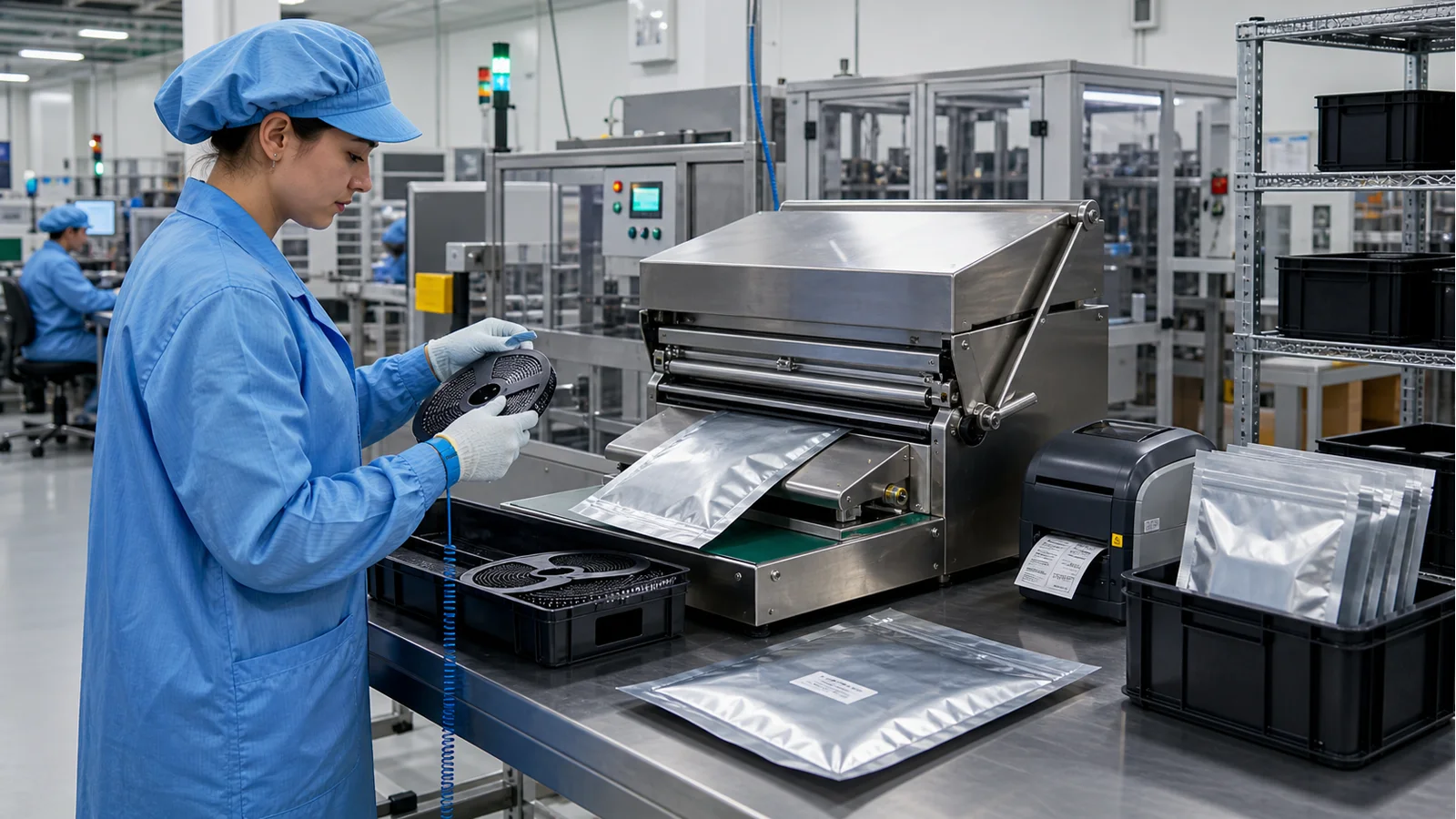
- Aluminum foil bags, shielding bags, and vacuum bags have different bag feeding methods and sealing edge requirements. Nitrogen flushing or vacuum cannot be replaced by ordinary heat sealing equipment by default, and the inner bag cartoning method also needs separate confirmation. Please provide component and bag/carton samples, bag mouth size, moisture-pr...
Solution summary prepared for you
- When electronic component moisture-proof bags are already filled, a continuous bag sealing machine can be evaluated. When automatic bag picking and loading connection are needed, evaluate the pre-made bag filling and sealing machine seri...
- Ordinary heat sealing cannot be assumed to replace vacuum or nitrogen flushing functions. The moisture-proof method must be specified separately during the requirement submission and sample testing stage.
- The batch number after bag sealing can be completed by a date batch inkjet coder. After the inner bag cartoning method is confirmed, the outer carton can be connected to the case sealing and outer carton labeling line.
Route comparison
- For moisture-proof packaging projects with stable bag types, requiring automatic bag picking and connection to component loading.
- Bag picking and sealing can be organized at the same production rate, helping to reduce repeated handling.
- Bag type, bag opening state, and component loading action all need sample testing, and ordinary configurations do not include vacuum or nitrogen flushing by default.
- When the bag type changes frequently or the batch size is very small, first compare manual loading and continuous heat sealing.
- Evaluate the single-lane/three-station pre-made bag filling and sealing machine series based on the bag type.
- For production states where components are already loaded into moisture-proof bags and only continuous bag mouth heat sealing is needed.
- The process is focused on bag mouth sealing, making it easy to test different filled bags separately.
- The bag mouth must be flat and clean, and the sealing edge width and acceptable condition must be verified against the bag material.
- When the project requires automatic bag picking, opening, and loading, continuous heat sealing cannot replace the front-end actions.
- A continuous bag sealing machine can be evaluated, with configuration based on formal bag samples and loading state.
- For adding a bag surface batch number after moisture-proof bag sealing, and sealing the outer carton after the established cartoning station.
- Bag surface traceability and outer carton logistics labeling can be verified separately, making responsibility boundaries clearer.
- The coding position, packing method, and carton specifications must be determined first. This direction does not include automatic inner bag cartoning.
- When it is not yet determined how the inner bag enters the carton or outer carton, it is not appropriate to directly configure a continuous case sealing line.
- Configure a date batch inkjet coder and a case sealing and outer carton labeling line as needed.
Associated Equipment / Consumables
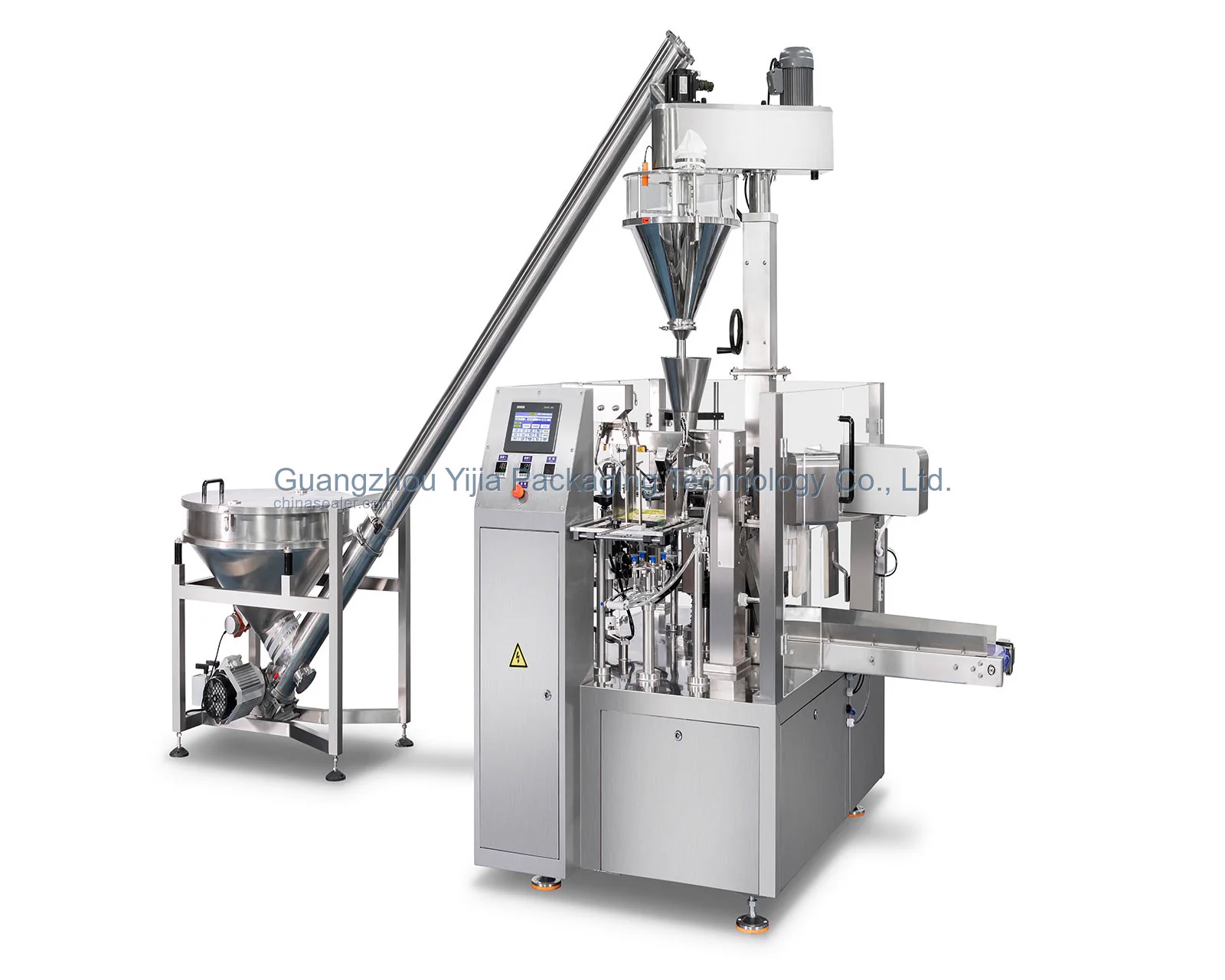 Single-Lane and Three-Station Premade Pouch Filling and Sealing Series
Single-Lane / 3-Station Pre-Made Pouch Filling and Sealing Machine Series: Verification of components, bag material, and carton specifications; Aluminum foil bags, shielding bags, and vacuum bags have similar names, b...
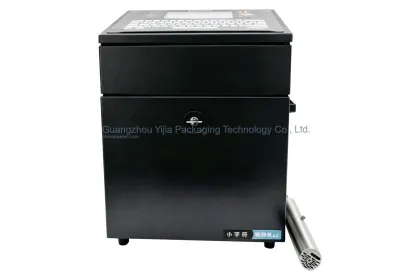 Date & Batch Inkjet Printer
Bag surface batch number traceability; The printing surface, content, and adhesion requirements should be tested with formal bag material first to avoid interference between the sealing st...
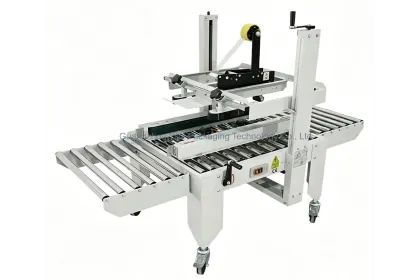 Carton Sealing and Outer Case Labeling Line
Outer carton sealing and logistics labeling; This line handles outer carton sealing and logistics labels, and does not undertake automatic inner bag cartoning; the cartonin...
Core process
First submit actual samples of components, moisture-proof bags, inner trays, and outer cartons, and specify the bag mouth size, moisture-proof purpose, traceability location, and existing loading method.
When automatic bag picking is required, evaluate the single-lane/three-station pre-made bag filling and sealing machine series based on the bag type and component loading method. For already-filled products, evaluate continuous bag sealing machines.
After the moisture-proof bag is sealed and conveyed stably, a date batch inkjet coder can be added according to the confirmed traceability location.
After the inner bags have been cartoned by manual or other equipment and the carton specifications are stable, connect the case sealing and outer carton labeling line.
Check the sealing edge width, bag mouth cleanliness, component avoidance, and packing posture separately for aluminum foil bags, shielding bags, or other moisture-proof bags.
First stabilize bag picking or continuous heat sealing, then verify the actual rate of coding, manual or other cartoning stations, and outer carton sealing.
Sample details
Component shape, bag type, and bag mouth size together determine the bag picking, loading, and sealing methods.
Please submit representative components, formal moisture-proof bags, and photos or short videos after bagging.The outer carton line is arranged only after the packing method and carton specifications are stable; inner bag cartoning is not within the current equipment scope.
Please provide actual samples of inner trays, cartons, outer cartons, and logistics labels, and explain the current packing action.The production rate determines the connection method of automatic bag picking, continuous heat sealing, buffering, and the outer carton line.
Please specify the quantity per batch, planned production rate, and manual loading or automatic feeding arrangement.Ordinary heat sealing, vacuum, and nitrogen flushing are different functions and cannot be described together in the documentation.
Please clarify whether only heat sealing is needed, or if vacuum, nitrogen flushing, or other moisture-proof treatments are also required.Both bag surface coding and outer carton labeling depend on a stable conveying surface and available space.
Please provide the on-site layout, existing conveyor line, bag surface batch number position, and outer carton label position.Common selection mistakes
Aluminum foil composite bags, shielding bags, and other bag materials may have different heat-seal layers and thicknesses, so they should be tested separately.
Already-filled components only require continuous heat sealing, while automatic bag picking projects also need to confirm the bag magazine, bag opening, and loading actions.
Vacuum and nitrogen flushing require clear functions, bag materials, and acceptance conditions, and ordinary heat sealers cannot be assumed to handle them.
The current equipment combination only covers bag sealing, batch number, and outer carton sealing and labeling; the inner bag cartoning method needs to be confirmed separately.
Residue at the bag mouth or components entering the heat-seal area can affect sealing edge continuity, so avoidance must be arranged in the loading and conveying actions.
View detailed technical notes
First, how components enter the moisture-proof bag
Electronic components already bagged and requiring automatic bag picking and loading are two different production states. You also need to confirm the bag material, moisture-proof requirements, inner tray and outer carton, and traceability location.
Ordinary heat sealing is not vacuum or nitrogen flushing
Aluminum foil bags, shielding bags, and vacuum bags cannot share a common configuration based on name alone. Ordinary heat sealing only handles the bag mouth sealing. If vacuuming or nitrogen flushing is required, the function, packaging material, and acceptance method must be specified separately.
Applicable conditions for automatic bag picking and packaging
When the bag type is stable and automatic bag picking is required, evaluate the single-lane/three-station pre-made bag filling and sealing machine series according to the component feeding method. Bag opening, product loading, and sealing must be verified with formal bag samples. Unconfirmed vacuum or nitrogen flushing cannot be written into the standard configuration.
Pre-loaded bags can use continuous heat sealing
When components have already been loaded into bags manually or by a previous station, a continuous bag sealing machine can be evaluated. The key points for sample testing are flat and clean bag mouth, component avoidance, and sealing edge continuity. After sealing, determine the batch number position.
Outer carton line starts from the established case packing station
A date and batch inkjet coding machine can handle traceability information after the moisture-proof bag is sealed. Whether the inner bag is placed into the carton manually or by other equipment needs separate confirmation. Only after the case packing method and carton specifications are stable, connect the carton sealing and outer carton labeling line.
Complete samples include bags, components, and cartons
Please also provide representative components, moisture-proof bags, inner trays, cartons, outer cartons, and labels, and specify the bag mouth size, moisture-proof method, and traceability positions.
First determine the main bag sealing machine
Based on whether automatic bag picking is used, how components are fed, and the bag mouth condition, choose between pre-made bag filling and sealing machine and continuous bag sealing machine, and complete sealing edge sample tests separately.
Batch number and outer carton marking are confirmed in stages
The batch number on the bag surface should be verified for adhesion and position with the formal bag material first. Outer carton sealing and logistics labels are arranged after the case packing action, carton specifications, and on-site conveying conditions are clarified.
Common questions
If I only have photos of moisture-proof bags and cartons, can I first look at the equipment direction?
You can first distinguish between automatic bag picking and sealing, continuous heat sealing of filled bags, and outer carton sealing direction. The final configuration still needs to be verified against actual samples of components, bag mouths, and carton specifications.
What information is needed before confirming the plan for the moisture-proof bag project?
Please submit samples of components, moisture-proof bags, inner trays, and outer cartons, and specify the filling method, moisture-proof requirements, planned production rate, traceability location, and on-site space.
How do batch size changes affect which workstations?
Batch size and production rate will change the automatic bag picking, manual loading, buffering, and outer carton connection methods, but the bag material and sealing edge conditions still need to be tested first.
Why should aluminum foil bags and shielding bags be sealed separately for testing?
The structure and heat-seal layer of the two types of bag materials may differ, and the bag mouth thickness and cleanliness will also change the available sealing edge conditions.
How do you confirm that the electronic component moisture-proof bag is properly sealed?
You should first agree on the sealing edge appearance, continuity, and seal inspection method, then test with formal bag material containing representative components and retain samples.
After sealing the bag, can it be directly connected to automatic cartoning and case sealing?
You cannot assume that the two process stages are combined. How the inner bag is placed into the carton needs to be determined separately, and only after the carton specifications and packing method are stable can the outer carton sealing and labeling be connected.