Bagging and Flexible Packaging Sealing Equipment
Single-Lane / 3-Station Pre-Made Pouch Filling and Sealing Machine Series
This series covers single-lane compact pre-made pouch and 3-station pre-made pouch filling and sealing lines, used for pouch picking or manual bag loading, opening, metering filling, bag mouth finishing, and heat sealing. The two configurations differ in station count, automation level, and cycle time. Metering, feeding, inspection, and downstream conveying are selected based on actual pouch samples and product.
Technical parameters
- Capacity and cycle time
- Confirmed based on number of stations, bag feeding and opening time, dosing time, bag mouth finishing, sealing hold time, and manual coordination; no fixed values published with...
- Automation scope
- Choose single-lane compact route or 3-station automatic route; dosing, feeding, inspection, and conveying selected per project
- Applicable containers or packaging
- Premade flat pouches, stand-up pouches, or similar bag types; zipper, spout, and special shapes require trial per specific series
- Applicable products
- Liquids, pastes, powders, granules, or regular small items; dosing and feeding method confirmed by product
- Packaging materials and consumables
- Heat-sealable premade bags; bag width, length, opening, gripping, heat-seal layer, and special structures confirmed by bag sample
- Basic process
- Bag supply or manual bag feeding, opening, optional dosing filling, bag mouth finishing, heat sealing, and discharge
- Tooling and changeover
- Adjust bag magazine, grippers, opening parts, discharge chute, and sealing position according to bag width, length, opening, and filling method
- Power, air supply, and layout
- Confirm equipment dimensions, power, air supply, maintenance space, and upstream/downstream interfaces based on bag feeding stations, dosing interfaces, sealing area, maintenanc...
Selection guide
- Merge two duplicate pages, clarify structural and automation differences between single-lane and 3-station
- Bag type, opening, dosing, and sealing verified with actual bag samples and product
- Dosing, automatic bag feeding, inspection, coding, and conveying are optional modules
- Number of stations, cycle time, changeover, and utilities confirmed per final solution
Applications
- Projects requiring compact single-lane premade pouch filling and sealing
- Projects wanting to separate bag feeding, filling, and sealing actions with 3 stations
- Liquid, powder, or granular products requiring different dosing systems for bag packaging
- Projects planning to add optional automatic bag feeding, inspection, coding, or downstream conveying
Frequently Asked Questions
- What are the main differences between single-lane and 3-station? The main differences are in action distribution, automation, footprint, and cycle time. Selection depends on bag type, product, labor, and process, not...
- Why is the other old bag-feeding page no longer retained? The two pages had overly generic and duplicate content; now merged into this series page. Old links retain redirects to avoid customer confusion from conflicti...
Send samples and capacity requirements for a clearer solution
- Empty bags and filled bags, bag dimensions and special structures
- Product samples, target quantity, dosing, dust or drip-proof requirements
- Process steps: bag feeding, opening, filling, sealing, and inspection
- Target cycle time, labor arrangement, changeover list, and site space
Moisture-proof packaging for electronic components is not only about bag thickness. First confirm bag type, moisture barrier requirement, whether nitrogen flushing is needed, se...
Single-Lane / 3-Station Pre-Made Pouch Filling and Sealing Machine Series: Material Confirmation; First determine whether the bag and pre-made pouch require insulation, stirring...
Single-Lane / 3-Station Pre-Made Pouch Filling and Sealing Machine Series: Sample and container confirmation; Confirm bag type, bag-mouth size, sealing-film material, and box si...
Single-Lane / 3-Station Pre-Made Pouch Filling and Sealing Machine Series: Sample and packaging material confirmation; Use samples to confirm bag thickness, seal width, and seal...
Single-Lane / 3-Station Pre-Made Pouch Filling and Sealing Machine Series: Sample and container confirmation; Use samples to confirm bag type, bag opening size, film material, a...
Single-Lane / 3-Station Pre-Made Pouch Filling and Sealing Machine Series: Confirm component and pouch material; Provide component samples, moisture-proof bag samples, or film m...
Single-Lane / 3-Station Pre-Made Pouch Filling and Sealing Machine Series: Sample and container confirmation; Powder flowability, dust level, container rim, and film material af...
Single-Lane / 3-Station Pre-Made Pouch Filling and Sealing Machine Series: Sample and container confirmation; Use actual samples to confirm material viscosity, particle size, co...
Related products
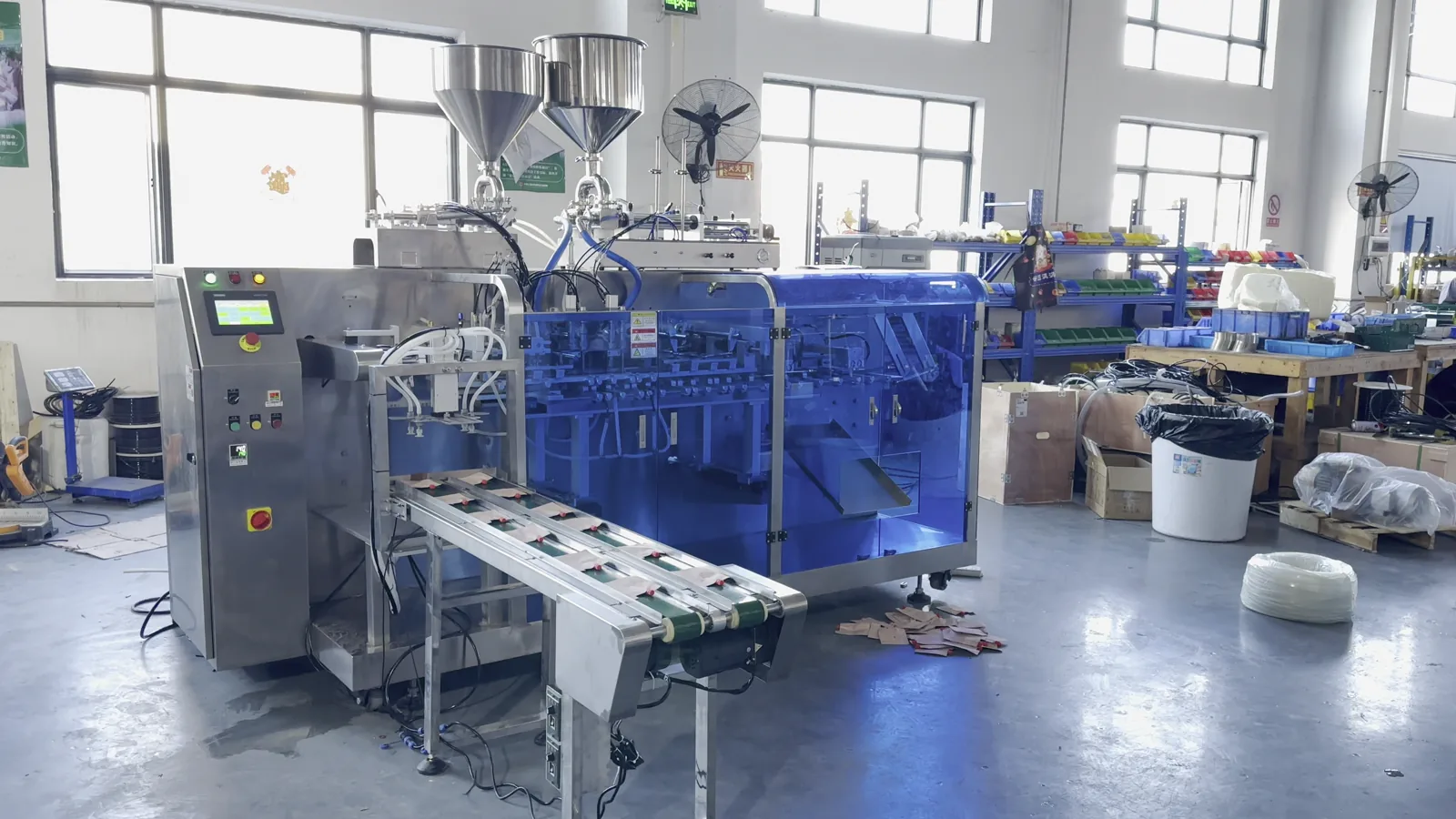
Dual-Lane Horizontal Pouch Packaging Machine
The dual-lane horizontal pouch packaging machine organizes bag picking, opening, filling, mouth finishing and heat se...
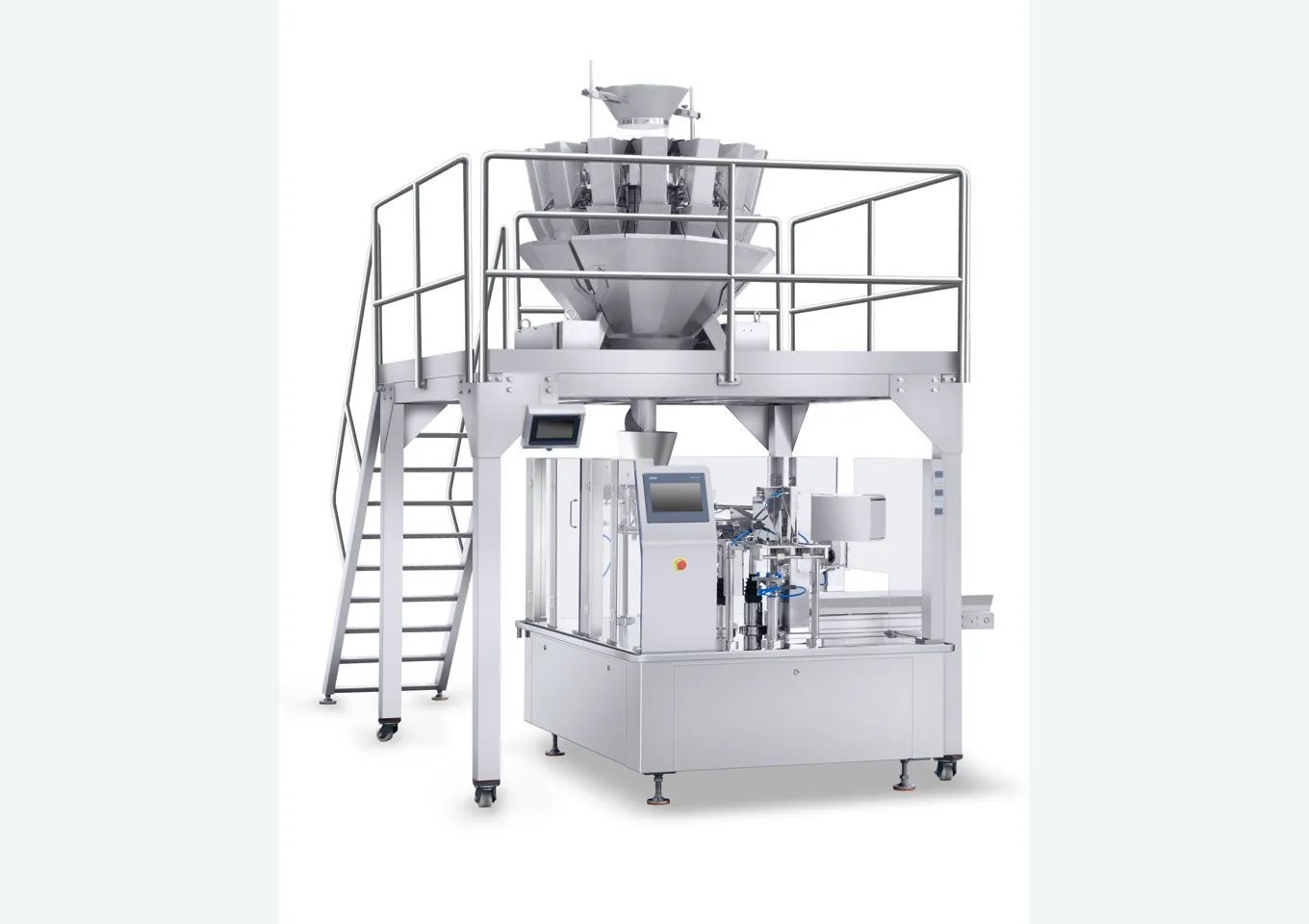
Automatic Rotary Premade Pouch Packaging Machine
The automatic rotary premade pouch packaging machine distributes bag picking, opening, filling, shaping, and sealing...
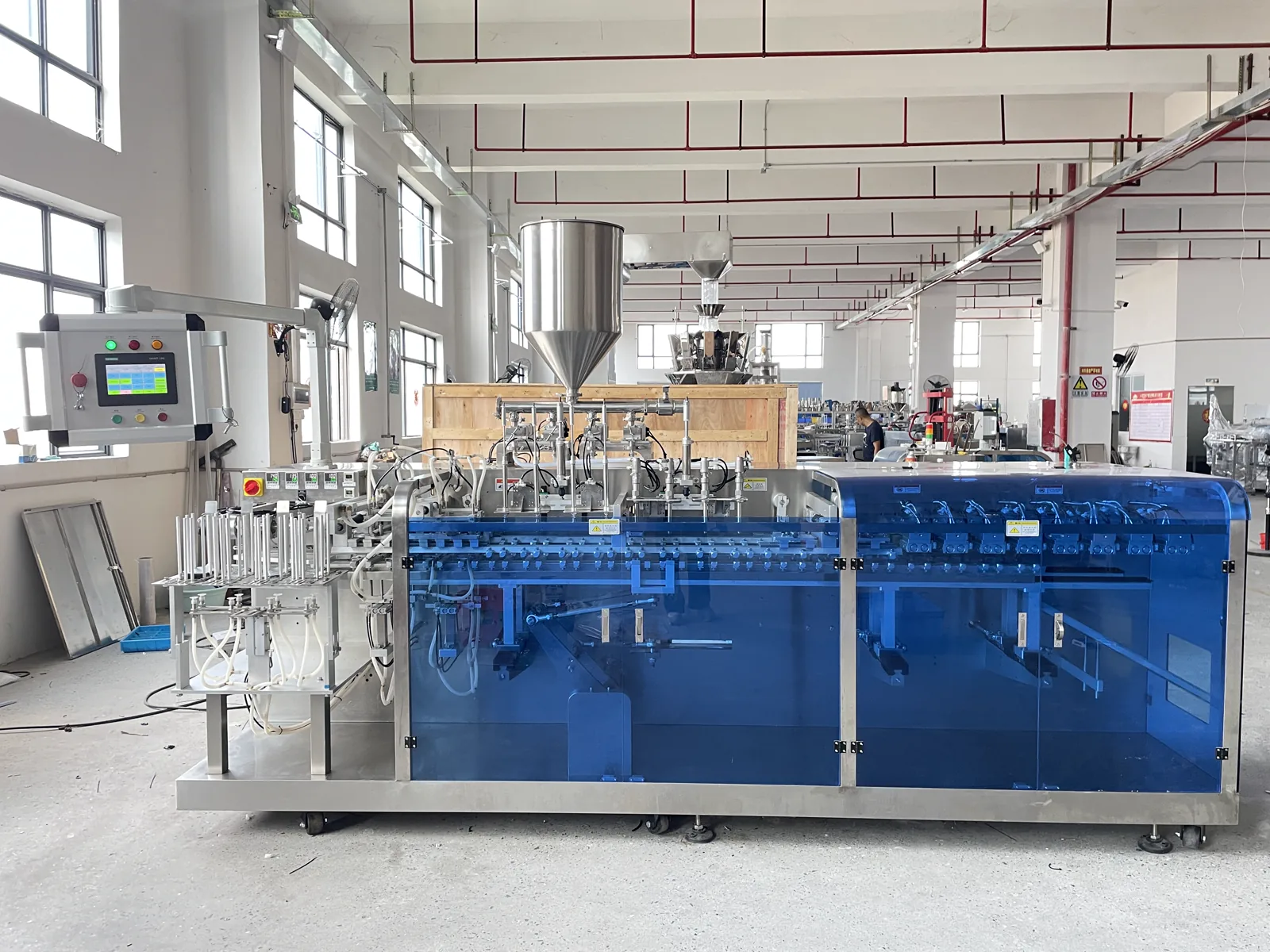
Four-Lane High-Speed Horizontal Pouch Packaging Machine
The four-lane horizontal pouch packaging machine uses multiple bag magazines and gripping mechanisms to perform bag p...
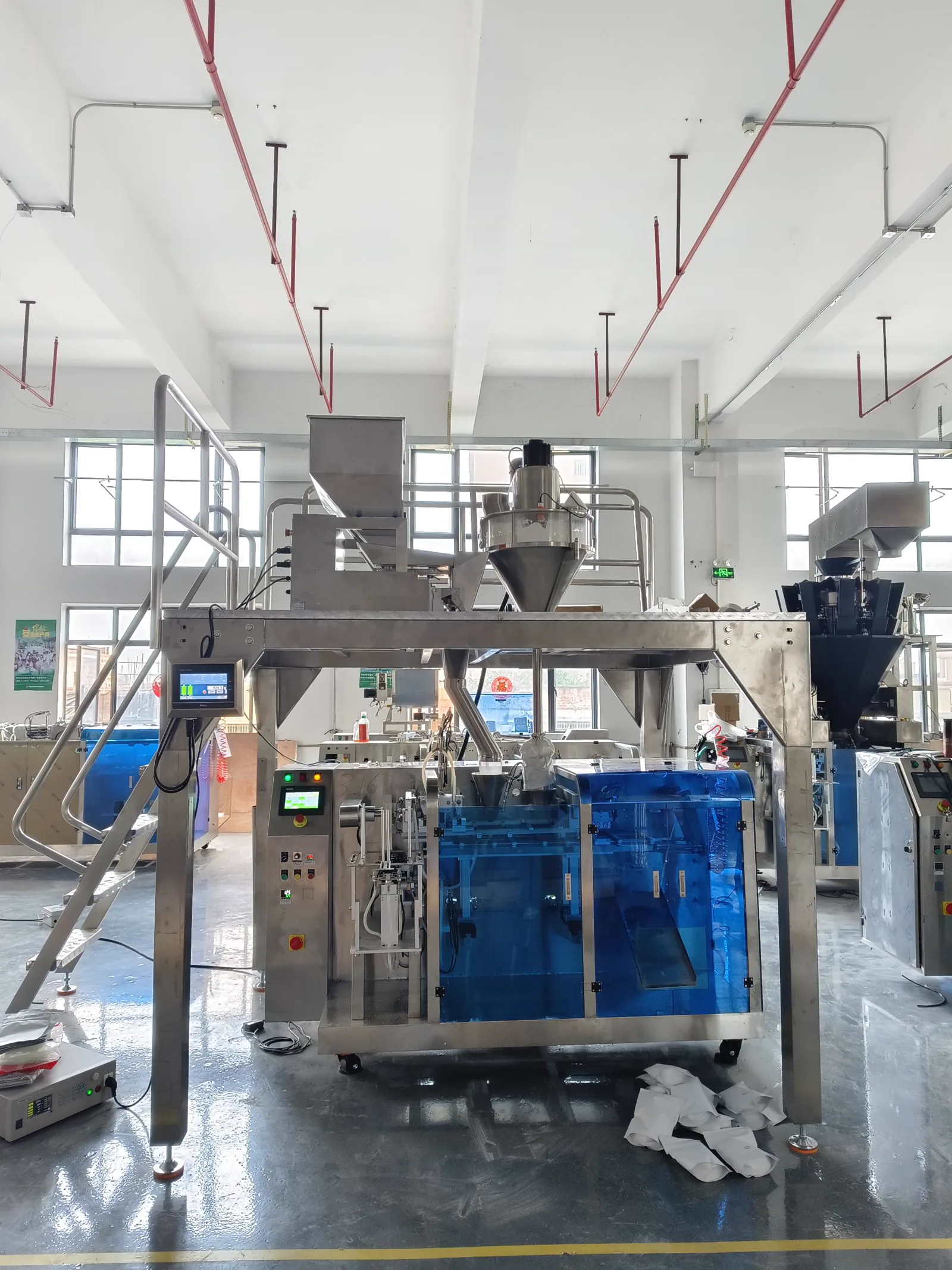
Powder/Granule Dual Metering Horizontal Pre-made Bag Packaging Machine
The machine connects a horizontal pre-made bag feeder with powder and granule metering systems, suitable for projects...
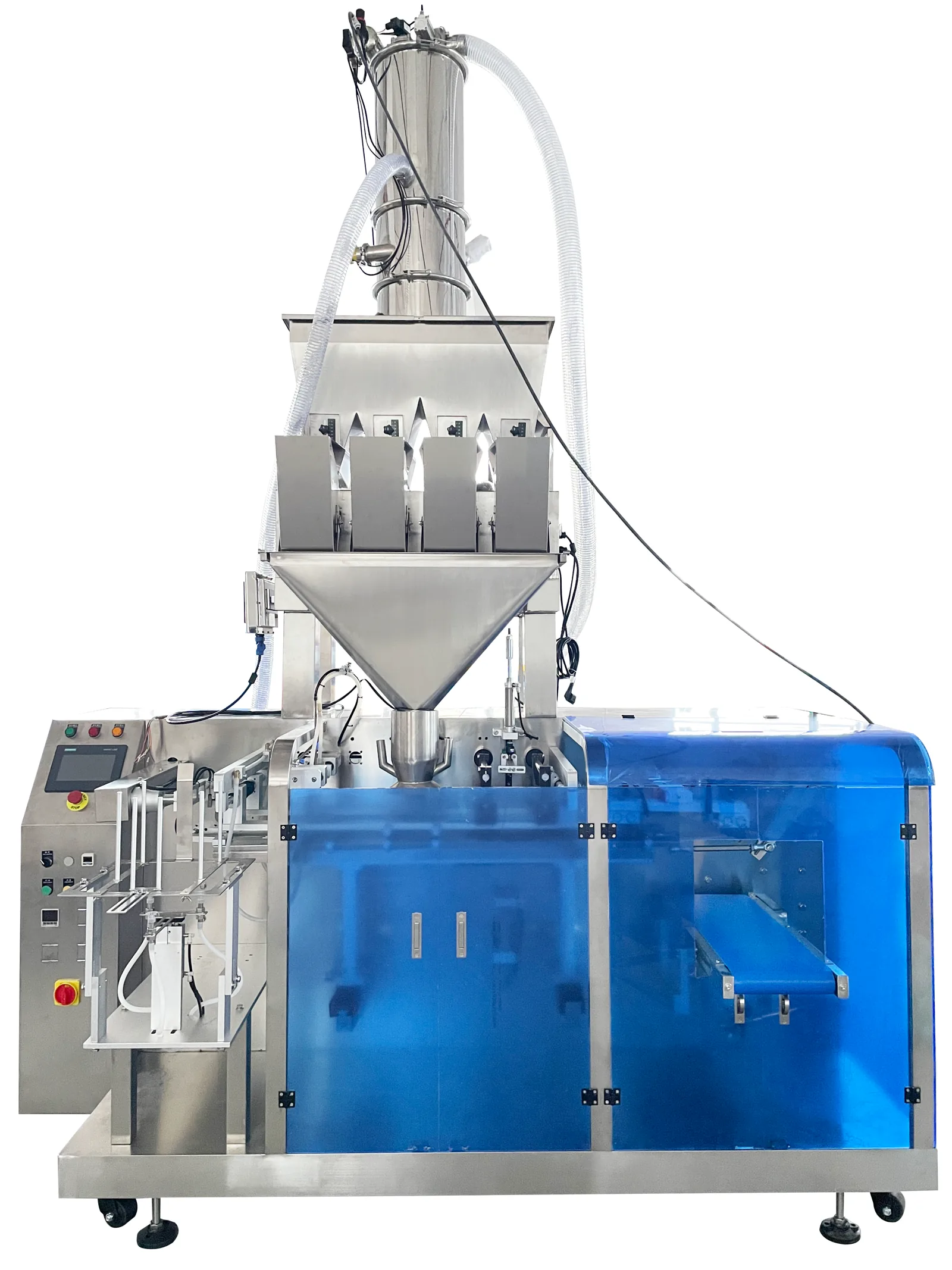
Vacuum Horizontal Pouch Packaging Machine
The vacuum horizontal pouch packaging machine is designed for vacuumizable pre-made pouches. After bag picking, openi...
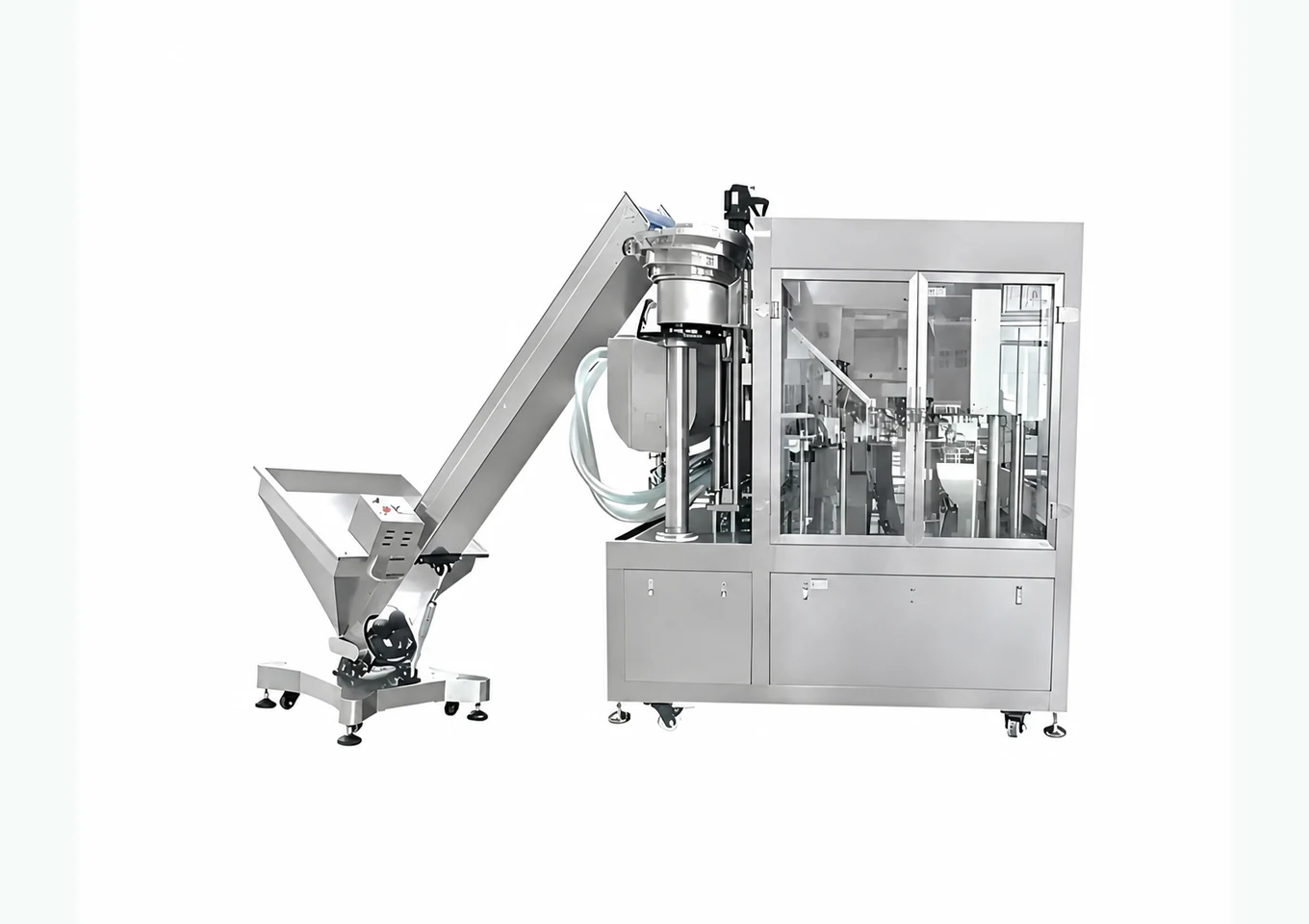
Stand-up Spout Pouch Filling and Screw Capping Machine
The stand-up spout pouch filling and screw capping machine organizes a continuous process around spout positioning, l...