Solution topic
How to Pack ICs PCBs and Trays in Moisture-Barrier Bags
For ICs, PCBs and electronic component trays, choose pre-made bag sealing or continuous heat sealing according to the two incoming material methods: automatic bagging of loose part
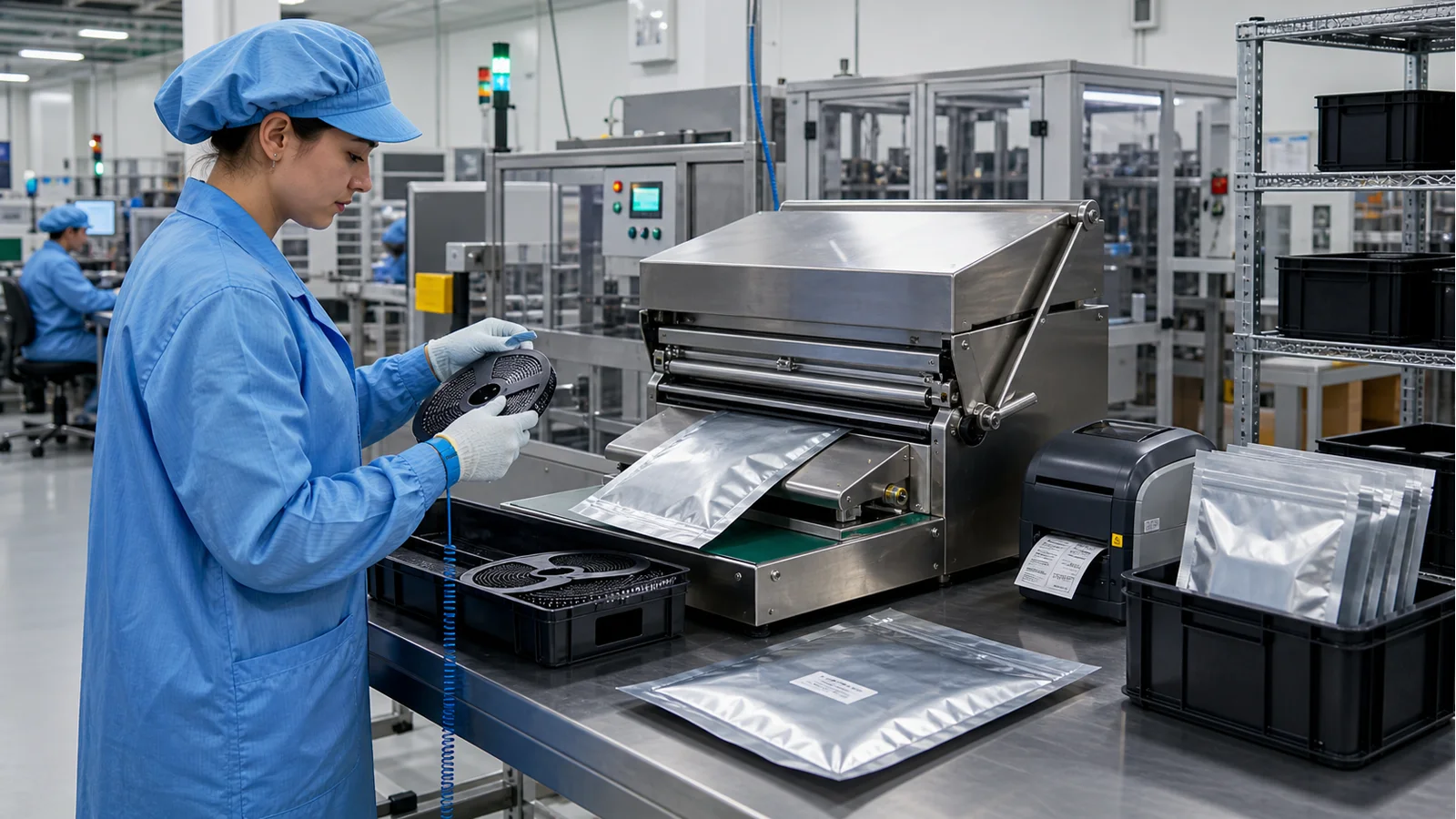
- Loose parts, boards and trays need different loading routes; define barrier and static control, mouth, evacuation and traceability separately.
Solution summary prepared for you
- When IC loose parts are automatically loaded into moisture-proof pre-made bags, the single-lane / three-station pre-made bag filling and sealing machine series can be evaluated.
- PCBs and tray components should first be loaded as a whole into matching moisture-proof bags, and after the bag opening is smoothed, use a continuous bag sealing machine.
- Vacuum, nitrogen flushing, coding, and checkweighing/vision all require clear goals or judgment standards; they cannot be default modules for moisture-proof packaging.
Route comparison
- Suitable for projects with IC or electronic loose parts that have a clear feeding method and require automatic bag picking, filling, and sealing.
- The single-lane / three-station pre-made bag filling and sealing machine series can verify continuous actions around bag type and component feeding.
- Component posture, loading method, moisture-proof bags, and changeover specifications all need to be confirmed; the main machine does not replace front-end feeding design.
- When the product is a whole PCB or fixed in a tray and cannot enter the bag as loose parts, the whole bagging process should be adopted.
- Use the pre-made bag filling and sealing machine series to test loose part packaging, and set up date and batch coding separately according to bag surface requirements.
- Suitable for projects where boards or full-tray products have been manually loaded into matching moisture-proof bags and only need continuous processing of the smoothed bag opening.
- The continuous bag sealing machine can focus on bag opening heat sealing, retaining manual control over board and tray posture.
- Bag opening allowance, machine entry direction, and board corners must be verified; the product cannot enter the heat sealing contact area.
- When the project requires automatic bag picking and loading of loose parts, evaluate pre-made bag automatic packaging rather than only configuring continuous sealing.
- Manual whole bagging and bag opening smoothing, followed by sample heat sealing with a continuous bag sealing machine.
- Suitable for projects where coding, weight or visible appearance standards are already defined and inspection records need to be added after the sealing process.
- Date and batch coding machines and online checkweighing/vision systems can each handle clear traceability and inspection items.
- Code position, standard samples, abnormal samples, and judgment boundaries must be provided; the equipment does not assume undefined quality judgments.
- When there are no executable standards or component posture is unstable, first improve samples and judgment methods.
- Test date and batch coding on the bag material, and use standard samples to verify required checkweighing or vision items.
Associated Equipment / Consumables
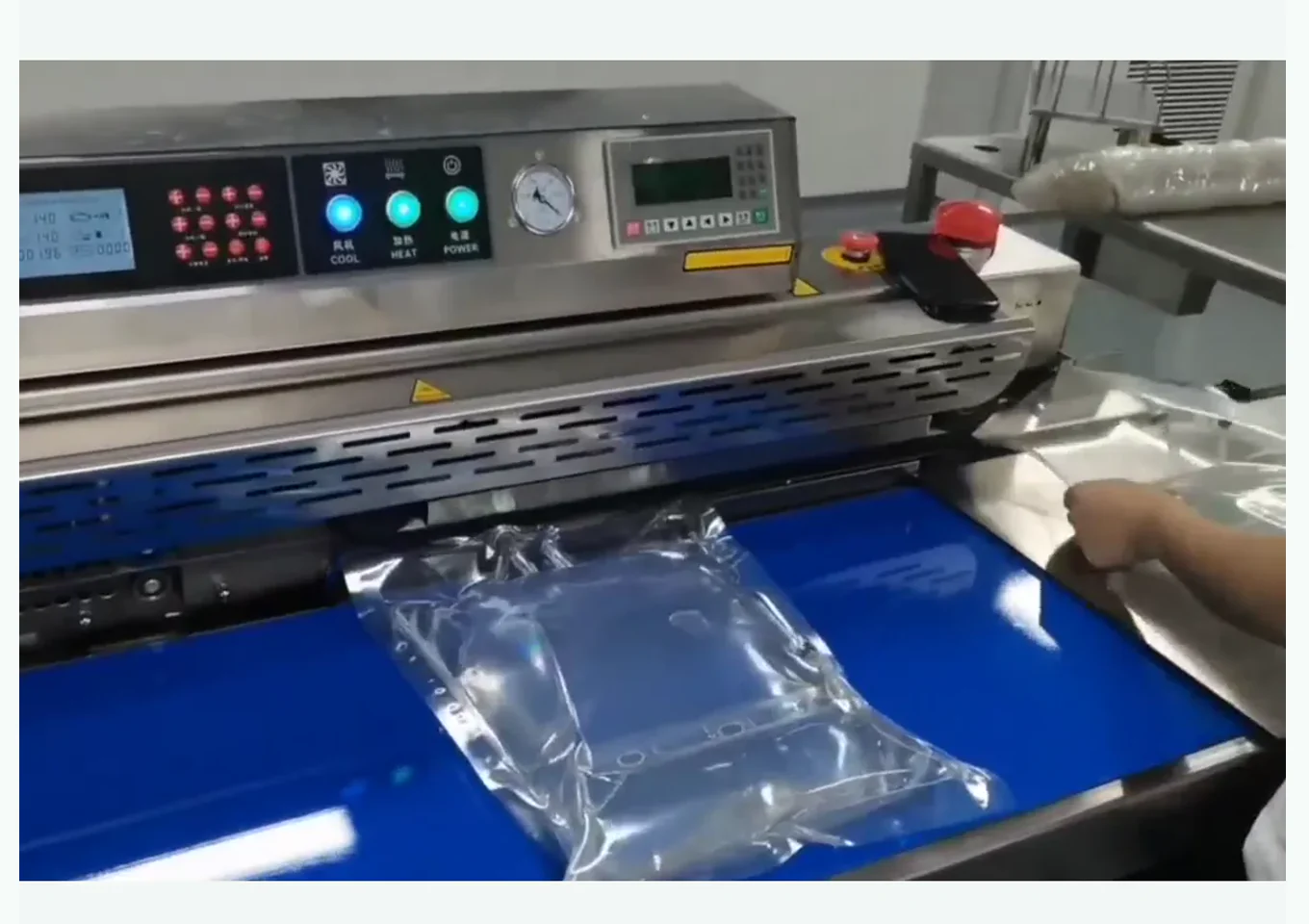 Continuous External-Vacuum Bag Sealing Machine
The machine conveys, externally evacuates and heat-seals prefilled bags. Confirm barrier structure, mouth flatness, product dust or liquid migration, headspace and sealant layer, then validate evacuation time, pack sh...
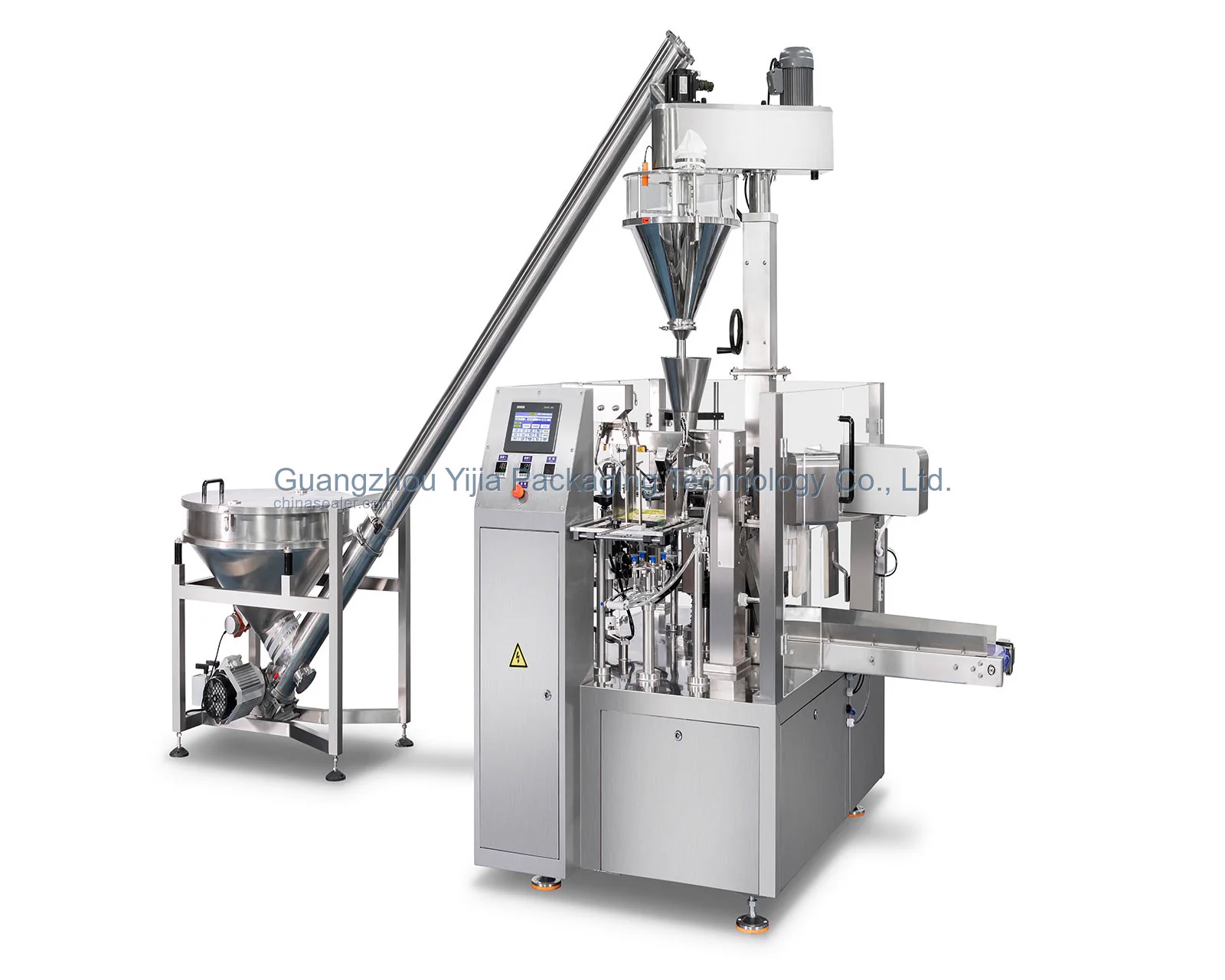 Single-Lane and Three-Station Premade Pouch Filling and Sealing Series
Evaluate pre-made bag automatic packaging for loose parts; Component feeding posture, counting, or loading methods should be explained separately...
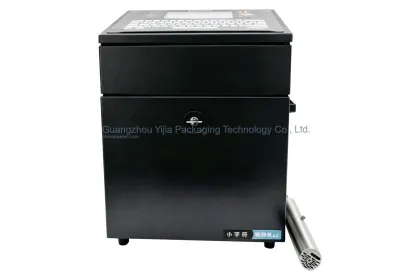 Date & Batch Inkjet Printer
Traceability content configured according to bag surface; Coding adhesion and readability should be checked with actual bag material; the coding rules are determined by the project's trace...
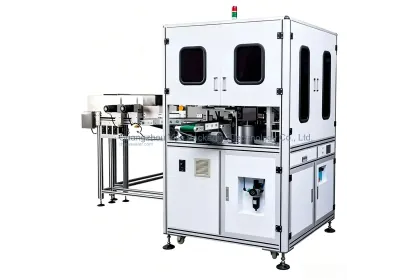 Online Checkweigher and Vision Inspection System
Traceability content configured according to bag surface; Coding adhesion and readability should be checked with actual bag material; the coding rules are determined b...
Core process
Provide IC loose parts, PCBs, or full-tray components, moisture-proof bags, and bagging diagrams, and explain moisture-proof goals, loading methods, and traceability positions.
When loose parts need to be automatically loaded into moisture-proof pre-made bags, use the single-lane / three-station pre-made bag filling and sealing machine series to verify feeding and bag type.
After PCBs or tray components are manually loaded into matching moisture-proof bags, a continuous bag sealing machine can be used to process the smoothed bag opening.
The date and batch coding machine is tested with the bag material, traceability content, and position, and avoids heat seal bands and friction-prone areas.
When there are weight or appearance judgment standards, online checkweighing and visual inspection systems can be used to evaluate the corresponding inspection items.
If the project proposes vacuum or nitrogen flushing, you need to provide moisture-proof bags, gas, and packaging goals separately, and then judge the additional process.
Sample details
The incoming method determines automatic pre-made bag packaging or manual bagging followed by continuous heat sealing; the two cannot simply share the same feeding action.
Submit actual IC loose parts, PCBs, or tray components, and explain the loose material feeding, full-tray incoming, and pre-bagging posture.Bag samples are used to check the heat seal band, board corners, and machine entry direction, and also provide a reference for the coding position.
Provide actual bag samples, opening direction, bag opening allowance, material structure, and specifications for each component.Additional processes are only verified separately after the goals and packaging material conditions are clear, and are not automatically bundled with basic heat sealing.
Explain the packaging moisture-proof requirements, and whether there are additional vacuum, nitrogen, or other gas-related needs.Operation data is used to define the manual actions before and after the main machine, and to prevent boards or trays from entering the heat sealing area.
Describe how components enter the bag, whether the bag opening is manually smoothed, the tray direction, and how the sealing area is maintained.Only executable judgment standards can be used to configure coding, checkweighing, or visual inspection.
Provide coding content, code position, weight judgment, visible appearance items, and standard and abnormal samples.Multi-specification data is used to arrange bag changes, code changes, and inspection changeovers, and also helps evaluate manual bagging stations.
List component specifications, bag type changeover, production batches, target capacity, and equipment layout direction.Common selection mistakes
Make bagging samples according to component shape, then choose pre-made bag automatic packaging or continuous heat sealing.
Check the heat seal band after loading the real product, and adjust the bag type or bagging direction if necessary.
First complete the basic bag opening seal, and only establish a separate test project if there is a real need.
Prepare standard and abnormal samples, and explain the position, posture, and judgment boundaries item by item.
First calibrate the printing area on the actual bag sample, then verify the sealing and product loading direction.
View detailed technical notes
First sort by loose parts, boards or trays
The key to moisture-proof bag packaging for electronic components is not the bag name, but how the product enters the bag. Loose parts and whole PCBs correspond to different feeding and sealing processes.
Verify the feeding posture first for automatic bagging of loose parts
The single-lane / three-station pre-made bag filling and sealing machine series can handle automatic bag picking and loading, but component feeding and bag type must be confirmed with actual samples.
Load PCBs and trays into moisture-proof bags as a whole first
After the boards are bagged while maintaining their overall posture, feed the flat bag mouth into the continuous bag sealing machine to avoid product corners entering the heat sealing zone. The bagging direction and bag mouth allowance should be marked on the samples.
The moisture-proof bag size should reserve an effective sealing area
In addition to holding the product, the bag must also consider tray corners, bag mouth allowance and machine feeding direction. A formal bagging sample is indispensable. After a bag type change, re-check the sealing edge and product posture.
Set up separate process validation for vacuum or nitrogen flushing
When the project requires additional gas, test with the corresponding bag material and packaging target. Basic moisture-proof sealing does not preset these actions, nor can additional processes be inferred from ordinary heat sealing results.
Trial print the traceability code according to the bag material and position
The date and batch coding machine should avoid the heat sealing band and friction areas, and check code readability on the actual moisture-proof bag.
Checkweighing and visual inspection must have judgment standards first
Online checkweighing and visual inspection systems only handle clear weight or visible appearance items, and require standard and abnormal samples as a basis.
Arrange bag and code changes according to the specification list
A correspondence table should be established for various components and bag types, recording the loading method, heat sealing conditions, coding content and inspection items.
Retain samples for re-checking packaging results according to the moisture-proof target
Each component and moisture-proof bag combination should be checked under the agreed storage and handling conditions; results cannot be inferred from the equipment name.
Common questions
Can IC loose parts and full-tray PCBs share one bagging line?
You cannot assume that. Loose components can be evaluated for automatic bag picking and filling, while PCBs or tray components are usually bagged as a whole first, and then the bag opening is smoothed.
What equipment is used after manually loading moisture-proof bags?
When the bag opening has been smoothed, you can test a continuous bag sealing machine with actual boards and bag samples.
Does moisture-proof packaging always require vacuum or nitrogen flushing?
Not necessarily. It should be confirmed separately according to the project's moisture-proof goals and packaging material conditions; the basic solution does not automatically include vacuum or nitrogen flushing.
Does the pre-made bag automatic machine also need component feeding data?
Yes. Component shape, feeding posture, and loading method will change the front-end actions; providing only empty bags cannot determine the automatic packaging process.
Can visual inspection directly identify all defects?
No. Please first define visible features, component posture, standard samples, and abnormal samples, then evaluate the scope of online visual inspection.
Should the traceability code be printed before or after sealing?
It is necessary to combine bag material, packaging posture, and code position samples so that the printing area avoids heat seal bands and friction points.