Bagging and Flexible Packaging Sealing Equipment
Continuous Inline Bag Vacuum Sealing Machine
The continuous inline bag vacuum sealing machine is suitable for products that have already been bagged, processing the bag mouth continuously through conveying and vacuum sealing stations. Bag material barrier, bag mouth cleanliness, bag height, product liquid content, and product pressure resistance affect vacuum and sealing. Liquid trapping, gas flushing, inspection, and upstream/downstream conveying are option...
Technical parameters
- Capacity and cycle time
- Confirmed based on manual or automatic feeding, bag mouth positioning, vacuum processing time, sealing cooling, and product spacing; fixed values not published without project v...
- Automation scope
- Continuous conveying, vacuum, and sealing; upstream bag feeding, liquid trapping, gas flushing, inspection, and downstream conveying optional per project
- Applicable containers or packaging
- Vacuum bags or composite pre-made bags with uniformly positionable bag mouth and bag thickness suitable for continuous conveying
- Applicable materials
- Food, parts, granules, or other bagged products; liquid content, dust, sharp edges, pressure resistance, and temperature must be specified
- Packaging materials and consumables
- Pre-made bags with appropriate barrier and heat sealing properties; bag width, bag thickness, bag mouth flatness, and heat seal layer verified per sample
- Basic process
- Bagged product feeding, bag mouth positioning, vacuumizing, optional gas flushing, heat sealing, cooling, and continuous discharging
- Tooling and changeover
- Adjust conveying, guides, vacuum port, sealing, and cooling structure according to bag width, bag thickness, bag height, and bag mouth position
- Power, air supply, and layout
- Equipment dimensions, power, air supply, maintenance space, and upstream/downstream interfaces confirmed based on vacuum system, continuous conveying, sealing heating, cooling,...
Continuous bag conveying and sealing operation video
Local silent video only shows bag mouth positioning, continuous conveying, and sealing process; evacuation effect of transparent empty bags is not obvious; this clip is not used to prove vacuum level or fixed cycle time.
Selection guide
- Continuous conveying and bag mouth guide designed according to bag thickness and bag mouth position after bagging
- Vacuum treatment, heat sealing, and cooling jointly verified through actual filled bag samples
- Liquid trapping, gas flushing, inspection, and rejection are optional modules
- Actual cycle time, vacuum time, and utilities confirmed per configuration and feeding stability
Applications
- Bagged food or parts requiring continuous vacuum sealing
- Production lines with relatively uniform bag mouth position suitable for conveyor processing
- Products with liquid, dust, or sharp edges require special vacuum and sealing evaluation
- Projects planning to add optional gas flushing, inspection, or upstream/downstream conveying
Frequently Asked Questions
- Can it run continuously with large variations in bag thickness? The adaptability range of conveying, bag mouth guides, and vacuum station needs evaluation; excessive variation may require separate production by specif...
- Can products with liquid be vacuumized? It can be evaluated, but liquid migration may contaminate vacuum and sealing; filling amount, temperature, and bag mouth need control, and optional liquid trapping should be con...
Send samples and capacity requirements for a clearer solution
- Empty bags and filled products, bag width, bag thickness, and bag mouth position
- Material liquid content, dust, sharp edges, pressure resistance, and temperature conditions
- Target vacuum appearance, seal strength, or leak acceptance criteria
- Feeding method, target cycle time, vacuum source, and upstream/downstream interfaces
Continuous Inline Bag Vacuum Sealing Machine: Sample and container confirmation; First confirm the box rim dimensions, material, film type, and seal width to customize the mold...
Continuous Inline Bag Vacuum Sealing Machine: Bag material and component confirmation; First confirm bag type, bag material such as foil or anti-static laminate, dimensions, and...
Continuous Inline Bag Vacuum Sealing Machine: Premade pouch feeding and sealing; Automatically pick, open, fill, and seal pouches. Suitable for premade pouch packaging, with nea...
Related products
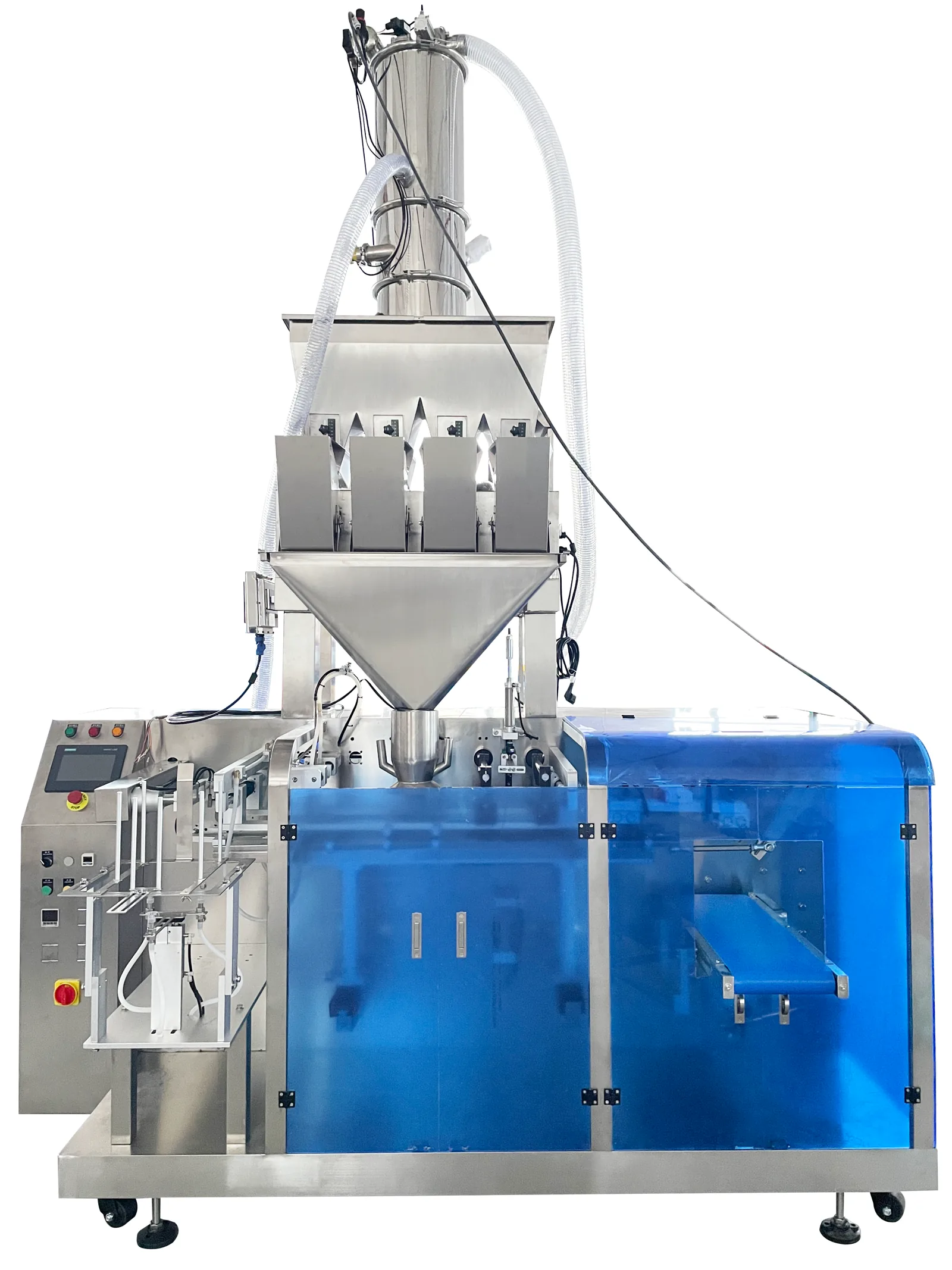
Vacuum Horizontal Pouch Packaging Machine
The vacuum horizontal pouch packaging machine is designed for vacuumizable pre-made pouches. After bag picking, openi...
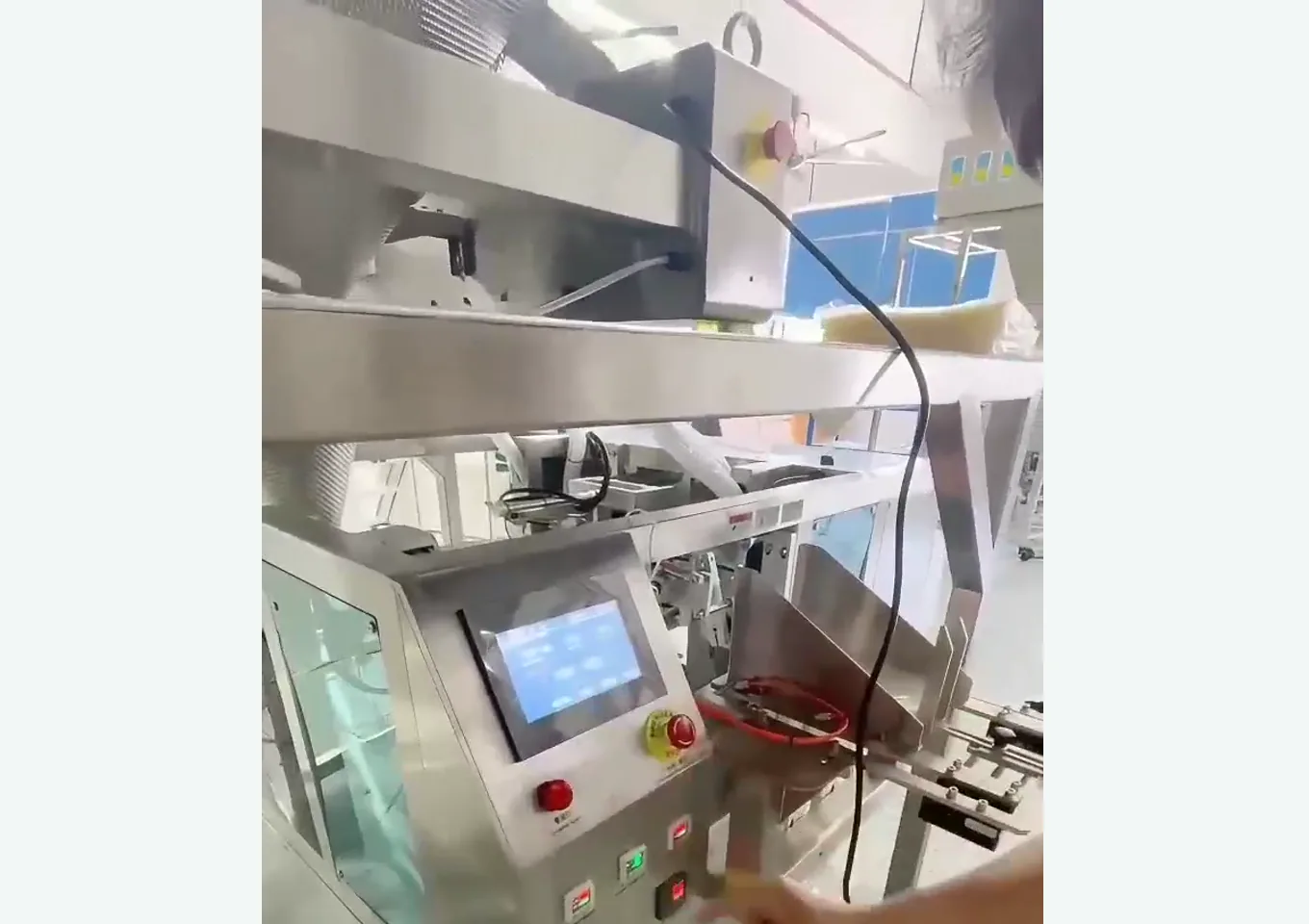
Rotary Vertical Automatic Feeding Vacuum Packaging Machine
The rotary vertical automatic feeding vacuum packaging machine is designed for bagged products that can be fed via el...
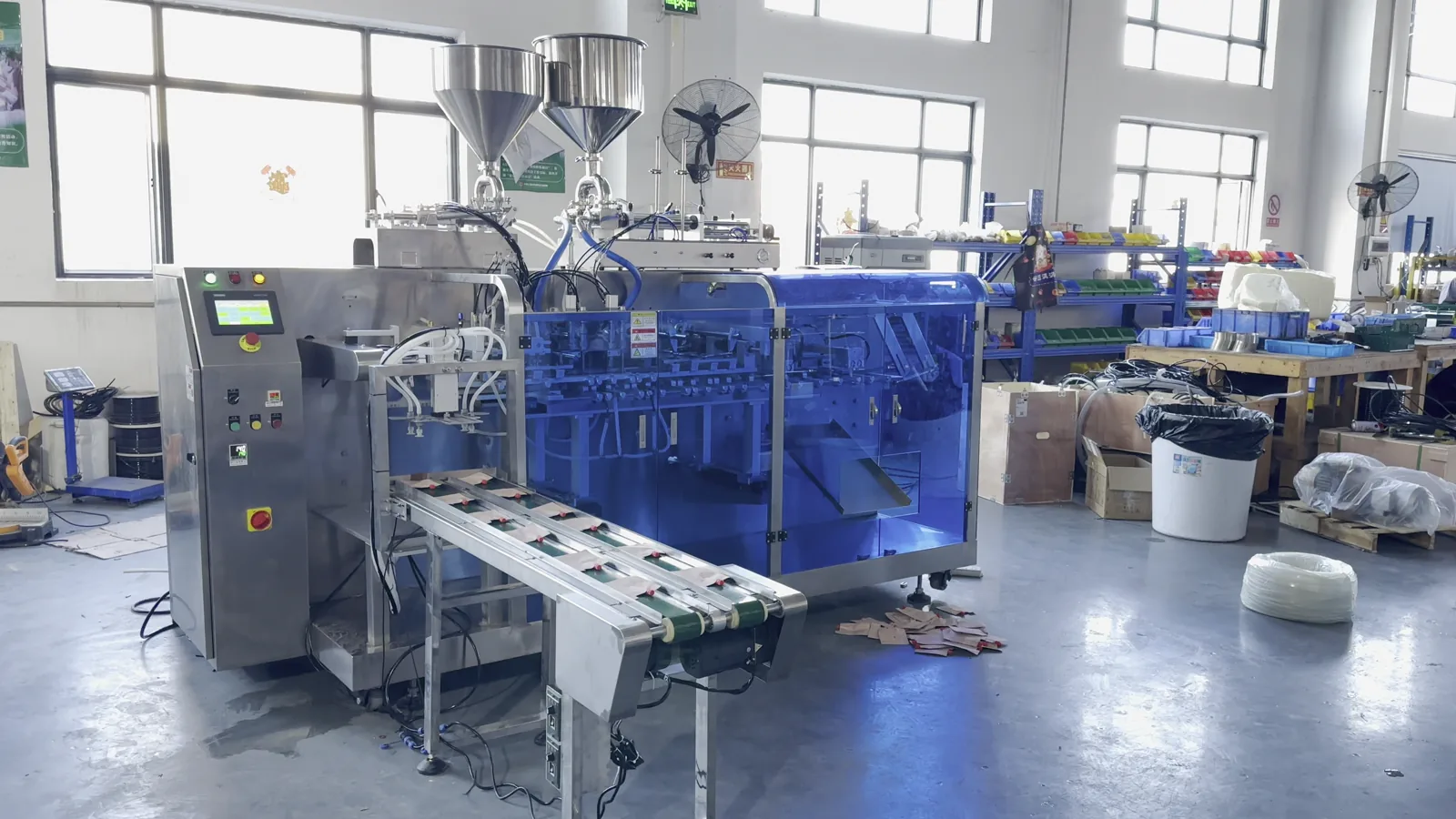
Dual-Lane Horizontal Pouch Packaging Machine
The dual-lane horizontal pouch packaging machine organizes bag picking, opening, filling, mouth finishing and heat se...
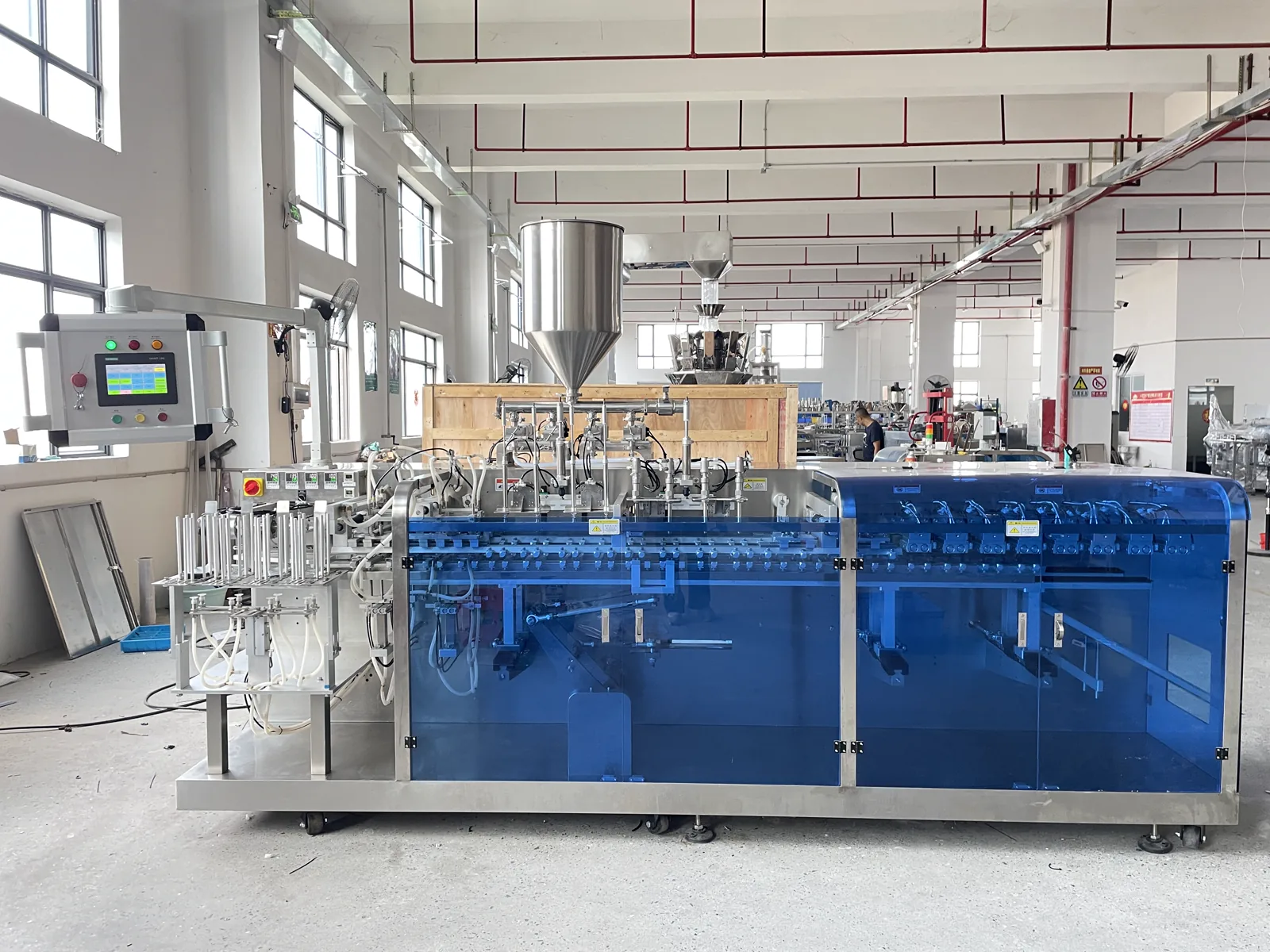
Four-Lane High-Speed Horizontal Pouch Packaging Machine
The four-lane horizontal pouch packaging machine uses multiple bag magazines and gripping mechanisms to perform bag p...
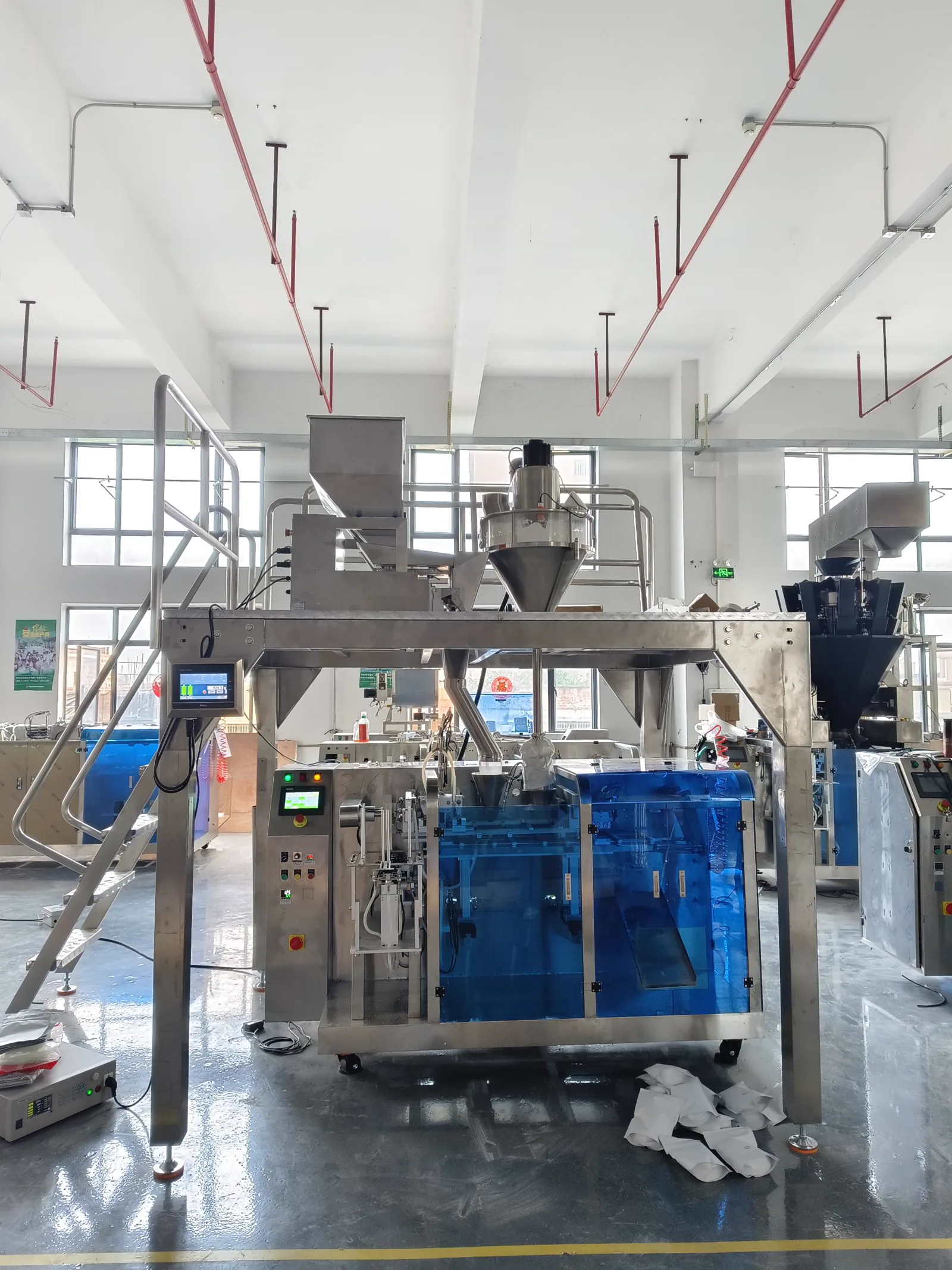
Powder/Granule Dual Metering Horizontal Pre-made Bag Packaging Machine
The machine connects a horizontal pre-made bag feeder with powder and granule metering systems, suitable for projects...
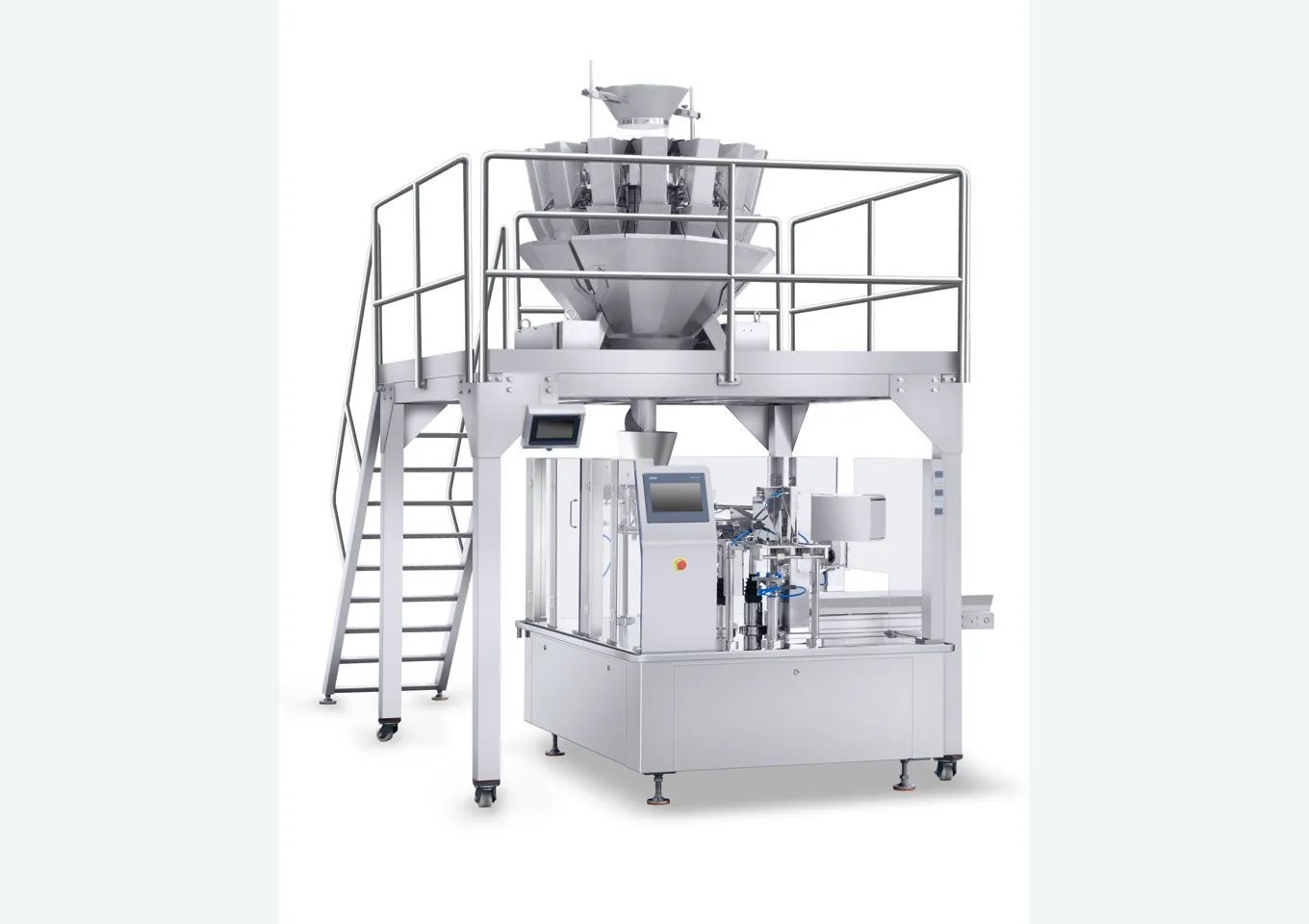
Automatic Rotary Premade Pouch Packaging Machine
The automatic rotary premade pouch packaging machine distributes bag picking, opening, filling, shaping, and sealing...