Cups / Bowls / Boxes / Trays Sealing Equipment

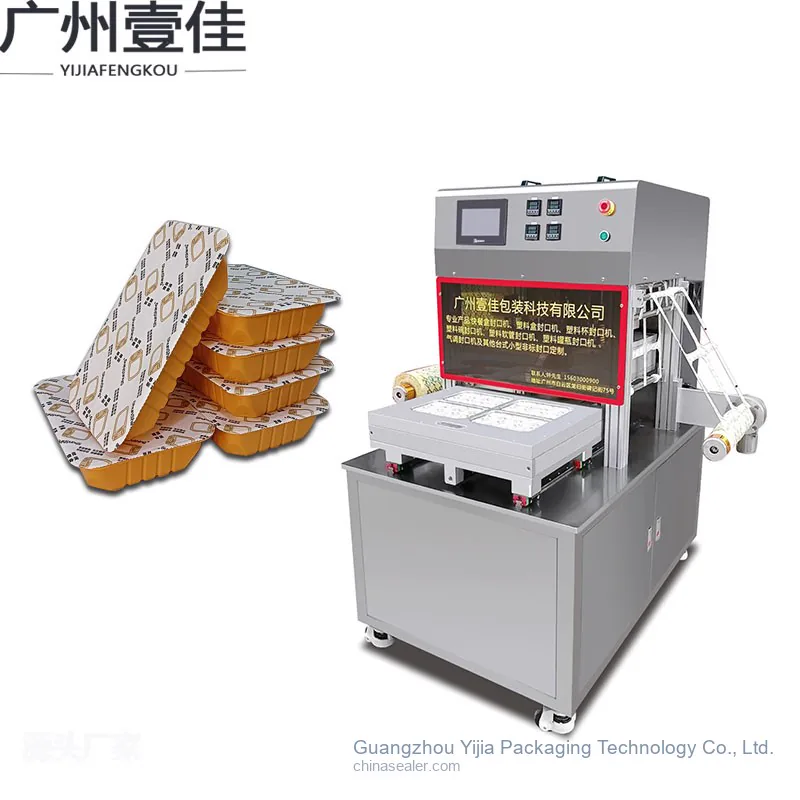
Tray MAP Sealer

For ready-meal and multi-compartment preformed trays, this MAP tray sealer combines vacuum, gas flushing, and lidding-film heat sealing. Gas composition, shelf-life goals, residual-oxygen limits, and leak criteria must come from the food-process specification; the machine alone cannot guarantee shelf life. Send actual trays, lidding film, product condition, target cycle, and layout so tooling and trials can be confirmed.
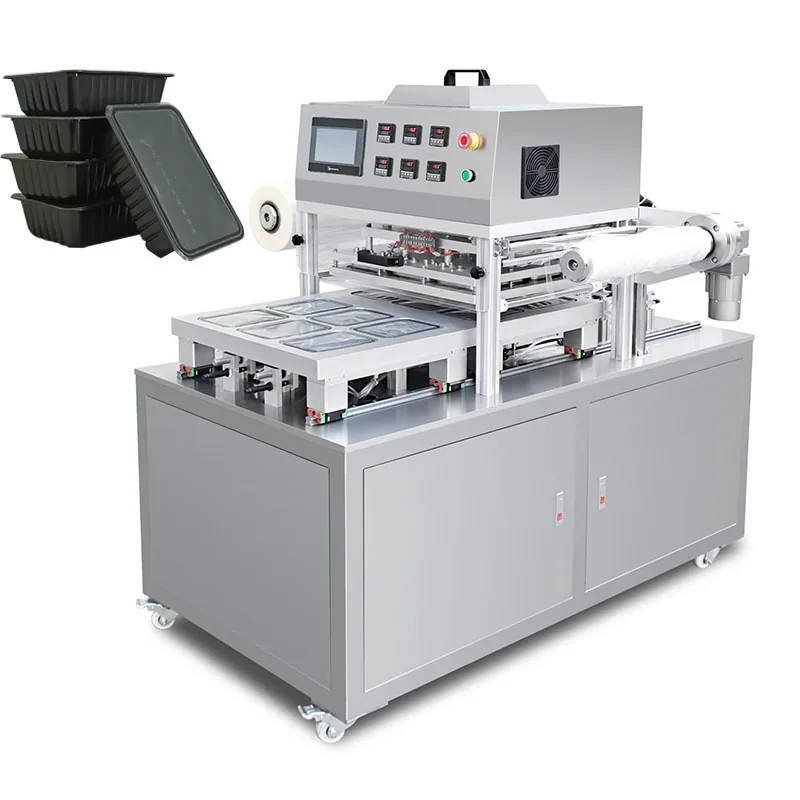
Vacuum, gas flushing, and heat sealingPreformed food trays, ready-meal trays, and multi-compartment traysMAP film, easy-peel film, roll film, preformed trays
MAP tray sealing machine for vacuum, gas flushing and lidding-film heat sealing
MAP Tray Sealing Machine | Vacuum, Gas Flush and Film Seal

View Product Video

MAP Tray Sealing Machine | Vacuum, Gas Flush and Film Seal

Running video of the MAP tray sealer. Vacuum/gas-flush sequence, tray and film fit, gas specification and acceptance criteria are confirmed by the food process and sample trials.

View Product Video

Factory photos and running videos

Actual equipment and operating steps are shown here. Final suitability depends on the agreed samples and equipment scope.
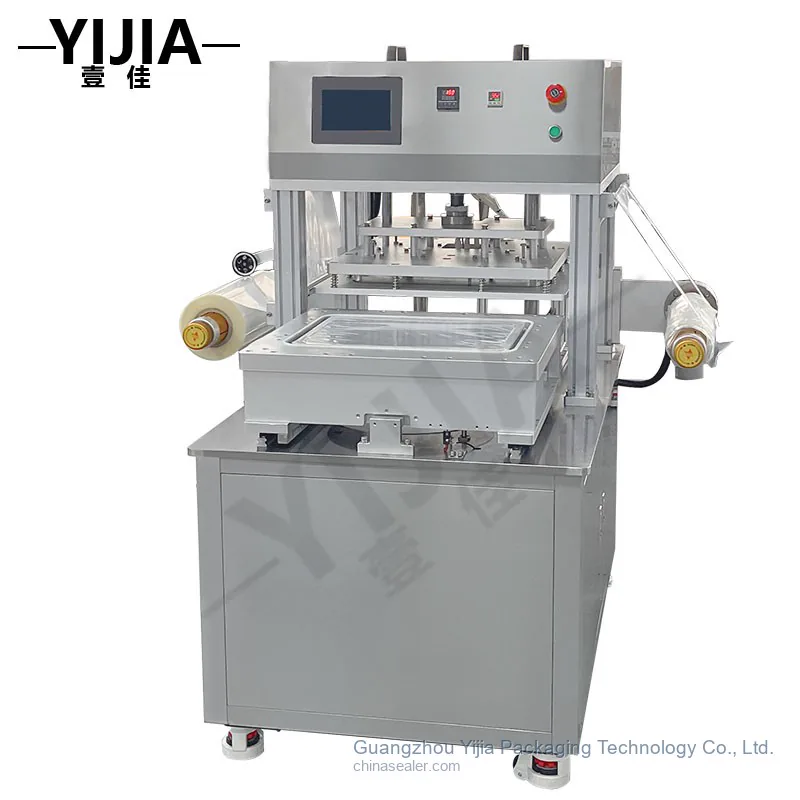
MAP tray sealer tray-location, lidding-film and sealing zone
MAP Tray Sealing Machine | Tray Location and Sealing ZoneView of tray location, lidding-film feed and sealing zone. Tray rim, film seal layer and tooling are verified through sample trials.
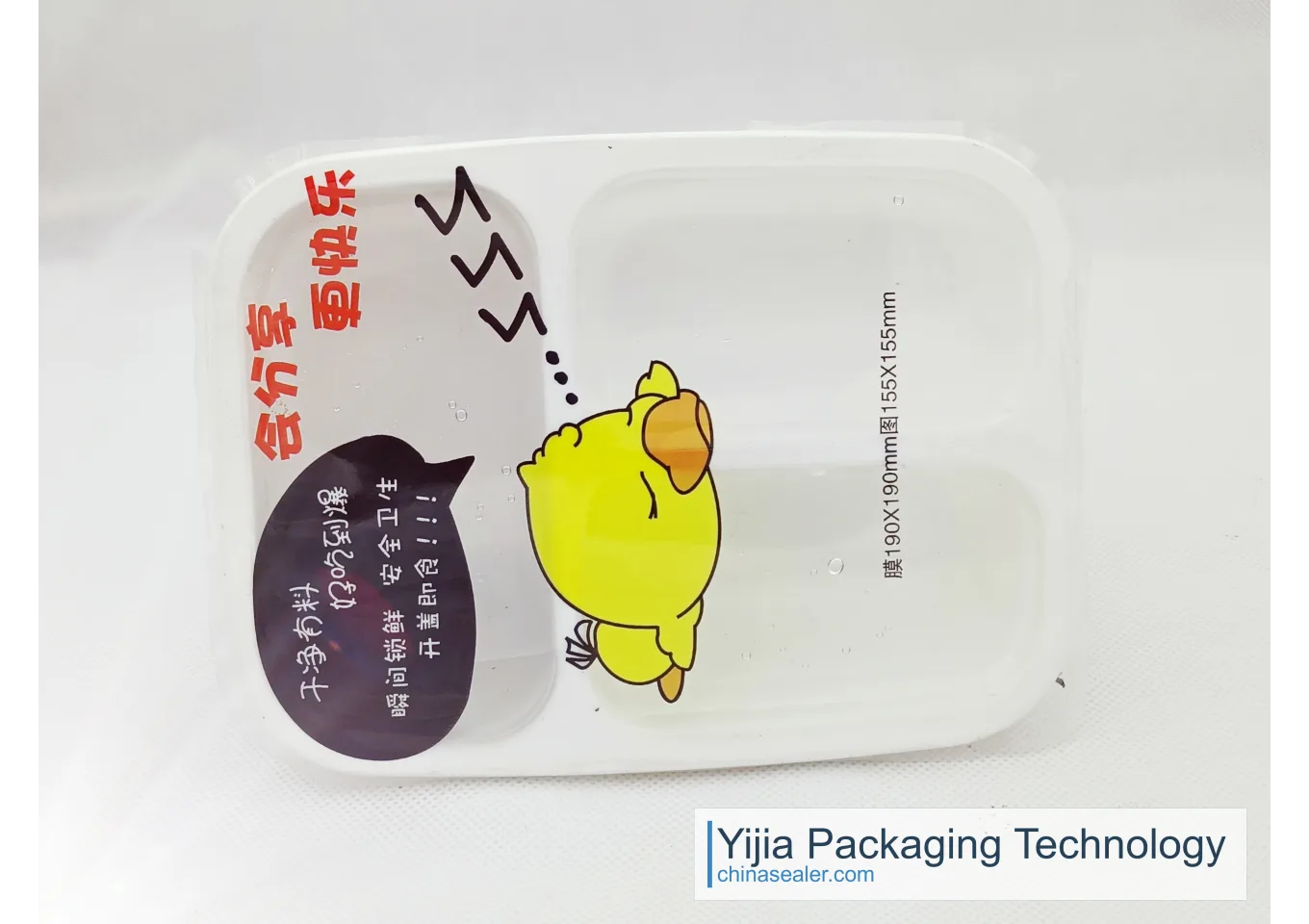
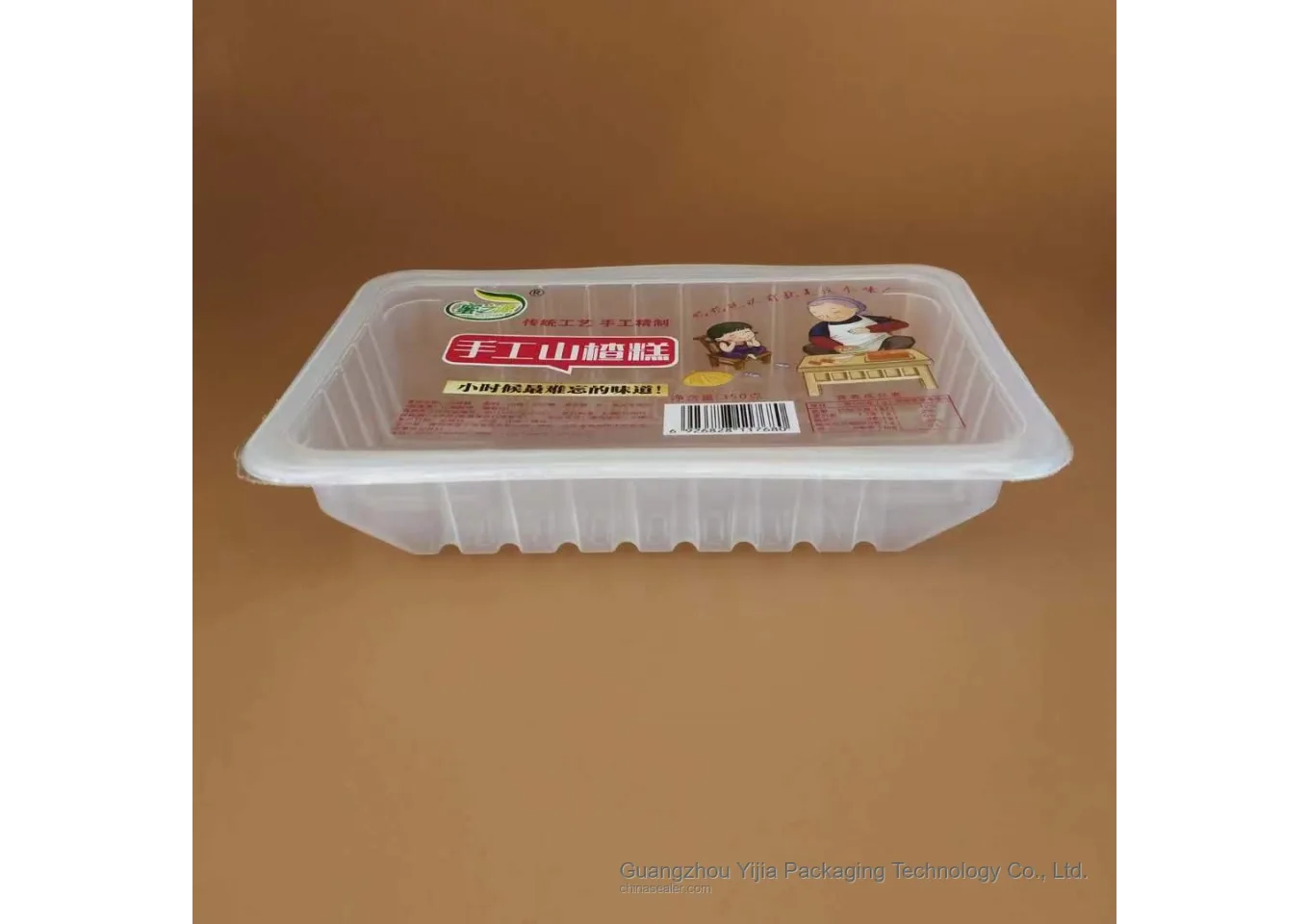
Preformed food tray and lidding film for a MAP tray sealing machine
MAP Tray Sealing Machine | Preformed Food Tray and Lidding FilmReference view for preformed trays, lidding film and seal appearance. Gas replacement and food acceptance criteria are defined by the food process and confirmed with samples.
New Case
New CaseThis reference helps confirm sample dimensions, consumables, molds, and operating cycle time. Final configuration is subject to sample testing and quotation proposal.
New Case
New CaseThis reference helps confirm sample dimensions, consumables, molds, and operating cycle time. Final configuration is subject to sample testing and quotation proposal.
MAP Tray Sealing Machine | Vacuum, Gas Flush and Film SealRunning video of the MAP tray sealer. Vacuum/gas-flush sequence, tray and film fit, gas specification and acceptance criteria are confirmed by the food process and sample trials.

Selection points

Confirm samples, material and cycle time first

These details decide machine structure, changeover method and quotation accuracy.

01

Applicable Containers

Preformed food trays, ready-meal trays, and multi-compartment trays

02

Packaging Materials / Consumables

MAP film, easy-peel film, roll film, preformed trays

03

Core Process

Vacuum, gas flushing, and heat sealing

04

Output / Structure

Tooling cavities, film feeding, vacuum/gas cycle, and discharge are confirmed from samples; MAP is selected only when the product process requires it.

Selection points

Send these materials for a faster reply

Photos, key dimensions, and packaging material details are enough to start; if details are incomplete, we will review the direction first.

Confirm samples, material and cycle time first

  • Confirm standard sealing or MAP first; a refrigerated-food name alone does not define the gas process
  • Trial the tray flange, film sealant layer, and filled-rim condition as one set
  • The buyer’s process specification defines gas, shelf-life goal, residual oxygen, and leak acceptance
  • Record tooling cavities, film feed, evacuation, gas flushing, and sealing cycle with actual samples
  • Include tooling change, film threading, first-piece checks, and cleaning in multi-format cycle planning
  • Assess loading, conveying, coding, labeling, checkweighing, and downstream collection interfaces

Send these materials for a faster reply

  • Preformed food trays, ready-meal trays, multi-compartment trays, and lidding-film samples
  • MAP film, easy-peel film, roll film, preformed trays
  • Vacuum, gas flushing, and heat sealing
  • Confirmed by mold cavity count, feeding method, sealing time, and discharge method; can be configured as benchtop, small batch rotary, or automatic film feeding inline

Selection points

Key Parameters

These details decide machine structure, changeover method and quotation accuracy.

01

Model / Identity

Confirmed from actual trays, lidding film, and food process.

02

Standard / Custom

Confirmed by project requirements.

03

Standard Speed / Capacity

Confirmed by tray, film, vacuum/gas cycle, and acceptance trials.

04

Structure / Automation

Configured by project requirements.

05

Applicable Containers / Packaging Forms

Preformed food trays; ready-meal trays; multi-compartment trays

06

Applicable Size Range

According to sample dimensions

07

Applicable Products / Contents

Salads; Soy products; Fresh-cut produce; Fast food; Braised foods; Cooked foods; Prepared meals

08

Applicable Packaging Materials / Consumables

Easy-tear film; PET film; PP film; PE film; Composite film; Aluminum foil film; Custom printed film; Roll film

Configuration selection

Confirmation process

Photos, key dimensions, and packaging material details are enough to start; if details are incomplete, we will review the direction first.

01Provide sample details

Send product, container, material, dimensions and target output.

02Check machine structure

Confirm configuration by process, changeover, cycle time and line needs.

03Confirm test points

Test sealing, filling, labeling or inspection results when needed.

04Output quotation plan

Quote after confirming power, layout, lead time and spare parts.

Configuration selection

Choose configuration by production method

First decide whether MAP or simple lidding is required, then confirm the tray, film, tooling, vacuum/gas cycle, and acceptance test.

Sampling / small batchConfirm sample compatibility, effect and basic parameters first.
Stable batch productionFocus on station count, operating rhythm and changeover method.
Line integration requiredEvaluate feeding, discharge, coding, inspection and floor space separately.

Cups / Bowls / Boxes / Trays Sealing Equipment

First decide whether MAP or simple lidding is required, then confirm the tray, film, tooling, vacuum/gas cycle, and acceptance test.

Selection points

Frequently Asked Questions

These details decide machine structure, changeover method and quotation accuracy.

How does standard tray sealing differ from MAP?

Standard sealing mainly bonds lidding film to the tray flange. MAP also evacuates or replaces gas before sealing and requires barrier film, gas conditions, and finished-pack checks to be validated together.

Can tray dimensions alone define a quotation?

Dimensions only guide initial tooling. Final configuration also needs tray and film samples, filled-rim condition, gas and leak checks, target cycle, and site layout.

Can the machine define gas composition and shelf life?

No. The buyer’s food process and test specification defines gas, shelf-life target, residual oxygen, or leak acceptance. The machine executes and records the confirmed conditions.

How is the MAP sealer integrated into a line?

Stabilize loading, tray locating, film feed, and sealing first; then confirm conveyor height, direction, pitch, coding or labeling position, checkweighing, buffering, and signals.

Send Sample Information

Have samples ready?

Send photos, dimensions, material and output target so we can judge whether this model fits.

Preformed food trays, ready-meal trays, multi-compartment trays, and lidding-film samplesMAP film, easy-peel film, roll film, preformed traysVacuum, gas flushing, and heat sealingConfirmed by mold cavity count, feeding method, sealing time, and discharge method; can be configured as benchtop, small batch rotary, or automatic film feeding inline

Inquiry

Online Inquiry Form

Please specify container type, sealing material, speed target, sample status, and target market.

* Enter at least an email address or phone / WhatsApp number so we can reply.

Quick InquiryWhatsApp