Solution topic
How to Configure a Flour or Powder Heavy-Bag Line: Dosing, Dust, Bag Mouth, Conveying and Sealing
Configure dosing, dust control, bag support, load-bearing conveying, heat sealing or sewing and inspection from powder behavior, filled weight, bag liner and mouth contamination.
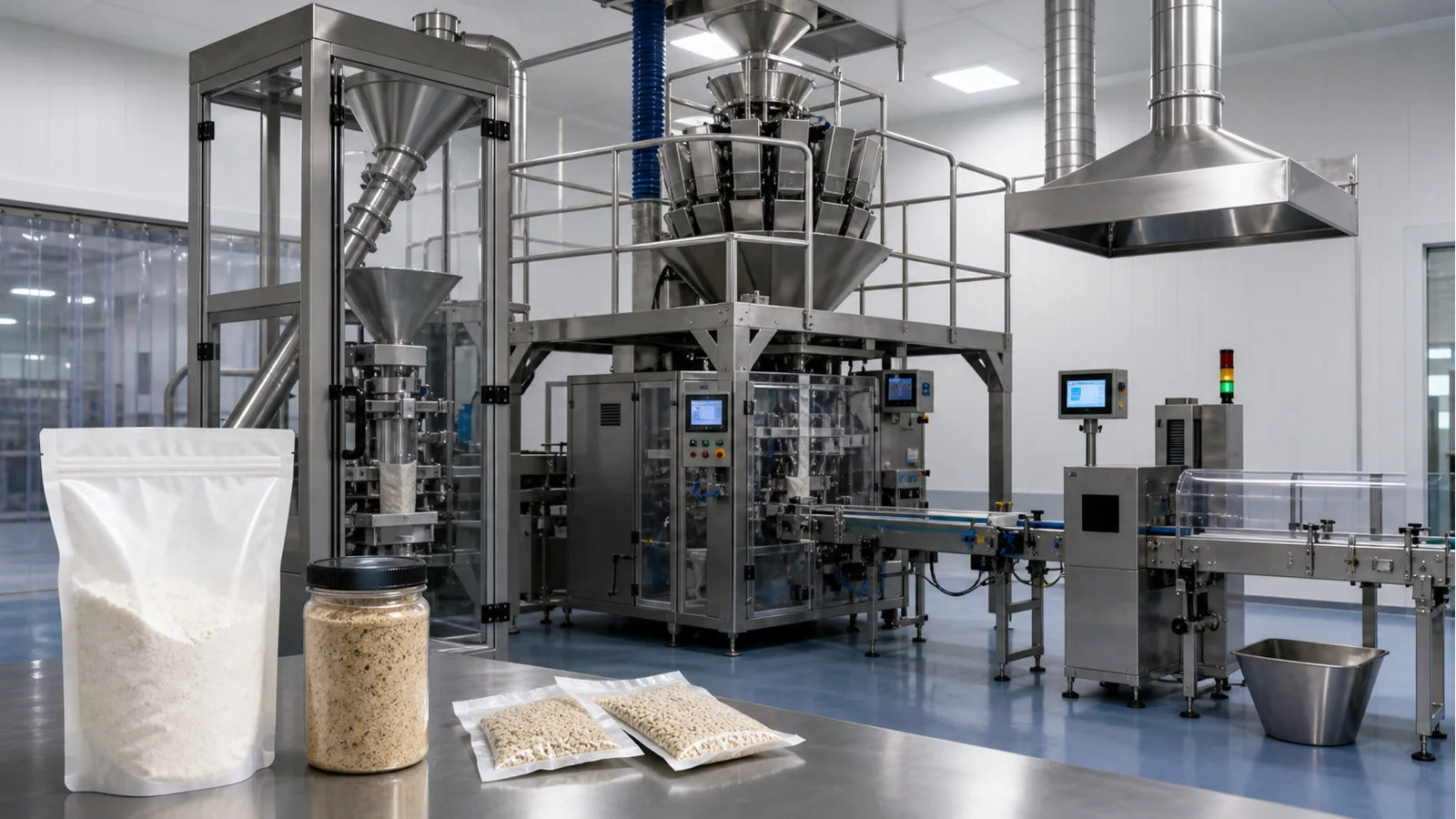
- The dust and flow state of flour, starch, or seasoning powder affects metering, while the sealing layer of pre-made bags and powder clamping at the bag mouth determine the downstream. Dust removal solutions and bag types must be confirmed according to on-site materials.
Solution summary prepared for you
- For pre-made bag flour packaging, first use sample materials to determine metering and powder drop, then choose automatic bag picking, filling, and sealing or continuous bag mouth sealing based on the incoming bag state.
- The single-lane three-station pre-made bag filling and sealing machine series is for finished pre-made bags, while the continuous bag sealing machine is for bags already filled in the previous stage.
- Sealed flour bags can be connected to online checkweighing, food metal detection, and collaborative date/batch coding according to quality rules.
Route comparison
- Suitable for projects where the formal bag type is confirmed and automatic bag picking, opening, powder filling, and bag mouth sealing are required.
- Bags are processed along continuous stations from picking to sealing, making it easy to organize actual bag and material trials around the main bag type.
- Bag material, bag mouth, static, clamping, and powder drop will all change operation. Actual modules and speed are confirmed per project.
- When the bag type is still changing frequently, no formal bag sample, or powder condition is unknown, sample verification should be completed first.
- The single-lane/three-station pre-made bag filling and sealing machine series is evaluated based on formal bag samples, representative powder, and project configuration.
- Suitable for products where the previous stage has completed powder metering and bagging, and only bag mouth arrangement and continuous heat sealing are needed.
- The continuous bag sealing machine can be independently connected to the existing filling section, making it easy to observe bag travel and seal edge condition.
- The previous stage still needs to handle metering, bagging, and bag mouth arrangement. Powder clamping, wrinkles, and bag material changes will involve sealing trials.
- When automatic bag picking, opening, and powder metering are also required, a continuous sealer alone cannot be configured.
- The continuous bag sealing machine uses formal filled bags for trial sealing and coordinates with the previous stage's discharge finish and downstream inspection.
- Suitable for projects that need to first establish powder metering, then connect sealing, checkweighing, metal detection, and batch coding according to bag type.
- Powder/granule filling, sealing, and inspection can be tested in stages, making it easy to identify problems with powder, bag mouth, or downstream rules.
- Metering components, conveying interfaces, and inspection combinations all depend on sample materials, bag type, and quality requirements. They cannot be fixed.
- Without representative powder, target bags, and finished product judgment methods, only the process can be divided; no final decision can be made.
- The powder/granule filling machine completes quantitative bagging. After sealing, online checkweigher, food metal detector, and collaborative date/batch coding machine are selected according to rules.
Associated Equipment / Consumables
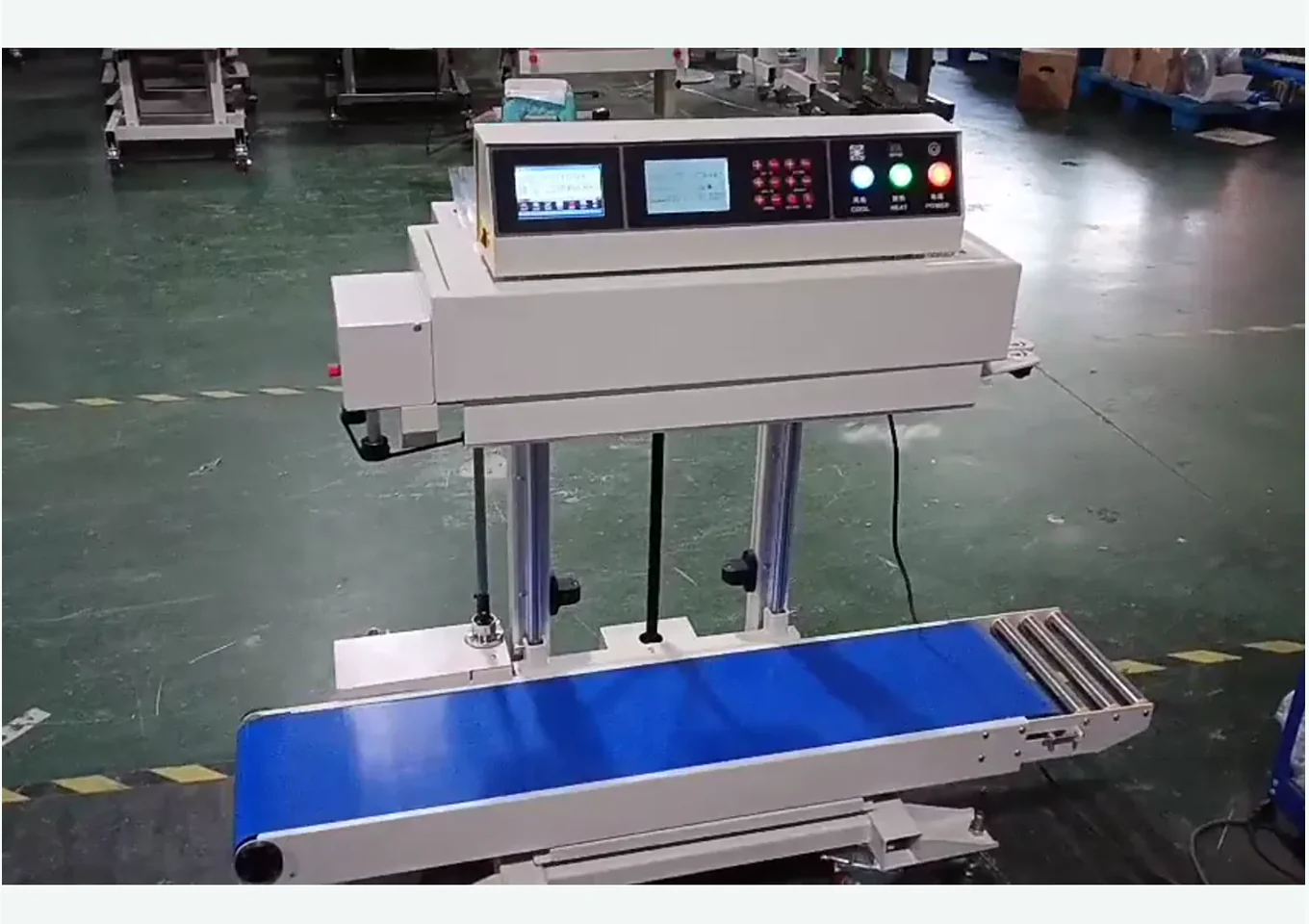 Heavy-Duty Continuous Bag Sealer for Approx. 25 kg Applications
For approximately 25 kg-class or similar heavy-duty bag applications. Confirm actual filled weight and center of gravity, bag and liner construction, mouth layers and folds, dust or trapped product, conveyor height an...
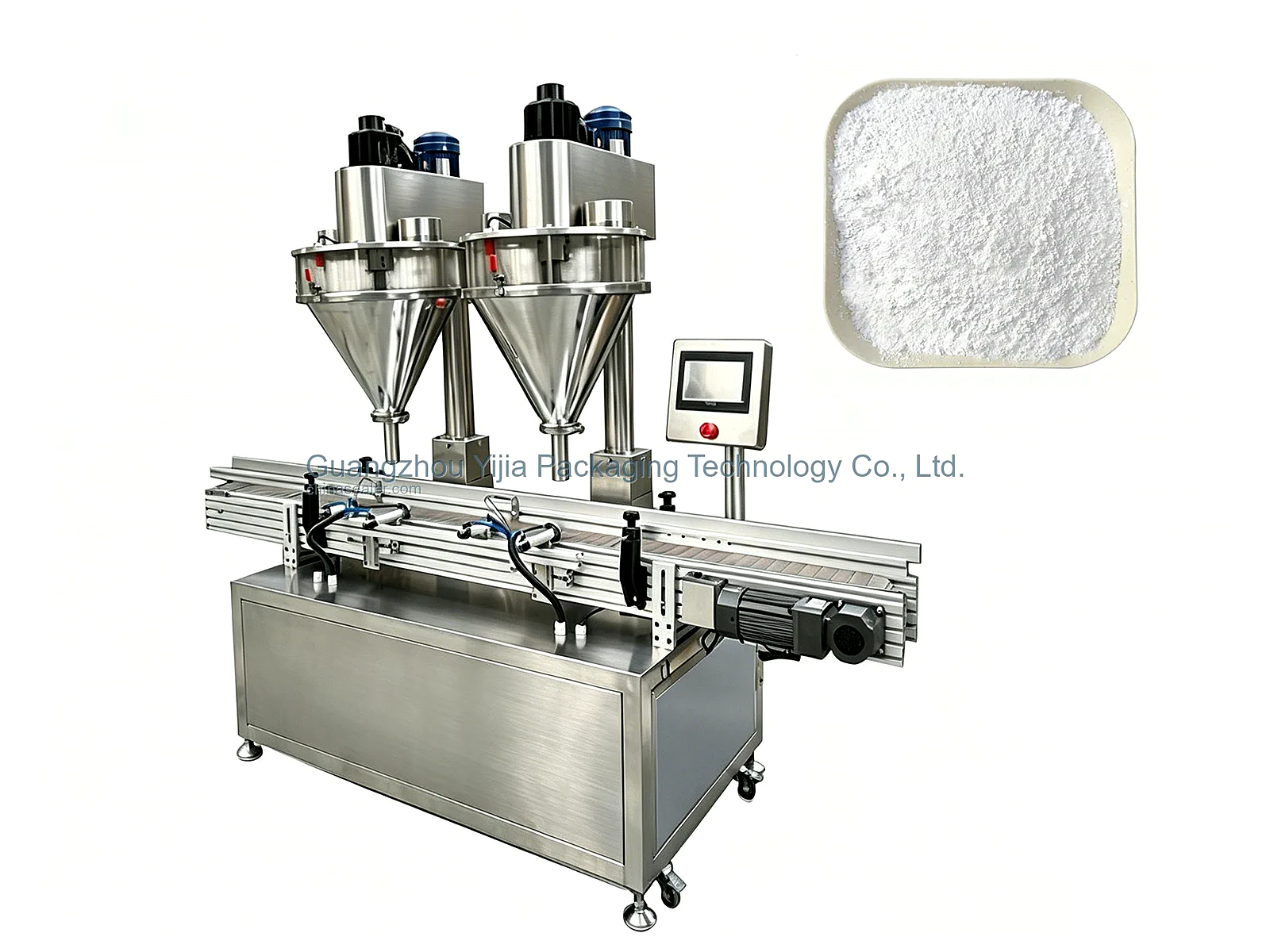 Powder and Granule Dosing Filling Machine
Powder condition and metering trial; The powder/granule filling machine also uses the target bag mouth for trial filling, recording powder drop position, fill volume, and sea...
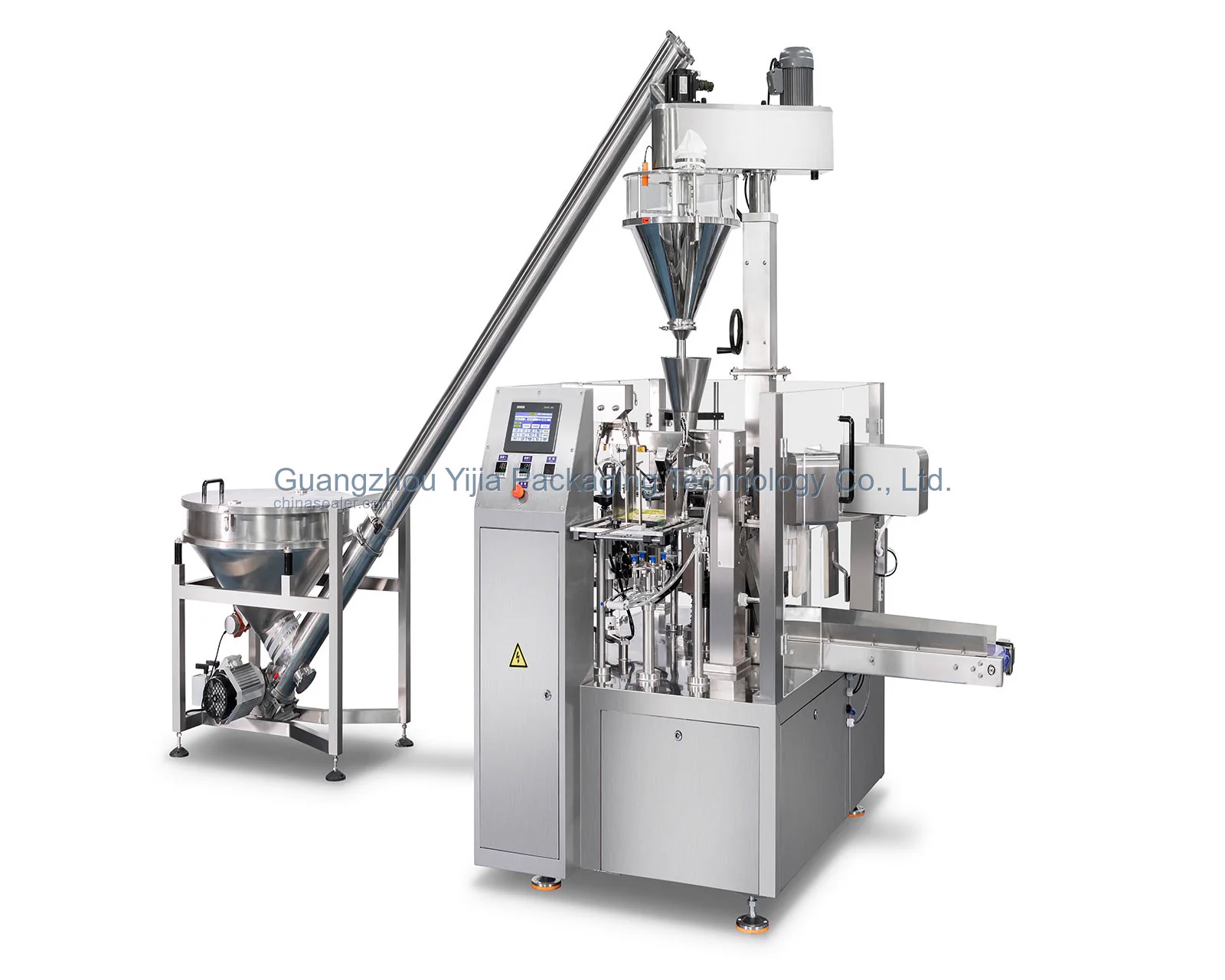 Single-Lane and Three-Station Premade Pouch Filling and Sealing Series
Powder condition and metering trial; The powder/granule filling machine also uses the target bag mouth for trial filling, recording powder drop p...
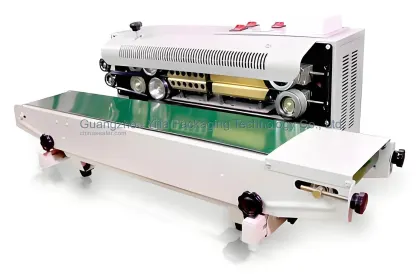 Continuous Bag Sealing Machine
Pre-made or filled bag diversion; The pre-made bag machine is evaluated with actual bags, materials, and project scope. The continuous sealer does not handle bag picking, opening, or po...
Core process
Use representative flour or other powder to observe flow, dust, bridging, moisture absorption, and residue, then select metering, feeding, and cleaning configuration.
Finished pre-made bags need bag picking, opening, filling, and sealing. Bags already filled in the previous stage only need continuous bag mouth sealing.
Sealed bagged products are checked for weight and metal according to quality rules, and the collaborative coding equipment is trial printed on a stable bag surface.
The posture and spacing of bags between filling, sealing, and inspection need to be observed on the line. Powder drop areas should also reserve cleaning positions.
Samples and bags come from the planned main production specifications. The trial covers feeding, metering, bag mouth cleanliness, sealing, and finished product conveying.
On-site dust handling, equipment cleaning, material change, and abnormal removal are project conditions and should be verified together with plant arrangement and operation methods.
Sample details
Powder condition affects feeding, metering, discharge finish, cleaning, and bag mouth contamination. Do not replace trial materials with names.
Please provide the main flour or powder sample and describe flow, dust, moisture absorption, caking, residue, and batch variation.Bag type and incoming state determine whether bag picking and opening are needed, and also change clamping, powder drop, and continuous bag travel methods.
Please prepare pre-made or filled bags of each specification, noting dimensions, material, heat seal layer, seal edge, and machine entry direction.This information is used to organize metering trials, refill rhythm, and multi-specification changeovers, not to apply fixed main machine parameters.
Please list target fill volume, judgment method, planned cycle, shifts, and frequency of material and bag changes for each powder.Equipment dust-proof interfaces and on-site engineering need clear scope. Material change and cleaning time should also enter the operation process.
Please describe powder drop area, on-site dust handling, cleaning frequency, contact part requirements, and plant interfaces.Checkweighing, metal detection, and collaborative coding are arranged after sealing according to their own rules. Exit posture should be verified with the conveying line.
Please provide weight rules, metal detection requirements, test samples, abnormal handling, and date/batch code content and position.Common selection mistakes
During the trial, observe fill volume, discharge finish, and residue simultaneously. Do not directly transfer component configurations from other powders.
Unclear incoming state can cause bag picking, manual involvement, filling, and sealing stations to be duplicated or omitted.
During actual material trial, record dust positions and clarify which measures are equipment configuration and which are completed on site.
Finished bag trial sealing should cover the main powder and actual fill volume, and retain sealed edge samples for both parties to inspect according to the agreed method.
Online checkweighing, food metal detection, and collaborative coding should each have clear samples, judgment, and abnormal disposition.
View detailed technical notes
For bagged flour, first distinguish the powder and bag conditions
First use representative flour to observe flow, dust, bridging, and residue, then clarify whether the bag enters the machine as an empty pre-made bag or has already been filled by the previous stage.
Metering, bag picking, and sealing are different operations
The powder granule filling machine handles powder metering, the pre-made bag main machine also includes bag picking and opening, while the continuous bag sealing machine only seals the edges of already-filled bags.
The pre-made bag main line is evaluated with actual bags and materials
The single-lane/three-station pre-made bag filling and sealing machine series conducts bag picking, opening, clamping, filling, and sealing tests based on the main bag type. The state of powder falling into the bag mouth should also be included in the trial records. Bag static, opening performance, clamping position, and changeover steps are all verified with formal sample bags.
Continuous sealing only handles neatly arranged bag mouths
The continuous bag sealing machine is suitable for bags that have already been metered and filled in the previous stage. Bag conveying, edge folding, powder clamping, and heat sealing layers are tested with finished bags; bag picking and opening are not part of this station. The previous stage must also stably deliver neatly arranged bag mouths and leave operating space for powder spill cleaning and abnormal bag picking.
The powder granule filling machine does not pre-design metering components
The feeding and metering configuration is determined by sample material flow, dust, bridging, moisture absorption, residue, and target fill weight. Different powders cannot share an untested configuration just because the packaging is the same. During trials, observe refilling, end-of-fill, and bag mouth cleanliness, and incorporate the corresponding cleaning methods into the work schedule.
Powder clamping at the bag mouth should be traced back to the end-of-fill
When flour enters the sealing surface, first check the filling nozzle position, end-of-fill, and bag mouth arrangement, then conduct sealing edge tests. Simply changing sealing conditions cannot solve continuous powder spillage from the previous stage.
Arrange inspection and traceability after bagging
The online checkweigher, food metal detector, and collaborative date/batch inkjet coder are located in the closed finished product section, each verified according to weight, metal, and character rules.
The conveying line also considers dust cleaning
The automatic feeding, conveying, and sealing line is configured according to bag body load, direction, and spacing. If powder spills between filling and sealing, a cleanable area should be set up in the layout.
Solution materials are prepared around sample materials and bagging results
Submit powder, bag samples, target fill weight, production schedule, on-site dust conditions, and finished product inspection rules so that the equipment scope can be determined along the actual operation sequence.
Common questions
How is the flour metering unit determined?
Do not pre-specify based on flour type. Use representative samples to observe flow, dust, bridging, moisture absorption, and residue, then configure the powder/granule filling machine.
What is the difference between a pre-made bag machine and a continuous sealer?
The pre-made bag machine handles bag picking, opening, filling, and sealing. The continuous bag sealing machine only processes products that have already been filled and have the bag mouth arranged from the previous stage.
Can we communicate if we don't have official bag samples yet?
You can first provide bag type photos, dimensions, powder condition, and production plan to divide the route, but bag picking, clamping, and sealing still need to be tested with formal bag materials.
How to arrange trial sealing when powder is trapped at the bag mouth?
First record the powder drop position and adjust the filling finish, then test sealing separately with clean bag mouths and actual powder-clamped conditions to form an executable cleaning and judgment method.
Are checkweighing and metal detection the same inspection?
No. The online checkweigher checks the agreed weight, and the food metal detector handles corresponding metal foreign object items. Samples and abnormal rules should be prepared separately.
Should the date and batch code be placed before filling or after sealing?
It should be tested based on the available area of the bag surface and the bag travel posture. After the bag is stable, collaborative coding is usually more convenient to verify character position.