Filling / Dosing Equipment
Rotary Continuous Filling Machine
Multi-station rotary filling for rigid containers such as bottles and jars. Filling valve type, metering principle, cleaning method, product contact parts, and output are confirmed based on product characteristics and upstream/downstream cycle times. Bottle unscrambling, screw capping, and sealing are not included by default.
Technical parameters
- Automation type
- Automatic rotary filling; bottle unscrambling, cleaning, cap feeding, screw capping, and sealing configured per project
- Applicable containers or packaging
- Bottles, jars, and similar rigid containers that can be stably conveyed and gripped
- Applicable materials or products
- Aqueous solutions, beverages, edible liquids, daily chemical liquids, or validated flowable materials
- Packaging materials and consumables
- Container body and bottle neck structure compatible with filling valve
- Basic process
- Container feeding and spacing, rotary positioning, multi-station metered filling, and discharge
- Speed and output
- Confirmed based on samples, action cycle time, process time, upstream/downstream speeds, and final configuration.
- Changeover method
- When container diameter, height, bottle neck, or fill volume changes, guides, star wheels, and filling parameters need adjustment or replacement.
- Optional modules
- CIP cleaning, level control, weighing or flow metering, nitrogen protection, and line buffering are optional.
- Power supply, air supply, and equipment dimensions
- Confirmed based on export region, drive structure, site layout, and final configuration.
- Front-end and back-end line integration
- Can connect with bottle unscrambling, bottle washing, screw capping, sealing, labeling, and inspection equipment.
- Testing and acceptance
- Please provide container, bottle neck, material characteristics, temperature, fill volume, hygiene requirements, target cycle time, and line-connected equipment.
Selection guide
- Equipment scope confirmed based on actual samples, packaging process, and site interface; not based on general parameters in drafts.
- Core process: container feeding and spacing, rotary positioning, multi-station metered filling, and discharge; optional modules specified separately, not included in standard configuration by default.
- When container diameter, height, bottle neck, or fill volume changes, guides, star wheels, and filling parameters need adjustment or replacement.
- Please provide container, bottle neck, material characteristics, temperature, fill volume, hygiene requirements, target cycle time, and line-connected equipment.
Applications
- Beverages, seasoning liquids, or daily chemical liquids requiring multi-station continuous filling.
- Existing sealing or capping line needs a new front-end continuous multi-station filling main machine.
- Projects requiring cycle time and signal integration with existing sealing machines, filling machines, conveyors, or downstream equipment.
- Non-standard projects requiring sample testing first, then confirmation of structure, tooling, speed, and acceptance criteria.
Frequently Asked Questions
- What information is needed before solution confirmation? Please provide container, bottle neck, material characteristics, temperature, fill volume, hygiene requirements, target cycle time, and line-connected equipment.
- Are the optional modules on the page part of the standard configuration? No. CIP cleaning, level control, weighing or flow metering, nitrogen protection, and line buffering are optional. All need separate confirmation...
- Can a fixed speed or compatibility range be directly guaranteed? Cannot guarantee without actual samples and line conditions. Speed, compatibility range, tooling quantity, and acceptance criteria are based on sample t...
Send samples and capacity requirements for a clearer solution
- Actual container, packaging, or product samples
- Key dimension drawings and allowable tolerances
- Packaging material, lid film, label, or consumable samples
- Target process, shift output requirements, and acceptance criteria
- Upstream/downstream equipment speed, conveying direction, and interface
- Power supply, air supply, site dimensions, and export region
Rotary Continuous Filling Machine: Filling Main Unit; Choose single-head, multi-head, or inline based on capacity, accuracy, and output.
Rotary Continuous Filling Machine: Filling Action; Choose according to filling volume, viscosity and container opening.
Rotary Continuous Filling Machine: Powder metering and filling; Flour is a powder; choose auger or cup metering based on flowability to ensure filling accuracy and speed; Powder...
Rotary Continuous Filling Machine: Main Filling and Sealing Equipment; Choose by bag type and output: the premade pouch route suits automatic bag feeding, filling, and sealing,...
Rotary Continuous Filling Machine: Premade pouch feeding, filling, and sealing; Automatically picks pouches, opens them, fills, and seals them. This suits premade pouch packagin...
Rotary Continuous Filling Machine: Core Process Confirmation; Judge the main machine direction around continuous bag sealing, premade pouch filling and sealing with vacuum funct...
Related products
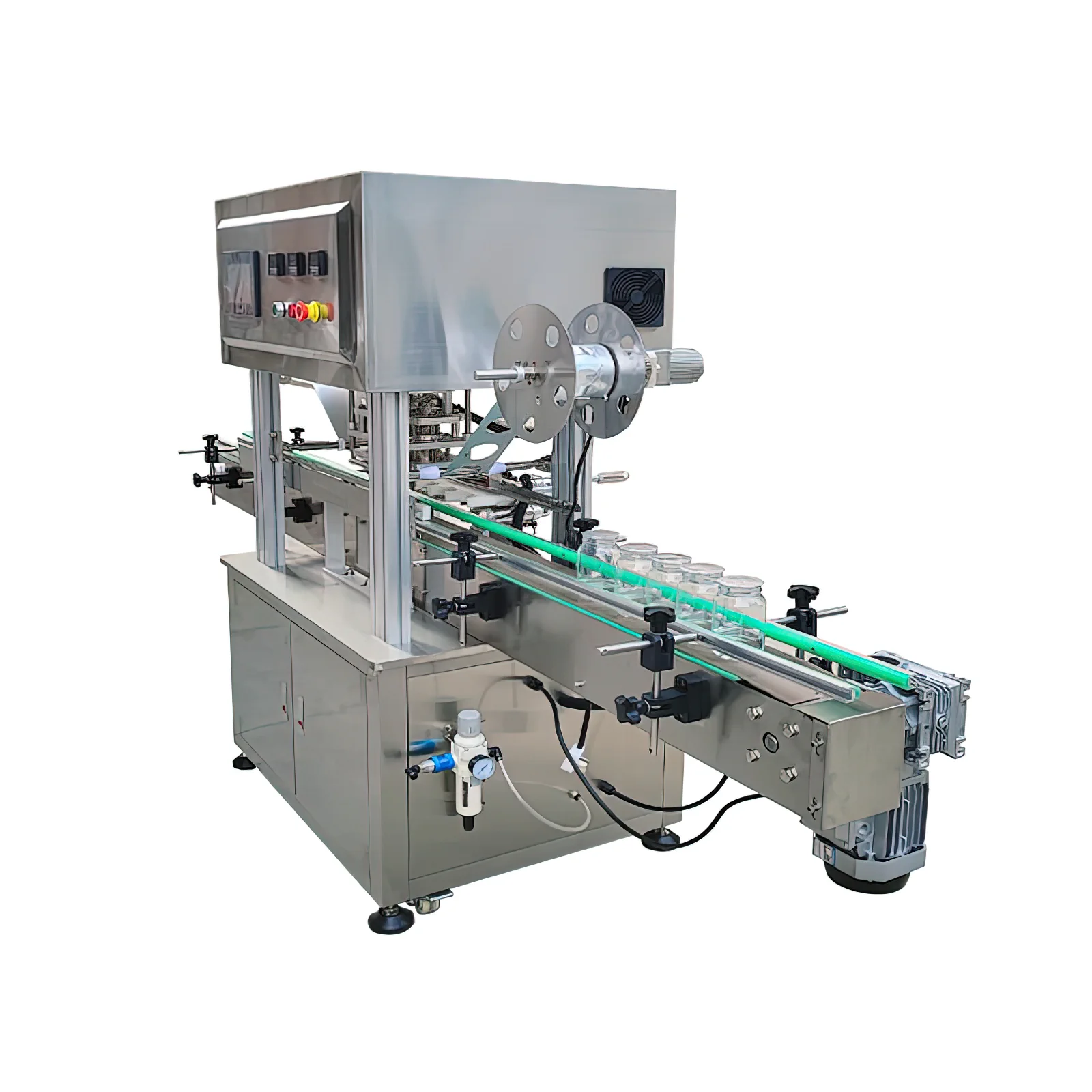
Bottle Inline Heat Press Sealer
Bottle Inline Heat Press Sealer is configured for Heat Press Sealing on PP bottles, PET bottles, PE bottles, HDPE bot...
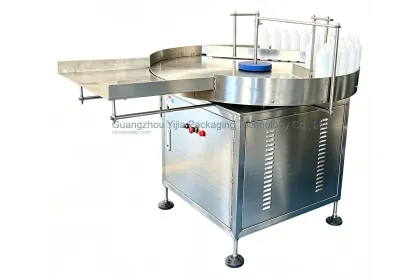
Automatic Bottle Unscrambler
Automatic Bottle Unscrambler is configured for Empty bottle sorting, guiding, and conveying on Round bottles, square...
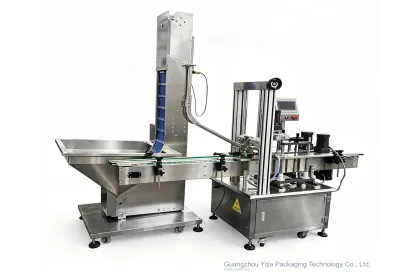
Automatic Screw Capping Machine
Automatic Screw Capping Machine is configured for Screw capping, press capping, or can sealing on Round bottles, squa...
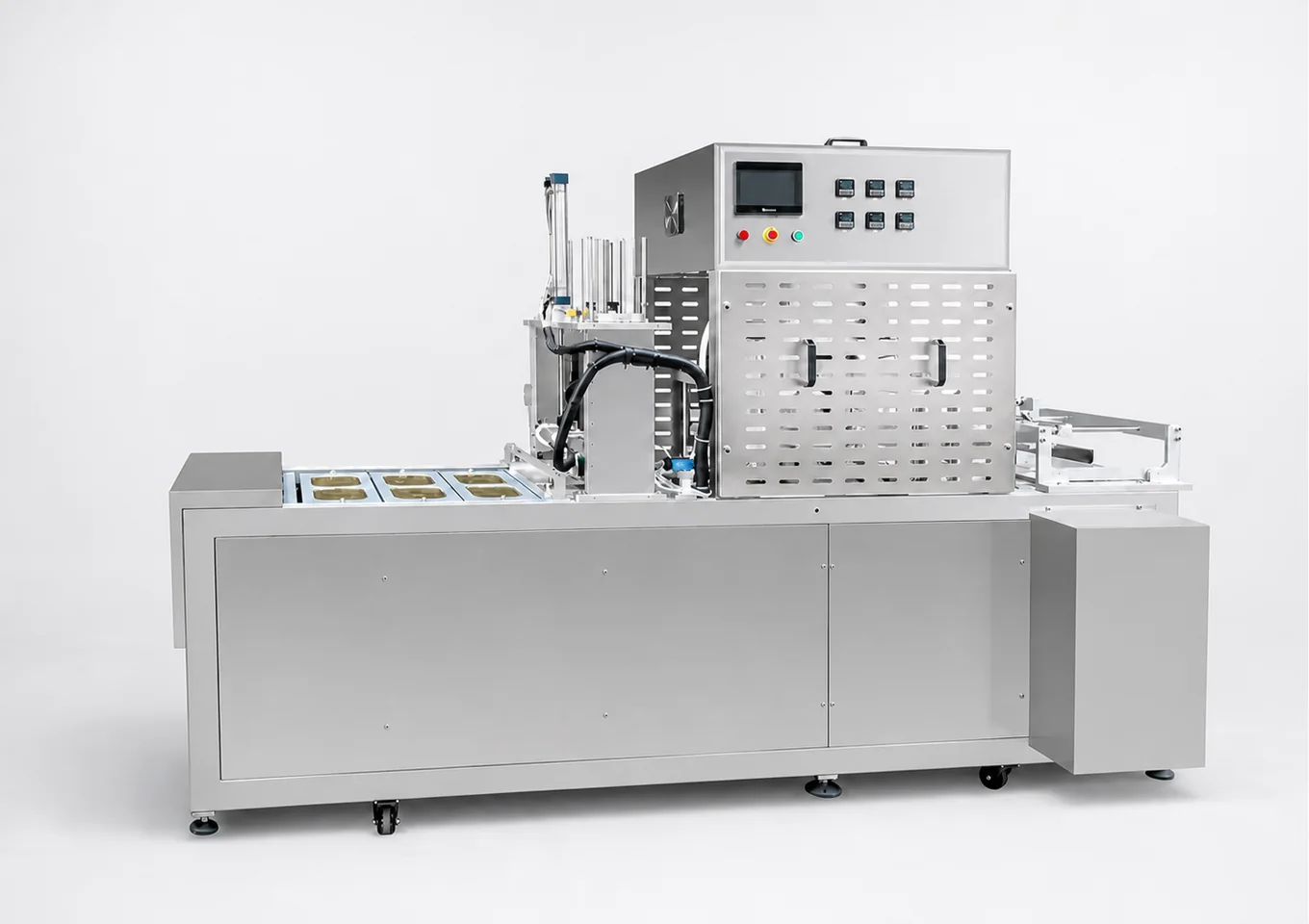
Chain Conveyor Cup/Tray Continuous Sealing Line (Optional Filling)
Suitable for continuous positioning conveying and heat sealing of preformed cups, boxes, and trays. The gallery inclu...
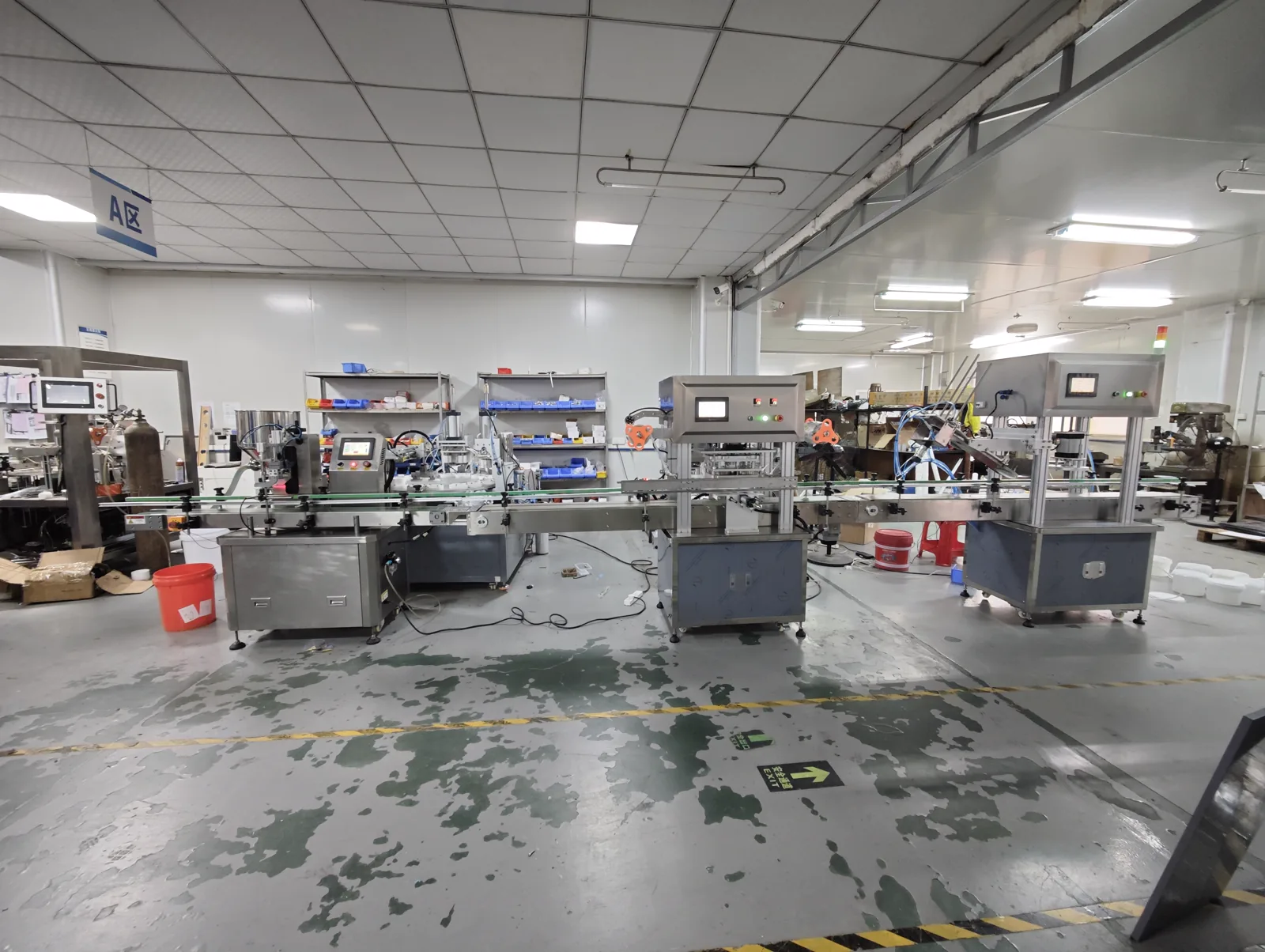
Filling, Press Capping / Screw Capping, Sealing Complete Line
This complete line integrates bottle feeding, filling, cap sorting, press or screw capping, sealing, inspection, and...
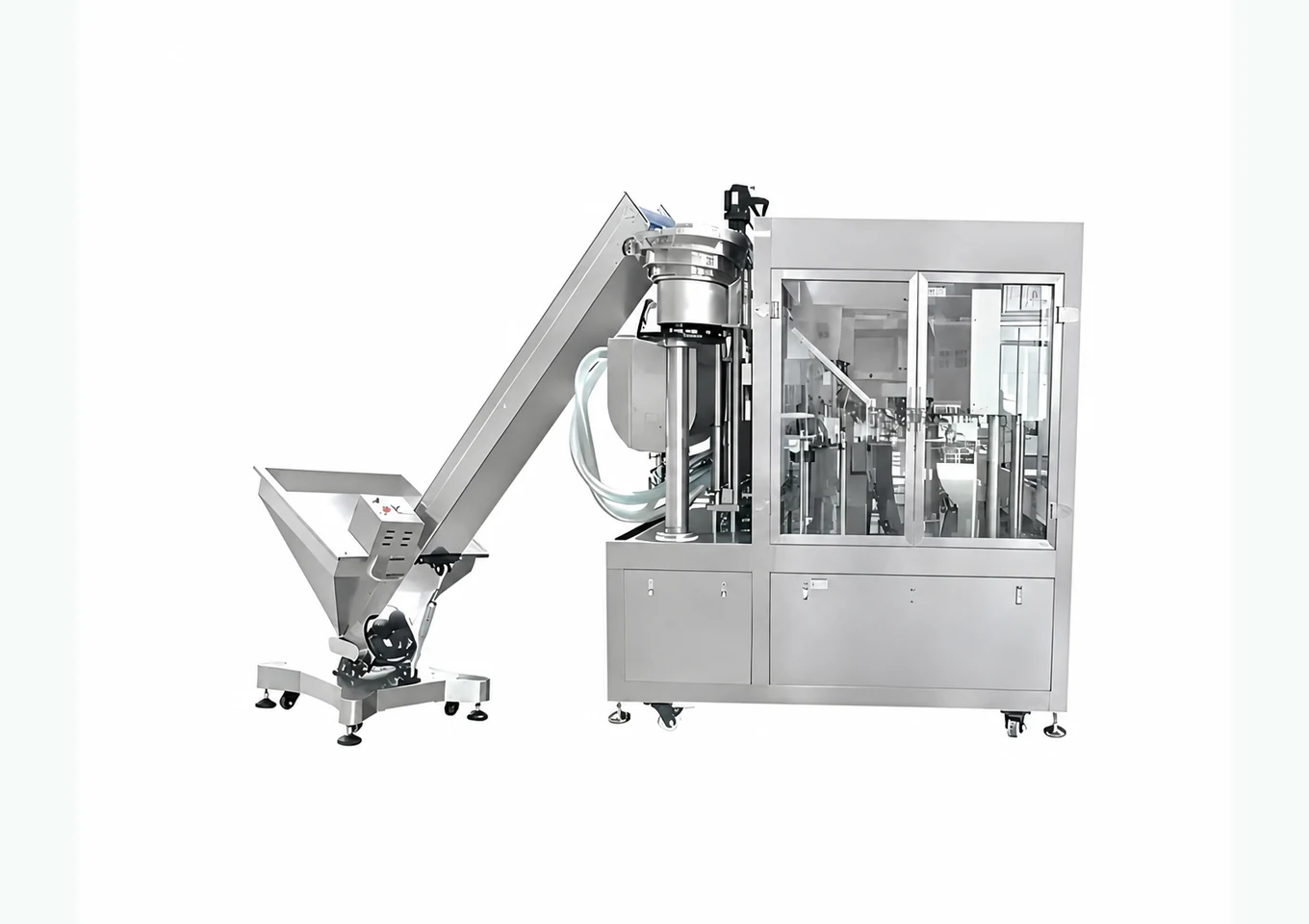
Stand-up Spout Pouch Filling and Screw Capping Machine
The stand-up spout pouch filling and screw capping machine organizes a continuous process around spout positioning, l...