Solution topic
How to Choose a Ketchup, Chili Sauce, or Honey Filling Line? Start with Viscosity, Particles, Temperature, and Sealing Method
Compare sauce, ketchup, chili sauce, and honey filling lines based on viscosity, particles, temperature, bottle type, and cap type. Recommended equipment routes for filling, capping, foil sealing, labeling, coding, and inspection.
- Sauce and honey filling is not just about a 'liquid filler'. Viscosity, particles, oil content, temperature, bottle mouth, cap type, and cleaning method all affect the filling valve, hopper, pump, capping, foil sealing, and downstream inspection.
- Sauce, Honey, and High-Viscosity Liquid Filling
Sauce Line: Start with the Material, Not the Machine
For the same filling line, the filling structure for ketchup, chili sauce, honey, and shampoo differs greatly. Just describe viscosity, particles, temperature, and cap type, and we can determine piston, pump, hopper, and anti-drip configuration.
Viscosity and Particles Determine the Filling Valve
Particle size, fibers, seeds, and sediment affect filling accuracy and valve clogging risk. Sauces with particles usually require confirmation of valve diameter, agitation method, and cleaning structure.
Honey and Syrup: Pay Attention to Temperature
Honey fluidity varies greatly with temperature; low temperature causes stringiness, high temperature may affect material state. Whether a jacketed hopper and temperature-controlled piping are needed depends on site temperature and material testing.
Cap Type and Foil Liner Affect Downstream Sealing
Bottled sauces commonly use screw capping followed by induction foil sealing. Bottle mouth material, liner structure, cap torque, and conveying stability all affect sealing quality.
Cleaning Method Affects Long-Term Operating Cost
When food sauces change product frequently, confirm disassembly cleaning, CIP provision, hopper dead zones, and contact materials in advance. Otherwise, maintenance time will slow down production.
Advantages and Limitations Determine the Route
Piston filling is suitable for high viscosity and stable metering, but requires confirmation of particles, stringiness, and cleaning; inline integration offers high efficiency, but requires stable bottle type, cap type, and site layout.
How Our Existing Equipment Can Support
Our existing equipment can be combined step by step: filling main unit, temperature holding and anti-drip, screw capping and press capping, induction sealing, labeling and coding, and inspection. First confirm the material, then decide whether to go directly to a full line.
Use Samples First, Then Configure the Full Line
If complete bottle information is not yet available, send material photos, cap photos, and target capacity. We will first determine the filling direction, then list key points to test.
Route comparison
- Suitable for low-viscosity liquids with no particles and stable flow.
- The structure is simple, speed is easier to increase, and cleaning and maintenance are relatively light.
- It may not be stable for high-viscosity, stringy, particulate, or settling products.
- High-viscosity products such as ketchup, chili sauce, and honey should not be selected directly as water-like liquids.
- A liquid filling machine can be considered first, but material testing is necessary.
- Suitable for ketchup, chili sauce, honey, pastes, and sauces with a small amount of particles.
- Dosing is stable for viscous products and can be equipped with stirring, heating, and anti-drip structures.
- Particle size, product temperature, stringing behavior, and cleaning method need to be confirmed.
- If particles are too large or settle easily without agitation, do not rely only on a standard hopper.
- Start with a piston sauce filler or a multi-head sauce filling line.
- Suitable for honey, syrup, and some sauces whose flow changes with temperature.
- A jacketed hopper and insulated piping help maintain flow, reducing stringing and dosing fluctuation.
- Heating temperature, heat tolerance of the product, and cleaning safety need to be confirmed.
- Heat-sensitive or easily separated products should be tested first and should not be heated directly to high temperature.
- Configure a jacketed hopper, anti-drip filling nozzles, and a temperature-control system.
- Suitable for stable batch production of bottled sauces, honey, condiments, and personal-care liquids.
- Filling, cap sorting, capping, foil sealing, labeling, coding, and inspection can be connected together.
- Bottle shape, cap type, liner, line speed, and downstream space need to be confirmed in the early stage.
- When orders are not stable or bottle types change frequently, start with single-machine validation.
- Use the filling machine as the core, then add capping, induction sealing, and inspection step by step.
Core process
Determines filling valve, hopper, agitation, and anti-drip structure.
Choose single-head, multi-head, or inline based on capacity, accuracy, and output.
Focus on testing for viscous, stringy, or temperature-sensitive materials.
Cap stability determines subsequent foil sealing and leakage risk.
Commonly used for bottled food to prevent leakage, tampering, and transport damage.
Configure labels, date codes, weight, and foreign object inspection per channel requirements.
Associated Equipment / Consumables
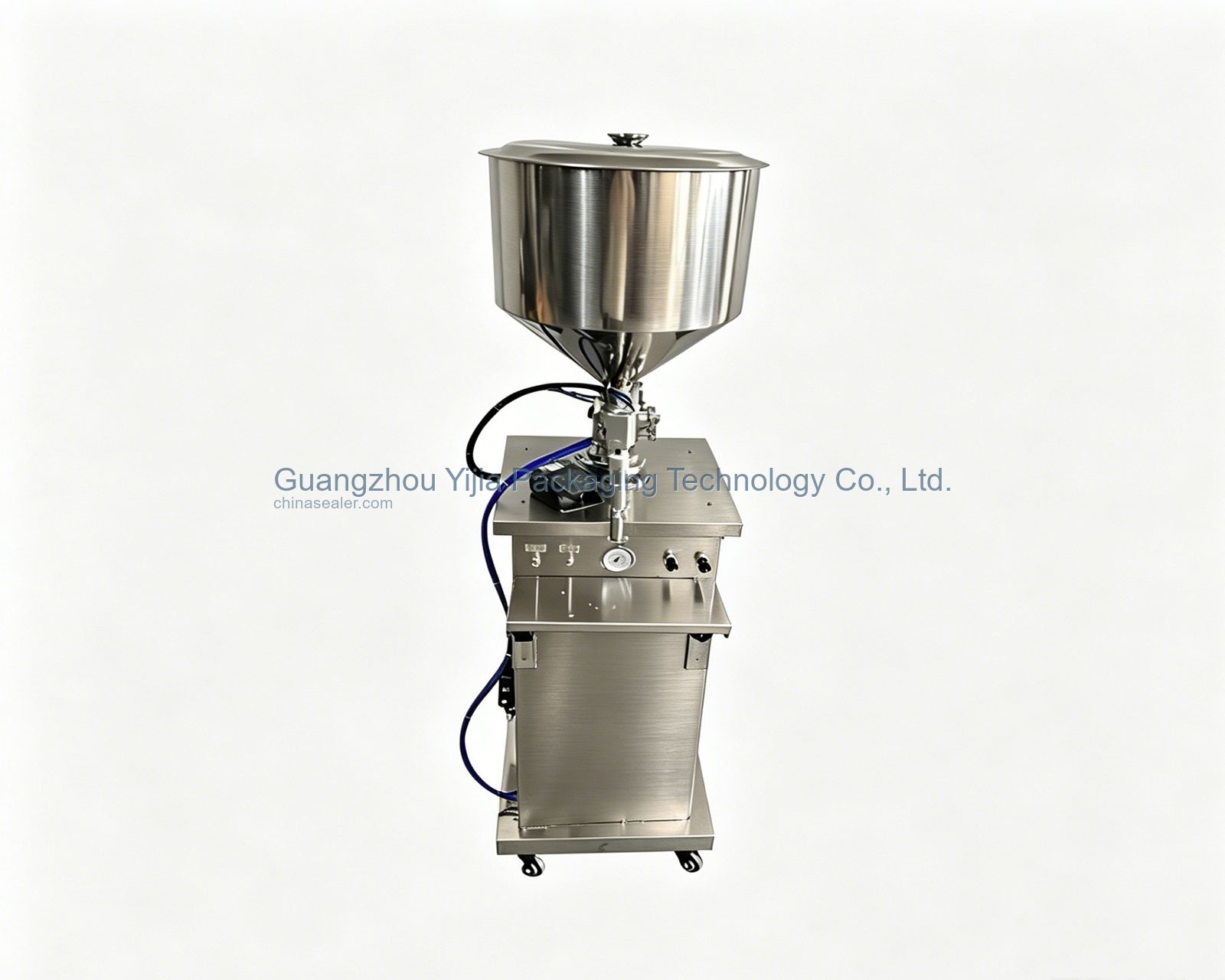 Sauce Piston Filling Machine
Material Confirmation; Determines filling valve, hopper, agitation, and anti-drip structure; Viscosity Sample; Particle Size
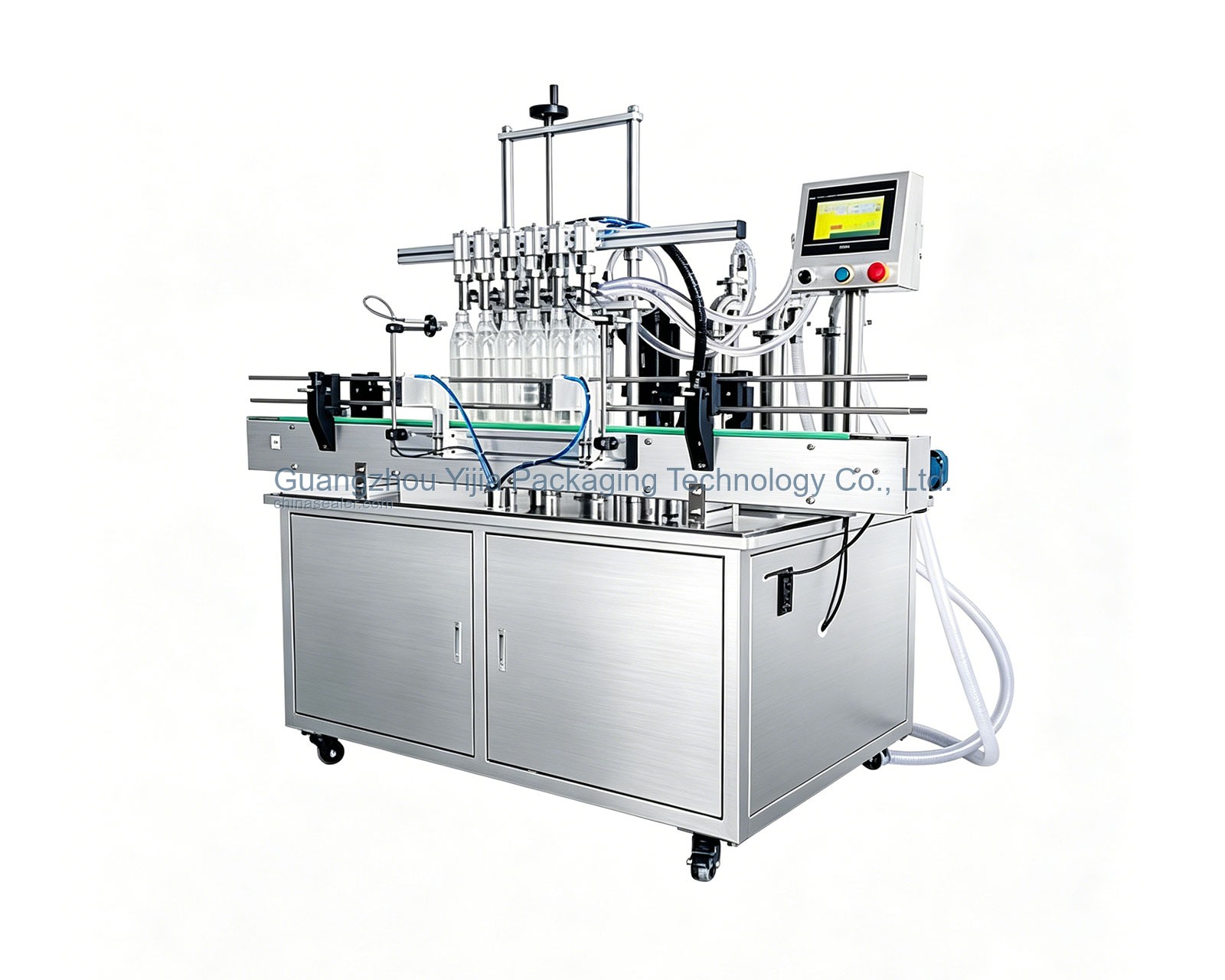 Liquid Quantitative Filling Machine
Material Confirmation; Determines filling valve, hopper, agitation, and anti-drip structure; Viscosity Sample; Particle Size
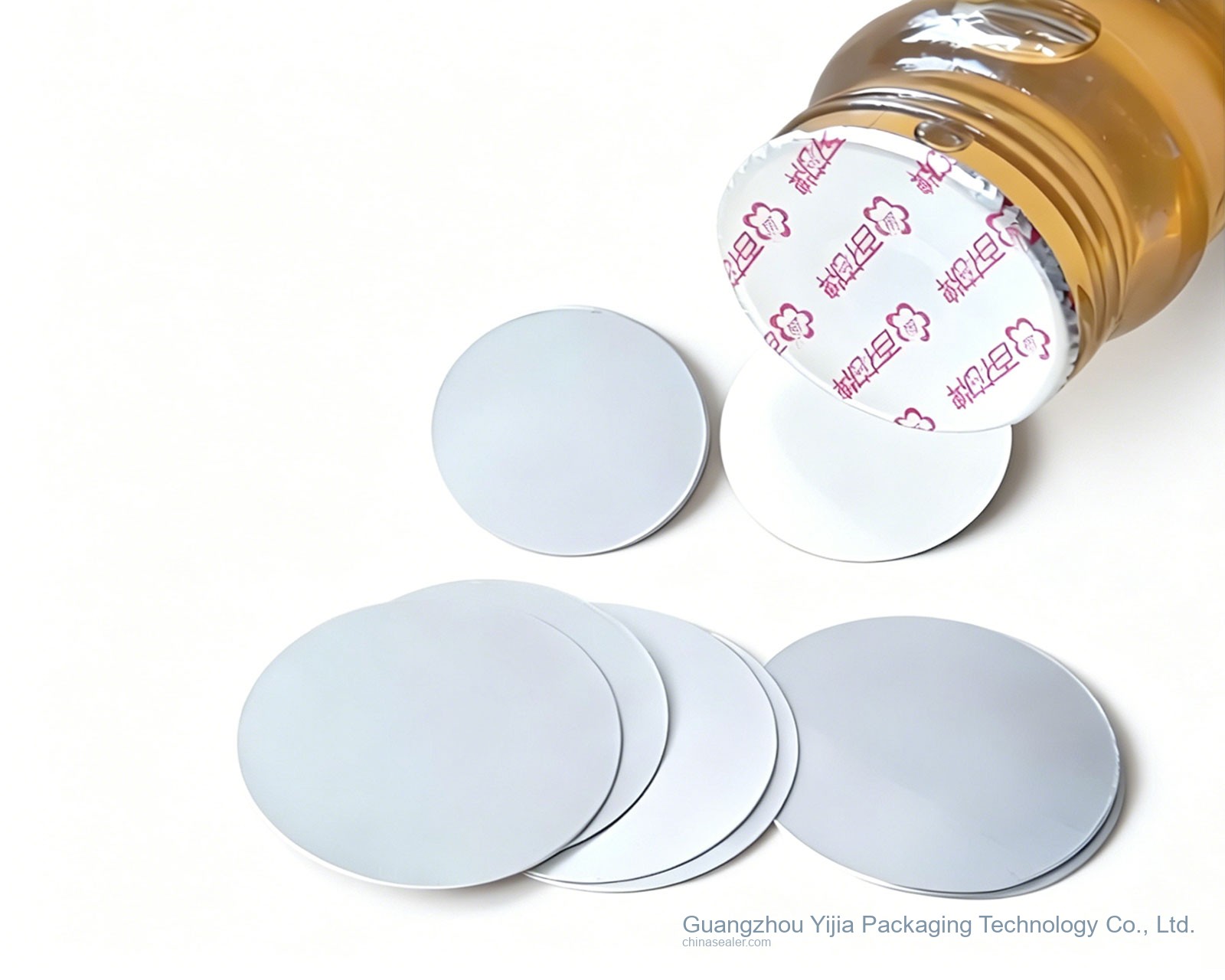 Leak-proof Bottle Cap, Inner Plug and Gasket Set
Cap Feeding and Screw Capping; Cap stability determines subsequent foil sealing and leakage risk; Cap Unscrambler; Screw Capper
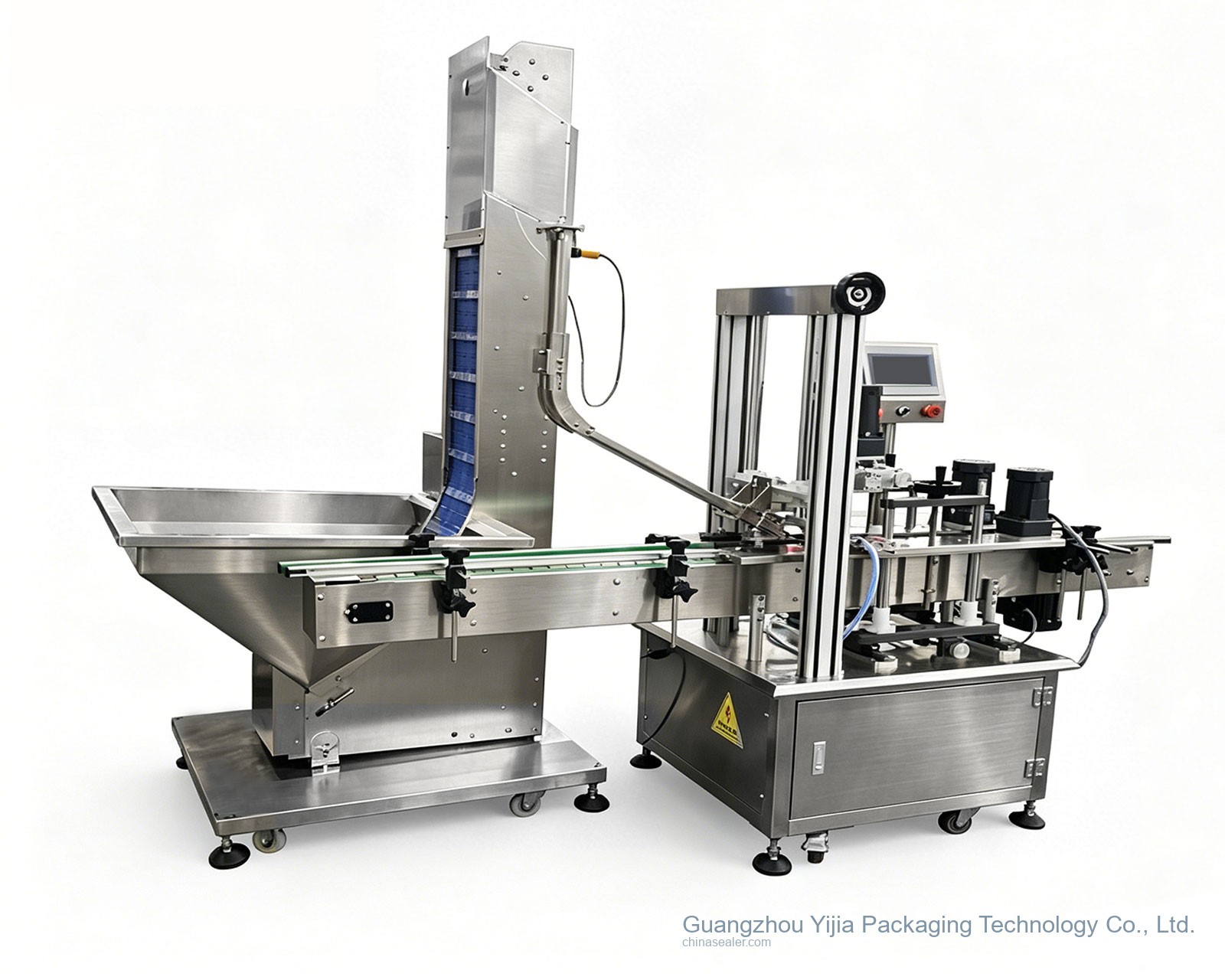 Automatic Screw Capping Machine
Cap Feeding and Screw Capping; Cap stability determines subsequent foil sealing and leakage risk; Cap Unscrambler; Screw Capper
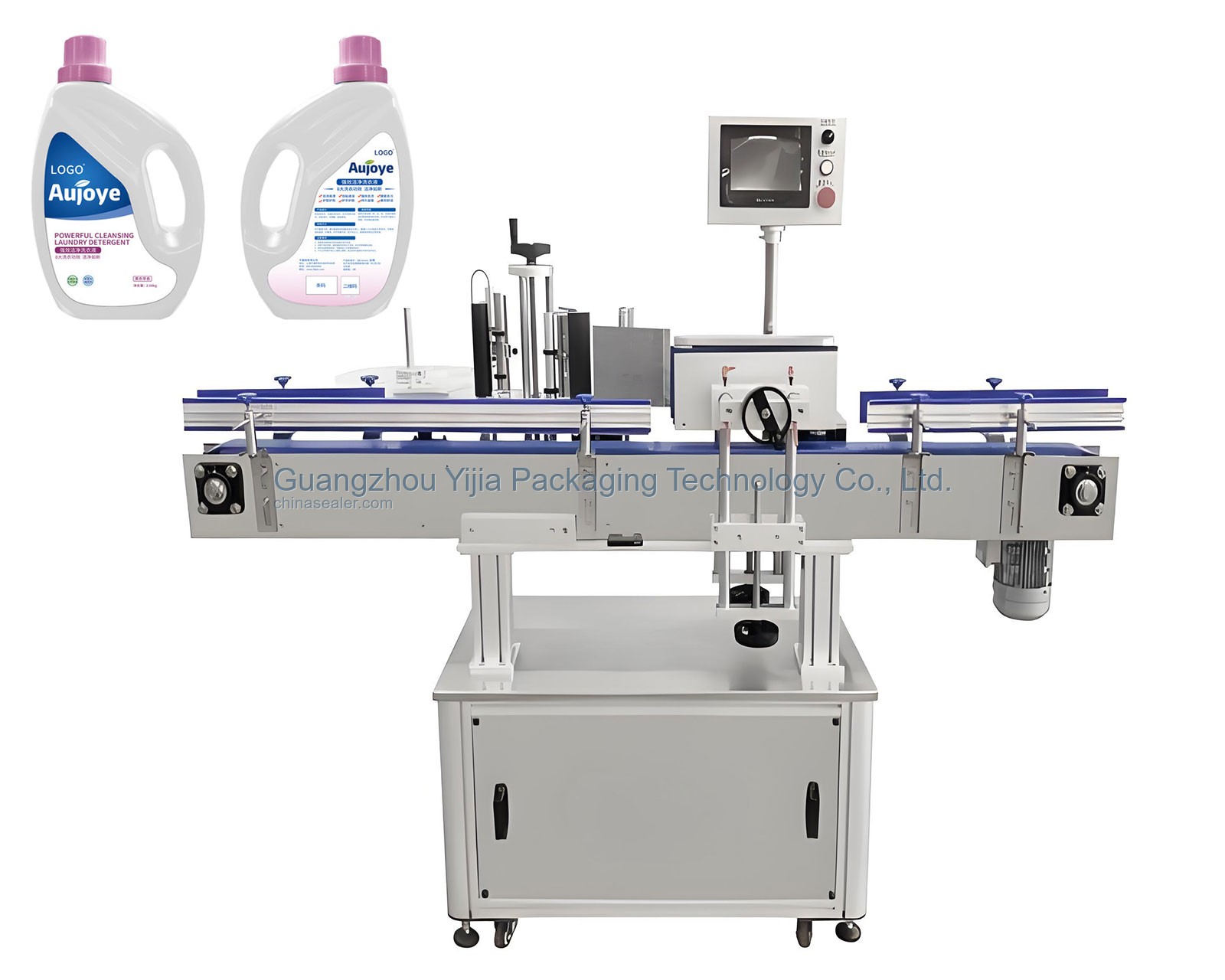 Round & Square Bottle Labeling Machine
Labeling, Coding, and Inspection; Configure labels, date codes, weight, and foreign object inspection per channel requirements; Labeling Machine; Inkjet Printer
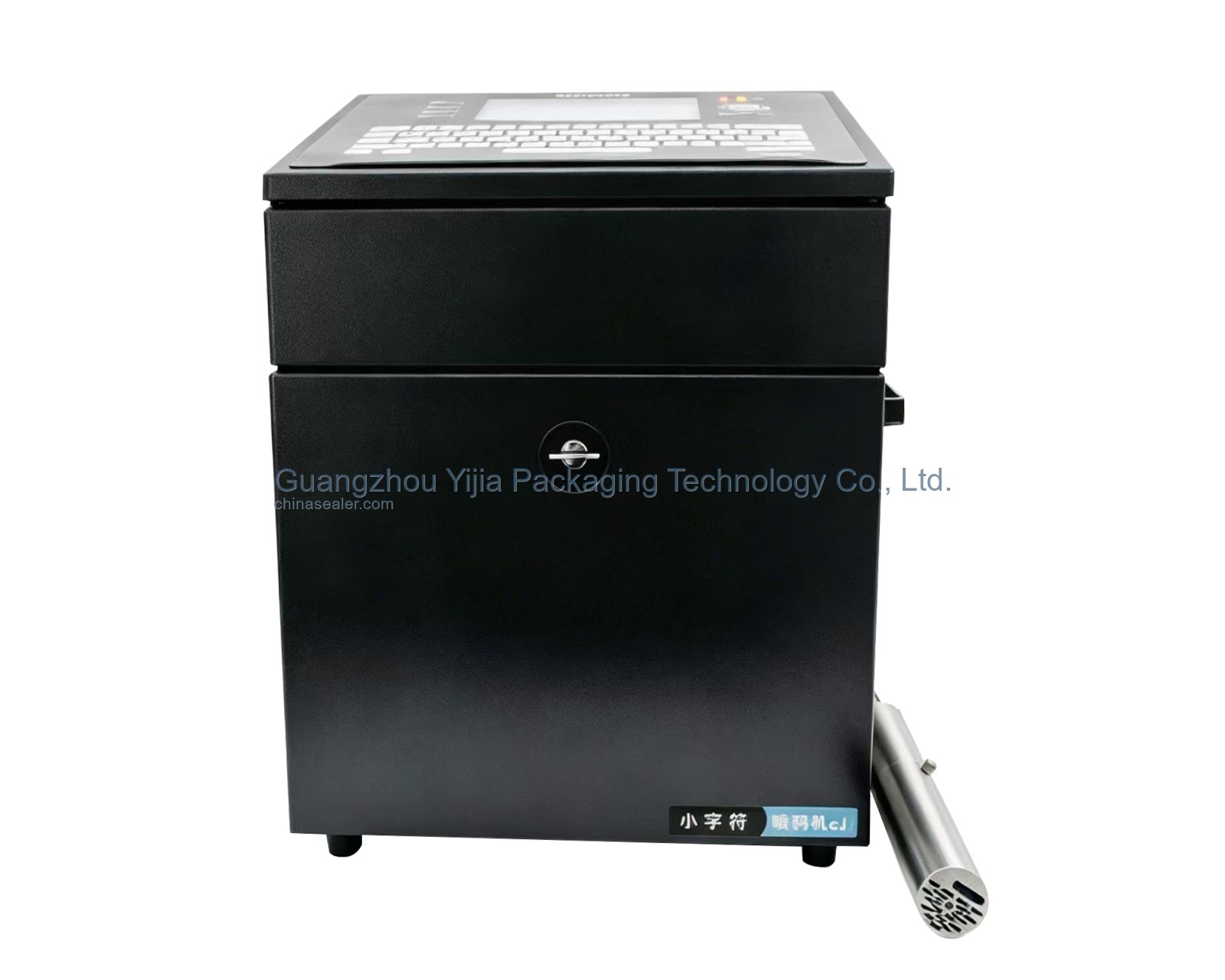 Date & Batch Inkjet Printer
Labeling, Coding, and Inspection; Configure labels, date codes, weight, and foreign object inspection per channel requirements; Labeling Machine; Inkjet Printer
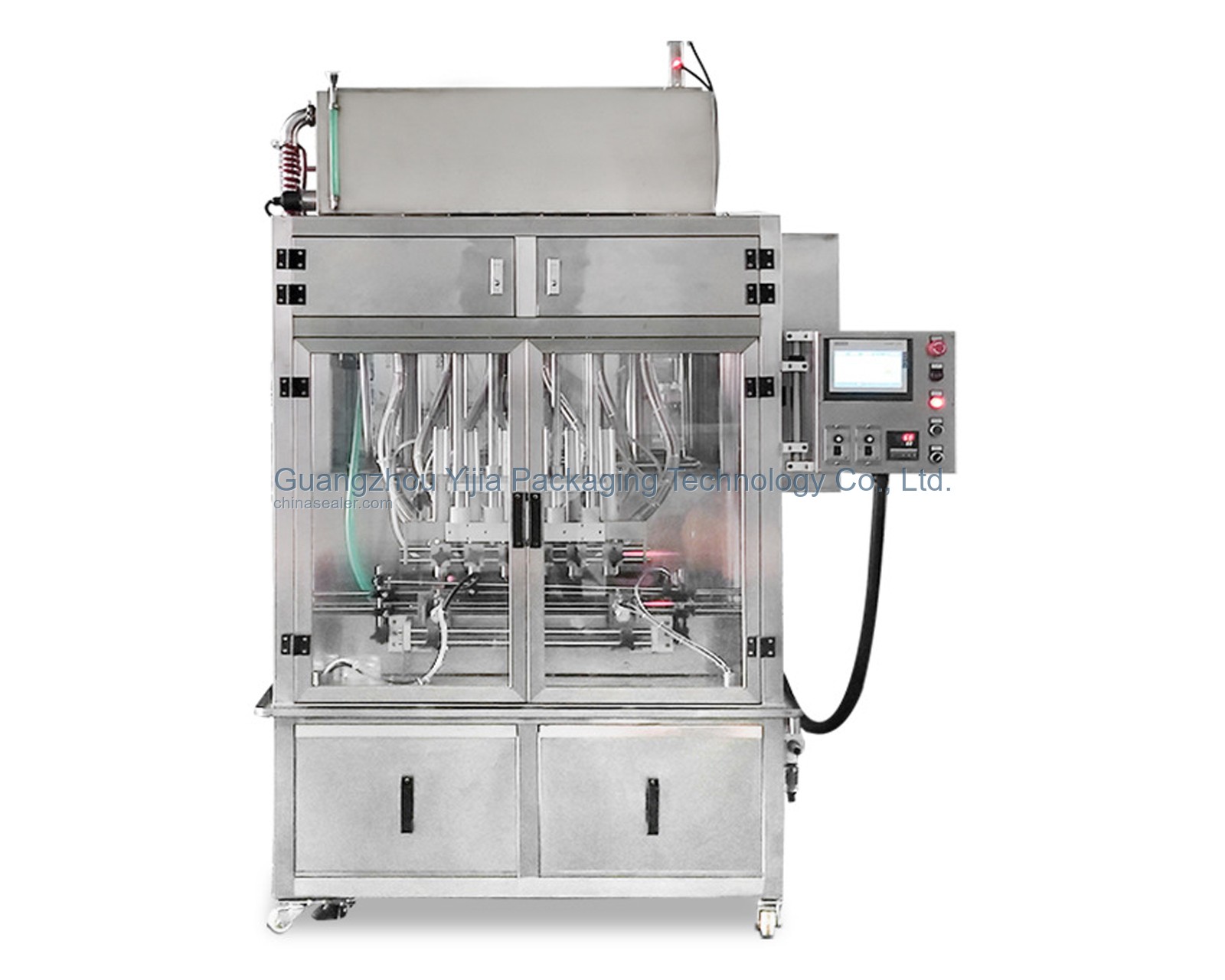 Food Pail Filling and Sealing Machine
Material Confirmation; Determines filling valve, hopper, agitation, and anti-drip structure; Viscosity Sample; Particle Size
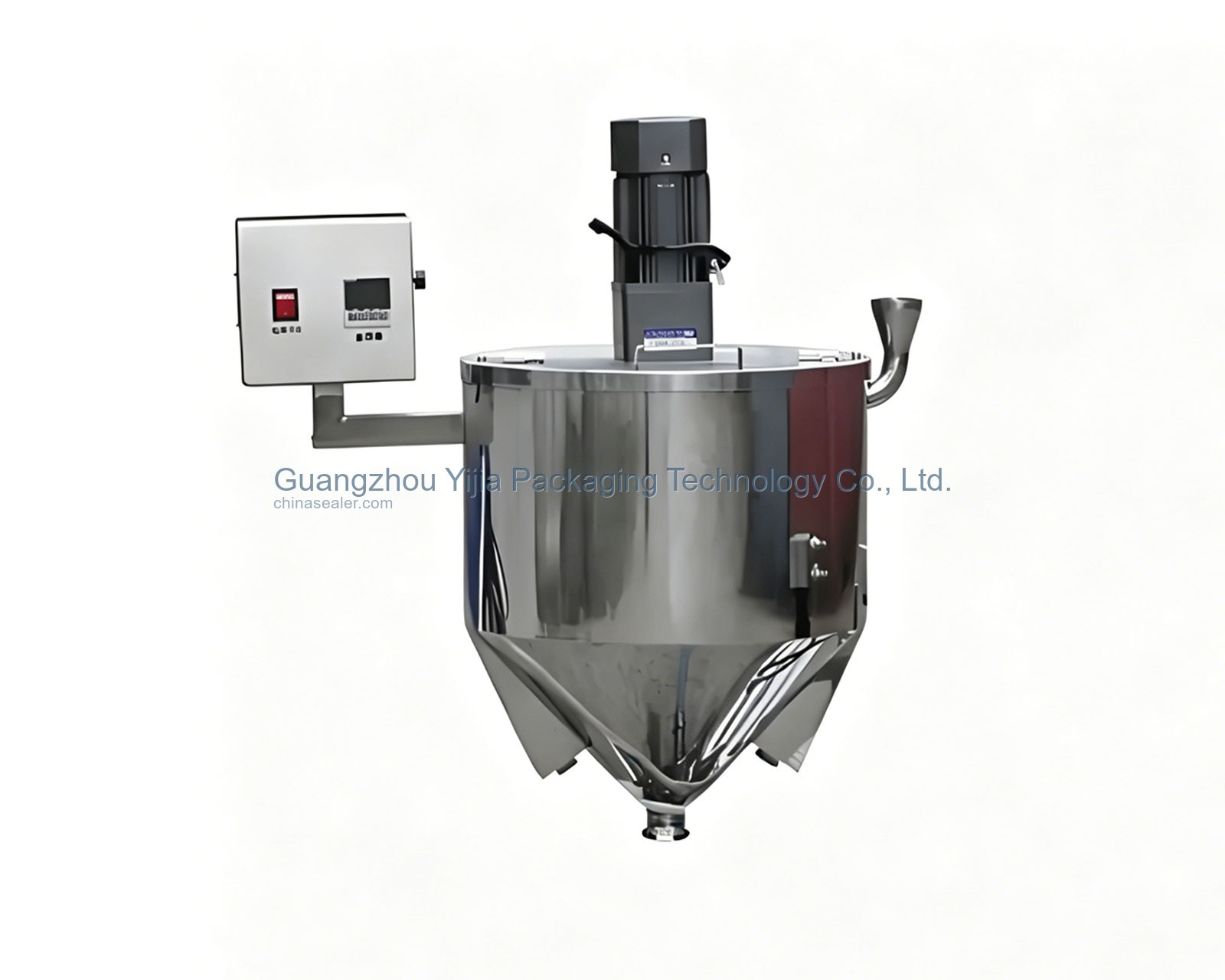 Heated Hopper and Jacketed Tank
Material Confirmation; Determines filling valve, hopper, agitation, and anti-drip structure; Viscosity Sample; Particle Size
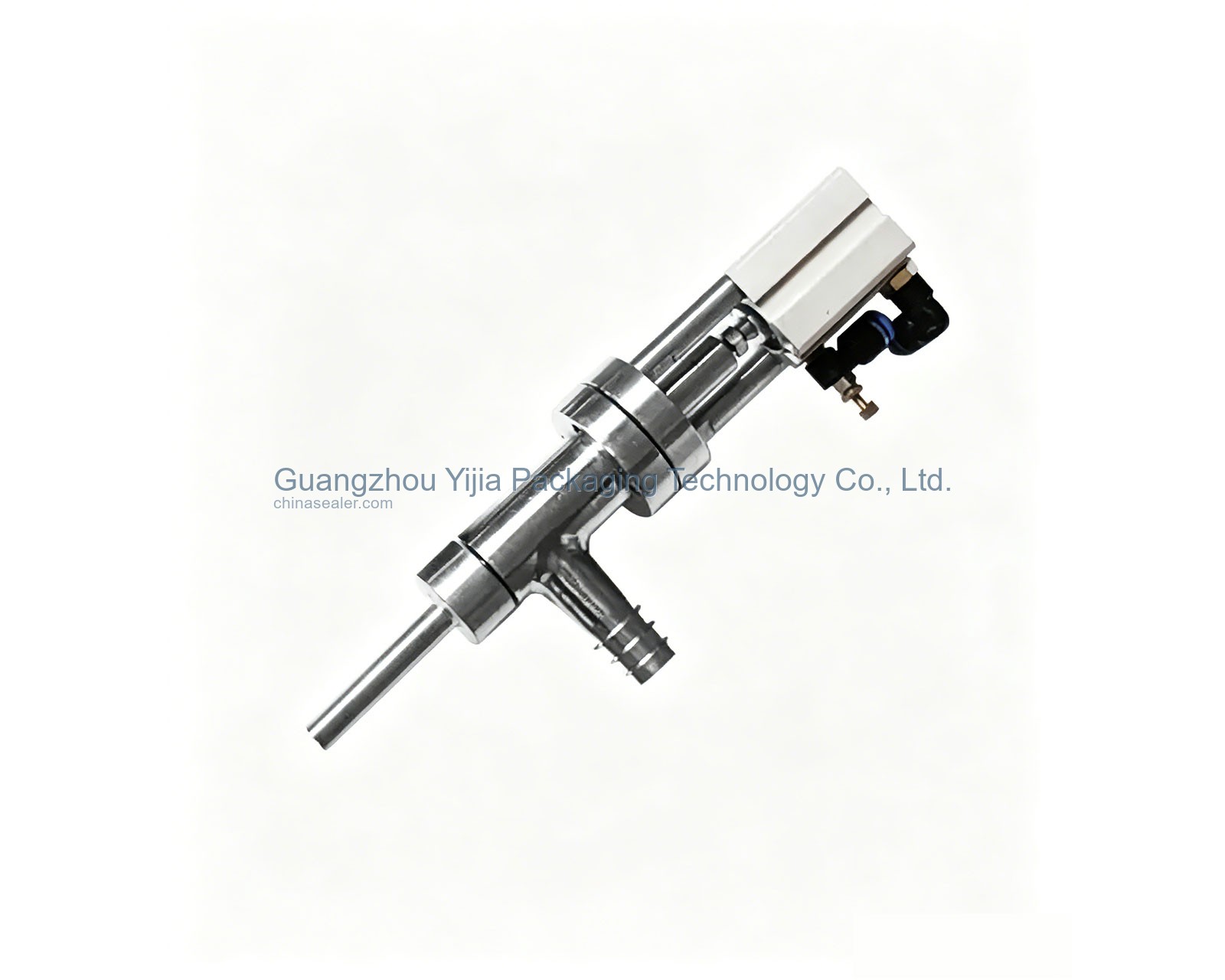 Anti-Drip Anti-Stringing Filling Nozzle Assembly
Material Confirmation; Determines filling valve, hopper, agitation, and anti-drip structure; Viscosity Sample; Particle Size
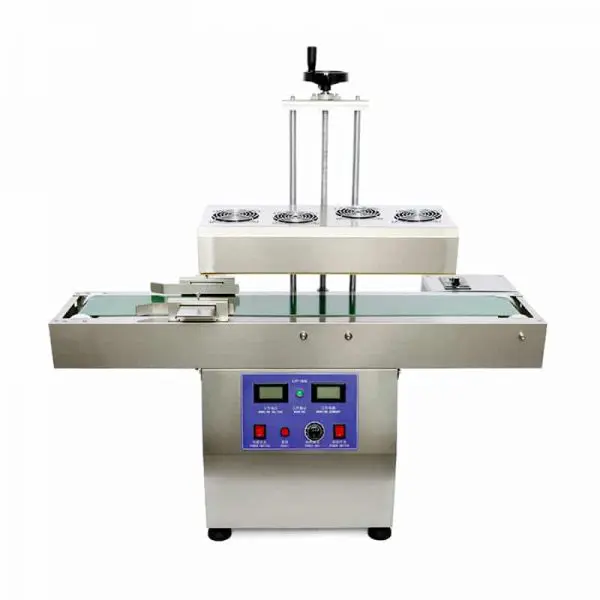 Inline Induction Foil Sealer
Cap Feeding and Screw Capping; Cap stability determines subsequent foil sealing and leakage risk; Cap Unscrambler; Screw Capper
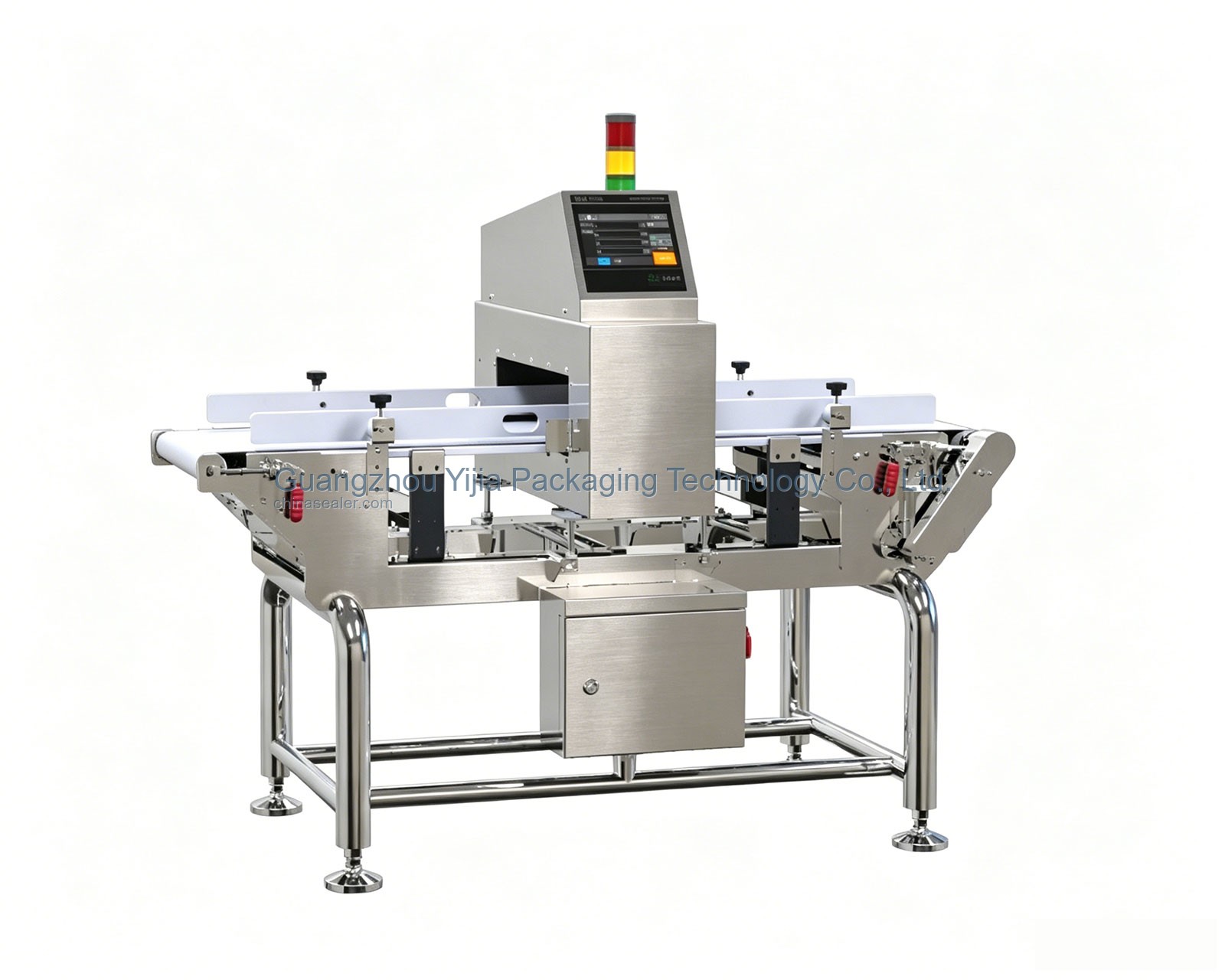 Food Metal Detector
Labeling, Coding, and Inspection; Configure labels, date codes, weight, and foreign object inspection per channel requirements; Labeling Machine; Inkjet Printer
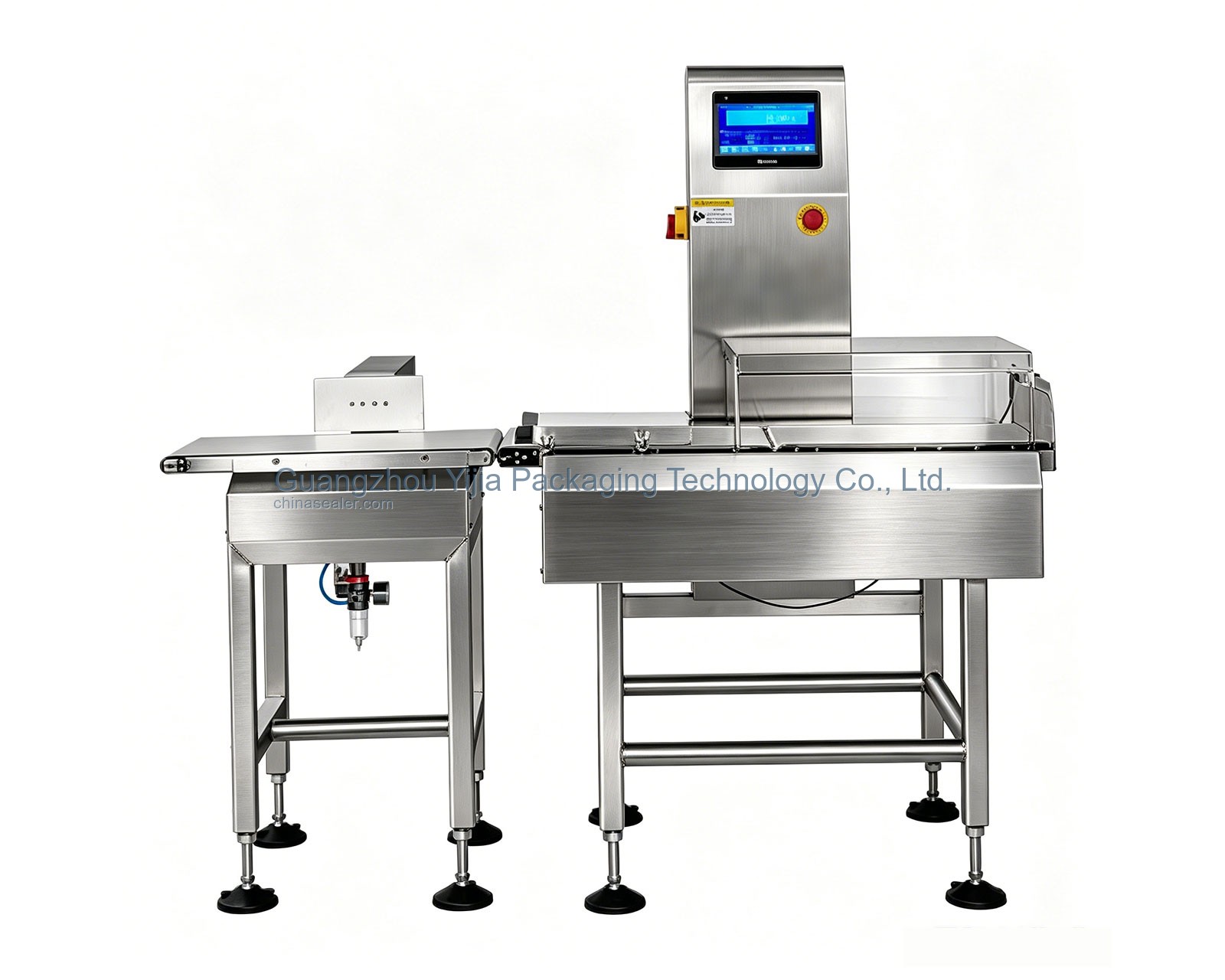 Inline Checkweigher
Labeling, Coding, and Inspection; Configure labels, date codes, weight, and foreign object inspection per channel requirements; Labeling Machine; Inkjet Printer
Sample details
Viscosity, particles, temperature, and stringiness determine the filling structure.
Material photos or videos, samples, viscosity range, particle size, filling temperature.Bottle mouth diameter, bottle stability, and capacity affect positioning, filling nozzle, and conveying.
Bottle photos, capacity, inner/outer diameter of bottle mouth, height, material.Screw capping, press capping, aluminum foil liner, and sealing method determine downstream equipment.
Cap samples, liner structure, torque requirements, leak-proof needs.Capacity determines number of filling heads; cleaning requirements determine piping and disassembly structure.
Bottles per hour, shifts, product change frequency, cleaning method.Sample testing confirms metering, anti-drip, and downstream sealing stability.
Material samples, cap samples, site space, upstream/downstream equipment requirements.Common selection mistakes
Common questions
Yes, but confirm particle size, sedimentation, and valve structure. Samples or videos are preferred.
Not necessarily. It depends on ambient temperature, honey viscosity, and target speed. A jacketed hopper and temperature control can be added if needed.
Not all, but when leak-proof, tamper-evident, and transport requirements are high, induction foil sealing is often added.
Interfaces can be planned, but future capping, sealing, labeling, and inspection directions should be specified upfront.
Send material photos, flow videos, or samples, and we will judge based on actual state.
Number of filling heads, temperature holding, agitation, anti-drip, capping, sealing, and inspection all affect configuration.