Solution topic
Cosmetic Cream Bottling Line: Heated Feeding, Anti-Drip Filling, Inner Sealing, Capping and Inspection
Configure heated feeding, pump, valve and anti-drip nozzle by cream temperature, viscosity, stringing and cleaning, then add direct or induction inner sealing, capping, labelling a
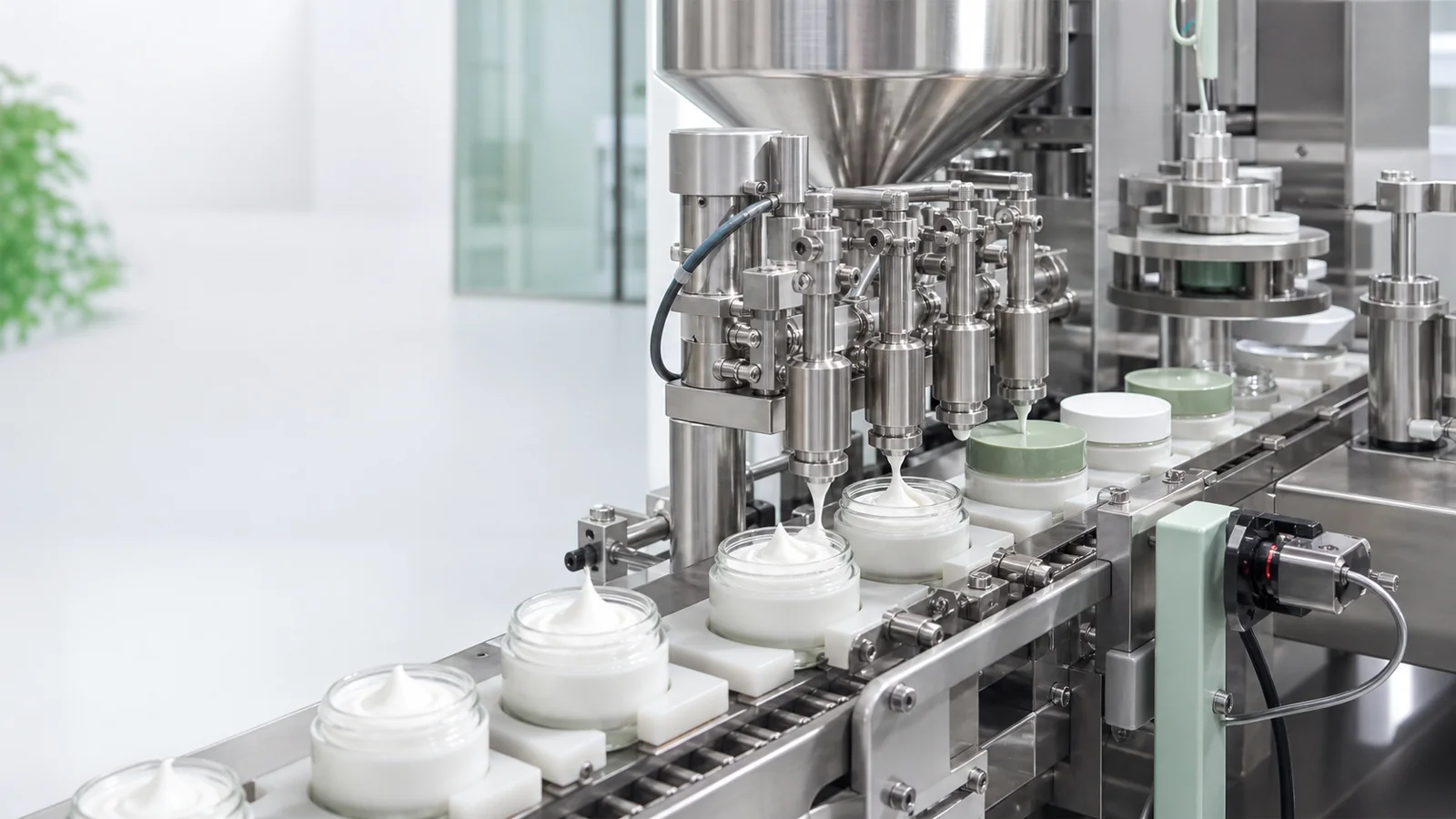
- Product temperature and rheology determine tank, pump, valve and nozzle; rim and cap liner then choose direct lidding or induction sealing before capping, labelling and inspection.
Solution summary prepared for you
- For cream bottle filling, first determine material feeding and filling, then choose induction or heat sealing inner sealing according to the cap inner gasket or bottle mouth membrane, and then configure cap feeding and screw capping, lab...
- Whether an insulated hopper, jacketed material tank, and anti-drip filling nozzle are needed should be tested together with the actual cream temperature state, flow, stringing, and cleaning conditions.
- Online checkweighing and visual inspection systems require qualified and defective samples. Without clear defect standards, first complete the filling, sealing, and cap component process verification.
Route comparison
- When there are many variations in cream or bottle cap specifications, it is necessary to first verify the trial production of feeding, filling, cap components, and labeling separately.
- Feeding, filling, screw capping, and labeling can be tested independently, making it easy to confirm the cream and bottle cap label combination for each specification.
- When manual transfer between stations, manage bottle mouth cleanliness and work-in-progress state; inner sealing and inspection still need to be tested separately as required.
- When the main specifications and process are stable and continuous traceability is needed, you can switch to a line and add corresponding inspection stations.
- The cream filling machine is equipped with an insulated hopper, jacketed material tank, or anti-drip filling nozzle based on actual material test results, and then connected to the automatic screw capper and round/square bottle labeling...
- Cream bottles are equipped with screw caps or suitable cap components, and the cap inner gasket can lie flat against the bottle mouth after capping.
- The cap component first makes the aluminum foil gasket adhere to the bottle mouth, and then the online induction equipment completes the inner sealing; the process can be linked with cap feeding and screw capping.
- The cap must have an aluminum foil composite gasket compatible with the bottle material, and the rim and cap compression state after filling must also be stable.
- When the packaging uses a membrane placed directly on the bottle mouth, the heat sealing film route should be used instead.
- After the cream filling machine, configure the cap feeding and placement system, automatic screw capper, and online induction aluminum foil sealing machine, then connect labeling and coding.
- Packaging where the cream bottle mouth can directly place a membrane for heat sealing, and continue to assemble the outer cap after sealing.
- The membrane is placed directly on the bottle mouth and heat sealed, which can form a clear process with subsequent cap placement and screw capping, labeling, and online inspection.
- Bottle mouth flatness, membrane positioning, heat seal layer, and cream residue all need to be verified with complete samples.
- When the cap is already equipped with a suitable induction gasket, do not use the direct membrane heat sealing route on the bottle mouth.
- After the cream filling machine, configure an online heat sealing machine for bottles, then connect the cap feeding and placement system, automatic screw capper, and marking equipment.
Associated Equipment / Consumables
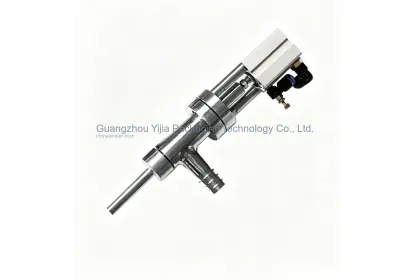 Anti-Drip and Anti-Stringing Filling Nozzle Assembly
This is an outlet valve, nozzle and drip-control assembly for reducing dripping, stringing, tailing and untidy cut-off after liquid, sauce or paste filling. It is not a complete filler and cannot be retrofitted before...
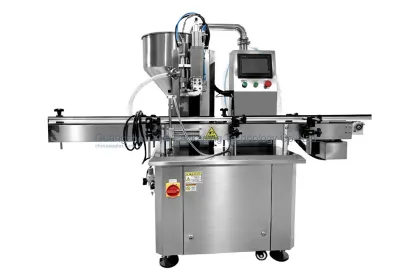 Paste Filling Machine
Cream feeding and quantitative filling; Material temperature state, feeding, filling volume, and cleaning method together determine the filling configuration; specific process parameters are det...
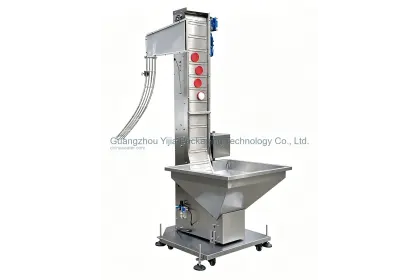 Cap Feeding and Sorting System
Inner sealing selection and automatic cap placement; The cap feeding and placement system is set according to the cap component incoming, and the sealing sequence is determined by the p...
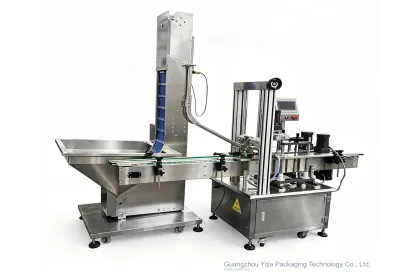 Automatic Screw Capping Machine
Inner sealing selection and automatic cap placement; The cap feeding and placement system is set according to the cap component incoming, and the sealing sequence is determined by the...
Core process
Use actual cream to confirm whether an insulated hopper or jacketed material tank is needed, and test the filling cut-off with the anti-drip anti-stringing filling nozzle assembly.
When the cap has a suitable gasket inside, use an online induction aluminum foil sealing machine; when the membrane is placed directly on the bottle mouth, use an online heat sealing machine for bottles.
The automatic screw capper is debugged with the complete cap assembly, checking cap feeding, bottle holding, cap positioning, and opening state.
The round/square bottle labeling machine is debugged according to the bottle body display surface, and the date batch coding machine is set at a position where the bottle orientation is controllable and readable.
Cream, bottle, membrane or gasket, cap components, and label should form a complete sample; qualified and defective samples are used to define online inspection rules.
The online checkweighing and visual inspection systems screen according to the agreed weight and appearance rules, and correspond the exception handling results with the upstream filling and sealing records.
Sample details
Cream viscosity, temperature state, particles, stringing, and cleaning requirements are used to select feeding, material tank, and filling nozzle.
Submit actual cream and specify temperature conditions, filling volume range, changeover frequency, and cleaning methodBottle mouth, bottle body, and label surface are related to filling positioning, inner sealing, bottle holding, and labeling clamping.
Provide bottle samples of each specification, key dimensions, and the bottle mouth and body condition after fillingCap inner gasket, direct membrane, and cap structure are used to determine the sequence of induction, heat sealing, cap feeding, and screw capping.
Submit gasket, membrane, and complete cap components, and specify the incoming and assembly direction of cap componentsLabeling, batch code, and visual inspection areas should be coordinated in advance on the packaging layout to avoid mutual obstruction.
Provide production label, batch code content, display surface, and planned appearance defects for inspectionLine rhythm and exception handling should cover feeding, filling, inner sealing, cap placement, screw capping, labeling, coding, and inspection.
Specify production schedule, changeover frequency, site layout, and the judgment method for qualified and defective samplesCommon selection mistakes
Each process step of the cream line is controlled by different sample conditions; only confirming the filling machine will miss the rim sealing film, cap components, and label inspection boundaries.
Viscosity, temperature, particles, and stringing state will change the feeding and filling cut-off; actual material explains the configuration better than the name.
The positions of the induction gasket inside the cap and the direct membrane on the bottle mouth are different, and the equipment and process sequence are also different.
Pump heads, screw caps, and other cap components have different cap feeding postures, bottle holding, and tightening actions; a complete cap sample must be used for trial assembly.
Visual inspection needs to define missing membrane, crooked cap, label, or other specific defects, while online checkweighing requires independent weight rules.
View detailed technical notes
The automatic line first locks in the material and packaging structure
The automatic cream jar filling line starts from material feeding and sequentially handles filling and neck finishing, inner sealing, cap sorting and screw capping, labeling and coding, and online inspection. Each stage must be defined by actual cream samples and packaging samples.
Different sample conditions control different stations
The viscosity and temperature state of the cream determine the material tank, feeding, and filling nozzle. The gasket inside the cap or the membrane on the bottle mouth determines induction and heat sealing. The cap type determines cap sorting and screw capping, while the label layout and defect samples determine the downstream stages.
Single machines combined for staged sampling
For multi-specification trial production, the cream filling machine, automatic screw capper, and round/square bottle labeling machine can be debugged independently first. The temperature-controlled hopper, jacketed material tank, and drip-free anti-stringing filling nozzle assembly are selected based on actual cream testing, with inner sealing and inspection added step by step later.
Gasket inside cap: induction sealing after screw capping
When the cap has a compatible aluminum foil composite gasket, after cream filling, the cap sorting and placing system and automatic screw capper complete the cap assembly, and then the line enters the online induction foil sealing machine. The cleanliness of the bottle, cap, gasket, and rim should be verified together.
Direct membrane on bottle mouth: heat sealing
When the membrane is placed directly on the flat bottle mouth, after cream filling, use an online heat sealing machine for bottles, and then configure cap placing and screw capping. Test focus includes membrane positioning, heat seal layer, bottle mouth support, and cream residue.
Feeding and filling configuration comes from real-material testing
The cream filling machine is tested with real materials in combination with the temperature-controlled hopper, jacketed material tank, and drip-free filling nozzle assembly. Material temperature state, stringing, particles, fill volume, and cleaning records are used to confirm the feeding and filling process.
Induction and heat sealing inner sealing are verified separately
For inner sealing, first identify the position of the sealing component. For gaskets inside caps, use an online induction foil sealing machine; for membranes directly on the bottle mouth, use an online heat sealing machine for bottles. The two processes are debugged separately.
Cap supply and tightening confirmed with real samples
The cap sorting and placing system is responsible for stable cap supply, and the automatic screw capper is debugged according to the complete cap assembly. For pump heads or special caps, observe the incoming orientation, bottle holding, assembly force, and opening state.
Identification and inspection establish independent judgment rules
The round/square bottle labeling machine and date/batch coding machine are set according to the bottle body layout. Online checkweighing and visual inspection systems are added to the line only after weight rules, appearance defect samples, and abnormal process flows are defined.
Common questions
How to determine the station scope for an automatic cream bottle filling line?
First assemble a complete sample using the cream, bottle, cap, membrane or gasket, and label, then determine the line configuration based on material feeding, inner seal structure, cap type, marking, and inspection boundaries.
Is it suitable to use individual machines for trial production of multiple specifications?
You can first test the cream filling machine, automatic screw capper, and labeling machine independently. Inner sealing and online inspection can be added gradually according to the actual packaging structure and defect standards.
Can the cream line configuration be locked with only photos?
Photos can be used for process routing, but the filling nozzle, feeding, membrane or gasket, screw capping, labeling, and inspection rules still need to be confirmed with actual materials and packaging samples.
How to distinguish between induction inner sealing and bottle mouth heat sealing?
When the cap has an aluminum foil gasket inside, usually the cap is applied first and then induction sealing is used; when the membrane is placed directly on the bottle mouth, heat sealing is used. The choice depends on the location of the sealing component.
Can filling, screw capping, and labeling run continuously?
It can be connected in a line, but first the filling, inner sealing, cap feeding and screw capping, and labeling must each pass sample testing, then the common rhythm and exception handling should be checked.
How to adjust the filling end when cream strings or drips?
Use actual cream to test the feeding and the anti-drip anti-stringing filling nozzle assembly, while observing temperature conditions, filling cut-off, and bottle mouth cleanliness.