Solution topic
How to Choose Moisture-Proof Packaging for Electronic Components? Start With Bag Material and Traceability
Electronic component moisture-proof packaging is not only about buying a bag sealer. First confirm component type, moisture-protection level, bag structure, whether nitrogen flushing is required, seal width, and traceability method; then choose continuous sealing, vacuum or nitrogen sealing, or premade-pouch filling and sealing.
- Electronic component moisture-proof packaging is not only about buying a bag sealer. First confirm component type, moisture-protection level, bag structure, whether nitrogen flushing is required, seal width, and traceability method; then choose continuous sealing, vacuum or nitrogen sealing, or premade-pouch filling and sealing.
- How to Choose Moisture-Proof Packaging, Bag Sealing and Label Traceability for Electronic Components
Real customer problem
We produce electronic components and need moisture-proof packaging, bag sealing, and label traceability. How should the equipment be selected?
First determine the packaging route
Electronic component moisture-proof packaging is not only about buying a bag sealer. First confirm component type, moisture-protection level, pouch structure, whether nitrogen flushing is required, seal width, and traceability method; then choose continuous sealing, vacuum or nitrogen sealing, or premade-pouch filling and sealing.
Continuous bag sealing route
Suitable for: continuous sealing of filled premade pouches, aluminum foil bags, and shielding bags, especially projects with stable batches and neat bag mouths. Advantages: the sealing speed can be adjusted continuously. It is suitable for medium and high output lines and can be connected with coding and labeling. Limitations: sealing performance depends on bag-mouth cleanliness and compatibility with the heat-seal layer. Bag material and sealing temperature should be confirmed. Not recommended when: the components require vacuum or nitrogen flushing for moisture protection; continuous sealing alone is not enough. Equipment direction: a continuous bag sealer with conveyor can handle continuous sealing and can be followed by coding or labeling.
Premade Pouch Filling and Sealing Route
Suitable for: projects requiring automatic pouch feeding, quantitative filling, such as desiccant or moisture-control beads, and sealing. It is also suitable for spout pouch packaging. Advantages: automatic pouch taking, opening, filling, and sealing reduce manual contact and suit clean production environments. Limitations: bag type, bag-mouth size, and filling material flowability must be confirmed. Changing pouch specifications usually requires tooling changes. Not recommended when: the component is irregularly shaped or oversized and cannot be picked and loaded stably by a standard premade-pouch feeder. Equipment direction: a premade pouch filling and sealing machine or spout pouch filling and capping machine can be configured according to pouch type and filling volume.
Vacuum Nitrogen-Flushing Sealing Route
Suitable for: highly moisture-sensitive electronic components, such as ICs, BGA parts, and precision sensors, that need vacuuming or nitrogen flushing before sealing. Advantages: this route greatly reduces oxygen and moisture inside the package and extends component storage life. Limitations: the barrier performance of the pouch and the seal integrity of the sealing edge must be confirmed. The equipment usually needs a chamber structure, so the speed is relatively slower. Not recommended when: the component is not sensitive to vacuum or nitrogen flushing, or very high output is required; ordinary continuous sealing is more economical. Equipment direction: vacuum or nitrogen sealing can be evaluated, but pouch samples and sealing performance must be tested before deciding the custom configuration.
Recommended equipment route: confirm pouch and component condition
Provide pouch samples, component photos, dimensions, and moisture-protection requirements first. We will judge whether continuous sealing or a premade-pouch route is more suitable.
Recommended equipment route: Bag sealing
Choose according to pouch type and output: continuous sealing is suitable for already filled bags, while the premade-pouch route is suitable for automatic pouch feeding and filling.
Recommended equipment route: traceability labeling
After sealing, print the date, batch number, or QR code on the pouch surface, or apply a traceability label.
Recommended equipment route: Inspection and downstream
Optional checkweighing or vision inspection can be added to confirm seal completeness and correct label content.
Route comparison
- Suitable for continuous sealing of filled premade pouches, aluminum foil bags, and shielding bags, especially projects with stable batches and neat bag mouths.
- The sealing speed can be adjusted continuously. It is suitable for medium and high output lines and can be connected with coding and labeling.
- Sealing performance depends on bag-mouth cleanliness and compatibility with the heat-seal layer. Bag material and sealing temperature should be confirmed.
- If the components require vacuum or nitrogen flushing for moisture protection, continuous sealing alone is not enough. Vacuum or nitrogen sealing equipment should be evaluated.
- Recommended equipment direction: a continuous bag sealer with conveyor can handle continuous sealing and can be followed by coding or labeling.
- Suitable for projects requiring automatic pouch feeding, quantitative filling, such as desiccant or moisture-control beads, and sealing. It is also suitable for spout pouch packaging.
- Automatic pouch taking, opening, filling, and sealing reduce manual contact and suit clean production environments.
- Bag type, bag-mouth size, and filling material flowability must be confirmed. Changing pouch specifications usually requires tooling changes.
- If the component is irregularly shaped or oversized and cannot be picked and loaded stably by a standard premade-pouch feeder, this route is not recommended.
- Recommended equipment direction: a premade pouch filling and sealing machine or spout pouch filling and capping machine can be configured according to pouch type and filling volume.
- Suitable for highly moisture-sensitive electronic components, such as ICs, BGA parts, and precision sensors, that need vacuuming or nitrogen flushing before sealing.
- This route greatly reduces oxygen and moisture inside the package and extends component storage life.
- The barrier performance of the pouch and the seal integrity of the sealing edge must be confirmed. The equipment usually needs a chamber structure, so the speed is relatively slower.
- If the component is not sensitive to vacuum or nitrogen flushing, or if very high output is required, ordinary continuous sealing is more economical.
- Recommended equipment direction: vacuum or nitrogen sealing can be evaluated, but pouch samples and sealing performance must be tested before deciding the custom configuration.
Core process
Associated Equipment / Consumables
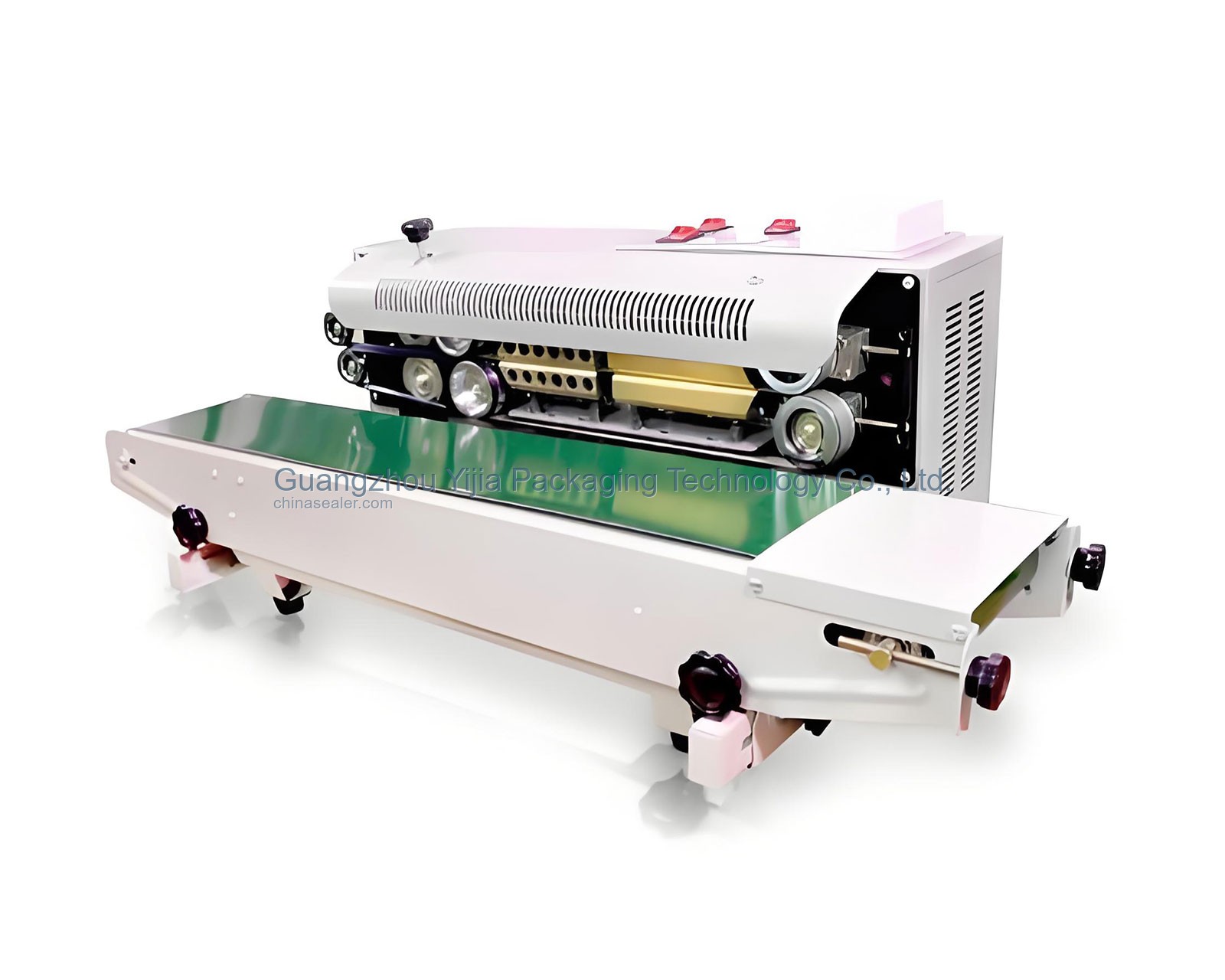 Continuous Bag Sealing Machine
Confirm pouch and component condition; Provide pouch samples, component photos, dimensions, and moisture-protection requirements first. We will judge whether continuous sealing or a pre...
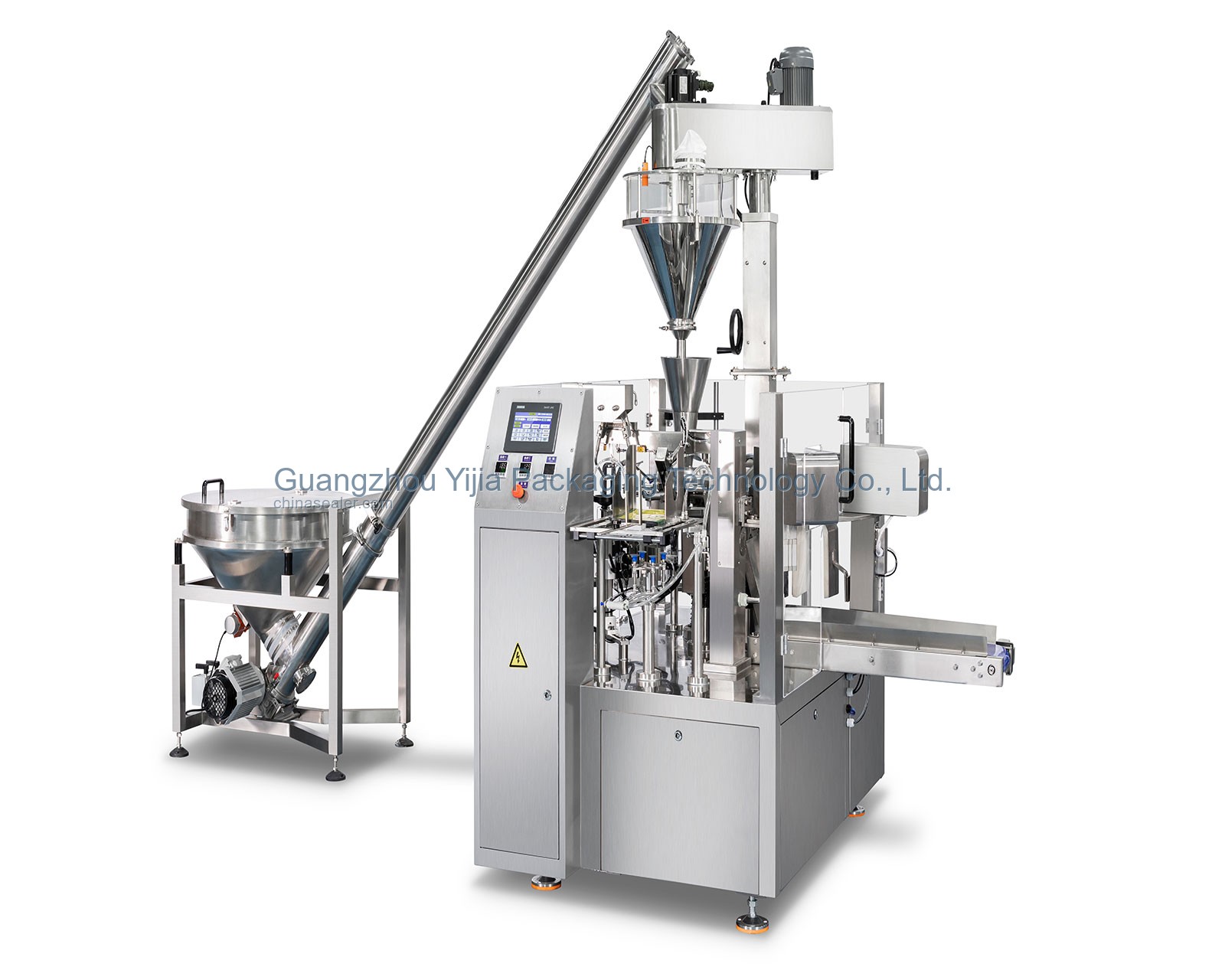 Premade Pouch Filling and Sealing Machine
Bag sealing; Choose according to pouch type and output: continuous sealing is suitable for already filled bags, while the premade-pouch route is suitable for automatic pouch...
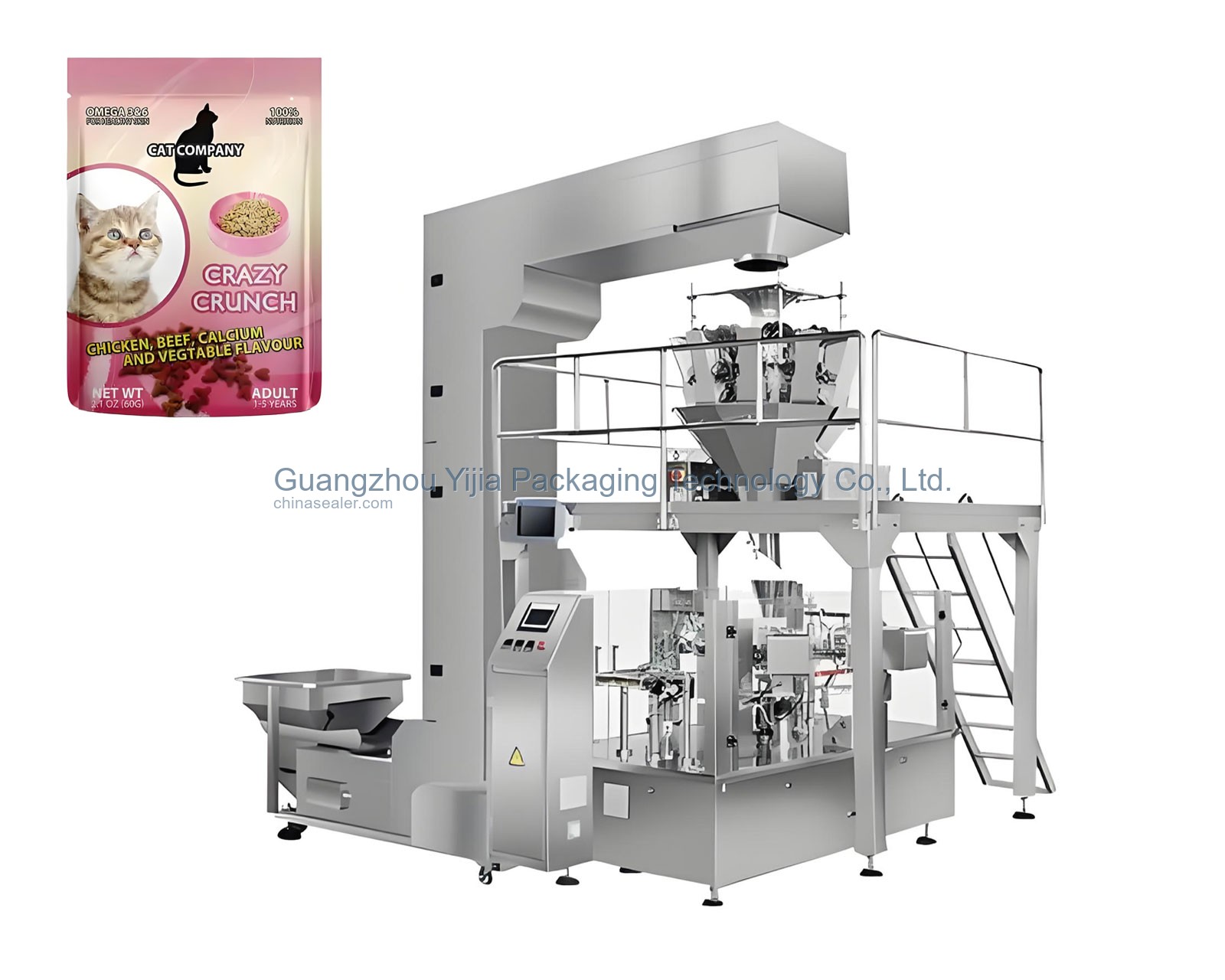 Pre-made pouch filling and sealing packaging machine
Bag sealing; Choose according to pouch type and output: continuous sealing is suitable for already filled bags, while the premade-pouch route is suitable for autom...
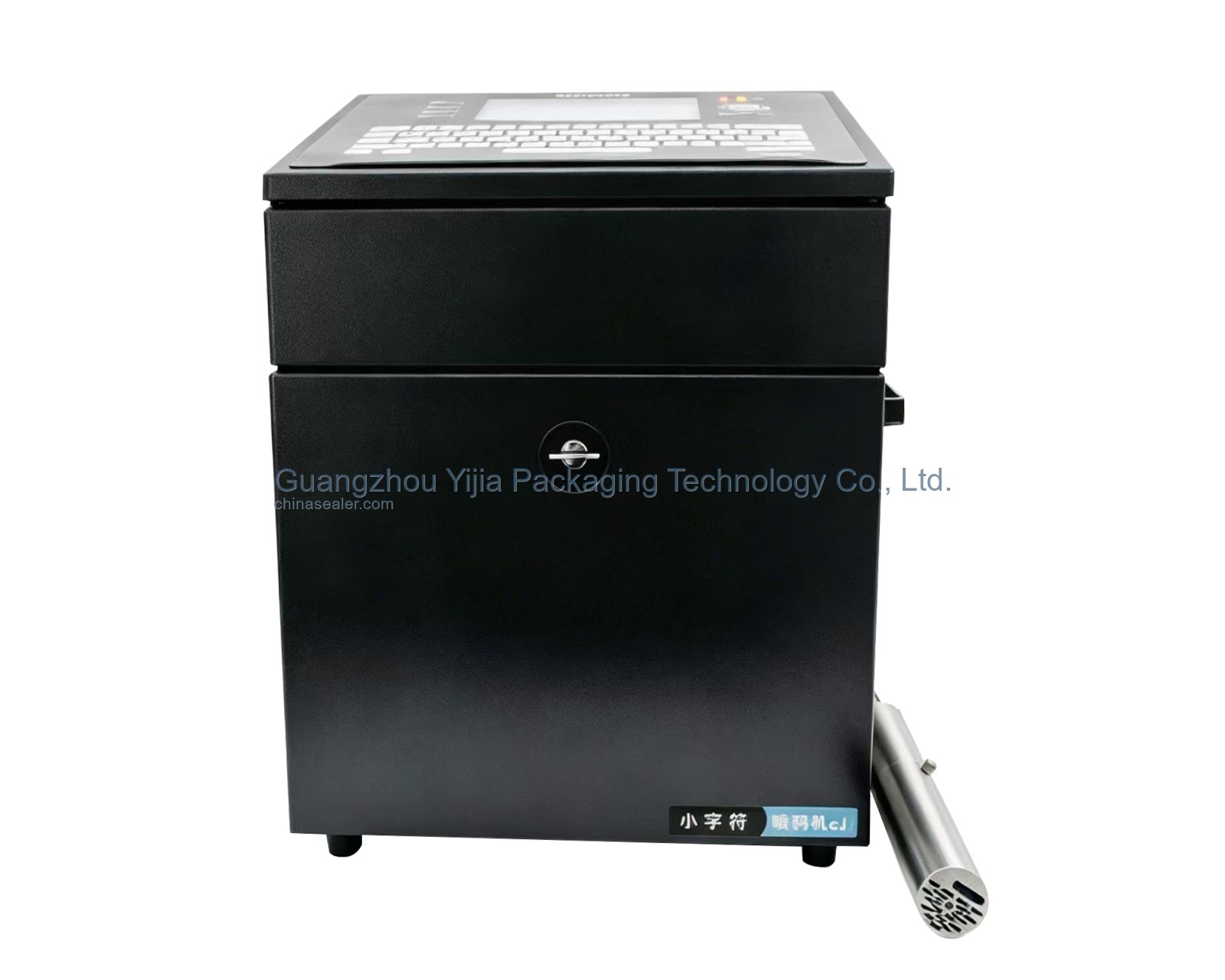 Date & Batch Inkjet Printer
Inspection and downstream; Optional checkweighing or vision inspection can be added to confirm seal completeness and correct label content; Inline Checkweighing and Vision Inspection System
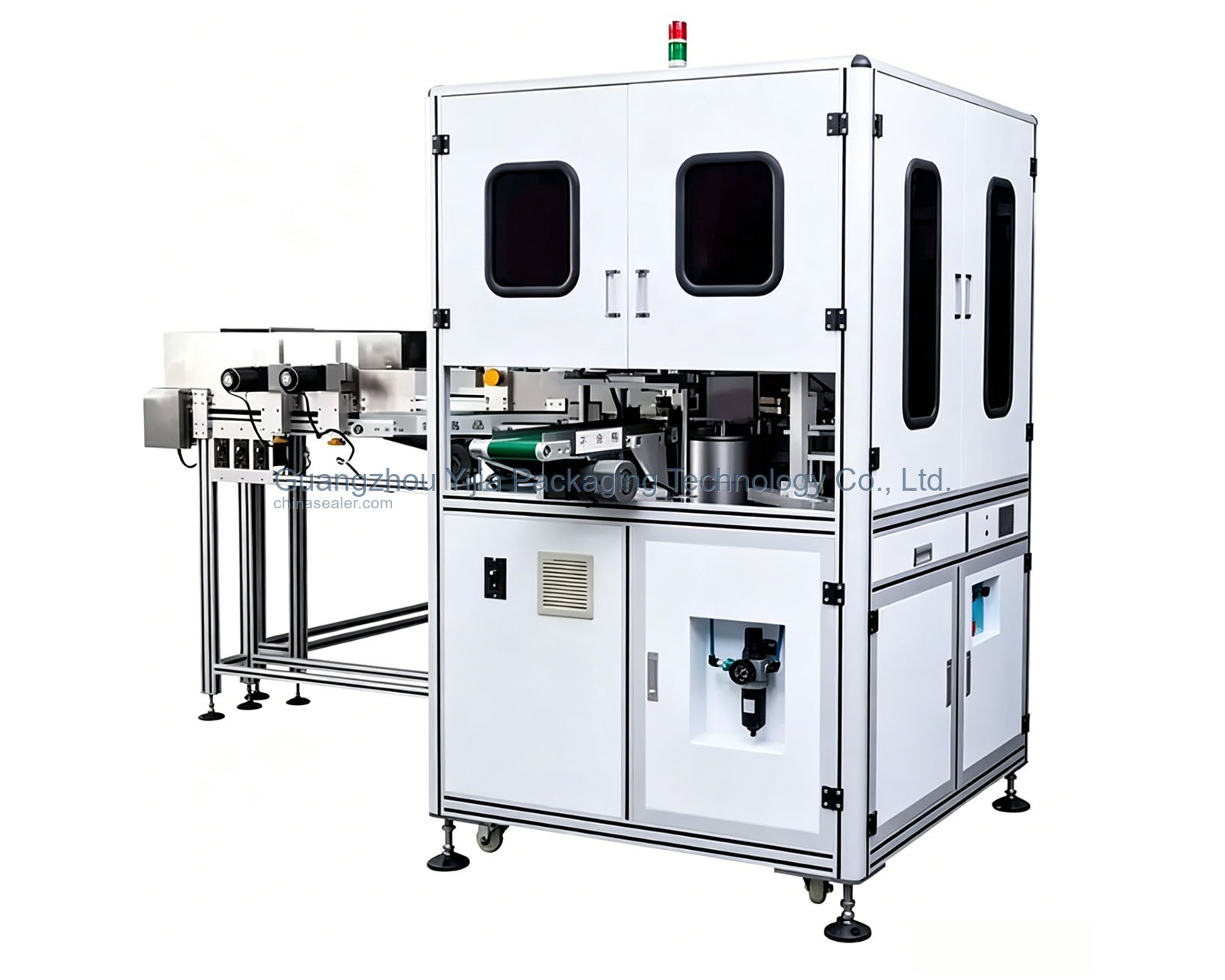 Online Checkweigher and Vision Inspection System
Inspection and downstream; Optional checkweighing or vision inspection can be added to confirm seal completeness and correct label content; Inline Checkweighing and Vi...
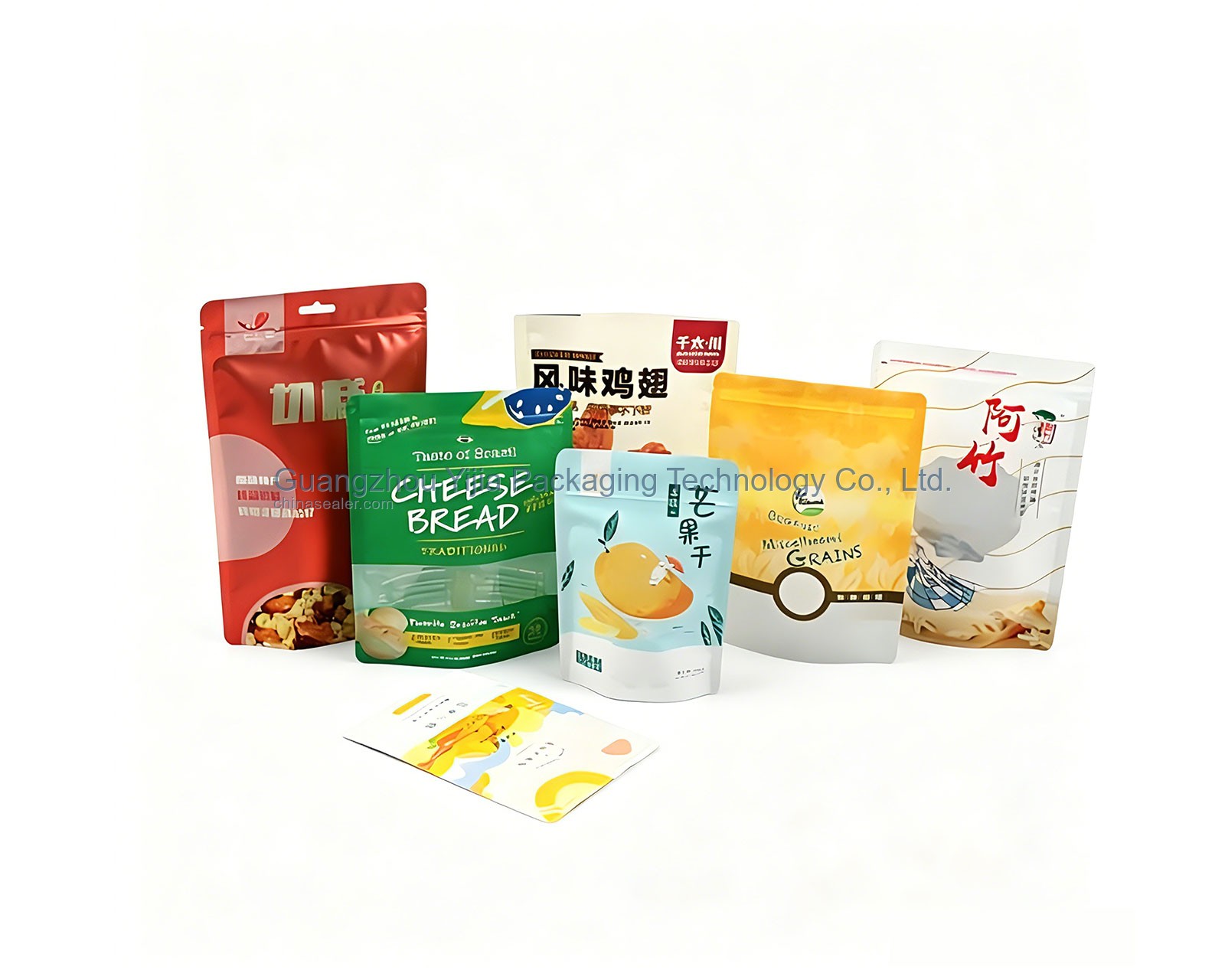 Pre-made Pouches and Spout Pouch Packaging Materials
Container and Packaging Material Confirmation; Based on PCB boards, IC chips, connectors, sensors, moisture-proof bags, aluminum foil bags, shielding bags, vacuum...
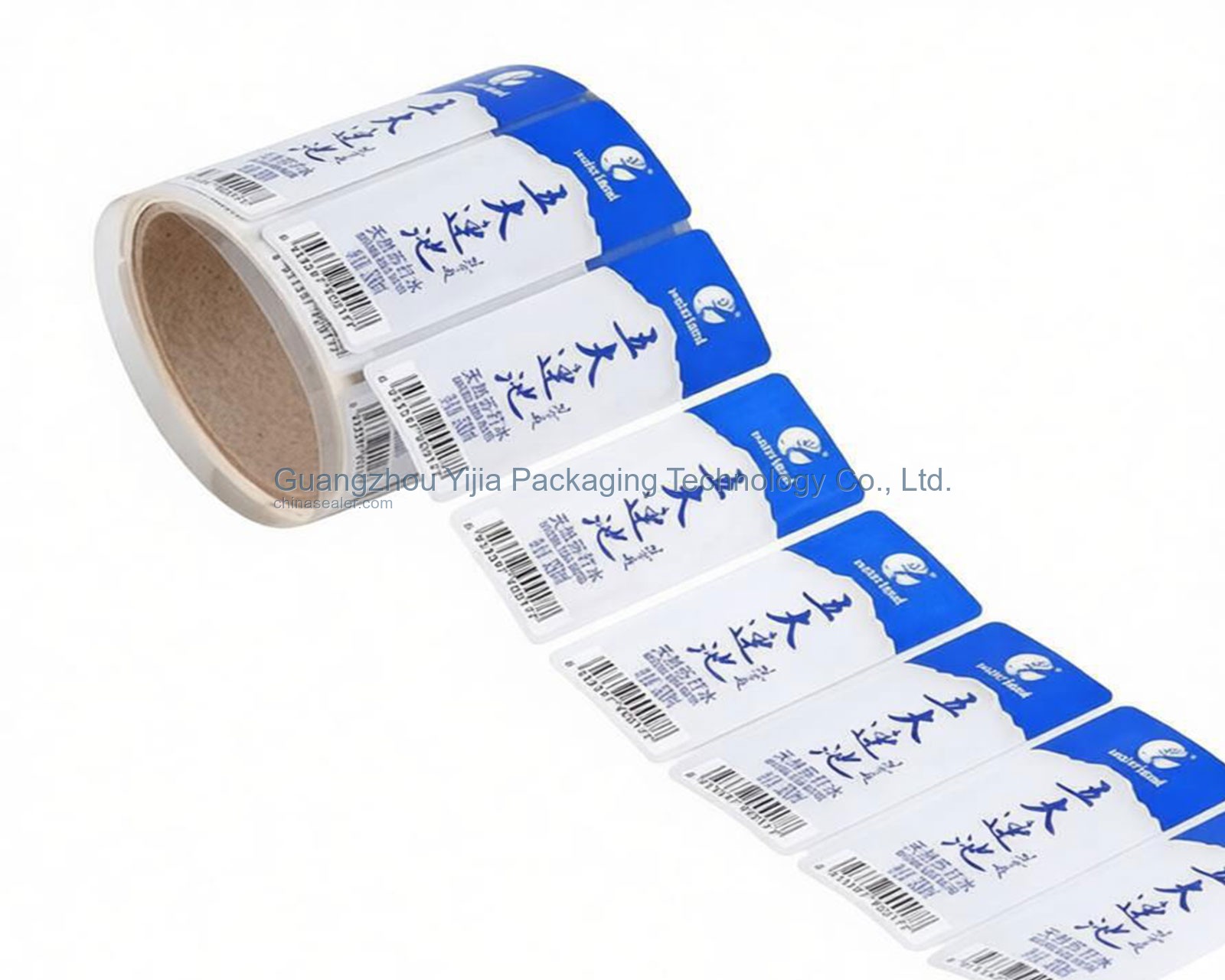 Labels, Inkjet Inks, and Thermal Transfer Ribbons
Inspection and downstream; Optional checkweighing or vision inspection can be added to confirm seal completeness and correct label content; Inline Checkweighing and V...
Sample details
Photos and dimensions can first determine container positioning, mold direction, and whether sample testing is needed.
Please provide the electronic component type, dimensions, and moisture-protection requirement, such as MSL level. This determines whether vacuuming or nitrogen flushing is needed.Photos and dimensions can first determine container positioning, mold direction, and whether sample testing is needed.
Please provide pouch samples or photos, including pouch structure, bag-mouth size, and seal-edge width. These affect sealer selection and tooling configuration.Capacity target determines single machine, semi-automatic, or continuous inline configuration, and also affects the quotation range.
Please tell us the target output, such as bags per hour or per day, and whether online coding, labeling, or inspection is required.Inline requirements affect equipment sequence, cycle time matching, and downstream inspection methods.
If traceability labels or coding content are already defined, please provide them together so we can evaluate the matching coding or labeling equipment.Capacity target determines single machine, semi-automatic, or continuous inline configuration, and also affects the quotation range.
If information is incomplete, send the available photos, dimensions, and target output first. We will judge the route and then list the samples still needed.Common selection mistakes
Common questions
Not always. Low moisture-sensitive components may only need aluminum foil bags with continuous sealing. Highly moisture-sensitive components should use vacuum or nitrogen flushing depending on the required protection level.
Speed depends on bag length and operating takt. A common range is 7 to 20 meters per minute, but the actual setting should be confirmed by testing the pouch material and sealing time.
We can estimate the direction first, but formal quotation and parameters need pouch samples for sealing tests. Send photos and dimensions first if samples are not ready.
A coding machine can be installed after the sealing line to print date, batch number, or QR code. A labeling machine can also apply traceability labels.
Common causes include bag-mouth contamination, insufficient sealing temperature, or mismatched heat-seal layer. Pouch samples are recommended for sealing parameter tests.
For small batches, manual or semi-automatic sealing can be used first. After orders become stable, it can be upgraded to automatic pouch feeding and line integration.