Solution topic
Should a Three-Servo Flow Wrapper Feed a Shrink Tunnel
350 and 590 are series identifiers and cannot be directly used as fixed film width or speed values. Standard pillow wrapping handles bag forming, longitudinal sealing, and end seal
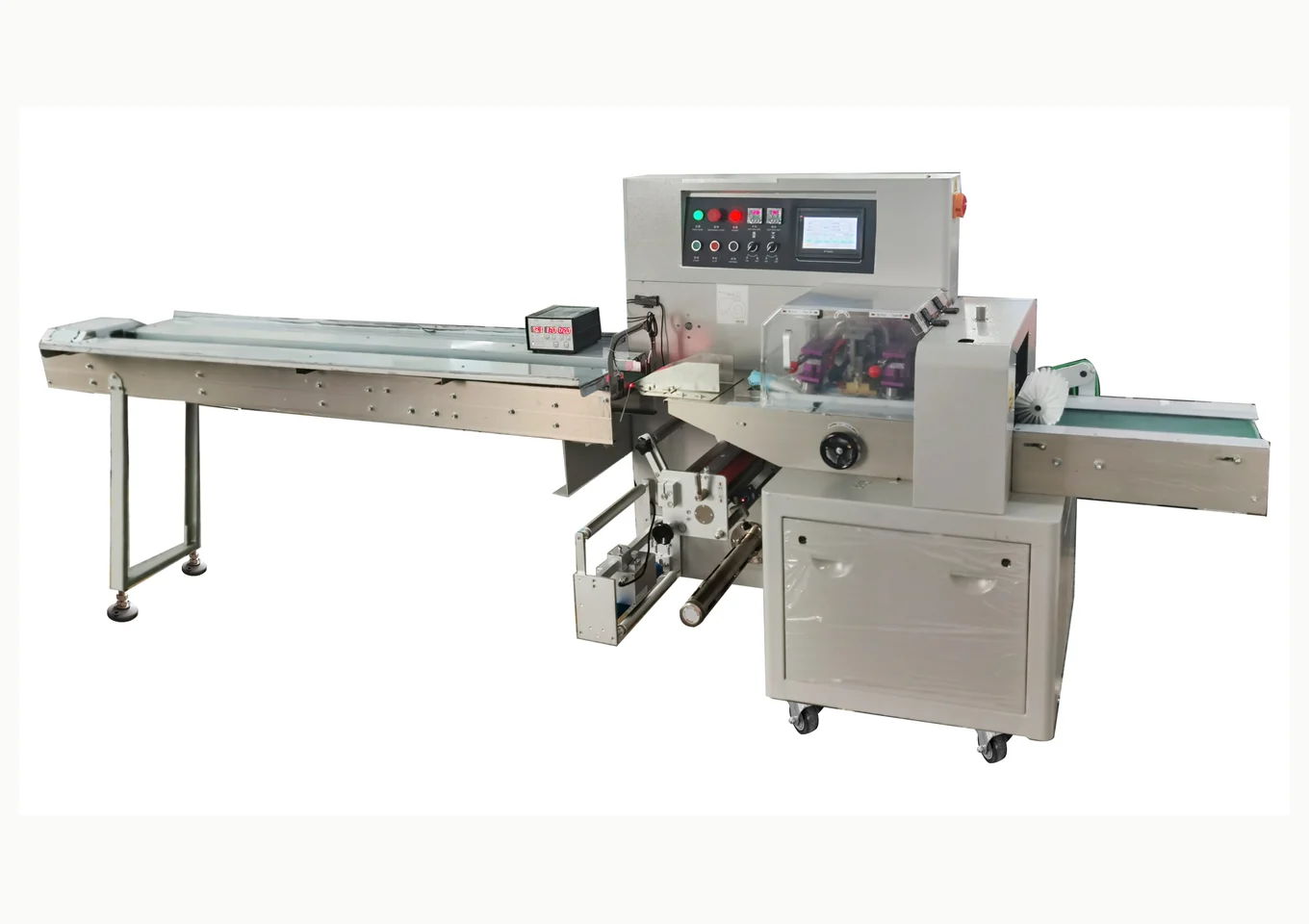
- Standard flow wrapping forms and seals; shrink wrapping additionally requires heat tolerance, shrink film, venting, tunnel conditions and cooling.
Solution summary prepared for you
- What is the difference between a three-servo pillow packaging machine and a heat-shrink pillow line?
- Do the numbers 350 and 590 in pillow machines represent fixed film width and speed?
- Which products need heat shrinkage after pillow packaging?
Route comparison
- Regular single items or tray products with relatively stable dimensions and continuous feeding
- Feeding, film feeding, and end sealing can be coordinated through independent servo actions
- Former, longitudinal seal, end seal, and roll film still need to be adjusted together based on the product
- If product posture cannot be stabilized or upstream feeding pitch fluctuates greatly, solve feeding first
- 350 three-servo pillow packaging machine with optional coding, gas flushing, perforation, and inspection as needed
- Projects requiring tight transparent outer packaging for wider single items, groups, or tray products
- After pillow sealing/cutting, shrink forming and cooling discharge can be completed continuously
- Product heat resistance, film shrinkage, tunnel load, and cooling time all limit stable cycle time
- When the product surface is not heat-resistant or shrinkage pressure may damage the product, do not only pursue a tight appearance
- 590 heat-shrink pillow line integrates the pillow machine, tunnel, and cooling conveyor for the same product
- Products that do not require continuous pillow bag forming or where grouping is more suitable for sleeve shrink
- A more direct seal-cut or sleeving method can be selected based on product combination and film path
- Feeding, grouping, sleeving, and shrink tunnel still need to be planned based on the actual product
- When high-speed continuous single-item feeding is more suitable for the pillow route, unnecessary grouping actions should not be added
- L-type seal-cut shrink line or sleeve-type heat shrink packaging machine selected based on grouping method
Associated Equipment / Consumables
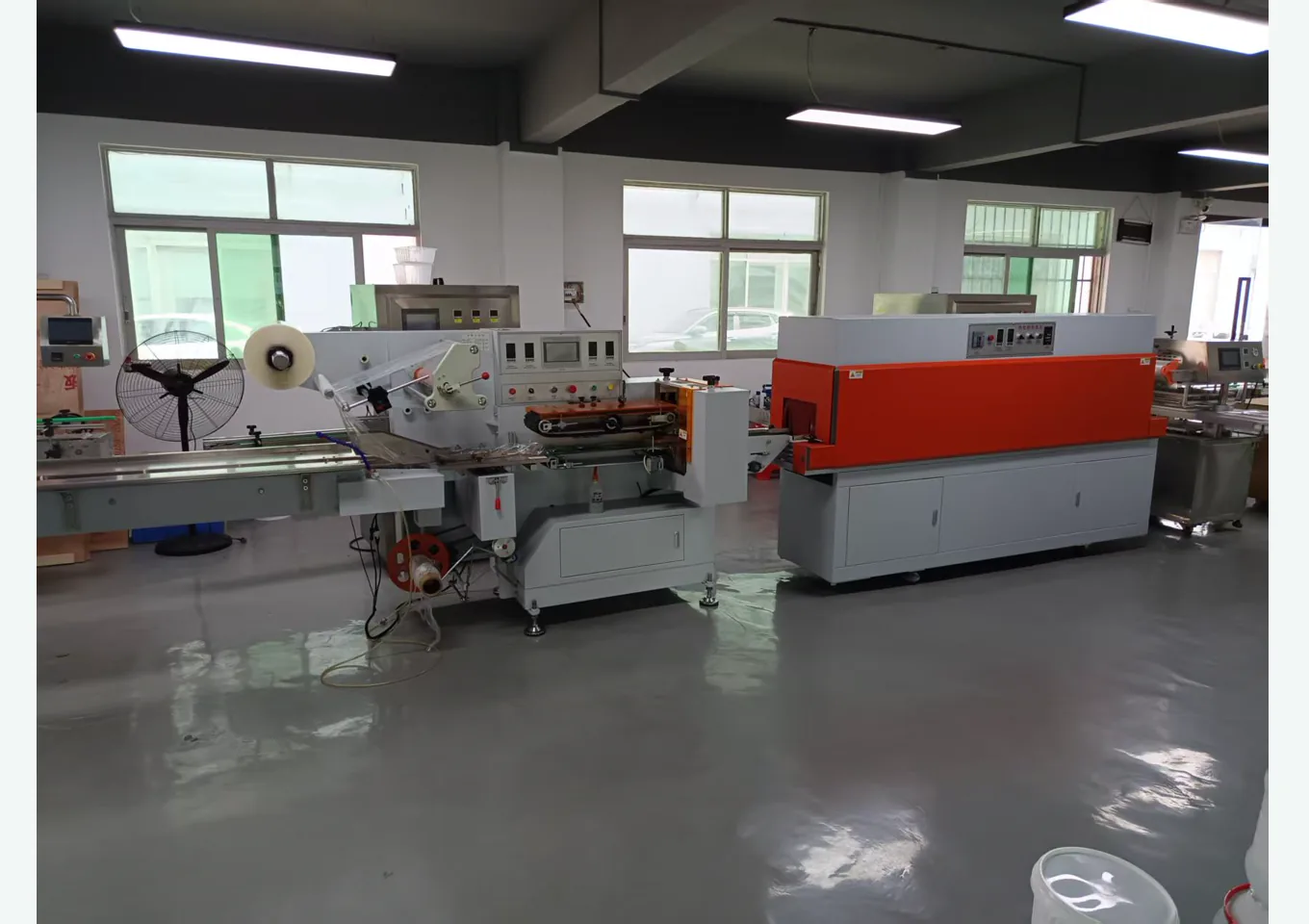 590-Series Shrink Flow-Wrapping Line
The line forms rollstock around single or grouped products, makes longitudinal and end seals, shrinks the film and cools the discharge. Confirm dimensions, orientation, spacing, heat tolerance, film width and shrink r...
350-Series Three-Servo Flow-Wrapping Machine350 Three-Servo Flow Wrapper: Product feeding and roll film trials; Actual product and roll film are used to confirm the adaptation boundaries of feeding and sealing/cutting; Three-servo pillow packaging machine trial...
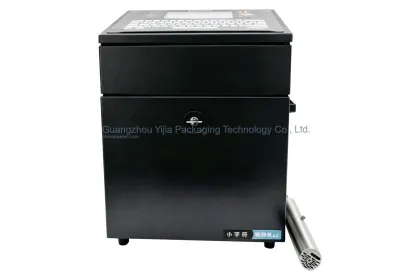 Date & Batch Inkjet Printer
Marking and downstream handling; Downstream stations are connected to finished product conveying according to marking and cartoning requirements; Date/batch inkjet coder and automatic cart...
Core process
Sample details
Actual product, dimensions, weight range, and feeding posture are used to determine conveying positioning, bag length formation, and support during shrinkage.
Provide actual product, dimensions, weight range, and feeding postureThe material, width, thickness, and print marks of the roll film or shrink film must be provided with film samples to verify bag forming or shrinkage effects separately.
Provide roll film or shrink film samples, film width, thickness, and print registration informationRegular pillow packaging and shrink appearance are different packaging results; qualified finished samples should be provided to determine seam, fit, and display requirements.
Specify whether regular pillow packaging or shrink appearance is required and provide qualified finished samplesHeat resistance, fragility, stickiness, and pressure boundaries determine whether the product can undergo heat shrinkage and how conveying and cooling need to protect it.
Specify product heat resistance, fragility, stickiness, and shrinkage pressure limitsContinuous capacity, upstream material arrival rhythm, and cooling requirements are used to match the packaging machine speed and avoid accumulation at the infeed or discharge.
Provide stable capacity, upstream feeding method, and downstream cooling requirementsCoding, gas flushing, perforation, inspection, grouping, and cartoning change the mechanism and interfaces; each should be retained or excluded based on the actual process.
List coding, gas flushing, perforation, inspection, grouping, and cartoning optionsCommon selection mistakes
View detailed technical notes
Real Customer Questions
Regular single items, grouped products, or tray products may use pillow wrapping, but whether to enter the heat shrinkage tunnel depends on finished appearance, product heat resistance, film shrinkage, and downstream cooling. The three-servo pillow packaging machine emphasizes coordination of feeding, film feeding, and end sealing, while the 590 heat-shrink pillow line connects sealing/cutting with shrink forming. Series numbers cannot replace product dimensions, roll film, and continuous feeding trials.
First Determine the Packaging Route
350 and 590 are series identifiers and cannot be directly used as fixed film width or speed values. Regular pillow packaging handles bag forming, longitudinal sealing, and end sealing; the heat-shrink pillow line also requires verification of shrink film, tunnel load, and cooling.
Three-Servo Regular Pillow Packaging Route
Suitable for: regular single items or tray products with relatively stable dimensions and continuous feeding. Advantages: feeding, film feeding, and end sealing can be coordinated through independent servo actions. Limitations: former, longitudinal seal, end seal, and roll film still need to be adjusted together based on the product. Not recommended: if product posture cannot be stabilized or upstream feeding pitch fluctuates greatly, solve feeding first. Equipment direction: 350 three-servo pillow packaging machine with optional coding, gas flushing, perforation, and inspection as needed.
Pillow wrap heat shrink tunnel route
Suitable for: projects with wider single items, groups, or tray products that need a tight transparent outer wrap. Advantages: after pillow-type sealing and cutting, shrink forming and cooling discharge can be completed continuously. Limitations: product heat resistance, film shrinkage, tunnel load, and cooling time all limit stable cycle rate. Not recommended: when the product surface is not heat-resistant or shrink pressure may damage the finished product, do not pursue a tight appearance alone. Equipment direction: the 590 heat-shrink pillow line integrates the pillow wrapping machine, tunnel, and cooling conveyor for the same product.
L-type sealing/cutting or sleeve shrink alternative route
Suitable for: products that do not require continuous pillow bag forming or where group wrapping with film is more suitable. Advantages: a more direct sealing/cutting or film-wrapping method can be selected based on product combination and film path. Limitations: feeding, grouping, film wrapping, and shrink tunnel still need to be planned according to the actual product. Not recommended: when high-speed continuous single-item feeding is more suitable for the pillow route, unnecessary grouping actions should not be added. Equipment direction: L-type sealing/cutting shrink line or sleeve-type shrink wrapping machine selected by grouping method.
Recommended equipment route: product feeding and roll film trial
Real products and roll film are used to confirm the feeding and sealing/cutting adaptation limits.
Recommended equipment route: complete pillow bag forming, sealing, and cutting
The main machine is used to coordinate feeding, film feeding, longitudinal sealing, and end sealing.
Recommended equipment route: add shrink forming according to appearance target
Only products that require a shrink appearance enter the heat shrink and cooling process.
Recommended equipment route: compare alternative shrink forms
Products with different grouping and film wrapping methods may be more suitable for alternative shrink routes.
Recommended equipment route: marking and downstream finishing
Downstream stations connect to finished product conveying according to marking and cartoning requirements.
Common questions
Does 350 mean a fixed film width?
No, the series numbers are only for identification. The film width and former must be confirmed based on the product and roll film.
Is heat shrinkage always required after regular pillow packaging?
No, the tunnel is only configured when the finished appearance and packaging goals require shrinkage.
Can grouped products use pillow packaging?
It can be evaluated, but group stability, feeding posture, and film path need verification with actual samples.
Can printed film be automatically registered?
Print registration can be evaluated based on film samples, but print pitch and sensor performance need confirmation.
Can heat shrinkage damage the product?
Heat resistance, pressure, and post-cooling condition need to be evaluated with product and film samples.
Is automatic feeding a standard configuration?
No, the feeding method must be designed separately based on product posture and upstream production rhythm.