Solution topic
The can body material of pet food cans directly determines whether to use double seaming or aluminum foil press capping
Based on pet food metal cans, plastic cans, or paper cans and lid film structure, distinguish automatic double seaming, aluminum foil film heat sealing and press capping, and induc
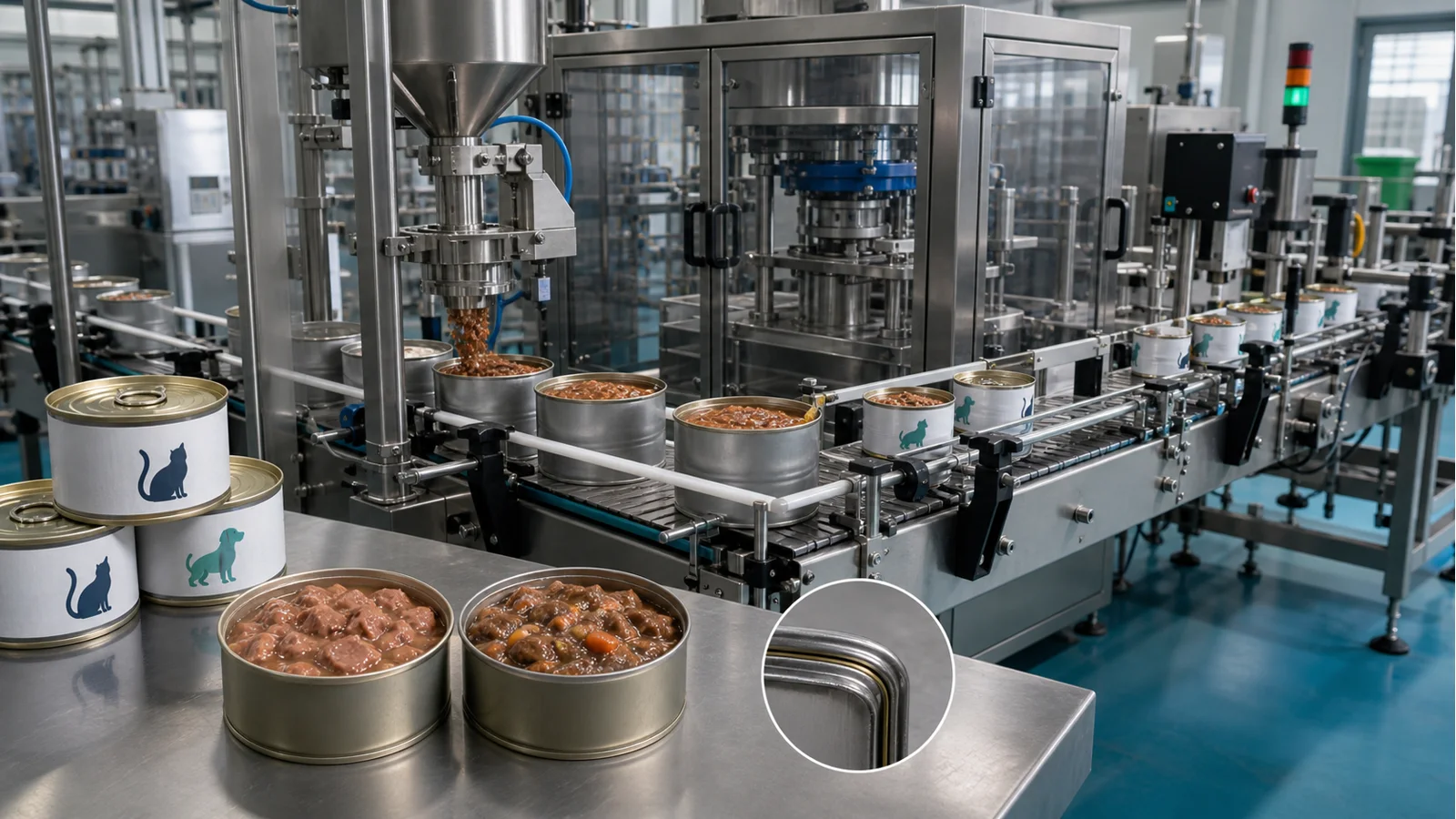
- Metal wet food cans with lids use double seaming; plastic or paper cans can choose direct aluminum foil film with outer lid or liner inside the cap. Provide can body, lid film, contents, and label samples, and specify fill volume, capacity, and cleaning requirements.
Solution summary prepared for you
- Pet food cans are first routed by material and lid/rim structure. Metal cans with metal lids use seaming; paper or plastic cans with direct film can use heat seal film and lid pressing; screw caps with matching aluminum foil liner are ev...
- Online automatic can seamer serves metal can seaming structure. Paper/plastic pail aluminum foil film sealing and lid pressing machine is for direct film lidding with outer lid; the required lids, tooling, and acceptance methods differ.
- When information is incomplete, submit can photos, rim dimensions, and lid photos first to identify the general direction. Formal finalization still requires empty cans, filled cans, and matching lids/films for complete testing.
Route comparison
- Round metal cans with metal easy-open or full open lids, and can body, lid, and seaming structure can be verified as a set.
- Online automatic can seamer can integrate with stable can feeding and lid placement; seaming action is completed around the matching can lid.
- Can diameter, height, body stiffness, seaming structure, and rim cleanliness must be verified with physical samples.
- When containers are paper or plastic cans without metal seaming structure, do not use a can seamer; consider heat seal film or induction liner process instead.
- Online automatic can seamer configures can support, pressing head, and seaming parts according to can lid samples; lid sorting, inspection, and rejection are added per project requirements.
- Paper or plastic cans with flat rims are first heat sealed with aluminum foil or composite film, then fitted with a matching outer lid.
- Film sealing and lid pressing actions can be designed around the same can sample to observe inner seal and outer lid position separately.
- Rim material, width, flatness, heat seal layer, and rim cleanliness after filling all require samples.
- When the lid already has an induction aluminum foil liner and the package relies on screw cap tightening, verify by induction route instead of direct film lidding.
- Paper/plastic pail aluminum foil film sealing and lid pressing machine determines film sealing mold and outer lid pressing method based on actual can, film, and lid samples.
- Plastic cans with screw caps, aluminum foil liner in lid matches rim material, and can stably contact the rim after tightening.
- Water-cooled induction foil sealing machine can be placed after screw capping; sealing action does not require heat sealing head contact with the rim.
- Diameter, container material, liner structure, lid tightening state, and conveying clearance should be verified together.
- For wide-mouth cans using roll film direct sealing, or when the lid has no matching liner, return to heat seal film solution.
- Water-cooled induction foil sealing machine is used for already capped cans; model and line integration are determined by can lid liner samples and target speed.
Associated Equipment / Consumables
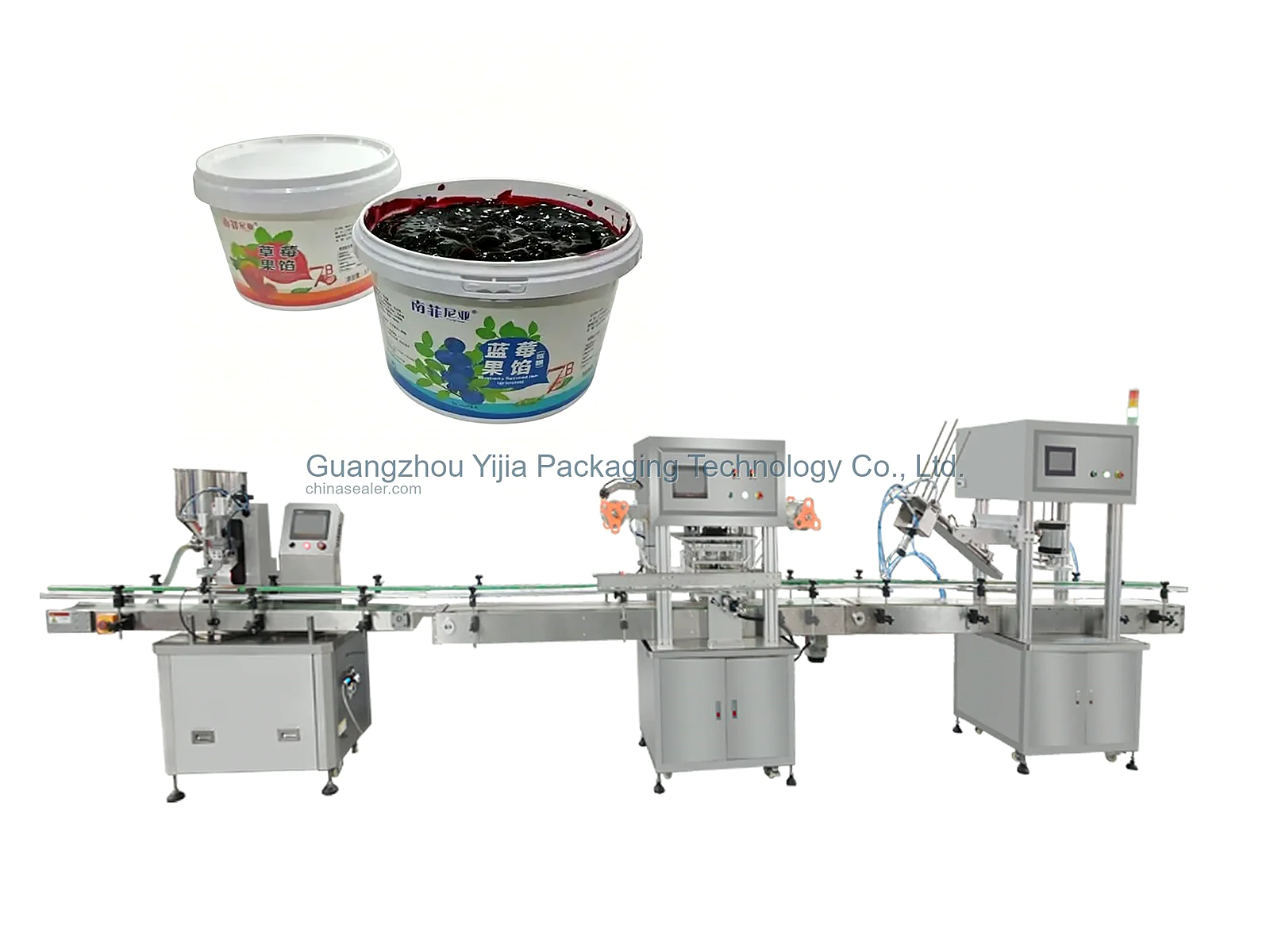 Paper Can and Plastic Pail Foil Heat Sealing and Capping Machine
The machine places foil directly on a paper can, plastic can or pail rim, heat-seals it, then presses the required closure. This differs from induction sealing a foil liner inside a tightened cap. Trial the container,...
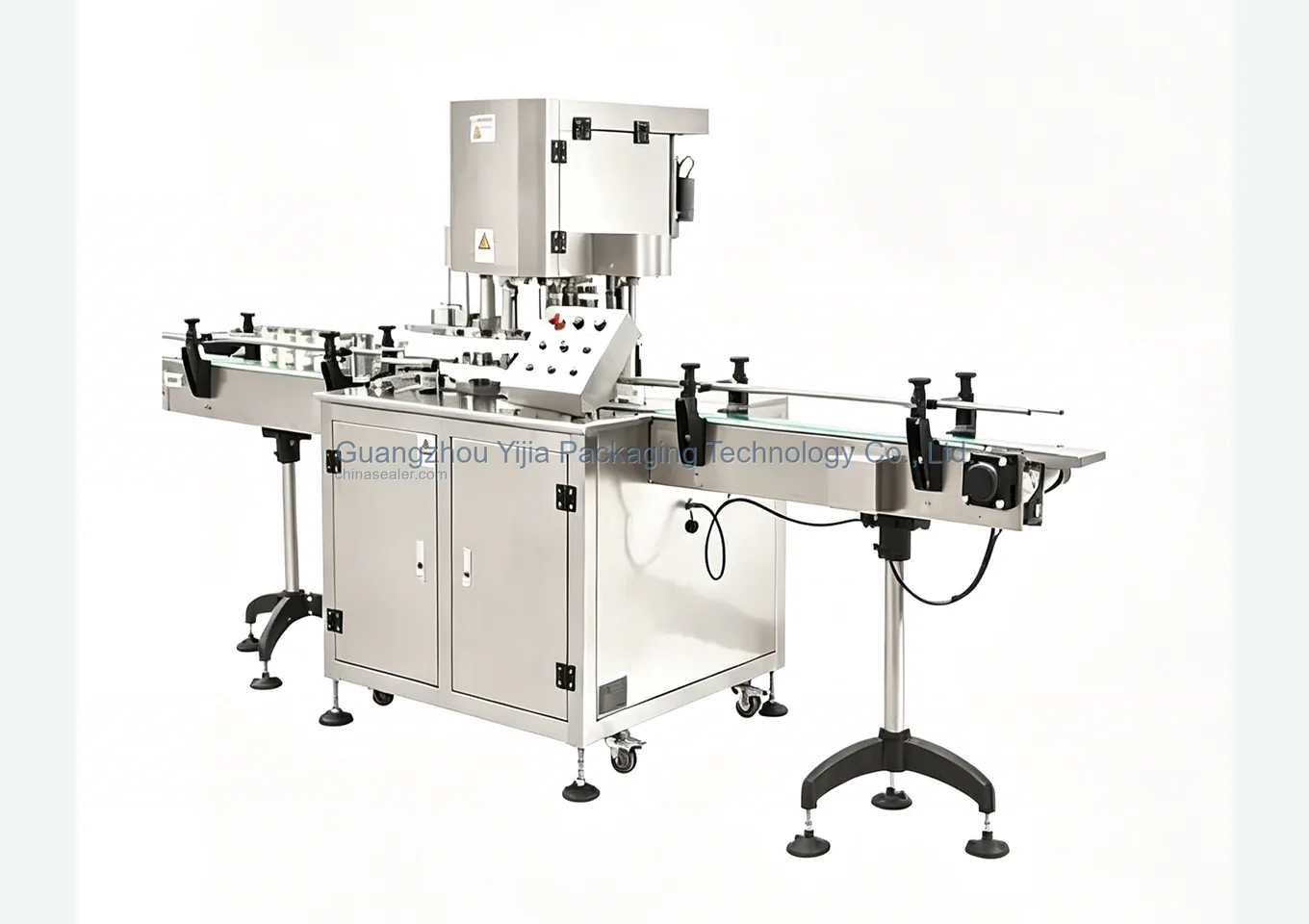 Inline Automatic Can Seaming Machine
Assign main sealing station by can material; Seaming rolls, can support, and heat sealing molds are different structures; do not share one sealing solution just because containers...
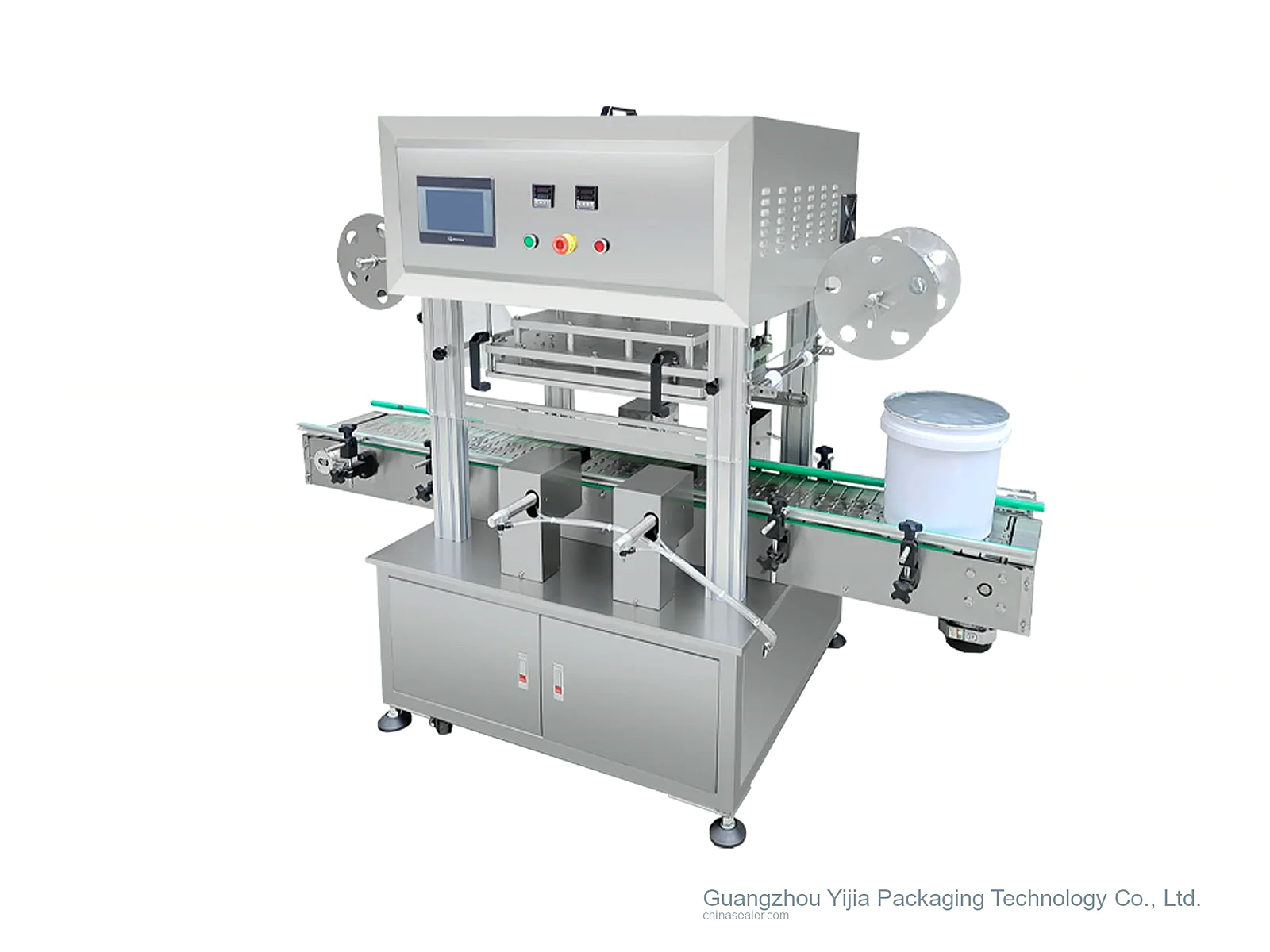 Large-Diameter Pail Heat Seal Sealer
Assign main sealing station by can material; Seaming rolls, can support, and heat sealing molds are different structures; do not share one sealing solution just because containers...
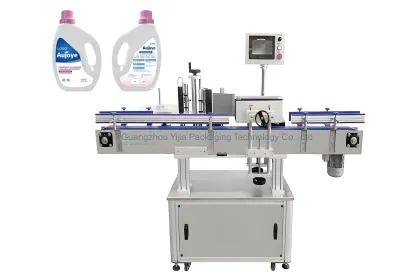 Round-Bottle and Front/Back Labelling Machine
Arrange can body marking and inspection; Downstream equipment must match can sealing speed and can body stability; marking positions should avoid seaming edges and holdin...
Core process
First identify metal seaming, direct film lidding, or screw cap liner, then measure can diameter, height, rim, and lid key positions.
Metal cans with metal lids go to seaming; paper or plastic cans with direct film and outer lid go to heat seal film and lid pressing.
Each can-lid combination must verify seaming edge, heat seal layer, or liner fit, and list guides and tooling to be changed.
After label position, printing content, and inspection standards are confirmed, verify can body positioning, conveying spacing, and reject handling.
Product spillage, grease, and dust affect rim cleaning; photos and dimensions are used to identify container route first.
Wet food metal cans, plastic snack cans, and paper milk powder cans should have sealing contact surfaces confirmed separately; tube nutrition paste goes to tube process.
Sample details
This information helps distinguish seaming, direct film lidding, and lid liner processes, and also helps determine can support and guide range.
Provide photos of can body side, front, and rim, and indicate can diameter, height, rim, and seaming or heat seal contact positions.Lid and film structure determines main machine direction; complete samples also verify seaming edge, heat seal layer, and liner fit.
Submit metal lids, heat seal film, or screw caps with aluminum foil liners matching each can type.Product state relates to rim cleaning; production speed is used to evaluate can feeding, lid placement, sealing, and buffer arrangement.
Describe the filling state of wet food, snacks, or powder, rim residue, and target speed.Different lid types correspond to seaming, screwing, or pressing actions; do not configure lid placement mechanism only by appearance name.
Specify metal easy-open lids, full open lids, plastic screw caps, or press caps, and provide physical samples.First divide equipment direction by structure, then list complete samples needed for seaming, heat sealing, or induction tests.
At this stage, photos, dimensions, lid types, and process flow chart can be provided first; physical samples can be supplemented later.Common selection mistakes
Before selecting a machine, record can material, rim, and lid structure, complete process routing, then discuss automatic lid placement and line integration.
Use filled cans and official film for trial sealing, recording film surface, peel, and can body stress item by item.
When sending samples, provide can, lid, and liner together, and confirm lid closure stability before induction.
Arrange trial order by common specs, and verify steps for can feeding, lid placement, changeover, and restart inspection.
Use finished sample cans to mark traceability areas, then determine installation positions for labeling, printing, and inspection equipment.
View detailed technical notes
Check the can material first, then discuss sealing equipment
Pet wet food metal cans, snack plastic cans, and milk powder paper cans are all called canned packaging, but their sealing structures differ. Confirm can material, rim, lid, and film first to distinguish seaming, heat sealing, or induction processes.
The dividing line among the three processes
For metal cans with metal lids, the seaming structure is handled by an inline automatic can seamer. For paper-plastic cans, directly apply film and add an outer lid; you can check the film sealing and capping equipment. Only when the screw cap has an aluminum foil liner inside does it enter the induction inner sealing test.
Metal can double seaming requires a complete set of can and lid
Double seaming is not an ordinary press capping action. Can diameter, can height, can body rigidity, lid orientation, and seaming standards must be verified with the same set of samples. The supply of cans, lid placement, and seaming inspection are then configured according to the production process.
For paper-plastic cans, evaluate heat sealing and press capping results step by step
For the paper can/plastic pail aluminum foil film sealing and capping machine, first heat seal the film to the rim, then press the outer lid. During sample testing, check the film surface, peel state, can body stress, and lid position separately, and use filled cans to observe how rim residue affects the seal.
Induction inner sealing is based on the liner inside the cap
When plastic cans use the induction process, the can, screw cap, and aluminum foil liner must be matched. The tightening state after screw capping determines whether the liner can adhere to the rim. The mouth diameter, container material, and conveying posture also need to be tested together. Paper cans with direct film lidding do not belong to this structure.
Sample confirmation comes before tooling design
Number the empty cans, filled cans, official lid film, and labels according to specifications, and measure the can diameter, can height, and rim. Only then can the seaming rolls, can holder, heat sealing mold, or induction pass conditions be determined.
Main sealing equipment is selected according to the container type
Metal cans are double seamed by an inline automatic can seamer; paper-plastic cans are directly film lidded and capped by a film sealing and capping machine. If there is a liner inside the cap, separately evaluate the induction equipment and screw capping interface.
Confirm lid film and changeover parts simultaneously
Seaming lids, heat seal films, and induction liners cannot replace each other. For each can and lid combination, list the replacement range of guides, can holders, seaming or capping parts, and the re-inspection items after changeover.
Start marking and inspection from the inspection criteria
Labeling position must avoid the seamed edge and clamping areas. The coding content must correspond to traceability requirements. Checkweighing or vision stations are only configured with conveying and reject handling after the inspection method is clearly defined.
Common questions
Can the sealing direction be determined from can photos alone?
Photos can first identify the metal rolled rim, direct film lidding, or screw cap liner structure. Rim dimensions and matching sealing film samples are also needed before entering the seaming or film sealing test.
What should be prepared before starting solution discussion?
Please provide empty cans, filled cans, matching can lids, sealing film or liners, and specify the product state, target speed, cleaning requirements, label position, and site conditions.
How does production speed change the configuration?
It involves can feeding and lid placement methods, main machine stations, buffer conveying, and downstream marking integration. First confirm the per-can process time, then arrange the line rhythm.
Why should the sealing film and can rim be tested together?
The heat seal layer, can rim material, rim width, and cleanliness together determine the sealing window. Only knowing the film name cannot predict the actual trial seal result on the can.
How are metal seaming and aluminum foil inner sealing accepted?
Metal cans are checked according to the agreed seaming project, while paper-plastic cans record film surface, seal, and lid closure status. The specific method depends on the can lid structure and product requirements.
How to choose between single machines and a continuous line?
For frequent multi-spec samples or batch changes, single machines can be verified first. When filling, capping, can sealing, and marking need continuous flow, check feeding stability and buffer positions.