Solution topic
Pet Snack and Milk Powder Paper-Plastic Cans: Film Sealing, Lid Pressing, and Induction Liner Routes
Based on the rim and lid film structure of pet snack plastic cans, composite cans, and paper can milk powder, choose heat-sealed film with lid pressing, independent outer lid, or i
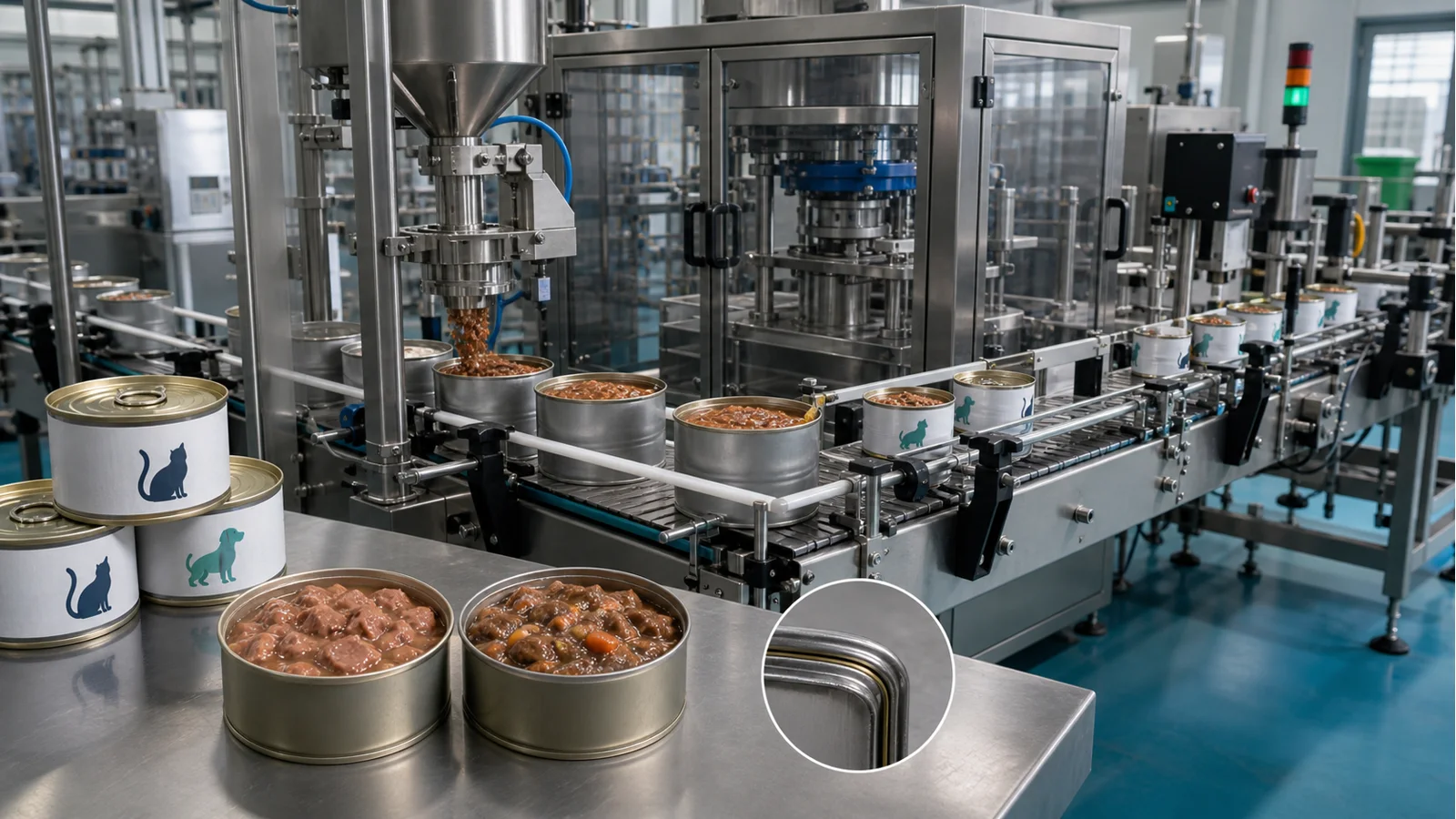
- Plastic or composite snack cans can be directly heat-sealed with aluminum foil film and then pressed with an outer lid. For paper can milk powder with a threaded cap and liner, induction sealing can be evaluated. Current equipment does not cover metal wet food can seaming. Provide can body, lid film, and content samples.
Solution summary prepared for you
- When pet snack plastic or composite cans are directly lidded with aluminum foil film and pressed with an outer lid, the paper can/plastic pail aluminum foil film sealing and lid pressing machine can be used. Cans, film, and lids must be...
- When the outer lid requires separate pressing, evaluate the automatic screw capping and press capping machine based on the lid type. Only when the screw cap already has a matching aluminum foil liner should the benchtop air-cooled induct...
- Metal wet food can seaming is not part of this paper-plastic can equipment combination; pet nutritional paste tubes must also be transferred to tube filling and sealing, and cannot be mixed.
Route comparison
- For plastic or composite paper cans with a flat rim, first directly place a matching heat seal film, then press the outer lid that matches the can body.
- The paper can/plastic pail aluminum foil film sealing and lid pressing machine can connect film heat sealing and outer lid pressing in the same process.
- Can mouth material, flatness, film heat seal layer, outer lid stress, and content contamination must all be verified with set samples.
- When the container is a metal wet food can with a seamed lid, this equipment is not used; the metal can seaming process should be evaluated separately.
- The paper can/plastic pail aluminum foil film sealing and lid pressing machine configures support, film sealing, and lid pressing actions based on actual can, film, and lid samples.
- The inner sealing process and outer lid installation are separate for paper-plastic cans; the lid requires independent placement, screwing, or pressing.
- The automatic screw capping and press capping machine can set lid positioning and placement independently for a specific lid type, without being tied to the film sealing tooling.
- Lid shape, snap position, threads, stiffness, lid feeding direction, and can body clamping must be confirmed through trial assembly of can and lid.
- When film sealing and outer lid pressing are already completed continuously by the same main machine, an independent lid placement station should not be added redundantly.
- The automatic screw capping and press capping machine determines the screwing or pressing action based on the can and lid structure; the specific lid feeding and inline scope are based on samples and process.
- Plastic cans with screw caps, where the aluminum foil liner matches the can mouth material and remains in continuous contact with the rim after tightening.
- The benchtop air-cooled induction aluminum foil sealing machine can perform inner sealing tests on the matching liner after screw capping, suitable for single machines or small-scale integration.
- Can material, mouth diameter, liner structure, lid tightening pressure, and pass-through state must all be verified with a complete can, lid, and liner set.
- When the can mouth uses roll film direct heat sealing, or the lid has no matching aluminum foil liner, the heat sealing film process should be used.
- The benchtop air-cooled induction aluminum foil sealing machine only handles the liner inner sealing of already screw-capped cans; the model and station are determined by samples and operating conditions.
Associated Equipment / Consumables
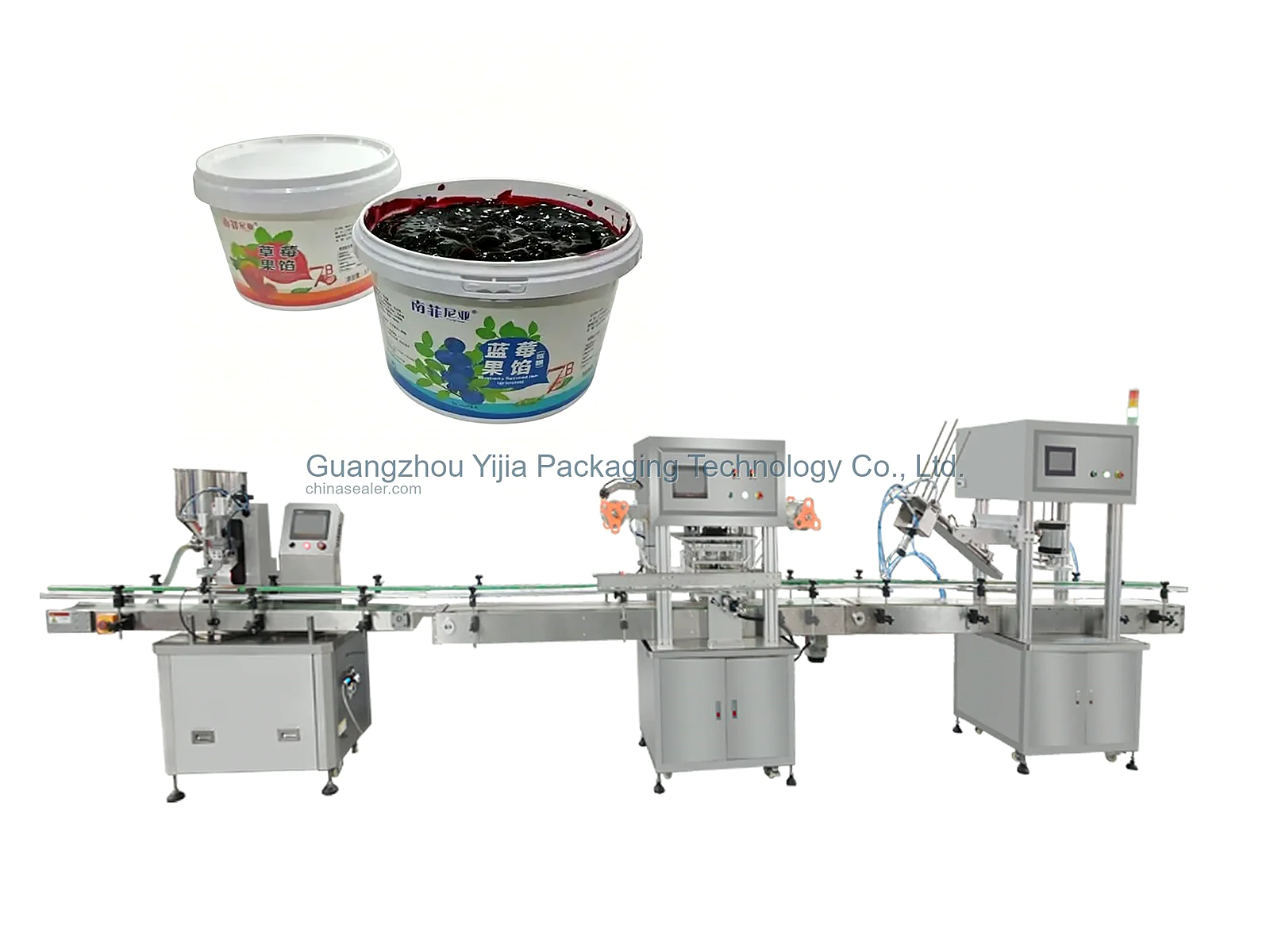 Paper Can and Plastic Pail Foil Heat Sealing and Capping Machine
The machine places foil directly on a paper can, plastic can or pail rim, heat-seals it, then presses the required closure. This differs from induction sealing a foil liner inside a tightened cap. Trial the container,...
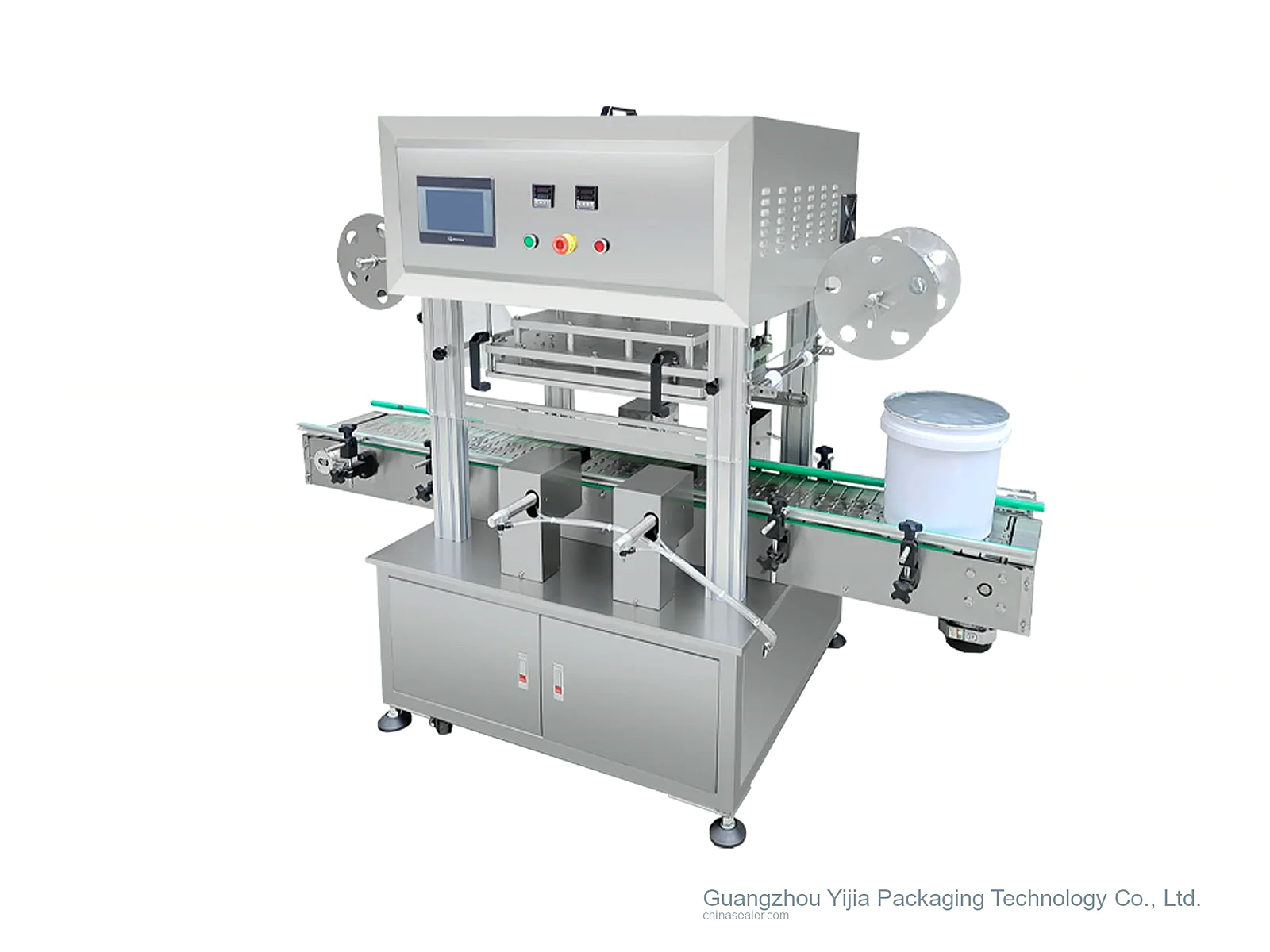 Large-Diameter Pail Heat Seal Sealer
Paper-plastic can, film, and lid set verification; Cans, films, lids, and contents should be numbered as a set by specification; heat pressing, press capping, and induction tests...
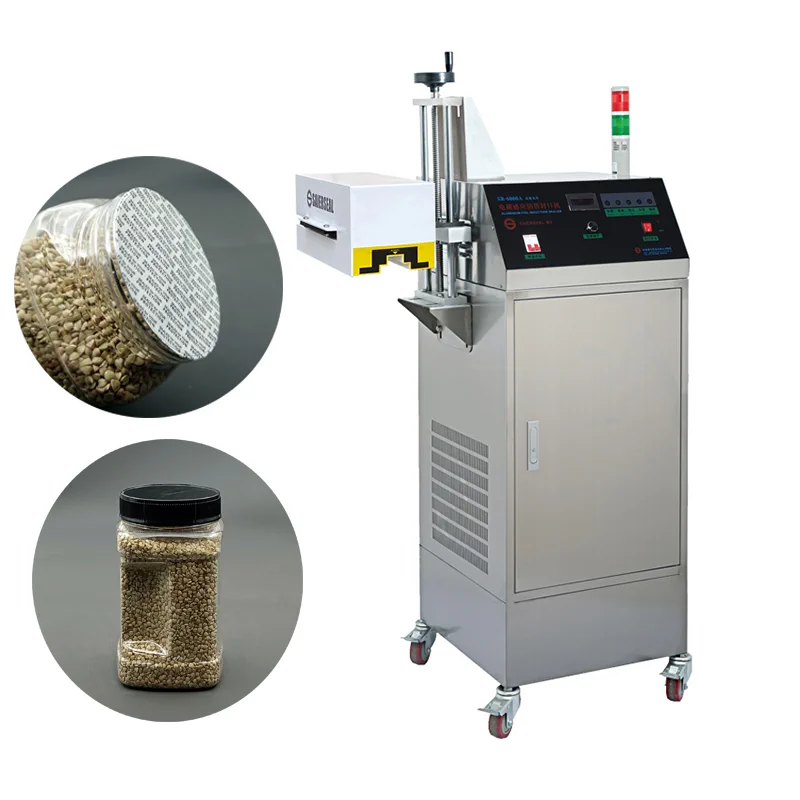 Water-Cooled Inline Induction Cap Sealer
Paper-plastic can, film, and lid set verification; Cans, films, lids, and contents should be numbered as a set by specification; heat pressing, press capping, and induction te...
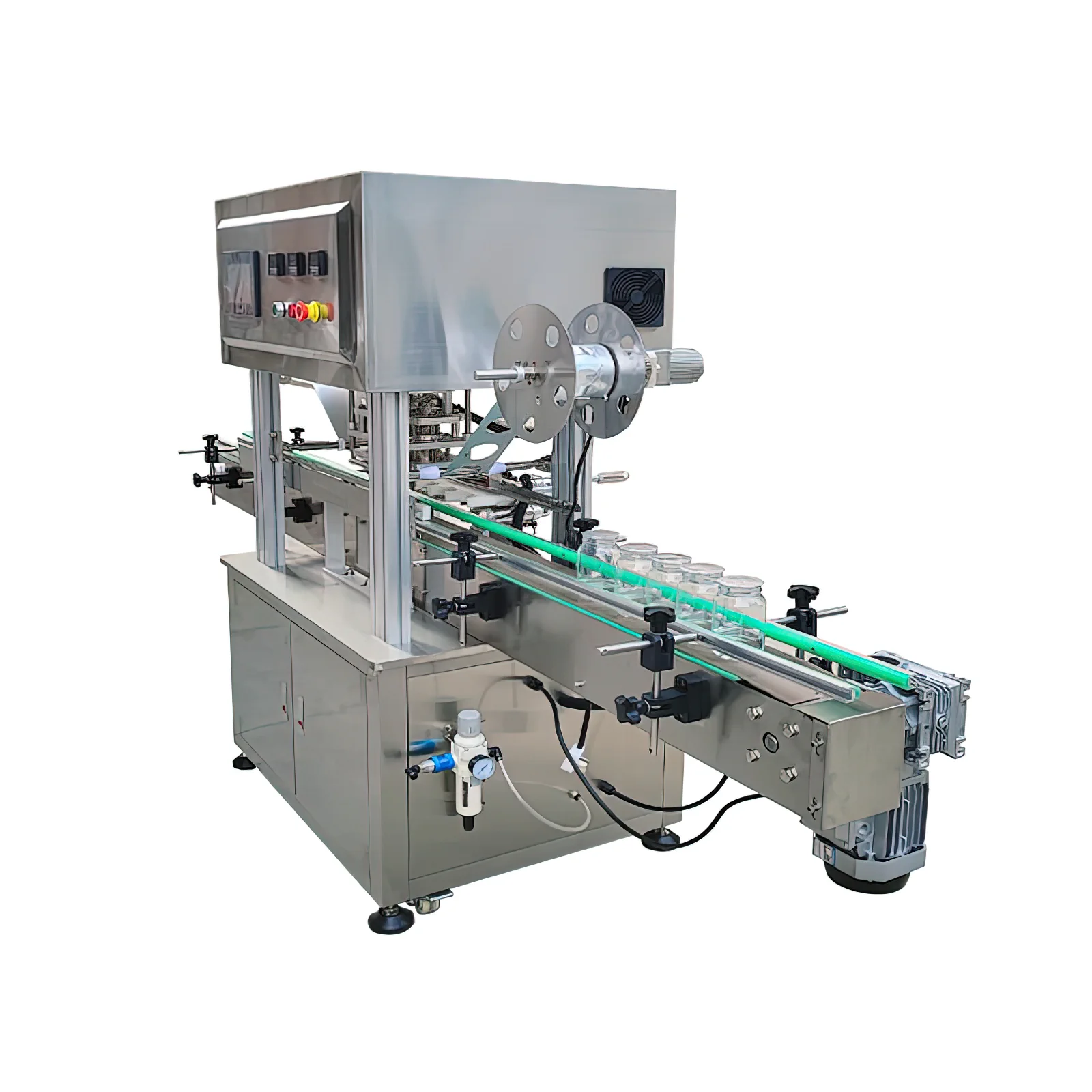 Inline Heat-Press Bottle Sealing Machine
Paper-plastic can, film, and lid set verification; Cans, films, lids, and contents should be numbered as a set by specification; heat pressing, press capping, and induction te...
Core process
Measure the can mouth, curl, can height, and lid position, and distinguish between direct film lidding, separate outer lid, or screw cap liner structure.
When directly placing film on the paper-plastic can mouth and pressing the outer lid after sealing, use the film sealing and lid pressing machine to verify heat sealing, film cutting, and lid placement actions.
After weight, film surface, and traceability rules are clear, verify conveying orientation, trigger positions, and defective product handling.
Photos and dimensions are used to determine support and lid film structure; contents description is used to troubleshoot rim contamination after filling.
Pet snack cans and pet milk powder paper cans are verified separately for rim, film, and lid type; metal wet food cans and nutritional paste tubes follow their respective processes.
Direct film lidding with outer lid pressing uses the film sealing and lid pressing machine; when the outer lid is handled separately, verify the lid pressing machine; for screw cap liners, evaluate induction equipment.
Sample details
Container data is used to verify support, sealing tooling, and lid placement space, and to confirm whether it falls within the paper-plastic can process scope.
Provide actual plastic or composite paper cans, and specify can diameter, height, rim, curl, and body stiffness.Film samples and can mouth are trial-sealed together to observe feeding, heat pressing, film cutting, sealing, and can body stress.
Submit actual aluminum foil film, easy-tear film, or composite film, and specify the heat seal layer, thickness, printing, and easy-tear requirements.The outer lid structure determines the pressing or screwing action, and the lid liner determines whether an induction inner sealing branch exists.
Provide press caps, screw caps, and lid liners, and indicate which lid type corresponds to which can body.This information is used to arrange can feeding, film sealing, lid placement, buffering, and changeover, and does not leave the automation scope to a single main machine.
List common can, film, and lid specifications, quantity per batch, target production speed, and changeover sequence.The contents state is used to evaluate can mouth cleaning and pre-sealing inspection, avoiding misjudging contamination as an equipment process problem.
Describe pet snack grease, pet milk powder dust, granules, and rim residue after filling.Common selection mistakes
First confirm the can material and rim structure. Metal wet food cans should be evaluated with seaming equipment, not with paper-plastic can film sealing and lid pressing machines.
Mark the film placement position on the sample, then choose between film sealing with lid pressing or induction inner sealing.
Actual lid samples must be trial-assembled as a set before determining the clamping, lid feeding, and changeover range of the automatic screw capping and press capping machine.
Use filled cans to observe rim residue, and first determine the filling drop point, cleaning, and pre-sealing inspection methods.
First specify the inspection object, allowable range, and disposition of defective products, then configure conveying, triggering, and marking equipment.
View detailed technical notes
First Confirm the Applicable Packaging Range
This equipment combination is for pet snack plastic cans, composite cans, and pet milk powder paper cans. Metal wet food cans require seaming equipment, and pet nutritional paste tubes require tube filling and sealing equipment; both are evaluated separately.
Separate Direct Film, Independent Outer Lid, and Lid Liner
For paper-plastic cans where the film is directly placed on the rim and an outer lid is pressed on, a film sealing and lid pressing machine can be used. If the outer lid is applied at a separate station, evaluate a screw capping and lid pressing machine. When the screw cap has a matching liner, use induction inner sealing.
Film Sealing and Lid Pressing Machine Handles Direct Film and Outer Lid
The paper can/plastic pail aluminum foil film sealing and lid pressing machine first heat-seals the film to the can rim, then presses the outer lid. Can material, rim, heat-seal layer, and lid stress should all be verified with complete samples.
Independent Lid Closing Is Configured Separately Based on Lid Type
An automatic screw capping and lid pressing machine is used for paper-plastic cans where film sealing and outer lid application are separate processes. The lid sample determines lid placement, screwing or pressing, clamping, and changeover; do not finalize based only on lid diameter.
Induction Inner Sealing Requires a Screw Cap with Liner
The benchtop air-cooled induction aluminum foil sealing machine only handles the aluminum foil liner inside the lid. The can, screw cap, and liner must be tested as a set. Direct film-sealed cans do not use this process, and the fit after screw capping should be recorded.
Complete Samples Also Cover Content Contamination
In addition to empty cans, film, and lids, provide filled cans to observe whether pet snack grease or milk powder dust enters the sealing surface. Rim cleaning should be clarified before the main machine trial.
Equipment Combination Diverges Based on Lid-Film Relationship
For direct film plus outer lid, use a paper-plastic can film sealing and lid pressing machine. When the outer lid is handled independently, connect a screw capping and lid pressing machine. For a lid liner, the can enters the induction station after screw capping.
Downstream Inspection and Marking Start with Clear Rules
For checkweighing, film surface vision inspection, or batch code printing, first define the judgment criteria, allowable range, trigger position, and reject handling, then integrate with a stable film sealing and lid closing process.
Common questions
Can the sealing process be determined from photos of paper or plastic cans alone?
Photos can first identify whether the structure is direct film lidding, a separate outer lid, or a screw cap with liner. The can mouth size and formal film/lid samples are then used for heat sealing, press capping, or induction sealing tests.
What should be prepared to confirm a pet food paper-plastic can solution?
Please provide empty cans, filled cans, sealing film, outer lids or screw caps with liners, and specify the contents, can mouth cleaning, production speed, changeover, and site conditions.
What operations are involved in the production speed?
It involves can feeding, film feeding, heat sealing, lid placement, press capping or screw capping, buffering, and downstream inspection. Multi-spec changeover time should also be checked.
Why must the film and can mouth be trial-sealed as a set?
The heat seal layer of the film, the can mouth material of the paper-plastic can, rim flatness, and contamination after filling together determine the seal quality; film specifications alone cannot finalize the design.
How should the inner seal and outer lid be inspected separately?
First observe the film surface and seal according to the agreed method, then check the centering and engagement of the outer lid. When induction sealing is used, also check the liner fit after screw capping.
Under what conditions should inline and downstream inspection be added?
When film sealing, lid placement, and changeover are stable, and the front and rear stations need continuous flow, and weight, appearance, or traceability rules are clear, then plan conveying and inspection.