Solution topic
Shampoo Bottling Line: Stabilise Unscrambling, Filling, Capping, Labelling and Case Packing
Configure shampoo feeding and filling by viscosity and foaming, capping from bottle-and-cap samples, labelling from the panel, then connect inspection, shrink bundling or case pack

- Viscosity and foaming determine filling; bottle, cap and label determine closing and labelling. Stabilise each station and conveying before inspection, shrink bundling or case packing.
Solution summary prepared for you
- The shampoo bottle filling line starts with empty bottle posture and material filling trials, then arranges cap feeding, screw capping, labeling, coding, and online verification.
- Pump heads and flip caps require formal cap samples to verify feeding and capping, while the filling main machine is determined by shampoo foaming, stringing, and fill volume tests.
- Shrink and case sealing are end-of-line packaging branches; bottle groups, film materials, cartons, outer case labels, and on-site logistics must be confirmed separately.
Route comparison
- Suitable for projects where the bottle shape and main fill volume are defined, and empty bottles and production-state shampoo samples can be provided.
- First stabilize loose bottle posture and filling finish to reduce interference from residual liquid and tipped bottles on subsequent capping and labeling stations.
- When lightweight irregular bottles, foaming, or stringing conditions change, unscrambling, positioning, and cut-off need to be re-verified.
- When empty bottle specs or shampoo samples are still changing, do not lock in automatic bottle feeding and filling rhythm.
- The automatic bottle unscrambling machine is configured according to empty bottle samples, and both servo piston liquid filling machine and daily chemical lotion filling machine are confirmed by material and bottle sample comparison.
- Suitable for bottled products where caps, labels, and batch code layout are finalized, and clear cap position and label inspection items exist.
- Cap feeding, placing, screw capping, labeling, and coding can be linked along a stable bottle orientation, with inline defective product handling.
- Pump head tangling, residual liquid on the bottle mouth, label curvature, or printing surface changes all affect equipment configuration.
- If cap and label samples are missing, or the defective product flow is undefined, do not fix the entire section of stations.
- The cap feeding and placing system, automatic screw capper, and round/square bottle labeling machine are confirmed with samples, followed by a collaborative date/batch inkjet coder and collaborative inline checkweighing and vision inspec...
- Suitable for projects where bottled products are stable and single or group shrink wrapping and carton shipping methods are defined.
- Shrink wrapping, case sealing, and outer case marking can be selected separately according to sales combination and logistics requirements, avoiding repeated handling on the main line.
- Film shrink performance, bottle heat resistance, case packing arrangement, and carton strength all need to be verified with official samples.
- Do not add shrink wrapping when there is no shrink packaging requirement, and do not assume automatic case packing when the case packing action is undefined.
- The L-type cut-seal shrink packaging line is confirmed through bottle group and film projects, and the collaborative case sealer and outer case labeling line is evaluated based on carton, label, and logistics scope.
Associated Equipment / Consumables
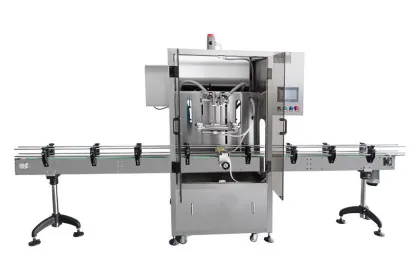 Servo Piston Liquid and Paste Filling Machine
The machine meters flowable liquids or viscous products within a trial-proven range; it is not universal for every liquid. Use the actual product and minimum/maximum container and dose to validate foam, stringing, par...
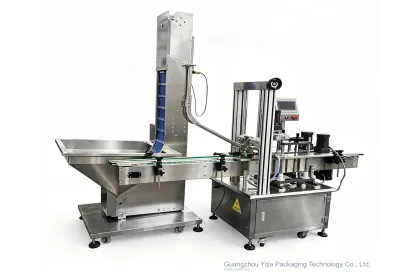 Automatic Screw Capping Machine
Loose bottle sorting and supply; Irregular or lightweight empty bottles should be checked for tipping, jamming, and outlet spacing in continuous feeding; Automatic bottle unscrambling...
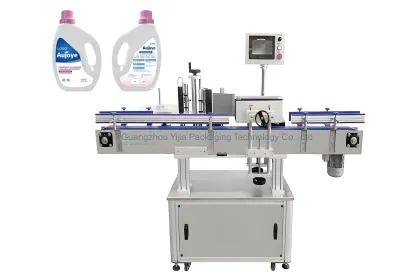 Round-Bottle and Front/Back Labelling Machine
Bottle labeling and online verification; First define each judgment and defective product flow, then decide station order and conveying spacing; Round and square bottle l...
 Date & Batch Inkjet Printer
Bottle labeling and online verification; First define each judgment and defective product flow, then decide station order and conveying spacing; Round and square bottle labeling machine, c...
Core process
Observe empty bottle center of gravity, mouth direction, surface friction, and continuous output posture before determining unscrambling and buffering methods.
Both filling directions should be compared with actual shampoo samples for suction, metering, foaming, stringing, and cut-off.
First check cap front/back, center of gravity, hose direction, and stacking risk, then test cap supply and dropping posture.
Screw capping should simultaneously observe bottle body clamping, cap insertion, torque, and pump head direction to form verifiable finished product samples.
Labeling depends on bottle posture and layout, coding on printing surface, and online inspection is configured according to weight, cap position, and label items.
The shrink direction needs to clarify single bottle or group, film wrapping method, bottle heat resistance limits, and post-shrink appearance.
Provide case packing arrangement, outer case dimensions, sealing method, outer case labels, and outlet shipping mark positions.
Sample details
This information is used to compare filling direction, nozzle finish, and supply and cleaning structure.
Submit production-state actual samples, explaining foaming, stringing, temperature, fill volume, and shutdown cleaning.Empty bottle posture affects unscrambling, conveying, filling positioning, capping clamping, and labeling.
Prepare empty bottles, bottle mouth dimensions, bottle body shape, bottom, and surface friction information.Cap front/back, center of gravity, and tangling performance determine whether feeding and capping can be automated.
Provide formal samples and closing requirements for screw caps, flip caps, or pump heads and hoses.The layout is used to confirm labeling guidance, printing position, and visual verification items.
Submit front/back label or wrap-around label proofs, application position, and batch number content and printing surface.Each inspection must correspond to finished product samples, rejection actions, and manual verification positions.
List items to be inspected for weight, cap position, label, or batch number, and disposition of defective products.The L-type shrink solution needs to be verified with formal samples for cutting and sealing, shrink appearance, and downstream connection.
Specify single bottle or group mode, prepare shrink film, combined samples, and heat resistance limits.The scope of collaborative case sealing and outer case labeling is confirmed according to carton samples and shipping process.
Provide case packing arrangement, outer case dimensions, tape, outer case labels, and shipping mark positions.The layout involves buffering, food-grade conveyor configuration, shrink length, and end-of-line collection.
Mark equipment direction, inlet and outlet, operation aisles, existing height, and available space.Common selection mistakes
Use production-state actual materials and main bottle samples to complete metering and cut-off verification.
The cap feeding and capping system requires formal cap samples for continuous testing; specifications that cannot be handled must be assigned manual or custom solutions.
First adjust the filling nozzle finish and drip collection, then check the cap samples of the automatic screw capping machine.
First make normal and boundary finished product samples, then configure collaborative inspection and rejection.
The L-type cut-seal shrink packaging line must be evaluated with combined samples, film materials, and project procedures.
Explain the manual or automatic scope item by item to avoid end-of-line collaborative equipment undertaking undefined processes.
View detailed technical notes
The line starts with empty bottles and actual product
A shampoo bottle line must first stabilize empty bottle orientation, dosing accuracy, and filling finish. Pump heads, labels, shrink film, and cartons all depend on these two conditions.
Both filling approaches need comparison with actual product
Servo piston liquid filling machines and cosmetic lotion filling machines should be evaluated based on shampoo foaming, stringing, fill volume, and cleaning performance, not just viscosity.
Loose bottle handling must cover difficult bottle shapes
The automatic bottle unscrambler should be tested continuously with the main empty bottle and samples that tend to tip over or interlock, observing friction, exit orientation, and bottle spacing. Then, based on the existing conveyor height, confirm buffering, guiding, and the gap to the filling machine inlet.
Pump head cap feeding is an independent challenge
When the cap feeding and placing system handles pump head tubes, watch for tangling, orientation, center of gravity, and drop position. Continue feeding official cap samples to check for jams and stacked caps; for specs that cannot be handled stably, keep other capping methods available.
Capping samples check both torque and pump head orientation
The automatic screw capper is configured according to the bottle-cap combination. During trials, check bottle clamping, cap insertion, and closure status, and also observe the pump head outlet direction. When changing over, recheck clamping position, capping head, and torque samples, not just whether the cap is screwed on.
Labeling and coding are arranged after stable conveying
The round/square bottle labeling machine is confirmed with bottle and label samples, and the collaborative date/batch inkjet coder is tested based on the printing surface. Both must avoid bottle body pressure points.
Inline review only checks defined items
The collaborative inline checkweighing and vision inspection system can be evaluated around weight, cap position, label, and batch code. Judgment samples, rejection, and manual review must be one-to-one.
Food-grade conveyor is configured for cleaning and bottle orientation
The elevation of upstream and downstream equipment, shampoo contamination risk, bottle bottom stability, and cleaning method will change the configuration of the food-grade conveyor line, including guards, interfaces, and buffering.
Clarify the sales combination before shrink wrapping
The L-type cut-seal shrink packaging line requires bottle groups, shrink film, heat resistance limits, and finished appearance samples. Single bottle, group, and automatic feeding ranges are confirmed per project.
Carton process is broken down action by action
Finished product case packing, carton sealing, outer case labeling, and shipping mark printing are each specified as manual or automatic, and the collaborative case sealer and outer case labeling line takes over the agreed parts.
Common questions
Can the pump head shampoo bottle automatically orient and cap?
It is necessary to use formal pump heads, hoses, and bottle samples for continuous testing of front/back orientation, winding, cap dropping, and bottle mouth positioning before confirmation.
How to choose between servo piston and daily chemical lotion filling?
Compare foaming, stringing, metering, and cleaning status with actual shampoo samples before confirming the main machine and filling nozzle configuration.
Can one line handle both round and square bottles?
Compare bottle body clamping, guiding, capping support, and label application surface, and define the changeover range based on the main specifications.
How to sequence labeling, coding, and online inspection?
First stabilize the bottle body posture, then arrange stations and reject outlets according to label layout, printing surface, and inspection items.
When to consider L-type shrink packaging?
After clarifying single bottle or group mode, shrink film, bottle heat resistance limits, and desired appearance, use finished product samples for project evaluation.
Does case sealing and outer case labeling include automatic case packing?
Case packing, case sealing, and outer case labeling should be confirmed separately; collaborative end-of-line integration does not automatically include an unagreed case packing module due to its name.