Solution topic
How to Choose a Sealing and Cap Pressing Solution for Pet Food Cans? Start With Can Body, Film Material and Cap Structure
For pet can sealing and capping solutions, first confirm container, product, film, lid type, capacity, and on-site line integration requirements. The equipment route includes sample and container confirmation, sealing and capping line, and downstream inspection and coding. Submitting sample photos, dimensions, and target capacity facilitates equipment matching and quotation.
- Pet can sealing should not be selected by sealing machine name alone. First confirm can body material, can-mouth size, sealing film type, lid structure, and target output, then judge heat-press sealing, induction sealing, or sealing and capping line.
- How to Choose Sealing and Cap Pressing for Pet Food Cans
Start With the Current Production Conditions
We make pet food cans with aluminum foil film sealing plus plastic caps. What equipment should we use?
First determine the packaging route
Pet can sealing should not be selected by sealing machine name alone. First confirm can body material, can-mouth size, sealing film type, lid structure, and target output, then judge heat-press sealing, induction sealing, or sealing and capping line.
Heat sealing aluminum foil film + press capping route
Suitable for: Wide-mouth containers like paper cans, plastic pails, composite cans, first sealing aluminum foil film then pressing outer lid. Advantages: Sealing and capping on same machine reduces process steps. Limitations: Need to confirm rim flatness, film heat seal layer, and lid press force. Not recommended: If lid already has aluminum foil liner requiring induction sealing, evaluate induction route. Equipment direction: We offer paper can/plastic pail aluminum foil sealing and capping machine, supporting integrated sealing and capping.
Induction foil sealing + screw capping route
Suitable for: Plastic bottles, wide-mouth jars, and other containers with aluminum foil liners in screw caps. Advantages: Non-contact sealing; after sealing, the liner seals with the bottle opening; leak prevention is easy to verify by testing. Limitations: Need to confirm liner type inside cap, bottle opening size, and induction power matching. Not recommended: For paper or metal containers, induction effectiveness may be affected; test first. Equipment direction: We can provide water-cooled induction aluminum foil sealers or benchtop air-cooled induction aluminum foil sealers, configured by diameter and output.
Standalone Heat-Press Sealing Route
Suitable for: Small batch, multi-specification cups, bowls, and boxes; direct heat sealing of film. Advantages: Simple equipment structure, flexible mold change, suitable for sampling or small batch production. Limitations: Custom molds required based on container rim; film and sealing parameters need sample testing. Not recommended: If simultaneous film sealing and lid pressing are needed, consider an integrated line to reduce labor. Equipment direction: We offer large-diameter drum heat sealing machines or bottle/drum/jar sealing machines, configured with molds per container size.
Recommended equipment route: Sample and container confirmation
Use physical samples to confirm can-mouth size, film heat-seal layer, and lid structure, avoiding selection errors.
Recommended equipment route: film sealing and press-capping line
Can complete foil film heat sealing and outer-cap pressing together, suitable for pet food can sealing and capping.
Recommended Equipment Route: Downstream Inspection and Marking
Checkweighing after sealing can reduce filling deviation, and coding supports traceability; configure them according to customer requirements.
Route comparison
- Suitable for paper cans, plastic buckets, composite cans, and other wide-mouth containers: seal foil film first, then press the outer cap.
- Film sealing and cap pressing can be completed on the same machine, reducing process transfer.
- Confirm can rim flatness, film heat-seal layer, and cap pressing force.
- If the cap already has an aluminum foil liner and induction sealing is required, evaluate an induction route.
- We can provide a paper can or plastic pail foil sealing and lid pressing machine, supporting connected film sealing and lid pressing.
- Suitable for plastic bottles, wide-mouth jars, and other capped containers with aluminum foil liners.
- Non-contact sealing bonds the liner to the bottle mouth after sealing, making leak-proof performance easy to verify by testing.
- Confirm cap liner type, bottle-mouth size, and induction power matching.
- If the container is a paper can or metal can, induction performance may be affected, so testing is recommended first.
- We can provide water-cooled or desktop air-cooled induction foil sealers, configured according to mouth diameter and target output.
- Suitable for small-batch, multi-specification cups, bowls, and boxes with direct heat sealing film.
- Simple structure and flexible mold change, suitable for sampling or small-batch production.
- Tooling must be customized according to the container rim, and film plus sealing parameters must be tested.
- If both film sealing and cap pressing are needed, a line solution is recommended to reduce manual work.
- We can provide a large-mouth pail heat sealer or bottle, pail, and can sealer, with tooling configured by container size.
Core process
Associated Equipment / Consumables
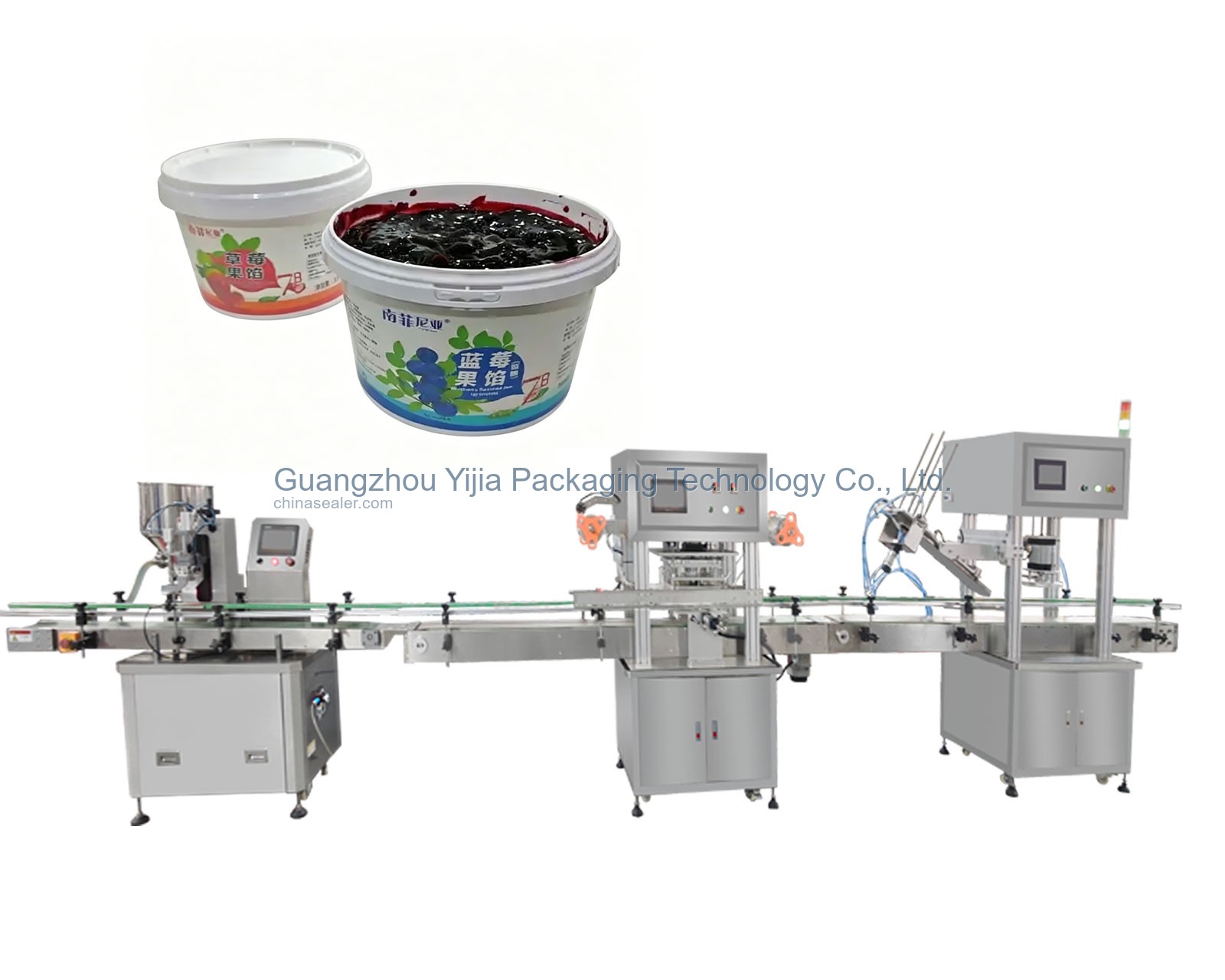 Paper Can / Plastic Pail Aluminum Foil Sealing and Capping Machine
Sample and container confirmation; Use physical samples to confirm can-mouth size, film heat-seal layer, and lid structure, avoiding selection errors...
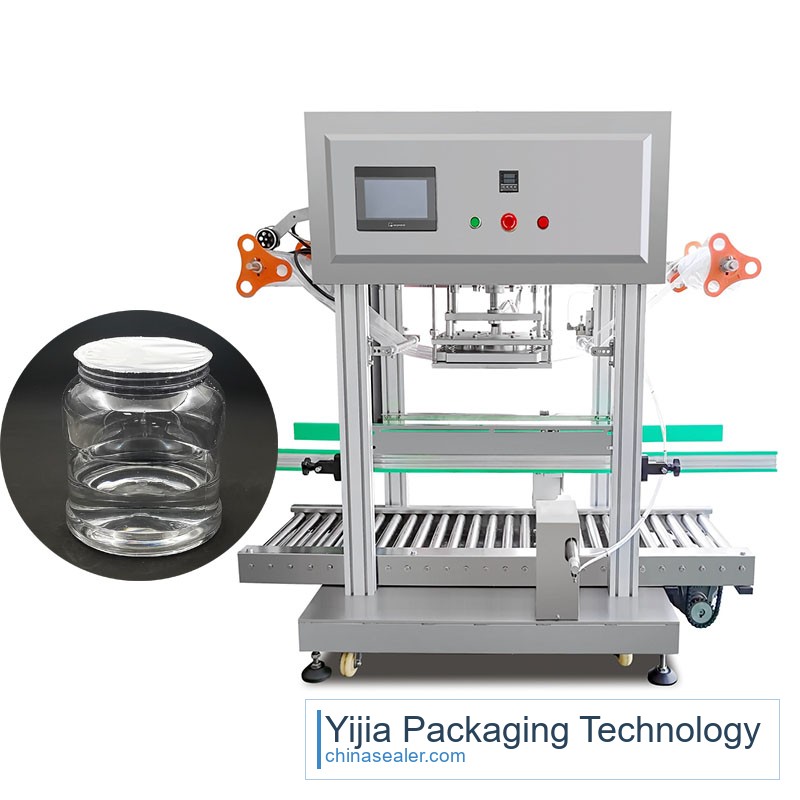 Bottle Inline Heat Press Sealer
Sample and container confirmation; Use physical samples to confirm can-mouth size, film heat-seal layer, and lid structure, avoiding selection errors; can body samples, sealing film sa...
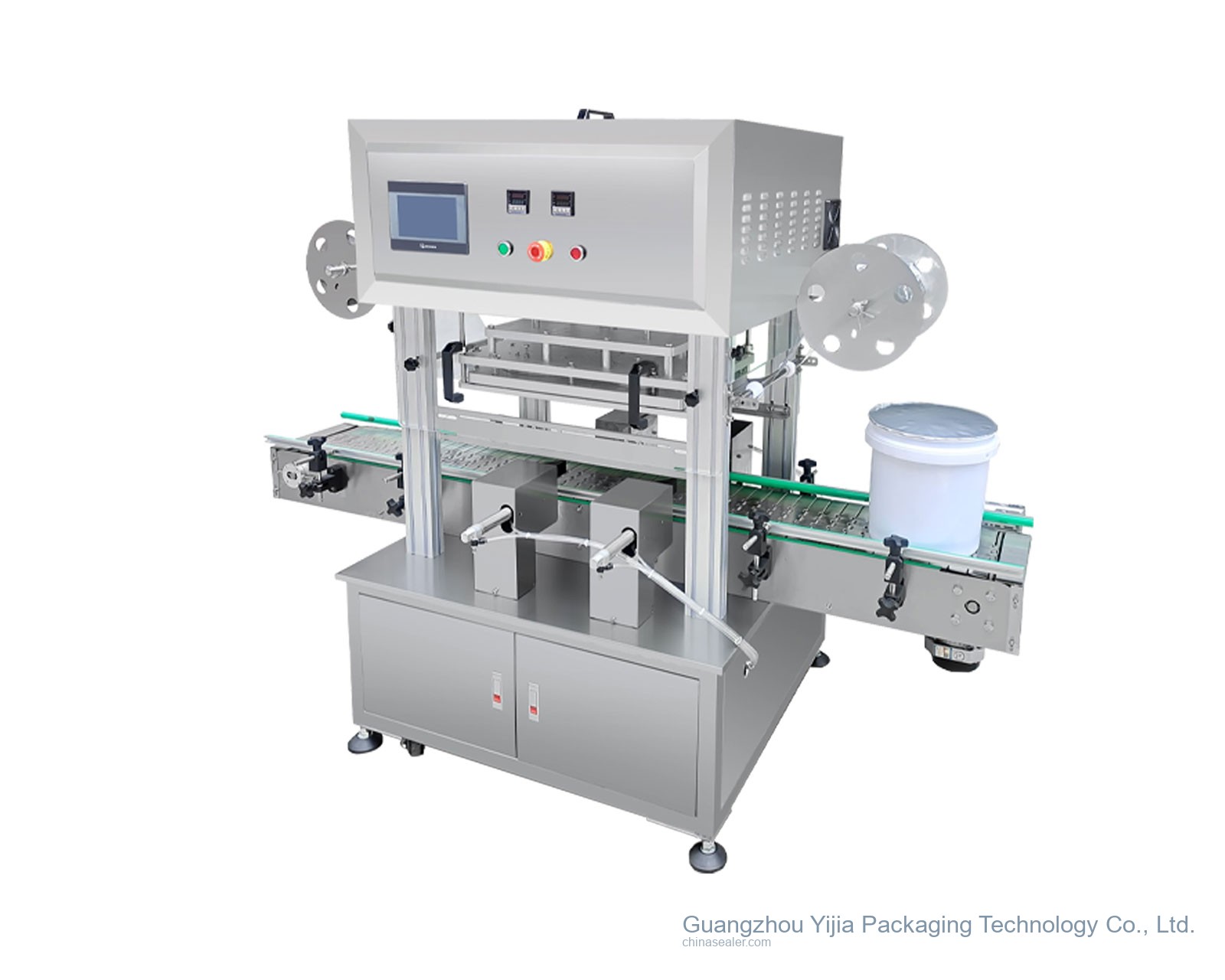 Large-Diameter Pail Heat Seal Sealer
Film Sealing and Cap Pressing Line Integration; Can complete foil film heat sealing and outer-cap pressing together, suitable for pet food can sealing and capping; Paper can/plast...
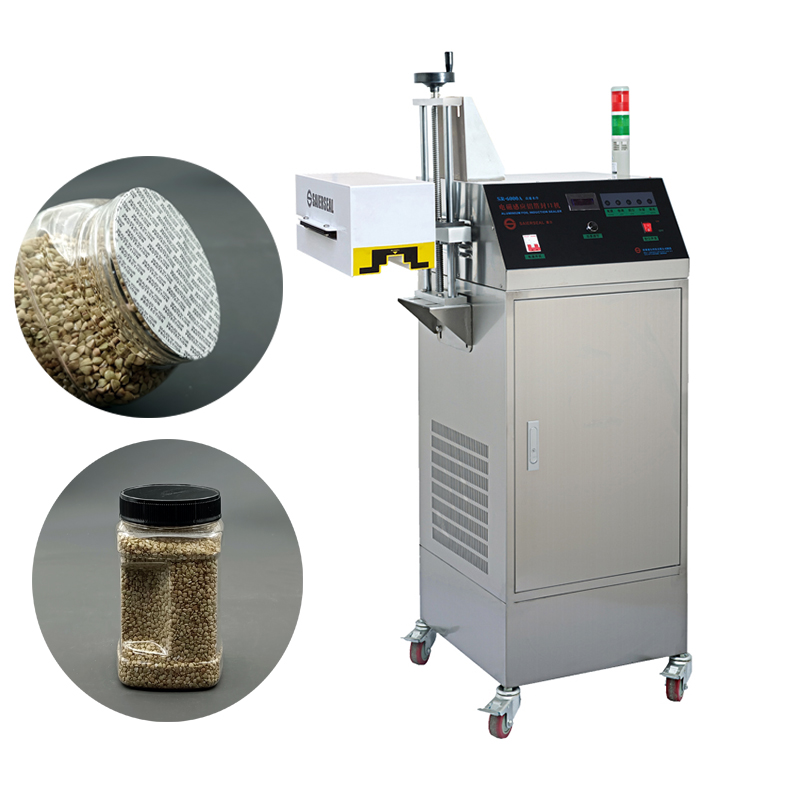 Water-Cooled Induction Aluminum Foil Sealing Machine
Film Sealing and Cap Pressing Line Integration; Can complete foil film heat sealing and outer-cap pressing together, suitable for pet food can sealing and capping;...
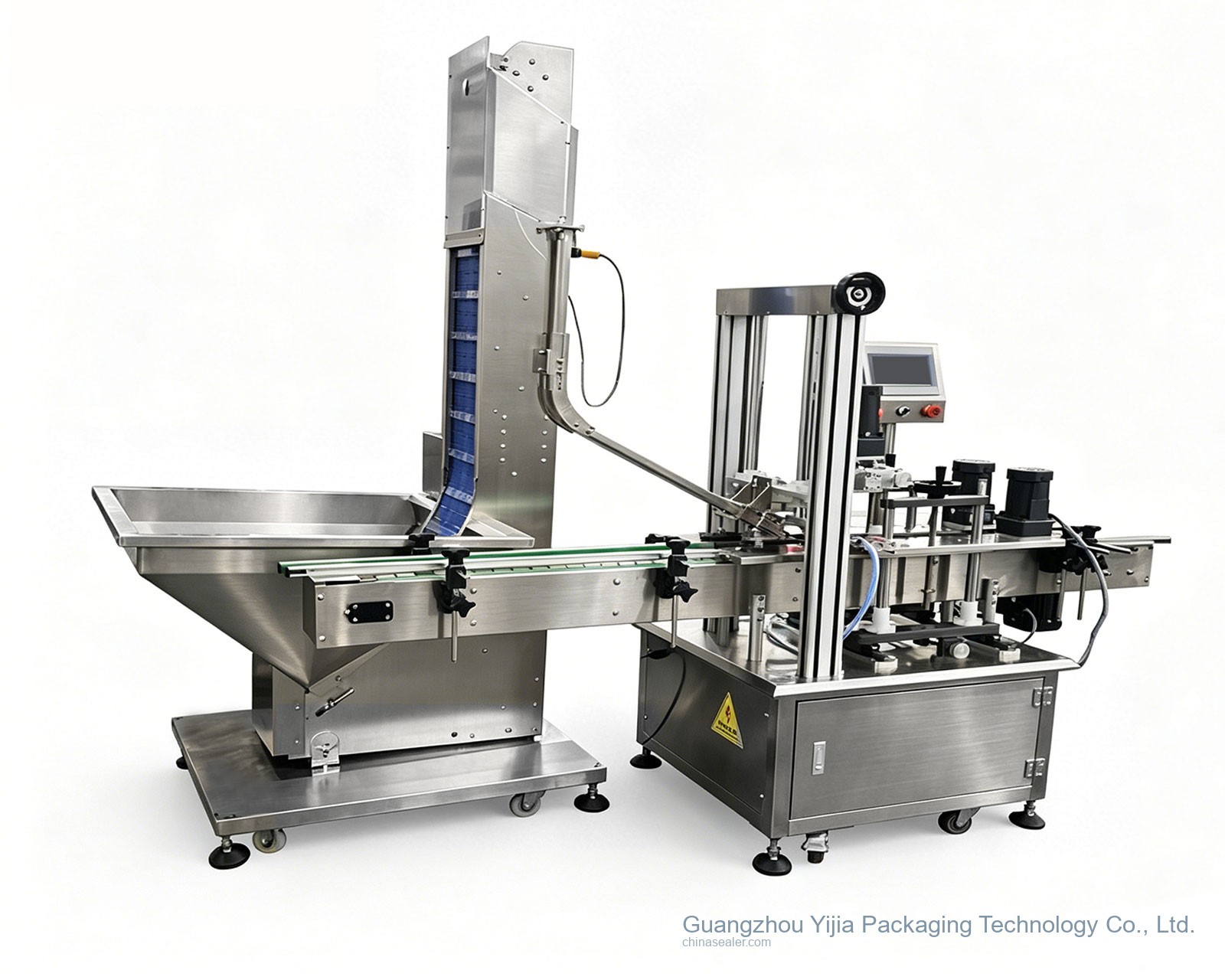 Automatic Screw Capping Machine
Film Sealing and Cap Pressing Line Integration; Can complete foil film heat sealing and outer-cap pressing together, suitable for pet food can sealing and capping; Paper can/plastic pa...
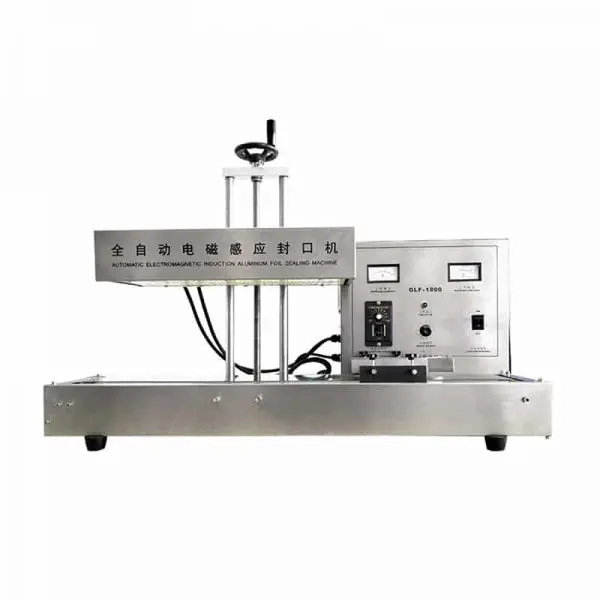 Benchtop Air-Cooled Induction Aluminum Foil Sealer
Film Sealing and Cap Pressing Line Integration; Can complete foil film heat sealing and outer-cap pressing together, suitable for pet food can sealing and capping; P...
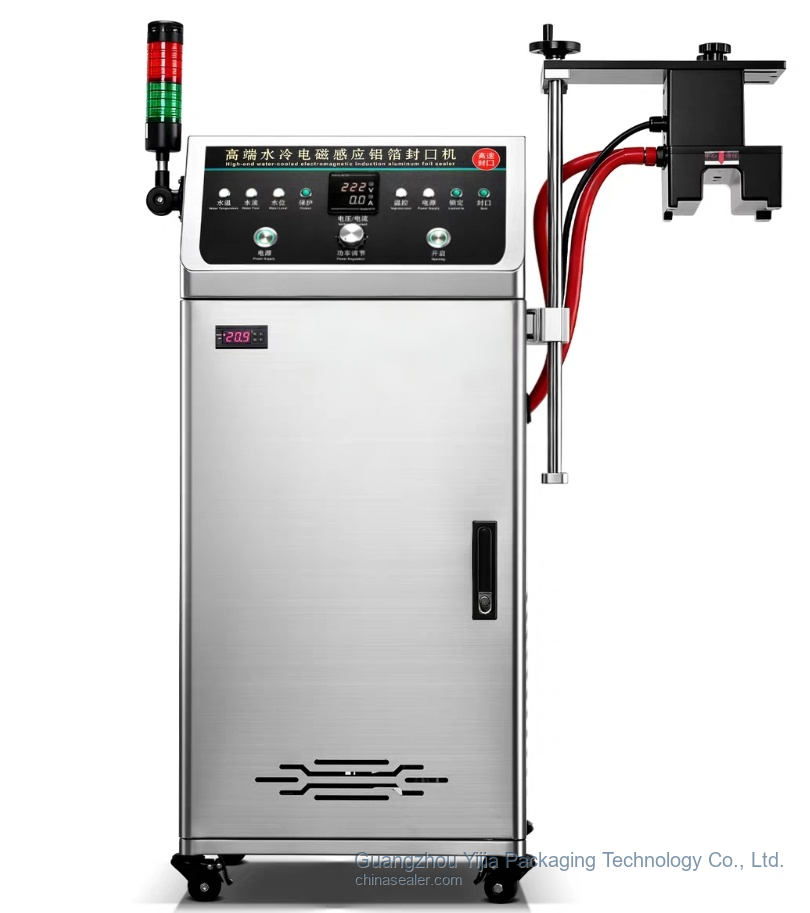 Induction Aluminum Foil Sealing Machine
Film Sealing and Cap Pressing Line Integration; Can complete foil film heat sealing and outer-cap pressing together, suitable for pet food can sealing and capping; Paper can/pl...
Sample details
Photos and dimensions can first determine container positioning, mold direction, and whether sample testing is needed.
Can samples or photos, inner and outer mouth diameters, and height dimensions help confirm tooling and sealing range.Film material and liner affect sealing temperature, pressure, dwell time, and feeding method.
Sealing film samples or specifications, including material, thickness, and heat-seal layer, are used for sealing-parameter testing.The lid structure determines the capping method (press, screw, or place) and whether inline integration is needed.
Please provide cap samples, such as press-on, snap-on, or screw caps, so the pressing or capping mechanism can be confirmed.Capacity target determines single machine, semi-automatic, or continuous inline configuration, and also affects the quotation range.
Tell us the target output, such as cans per hour, so the number of stations and line-connection method can be determined.Inline requirements affect equipment sequence, cycle time matching, and downstream inspection methods.
Inform whether filling equipment or downstream inspection requirements exist, to evaluate integration interfaces and layout. Incomplete information is acceptable; send existing photos and dimensions first, and we will...Common selection mistakes
Common questions
Yes. First send photos of the can, approximate dimensions, film and lid samples. We will determine the approach, then list what else is needed.
Can samples or dimensions, film samples, cap samples, target output, and site-layout requirements are needed.
Output target affects station count, line-connection method, and automation level, so it should be confirmed by real takt time.
Differences in the heat-seal layer, thickness, and batch of film material affect sealing temperature and pressure; suitable parameters must be determined through sample testing.
Sealing performance must be confirmed through samples, film, and parameter tests. Physical samples are recommended for sealing trials.
If filling is upstream or checkweighing and coding are needed downstream, evaluate line connection to reduce manual transfer.