Solution topic
How to Choose a Honey Bottling Line? Start With Cap Type and Labeling
Honey filling, capping, and labeling is not simply putting three machines together. First confirm honey condition, bottle opening diameter, cap structure, label position, and target output, then decide the filling method, capping torque, label positioning, and whether an in-line system is needed.
- Honey filling, capping, and labeling is not simply putting three machines together. First confirm honey condition, bottle opening diameter, cap structure, label position, and target output, then decide the filling method, capping torque, label positioning, and whether an in-line system is needed.
- How to choose honey filling, capping, and labeling
Real customer problem
I want to do honey bottling, needing filling, capping, and labeling. How should I choose equipment?
First determine the packaging route
Honey filling, capping, and labeling is not simply putting three machines together. First confirm honey condition, bottle opening diameter, cap structure, label position, and target output, then decide the filling method, capping torque, label positioning, and whether an in-line system is needed.
Piston Filling + Capping + Labeling Route
Suitable for: Medium-viscosity honey with regular bottle threads and standard screw caps. Advantages: Piston filling adapts well to honey viscosity, stable dosing. Limitations: Need to confirm if honey contains crystallized particles to avoid nozzle clogging. Not recommended: If honey requires heated filling or contains large particles, evaluate rotor pump or heated hopper solution. Equipment direction: Servo piston liquid filler, automatic capper, round/square bottle labeler.
Rotor Pump Filling + Capping + Labeling Route
Suitable for: Projects with granular honey, high viscosity, or requiring gentle conveying. Advantages: Rotary pump has low shear on product, suitable for granular or fragile materials. Limitations: Filling consistency affected by product condition; sample testing required. Not recommended: When fill volume is very small (e.g., below 10ml) or accuracy requirements are extremely high, evaluate piston filling. Equipment direction: Rotary pump sauce filler, automatic capper, round/square bottle labeler.
Heated Filling + Induction Sealing + Capping + Labeling Route
Suitable for: crystallized honey or projects requiring heated filling and aluminum foil liner sealing. Advantages: Insulated hopper maintains honey fluidity; induction sealing adds leak-proof and moisture-proof protection. Limitations: Need to confirm bottle mouth aluminum foil liner size and induction sealing power match. Not recommended: When honey does not require heated filling or aluminum foil sealing, the route can be simplified. Equipment direction: Servo piston liquid filling machine, insulated hopper and jacketed tank, online induction aluminum foil sealing machine, automatic capping machine, round/square bottle labeling machine.
Recommended equipment route: Sample and container confirmation
Use actual samples to confirm honey viscosity, bottle-mouth thread, cap torque, and label size, avoiding equipment-configuration errors.
Recommended equipment route: Filling
Piston filling adapts to a wide honey-viscosity range, provides stable dosing, and suits medium output.
Recommended equipment route: Capping
Configure the capping head and torque range according to cap type to reduce tilted caps or insufficient torque.
Recommended equipment route: Labeling
Adjust the labeling mechanism according to bottle shape and label position, supporting later traceability and brand display.
Recommended equipment route: downstream and line-integration confirmation
Decide whether in-line connection is needed according to output and site space, and whether coding and weight inspection are required.
Route comparison
- Suitable for medium-viscosity honey, regular bottle threads, and ordinary screw caps.
- piston filling adapts well to honey viscosity and keeps dosing stable
- Confirm whether the honey contains crystallized particles to avoid blocking the filling nozzle.
- If honey needs heated filling or contains large particles, evaluate a rotor pump or heated hopper solution.
- Servo piston liquid filling machine, automatic capping machine, and round / square bottle labeling machine.
- Suitable for honey with particles, high viscosity, or projects requiring gentle transfer.
- Rotor pumps apply low shear to materials, suitable for products with particles or fragile texture.
- Rotor-pump filling consistency is affected by material condition and should be confirmed with sample testing.
- For very small filling volumes, such as below 10 ml, or very high accuracy requirements, evaluate piston filling.
- Rotor-pump sauce filling machine, automatic capping machine, and round / square bottle labeling machine.
- Suitable for crystallized honey or heated filling needs, with aluminum foil liner sealing required.
- An insulated hopper keeps honey flowable, while induction sealing adds leak and moisture protection.
- Confirm that aluminum foil liner size and induction sealing power match the bottle mouth.
- If honey does not need heated filling or aluminum foil sealing, the route can be simplified.
- Servo piston liquid filler, heated hopper and jacketed tank, online induction aluminum foil sealer, automatic capper, round and square bottle labeler
Core process
Associated Equipment / Consumables
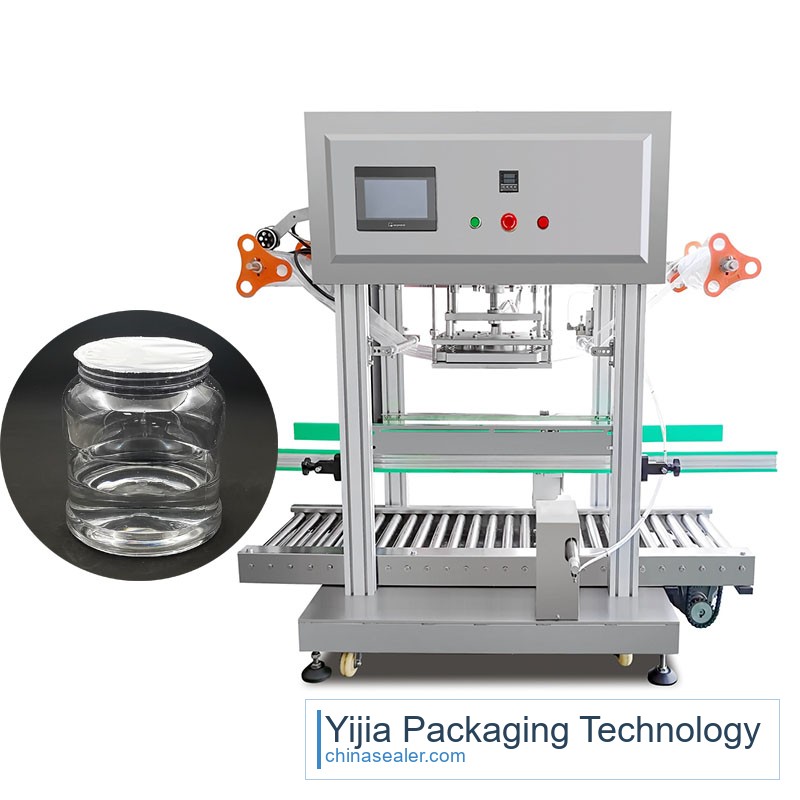 Bottle Inline Heat Press Sealer
Sample and container confirmation; Use actual samples to confirm honey viscosity, bottle-mouth thread, cap torque, and label size, avoiding equipment-configuration errors; honey sample...
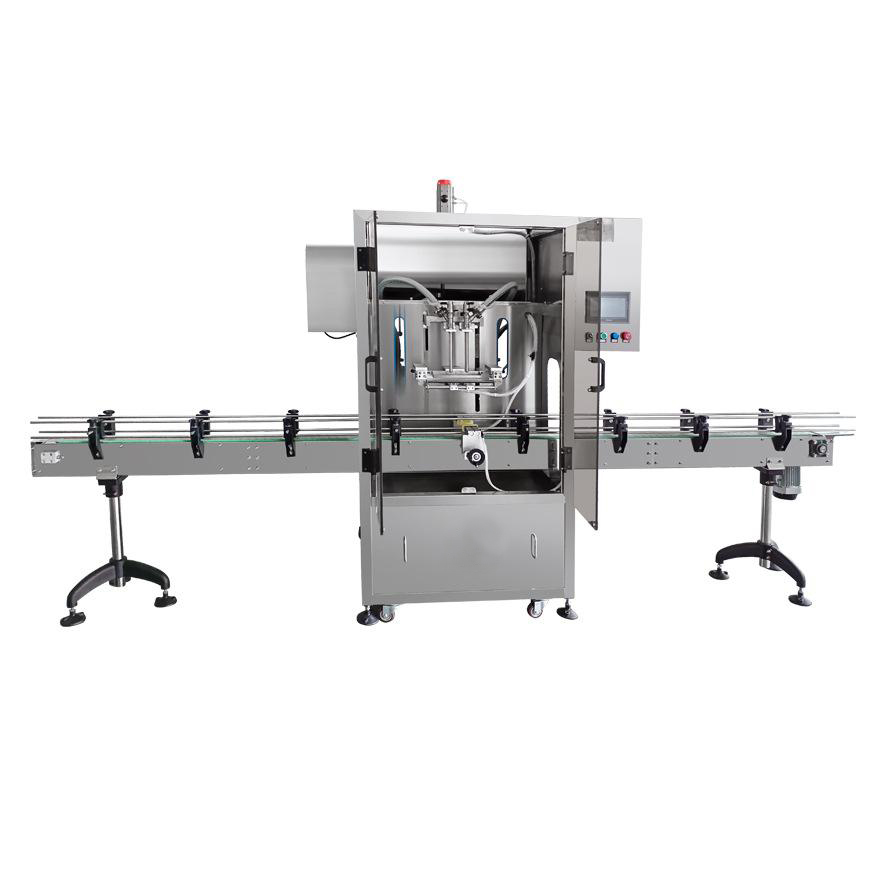 Servo Piston Liquid Filling Machine
Filling; Piston filling adapts to a wide honey-viscosity range, provides stable dosing, and suits medium output; Servo piston liquid filler
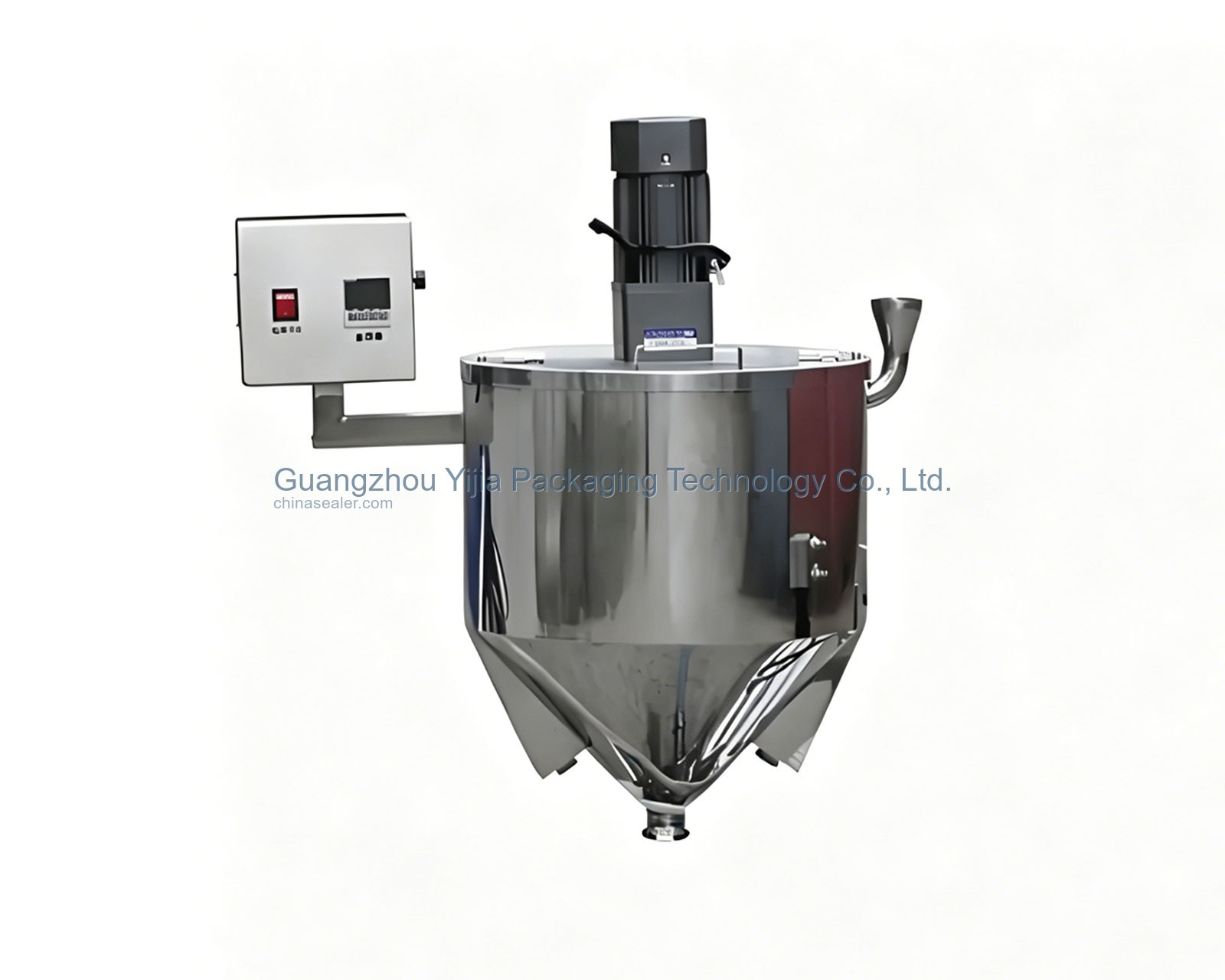 Heated Hopper and Jacketed Tank
Filling; Piston filling adapts to a wide honey-viscosity range, provides stable dosing, and suits medium output; Servo piston liquid filler
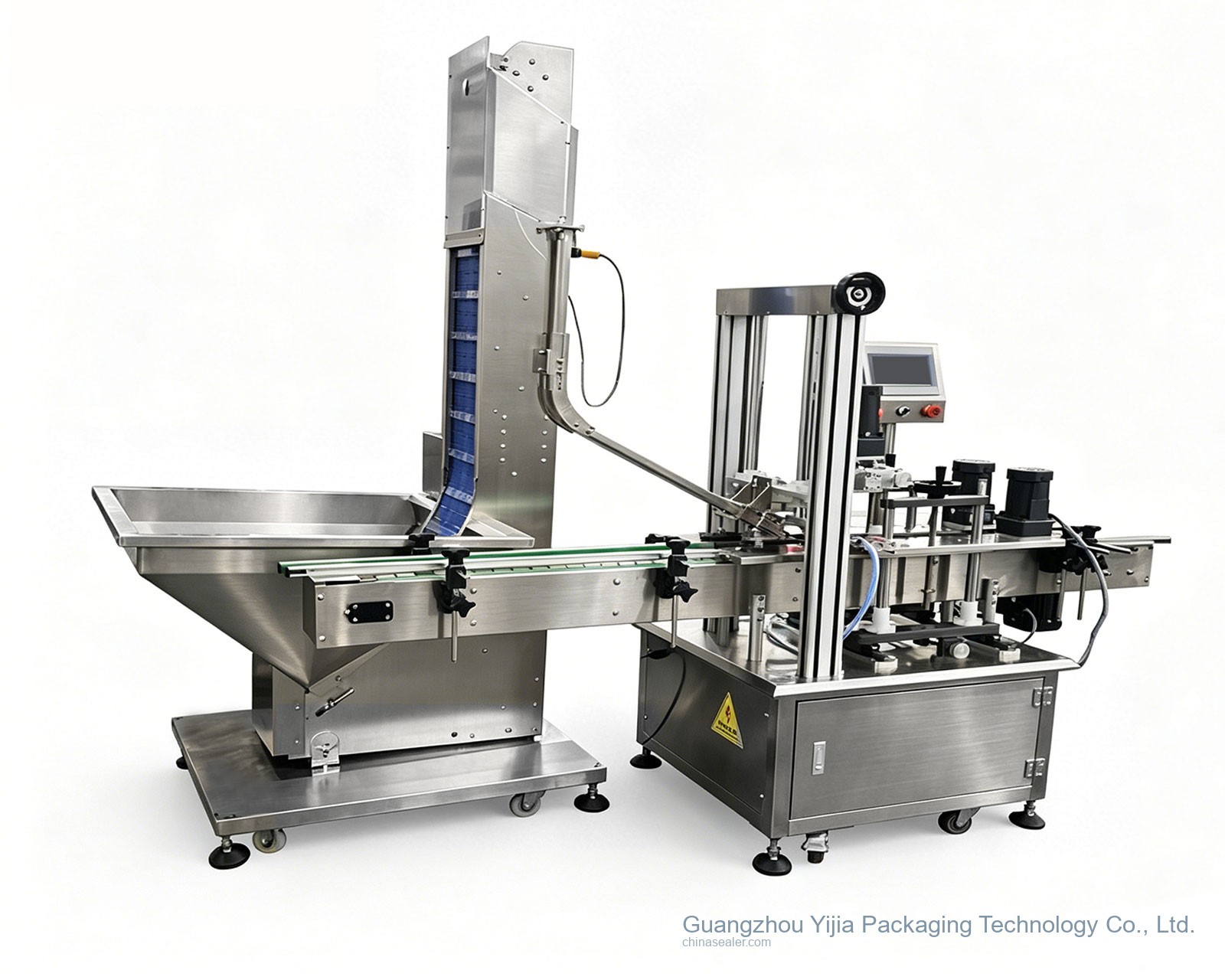 Automatic Screw Capping Machine
Capping; Configure the capping head and torque range according to cap type to reduce tilted caps or insufficient torque; Automatic screw capper
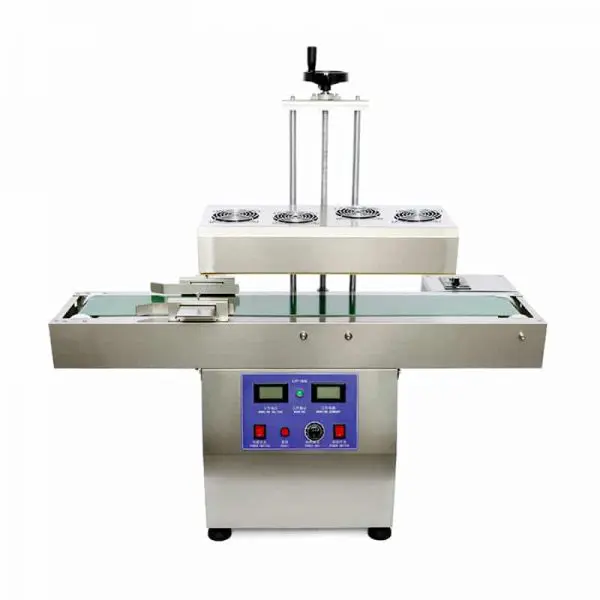 Inline Induction Foil Sealer
Capping; Configure the capping head and torque range according to cap type to reduce tilted caps or insufficient torque; Automatic screw capper
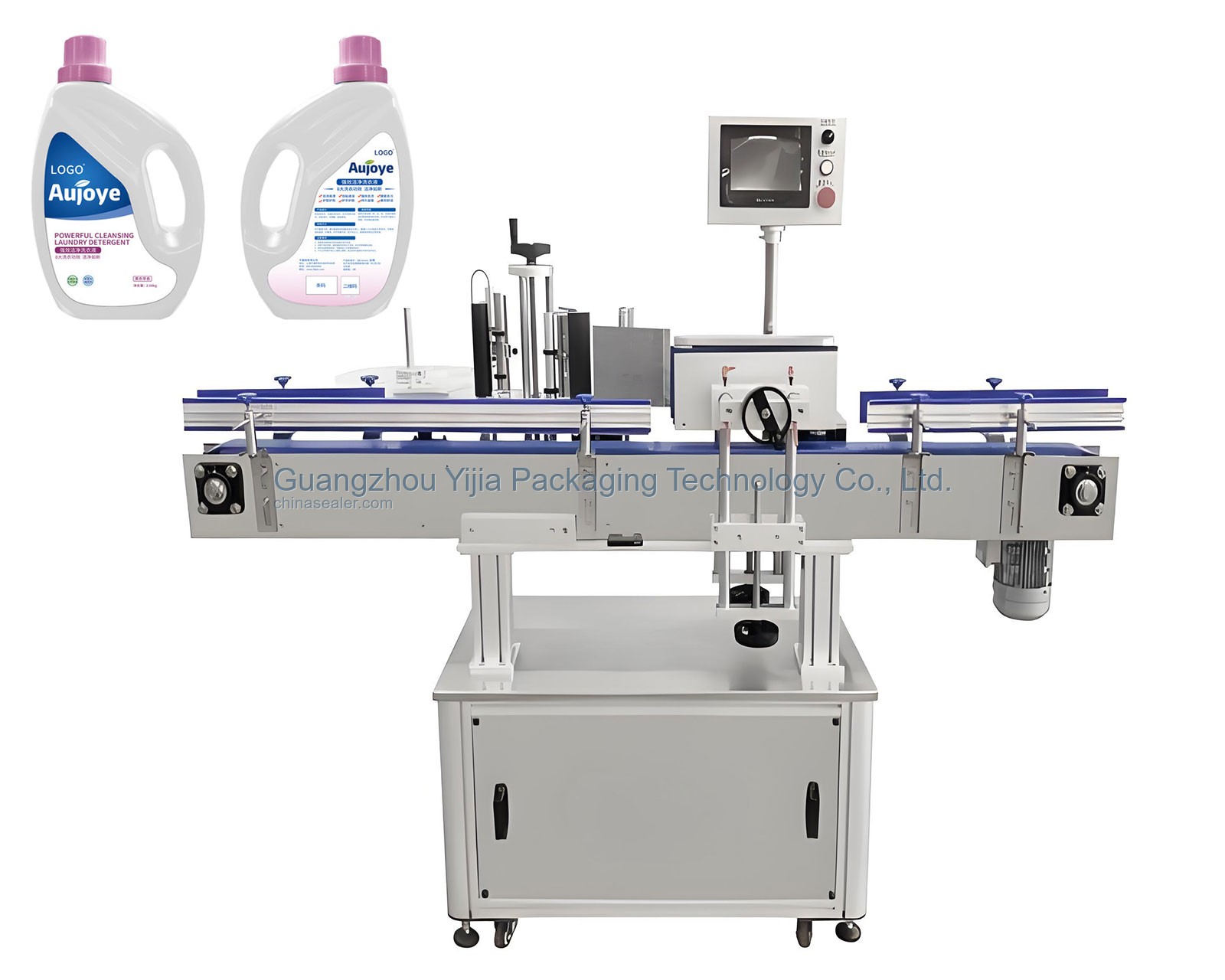 Round & Square Bottle Labeling Machine
Labeling; Adjust the labeling mechanism according to bottle shape and label position, supporting later traceability and brand display; Round and Square Bottle Labeling Machine
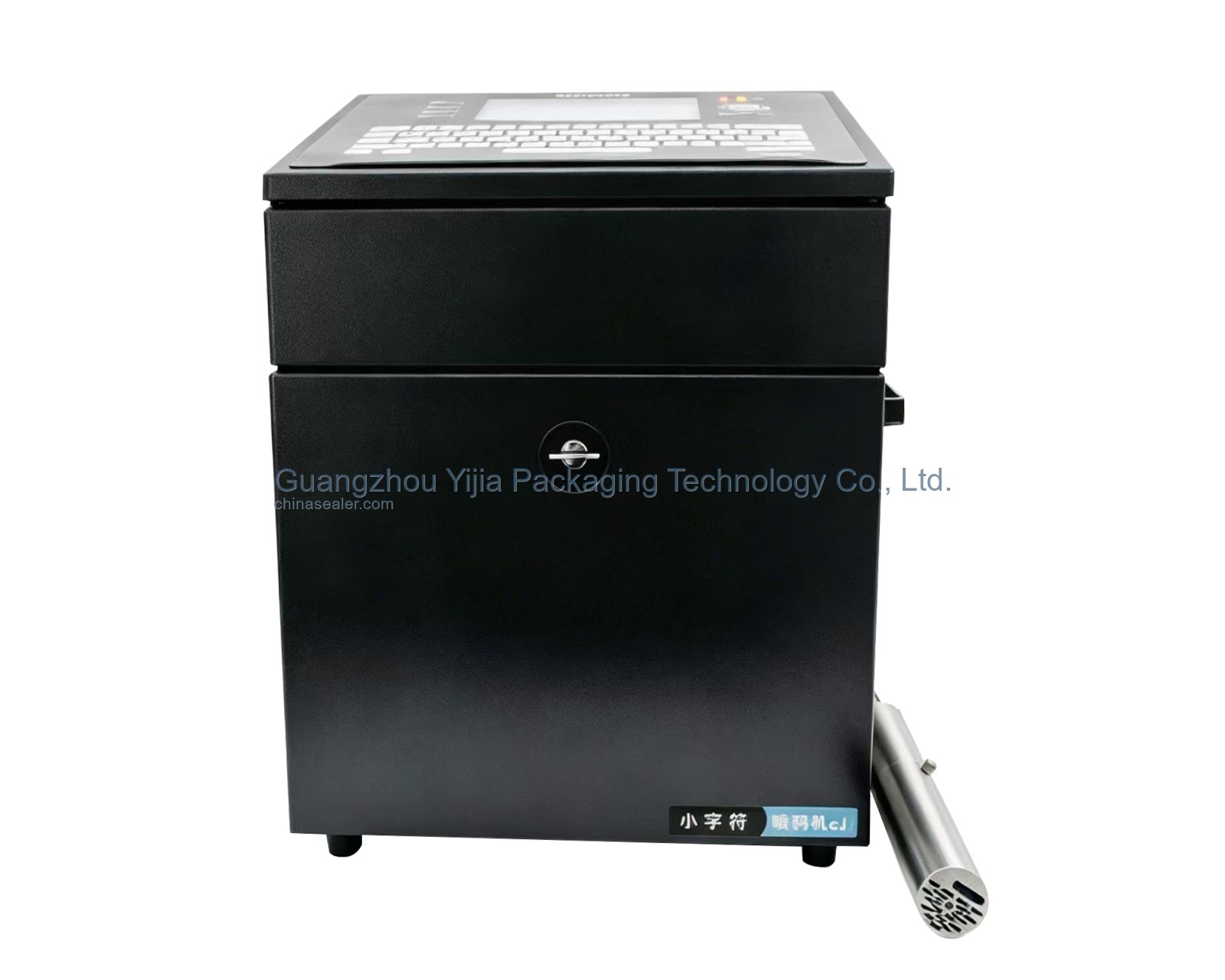 Date & Batch Inkjet Printer
Labeling; Adjust the labeling mechanism according to bottle shape and label position, supporting later traceability and brand display; Round and Square Bottle Labeling Machine
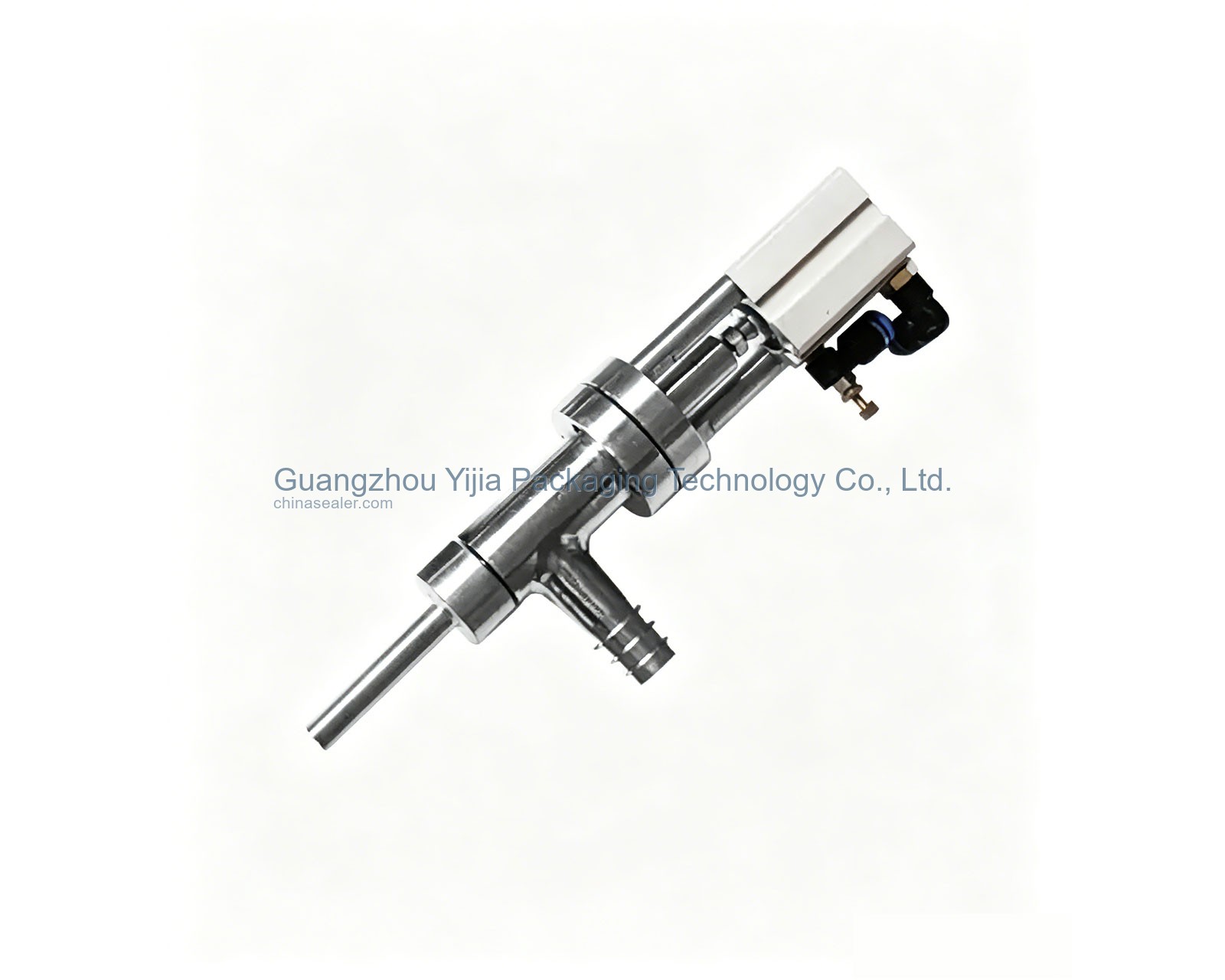 Anti-Drip Anti-Stringing Filling Nozzle Assembly
Filling; Piston filling adapts to a wide honey-viscosity range, provides stable dosing, and suits medium output; Servo piston liquid filler
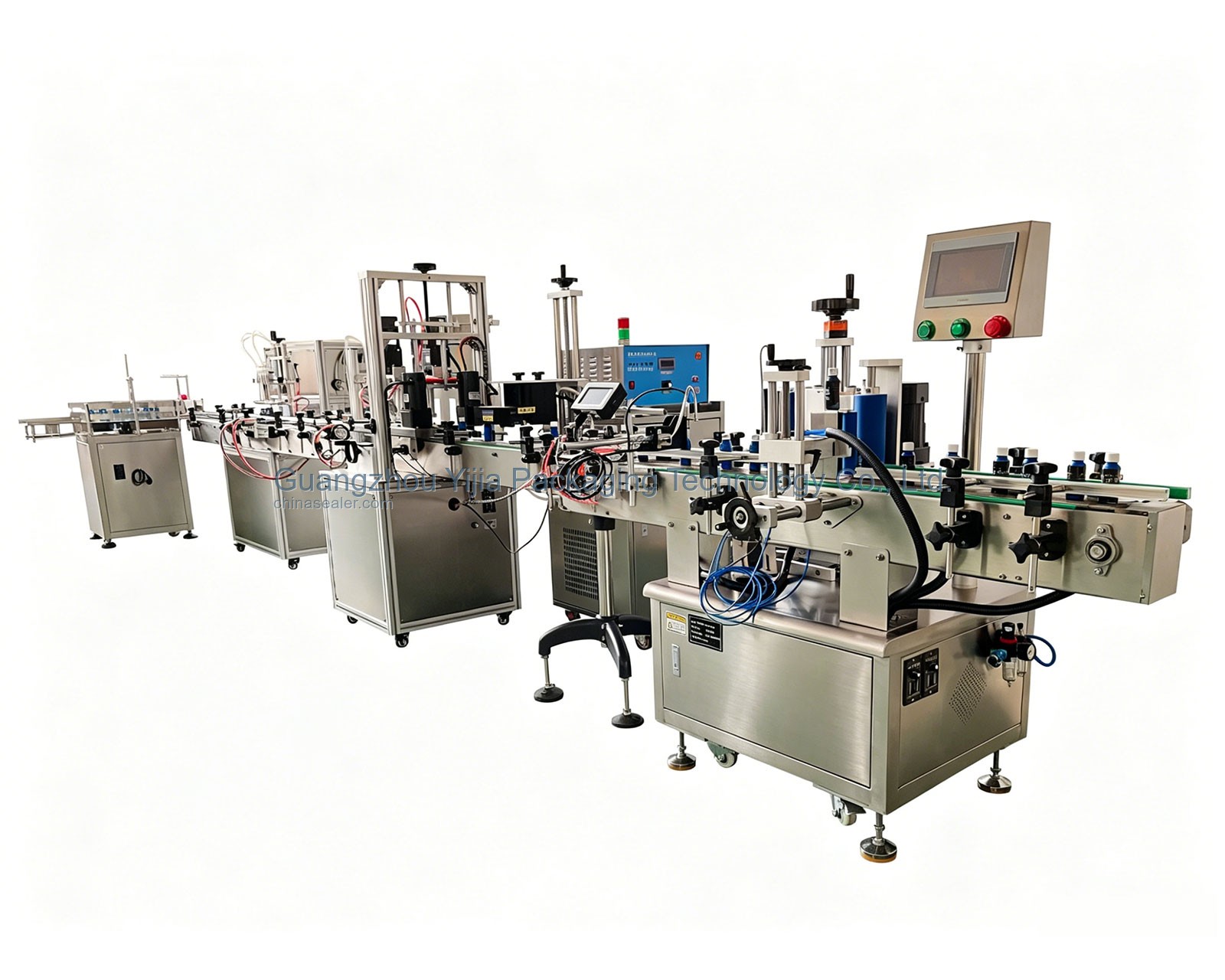 Automatic Feeding Conveying Sealing Line
Capping; Configure the capping head and torque range according to cap type to reduce tilted caps or insufficient torque; Automatic screw capper
Sample details
The state of the contents affects the filling method, contact materials, anti-drip, and safety configuration.
Honey samples or photos help confirm viscosity, crystallized particles, and whether heated filling is required.The lid structure determines the capping method (press, screw, or place) and whether inline integration is needed.
Bottle and cap samples or drawings help confirm bottle-mouth thread, diameter, cap structure, and torque requirements.Inline requirements affect equipment sequence, cycle time matching, and downstream inspection methods.
Label samples or dimensions help confirm label material, size, and placement, which affects labeling-machine configuration.Capacity target determines single machine, semi-automatic, or continuous inline configuration, and also affects the quotation range.
Target output, such as bottles per hour or per day, affects the number of filling heads and line-connection method.Site conditions affect electrical control, pneumatics, conveyor length, and safety protection configuration.
Site space and layout: provide site photos or sketches to confirm machine direction and connected-line space.Photos and dimensions can first determine container positioning, mold direction, and whether sample testing is needed.
Even if the information is incomplete, you can first send available photos and dimensions. We will judge the route first and then list what still needs to be provided.Common selection mistakes
Common questions
Yes. First send honey photos, bottle sample photos, approximate capacity, and site space. We will determine the route and then list the additional samples needed.
Honey sample or state description, bottle and cap samples, label dimensions, target capacity, and site layout are needed. Incomplete data is fine; send available info first.
Target capacity determines the number of filling heads, capping speed, labeling method, and whether inline conveying is needed. Low speed can use standalone machines; medium-high speed requires multi-head and inline integration.
Honey viscosity, temperature, and crystallization state affect the filling nozzle anti-drip and sealing film heat-seal parameters. Sample testing is required to determine suitable parameters.
Sealing effectiveness must be confirmed through bottle, cap, and aluminum foil liner samples along with actual filling tests, including torque and leak tests.
When capacity target is high, manual handling needs reduction, or downstream requires coding and checkweighing, evaluate line integration. Start with standalone configuration and reserve line interface.