Solution topic
Yogurt and Cheese Small Cups: Product Consistency Determines Filling, Cup Film Determines Sealing
Yogurt, fruit yogurt, and cheese small cups require selection of a small cup integrated machine, separate filling, or continuous sealing line based on material consistency, particl
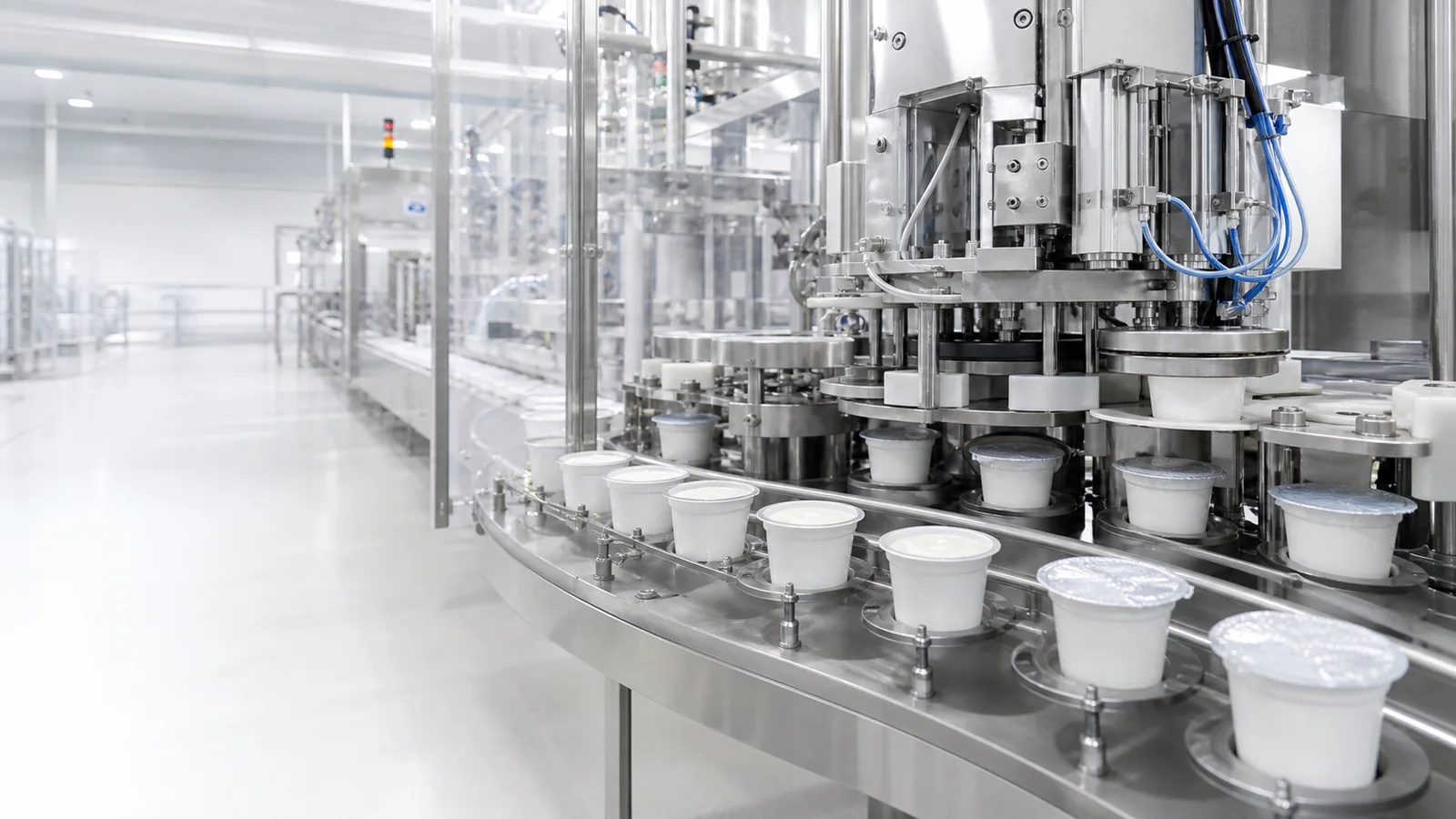
- Flowing yogurt, fruit yogurt, and thicker cheese cannot default to the same filling mechanism, and cup rim with roll film or peelable film also needs trial sealing. Please provide material, cup film samples, fill volume, particle condition, cleaning requirements, changeover specifications, and capacity.
Solution summary prepared for you
- Flowing yogurt can be independently evaluated on a liquid filling machine; thicker cheese requires actual samples to confirm the paste filling machine's suitability range.
- For fruit yogurt, provide particle size and complete material samples to verify the filling channel and cup rim cleanliness after filling.
- The small cup filling and sealing machine is suitable for processes where cup type, material, and lid film are confirmed; cup material and easy-tear film still need joint sealing tests.
Route comparison
- Suitable for projects where material, cup type, and sealing film process have been confirmed with actual samples, and cup denesting, filling, and film sealing are combined.
- The small cup filling and sealing machine can verify filling and heat sealing in the same process, and record cup-film changeovers.
- Flowing, fruit, and thick materials still need separate testing; the machine name does not imply sharing the same filling mechanism.
- When material consistency or particle boundaries are not yet clear, complete independent filling trials first.
- Use the small cup filling and sealing machine to verify mature cup packaging processes, with official sealing film and food-grade changeover parts.
- Suitable for projects where filling needs to be separated from the sealing process and equipment selected according to dairy product flowability.
- Liquid filling machines and paste filling machines can be used for sample testing around flowing yogurt and thicker dairy products, respectively.
- Material classification must be confirmed by actual consistency and particle state, not just product name.
- When the cup packaging process is stable and suitable for an integrated flow, prioritize evaluating the small cup filling and sealing machine to reduce segmentation.
- Test flowing samples on a liquid filling machine and thick materials on a paste filling machine, then connect to cup rim film sealing.
- Suitable for projects where the main cup type, material filling, and film heat sealing are all stable and continuous conveying needs to be organized by capacity.
- A chain conveyor cup/tray continuous sealing line can take over verified cup types and connect upstream and downstream processes according to positioning direction.
- Upstream filling division, cleaning, changeover, and conveying posture all need to be defined; a linked line does not solve unverified material issues.
- When multiple cup films and dairy products are still being repeatedly sampled, single-machine processes should be completed first.
- After the process is stable, evaluate a chain conveyor continuous sealing line and configure contact parts according to food-grade cleaning and changeover requirements.
Associated Equipment / Consumables
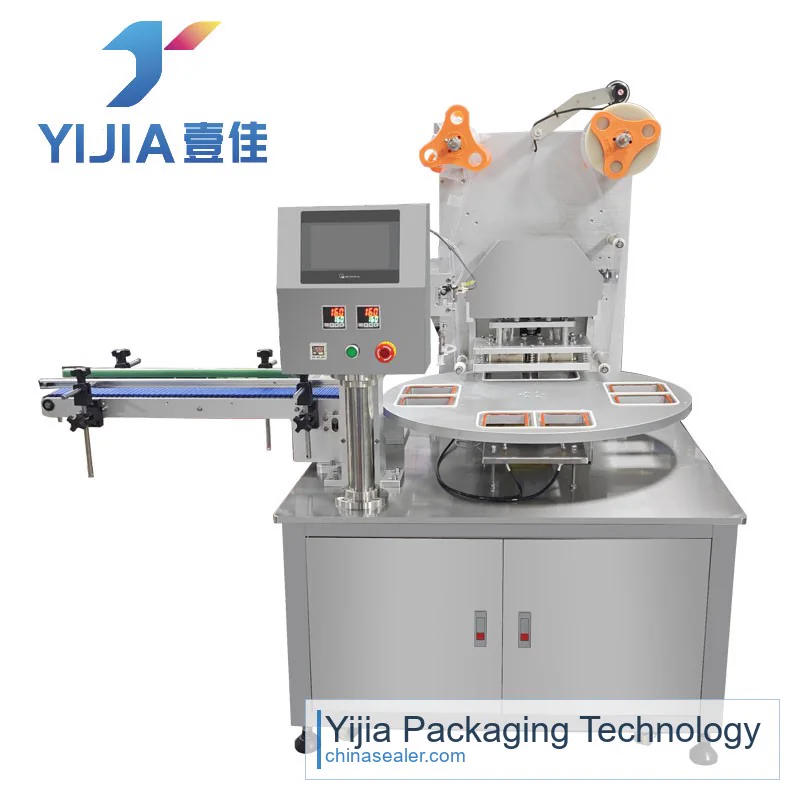 Automatic Small-Cup Filling and Sealing Machine
The machine denests cups, doses product, registers and heat-seals film, trims and discharges. Confirm cup stacking and rim, viscosity, particles, foaming or stringing, rollstock or pre-cut lids, peel and leak criteria...
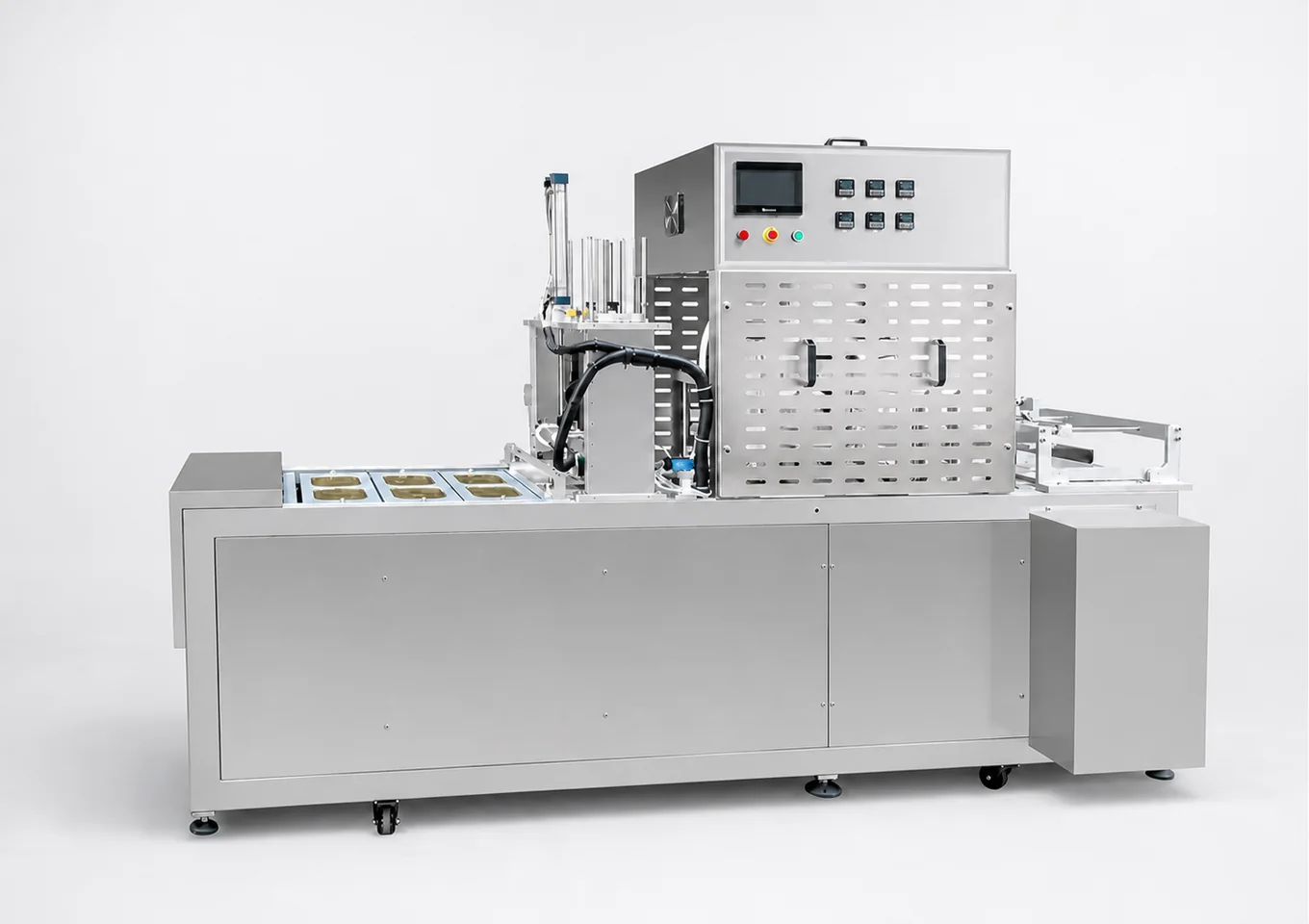 Chain Conveyor Cup and Tray Filling Sealing Line
Evaluate independent filling for flowing yogurt; Whether it is classified as flowing type is determined by the actual sample; after formula or temperature changes, rec...
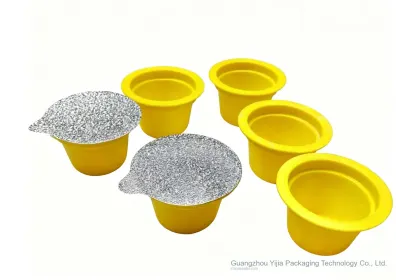 Cup Sealing Film and Easy-Peel Lidding Consumables
Group materials, cups, and films as a set; Establish a unique number for each material and cup type to avoid mixing different consistency or particle conditions in t...
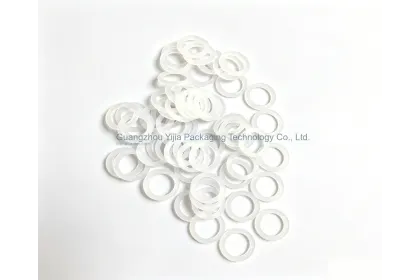 Product-Contact Seals, Cleaning Consumables and Change Parts
Group materials, cups, and films as a set; Establish a unique number for each material and cup type to avoid mixing different consistency or particle condi...
Core process
Prepare flowing yogurt, fruit yogurt, thick cheese, and all cup films, and specify fill volume, particles, cleaning, and changeover.
The small cup filling and sealing machine verifies cup denesting, filling, and heat sealing after material, cup type, and lid film are confirmed.
Yogurt with good flow can be tested on a liquid filling machine for discharge, fill volume, and cup rim cleanliness.
For thicker cheese or similar dairy products, use a paste filling machine to confirm suction/discharge and stop/close, and check the cup rim.
Test small cup sealing film, easy-tear film, and food-grade sealing, cleaning, and changeover parts in groups by cup material and material.
After cup type, filling, and film sealing samples are stable, evaluate the chain plate cup/box tray continuous sealing line based on target capacity and conveying positioning.
Sample details
Material samples are used to classify liquid or paste filling, and to observe particle passage and stop/close.
Provide samples of flowing yogurt, fruit yogurt, or cheese, and specify temperature, fruit particles, fill volume, and production status.Cup samples are used for cup denesting, molds, and film sealing support, and also help check rim cleanliness after filling.
Submit all cup types, indicating cup material, diameter, height, rim, and main specifications.The cup-film combination determines the sealing test scope; after changing film, recheck adhesion and opening performance.
Provide the official film for each cup type, noting the heat seal surface, easy-tear direction, and specification correspondence.This information is used to configure food-grade changeover parts and to help decide between integrated or independent filling.
List material changeovers, cup type changeovers, cleaning methods, target capacity, shifts, and main production order.Line information is used to evaluate chain plate continuous sealing and station integration after the sample process is stable.
Specify manual or automatic cup feeding, upstream/downstream equipment, conveying direction, and available space.Common selection mistakes
Test filling separately for each material type, then decide on the filling configuration for liquid, paste, or integrated machine.
Use a complete formula sample to observe filling and cup rim condition, and record production temperature.
Use the official film for each cup type to test sealing, and check the easy-tear direction and cup body support.
Include food-grade changeover parts and cleaning consumables in the production changeover checklist.
First complete small cup integrated or independent filling trials, then evaluate the chain plate continuous sealing.
View detailed technical notes
Classify Filling by Consistency and Particles First
Flowing yogurt, fruit yogurt, and thick cheese have different requirements for the filling path, so complete product samples must be used for evaluation.
Cup Material and Sealing Film Together Determine Heat Sealing
The small cup rim and roll film or peelable film should be tested as a set; the heat-seal layer and opening direction cannot be determined from specification sheets alone.
Integrated Machine for Established Cup Packaging Processes
A small cup filling and sealing machine can combine cup denesting, filling, and film sealing, but each dairy product must be individually verified for filling performance. Cup material, peelable film, fill volume, and cleaning changeover should also be included in the same trial record.
Flowing Materials Can Use Separate Liquid Filling
Yogurt with good flow can be tested on a liquid filling machine for fill volume and drip-free cutoff, then connected to cup rim film sealing. After formula or production temperature changes, recheck discharge and cup rim cleanliness.
Thick Cheese Requires Actual Samples to Verify Paste Filling
Thicker dairy products need to be observed on a paste filling machine for suction/discharge, cup rim contamination, and cleaning boundaries. When fruit particles or consistency change, filling conclusions from another material cannot be applied.
Fruit Particle Condition Cannot Be Inferred from Plain Yogurt
Particle size, hardness, and ratio all change the passing conditions, so representative trial filling should be completed with full fruit yogurt.
Cleaning and Changeover Vary with Material and Cup Type
Food-grade seals, cleaning consumables, tooling, and film materials should be organized into a changeover checklist according to production sequence.
Continuous Line Takes Over Stable Cup Packaging Results
After cup type, filling, and film sealing processes are stable, use a chain conveyor cup/tray continuous sealing line to evaluate conveying and positioning.
Common questions
Can liquid yogurt and cheese share the same filling machine?
It cannot be predetermined. Liquid yogurt can be tested on a liquid filling machine, while thicker cheese requires verification of the paste filling limits.
What additional material information is needed for fruit yogurt?
Please provide fruit particle size, hardness, ratio, and a complete yogurt sample, and observe the filling channel and cup rim contamination.
Under what conditions is a small cup filling and sealing machine used?
When the cup type, material, and lid film process have been confirmed with samples, a small cup integrated machine can be used to verify cup denesting, filling, and film sealing.
Is it enough to check only the thickness of the easy-tear film?
No. The heat seal layer of the film, the easy-tear direction, and the cup material must be tested as a set; thickness is only part of the packaging material information.
Why are cleaning consumables part of the selection information?
When changing materials, contact parts, sealing rings, and cleaning procedures will change, which affects daily changeover scheduling.
When should the continuous sealing line be evaluated?
After the main cup type, filling process, and film sealing are stable, compare the continuous line based on capacity, cup feeding, and conveying positioning.