Solution topic
How to Configure a Yogurt Cup Filling Line: Denesting, Filling, Sealing, Capping, Coding and Inspection
Configure cup denesting, filling, lidding, sealing, overcapping, laser or inkjet coding and inspection from cup rim, yogurt behaviour, drip, seal layer, cap, batch and downstream n
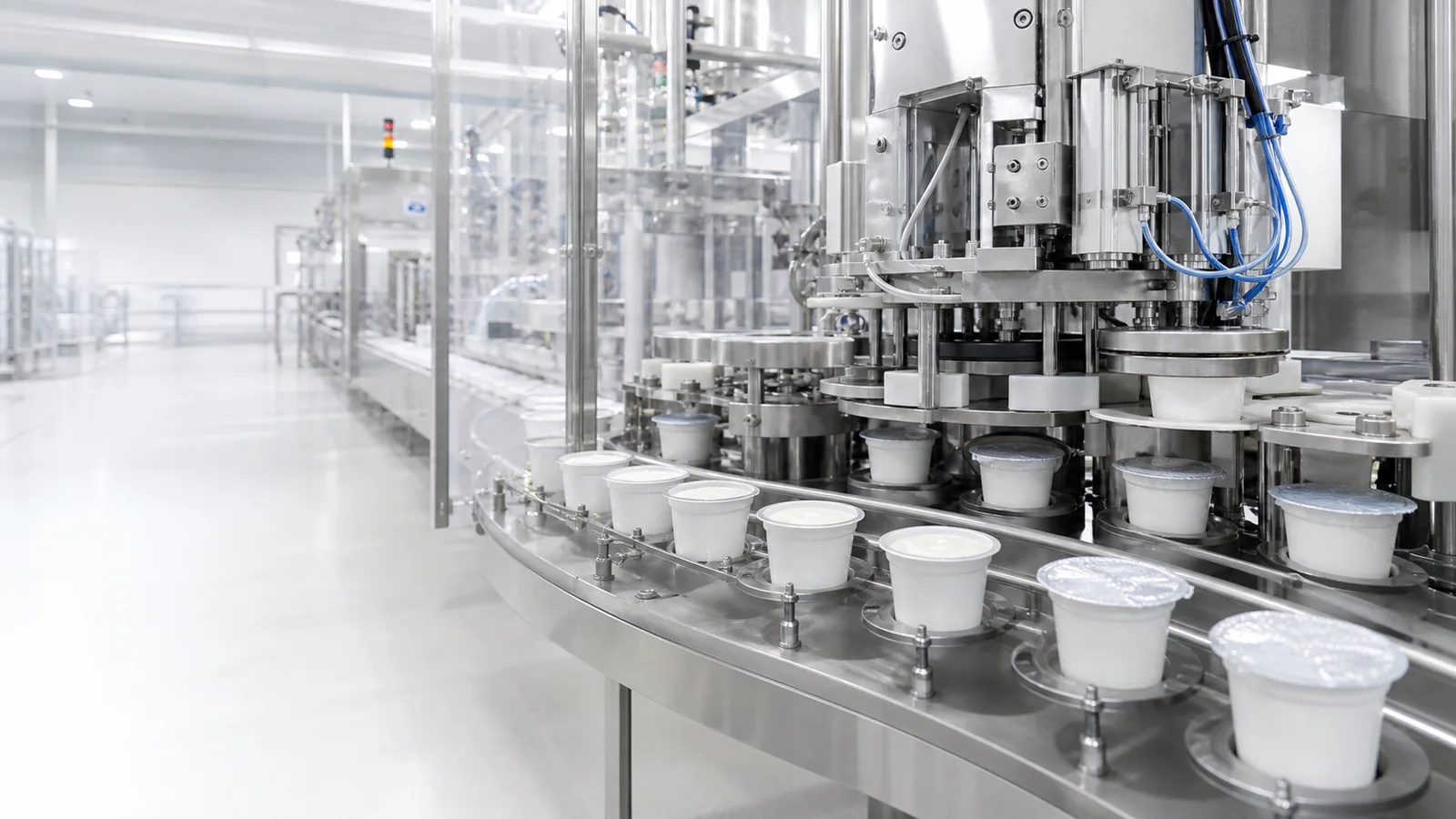
- Whether PP or PET cups use roll film, pre-cut film, or an additional snap-on lid changes the post-sealing stations. Fruit particle yogurt also requires attention to the filling channel and cup rim cleanliness, not just cup capacity comparison.
Solution summary prepared for you
- Yogurt cup equipment is first divided into integrated filling-sealing or independent sealing, then the lid closing station is arranged based on the actual structure of the outer lid.
- Fruit yogurt requires actual material to check the cup filling channel and rim residue; the cup and easy-peel film must be trial-sealed as a set.
- Date/batch coding can be printed after film sealing or capping; position selection is based on readability, adhesion performance, and no interference with the opening area.
Route comparison
- Suitable for production arrangements where yogurt is already dosed into cups, there are many cup types, or sealing process verification is done first.
- When filling is done elsewhere, only cup rim film sealing is handled; mold can be adjusted separately when changing cup specifications.
- Cup placement, removal, and upstream/downstream transfer need separate arrangement; sealing rate is also affected by manual or feeding method.
- When the project requires automatic cup denesting, dosing, and film lidding to be completed continuously, independent heat sealing cannot replace the filling-sealing main machine.
- Filled small cups can enter the small diameter cup sealing machine SGP-03; the sealing mold is determined by cup rim and film samples.
- Suitable for cup packaging projects that need to organize empty cup supply, yogurt filling, and cup rim film lidding as continuous processes.
- Cup denesting, yogurt dosing, and film sealing are connected in one process, reducing manual transfer of filled cups.
- Cup type changes affect denesting, positioning, and sealing parts; yogurt state changes also require re-observation of filling performance.
- If the product only requires heat sealing of already filled cups, configuring a full denesting-filling-sealing process adds unnecessary stations.
- The small cup filling and sealing machine handles cup denesting and film lidding; filling state, cup type, and small cup sealing film and easy-peel film consumables must be trial-run together.
- Suitable for yogurt cups that require closing an outer lid after film sealing, displaying date/batch code, and checking weight according to finished product specifications.
- Adding cup lid, batch code, and weight verification after inner film sealing implements packaging layers and recording requirements separately.
- Lid action, coding surface, and weight rules all need separate confirmation; new stations must coordinate with the transfer of finished cups from the previous section.
- When there is no outer lid or weight verification requirement, keep necessary film sealing and coding processes without stacking end-of-line equipment.
- After the small cup filling and sealing machine, evaluate the automatic screw capper based on lid samples, and use a collaborative date/batch coder and online checkweigher for end-of-line processing.
Associated Equipment / Consumables
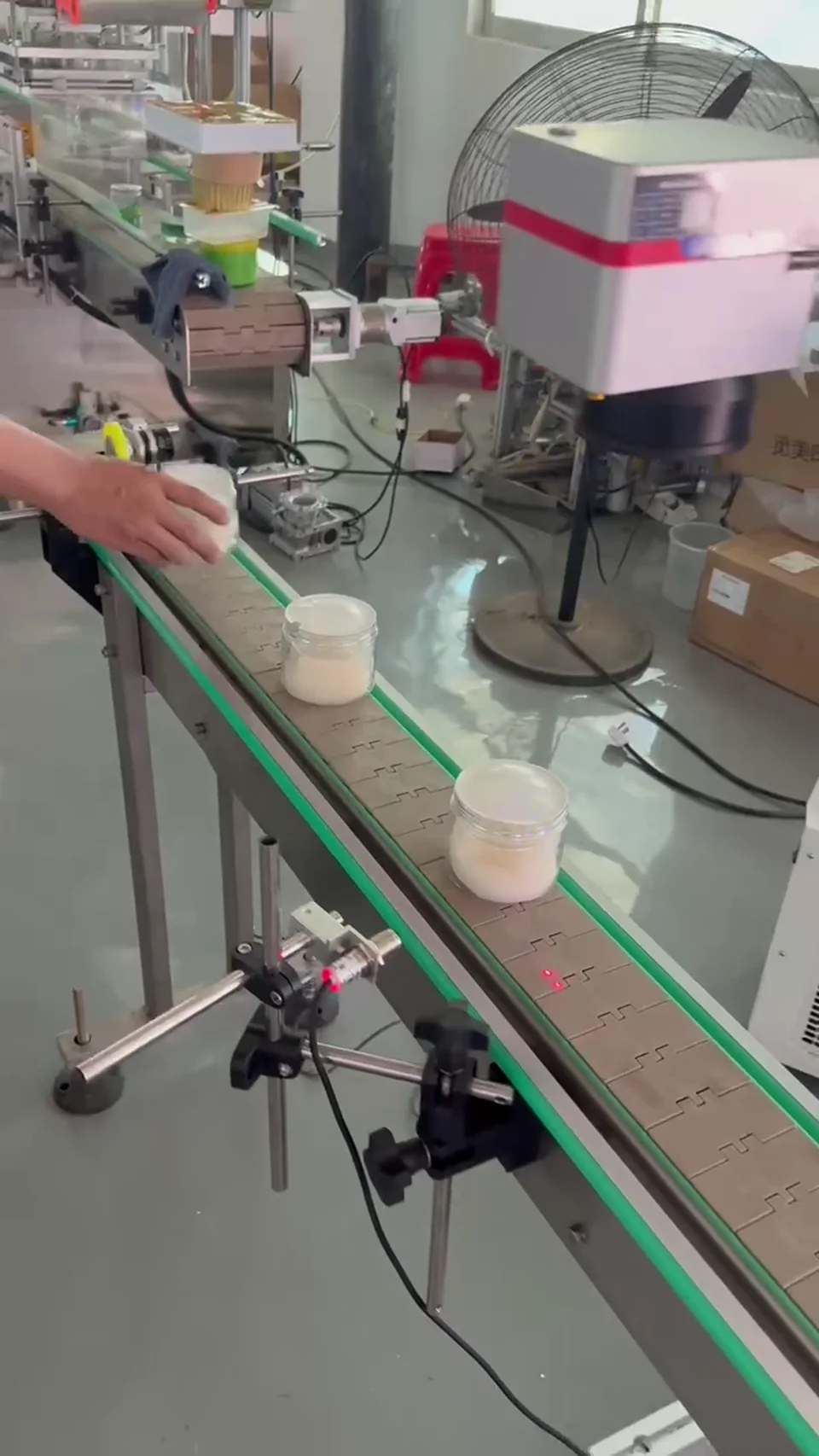 Inline Laser Marking Machine
For date, batch, QR or traceability marks on cups, trays, bottles, pouches and outer packs. Laser is not suitable for every material: validate reaction, contrast and readability with actual samples, then define guardi...
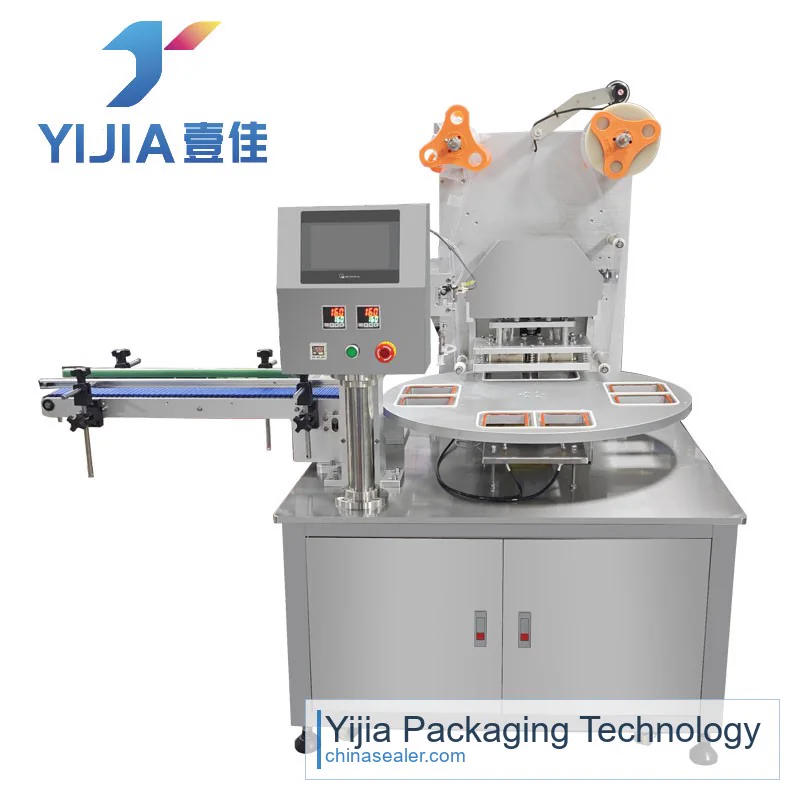 Automatic Small-Cup Filling and Sealing Machine
Independent cup rim heat sealing; This branch focuses on cup rim size, seal width, and film heat-seal layer during trial runs, suitable for processes where filling and...
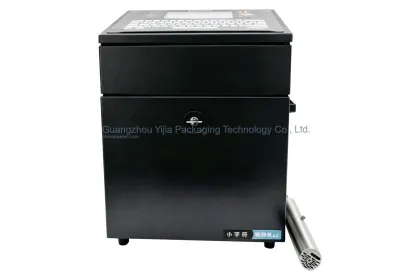 Date & Batch Inkjet Printer
Batch and weight inspection; Coding position should avoid the easy-peel opening area; checkweighing judgment must be established based on cup weight, film and lid weight, and target fill v...
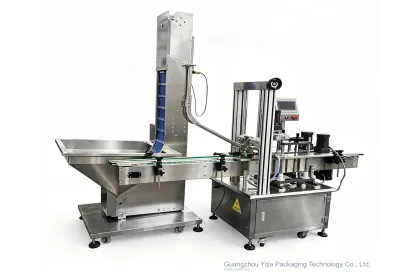 Automatic Screw Capping Machine
Yogurt filling and film sealing; Cup type, yogurt state, and film material jointly affect denesting, filling, and sealing actions; when changing specifications, corresponding change pa...
Core process
Cup rim contour, cup strength, sealing film, and cup lid should be submitted as a set; trial sealing results determine the mold and subsequent lid closing action.
When continuous cup denesting and film lidding are required, the small cup filling and sealing machine handles dosing and cup rim heat sealing, and the filling state is verified with actual yogurt.
If yogurt has already been filled into cups separately, the small diameter cup sealing machine SGP-03 can perform independent heat sealing without adding a filling station.
Only connect the automatic screw capper when the lid structure suits the corresponding closing action; snap or screw method is determined by trial with actual lids.
The date/batch coder can be a collaborative device for marking, while the online checkweigher sets verification and handling methods according to finished product weight rules.
After trial filling, sealing, and capping, check cup rim cleanliness, film surface condition, lid closing action, and finished product orientation during downstream transfer.
Sample details
Cup rim contour and cup strength affect denesting, positioning, and sealing molds; photos are for initial screening, actual samples for trial sealing.
Please provide cup photos, inner and outer rim dimensions, cup height, and material, and indicate whether automatic cup denesting is required.Roll film or pre-cut film has different heat-seal layers, thickness, and opening direction; they need to form a sample combination with the cup.
Please prepare sealing film specifications or sample rolls, and describe film structure, easy-peel direction, and printing registration requirements.The snap, screw, or press action of the outer lid determines the closing method and also affects whether there is enough clearance from the previous film sealing station.
Please submit lid samples and matching cups, indicating lid orientation, opening method, and desired closed state.Target rate and cup changeover frequency change station organization; continuous production also requires consideration of cleaning and material change arrangements.
Please list the main cup types, planned quantities for each specification, shift arrangements, and product changeover frequency.Batch coding, labeling, and checkweighing are not the same function; specify information location, label requirements, and weight judgment rules separately.
Please indicate the coding surface, batch content, whether labeling is required, and whether finished product weight verification is needed.Common selection mistakes
Cups with the same capacity may have different rims and heat-seal layers; the mold and sealing conditions cannot be determined by name alone.
Snap-on, screw-on, and press-in lids have different force directions; the closing mechanism must be selected based on the actual lid action.
The small cup filling and sealing machine handles cup denesting and film lidding; the automatic screw capper and collaborative date/batch coder are separate downstream stations.
Coding and checkweighing both require a usable finished product transfer section; arranging it too late can affect operation, rejection, and maintenance space.
The size and distribution of fruit particles change cup filling performance; trial results from plain yogurt cannot be directly applied to fruit particle formulas.
View detailed technical notes
First separate the cup, film, and outer lid layers
Whether yogurt cups need cup denesting, filling, and film lidding on one line, and whether an outer lid is added after sealing, results in different equipment combinations.
Decision sequence for the yogurt cup line
First verify the rim of PP or PET cups, the heat-seal layer of the sealing film, and the yogurt condition, then distinguish between integrated filling-sealing and separate sealing. Only arrange a capping station when a compatible external cup lid exists.
Independent heat sealing when filling is separate
If the yogurt has already been quantitatively filled into cups at another station, the small-diameter cup sealing machine SGP-03 can handle the cup mouth. This solution focuses on verifying cup positioning, film heat-seal layer, and opening feel; empty cup supply, filling, and finished product transfer need to be arranged separately.
Combined process of cup denesting, filling, and sealing
For continuous production, the small cup filling and sealing machine can connect cup denesting, yogurt filling, and film lidding. Cup shape changes affect denesting and molds, while fruit particle recipes require observing the filling channel and cup rim residue, so trial runs should include cups, film, and actual product.
Capping and inspection after film sealing
After inner film sealing, if the packaging also has a snap-on or screw-on lid, the automatic screw capper can be evaluated based on actual lid action. The batch number is applied by the collaborative date batch coder on an available surface, and the online checkweigher verifies weight according to finished product rules.
Sample checklist before equipment configuration
Cups, sealing film, outer lids, and actual yogurt product must be checked as a set, recording cup rim dimensions, heat-seal layer, lid action, and fruit particle condition separately.
Two main paths for cup mouth sealing
The small cup filling and sealing machine is used for continuous cup denesting and film lidding. For already-filled products, use the small-diameter cup sealing machine SGP-03 instead.
External cup lids require separate trial runs
The automatic screw capper is only included in the solution when the outer lid structure is compatible; snap-on, screw-on, or press-in actions cannot be judged by lid name alone.
Batch number position follows the packaging surface
The printing surface of the collaborative date batch coder should avoid the easy-tear area, and adhesion and readability should be checked on the actual film surface, lid surface, or cup body.
Weight verification is placed at the finished product stage
The online checkweigher needs to establish finished product weight rules based on empty cup, film lid, and target fill volume, while the cup transfer position is also included in the layout.
Common questions
How to determine the configuration of yogurt cup filling and sealing equipment?
First clarify the cup type, film material, yogurt state, capping method, and target production rate, then check the configuration separately for the filling-sealing main machine, independent sealing, or downstream line integration.
How to determine the output rate for yogurt cups?
The output rate is determined by cup type, station configuration, yogurt flow state, and sealing dwell time; it should be confirmed by trial runs with samples before finalizing the configuration.
Can we evaluate without cup samples for now?
You can initially assess the process direction with clear photos and key dimensions, but molds, cup denesting, and sealing parameters still need verification with actual cup and film samples.
How to match sealing film consumables?
Sealing film and easy-peel film consumables can be checked against the cup rim and opening requirements; the specific supply scope will be listed separately in the equipment list.
How to verify the cup filling channel for fruit yogurt?
First provide fruit particle size and yogurt sample, observe flow, shear, and cup rim residue through cup filling tests, then determine the usable filling channels.
Can capping and coding be added later?
It can be implemented in phases, but the initial layout must reserve cup transfer, equipment height, control signals, and operating space; new stations still require re-commissioning.