Solution topic
Coffee Powder Paper Can Aluminum Foil Sealing: Don't Mix Direct Heat Sealing Film with Lid Inner Gasket
Explains the differences among direct heat sealing of foil membrane on coffee powder paper cans, induction sealing of lid inner gasket, and outer cap pressing, with selection based
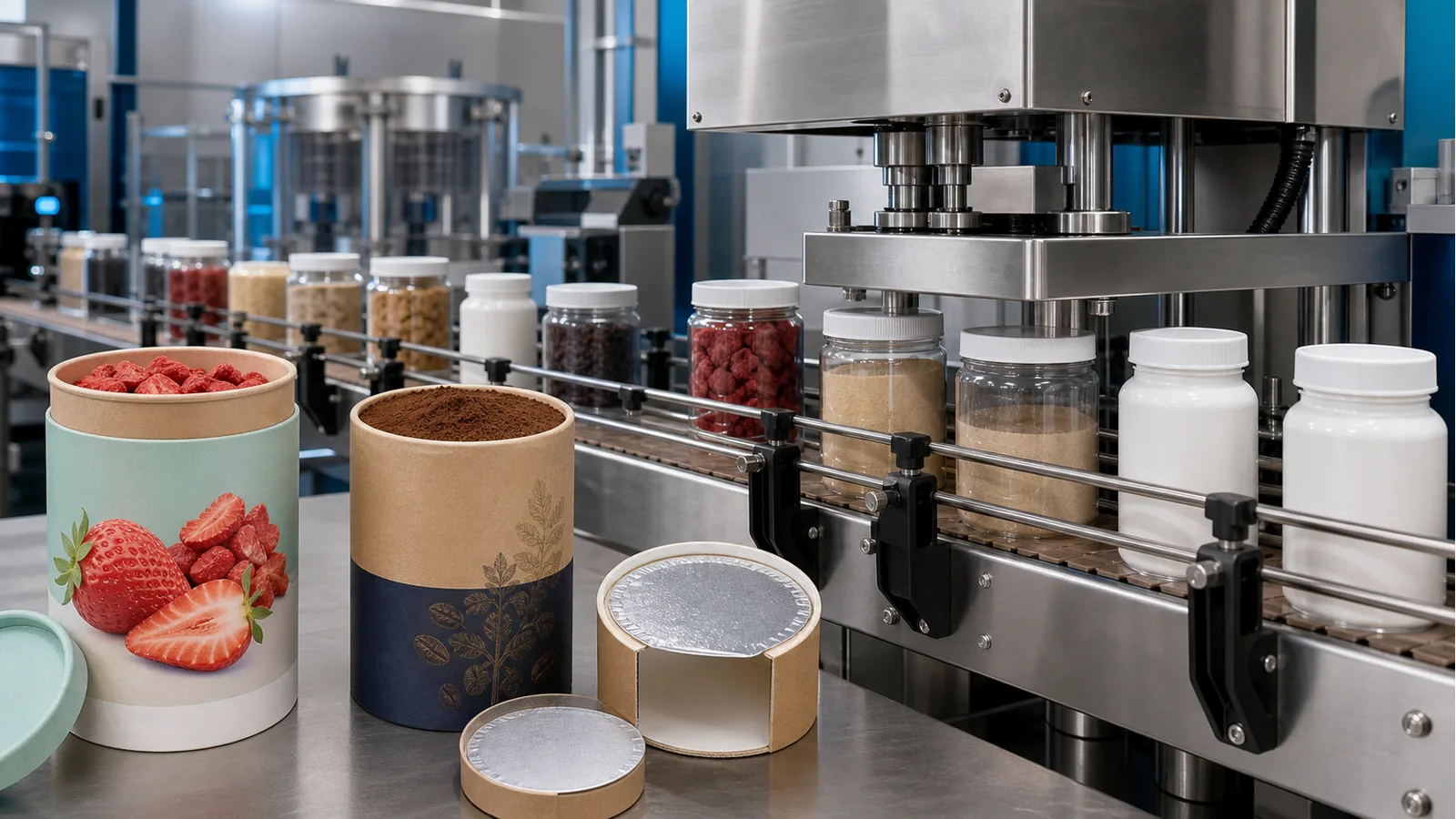
- For composite paper cans, a foil membrane can be directly placed over the mouth and heat-sealed; induction sealing is only considered when the screw cap has an aluminum foil gasket. Pressing the outer cap is another process. Provide paper cans, film/lid, coffee powder samples, fill weight, capacity, and label/batch position.
Solution summary prepared for you
- When coffee powder paper cans are directly covered with a separate aluminum foil film, use heat sealing. Only when a matching liner is pre-installed in the screw cap should induction inner sealing be evaluated.
- When paper cans are first heat sealed with aluminum foil film and then pressed with a plastic outer cap, a paper can/plastic pail aluminum foil sealing and press capping machine can be evaluated, using a complete set of can, film, and ca...
- Dust and rim cleanliness after coffee powder filling affect sealing. Equipment configuration cannot be based only on paper can opening diameter or empty can trials.
Route comparison
- When a separate aluminum foil film is directly placed on the paper can opening and a plastic outer cap is pressed after heat sealing, a combined sealing and cap pressing machine can be evaluated.
- Film sealing and cap pressing are continuously verified in a clear sequence. Use the same set of samples for can, film, and cap to check positional relationships.
- Rim flatness, dust, film heat-seal layer, and outer cap placement all affect the result. A single parameter cannot compensate.
- When the aluminum foil liner is pre-installed in the screw cap, or the paper can does not require outer cap pressing, select another branch based on actual assembly.
- A paper can/plastic pail aluminum foil sealing and press capping machine can be evaluated, with trials completed using coffee powder, paper cans, film, and outer caps.
- When the screw cap has a matching aluminum foil liner and the liner can stably fit the paper can opening after tightening, induction inner sealing can be evaluated.
- The relationship between screw capping and induction process is clear. Sealing results can be checked around the actual can and cap liner combination.
- Cap closure condition, liner position, and can opening fit must all be satisfied. Do not configure based on separate film heat sealing parameters.
- When the paper can uses a separate aluminum foil film directly covering the opening, or the screw cap has no matching liner, the induction route is not used.
- A benchtop air-cooled induction aluminum foil sealing machine can be evaluated, with tests completed using actual paper cans, screw caps, and liners.
- When the batch number position and layout on the can body, bottom, or label are confirmed and official consumables can be provided, date coding can be configured.
- Coding can be tested independently after main sealing, making it easy to set trigger and reading direction based on paper can orientation.
- Label obstruction, can body friction, and coding surface all affect readability. The position must be checked together with the label layout.
- When batch number content, position, or label layout is not yet determined, do not fix the coding station.
- A date and batch inkjet coding machine can be evaluated, with trial coding completed according to official paper cans, layout, and conveying orientation.
Associated Equipment / Consumables
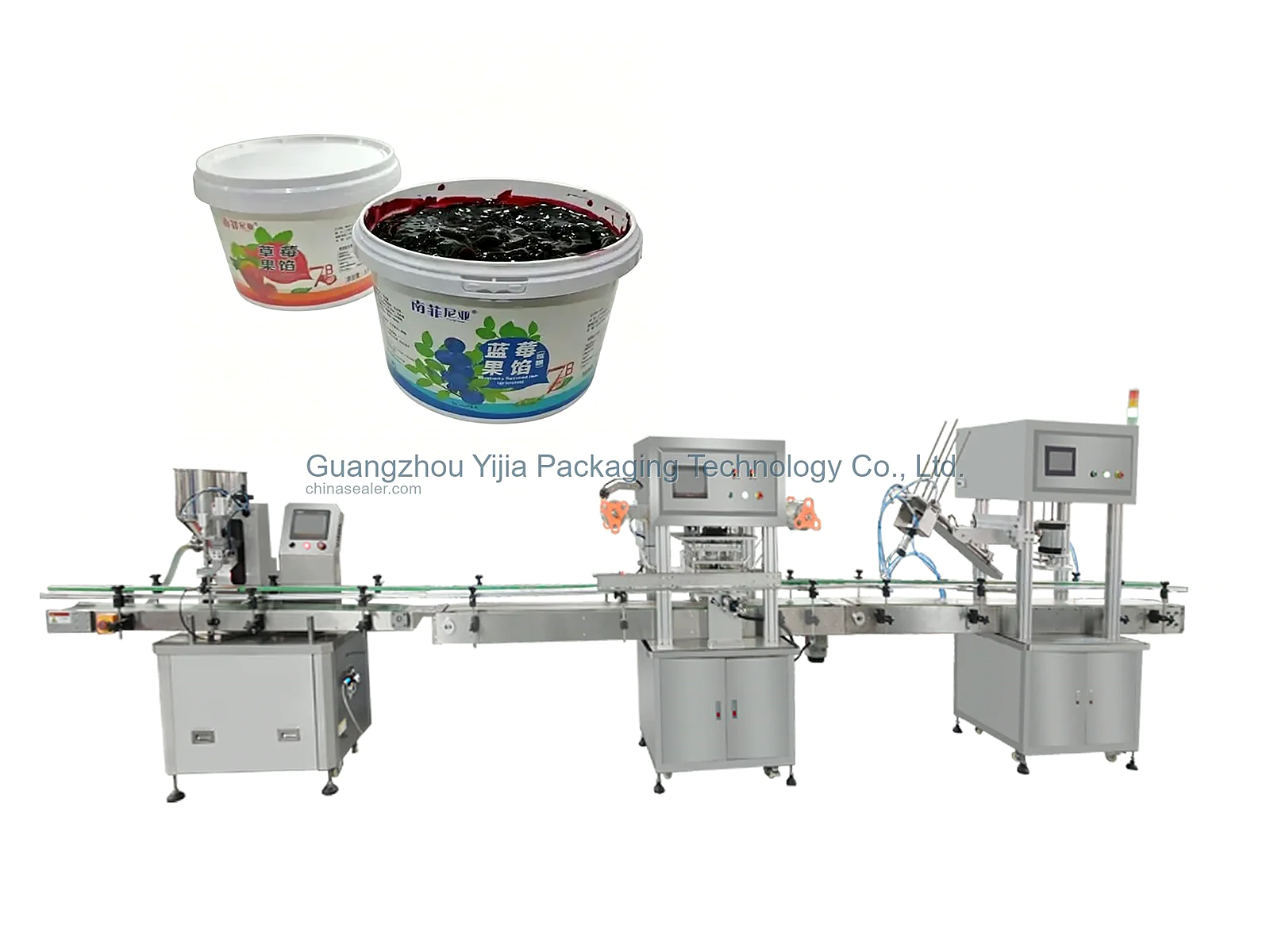 Paper Can and Plastic Pail Foil Heat Sealing and Capping Machine
The machine places foil directly on a paper can, plastic can or pail rim, heat-seals it, then presses the required closure. This differs from induction sealing a foil liner inside a tightened cap. Trial the container,...
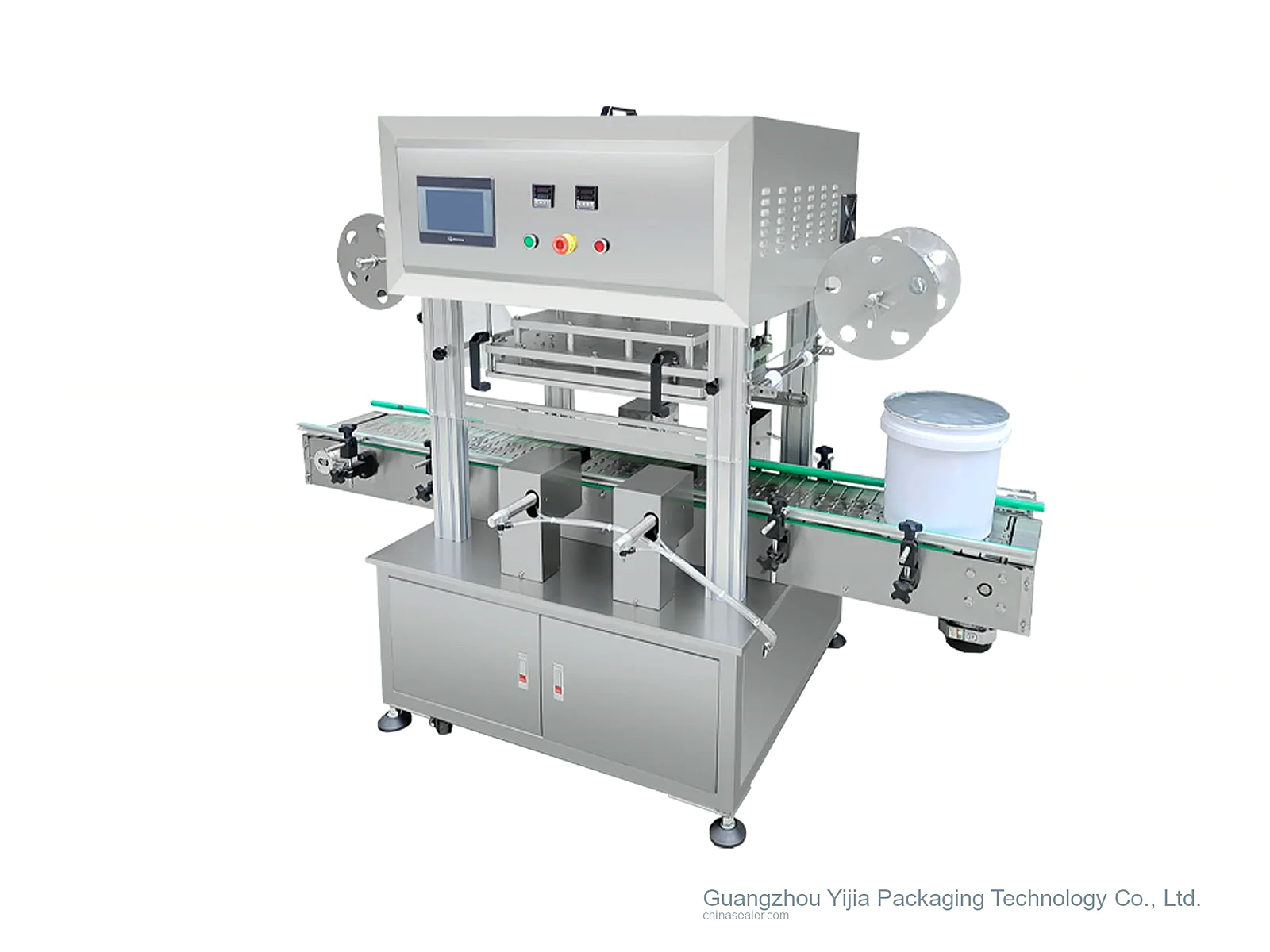 Large-Diameter Pail Heat Seal Sealer
Coffee powder, paper can, film and cap verification; Also specify fill volume, rim cleaning method, planned output, label and batch number positions, so that sealing and downstrea...
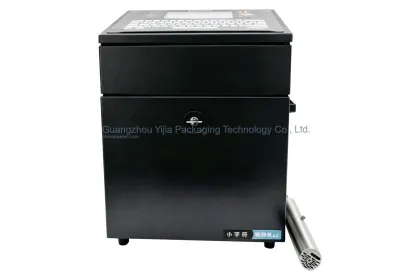 Date & Batch Inkjet Printer
Paper can body labeling; After sealing is stable, conduct continuous trial labeling. Observe can rotation, label seams, and flatness. The labeling structure cannot be selected based only o...
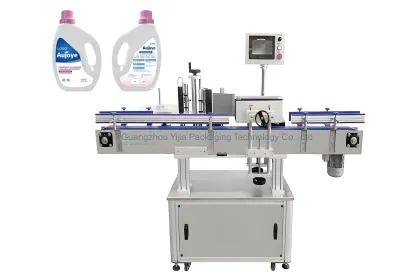 Round-Bottle and Front/Back Labelling Machine
Paper can body labeling; After sealing is stable, conduct continuous trial labeling. Observe can rotation, label seams, and flatness. The labeling structure cannot be sel...
Core process
First submit coffee powder, composite paper cans, separate aluminum foil film or cap liner, and corresponding outer caps. The placement of the aluminum foil material determines the heat sealing or induction route.
When aluminum foil film is directly placed on the paper can opening and a plastic outer cap is pressed after sealing, a paper can/plastic pail aluminum foil sealing and press capping machine can be evaluated.
If the aluminum foil liner is pre-installed in the screw cap and can stably contact the can opening after tightening, a benchtop air-cooled induction aluminum foil sealing machine can be evaluated.
The date and batch inkjet coding machine is trial-coded at the agreed position on the can body, bottom, or label. The layout and trigger are confirmed with the paper can conveying orientation.
The round bottle square bottle labeling machine can be trial-labeled according to the paper can surface, label size, and layout, and checked together with the batch number position.
The main sealing trial needs to cover the rim condition after coffee powder filling, then confirm downstream integration based on the actual cycles of sealing, cap pressing, labeling, and coding.
Sample details
The filling state is used to observe rim dust and positioning. The paper can structure affects the tooling and sealing force.
Provide actual paper can samples, key dimensions, and actual coffee powder, and specify the fill volume, drop method, and common specifications.Whether the material is on the can opening or in the cap determines two different equipment routes: heat sealing and induction.
Submit the directly placed aluminum foil film or the aluminum foil liner in the screw cap, and specify the heat-seal layer and actual assembly sequence.The cap type determines the pressing or screwing mechanism and also affects whether the liner and can opening are in stable contact.
Provide actual samples of plastic outer caps, screw caps, inner caps, or snap caps, and specify the cap application sequence before and after film sealing.The actual cycle is used to arrange stations and conveying. The entire line cannot be estimated from the main machine speed alone.
List the target number of cans per hour or per shift, and which stations (film sealing, cap pressing, labeling, coding) need continuous operation.Label and coding positions need to avoid mutual obstruction. Site information is used to confirm conveying direction and operating space.
Prepare official label rolls, batch number layout, application position, and site layout, and specify whether other downstream inspections are needed.Common selection mistakes
The solution documentation should specify where the aluminum foil material is placed and when the cap is added, then select the sealing equipment and tooling.
Observe the drop and cleaning before film sealing. Record the film surface and rim to avoid empty cans passing while production conditions are unstable.
Official paper cans and film material need to be tested together. Parameters from another film material cannot be directly applied.
Send the can, film, and cap as a complete set and specify the sequence to reduce rearranging the capping station after the sealing machine is completed.
Trial the official label roll and batch number proof with the paper can for labeling and coding. Confirm the downstream cycle after the main sealing is stable.
View detailed technical notes
First Clarify Whether the Foil Membrane Is Placed Independently or Inside the Lid
For composite paper cans, a foil membrane is directly placed over the mouth and heat-sealed. Induction sealing is only considered when the screw cap has a matching gasket pre-installed. Pressing the outer cap is a separate closing action; the three must not be conflated.
Submit Complete Samples of Coffee Powder, Paper Can, Film, and Lid
After filling, dust may enter the sealing contact area. When submitting requirements, provide coffee powder, paper cans, foil membrane or gasket, outer cap, fill weight, and planned output.
Direct Heat Sealing of Film Followed by Pressing the Outer Cap
When a paper can requires an inner foil seal and then a plastic cap is pressed on, a paper can/plastic pail foil sealing and cap pressing machine can be evaluated, with integrated inspection of film feeding, sealing, and cap placement.
Screw the Lid with Inner Gasket First, Then Apply Induction Sealing
When the screw cap has a suitable aluminum foil gasket and the cap closes stably, a tabletop air-cooled induction foil sealing machine can be evaluated. Direct film heat sealing does not belong to this process.
Test Print Batch Number Position and Consumables Together
The date/batch inkjet coder is configured according to the agreed position on the can body, bottom, or label, and official consumables are used to check adhesion and readability.
Jointly Verify Can Body Labeling and Coding Layout
A round/square bottle labeling machine can be tested with the paper can surface and label size. Label seams, batch number area, and conveying posture should be confirmed in the same layout.
Main Sealing Equipment Is Determined by Packaging Material Assembly
For independent film placement plus outer cap, a combined sealing and capping machine can be evaluated. For a lid inner gasket, evaluate screw capping followed by induction sealing. First distinguish the material position, then discuss output and line integration.
Downstream Marking Is Integrated After Sealing Is Stable
Labeling and coding use official paper cans, label rolls, and layouts for testing; actual cycle time is confirmed based on continuous can flow after the main sealing process.
Common questions
Should paper can aluminum foil sealing use heat sealing or induction?
When a separate aluminum foil seal is placed directly on the paper can opening, use heat sealing. Induction foil sealing should only be considered when the aluminum foil liner is pre-installed in the screw cap and fits the can opening.
What process is used when a plastic cap is added after film sealing?
First heat seal the separate aluminum foil film on the paper can opening, then press on the plastic outer cap. A paper can/plastic pail aluminum foil sealing and press capping machine can be evaluated.
Why provide an actual coffee powder sample?
Dust may fall on the sealing contact surface. Actual filling can check the drop position, rim cleanliness, and whether cleaning is needed before sealing.
Can it be configured with only the paper can opening diameter?
Only a preliminary judgment is possible. The film heat-seal layer, can opening flatness, cap assembly, and dust condition all affect the final equipment and tooling.
How to verify the paper can sealing effect?
Use coffee powder, official paper cans, film material, and outer caps for continuous trials. Record the rim, film surface, and cap closure, and check the packaging condition according to the agreed method.
When are labeling and coding integrated?
Connect after the main sealing and cap pressing cycle is stable. Label rolls, batch code layout, and position can be submitted for trial first during the layout stage.