Solution topic
Ointment and Gel Tube Line: Filling, Tail Sealing, Coding and Weight Verification
Configure tube feeding, filling, tail sealing, trimming, coding, inline checkweighing and cartoning from the tube, tail structure, product condition, samples and acceptance criteri
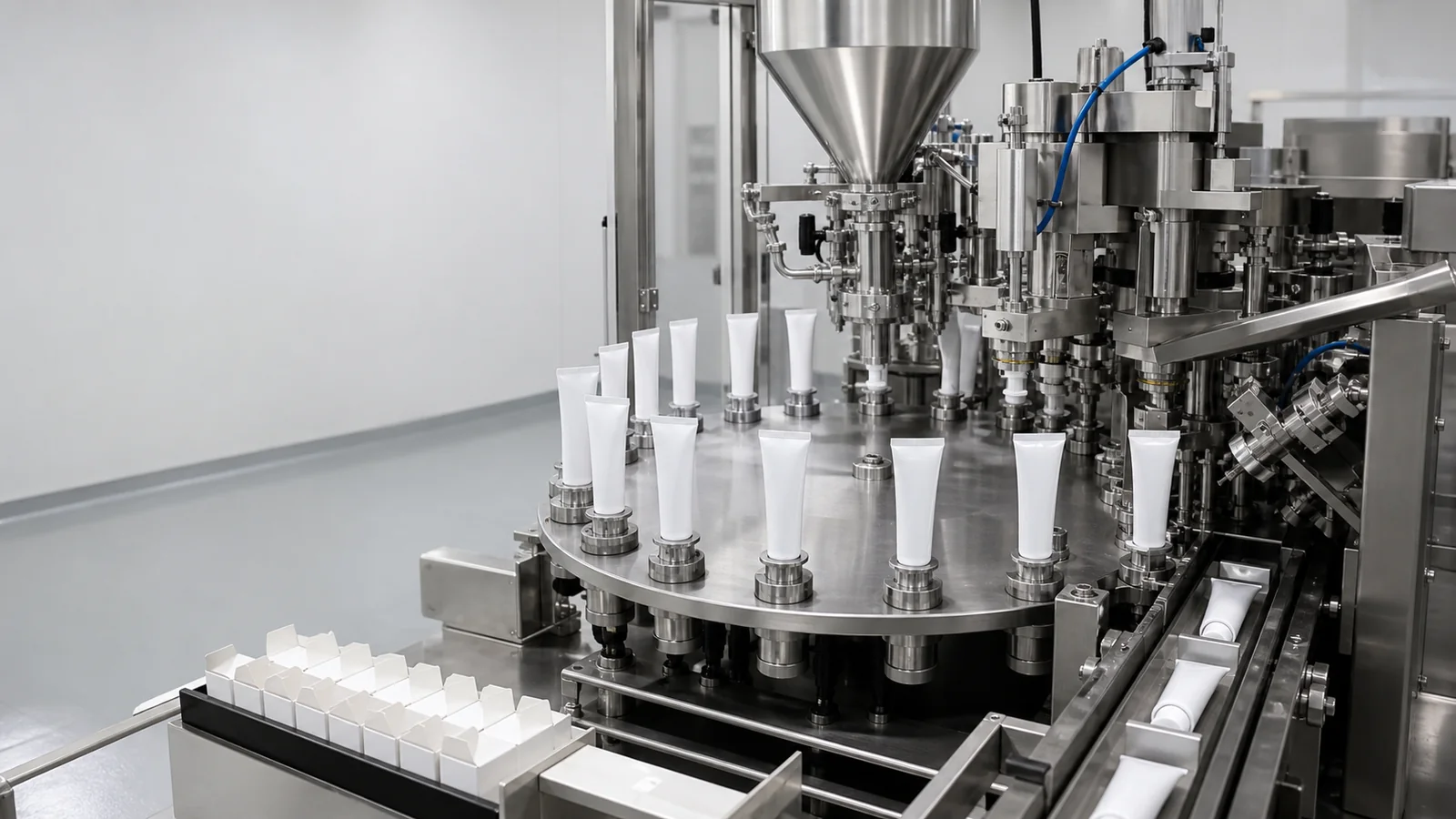
- Stabilise filling and tail sealing for the tube, tail material and product before adding batch traceability, inline checkweighing and cartoning.
Solution summary prepared for you
- Ointment and gel tubes are first separated by empty or filled incoming material. Empty tubes use an automatic tube filling and sealing machine; filled tubes use a tube tail sealing and coding machine.
- When the tail seal already has a batch number, do not repeat coding; only add a date batch coder when another traceability position is set on the tube body or outer packaging.
- An online checkweigher should be configured only after clear fill volume judgment and rejection methods; it cannot be treated as a fixed component of a tube tail sealing line.
Route comparison
- Suitable for empty tube feeding and production requiring continuous completion of ointment or gel filling, tail sealing, coding, and trimming.
- The automatic tube filling and sealing machine connects the main processes, making it easy to check fill volume and tail seal status around the same batch of tube samples and materials.
- Tube material, diameter, fill volume, content flowability, and tail code position must all enter the trial; when changing specifications, molds and filling parts must also be checked.
- When incoming material is already filled and only tail sealing and batch number are needed, do not configure a filling station again.
- The main machine uses an automatic tube filling and sealing machine; downstream equipment is combined separately according to traceability and inspection standards.
- Suitable for post-processing where contents are already in the tube and only tail sealing, batch number, and trimming are needed.
- The tube tail sealing and coding machine focuses on tail processes, avoids redundant filling, and facilitates separate trials for various filled incoming materials.
- Need to check tail allowance, seal width, character position, and trim edge boundary; incoming overflow or tail contamination should also be included in inspection.
- When empty tubes are not yet filled and the plan is to integrate filling and tail sealing, switch to a filling and sealing main machine.
- The main machine uses a tube tail sealing and coding machine; if there is another traceability position, connect a date batch coder.
- Suitable for projects where the main machine route is already defined and there are additional requirements for tube body printing, fill volume verification, or stable tube labeling.
- Each downstream station is independently selected based on clear standards, allowing code, weight, and label position to be included in acceptance records separately.
- Coding, checkweighing, and labeling each have their own prerequisites, especially labeling, which requires verifying the conveying orientation and locatable surface of the finished tube.
- When the tail code already meets traceability, there is no weight rejection standard, or the tube cannot be stably positioned, the corresponding downstream station should not be added to the equipment combination.
- Use inkjet coding machine, online checkweigher, or round/square bottle labeling machine as needed, each confirmed with samples and inspection methods.
Associated Equipment / Consumables
Core process
Check tube material, diameter, length, tail shape, and content flow state in the same trial, first clarifying filling and tail sealing conditions.
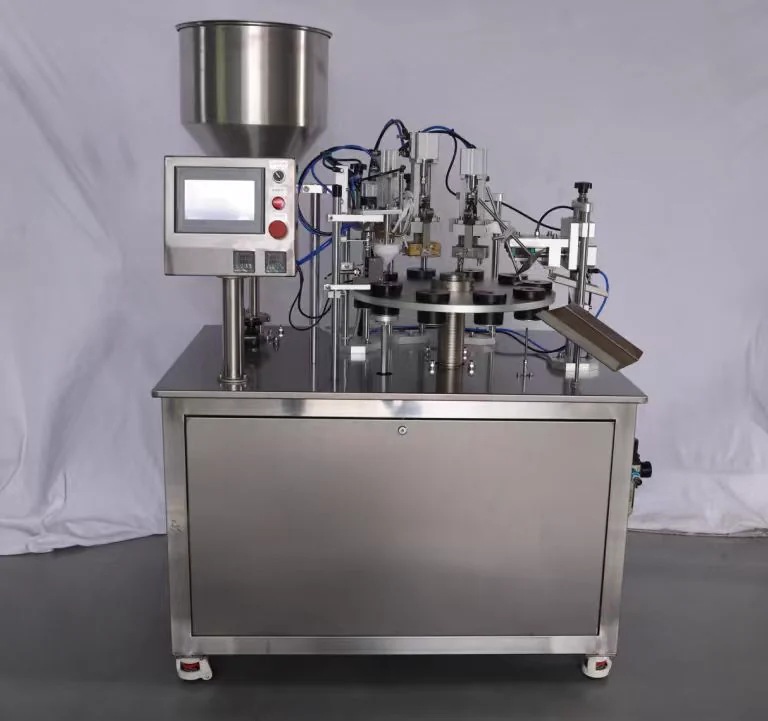
When empty tubes enter production, the automatic tube filling and sealing machine connects metered filling, tail sealing, coding, and trimming; specific stations are determined by actual samples.
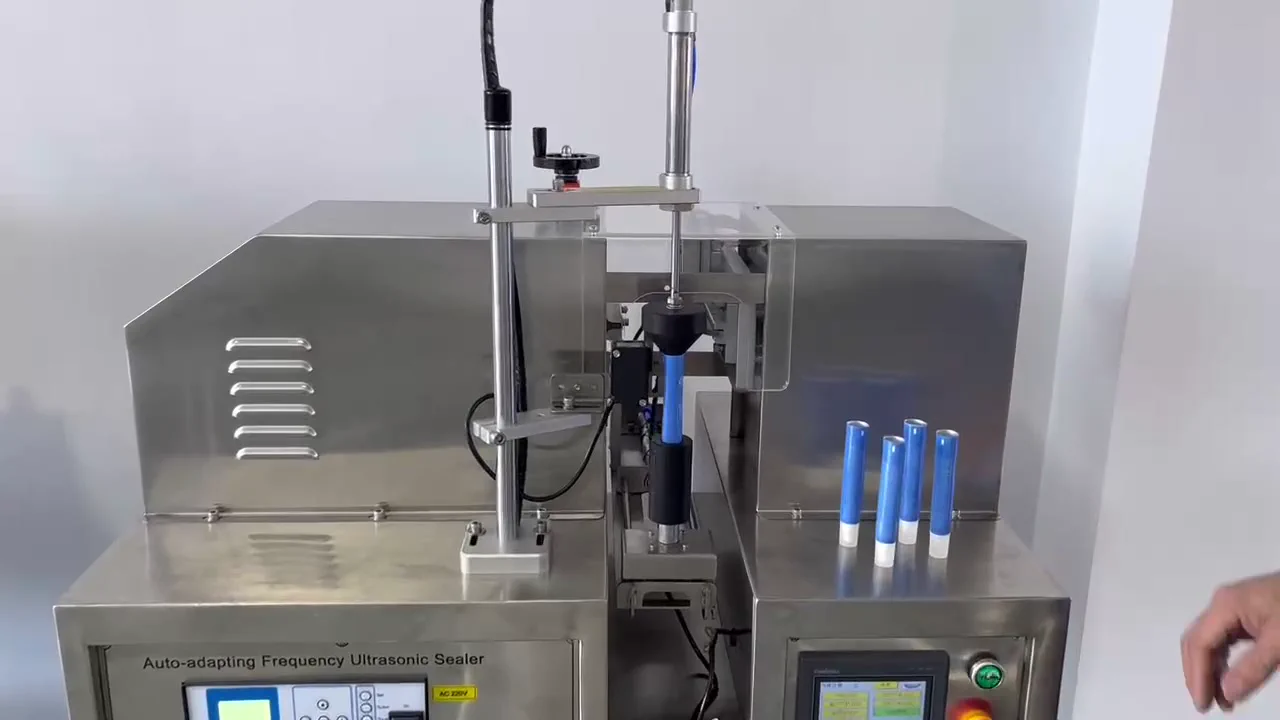
When incoming material is already filled, the tube tail sealing and coding machine handles tail sealing, batch number, and trimming, without redundant filling units.
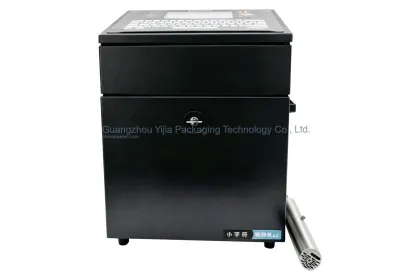
When another traceability position is needed on the tube body or outer packaging in addition to tail seal coding, configure a date batch coder.
If the project has defined finished product weight judgment range and rejection rules, evaluate an online checkweigher after tail sealing.
The round and square bottle labeling machine is only evaluated when the tube has a stable conveying posture and a repeatable positioning surface; if the tube is too soft or unstable, dynamic trial labeling is needed first.
Sample details
This information is used to distinguish between filling and sealing integrated machines and tail sealing and coding machines, and to prepare clamping, tail sealing, and trim edge trial conditions.
Indicate empty or filled tube, and provide tube material, diameter, length, tail shape, and photosThe viscosity, stringiness, or particle content of the material affects the filling pump, filling nozzle, and anti-drip closure method.
Provide actual ointment or gel samples, planned fill volume, and flow state descriptionFirst distinguish the information carried by tail seal coding and independent coding to avoid characters being trimmed, squeezed, or covered by labels.
Attach tail seal image, batch number content, character direction, and additional printing positionInspection items determine whether online checkweighing is needed and provide executable basis for trial sampling and downstream rejection processes.
List the judgment methods for seal pattern, trim edge, characters, and fill volume, as well as non-conforming product handling requirementsThis information is used to evaluate tube feeding methods, mold changes, parameter switching, and buffer arrangements between stations.
Provide shift output, tube specification quantities, and changeover frequency for each specificationOn-site layout determines equipment arrangement and conveying direction; the labeling branch should also be dynamically trial-labeled with finished tubes filled with material.
Provide available space, material flow direction, and interfaces for coding, labeling, checkweighing, or case packingCommon selection mistakes
First indicate the incoming condition, then separately check the automatic tube filling and sealing machine or the tube tail sealing and coding machine to reduce process scope misjudgment.
Tube samples should be sent for testing with the tail shape and actual filling state, observing seal pattern, pinch marks, and trim edge before organizing changeover requirements.
First map out each character position and content, and only evaluate a date batch coder when there is indeed a second traceability position.
First establish a fill volume inspection standard, then determine whether the online checkweigher's range, rate, and rejection method are suitable.
Use finished tubes after tail sealing and formal labels for trial labeling, confirming the positioning surface, label roll direction, and sequence relative to the coding station.
View detailed technical notes
First Clarify Incoming Material and Finished Product Requirements
The first step in selecting a machine for ointment tubes is to clarify whether the incoming material is empty tubes or already filled tubes. Then verify the tube material, tube diameter, product state, tail code, and fill volume inspection requirements, so that the main machine and downstream equipment have clear boundaries.
Test Materials and Tubes Together
Plastic tubes and aluminum-plastic laminated tubes react differently to heat during tail sealing, and ointments and gels can change the filling and closing state. Trial runs should simultaneously observe filling residue, tail contamination, seal pattern, and trim edge condition.
Use an Integrated Filling and Tail Sealing Machine for Empty Tubes
When empty tubes enter production, a fully automatic tube filling and sealing machine can complete filling, tail sealing, batch coding, and trimming. Tube diameter, fill volume, and product flowability determine the filling components and changeover solutions.
Use a Tail Sealing and Coding Machine for Pre-filled Tubes
When incoming tubes are already filled with ointment or gel, a tube tail sealing and coding machine handles tail sealing, coding, and trimming. The focus here is on tail allowance, overflow condition, code readability, and tube body appearance after clamping.
Verify Traceability Position for Additional Coding
An inkjet coding machine is used for additional information beyond the tail seal batch code. After submitting the code content and position drawing, avoid squeeze areas and label coverage, and confirm the readable direction.
Sample Materials Determine Main Machine Boundaries
Tubes, caps, contents, and label proofs should be submitted as a complete set, with the incoming material state noted. This allows filling, tail sealing, trimming, and traceability conditions to be organized in a single trial run.
Record Tail Sealing Results According to Agreed Method
Different tube materials require separate retained samples to check seal continuity, tube body clamping marks, tail code clarity, and trim condition. Parameter values are established through trials with official tube samples and materials.
Checkweighing Is a Conditional Option
Only when the project has defined fill volume acceptance and reject handling methods does an online checkweigher have a clear purpose. The equipment must also match the post-sealing finished product orientation and the overall line speed.
Flexible Tube Body Labeling Requires Dynamic Trial Labeling
A round/square bottle labeling machine is not suitable for all tubes. If the filled tube body can be conveyed stably and repeatedly positioned, then evaluate the equipment based on label roll direction and application position.
Line Integration Based on Station Standards and Takt Time
After the main machine completes sample trials, integrate necessary coding, checkweighing, or labeling stations into the conveyor. Each interface should specify the trigger method, finished product flow, and reject handling.
Common questions
Can the main machine direction be determined before all information is complete?
You can first submit photos of the tube, incoming condition, tube diameter, and a description of the contents. After preliminarily determining whether it is empty-tube filling and tail sealing or filled-tube tail sealing, then send tube samples, materials, and label artwork.
What information should be prepared before confirming the process?
You need actual tube and cap samples, tube material and diameter, ointment or gel samples, fill volume, tail code position, planned production rate, and downstream inspection requirements.
Which stations are affected by the production rate?
The production rate affects the tube feeding method, filling head configuration, tail sealing cycle, and downstream conveying connection. The equipment combination should be based on actual material trials and shift arrangements.
Why should the tube material be tested together with the material?
The tube material determines the heating conditions for tail sealing, while the material state affects filling closure and tail contamination risk. Testing both together allows simultaneous checking of fill volume, seal pattern, and trim edge.
How to verify the tail sealing and fill volume results?
First agree on the seal pattern appearance, tail code readability, trim edge condition, and fill volume judgment method, then use formal tubes and contents for continuous sampling and recording.
When is it necessary to connect downstream lines?
When additional coding, stable labeling, or weight verification needs continuous connection, plan conveying according to each station's rate. For only tail sealing needs, you can start with a main machine trial.