Solution topic
How to Choose Cosmetic Paste Filling, Sealing, Capping and Labeling? Start With Paste State, Container and Packaging Materials
For cosmetic cream filling, sealing, capping, and labeling, first confirm container, material, film, cap type, capacity, and on-site line integration needs. The equipment route includes cream filling, foil sealing (optional), and capping. Submit sample photos, dimensions, and target capacity to facilitate equipment matching and quotation.
- Cosmetic cream packaging should not be selected by filling machine name alone. First confirm cream viscosity, particles, container mouth, cap structure, and label position, then decide the filling, sealing, capping, and labeling route.
- How to Choose Filling, Sealing, Capping and Labeling for Cosmetic Pastes
First Break the Requirement Into Key Points
I need to pack cosmetic paste with filling, sealing, capping, and labeling. Where should I start when choosing equipment?
First determine the packaging route
Cosmetic cream packaging should not be selected by filling machine name alone. First confirm cream viscosity, particles, container mouth, cap structure, and label position, then decide the filling, sealing, capping, and labeling route.
Paste Filling + Capping + Labeling Route
Suitable for: Pastes and emulsions with good flow, using screw caps or pump heads on round or square bottles. Advantages: Filling followed directly by capping for a compact process, suitable for medium to high output. Limitations: For high-viscosity pastes or those containing particles, filling nozzles and capping torque require sample testing. Not recommended: If paste requires heat-sealing aluminum foil before capping, evaluate the sealing step first. Equipment direction: We can provide paste filling machines, automatic cappers, and round/square bottle labeling machines in an integrated line.
Paste Filling + Induction Aluminum Foil Sealing + Capping + Labeling Route
Suitable for: paste products requiring leak-proof, moisture-proof, or tamper-evident features, with aluminum foil liner inside the cap. Advantages: Induction sealing provides additional seal protection, suitable for products with high transport and shelf-life requirements. Limitations: Aluminum foil liner needs to match bottle mouth and cap; sealing effect must be tested with samples. Not recommended: For wide-mouth jars or paper cans, induction sealing may not be suitable; consider heat press sealing instead. Equipment direction: We can provide paste filling machine, online induction aluminum foil sealing machine, automatic capping machine, and labeling machine in-line.
Paste Filling + Heat-press Sealing + Capping + Labeling Route
Suitable for: Wide-mouth bottles, plastic pails, or paper cans, using aluminum foil or composite film directly heat sealed on the mouth. Advantages: Heat press sealing adapts well to wide-mouth containers, flexible film selection. Limitations: Film and container material compatibility needs testing; sealing temperature and pressure require adjustment. Not recommended: For high-speed line production, heat press sealing cycle may be slower than induction sealing. Equipment direction: We can provide paste filling machines, in-line bottle heat press sealers, automatic cappers, and labelers.
Recommended Equipment Route: Paste Filling
Suitable for viscous materials such as cream and lotion, with quantitative filling and in-line connection.
Recommended equipment route: Aluminum foil sealing (optional)
Used for induction sealing of foil liners inside caps to improve sealing performance.
Recommended equipment route: Capping
Suitable for threaded caps and pump caps, with adjustable torque and stable in-line operation.
Recommended equipment route: Labeling
Suitable for labeling round bottles, square bottles, tubes, and similar containers, and can be connected in line.
Route comparison
- Suitable for free-flowing paste or lotion packed in round or square bottles with screw caps or pump caps.
- Capping immediately after filling keeps the process compact and suits medium or higher output.
- When paste is highly viscous or contains particles, filling nozzles and capping torque should be confirmed by sample testing.
- If paste needs aluminum foil film heat sealing before capping, evaluate the sealing step first.
- We can provide a paste filling machine, automatic capper, and round or square bottle labeling machine as one connected line.
- Paste products requiring leak prevention, moisture protection, or tamper evidence can use caps with aluminum foil liners.
- Induction sealing provides extra sealing protection and suits products with higher transport or shelf-life requirements.
- The aluminum foil liner must match the bottle mouth and cap, and sealing results should be tested with samples.
- For wide-mouth jars or paper cans, induction sealing may not be suitable. Heat sealing is usually a better route.
- We can provide a paste filling machine, in-line induction foil sealer, automatic capper, and labeling machine as one connected line.
- Wide-mouth bottles, plastic buckets, or paper cans using aluminum foil film or composite film heat-sealed directly on the mouth.
- Heat sealing adapts well to wide-mouth containers and offers flexible film choices.
- The match between film and bottle-mouth material must be tested, and sealing temperature and pressure adjusted.
- For high-speed line production, heat-sealing cycle time may be slower than induction sealing.
- We can provide a paste filling machine, in-line bottle heat sealer, automatic capper, and labeling machine.
Core process
Associated Equipment / Consumables
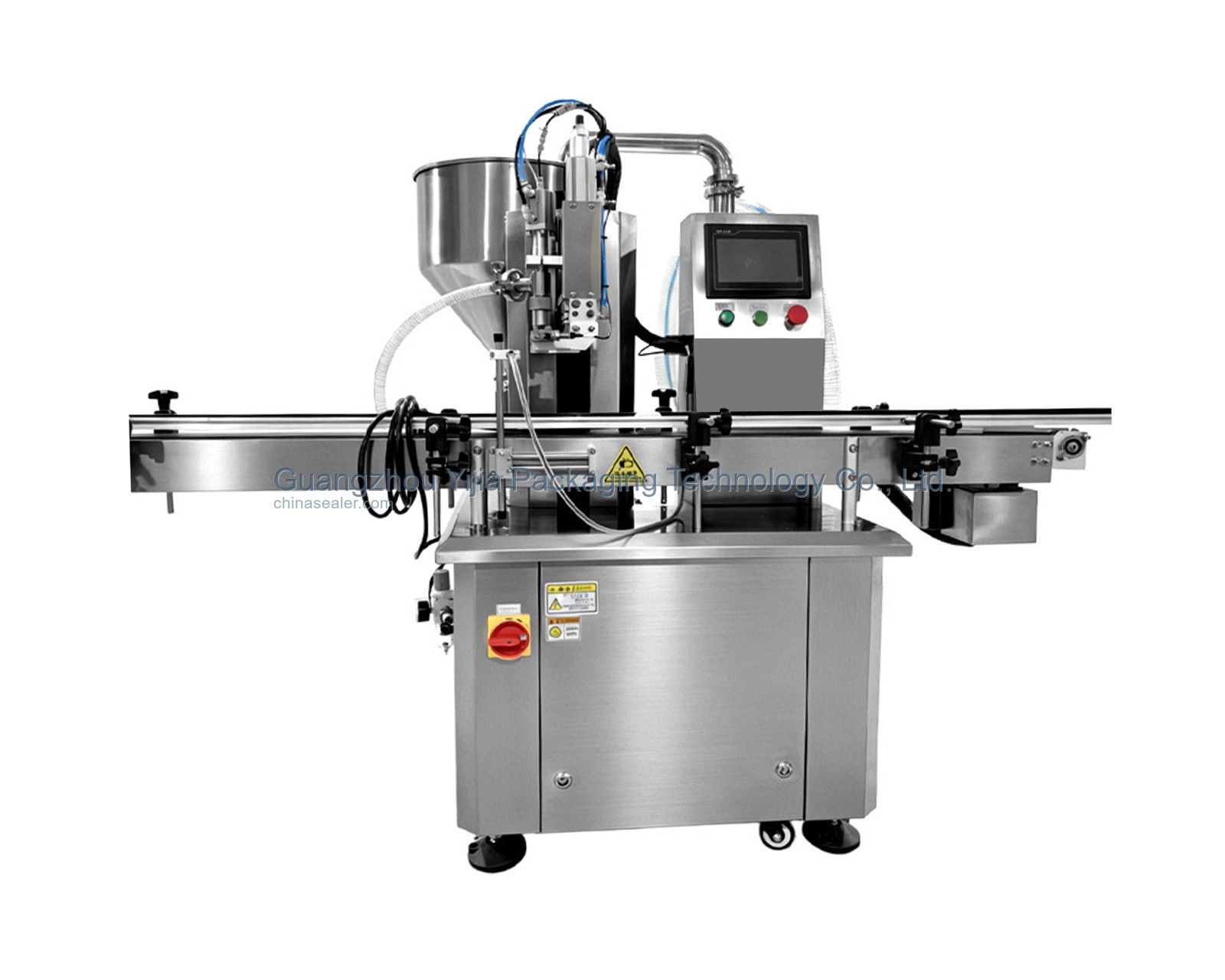 Paste Filling Machine
Paste Filling; Suitable for viscous materials such as cream and lotion, with quantitative filling and in-line connection; Paste Filling Machine
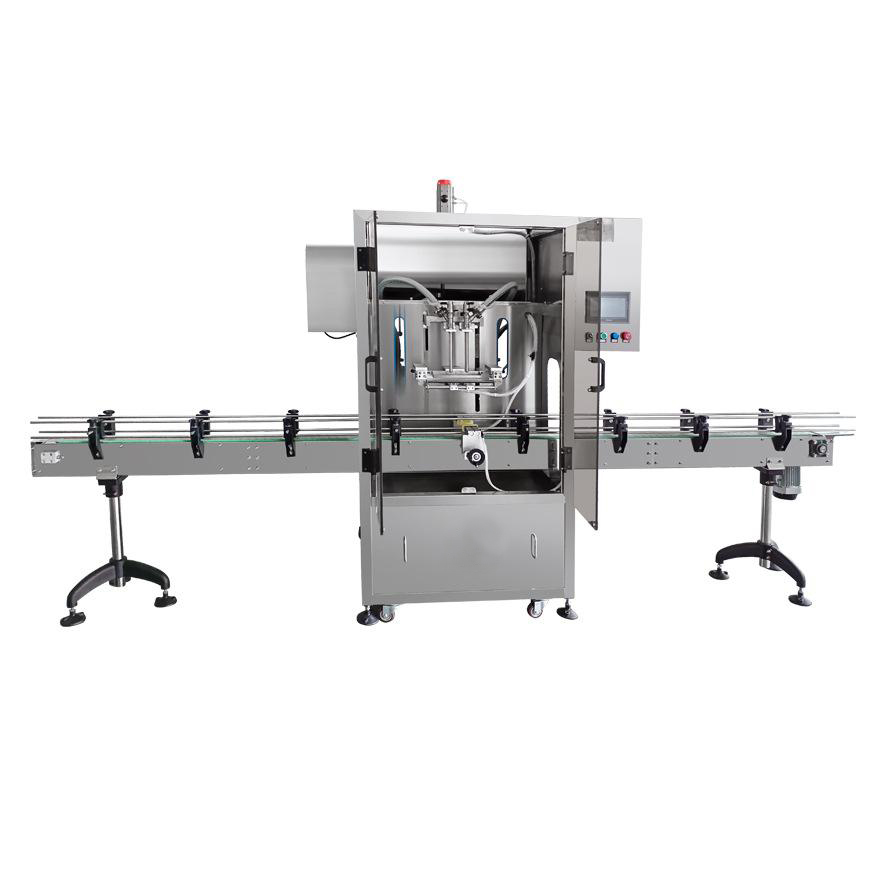 Servo Piston Liquid Filling Machine
Paste Filling; Suitable for viscous materials such as cream and lotion, with quantitative filling and in-line connection; Paste Filling Machine
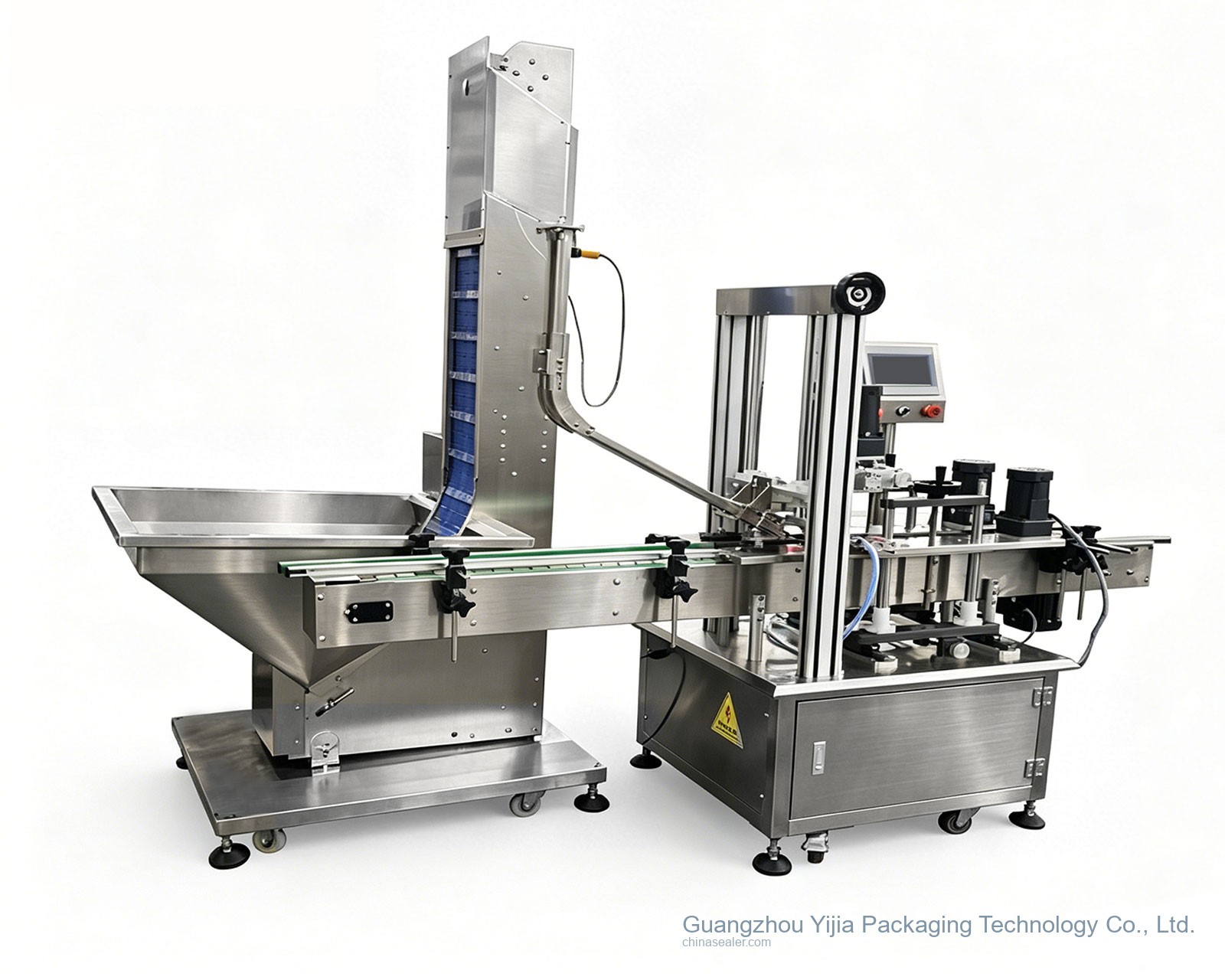 Automatic Screw Capping Machine
Aluminum foil sealing (optional); Used for induction sealing of foil liners inside caps to improve sealing performance; In-Line Induction Aluminum Foil Sealing Machine
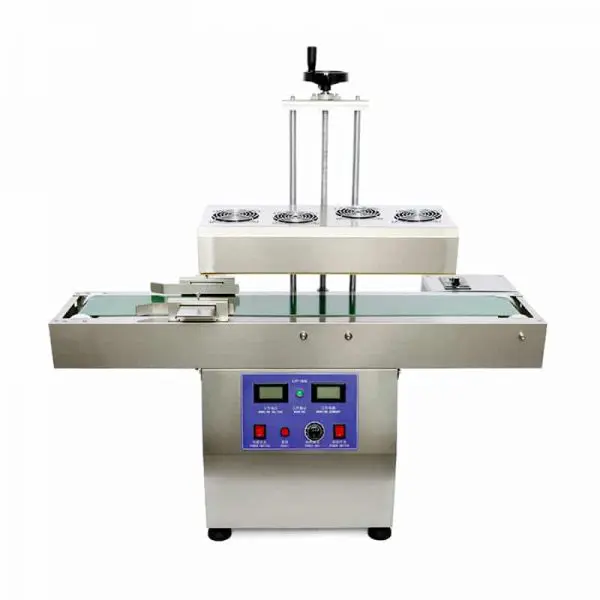 Inline Induction Foil Sealer
Aluminum foil sealing (optional); Used for induction sealing of foil liners inside caps to improve sealing performance; In-Line Induction Aluminum Foil Sealing Machine
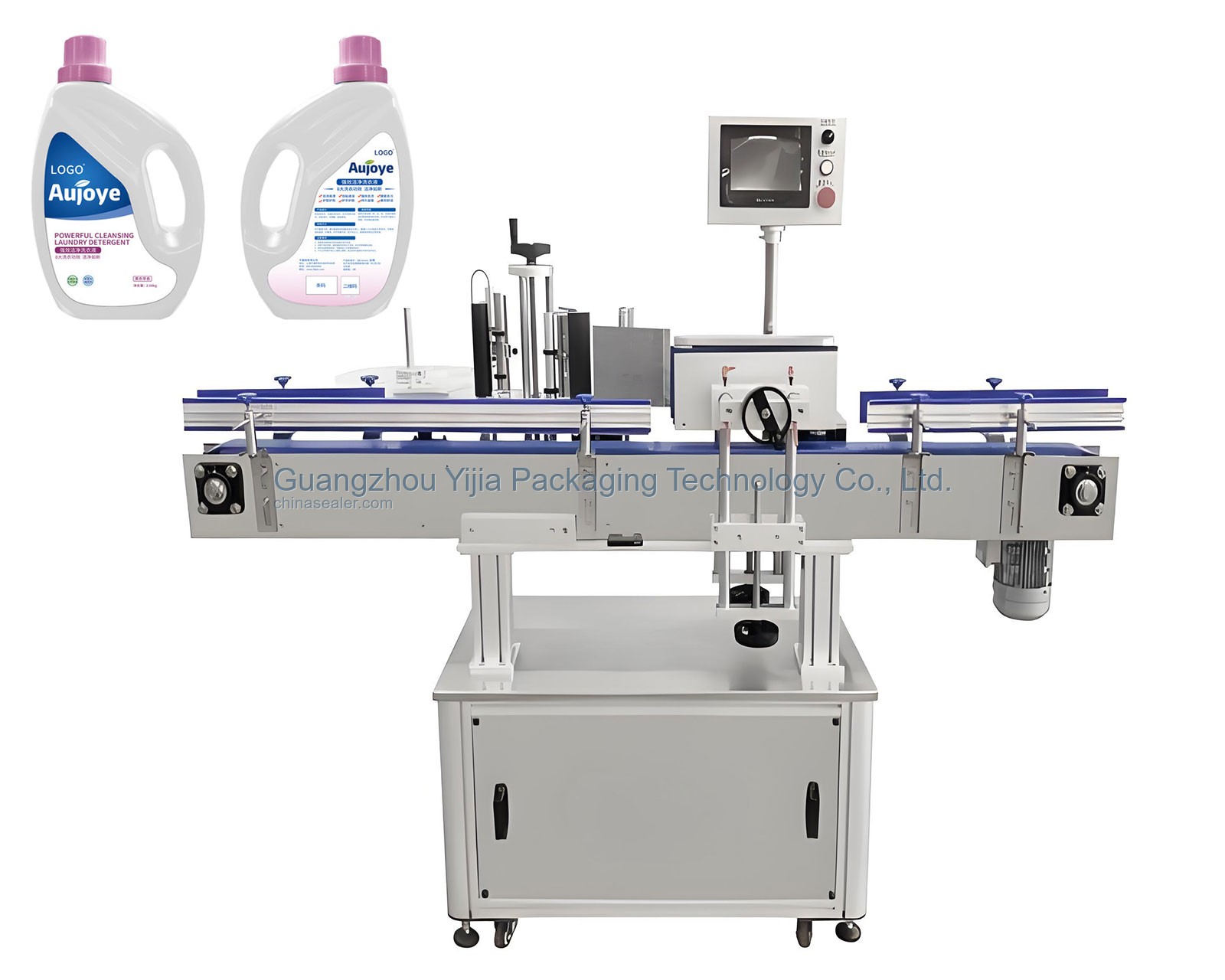 Round & Square Bottle Labeling Machine
Labeling; Suitable for labeling round bottles, square bottles, tubes, and similar containers, and can be connected in line; Round and Square Bottle Labeling Machine
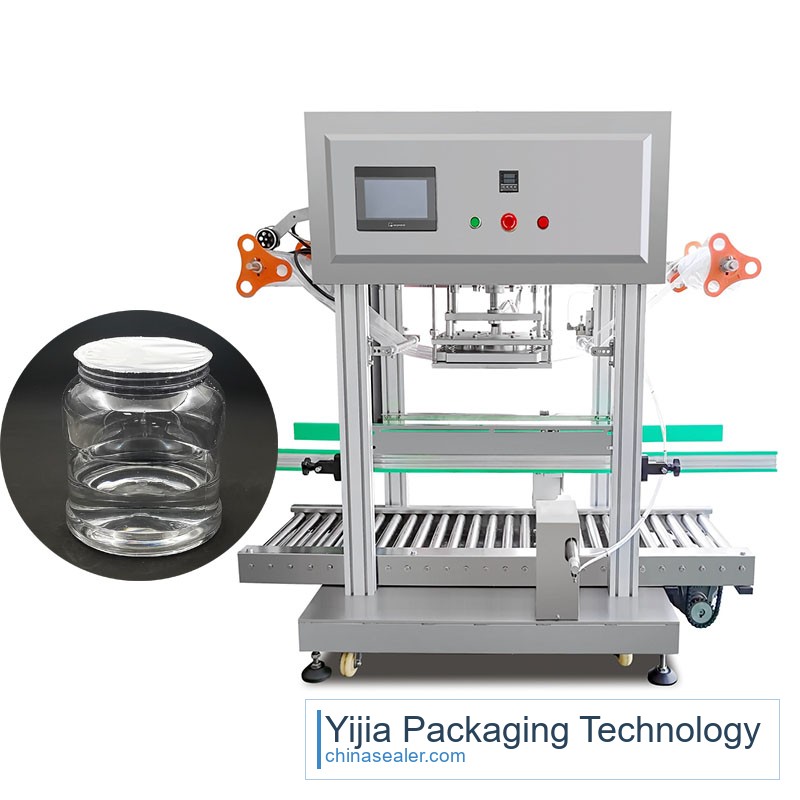 Bottle Inline Heat Press Sealer
Labeling; Suitable for labeling round bottles, square bottles, tubes, and similar containers, and can be connected in line; Round and Square Bottle Labeling Machine
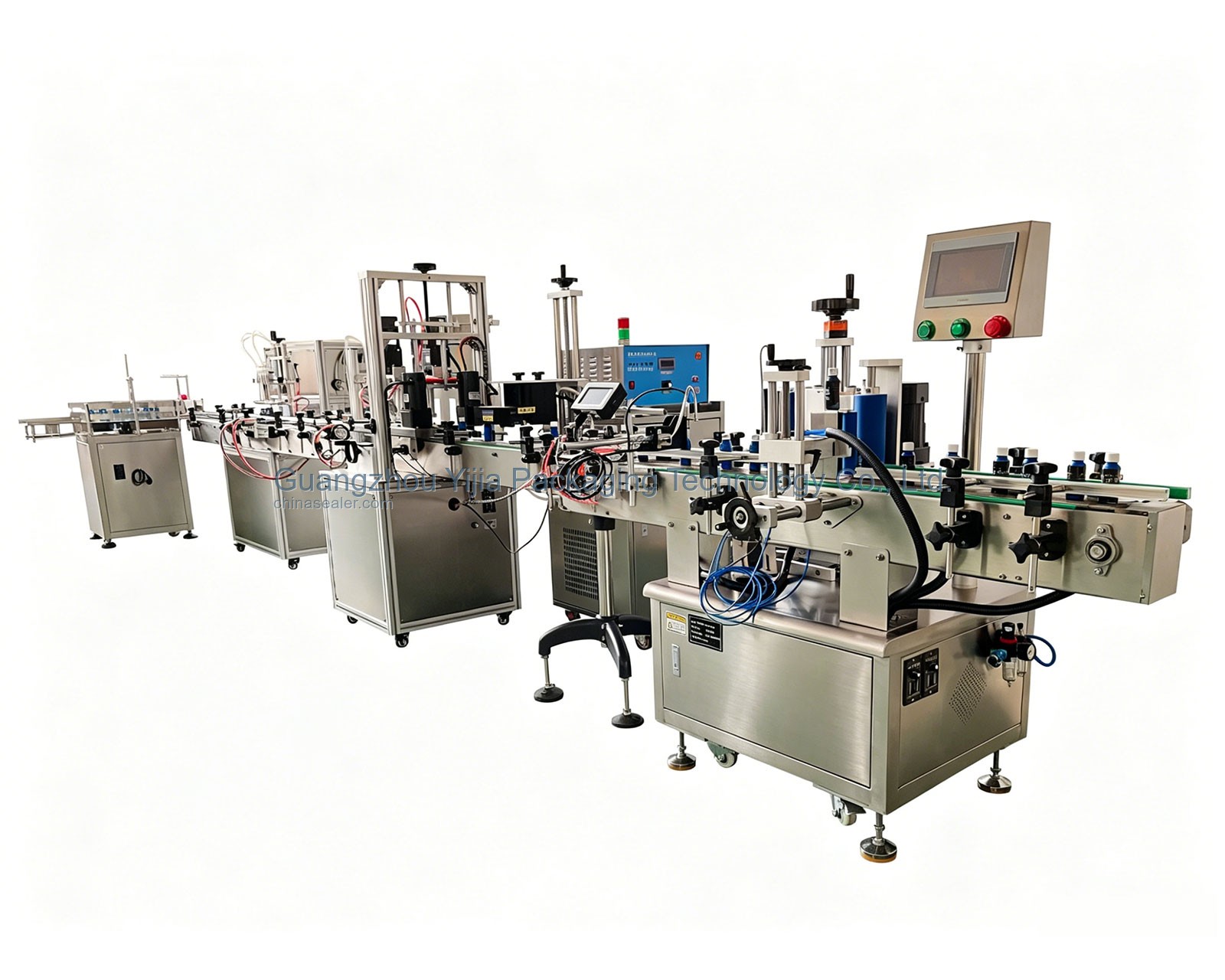 Automatic Feeding Conveying Sealing Line
Aluminum foil sealing (optional); Used for induction sealing of foil liners inside caps to improve sealing performance; In-Line Induction Aluminum Foil Sealing Machine
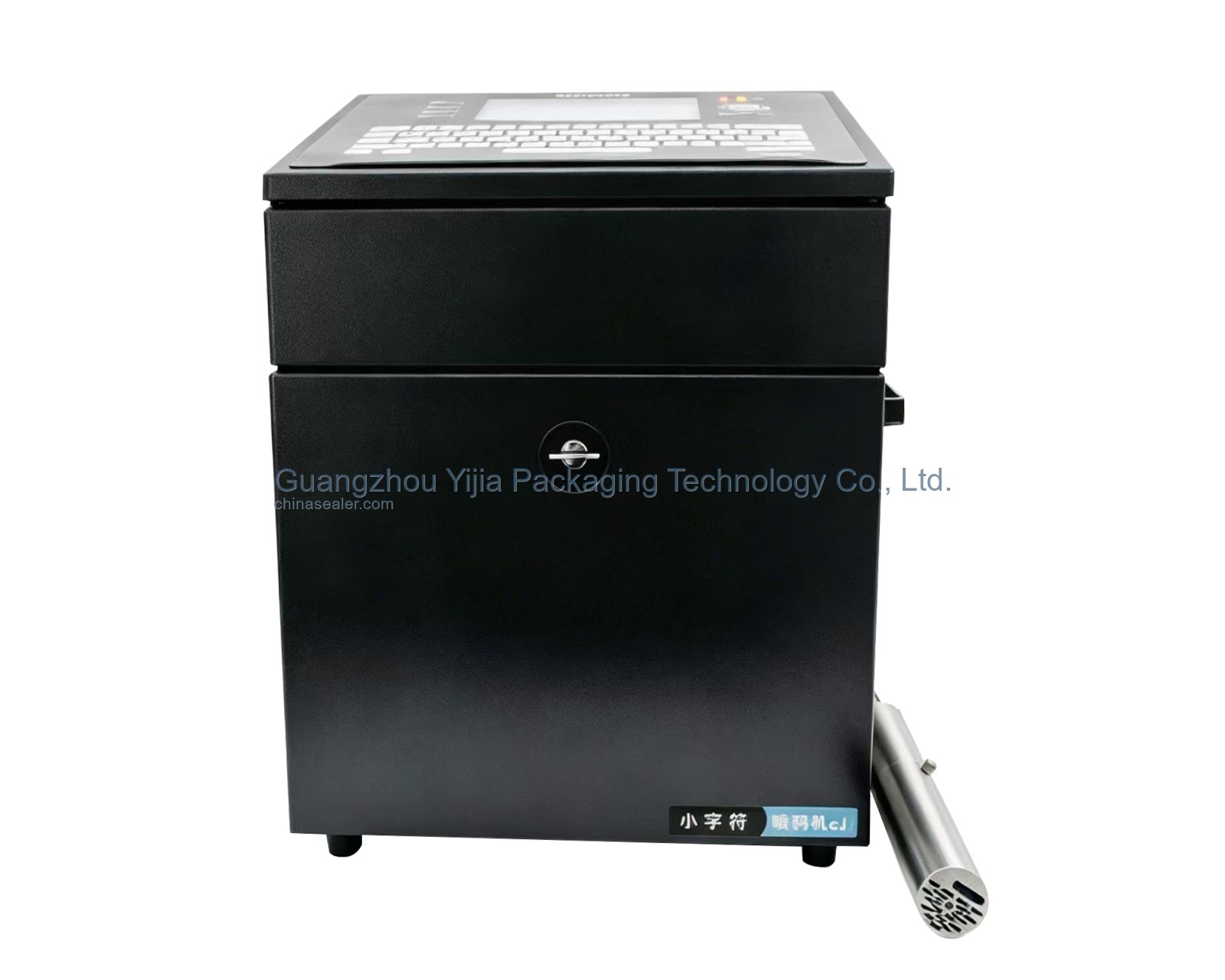 Date & Batch Inkjet Printer
Labeling; Suitable for labeling round bottles, square bottles, tubes, and similar containers, and can be connected in line; Round and Square Bottle Labeling Machine
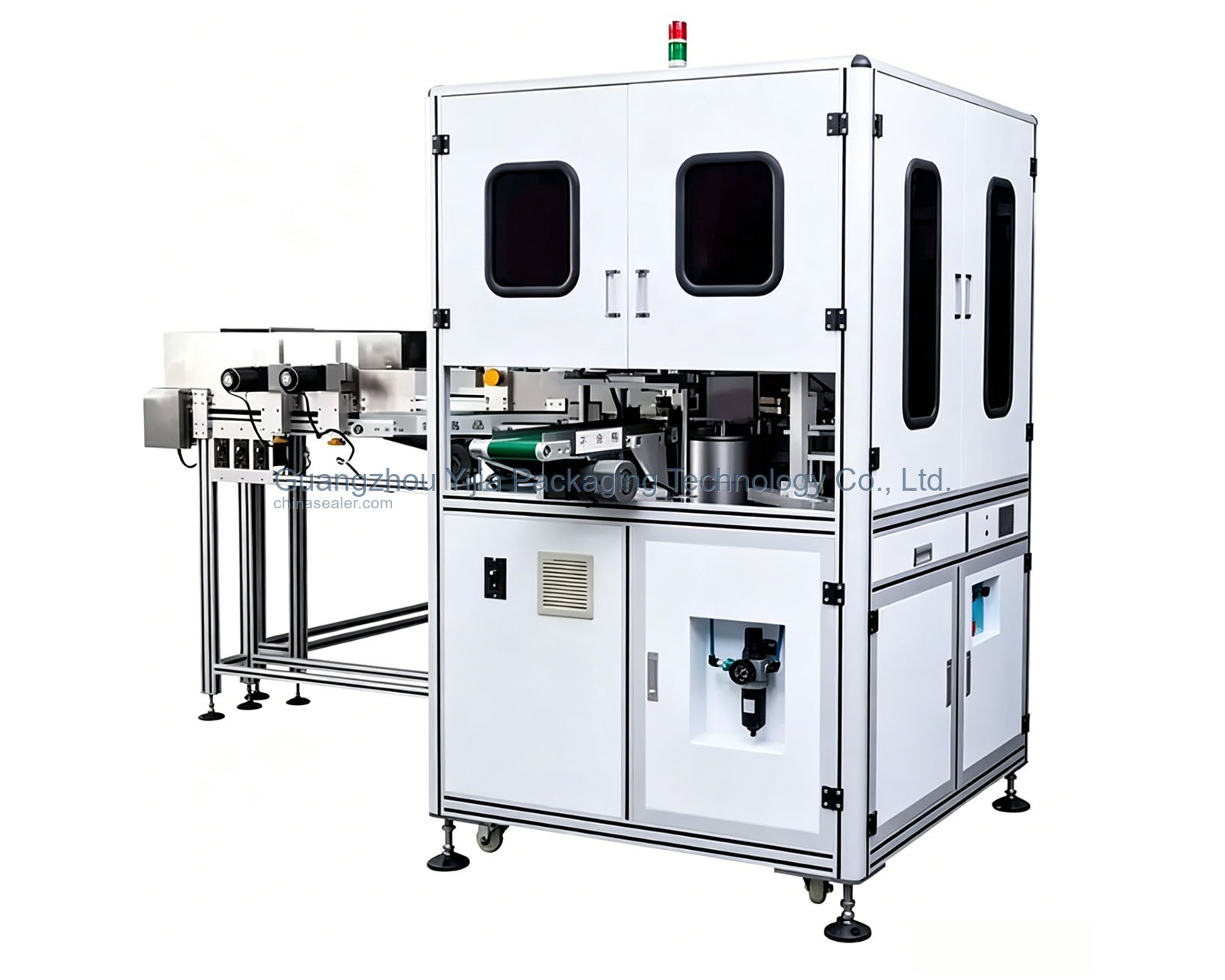 Online Checkweigher and Vision Inspection System
Labeling; Suitable for labeling round bottles, square bottles, tubes, and similar containers, and can be connected in line; Round and Square Bottle Labeling Machine
Sample details
The state of the contents affects the filling method, contact materials, anti-drip, and safety configuration.
Please provide paste samples or photos and describe viscosity and particles, because this affects filling-nozzle and pump selection.Photos and dimensions can first determine container positioning, mold direction, and whether sample testing is needed.
Please provide container (bottle, can, tube) samples or dimension drawings, including neck diameter, height, and bottle neck shape, as these determine tooling and fixtures.The lid structure determines the capping method (press, screw, or place) and whether inline integration is needed.
Please provide cap samples and specify whether they are screw caps, pump heads, or press-on caps, as this affects capper selection.Capacity target determines single machine, semi-automatic, or continuous inline configuration, and also affects the quotation range.
Please tell us the target output, such as bottles per hour or per day, because this determines stand-alone or connected-line configuration.Site conditions affect electrical control, pneumatics, conveyor length, and safety protection configuration.
Please provide site layout or space dimensions, and whether downstream processes such as line integration, coding, or checkweighing are required. Incomplete data is acceptable; send existing photos and dimensions firs...Common selection mistakes
Common questions
Yes. First send photos and approximate dimensions of the paste, container, and cap, and we can preliminarily determine the route, then supplement required information.
Paste sample or viscosity description, container and cap samples or dimensions, target capacity, site space, and whether inline integration is needed are required. The more complete the data, the closer the quotation will be to the actual configuration.
Capacity determines machine speed, number of heads, whether line integration is needed, and conveyor buffering solutions. Low capacity can consider semi-automatic, high capacity requires fully automatic line integration.
The material and thickness of sealing film, aluminum foil liner, and label must match the container, affecting sealing effect and labeling quality. Must be confirmed with sample testing.
The sealing effect needs to be confirmed through combined testing of film material, container, and sealing parameters. We can assist with sample testing.
If production capacity is high, there are many processes, or manual handling needs to be reduced, line integration is recommended. For small batches or prototyping, stand-alone machines can be used first.