Solution topic
How to Choose Sealing for Trays, Tofu Boxes and Multi-Compartment Meal Boxes: Heat Sealing, Rotary Multi-Station and MAP Compared
Choose tray, tofu box, multi-compartment meal box and coffee capsule sealing equipment by tray type, film, rim condition, MAP requirement, rotary multi-station demand and target capacity, including desktop roll-film tray sealers, coffee capsule filling and sealing machines, and cup, bowl, box and tray sealing equipment.
- For tray, tofu box, cooked food box, multi-compartment meal box, and coffee capsule projects, first check rim flatness, film material, whether vacuum/gas flushing is needed, product condition, target output, and changeover method. Then decide between a desktop roll-film tray sealer, rotary multi-station sealer, MAP sealer, or integrated filling and sealin...
- Tray, tofu box, multi-compartment meal box, and MAP tray sealing
The Tray Rim Matters More Than the Machine Name
Tray sealing starts with opening size, rim flatness, and material. If the rim is deformed or contaminated with oil, even a good sealer will be affected.
The Film Must Match the Tray
PP, PET, paper-plastic, aluminum foil, and composite films have different heat-seal layers, so temperature, pressure, and time should be tested with samples.
Suitable for trays, tofu boxes, and meal boxes that do not need MAP and mainly need sealing strength and appearance confirmation. Advantages: simple structure, suitable for sampling, small batches, and medium output. Limits: rim deformation, oil contamination, or film mismatch can affect sealing. Not recommended when longer shelf life or gas replacement is required; MAP should be evaluated. Before quotation, sample photos, container dimensions, packaging material, target capacity, and site space are recommended. If the information is not complete, you can still submit what you have, and we will first help judge whether a single machine, semi-automatic machine, or in-line route is more suitable.
Suitable for cup, bowl, box, and tray projects with manual loading but a higher required cycle time. Advantages: loading, film sealing, film cutting, and discharge can be divided across stations. Limits: changeover depends on tooling, tray type, and film width. Not recommended when packaging specifications change often and quantity is small; a single-station sample machine is more flexible. Before quotation, sample photos, container dimensions, packaging material, target capacity, and site space are recommended. If the information is not complete, you can still submit what you have, and we will first help judge whether a single machine, semi-automatic machine, or in-line route is more suitable.
Suitable for fresh food, cooked food, meat products, salads, and trays that need shelf-life extension and product display. Advantages: can improve freshness and display performance. Limits: gas ratio, tray and film barrier performance, leakage standard, and inspection method must be confirmed. Not recommended when freshness extension is not needed and only temporary sealing is required; MAP complexity is usually unnecessary. Before quotation, sample photos, container dimensions, packaging material, target capacity, and site space are recommended. If the information is not complete, you can still submit what you have, and we will first help judge whether a single machine, semi-automatic machine, or in-line route is more suitable.
MAP Is Not Needed for Every Tray
MAP is suitable for food projects with clear freshness and display requirements. It is not the default choice for ordinary sealing.
Multi-Compartment Meal Boxes Need Compartment and Rib Confirmation
For multi-compartment trays, tooling, pressing edges, and film cutting must avoid ribs. The machine cannot be judged only by the outer size.
Incomplete Information Can Still Start Direction Judgment
Send tray photos, dimensions, film material, and product condition first. We can help judge whether standard heat sealing, rotary multi-station sealing, or MAP is the right direction.
How Our Existing Equipment Can Support
Available equipment routes include desktop roll-film tray sealing, coffee capsule filling and sealing, cup/bowl/box/tray sealing equipment, roll-film consumables, tooling, and downstream coding or inspection.
Route comparison
- Suitable for trays, tofu boxes, and meal boxes that do not need MAP and mainly need sealing strength and appearance confirmation.
- Simple structure, suitable for sampling, small batches, and medium output.
- Rim deformation, oil contamination, or film mismatch can affect sealing.
- When longer shelf life or gas replacement is required, MAP should be evaluated.
- First look at a desktop roll-film tray sealer, then make the tooling according to the tray rim.
- Suitable for cup, bowl, box, and tray projects with manual loading but a higher required cycle time.
- Loading, film sealing, film cutting, and discharge can be divided across stations.
- Changeover depends on tooling, tray type, and film width.
- If packaging specifications change often and the quantity is small, a single-station sample machine is more flexible.
- Confirm by station count, tooling, and film feeding method.
- Suitable for fresh food, cooked food, meat products, salads, and trays that need shelf-life extension and product display.
- Can improve freshness and display performance.
- Gas ratio, tray and film barrier performance, leakage standard, and inspection method must be confirmed.
- If freshness extension is not needed and only temporary sealing is required, MAP complexity is usually unnecessary.
- Confirm the freshness target first, then evaluate MAP sealing and inspection.
- Suitable for coffee capsules, yogurt cups, sauce cups, and similar projects that require filling before sealing.
- Cup dropping, filling, film sealing, and discharge can be integrated.
- Product type, filling volume, cup shape, film material, and cleaning method must be confirmed.
- If only empty tray sealing is required, a filling module may not be needed.
- Look at a coffee capsule filling and sealing machine or a cup filling and sealing route.
Core process
Associated Equipment / Consumables
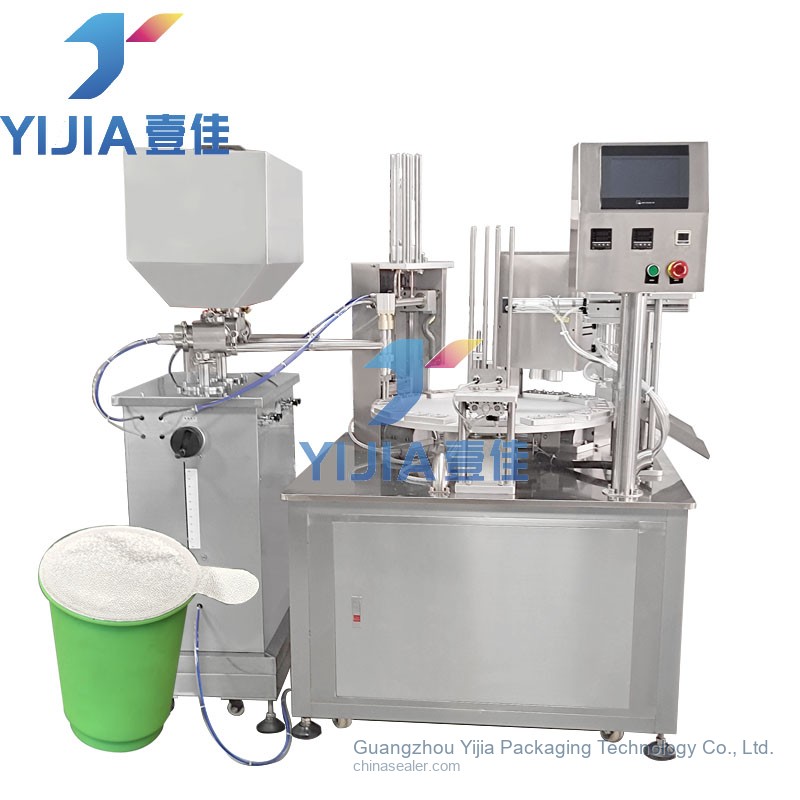 Coffee Capsule Filling and Sealing Machine
Container Confirmation; Tray shape and rim condition determine the tooling and sealing pressure; Trays; Tofu Boxes
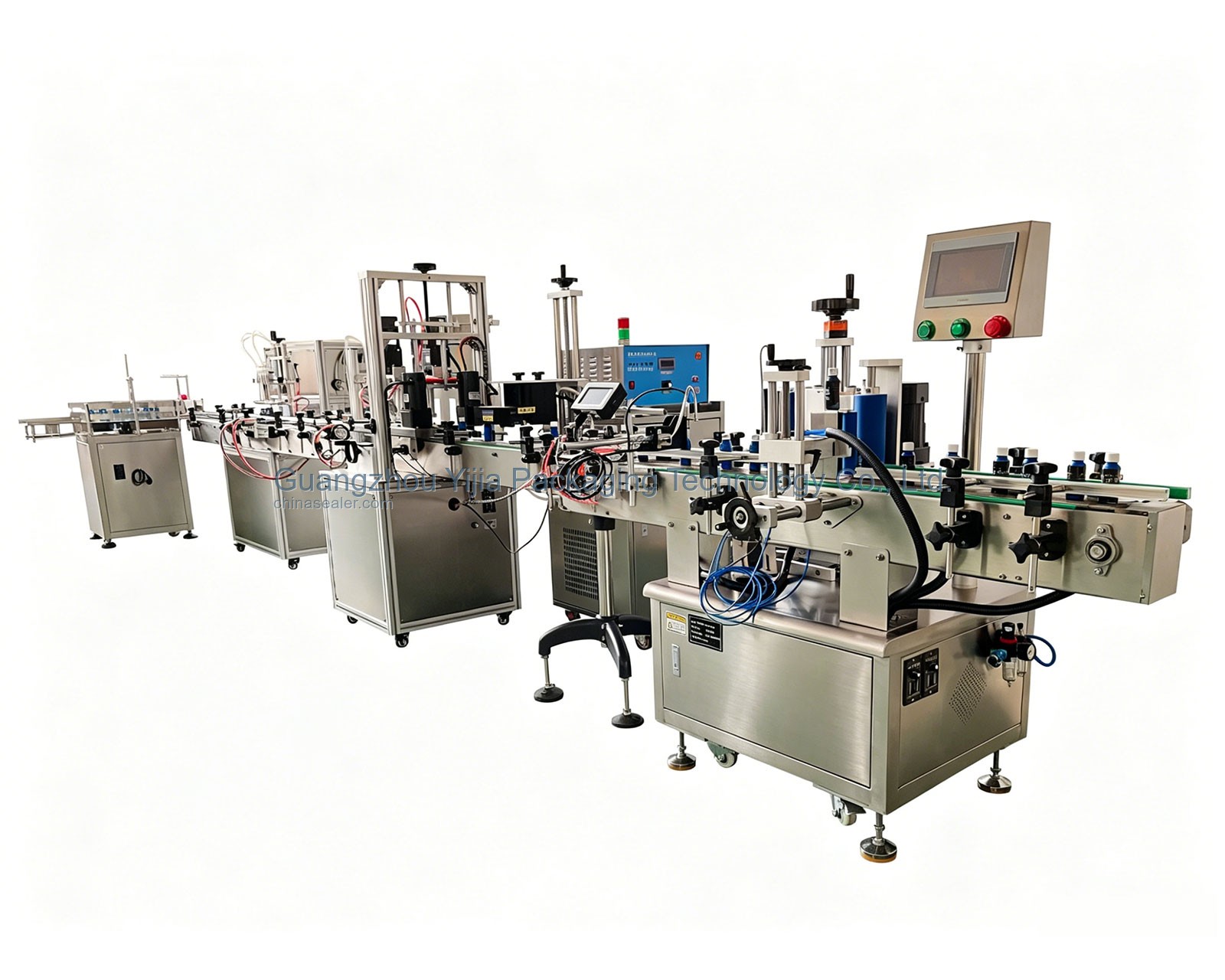 Automatic Feeding Conveying Sealing Line
Container Confirmation; Tray shape and rim condition determine the tooling and sealing pressure; Trays; Tofu Boxes
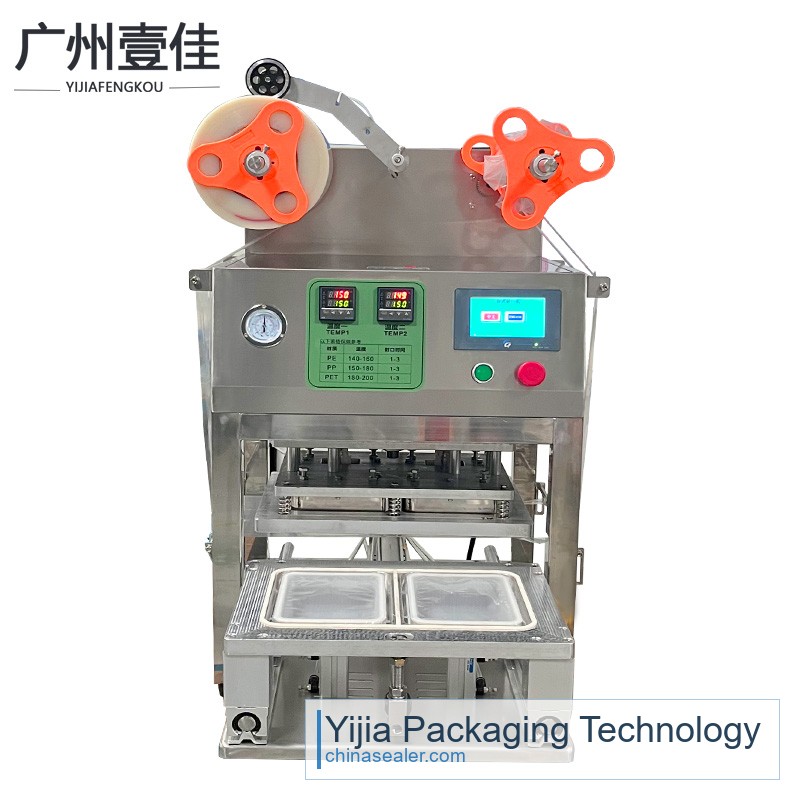 Bench-top Rollstock Tray Sealer
Film confirmation; Film material determines temperature, pressure, and film cutting method; Roll Film; Easy-Peel Film
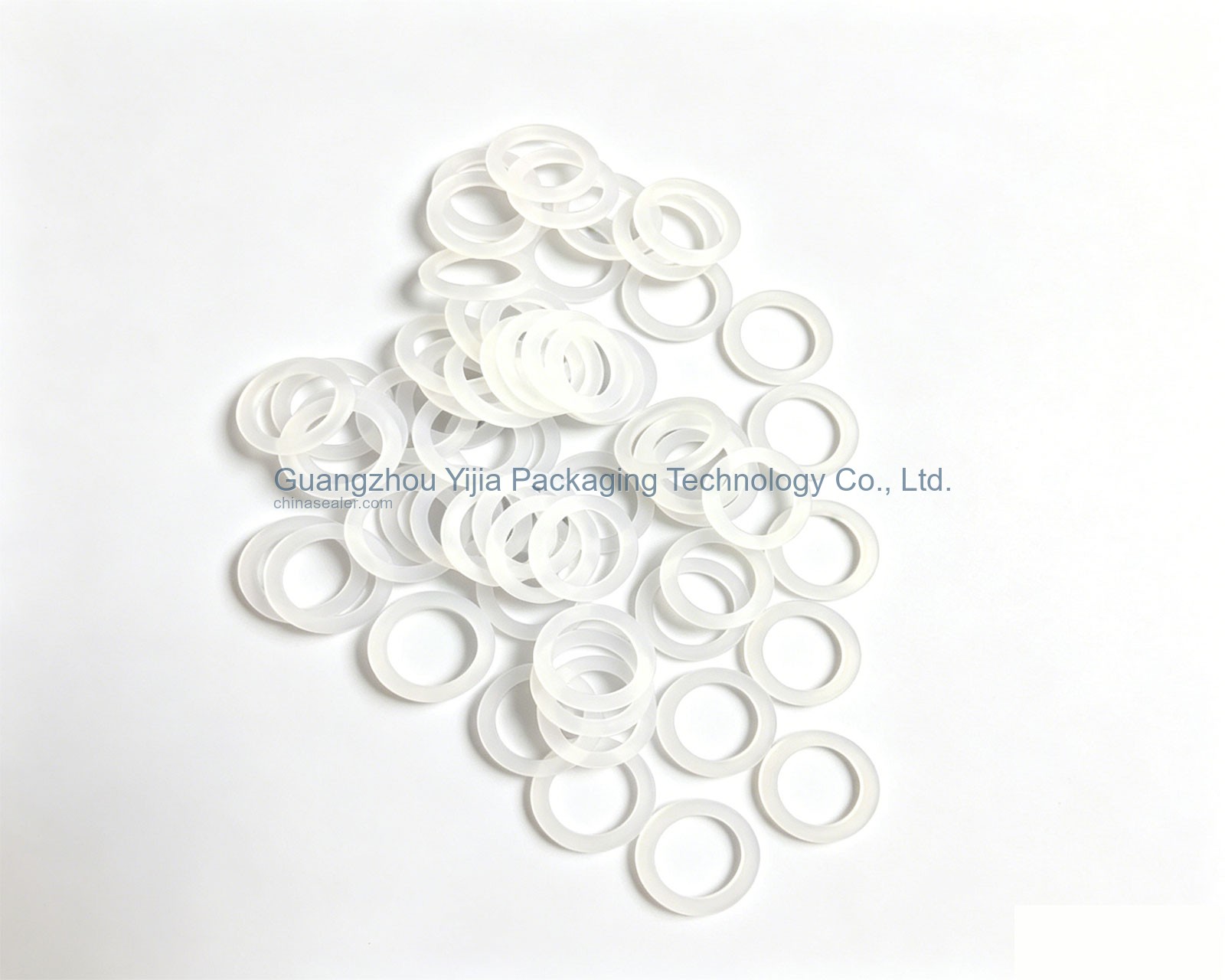 Food-Grade Seals, Cleaning Consumables, and Changeover Parts
Film confirmation; Film material determines temperature, pressure, and film cutting method; Roll Film; Easy-Peel Film
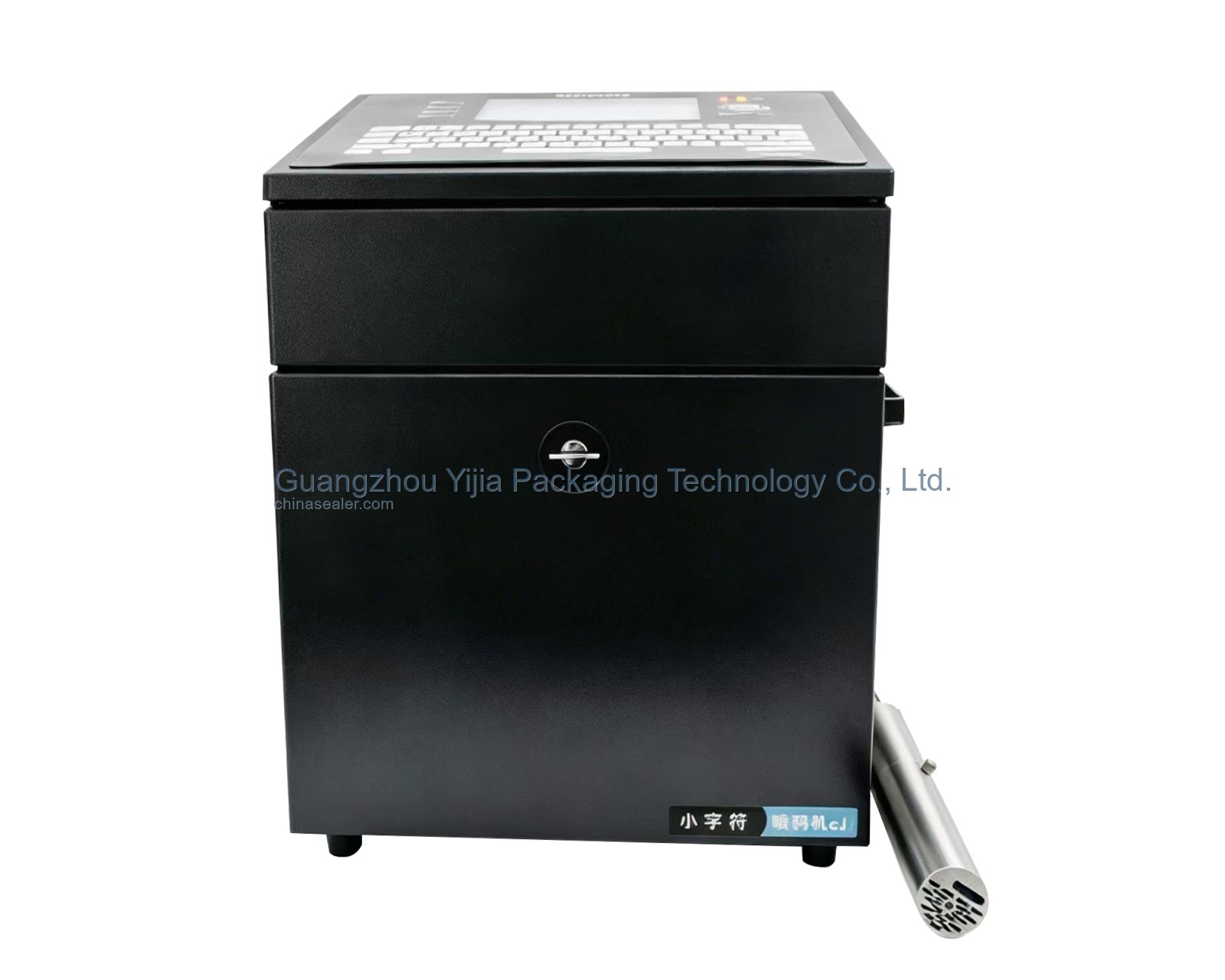 Date & Batch Inkjet Printer
Downstream Marking; Food and export projects often need traceability; Coding; Labels
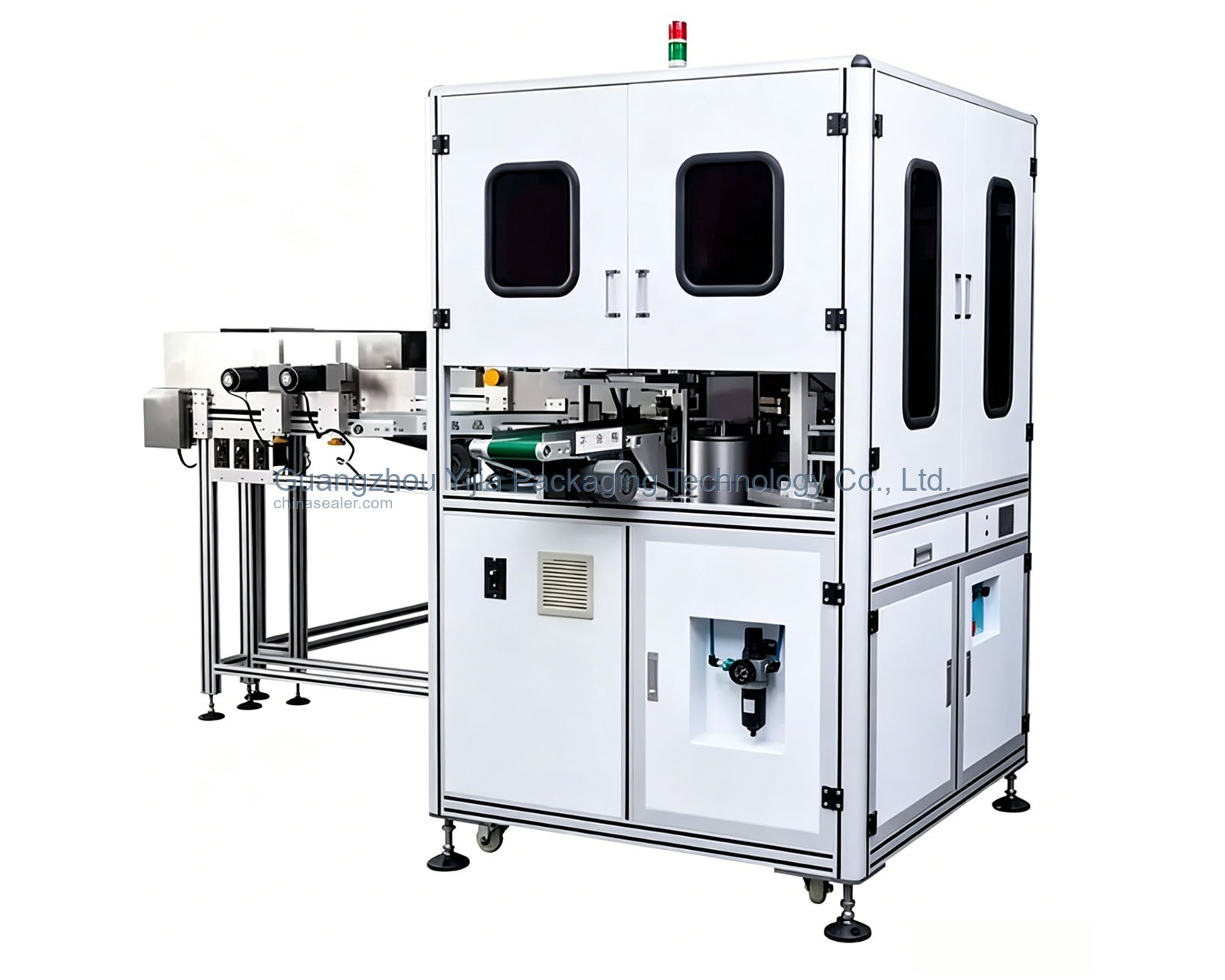 Online Checkweigher and Vision Inspection System
Downstream Marking; Food and export projects often need traceability; Coding; Labels
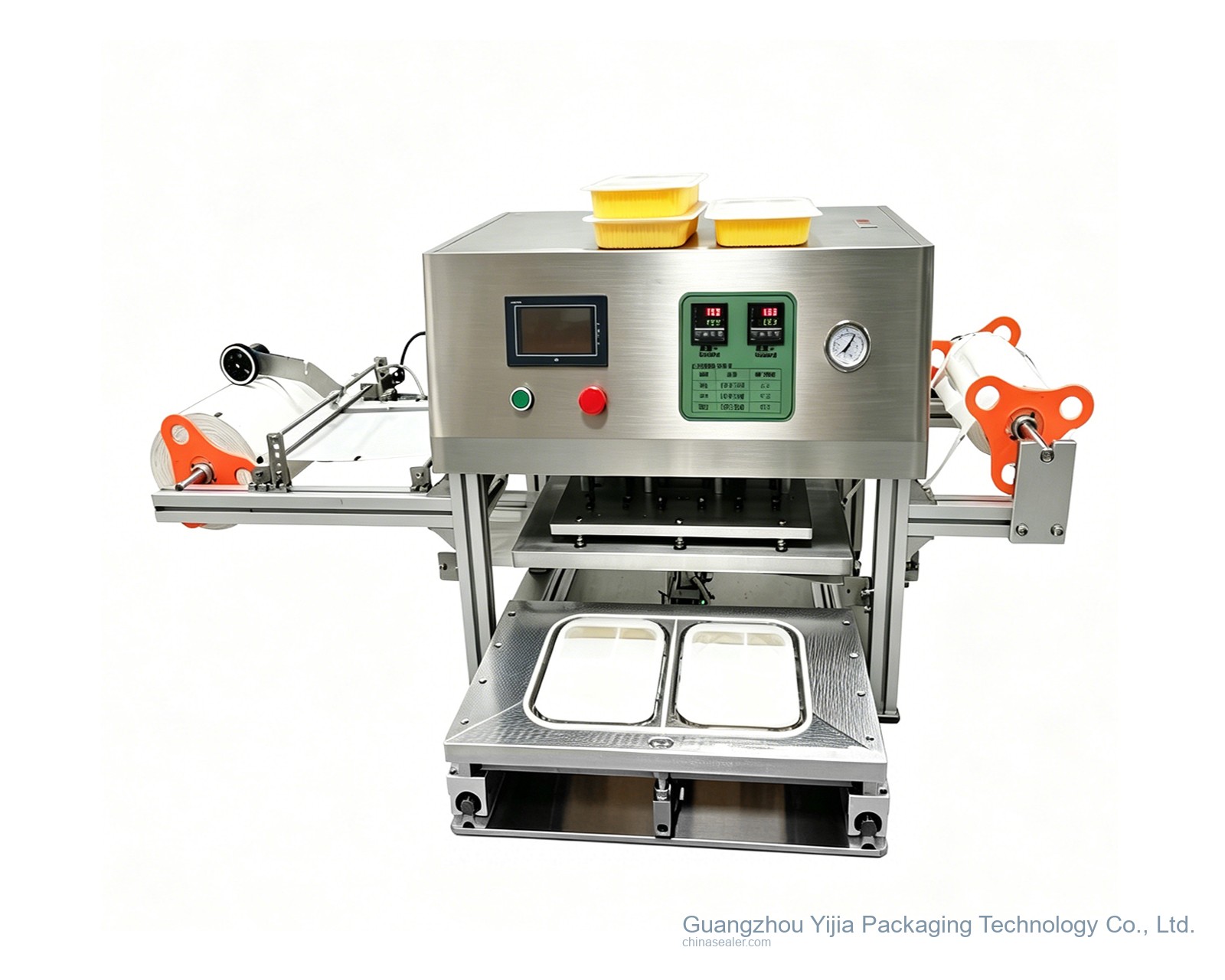 Desktop Multi-Compartment Lunch Box Sealer
Container Confirmation; Tray shape and rim condition determine the tooling and sealing pressure; Trays; Tofu Boxes
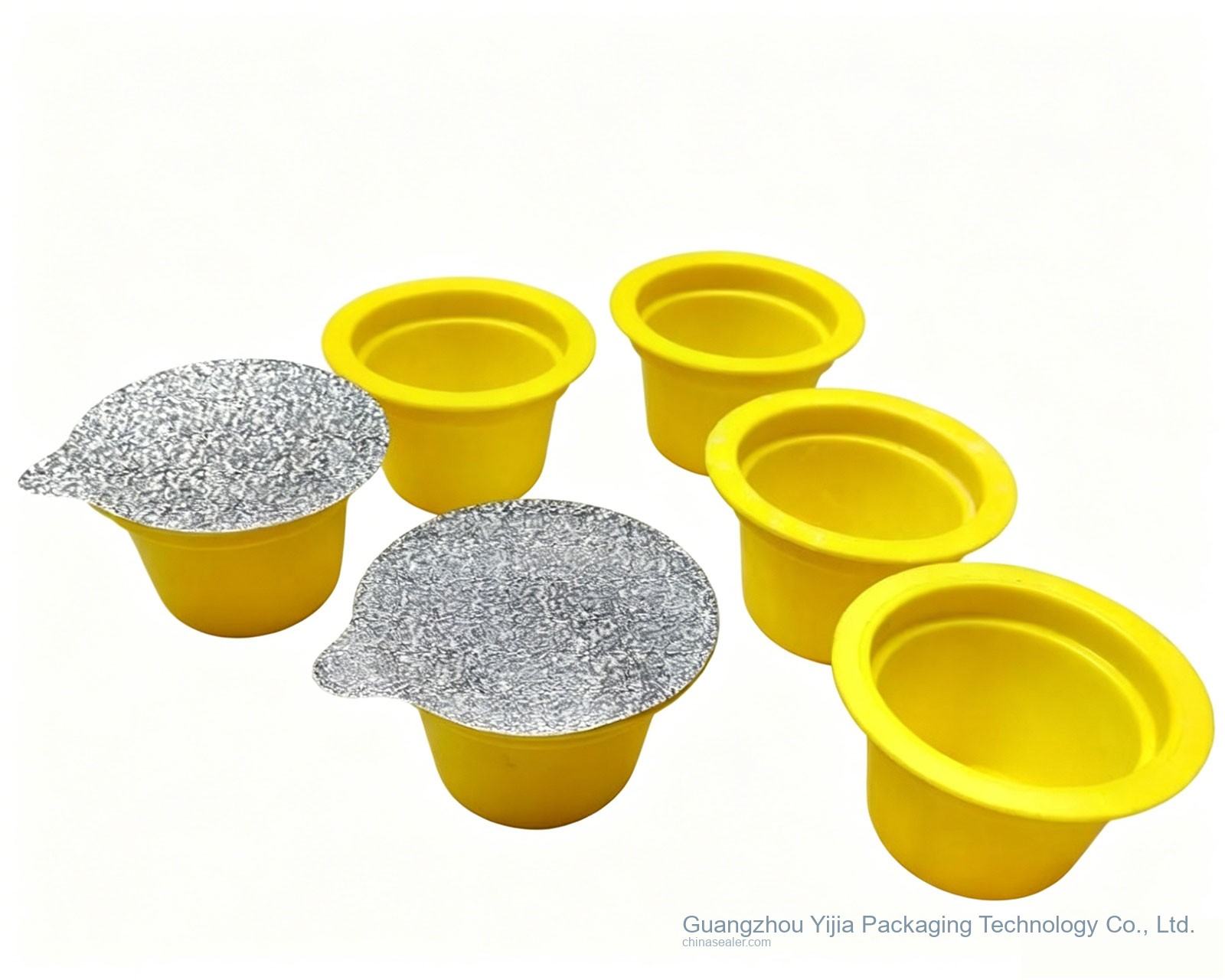 Small Cup Sealing Film and Easy-Tear Film Consumables
Film confirmation; Film material determines temperature, pressure, and film cutting method; Roll Film; Easy-Peel Film
Sample details
Tray opening size and rim flatness determine the tooling and sealing method.
Front, side, and rim photos of the tray, plus outer size, inner size, height, and number of compartments.The film heat-seal layer and thickness determine the sealing parameters.
Roll film, easy-peel film, or composite film samples, preferably with material information.Oil, water, particles, and temperature affect rim contamination and sealing strength.
Product photos, whether hot filling is used, and whether the product easily contaminates the rim.Freshness requirements decide whether MAP should be evaluated.
Target shelf life, chilled or ambient storage, gas requirement, and leakage standard.Output and multiple tray sizes decide whether to use a single station, rotary machine, or line connection.
Target pieces per hour, number of operators, and the list of tray sizes.Common selection mistakes
Common questions
Most trays need positioning and edge-pressing tooling based on the tray opening, especially multi-compartment and irregular trays.
The principle is similar, but tofu boxes need more attention to moisture, rim contamination, and film matching.
Evaluate MAP when you need freshness extension, longer shelf life, or better product display.
For continuous production, roll film is usually considered; for sampling or special shapes, pre-cut film can be evaluated.
Check the number of compartments, ribs, rim width, tray depth, and film material.
Yes. Use a desktop or semi-automatic machine to confirm the sealing result first, then upgrade to a rotary machine or line connection.