Solution topic
How to Choose a Custom Cup or Box Sealing Solution? Start With Film Material and Positioning
Irregular cups, multi-compartment boxes, non-standard trays, and special-rim containers should not be selected by sealing machine name alone. First confirm container rim shape, film type, whether tooling is needed, target output, and changeover method, then decide between desktop, rotary, or in-line equipment.
- Irregular cups, multi-compartment boxes, non-standard trays, and special-rim containers should not be selected by sealing machine name alone. First confirm container rim shape, film type, whether tooling is needed, target output, and changeover method, then decide between desktop, rotary, or in-line equipment.
- How to Choose a Sealing Project for Custom Irregular Cups and Boxes
Real customer question
My cup/container is irregularly shaped, not standard round or square. Can the sealing machine handle it? Is a mold required?
First determine the packaging route
Irregular cups, multi-compartment boxes, non-standard trays, and special-rim containers should not be selected by sealing machine name alone. First confirm container rim shape, film type, whether tooling is needed, target output, and changeover method, then decide between desktop, rotary, or in-line equipment.
Desktop Single-Station Sealing Route
Suitable for: Irregular-shaped cups, multi-compartment trays, small batches, or sample projects, especially when container rims are irregular but dimensionally stable. Advantages: Low mold cost, quick changeover, suitable for multi-specification small batches. Limitations: Limited output, typically 300-600 pieces/hour, requires manual tray loading and unloading. Not recommended: For continuous high-volume production or automatic feeding, upgrade to rotary or multi-station solutions. Equipment direction: We can provide a benchtop film-over-tray sealing machine or benchtop multi-compartment tray sealer, with molds customized per tray sample.
Rotary Multi-Station Sealing Route
Suitable for: Irregular cups, multi-compartment boxes, medium batch production with consistent container rims and requiring some automation. Advantages: Multi-station continuous operation, capacity up to 1200-2000 pieces/hour, can integrate filling or coding. Limitations: High mold investment; changeover requires mold replacement and station adjustment, suitable for main specifications. Not recommended for: Frequent container shape changes or very small batch sizes; recommend benchtop route first for verification. Equipment direction: We can provide turntable multi-station sealing machines, with molds customized per box samples and film, supporting roll film or pre-cut film.
Modified Atmosphere Packaging Sealing Route (MAP)
Suitable for: Irregular-shaped tray products requiring extended shelf life, such as salads, cooked food, and prepared meals; rim flatness is critical. Advantages: Vacuum and gas flushing before sealing reduces oxidation risk and extends refrigerated shelf life. Limitations: Film and container rim seal integrity must be tested; gas parameters need adjustment per product. Not recommended: For products sold same-day or without MAP, standard heat sealing suffices. Equipment direction: We can provide a tray MAP sealing machine, with molds customized per tray sample and film type, supporting roll film or pre-cut film.
Recommended equipment route: Sample and container confirmation
Rim shape, size, and film compatibility affect tooling design and sealing performance.
Recommended Equipment Route: Main Sealing Machine
Choose the configuration according to output and automation needs. Irregular containers require custom tooling.
Recommended equipment route: tooling and film confirmation
Tooling must fit the container rim, and the film must be tested for sealing temperature and pressure.
Route comparison
- Suitable for irregular cups, multi-compartment boxes, small batches, or sampling projects where the container rim is irregular but dimensions are stable.
- Low tooling cost and quick changeover, suitable for small batches with multiple specifications.
- Output is limited, usually about 300-600 pieces per hour, with manual box loading and unloading.
- For continuous high-volume production or automatic feeding connection, upgrade to a rotary or multi-station solution.
- We can provide a desktop top-film tray sealer or desktop multi-compartment lunch box sealer, with molds customized from box samples.
- Suitable for shaped cups, multi-compartment boxes, and medium-batch production where rims are consistent and some automation is needed.
- Multi-station continuous operation can reach 1,200-2,000 pieces per hour and can connect with filling or coding.
- Tooling investment is higher, and changeover requires replacing tooling and adjusting stations, so it suits main specifications.
- If container shapes change frequently or each batch is small, a desktop route is recommended first for validation.
- We can provide a rotary multi-station sealing machine with customized tooling based on box samples and film material, supporting roll film or pre-cut film.
- Ideal for irregularly shaped packaged products that need extended shelf life, such as salads, deli foods, and prepared meals; requires high rim flatness.
- Vacuuming and gas flushing before sealing can reduce oxidation risk and extend chilled shelf life.
- Film and container rim sealing performance must be tested, and MAP parameters should be adjusted according to the product.
- When the product is sold the same day or does not require MAP freshness, ordinary heat sealing is sufficient.
- We can provide a box MAP sealing machine, with tooling customized from box samples and film, supporting roll film or pre-cut film.
Core process
Associated Equipment / Consumables
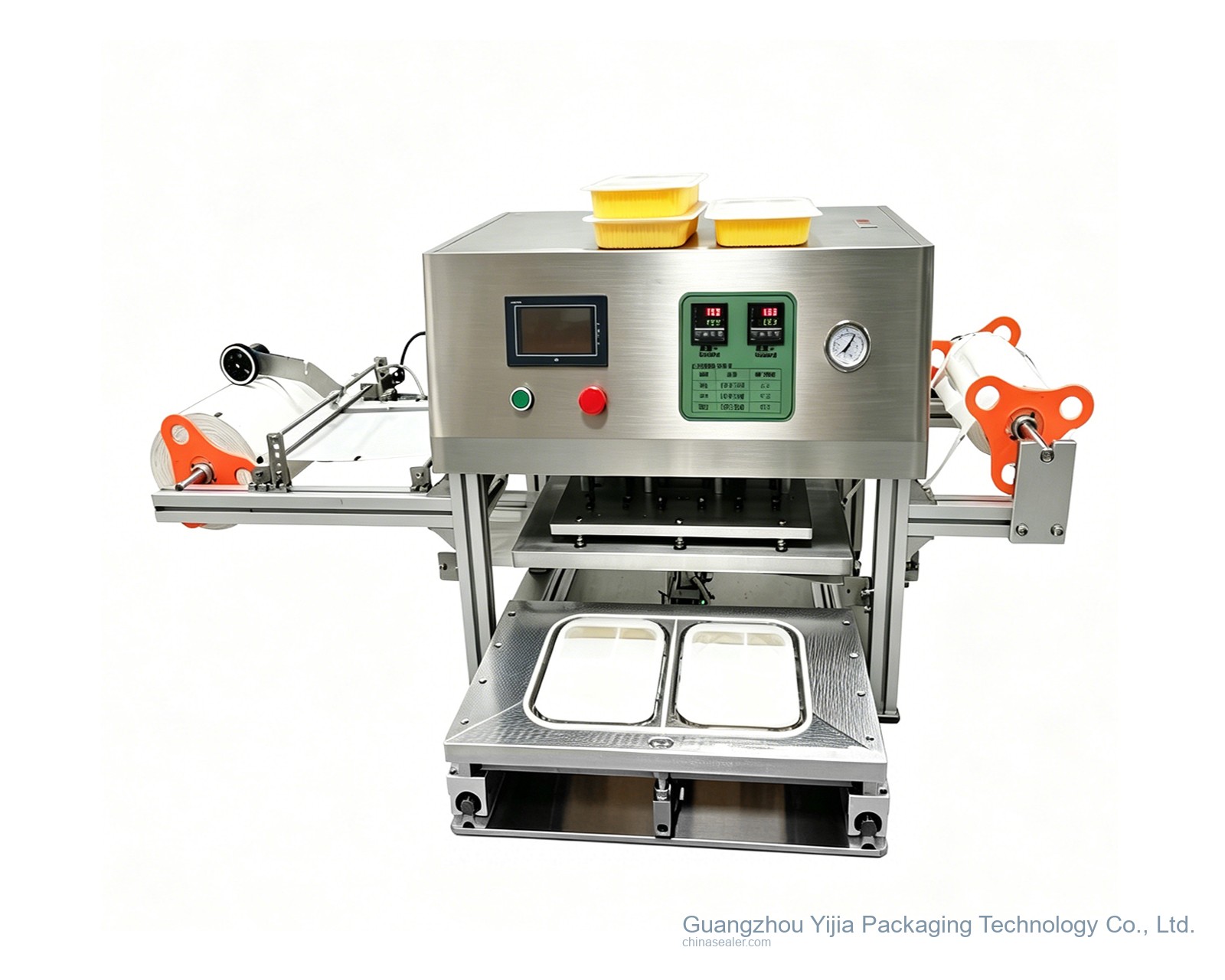 Desktop Multi-Compartment Lunch Box Sealer
Sample and container confirmation; Rim shape, size, and film compatibility affect tooling design and sealing performance; customer provides special-shaped cup/box samples or...
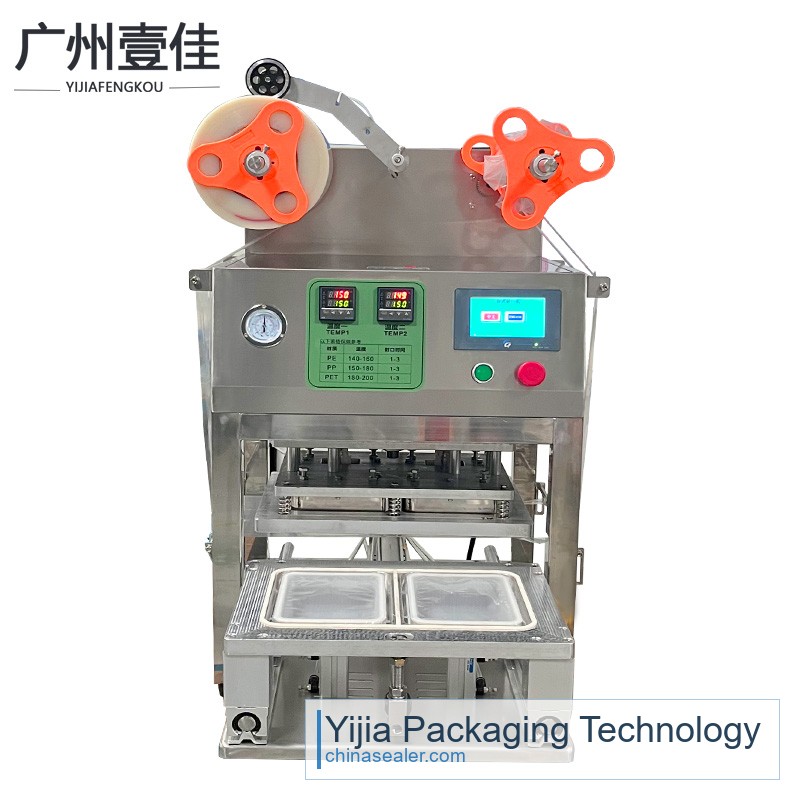 Bench-top Rollstock Tray Sealer
Sample and container confirmation; Rim shape, size, and film compatibility affect tooling design and sealing performance; customer provides special-shaped cup/box samples or dimension...
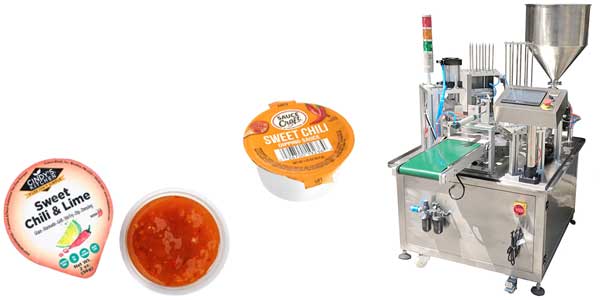 Small Cup Filling and Sealing Machine
Sample and container confirmation; Rim shape, size, and film compatibility affect tooling design and sealing performance; customer provides special-shaped cup/box samples or dime...
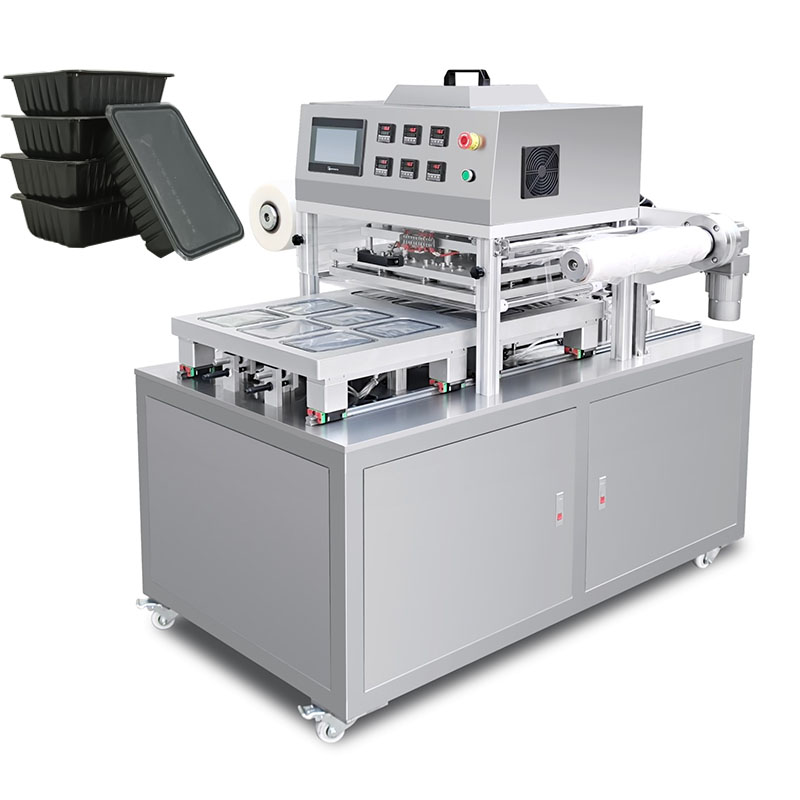 Tray MAP Sealer
Sample and container confirmation; Rim shape, size, and film compatibility affect tooling design and sealing performance; customer provides special-shaped cup/box samples or dimension drawings
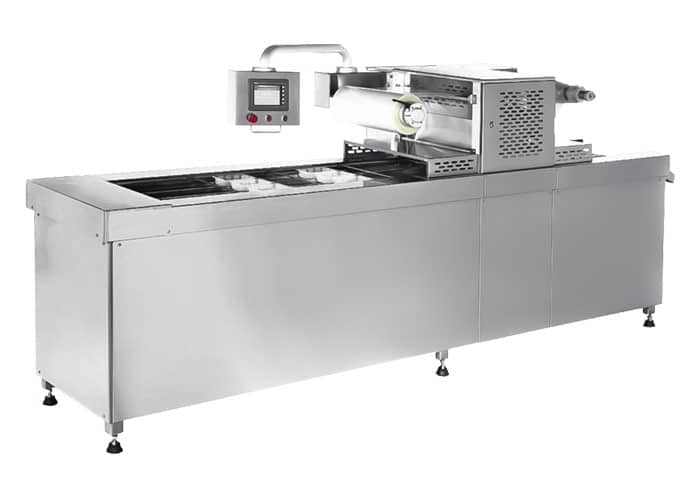 Preformed Tray Sealing Machine
Sample and container confirmation; Rim shape, size, and film compatibility affect tooling design and sealing performance; customer provides special-shaped cup/box samples or dimension d...
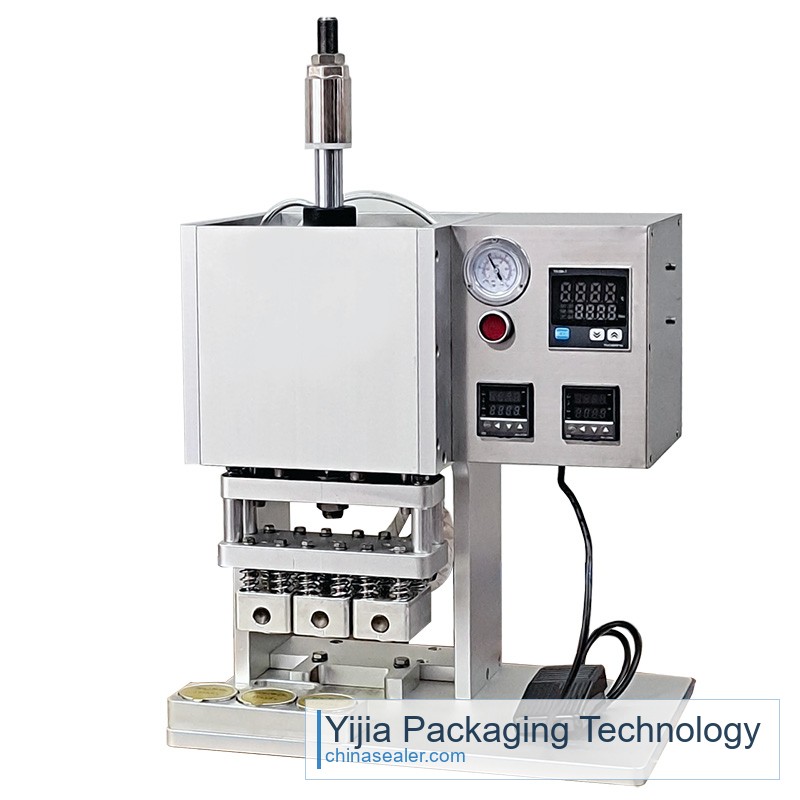 Small-Diameter Cup Sealer SGP-03
Sample and container confirmation; Rim shape, size, and film compatibility affect tooling design and sealing performance; customer provides special-shaped cup/box samples or dimension...
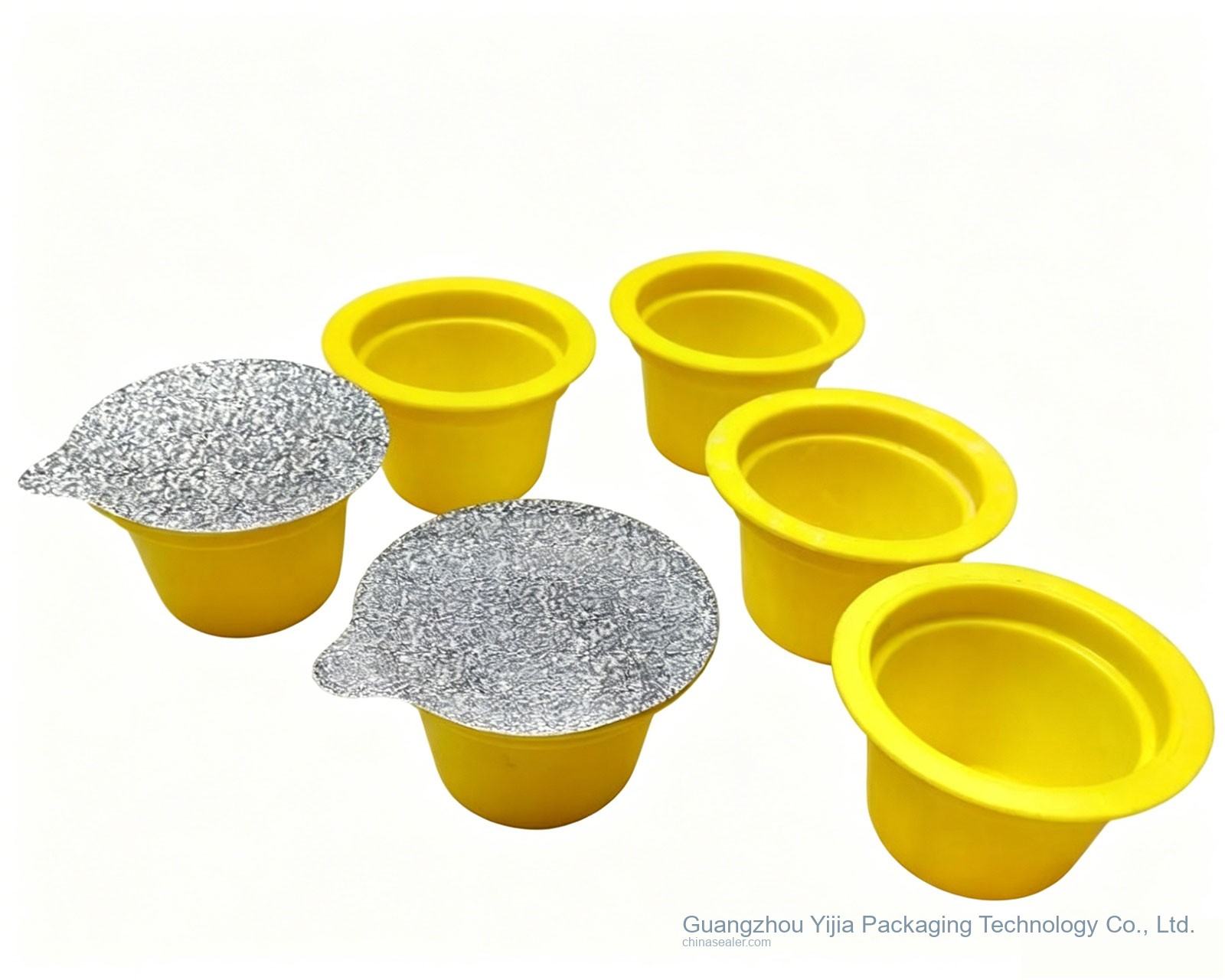 Small Cup Sealing Film and Easy-Tear Film Consumables
Sample and container confirmation; Rim shape, size, and film compatibility affect tooling design and sealing performance; customer provides special-shaped cup/box...
Sample details
Photos and dimensions can first determine container positioning, mold direction, and whether sample testing is needed.
Container samples or photos: provide at least one or two physical samples, or clear photos showing rim shape and dimensions.Photos and dimensions can first determine container positioning, mold direction, and whether sample testing is needed.
Key rim dimensions include length, width, height, rim width, and curvature. Drawings or measured data are best.Film material and liner affect sealing temperature, pressure, dwell time, and feeding method.
Sealing film samples or specifications should include film type, such as foil, easy-peel film, or composite film, and thickness.Capacity target determines single machine, semi-automatic, or continuous inline configuration, and also affects the quotation range.
Target output, such as boxes per hour or per day, helps decide whether a desktop or rotary solution is suitable.Inline requirements affect equipment sequence, cycle time matching, and downstream inspection methods.
Whether the machine needs line connection or downstream equipment, such as filling, coding, labeling, or conveying, should be planned early.Photos and dimensions can first determine container positioning, mold direction, and whether sample testing is needed.
Even if the information is incomplete, you can first send available photos and dimensions. We will judge the route first and then list what still needs to be provided.Common selection mistakes
Common questions
Yes. First send container photos, approximate dimensions, and target output. We will first determine the approach, then advise which samples or information you need to provide.
It is recommended to prepare container samples or photos, rim dimensions, sealing film samples, target output, and whether inline integration is needed. Incomplete information is also acceptable for initial discussion.
Low capacity (300-600 pcs/hr) can use a tabletop machine; high capacity (above 1200 pcs/hr) suggests a rotary or multi-station machine. Equipment structure and mold investment differ.
Different film materials have different heat sealing temperatures, pressures, and conformability. Testing with container samples and film together is required to determine sealing parameters.
Sealing effectiveness must be confirmed through sample, film, and parameter testing. It is recommended to send samples for sealing tests to observe adhesion and peel strength.
If there is filling upstream and coding or labeling downstream with matching capacity, consider inline. Advise site layout and cycle time requirements in advance.