Solution topic
Tube tail sealing for aluminum-plastic and plastic tubes: equipment differs for finished and empty tube incoming materials
Choose a tail sealing standalone machine or an integrated filling and tail sealing machine based on aluminum-plastic or plastic tube, filled or empty incoming material, tail sealin
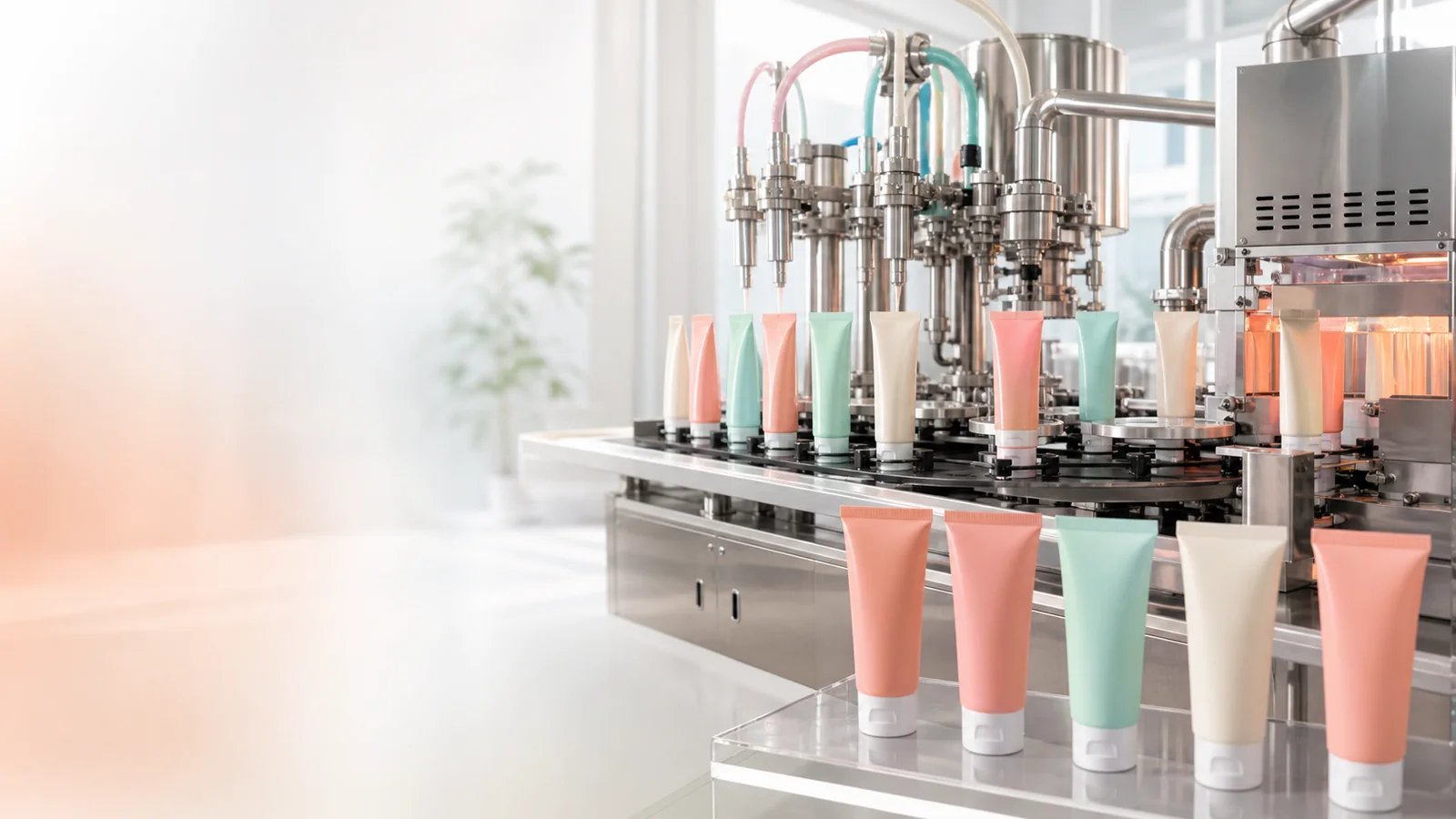
- Finished incoming materials only require tail sealing and coding; empty tube incoming materials require integrated filling and tail sealing; special caps or special tube openings need separate evaluation. Please provide cream and tube samples, tube material and diameter, incoming material state, tail seal and batch number drawings, changeover quantities,...
Solution summary prepared for you
- For cosmetic cream tubes, first select the machine based on incoming material status. Filled finished tubes use a tube tail sealing and coding machine; empty tubes use a fully automatic tube filling and tail sealing machine.
- Aluminum-plastic composite tubes and plastic tubes should be test-sealed separately with official tube samples; identical diameters do not mean identical tail sealing conditions.
- Pump heads, flip caps, or special tube openings require evaluation of a special cap tube sealing solution based on actual tube and cap samples, and cap picking and assembly actions must also be verified.
Route comparison
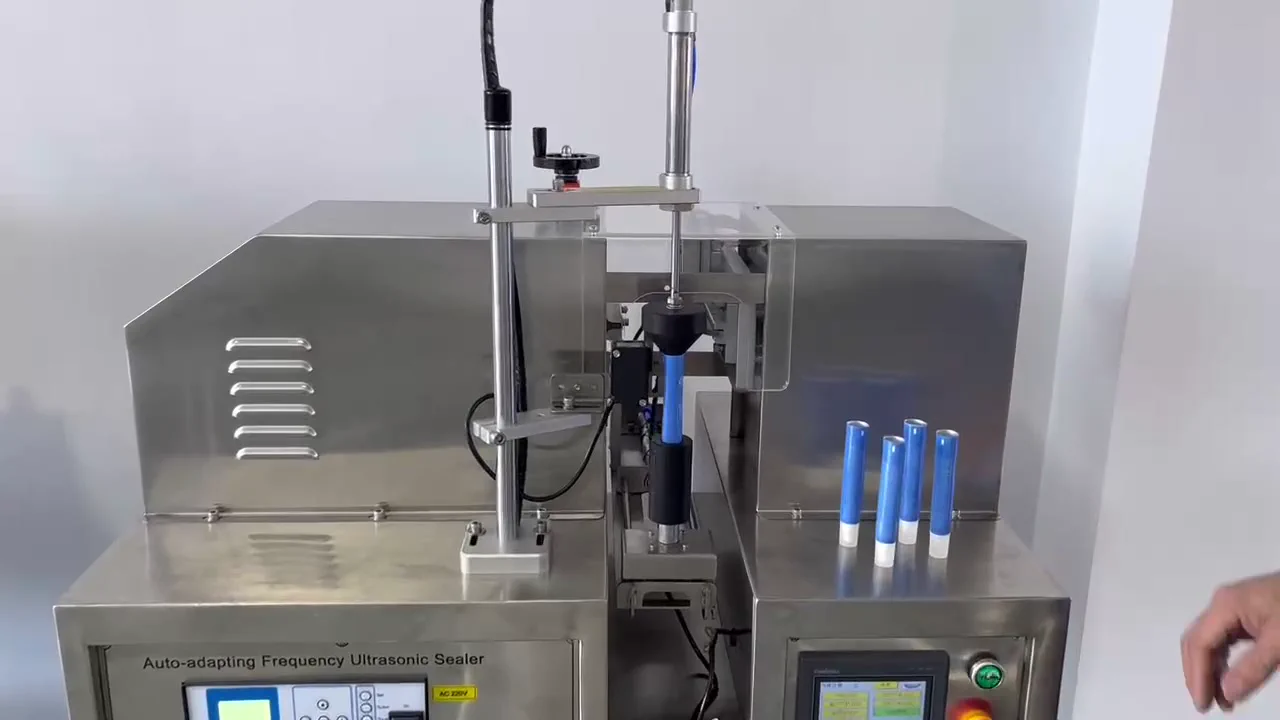
- Suitable for incoming materials where cosmetic cream has already been filled into tubes and only tail sealing, batch coding, and trimming are needed.
- The tube tail sealing and coding machine focuses on the downstream of finished tubes and can be changed over around brand seal patterns, batch codes, and trimming requirements.
- Tail allowance, tube material, content residue, and character artwork must all be sampled; aluminum-plastic and plastic tubes should have separate test sealing records.
- When incoming materials are empty tubes and the equipment is planned to complete cream filling, use a main machine with a filling station.
- For finished incoming materials, use a tube tail sealing and coding machine and make tail sealing and trimming parts based on tube samples.
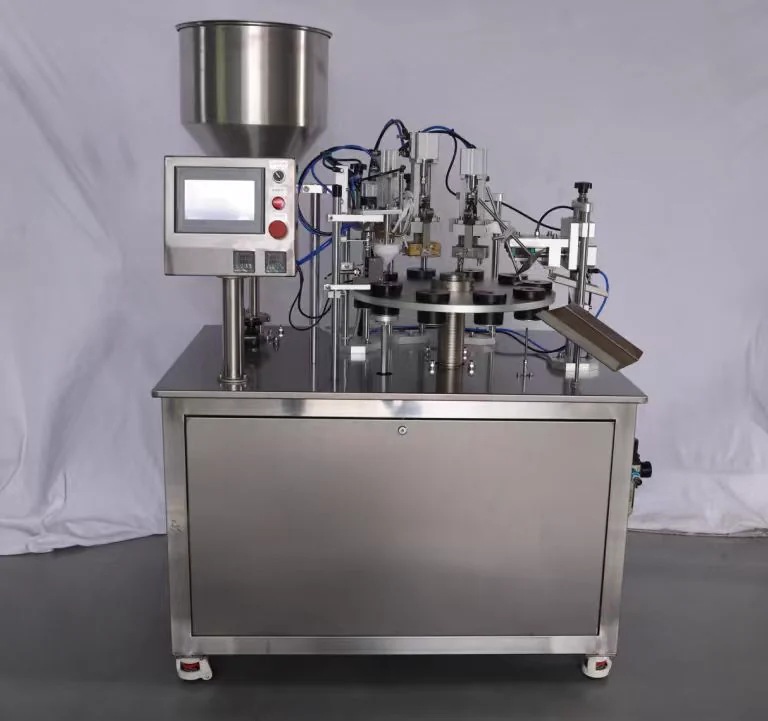
- Suitable for production that requires continuous filling of cosmetic cream, tail sealing, coding, and edge trimming with empty tube feeding.
- The fully automatic tube filling and tail sealing machine connects filling and tail processes, allowing observation of cream closing and tail sealing in the same trial run.
- Cream samples, fill volume, tube material and diameter, cleaning and changeover, and tail code position must all be confirmed; empty tubes alone are not sufficient.
- When there is already a stable filling process and only the tail of finished tubes needs processing, a standalone tail sealing and coding machine better fits the process boundary.
- For empty tube incoming materials, use a fully automatic tube filling and tail sealing machine; filling components are determined by actual cream and fill volume tests.
- Suitable for projects where pump heads, flip caps, or special tube openings require independent assembly, or where finished tubes have additional stable labeling and conveying tasks.
- The special cap branch and downstream labeling can be verified separately according to actual needs, without interfering with the selection of the main machine for finished or empty tubes.
- Special caps must be trial-assembled with the tube opening; labeling should be verified separately with finished tubes for dynamic positioning, not just by looking at pictures.
- When standard tube caps do not require special assembly, or when soft tube bodies cannot form a stable labeling surface, the corresponding branch should not be added.
- For special tube openings, evaluate the special cap tube sealing solution; downstream, when conditions permit, use the round/square bottle labeling machine and automatic conveying line.
Associated Equipment / Consumables
Core process
First specify whether the incoming material is already filled or empty, then verify tube material, diameter, cream state, tail seal pattern, and batch code position.
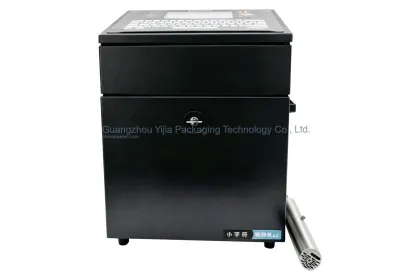
Tubes already filled with cosmetic cream can be processed by a tube tail sealing and coding machine for tail sealing, batch code embossing or coding, and trimming.
When empty tubes are fed and need cream filling, a fully automatic tube filling and tail sealing machine can integrate filling, tail sealing, coding, and trimming.
For pump heads, flip caps, or other special tube openings involving independent assembly actions, design tooling based on actual tube and cap samples using a special cap tube sealing solution.
Use finished tubes that have been filled and tail-sealed to check the positionable surface, label orientation, and traceability position, then decide whether labeling and conveying have stable conditions.
First select the main machine based on finished or empty tubes, and evaluate tooling separately for special tube openings. After the finished tube posture and production rate are stable, consider the round/square bottle labeling machine and automatic conveying.
Sample details
Incoming material status determines whether to use a standalone tail sealing and coding machine or an integrated filling and tail sealing machine, and also defines the process scope of this project.
Specify whether finished tubes are filled or empty tubes are to be filled, and submit tube samples and photos of each specificationThese conditions are used to prepare clamping parts, tail sealing tooling, and trimming blades, and to arrange retained sample tests for different tube materials.
Provide aluminum-plastic composite or plastic tube material, diameter, length, tail allowance, and number of changeoversThe cream state is used to select the filling pump, filling nozzle, and closing action, and to observe whether the tail sealing area is contaminated.
Provide the contents and viscosity, stringiness, or particulate condition, and indicate the planned fill volumeTail seal artwork is used to coordinate tooling, coding, and trimming, avoiding characters near the trim edge or conflicting with brand graphics.
Indicate seal pattern style, character content and orientation, trim boundary, and finished product appearance requirementsThe tube opening connection and cap assembly method determine whether to enter the special cap branch and the required cap picking, pressing, or screwing tooling.
If there are pump heads, flip caps, or special caps, submit them together with the tubes and specify the cap feeding orientationAfter the main machine sampling, this information can be used to evaluate finished tube labeling, automatic conveying, and buffering between stations.
Specify production rate, changeover frequency, label position, conveying direction, and available layoutCommon selection mistakes
The sample list should indicate the incoming material status for each specification and separately list filling, tail sealing, coding, and trimming requirements.
Test seal and retain samples separately for each tube material, check seal pattern, clamping marks, characters, and trimming, then organize parameters and changeover parts.
Use official materials and planned fill volume for trial filling, and record material hang-up, residual drops, residual air in the tube, and cleaning and changeover performance.
Provide complete tube and cap samples, and specify the pressing or screwing action, appearance orientation, and changeover requirements.
Continuously test conveying and labeling with tail-sealed finished tubes, and only after meeting project positioning requirements, connect to a round/square bottle labeling machine.
View detailed technical notes
First classify the main machine by incoming material state
When cosmetic tubes are already filled, only the tail needs processing; empty tubes require filling together with the cream. After clarifying this step, compare the tail sealing and coding machine with the filling and tail sealing machine.
Test sealing separately for aluminum-plastic and plastic tubes
The two tube materials behave differently during heating, pressing, and edge trimming. Formal tube samples should be retained and inspected separately based on tail seal drawings, batch numbers, and filling state.
Finished tubes use the tail sealing and coding machine
The tube tail sealing and coding machine handles tail sealing, coding, and edge trimming for filled incoming materials. During trial runs, check tail residue, tube body clamping marks, and whether the code falls into the trimming area.
Empty tubes use the integrated filling and tail sealing machine
The fully automatic tube filling and tail sealing machine is used for the continuous process from empty tube to finished product. The flow, stringing, or granular state of the cream affects the filling components and the crimping action.
Special tube caps require separate assembly trials
Pump heads, flip caps, and special tube openings should not be judged by cap appearance alone. Special cap tube sealing solutions require tube-cap assembly samples, cap feeding direction, and assembly requirements.
Review seal pattern, code, and edge trimming together on the sample
Tail seal appearance is formed by the seal pattern and edge trimming, and the batch number must avoid the edge. Brand artwork, molds, and code position should be verified on the same finished sample.
Labeling branch verifies finished tube orientation
Whether the round/square bottle labeling machine can be used depends on whether the filled and tail-sealed tubes can be stably conveyed and positioned. Use formal labels for continuous trial labeling.
Line arrangement follows changeover and site conditions
After the main machine and branch are determined, arrange equipment according to tube changeover, cleaning, and on-site infeed/outfeed direction.
Common questions
How to distinguish between a standalone tail sealing machine and an integrated filling and tail sealing machine?
When incoming tubes already filled with cream only need tail sealing, use a tube tail sealing and coding machine. If empty tubes also need filling, evaluate a fully automatic tube filling and tail sealing machine.
What information should be prepared before sampling?
Please submit tube samples of each specification, cream samples, incoming material status, tube material and diameter, tail seal and batch code drawings, actual caps, planned production rate, and changeover arrangements.
Can aluminum-plastic tubes and plastic tubes share the same tail sealing conditions?
The heating and pressing performance of the two tube materials differs, so they should be sampled separately even if the dimensions are the same. Whether the equipment can share tooling and parameters is determined by the retained sample results.
When do special caps need separate evaluation?
For pump heads, flip caps, or special tube openings involving non-standard cap picking, pressing, or screwing actions, submit combined tube-cap samples and evaluate a special cap tube sealing solution.
What items should be checked for tail sealing results?
Usually inspect the seal pattern, tube body clamping marks, batch code readability, and trimming position. The specific judgment method should be determined based on brand artwork, official tube materials, and finished product usage requirements.
Can tube labeling be directly connected after tail sealing?
First test conveying and positioning with finished tubes that have been filled with cream and tail-sealed. Only when the labeling surface and production rate are stable, consider a round/square bottle labeling machine and automatic conveying.